Teaching a Belgian Malinois to Ride Calmly in a Vehicle
If you're a Belgian Malinois owner, you know the struggle: car rides can feel less like a peaceful journey and more like a high-stakes wrestling match. The barking, the pacing, the constant attempts to launch themselves at anything that moves outside the window – it's exhausting, frustrating, and honestly, a little embarrassing. This guide is here to walk you through practical, empathetic strategies to help your high-drive Malinois learn to ride calmly and safely in a vehicle, transforming stressful trips into enjoyable excursions.
Understanding Why Your Malinois Struggles in the Car
It's easy to get frustrated with a Malinois that acts like a wild animal in the car, but understanding the root causes of their behavior is the first step toward effective training. These aren't just "bad dogs"; they're intelligent, sensitive, and often overstimulated creatures trying to make sense of a confusing environment.
High Drive and Hyper-Awareness
Your Belgian Malinois was bred to be incredibly alert, perceptive, and ready to react. This means their senses are always on high alert, even when confined in a car. Every passing car, every pedestrian, every dog being walked, or even a leaf blowing across the road becomes a potential target for their intense focus and prey drive. They're not trying to be naughty; they're simply responding to their environment with the same intensity they'd show on the field.
This hyper-vigilance often translates into a flurry of activity: incessant barking, frantic whining, and ceaseless pacing back and forth in their confined space. Imagine trying to "work" a sheep from inside a moving metal box – that's often how your Malinois's brain is wired to interpret the world outside the window. They might lunge at a skateboarder, erupt in barks at a dog on the sidewalk, or pant uncontrollably and pace even when the car is stopped at a light, their muscles coiled and ready for action. It's a manifestation of their core breed traits, not necessarily a personal affront.
Without proper management and training, this natural intensity can quickly spiral into over-arousal, making car rides a nightmare for both you and your dog. Their highly tuned instincts, which make them exceptional working dogs, can become a significant challenge when they're in an environment that bombards them with sensory input without an outlet for their drive. They genuinely believe they need to respond to every stimulus, and that deeply ingrained drive is hard to switch off without intervention.
Lack of Early Positive Exposure
A common pitfall for many dog owners, especially those with high-drive breeds, is the lack of early, positive exposure to the car. All too often, a Malinois puppy's first car rides are to the vet for shots, a place that's often associated with poking, prodding, and anxiety. If the only experiences they have in the car are negative, or if they're only taken on stressful journeys to training or the vet, they quickly form a negative association with the vehicle itself.
It's crucial to counter-condition these early experiences by making car rides a fun, neutral, or even boring event. Imagine only going to the dentist when you have a toothache – you'd quickly learn to dread the dentist! The same applies to your Malinois. Short, frequent "field trips" to nowhere special, or just around the block to get a high-value treat, can completely change their perception. These don't have to be long drives; even sitting in the parked car with the engine off, receiving praise and treats, builds positive associations.
Without this foundational work, a Malinois puppy can grow into an adult that views the car as a source of anxiety, fear, or overwhelming stimulation. They haven't learned to just be in the car; they've learned to anticipate stress or chaos. This is vastly different from a dog that might experience actual motion sickness, although the symptoms can sometimes overlap. A dog that is overstimulated might bark and lunge, while a dog with motion sickness might drool excessively, yawn, become lethargic, or even vomit – it's important to distinguish between the two for effective intervention. Socializing a Belgian Malinois Puppy Safely should include positive car experiences.
Confinement Anxiety or Motion Sickness
Beyond overstimulation, some Malinois can genuinely suffer from confinement anxiety or motion sickness, making car travel a deeply unpleasant experience for them. Motion sickness, especially in younger dogs, can cause excessive drooling, lethargy, frequent yawning, lip-licking, and ultimately, vomiting. If your Malinois consistently exhibits these signs, particularly after the car starts moving, it's a strong indicator of motion sickness, and a trip to your vet is in order to discuss potential remedies.
Confinement anxiety is another common issue. A Malinois is a dog that thrives on freedom of movement and having a "job" to do. Being restricted in a crate or harness, especially if they haven't been properly acclimated, can feel like a punishment or an inescapable trap. This anxiety can manifest as whining, persistent barking, frantic digging at their bedding, or desperate attempts to escape their restraint. They might feel vulnerable and unable to respond to perceived threats, which can heighten their stress levels considerably.
Even if they don't have full-blown anxiety, simply being unable to move freely can be a significant stressor for a breed known for its boundless energy. They might chew at seatbelts or car interiors not out of malice, but out of a desperate need to channel their nervous energy. Recognizing these specific struggles is crucial, as the solutions for motion sickness or confinement anxiety differ significantly from those for an overstimulated, high-drive Malinois simply reacting to external stimuli. Understanding the "why" behind their distress will guide you toward the most compassionate and effective training approach.
Setting the Stage for Calm Car Rides
Once you understand why your Malinois is struggling, you can begin to proactively set up an environment that promotes calmness and security. This isn't just about training; it's about making the car a space where your dog feels safe and unburdened by sensory overload.
Choosing the Right Containment
The absolute bedrock of a safe and calm car ride for a Belgian Malinois is appropriate and secure containment. Leaving a Malinois unrestrained in a vehicle is not only a massive safety risk for both the dog and human occupants but also contributes to their over-arousal by allowing them full access to all external stimuli. Your choices generally fall into crash-tested crates, safety harnesses, or car barriers, each with its own set of pros and cons tailored to a Malinois's specific needs.
Crash-tested crates, often made of aluminum or heavy-duty plastic, offer the highest level of protection in an accident. They create a secure, den-like space that naturally reduces visual stimulation, turning the car into a quiet retreat rather than a chaotic observation deck. While they can be bulky and a significant investment, the peace of mind they provide for safety and stress reduction is often invaluable for a high-drive dog. Many owners find options available on platforms like Amazon or specialized pet supply retailers. Crash Tested Transport Crates for a Malinois are absolutely worth the research.
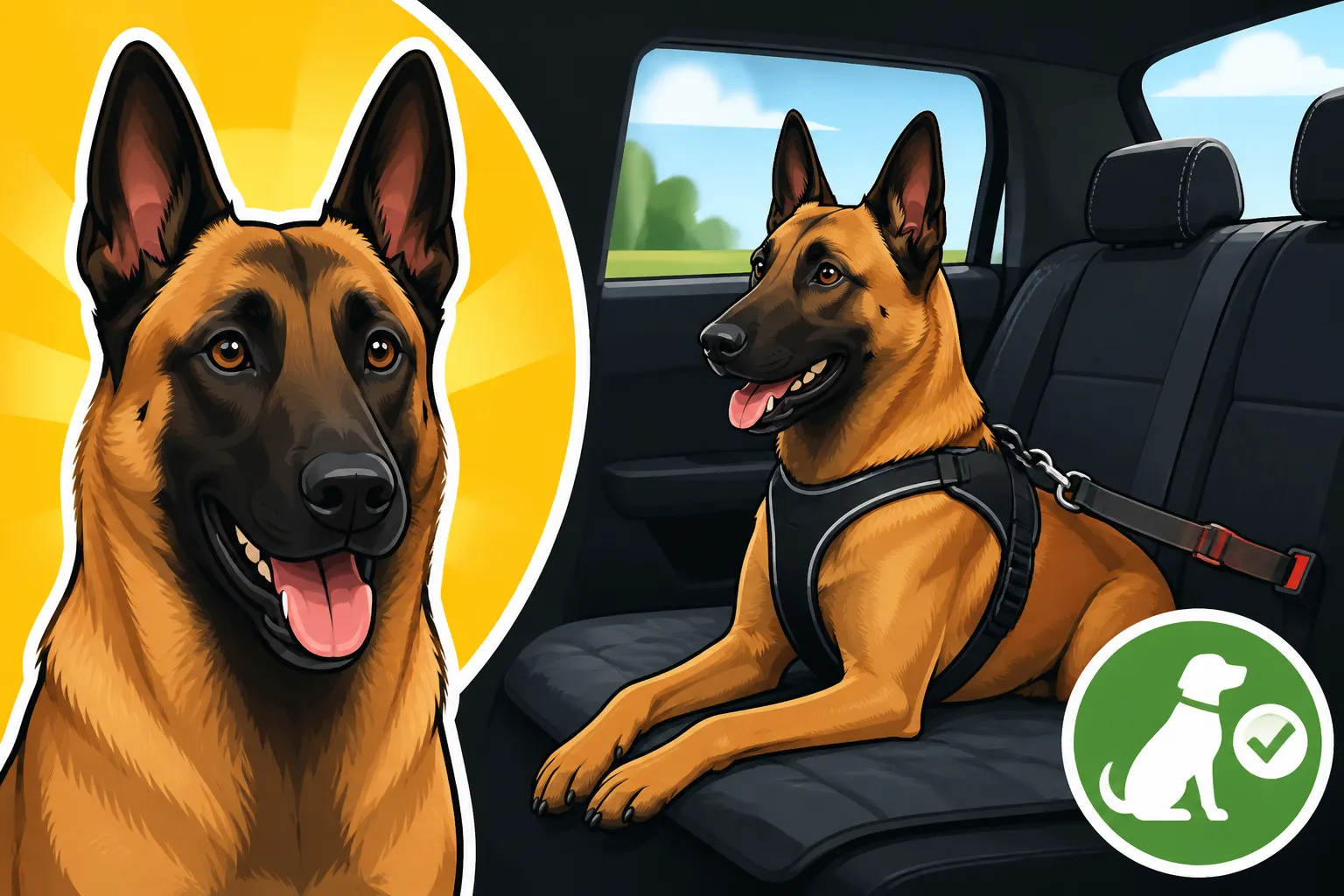
Alternatively, car safety harnesses connect to your vehicle's seatbelt system. These offer more freedom of movement than a crate but significantly less protection in a serious collision, as many harnesses do not hold up to crash forces. They still allow your Malinois to see more of the outside world, which might be counterproductive if overstimulation is the primary issue. Car barriers, typically metal grids, keep your dog confined to the cargo area of an SUV or wagon. While they prevent your Malinois from entering the passenger cabin, they don't offer direct crash protection for the dog itself and still leave them visually exposed. For a Malinois, a well-chosen, appropriately sized crate often proves to be the superior choice for promoting true calm and ensuring maximum safety.
| Containment Type | Pros | Cons | Best For |
|---|---|---|---|
| Crash-Tested Crate | Maximum safety, secure, den-like, limits visual stimuli | Bulky, can be expensive, takes up significant space, heavier | Ultimate safety, anxious dogs, long trips |
| Car Safety Harness | Allows some freedom, less bulky than crate, easier to install | Variable safety ratings, dog can still move/see stimuli, less secure in a crash | Well-behaved dogs, shorter trips, smaller cars |
| Car Barrier (Metal) | Keeps dog in cargo, allows full view, good for multi-dog households | Less direct protection in crash, dog still exposed visually, can rattle | Dogs with good manners, larger SUVs/wagons |
Desensitization and Counter-Conditioning
Once you have your containment sorted, the next step is a gradual process of desensitization and counter-conditioning. This involves systematically exposing your Malinois to the car environment in small, positive increments, associating it with good things rather than stress. Start with the car completely off and parked. Open the door to their chosen containment (crate, for example) and let them investigate at their own pace. Toss high-value treats inside, praise them for approaching, and don't force them in. The goal is for them to voluntarily enter.
Once they're comfortable getting in and out of the parked car, move to sitting inside with the doors closed, still with the engine off. Offer a high-value chew, a stuffed KONG, or simply shower them with praise. Gradually introduce the sound of the engine starting, turning it off quickly at first, then extending the duration. Each step should be met with calm reassurance and positive reinforcement. The aim is to associate the car with something wonderful – like a special treat they only get in the car – making the experience pleasant and predictable.
Finally, begin very short drives. A quick trip around the block, a drive to a nearby park for a quick sniff walk (not an intense play session right away), or simply pulling out of the driveway and back in again. The key is to keep these initial drives short, positive, and uneventful. Over time, as your Malinois builds confidence and learns that car rides often lead to good things (or at least neutral, calm experiences), their anxiety and over-arousal will naturally begin to diminish. Remember, patience is not just a virtue here; it's a necessity.
Managing Environmental Stimuli
For a high-drive Belgian Malinois, what they see and hear can be a massive trigger for unwanted car behavior. Therefore, actively managing environmental stimuli is a critical component of teaching them to ride calmly. If your Malinois is in a crate, covering it with a blanket or crate cover can significantly reduce visual input, turning their travel space into a quiet, dark den. This simple act can prevent them from seeing passing cars, pedestrians, or other dogs that would normally elicit a frantic reaction.
Consider playing calming music or even white noise during car rides. The consistent sound can help mask external noises that might otherwise startle or excite your dog, creating a more predictable and less jarring auditory environment. There are even specific dog-calming playlists available on streaming services that can contribute to a more serene atmosphere. This aural conditioning can be surprisingly effective in helping a Malinois settle.
Beyond sight and sound, ensure that your Malinois is physically comfortable in the vehicle. Proper ventilation and temperature control are paramount. A Malinois can overheat easily, especially when stressed or contained, and an uncomfortable dog will never be a calm one. Use your vehicle's air conditioning or heating to maintain a comfortable temperature, and consider Vehicle Heat Alarms for a Belgian Malinois in a Car if your dog spends time in a parked car, even briefly. Ensuring their physical well-being by reducing sensory overload and maintaining comfort goes a long way in fostering a calm demeanor for any car journey.
Training Protocols for a Calm Traveler
Beyond environmental management, active training is indispensable. You need to teach your Malinois how to be calm in the car, just as you would teach them any other skill.
Building a "Place" or "Settle" Command in the Vehicle
One of the most powerful tools in your training arsenal is to extend a "place" or "settle" command to the vehicle environment. If your Malinois already understands "place" on a mat or bed in the house, you're ahead of the game. The concept is to teach them that their designated spot in the car (whether it's a crate, a specific mat in the cargo area, or a dog bed in the back seat) is a place for quiet relaxation, not for frantic observation or reaction.
Start by working on this command in the parked car, engine off. Lure or guide your Malinois into their designated spot and reward them heavily for any calm behavior – a relaxed body, a soft gaze, lying down. Use your marker word ("yes" or click) and deliver high-value treats. Gradually extend the duration you expect them to stay, rewarding frequently for remaining calm and in position. The goal is to build an understanding that when they are in their car "place," their job is simply to settle and wait, regardless of what's happening outside. Building a Malinois's Place Command is crucial for consistency.
Once they are consistently settling in the parked car, gradually introduce the engine running, then short periods of idling, then very short drives. Continue to reward heavily for maintaining their "place" command. If they break position or become agitated, calmly reset them without scolding, and return to an easier step if needed. Consistency is the magic word here. Every time they are in the car, they should be in their "place" and expected to settle. This isn't about punishment; it's about teaching a default behavior of calm, structured waiting that eventually becomes second nature.
Utilizing Professional Training Resources
Sometimes, despite your best efforts, a Belgian Malinois's car anxiety or over-arousal can be particularly challenging. This is where professional training resources can be a game-changer. An experienced dog trainer, especially one familiar with high-drive working breeds like Malinois, can provide an objective eye and tailored strategies that you might not have considered. They can spot subtle cues in your dog's behavior, identify specific triggers, and help you implement a more effective training plan.
Many excellent online training platforms, such as BAXTER & Bella, offer comprehensive courses that include modules on car manners, desensitization, and building impulse control. These resources can be invaluable, providing step-by-step video tutorials and support from certified trainers, all from the comfort of your home. A good online program can help you understand the nuances of working with a high-drive dog and equip you with the techniques to address their unique challenges in the vehicle.
Local trainers specializing in behavior modification or sport dog training can also be incredibly beneficial. A one-on-one session with an expert can address specific issues like intense reactivity to passing vehicles or severe confinement anxiety. They can guide you through practical exercises in and around your car, ensuring you're applying techniques correctly and effectively. Remember, investing in professional guidance isn't a sign of failure; it's a smart decision to help your Malinois become a well-adjusted, calm traveler. Consider seeking advice if your Malinois is resistant to settling, or if you feel you need more tools.
Integrating Mental Exercise Before Travel
While it might seem counterintuitive to "exercise" your Malinois before a car ride when you want them calm, the type of exercise matters immensely. A physically and, more importantly, mentally satisfied Malinois is far more likely to settle quietly in the car. This isn't about running them ragged until they're physically exhausted and unable to move; that can actually make them more prone to anxiety if they associate it with feeling unwell. Instead, focus on enriching mental exercise that burns brainpower without ramping up adrenaline too much.
A good sniff walk in a new environment, allowing them to truly explore with their nose, can be incredibly tiring and fulfilling. Engaging in a short, focused obedience session that requires concentration and problem-solving, like complex trick training or several rounds of precise heeling, can also help "take the edge off" without over-exciting them. The idea is to tap into their intelligence and natural drive in a controlled manner before they enter the car. The Mental Work That Finally Tires a Malinois Out is just as important as physical exertion.
Once in the car, consider providing a high-value, long-lasting chew or a puzzle toy stuffed with delicious treats. Brands like KONG, available widely on Amazon, are excellent for this. These items occupy their minds, encourage quiet chewing (which is naturally calming), and provide a positive distraction from external stimuli. This keeps them engaged in a constructive way, making the car ride a more pleasant and manageable experience for everyone involved.
Common Challenges and Troubleshooting
Even with the best preparation and training, you're bound to hit a few bumps in the road (pun intended!) with a Belgian Malinois. Knowing how to troubleshoot common issues will save you a lot of frustration.
Excessive Barking and Whining
The relentless barking and whining from a Malinois in the car can be one of the most maddening challenges. It's important to remember that for many Malinois, this behavior is a self-rewarding cycle: they bark at something, it eventually goes away (because the car drives past it), and they feel like their barking was effective. Breaking this cycle requires consistency and a clear strategy.
Firstly, ensure your containment is effectively limiting visual stimuli, as discussed earlier. A covered crate can work wonders here. When barking or whining begins, your response must be immediate and consistent. Avoid yelling or showing frustration, as this can inadvertently reinforce the behavior by giving them attention. Instead, a short, sharp verbal correction (e.g., "Quiet!" or "Enough!") followed by a reward the instant they are silent, even for a second, can be effective. The goal is to capture and reward the absence of noise.
For some Malinois, ignoring the behavior completely (if safe to do so) can also work, as long as you're not reinforcing it in any way. However, ignoring an extremely persistent barker can be difficult and potentially unsafe if it's distracting you from driving. If all else fails, consider using a safe, effective deterrent that interrupts the behavior without causing fear, such as a quick spritz from a plain water bottle or a sharp noise from a can of pennies, immediately followed by praise and reward when they stop. The key is to be calm, firm, and absolutely consistent every single time. A Malinois That Screams Rather Than Settles often benefits from these tactics.
Destructive Chewing and Escapism
A Belgian Malinois with nervous energy or sheer boredom can quickly turn your car's interior into a chew toy. This destructive behavior, whether it's chewing seatbelts, tearing at upholstery, or trying to dig out of a crate, usually stems from anxiety, lack of mental stimulation, or an unfulfilled need to do something with their powerful jaws. Addressing the root cause is paramount.
Ensure you're providing appropriate, durable chew toys specifically for car rides. These should be items your Malinois loves but cannot easily destroy or ingest. Heavy-duty rubber toys (like those from KONG, easily found on Amazon), hard nylon chews, or even a frozen, stuffed chew toy can keep their mouth busy in a constructive way. These shouldn't be everyday toys; they should be special items reserved for car travel to enhance their value and novelty.
Reinforce the need for secure, escape-proof containment. If your Malinois is managing to damage things inside their crate, the crate itself might be too large, or not robust enough for a determined Malinois. Upgrade to a stronger, crash-tested crate if necessary. If they're attempting to escape a harness, ensure it's properly fitted and consider a different style that offers better security. Remember that prevention is always easier than repair. Regularly inspect your car's interior for any small damage they might be starting and address it immediately before it becomes a bigger problem. Think about What a Malinois Destroys in One Unsupervised Hour – the car is no exception.
Road Trip Readiness and Breaks
Longer road trips present their own unique set of challenges for even a well-trained Belgian Malinois. While shorter trips might be manageable, extended periods of confinement require additional planning and consideration to ensure your dog remains calm and comfortable. Just like humans, Malinois need breaks to stretch their legs, relieve themselves, and decompress from the sensory input of travel.
Plan for frequent potty breaks, roughly every 2-3 hours, depending on your dog's bladder and energy levels. These breaks should happen in safe, leashed environments away from busy roads. While it's good to let them stretch and relieve themselves, avoid turning every break into an intense play session, which can re-energize them and make it harder to settle back into the car. A short walk on leash, allowing them to sniff and explore calmly, is usually sufficient.
Always carry plenty of fresh water and a portable bowl. Dehydration can quickly become an issue, especially if your Malinois is panting more due to stress or heat. Offer water regularly during breaks and even during short stops if they seem thirsty. Consider packing a small cooler with ice to keep the water cool, particularly during warmer months. Remember that even the calmest Malinois has limits to their patience and endurance in a moving vehicle. Providing these essential comforts and well-timed breaks is vital for a successful and less stressful long-distance journey, ensuring their physical and mental well-being throughout the trip.
Disclaimer
This article is for general informational purposes only and does not constitute professional advice. Laws, prices and regulations vary by location and change over time. Consult a qualified professional for guidance on your specific situation.