Feeding a Malinois That Is Never Not in Drive
If you're living with a Belgian Malinois that feels like it has a perpetual motion machine instead of a heart, you know the struggle of keeping weight on them. These incredible dogs are always in drive, always ready for the next command, the next bite, the next sprint, and that constant energy expenditure can make feeding them feel like a full-time job in itself. This comprehensive guide is here to walk you through the nuances of fueling such a high-octane athlete, ensuring they get every bit of nutrition they need to thrive and perform.
Understanding the Unique Nutritional Demands of a High-Drive Malinois
When you look at a Belgian Malinois, you're looking at a finely tuned athletic machine, bred for intense work and sustained effort. Their bodies are built for speed, agility, and endurance, which means their nutritional requirements are far from average. It's not just about throwing a scoop of kibble in a bowl; it's about a strategic approach to fuel their relentless drive.
The Metabolism of a Malinois in Constant Motion
Anyone who shares their life with a Mal knows that "rest" is often a relative term. Even when they're seemingly settled, their brains are whirring, their muscles are twitching, and their bodies are burning through calories at an astonishing rate. This isn't just during intense training sessions or competitions; it's practically 24/7. Their metabolism is incredibly efficient at converting food into energy, which is fantastic for performance, but it also means they need a consistent and rich supply of fuel. Think of them as a high-performance sports car – you wouldn't fill it with economy-grade fuel and expect it to win races, would you? A Malinois's body is constantly in a state of readiness, even when you might perceive them to be relaxed. This metabolic reality means their daily caloric needs can be significantly higher than a similarly sized, less driven dog.
This constant energy demand isn't just about movement; it's about their entire physiological makeup. From the rapid firing of neurons in their highly intelligent brains to the constant repair and maintenance of their powerful muscles, every system is working overtime. Many owners find their Malinois can eat what seems like an exorbitant amount of food compared to other breeds their size and still maintain a lean, almost 'ribby' physique. This lean condition is often ideal for a working dog, as excess weight can hinder performance and put unnecessary strain on their joints. However, distinguishing between ideal lean and dangerously thin is crucial, and it always comes back to understanding their unique, super-charged metabolic engine.
Beyond Calories: The Role of Macronutrients
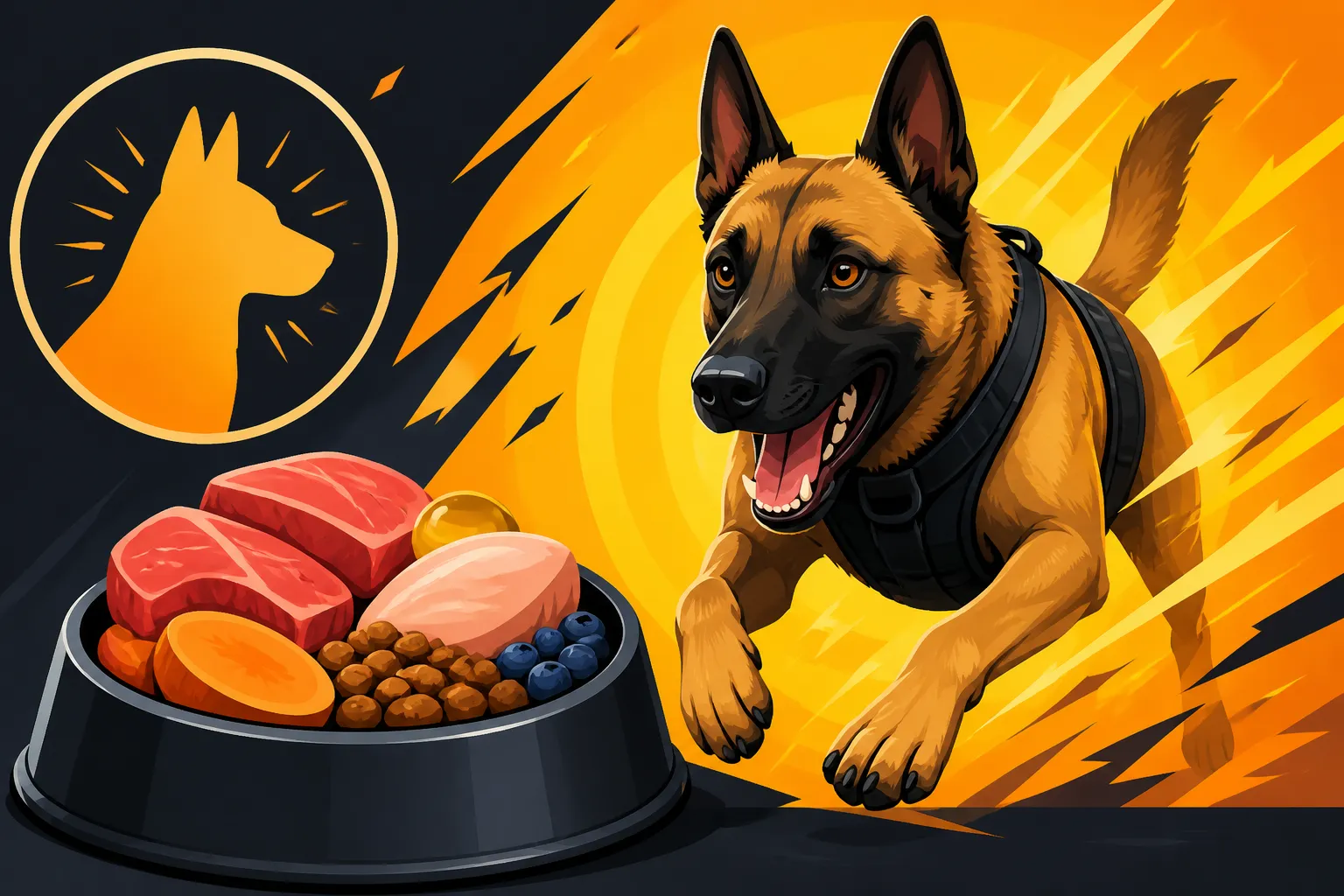
While calories are the overall measure of energy, it's the specific macronutrients—protein, fat, and carbohydrates—that truly dictate the quality of that energy. For a high-drive Malinois, the balance of these is paramount. Protein is the building block for muscle repair and growth, essential for a dog that constantly uses its body for demanding tasks. You want to see high-quality, animal-based protein as the first ingredient, and often the second and third too. Without adequate protein, their muscles simply can't recover from the daily grind of training, leading to fatigue and potentially injury.
Fats are concentrated energy sources and crucial for sustained endurance. They provide a steady, long-lasting fuel source that helps prevent "bonking" during prolonged activity. Healthy fats also play a vital role in skin and coat health, hormone production, and the absorption of fat-soluble vitamins. Look for sources like chicken fat, salmon oil, and flaxseed. Carbohydrates, while sometimes misunderstood, provide quick energy for bursts of speed and help replenish glycogen stores after intense work. Complex carbohydrates like sweet potatoes, oats, and barley are generally preferred over simple, highly refined grains, offering sustained energy rather than a sugar spike and crash. The key is finding a food where these three components are not just present, but present in ratios that support the intense physical and mental demands of a Malinois.
Hydration as a Performance Factor
It's easy to overlook, but water is arguably the most critical nutrient for any working dog, especially a high-drive Malinois. They expel a lot of fluids through panting during exertion, and even more so when they're simply "on" all the time, constantly moving or mentally engaged. Dehydration, even mild, can severely impact their performance, concentration, and overall health. It can lead to lethargy, overheating, and even more serious issues if not addressed promptly. Imagine trying to run a marathon without taking a single sip of water; your Malinois is essentially running their own version of a marathon every single day, sometimes multiple times.
This isn't just about having a water bowl available. It's about proactive hydration. Ensure fresh water is always accessible, both indoors and out. During training sessions, offer water frequently, even if they don't seem thirsty. Some Malinois are so focused on their work that they'll ignore the water bowl. In these cases, you might need to get creative – adding a splash of bone broth to their water, offering ice cubes, or even using a portable water bottle and bowl combination during walks and training. You can even soak their kibble to increase water intake with meals. Getting Water Into a Malinois That Is Too Busy This constant vigilance over their water intake is paramount, especially in warmer weather or after particularly strenuous activity.
Choosing the Right Food for Your High-Drive Malinois
Navigating the crowded world of dog food can be overwhelming, but for a high-drive Malinois, the choice becomes even more critical. Their food isn't just sustenance; it's their performance fuel, directly impacting their energy levels, recovery, and long-term health.
Performance vs. All-Life-Stages Formulas
Many owners initially grab an "all-life-stages" or "adult maintenance" formula, thinking it's sufficient. However, for a Malinois that is truly "never not in drive," these often fall short. Performance formulas, sometimes labeled "sporting dog" or "high-energy," are specifically designed with higher protein and fat content to meet the intense caloric demands of active dogs. They provide the concentrated energy and muscle-building blocks that a Malinois needs to sustain rigorous training and quick recovery.
When evaluating performance formulas, look for ingredients like deboned chicken, beef, or lamb as the primary protein sources. Healthy fats, such as chicken fat, salmon oil, or canola oil, should be prominent. These formulas are usually more calorie-dense, meaning your Malinois gets more bang for their buck in smaller servings, which can be beneficial for dogs prone to bloat or those who struggle to eat large volumes. A quick glance at the guaranteed analysis will show significantly higher percentages of crude protein and crude fat compared to a standard kibble. This isn't just marketing; it's a necessary nutritional adjustment for a dog whose body is always burning fuel at an accelerated rate. You can find a vast array of performance kibbles on platforms like Chewy, allowing for easy comparison of ingredients and nutrient profiles.
The Debate: Kibble, Raw, or Fresh-Cooked?
This is a hot topic in the dog world, and each option has its proponents, especially for active breeds.
-
Kibble: This is the most common and often most convenient option. High-quality performance kibbles are formulated to be nutritionally complete and balanced, with the correct ratios of macronutrients, vitamins, and minerals. They are easy to store and measure, and generally more affordable. For a working Malinois, the consistency of a well-researched kibble can be a real advantage, ensuring they always get predictable fuel. The downside is that processing can reduce the bioavailability of some nutrients, and some dogs struggle with digestibility. However, many premium brands offer excellent options.
-
Raw (BARF/Prey Model): Proponents of raw feeding argue that it's biologically appropriate, mirroring the diet a canine ancestor would eat. It typically involves raw muscle meat, organs, and bones. Many report improved coat, dental health, and higher energy levels (though Mals usually don't need more energy!). For a high-drive Malinois, raw can be very nutrient-dense and highly digestible for some. The challenges include ensuring a truly balanced diet, proper handling to prevent bacterial contamination, and significant time/cost commitment. It's crucial to consult with a veterinary nutritionist if you go this route to avoid deficiencies.
-
Fresh-Cooked: This option often sits between kibble and raw, offering the perceived benefits of whole, unprocessed foods without the raw handling concerns. Services like Ollie deliver pre-portioned, gently cooked meals made with human-grade ingredients. For a Malinois who might be a picky eater or have sensitivities, fresh-cooked can be very appealing and highly digestible. The main drawbacks are cost and storage space, as these diets typically need refrigeration or freezing. However, for some owners, the benefits of seeing their Malinois thrive on such a diet outweigh the logistical challenges.
Choosing the right type of food depends on your budget, your lifestyle, your dog's individual needs, and your comfort level with preparation. There's no single "best" option, but rather the best option for your Malinois.
Reading Labels and Understanding Ingredients
Becoming a label sleuth is essential when feeding a high-drive Malinois. Don't be swayed by marketing buzzwords. Focus on the ingredient list and the guaranteed analysis.
What to Look For:
- Named Animal Protein First: Chicken meal, deboned beef, lamb, salmon. "Meat meal" can be good if it's a named meal (e.g., "chicken meal"), as it's a concentrated protein source. Avoid generic "meat by-products" or "animal digest" as primary ingredients.
- Healthy Fats: Chicken fat, salmon oil, flaxseed, canola oil.
- Complex Carbohydrates: Sweet potatoes, peas, barley, oats, brown rice.
- Fruits and Vegetables: For natural vitamins, minerals, and antioxidants (e.g., blueberries, carrots, spinach).
- Supplements: Glucosamine, chondroitin, probiotics, and omega fatty acids are often added to performance formulas.
What to Potentially Avoid (or at least be wary of as primary ingredients):
- Fillers: Corn, wheat, soy. While not inherently bad, if they are high on the ingredient list, it means less room for nutrient-dense ingredients. Some dogs have sensitivities to these.
- Artificial Colors, Flavors, and Preservatives: These offer no nutritional value and can sometimes trigger sensitivities.
- Excessive Plant Proteins: While some plant protein is fine, the bulk of a Malinois's protein should come from animal sources.
Pay close attention to the guaranteed analysis, which shows the minimum percentages of crude protein and fat, and maximum percentages of crude fiber and moisture. For a high-drive Malinois, you're typically looking for a crude protein around 28-35% and crude fat around 18-24%, though this can vary depending on the specific formula and your dog's activity. Understanding these numbers allows you to make an informed decision about whether a food truly meets the intense demands of your perpetually "on" Belgian Malinois.
Strategic Feeding Schedules and Portion Control
Feeding a Belgian Malinois that's always in motion isn't just about what you feed them, but when and how much. A haphazard approach can lead to digestive upset, suboptimal performance, and even serious health risks like bloat. This is where strategy comes into play, creating a routine that supports their intense lifestyle.
Timing Meals Around Training and Work
For a high-drive Malinois, meal timing is as critical as the meal itself. You don't want to feed a large meal immediately before an intense training session or within an hour or two afterward. A full stomach can be uncomfortable during physical exertion and, more importantly, can increase the risk of Gastric Dilatation-Volvulus (GDV), commonly known as bloat. Whether Torsion Happens in Belgian Malinois This is a life-threatening condition where the stomach twists.
A general rule of thumb is to feed at least 2-3 hours before any strenuous activity and wait at least 1-2 hours after they've cooled down from a session. This allows for proper digestion before activity and prevents immediate post-exercise stress on a full stomach. Many working dog owners split their Malinois's daily ration into two or even three smaller meals. For example, a morning meal after a light warm-up walk, a midday snack if they have an intense afternoon session planned, and a larger evening meal once all work is done and they've had ample time to relax. This strategy helps maintain consistent energy levels throughout the day and reduces the risk associated with large, single meals. If your Malinois has a particularly intense morning session, a light, easily digestible meal like some rehydrated kibble or a small amount of lean meat several hours before might be appropriate, followed by their main breakfast once they've recovered.
Adjusting Portions Based on Activity Level
One of the biggest mistakes owners make is feeding the same amount of food every single day, regardless of their Malinois's activity level. This breed isn't a static machine; their energy output fluctuates. A day spent primarily lounging (which is rare for a Malinois, let's be honest!) requires less fuel than a day with hours of bite work, agility training, or a long patrol shift. You need to be dynamic with their portions.
The best way to judge is by regularly assessing your Malinois's body condition. You should be able to easily feel their ribs, but not see them prominently. There should be a noticeable tuck-up at their waist. If you're seeing ribs too easily or they look too lean, incrementally increase their food. If they're starting to carry a little extra weight, dial it back slightly. The Lean Condition a Belgian Malinois Should Carry This isn't about rigid calorie counting, but about observation and adjustment. Many working dog owners weigh their dogs weekly to monitor trends. Factors like ambient temperature (they burn more calories keeping warm in cold weather), stress levels, and even coat blow (shedding requires energy) can all influence their daily needs. It’s a constant dance of observation and adjustment, ensuring they have the fuel to perform without carrying unnecessary weight.
Managing Stress-Related Appetite Fluctuations
Believe it or not, some high-drive Malinois can be incredibly finicky eaters, especially under stress. A new environment, a challenging training day, or even the excitement of an upcoming trial can make them turn their nose up at food. This is incredibly frustrating when you know they need the fuel! Their drive to work can sometimes override their drive to eat, or their digestive system simply clenches up.
To combat this, you can try several strategies:
- Consistency: Feed at the same times and in the same place each day, making it a predictable, low-stress event.
- High-Value Toppers: Add something irresistible to their regular food, like a spoon of plain yogurt, canned pumpkin, cooked eggs, or a sprinkle of freeze-dried meat. Even a little warm water or low-sodium broth can make kibble more appealing.
- Controlled Environment: Feed them in a quiet, isolated space where they won't be distracted by other dogs, people, or outside noises.
- Hand-Feeding/Engagement: Sometimes, simply engaging with them during mealtime, offering a few bites by hand, can kick-start their appetite.
- Smaller, More Frequent Meals: If they struggle with large volumes, break their daily ration into even smaller, more manageable portions throughout the day.
- Rule Out Medical Issues: If appetite loss is sudden or persistent, always consult your vet to rule out any underlying health problems.
It's a delicate balance, but finding what works to keep your Malinois fueled, even when their brain is too busy to think about food, is a vital part of their care.
Supplements and Additives for Optimal Performance
Beyond a complete and balanced diet, certain supplements can provide an extra edge, supporting the intense demands placed on a high-drive Belgian Malinois's body. These aren't magic bullets, but rather targeted aids to help maintain health, enhance recovery, and potentially prevent issues down the road.
Joint Support for a Hard-Working Body
A Belgian Malinois's athleticism is a marvel, but all that jumping, turning, and hard impact work takes a toll on their joints. Even with excellent genetics and clearances, the sheer volume of high-impact activity makes them prime candidates for early onset arthritis or joint wear and tear. Therefore, proactive joint support is often a cornerstone of their long-term care.
Common joint supplements include glucosamine, chondroitin, and MSM (Methylsulfonylmethane). Glucosamine helps support the repair and maintenance of cartilage, while chondroitin helps maintain cartilage elasticity and prevent further breakdown. MSM is often included for its anti-inflammatory and pain-relieving properties. These ingredients work synergistically to cushion joints, improve mobility, and reduce inflammation. Starting these supplements early, even before signs of joint discomfort appear, can be a preventative measure to support their hardworking bodies. Products from a reputable brand found on Amazon can be easily researched for ingredient quality and reviews. Discussing appropriate joint supplements with your veterinarian is crucial to ensure you're providing the right dosage and combination for your individual dog. Joint Supplements for a Working Belgian Malinois
Probiotics and Digestive Aids
The high-stress, high-drive lifestyle of a Malinois can sometimes lead to digestive upset. Stress can manifest as loose stools, diarrhea, or even a sensitive stomach. Probiotics, which are beneficial bacteria, can help maintain a healthy gut microbiome, which is essential for proper digestion and nutrient absorption. A balanced gut can also contribute to a stronger immune system.
Digestive enzymes are another aid, helping to break down food more efficiently, which can be beneficial for dogs who struggle with nutrient absorption or those eating very large meals. If your Malinois experiences frequent bouts of stress-induced diarrhea, or if you notice their stools are consistently soft, incorporating a quality probiotic or digestive enzyme supplement can make a significant difference. Many sport dog owners use them proactively, especially around trials or intense training periods, to help mitigate gut stress. A healthy gut means more efficient nutrient utilization, which is exactly what a high-drive Malinois needs to sustain their energy and recovery.
Omega Fatty Acids for Coat and Overall Health
Omega-3 and Omega-6 fatty acids are essential fats that play a crucial role in many bodily functions. For a Malinois, they offer a range of benefits that go beyond just a shiny coat, although that's certainly a pleasant side effect! Omega-3s, particularly EPA and DHA found in fish oil, are powerful anti-inflammatories. This can be incredibly beneficial for reducing inflammation in joints, skin, and even the brain, aiding in recovery from strenuous activity.
They also support cognitive function, which is important for a breed that relies so heavily on mental acuity and focus. Omega-6s are also important, often found in plant-based oils, but the balance between Omega-3 and Omega-6 is key. Often, commercial dog foods have a higher ratio of Omega-6, so supplementing with Omega-3-rich fish oil (like salmon or sardine oil) can help restore that balance. A healthy balance of these fatty acids contributes to a robust immune system, healthy skin and coat, and overall cellular health, all of which are vital for a dog that's constantly pushing its physical and mental limits.
Addressing Common Feeding Challenges with High-Drive Malinois
Even with the best intentions and the highest quality food, feeding a high-drive Malinois can present its own unique set of challenges. Their intense nature sometimes translates into quirky eating habits or predispositions to certain health issues that require careful management.
The Picky Eater Syndrome
It sounds contradictory, doesn't it? A dog burning thousands of calories a day, and they're picky about food? Yet, it's a common lament among Malinois owners. Sometimes, their drive for work, for play, or for anything but eating takes precedence. They might be too excited, too stressed, or simply find the current meal uninteresting. This "picky eater syndrome" can be incredibly frustrating when you know they need to keep weight on their lean frames.
Strategies to combat this often involve making mealtime as appealing and low-stress as possible. As mentioned before, trying high-value toppers like cooked eggs, a spoonful of cottage cheese, or a bit of lean cooked meat can do wonders. Warming the food slightly can also enhance its aroma and appeal. Some owners find rotating protein sources (e.g., chicken-based kibble one month, lamb-based the next) keeps things interesting. Another trick is to only leave the food down for a set amount of time (10-15 minutes) and then pick it up, offering it again at the next mealtime. This teaches them that food is available at specific times, and if they don't eat it, it's gone until later. However, always ensure they are consuming enough over the course of the day to meet their energy needs. If pickiness leads to significant weight loss, a vet visit is in order.
Preventing Bloat (Gastric Dilatation-Volvulus)
Bloat is a terrifying, life-threatening condition where the stomach fills with gas and then often twists, cutting off blood supply. Large, deep-chested breeds like the Malinois are predisposed to it. While the exact cause isn't fully understood, several factors are thought to increase risk, and managing these is paramount for a high-drive dog.
Preventative measures include:
- Multiple Small Meals: Instead of one large meal, feed 2-3 smaller meals throughout the day. This reduces the amount of food and gas in the stomach at any one time.
- Restrict Activity Around Meals: As discussed, avoid strenuous exercise for at least 2-3 hours before and 1-2 hours after eating. This gives the stomach time to digest without jostling.
- Slow Down Eating: Using slow-feeder bowls or putting a large, heavy object (like a Kong or tennis ball) in their bowl can prevent rapid ingestion of food and air.
- Avoid Elevating Bowls: While once thought to help, current research suggests elevated bowls might actually increase the risk of bloat in some breeds.
- Limit Water Intake Around Meals: Don't let your Malinois guzzle large amounts of water immediately before or after eating. Offer smaller amounts more frequently.
- Recognize the Signs: Know the symptoms of bloat: distended abdomen, unproductive retching, restlessness, drooling, and pain. It's an emergency, requiring immediate veterinary attention.
While you can't eliminate the risk entirely, implementing these strategies significantly reduces the chances of this deadly condition. Whether Torsion Happens in Belgian Malinois
Maintaining Ideal Body Condition
For a Malinois, "ideal body condition" often means very lean. You should easily be able to feel their ribs, and often see the last two or three ribs, especially when they move. They should have a distinct waist tuck and a powerful, athletic appearance. However, there's a fine line between ideally lean and too thin, or worse, carrying too much weight.
To maintain ideal condition:
- Regular Palpation: Get hands-on with your dog weekly. Feel along their ribs, spine, and hips. If ribs are too prominent or sharp, they might need more food. If you're struggling to feel them, they might be gaining weight.
- Visual Assessment: Observe them from above and from the side. From above, you should see a clear "waist" between their ribs and hips. From the side, a well-defined abdominal tuck.
- Weigh-Ins: Regular weigh-ins (e.g., once a month at the vet or on a home scale) can help track trends, especially as their activity levels fluctuate seasonally or with training cycles.
- Adjust Accordingly: This goes back to adjusting portions based on activity. A week of intense training means slightly more food; a week recovering from a minor injury means slightly less.
- Consult Your Vet: If you're unsure about their body condition, or if they're struggling to maintain weight despite adequate feeding, consult your veterinarian. They can help rule out underlying health issues and provide guidance on appropriate caloric intake.
Remember, a Malinois carrying excess weight is less efficient, puts more strain on their joints, and can be at higher risk for other health problems. Striving for that athletic, lean physique is crucial for their long-term health and performance. The Lean Condition a Belgian Malinois Should Carry
Treats, Chews, and Hydration Strategies
Beyond their main meals, the treats, chews, and hydration methods you employ are equally important for a high-drive Belgian Malinois. These aren't just indulgences; they're valuable tools for training, mental enrichment, and maintaining peak physical condition.
High-Value Training Treats
A Malinois lives to work, and often, that work is driven by high-value rewards. Regular dry kibble might work for basic obedience in a low-distraction environment, but for intense drive work, proofing commands, or teaching complex behaviors, you need something truly irresistible. "High-value" means different things to different dogs, but for many Mals, it often involves something meaty, smelly, and easy to consume quickly.
Examples of high-value treats include:
- Cooked Chicken Breast (shredded or diced): Universally loved, lean protein.
- Cheese Cubes: Small, quick, and many dogs adore cheese.
- Hot Dogs or Sausage (cooked and diced small): Very high odor and flavor, but use sparingly due to sodium content.
- Freeze-Dried Liver or Meat Treats: Lightweight, potent, and easy to carry (available from most pet retailers, including Chewy or Amazon).
- Peanut Butter on a Spoon/Lick Mat: Great for calm rewards or distractions.
- Small, Soft Training Bites: Many brands make specific "training treats" that are soft and easily chewed.
The key is variety and novelty. Don't use the same high-value treat every single day for every single reward. Rotate them to keep your Malinois interested and motivated. Cut them into tiny, pea-sized pieces to prevent overfeeding and ensure they can quickly get back to work. These treats are not meant to replace meals but to supplement training.
Safe and Durable Chews
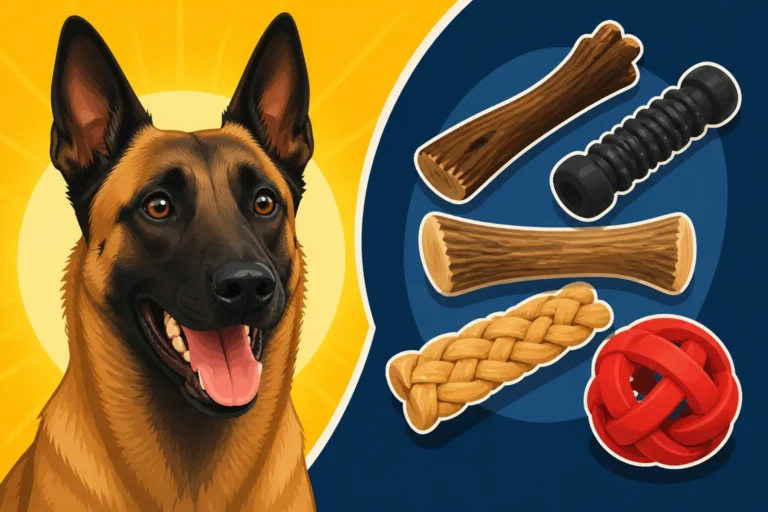
A Malinois's powerful jaws and intense chew drive mean that not all chews are created equal. Many common chews can be destroyed in minutes, or worse, pose a choking hazard or risk dental fractures. It's a balance between providing enrichment and keeping their teeth and gums healthy.
Considerations for safe chews:
- Durability: Look for chews designed for "power chewers." Brands like Kong are often a good starting point, but even those might not hold up to a truly dedicated Malinois.
- Safety: Avoid chews that can splinter (like cooked bones) or be swallowed whole once softened. Dental chews should be digestible.
- Dental Health: Some chews are designed to help clean teeth, but remember that nothing replaces regular dental care. Be wary of extremely hard chews (like antlers or nylon bones) that can lead to chipped or broken teeth, especially for a working Malinois whose bite is so important. Chews That Will Not Fracture a Malinois's Canines A broken canine can be an expensive and painful problem.
- Supervision: Always supervise your Malinois with new chews to ensure they are using them safely and not trying to ingest large pieces.
Interactive puzzle toys filled with peanut butter, yogurt, or wet food and then frozen can provide longer-lasting, safer mental and physical engagement than many traditional chews. These can be particularly good for helping a Malinois settle in their crate or decompress after a hard training session.
Creative Hydration Methods
We've already emphasized the critical role of hydration, but how do you get enough water into a Malinois who's constantly on the go or too focused to drink? Sometimes, the regular water bowl just isn't enough, or they simply aren't paying attention to their thirst cues until it's too late.
Creative hydration strategies:
- Multiple Water Sources: Have water bowls in several locations around the house and yard.
- Travel Water Bottles/Bowls: Always carry water with you during walks, training, or car trips. Offer it frequently.
- Ice Cubes/Frozen Treats: Many Malinois love ice cubes as a treat, which also provides hydration. You can also freeze broth in ice cube trays.
- Soaked Kibble: Adding water (or low-sodium broth) to their kibble increases their water intake with meals.
- Wet Food/Canned Pumpkin: If using kibble, occasionally mix in a small amount of wet dog food or plain canned pumpkin, which has high moisture content.
- Water Fountains: Some dogs are enticed to drink more from flowing water.
- Flavoring Water: A tiny splash of bone broth or a few drops of salmon oil can make plain water more appealing without adding significant calories.
Monitoring their water intake, especially after intense exercise or in hot weather, is a non-negotiable part of caring for your high-drive Malinois. A well-hydrated dog is a performing dog. Getting Water Into a Malinois That Is Too Busy
Long-Term Nutritional Planning and Veterinary Partnership
Feeding a high-drive Belgian Malinois isn't a one-time decision; it's an ongoing, evolving process that requires careful planning and a strong partnership with your veterinarian. Their nutritional needs will change throughout their life, and anticipating those changes is key to their sustained health and performance.
Regular Veterinary Check-ups and Nutritional Assessments
Your veterinarian is your most valuable partner in your Malinois's nutritional journey. Regular check-ups, ideally at least once a year (or more frequently for working dogs or seniors), are essential not just for vaccines and general health, but for comprehensive nutritional assessments. Your vet can objectively evaluate your dog's body condition, discuss their activity level, and help you fine-tune their diet.
During these visits, don't be afraid to bring up any concerns about appetite, weight fluctuations, stool quality, or energy levels. Your vet can help identify potential underlying issues that might be affecting their metabolism or nutrient absorption. They can also offer guidance on specific dietary changes, recommend supplements, or even refer you to a veterinary nutritionist if your Malinois has complex dietary needs, allergies, or chronic health conditions. Think of it as a periodic review of your Malinois's fuel strategy, ensuring it's still optimized for their current performance demands and overall health.
Adapting Nutrition Through Life Stages
A Malinois's nutritional requirements are not static; they shift dramatically from puppyhood to adulthood to their senior years.
- Puppyhood: Growing Malinois puppies need specifically formulated large-breed puppy food to ensure slow, steady growth. Too much protein or calcium can lead to skeletal issues. These foods are designed to support their rapid development without pushing them to grow too quickly, which can exacerbate orthopedic problems.
- Adulthood (Working Years): This is where high-performance adult formulas come into their own, providing the sustained energy and repair needed for their intense work. Continuous monitoring of body condition and adjusting portions based on training load are critical.
- Senior Years (After Ten): As a Malinois ages, their metabolism typically slows down, and their activity level may decrease. Caring for a Belgian Malinois After Ten They may also develop conditions like arthritis or reduced organ function. Switching to a senior formula, which is often lower in calories and fat but still provides high-quality protein, can prevent weight gain and support aging joints and organs. They might also benefit from increased fiber for digestive health, and specific supplements for cognitive support or joint care. Dental health also becomes more critical, sometimes requiring softer foods or specialized dental diets.
Being proactive about these dietary transitions can significantly impact your Malinois's quality of life and longevity.
Bloodwork as a Nutritional Monitor
Annual or bi-annual bloodwork is not just about checking for disease; it's a powerful tool for monitoring your Malinois's nutritional status and overall internal health. A comprehensive blood panel can reveal a wealth of information that influences how well their body utilizes nutrients.
What bloodwork can tell you:
- Organ Function: Liver and kidney values can indicate how well these organs are processing and filtering nutrients and waste. Impaired function might necessitate dietary changes.
- Electrolyte Balance: Essential for nerve and muscle function, especially critical for active dogs. Imbalances could point to dehydration or underlying issues.
- Red and White Blood Cell Counts: Anemia could indicate nutritional deficiencies, while elevated white counts could signal inflammation or infection.
- Thyroid Function: Hypothyroidism, while not directly nutritional, can impact metabolism and energy levels, making a dog lethargic and prone to weight gain, even on a performance diet. A Malinois Whose Thyroid Has Given Out
- Protein Levels: Total protein, albumin, and globulin levels can give clues about overall nutritional status and protein absorption.
By regularly reviewing these parameters with your vet, you can catch subtle changes early and make necessary dietary adjustments before they become significant health problems. It's like having an internal dashboard for your high-drive Malinois, ensuring all systems are go and their fuel strategy is truly working for them. The Bloodwork a Working Malinois Should Have Annually
| Food Type | Pros for High-Drive Malinois | Cons for High-Drive Malinois | Key Considerations |
|---|---|---|---|
| Performance Kibble | – High calorie/nutrient density | – Digestibility varies by brand | – Look for high protein/fat, quality ingredients |
| – Convenient, easy to store and measure | – Processing can reduce nutrient bioavailability | – Split into multiple meals to prevent bloat | |
| – Formulated to be nutritionally complete and balanced | – Some dogs may be less enthusiastic to eat | – Add water/broth to increase hydration | |
| Raw Diet | – Highly digestible for some, perceived naturalness | – Risk of nutritional imbalances if not properly formulated | – Consult veterinary nutritionist |
| – High moisture content, often very palatable | – Food safety concerns (bacterial contamination) | – Proper handling and storage are crucial | |
| – Can contribute to excellent dental health | – Costly and time-consuming preparation | – May not be suitable for all digestive systems | |
| Fresh-Cooked Diet | – Highly palatable, often made with human-grade ingredients | – Can be significantly more expensive | – Ensure it's nutritionally complete and balanced |
| – Good for picky eaters or those with sensitivities | – Requires refrigeration/freezing and careful storage | – Excellent for hydration and palatability | |
| – High moisture content, good digestibility | – May not be as calorie-dense as some kibbles; check labels | – Can combine with kibble as a topper |
Disclaimer
This article is for general informational purposes only and does not constitute professional advice. Laws, prices and regulations vary by location and change over time. Consult a qualified professional for guidance on your specific situation.