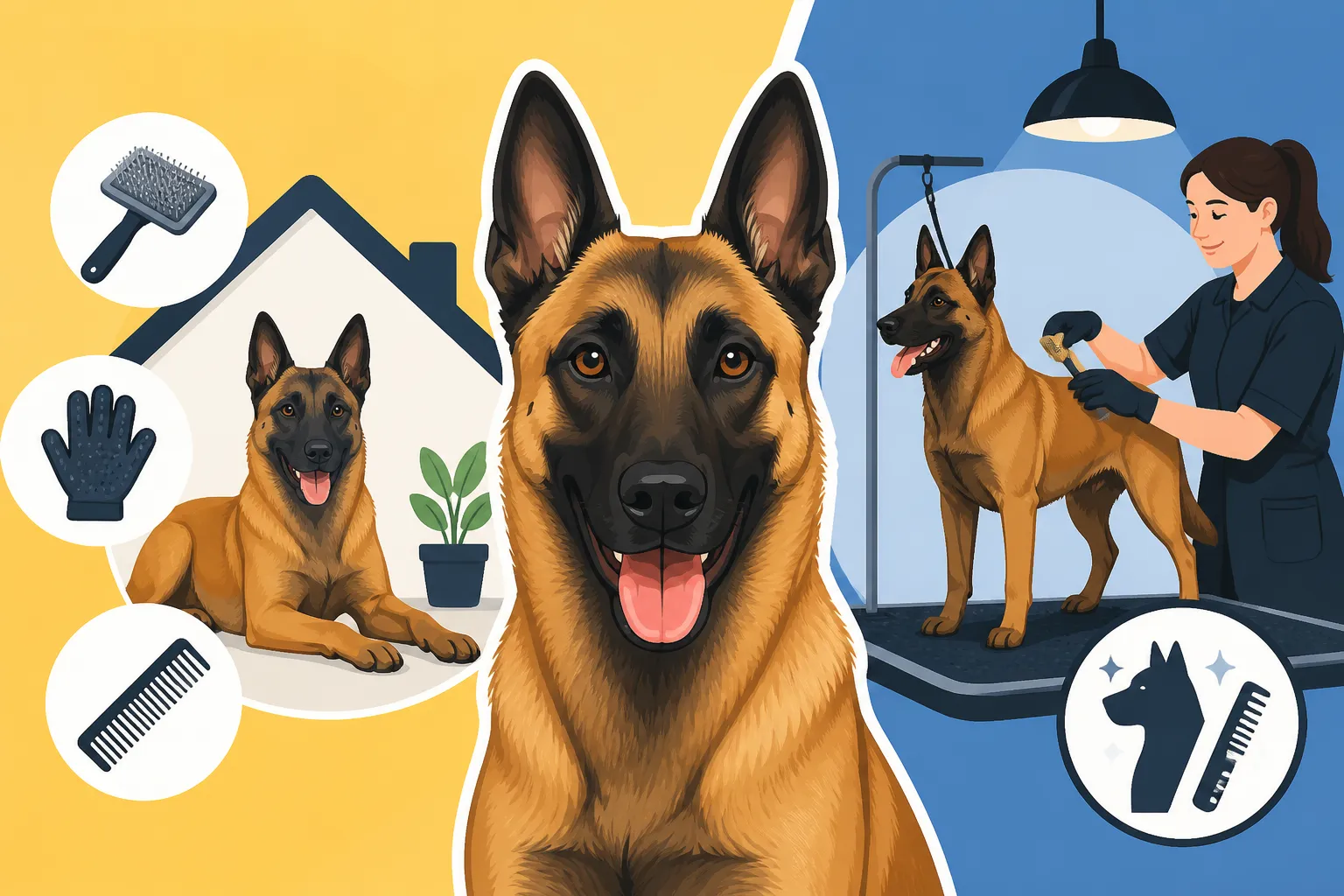
Whether a Malinois Ever Needs Professional Grooming
Many Belgian Malinois owners mistakenly believe that because their dogs have short coats, professional grooming isn't really necessary. This couldn't be further from the truth. While your Malinois might not need fancy cuts or elaborate styling, their dense double coat and high-energy lifestyle present unique grooming challenges that can certainly benefit from a professional touch, ensuring their health and your sanity.
Understanding the Malinois Coat – More Than Meets the Eye
When you look at a Belgian Malinois, their sleek, short fur often gives the impression of a low-maintenance coat. But any Malinois owner will tell you that appearance can be deceiving. There's a lot more going on under that seemingly simple exterior.
The Double Coat Dynamics
The Belgian Malinois possesses a double coat, which is crucial for their original working purpose of herding and protection in various climates. This isn't just one layer of hair; it's a sophisticated system designed for insulation and protection. You have a harsh, straight, and relatively short outer coat that's excellent at repelling water and dirt. It acts as a shield against the elements, keeping your dog comfortable whether they're working in a field or training in the rain. Beneath this outer layer, there's a dense, woolly undercoat. This undercoat is what truly provides insulation, keeping them warm in cold weather and helping to regulate their body temperature in warmer conditions by trapping air.
The challenge with this double coat is that it sheds. A lot. Even though the individual hairs are short, the sheer volume of hair in that undercoat is substantial. If not properly managed, this shedding can quickly lead to matting, skin irritation, and an endless supply of "Malinois glitter" throughout your home. Grooming isn't just about aesthetics; it's about maintaining the functionality of this protective coat and the health of the skin underneath. Without regular attention, especially to that undercoat, you're looking at potential problems down the line, regardless of how short the topcoat appears.
Seasonal Shedding vs. Year-Round Dust Bunnies
Malinois are notorious for their shedding, and it's a topic of frequent discussion among owners. It’s not just a constant, mild affair; it comes in waves. You'll experience what's known as a "coat blow" twice a year, typically in spring and fall. During these periods, your Malinois will shed an incredible amount of their dense undercoat to prepare for the upcoming season's temperatures. This is when the tumbleweeds of dog hair seem to appear from nowhere, collecting in corners, on furniture, and even clinging stubbornly to your clothing as if it's part of the fabric. The Two Week Stretch When a Malinois Drops Coat will attest to the intensity of these times.
However, even outside of these major seasonal events, Malinois shed year-round. It might not be the dramatic spectacle of a coat blow, but there's a continuous, low-level release of hair that keeps your vacuum cleaner busy. This is particularly true for Malinois who spend a lot of time indoors in temperature-controlled environments, which can sometimes disrupt their natural shedding cycles and lead to more consistent hair loss. Managing this requires a consistent grooming routine at home, utilizing tools like deshedding brushes and even specialized vacuums. Failing to address both the seasonal and year-round shedding can lead to a buildup of dead hair, which can make their coat feel dull, prevent proper air circulation to the skin, and exacerbate any skin issues. It's a never-ending battle, but one that's vital for a healthy, comfortable Malinois.
When DIY Grooming Falls Short for Your Malinois
While many dedicated Malinois owners do an admirable job with at-home grooming, there are definitely times and situations where even the most diligent owner finds themselves outmatched. This isn't a reflection of your commitment, but rather the unique demands of the Malinois coat and temperament.
The Challenge of the "Blow Out" Shed
During those dreaded "blow out" seasons, when your Malinois is dropping its entire undercoat, the amount of hair coming off them can be truly overwhelming. It feels like you could build another dog with what comes off your current one! While your trusty slicker brush or deshedding rake from Chewy can certainly help, they often can't penetrate deep enough or remove enough of the loose undercoat to truly make a dent. The sheer volume and density of the undercoat, especially if it's a particularly thick-coated Malinois, can clog brushes quickly and make the process incredibly time-consuming and often frustrating for both you and your dog.
This is where a professional groomer shines. They have access to powerful, high-velocity dryers that are designed specifically to "blow out" dead undercoat. These aren't just fancy hair dryers; they use strong, focused airflow to lift and separate the coat, literally blasting out loose hair that brushing alone would miss. This process is far more efficient and effective, significantly reducing shedding in your home and creating a healthier, cleaner coat for your dog. For many Malinois owners, a professional de-shedding treatment during these heavy shedding periods is an absolute lifesaver, cutting down on weeks of continuous vacuuming and brushing.
Nails, Pads, and Paw Care Beyond the Basics
Another area where professional help can be invaluable is with nail and paw care. Malinois are active dogs, often working on varied terrain, which means their paws take a beating. While regular walks can help wear down nails, many Malinois, especially those less active or with particularly hard nails, will still need regular trims. The challenge? Many Malinois are not fond of having their paws handled, and their dark nails can make it incredibly difficult to see the quick (the sensitive blood vessel and nerve within the nail), leading to accidental nicks. A bad experience can make future nail trims a nightmare.
Professional groomers are skilled at handling dogs who are sensitive about their paws. They often use dremel tools for a smoother, shorter finish that can be less stressful than clippers, and they are experts at gently, yet firmly, managing dogs through the process. Beyond just nails, groomers can also inspect paw pads for cracks, cuts, or foreign objects, and provide necessary moisturizing treatments. They can also trim the hair between the paw pads, which, if left untrimmed, can collect debris, lead to matting, and even cause slippage on smooth floors. Nails, Pads and Feet on a Working Belgian Malinois are critical to their performance and comfort, making expert care essential.
Tackling Specific Skin and Coat Issues
Sometimes, a Malinois might develop specific skin or coat issues that are difficult to manage at home. Think about a Malinois who loves to swim, or works in damp environments – they might be prone to Hot Spots on a Malinois After Water Training. Or perhaps your dog has sensitive skin, allergies, or an unexplained rash. Applying medicated shampoos or dealing with stubborn matting, even in a short coat, can be a major struggle, especially with a high-drive dog who isn't keen on standing still for an extended bath.
Professional groomers have specialized shampoos, conditioners, and equipment designed to address various dermatological concerns. They are experienced in applying medicated treatments thoroughly and ensuring the coat is properly rinsed and dried, which is critical for preventing further skin irritation. Moreover, a groomer's trained eye can often spot subtle changes in your dog's skin or coat, like new lumps, dry patches, or unusual redness, that you might miss. They act as an extra set of eyes, potentially identifying issues early before they become more serious. This early detection can be incredibly beneficial, allowing for prompt veterinary attention if needed.
The Benefits a Professional Groomer Offers Your Malinois (and You!)
Choosing professional grooming for your Belgian Malinois isn't just about convenience; it's an investment in their health, well-being, and even your relationship with them. When done right, it can transform a challenging chore into a positive routine.
Expert Tools and Techniques for Deep Cleaning
One of the most significant advantages a professional groomer offers is their access to, and expertise with, specialized tools and techniques that most home groomers simply don't have. We're talking beyond the basic brush and shampoo here. Their high-velocity dryers, as mentioned, are game-changers for truly eliminating that dense undercoat during shedding season. This deep cleaning not only removes dead hair but also improves air circulation to the skin, which is vital for preventing skin issues and maintaining a healthy coat.
Beyond the dryers, groomers use professional-grade shampoos and conditioners tailored to specific coat and skin types. They might have deshedding shampoos, hypoallergenic options for sensitive skin, or medicated formulas for specific conditions. They know how to apply these products thoroughly, ensuring every inch of your Malinois's coat and skin is cleaned, and perhaps more importantly, how to rinse completely, preventing residue that can irritate the skin. Their bathing setups are also designed for efficiency, often with raised tubs and secure restraints, making the process safer and less stressful than wrestling a wet, wiggly Malinois in your home bathroom. The overall result is a much cleaner, healthier, and more comfortable dog.
Behavior Handling and Socialization for a High-Drive Dog
Let's be honest, getting a high-drive Belgian Malinois to stand still and accept prolonged handling, especially by a stranger, can be a monumental task. These dogs are intelligent, often opinionated, and always busy. This is where a skilled professional groomer truly shines. They are not just hair stylists; they are dog behaviorists in their own right. They understand how to read canine body language, recognize stress signals, and employ positive reinforcement techniques to make the grooming experience as calm and positive as possible.
A good groomer can help your Malinois build confidence in being handled, touched, and exposed to new sights and sounds. This isn't just beneficial for grooming appointments; it translates to better behavior during vet visits, during interactions with new people, and generally makes your dog more adaptable. For a breed that can sometimes be wary of strangers or intensely focused, learning to relax and tolerate these sessions is a form of crucial socialization. In some cases, if your Malinois has a particularly strong aversion or a history of being difficult, a groomer experienced with working breeds will be able to manage them safely, using tools like muzzles if necessary – often they can even introduce muzzle conditioning if your dog isn't used to it, as outlined in Muzzle Conditioning Before a Malinois Ever Needs One. This takes immense pressure off you, the owner, and helps your dog learn to be a cooperative client.
Health Spot Checks and Early Detection
One often overlooked benefit of professional grooming is the "health check" that comes with it. A groomer spends a significant amount of time thoroughly examining every inch of your dog's body, from nose to tail, which is something even the most dedicated owner might not do with the same level of scrutiny. As they brush, wash, and dry, they are feeling for lumps, bumps, and skin anomalies. They'll check ears for signs of infection, inspect eyes for discharge or irritation, and look at teeth for tartar buildup or broken canines. They can also feel for any unusual sensitivity or pain spots.
This thorough examination often leads to early detection of potential health problems. A groomer might notice a new lump that needs to be checked by a vet, such as described in Lumps Worth Aspirating on a Belgian Malinois, or persistent ear redness that indicates an emerging infection. They might see excessive flaking or redness in the coat that points to allergies or parasites. Catching these issues early can make a significant difference in treatment outcomes and can save you considerable worry and expense in the long run. They become an integral part of your Malinois's overall preventative care team, providing valuable insights between veterinary visits.
Finding the Right Groomer for Your Belgian Malinois
Finding the right groomer for your Belgian Malinois is crucial, especially given their specific temperament and high energy levels. You can't just drop them off anywhere and expect a positive experience. It requires a bit of detective work and clear communication.
What to Look For in a Malinois-Friendly Groomer
When searching for a groomer, you need someone who not only knows how to handle a dog's coat but also understands the unique personality of a Belgian Malinois. Here's what to prioritize:
- Experience with Working Breeds: Ask specifically if they have experience with Malinois, German Shepherds, or other high-drive, intelligent working dogs. These breeds often require a different approach than a fluffy doodle or a docile retriever. A groomer who understands their intensity, sensitivity, and potential for being wary of strangers will be better equipped.
- Patience and Positive Reinforcement: Look for a groomer who emphasizes positive reinforcement and gentle handling. Avoid any groomer who talks about "dominating" or "forcing" dogs. A Malinois needs to feel secure and respected, not scared. Ask about their techniques for anxious or high-energy dogs.
- Facility Safety and Cleanliness: Visit the salon if possible. Is it clean? Are the kennels secure? Are dogs supervised? Safety is paramount, especially with a strong, athletic dog like a Malinois. You want to see a calm, well-organized environment.
- Communication Style: A good groomer will communicate openly with you about your dog's behavior during the session, any issues they noticed, and what they recommend for at-home care. They should be willing to listen to your concerns and preferences.
- References and Reviews: Check online reviews, and even better, ask other local Malinois owners or your vet for recommendations. Word-of-mouth is often the best indicator of a groomer's quality.
A groomer who truly understands the breed won't be intimidated by a Malinois's intensity and will know how to channel that energy into a cooperative grooming experience.
Preparing Your Malinois for a Professional Grooming Session
Even with the best groomer, a little preparation on your part can make a world of difference for your Malinois's experience.
- Early Socialization and Handling: Start early with puppies. Get them used to having their paws, ears, and tail handled. Make it a positive experience with treats and praise. Even older Malinois can benefit from desensitization. Whether a Belgian Malinois Ever Truly Relaxes is a common question, but practice with handling can create a calmer state.
- Exercise Before the Appointment: A tired Malinois is a more cooperative Malinois. Give your dog a good, vigorous exercise session before their grooming appointment. This can help them settle down and be less antsy during the handling.
- Communicate with the Groomer: Be honest and open with your groomer about your dog's temperament, any quirks, fears, or past negative experiences. Tell them about any sensitive spots, known skin conditions, or specific concerns you have. The more information they have, the better they can tailor the experience.
- Practice At-Home Grooming: Even if you're using a professional, regular brushing, ear checks, and paw handling at home will make the groomer's job easier and less stressful for your dog. This maintains a foundation of acceptance for handling. You can find quality brushes and combs on sites like Amazon or Chewy to aid in this.
- Consider a "Meet and Greet": For a nervous or new Malinois, some groomers offer a brief "meet and greet" session before a full groom. This allows your dog to become familiar with the groomer and the environment in a low-pressure setting.
How Often is "Needed"? Establishing a Grooming Schedule
The frequency of professional grooming for a Belgian Malinois really depends on a few factors: their lifestyle, their individual coat, and the time of year. There's no one-size-fits-all answer, but here’s a general guideline:
- Seasonal Shedding: During the heavy seasonal "coat blow" periods (typically spring and fall), a professional de-shedding treatment every 3-4 months can be incredibly beneficial. This will effectively remove the bulk of the dead undercoat, significantly reducing shedding in your home and helping your dog feel more comfortable. This process often involves the high-velocity dryer and specialized brushes to get How Much a Malinois's Short Coat Actually Sheds under control.
- Regular Maintenance: For general cleanliness and skin health, a full bath and brush-out every 4-6 weeks might be appropriate, especially if your Malinois spends a lot of time outdoors, in dirty environments, or has skin sensitivities. If your dog is mostly indoors and you're diligent with at-home brushing using a good deshedding tool to get through Getting a Brush Through a Malinois's Undercoat, you might stretch this to every 8-10 weeks.
- Nail Trims: If you're not comfortable trimming nails at home, many groomers offer "walk-in" nail trim services. This can be done every 2-4 weeks, depending on how quickly your dog's nails grow and how much they wear down naturally. Regular dental checks, which a groomer can often assist with by observing, are also key, as Daily Tooth Brushing for a Malinois That Bites can be a challenge.
- Specific Issues: If your Malinois has recurring skin issues, allergies, or a very active lifestyle that leads to more dirt and debris, you might need more frequent visits, as advised by your groomer or vet. Similarly, an older Malinois, like those described in Caring for a Belgian Malinois After Ten, might need more gentle, regular grooming sessions to ensure comfort and detect any age-related issues.
By establishing a consistent grooming schedule, whether primarily at home or with regular professional assistance, you're not just keeping your Malinois looking good; you're actively contributing to their overall health and well-being.
| Grooming Aspect | Home Grooming | Professional Grooming |
|---|---|---|
| Tools Used | Basic brushes (slicker, rake), comb, nail clippers, shampoo, towels. | High-velocity dryer, professional shampoos/conditioners, dremel, specialized brushes, secure bathing tubs. |
| Undercoat Removal | Can be challenging and time-consuming, less effective for dense "blow outs." | Highly effective, uses powerful dryers to blast out loose hair, significantly reducing shedding. |
| Nail & Paw Care | Often difficult with dark nails and sensitive dogs; potential for quicking. | Expert handling, dremeling for smoother finish, inspection of pads for issues. |
| Skin & Coat Health | Basic cleaning, may miss subtle issues, difficult to apply medicated products thoroughly. | Specialized products for skin conditions, thorough application and rinsing, expert eye for early detection of issues. |
| Behavior Handling | Can be stressful for both dog and owner; relies on owner's training skills. | Skilled in reading canine body language, uses positive reinforcement, desensitization, and safe handling techniques. |
| Time & Effort | Requires significant time and effort from the owner, especially during shedding. | Saves owner time and effort, ensures a thorough and efficient grooming process. |
| Cost | Initial investment in tools, ongoing cost of products. | Per-session fee, but offers specialized services and expertise. |
Disclaimer
This article is for general informational purposes only and does not constitute professional advice. Laws, prices and regulations vary by location and change over time. Consult a qualified professional for guidance on your specific situation.