Daily Tooth Brushing for a Malinois That Bites
Let's be honest, getting a Belgian Malinois to willingly submit to daily tooth brushing can feel like a wrestling match with a land shark, especially if your dog has a strong bite history or isn't naturally fond of having their mouth handled. Many of us dread the thought, knowing the power of their jaws and the intensity they bring to everything. But dental health is absolutely crucial, not just for fresh breath, but for your Malinois's overall well-being and longevity. This guide will walk you through managing this essential task, from careful desensitization to practical brushing techniques, ensuring both your safety and your Malinois's oral health.
Why Daily Brushing Is Non-Negotiable, Even for a Malinois
It’s easy to think that a dog's strong jaws and natural chewing habits are enough to keep their teeth clean, especially a robust breed like the Belgian Malinois. We often see them tearing through tough toys or working sleeves and assume their teeth must be pristine. But that's a dangerous misconception. The reality is that daily brushing is a cornerstone of preventing serious health problems that can silently undermine even the most driven Malinois.
The Silent Threat of Periodontal Disease: What's Really Happening
Beneath the surface of a Malinois's impressive bite lies a vulnerability to the same dental woes as any other dog. Periodontal disease, an infection and inflammation of the tissues surrounding the teeth, is by far the most common health problem in adult dogs. It starts innocently enough: plaque, a sticky film of bacteria, food particles, and saliva, constantly forms on the tooth surface. If not removed within a day or two, this plaque hardens into tartar (calculus), a rough, porous substance that adheres strongly to the teeth.
Once tartar forms, it creates a perfect breeding ground for more bacteria, irritating the gums and leading to gingivitis – swollen, red, and often bleeding gums. This is the first stage of periodontal disease and, thankfully, is reversible with proper dental care. However, if left untreated, the inflammation progresses. The bacteria creep beneath the gum line, attacking the supporting structures of the tooth. This leads to bone loss, receding gums, and eventually, loosening and loss of teeth. The pain can be excruciating, but your stoic Malinois might hide it well, continuing to work or play until the problem is severe.
Beyond the mouth, the bacteria from severe periodontal disease can enter the bloodstream and travel to vital organs like the heart, kidneys, and liver, causing secondary infections and long-term damage. This silent threat is why ignoring dental hygiene isn't just about bad breath; it's about safeguarding your Malinois's entire body.
Impact on Working Malinois: How Poor Oral Health Affects Performance
For a working Belgian Malinois, dental health isn't just a matter of comfort; it directly impacts their ability to perform their job. Imagine trying to focus intently on a complex task, maintain a powerful grip on a sleeve, or execute a precise command when your mouth is throbbing with pain. It's simply not possible to sustain peak performance. Even subtle discomfort can chip away at their concentration, reduce their stamina, and make them less enthusiastic about engaging in the very activities they live for.
A Malinois with advanced dental disease might show a subtle reluctance to bite as hard, a slight hesitation when picking up objects, or a general decrease in their legendary drive. Handlers might misinterpret these signs as a behavioral issue or a lack of motivation, when in reality, their dog is suffering in silence. Chronic pain also elevates stress levels, which can lead to behavioral inconsistencies or even irritability, making training and handling more challenging.
Furthermore, dental issues often lead to costly and inconvenient veterinary interventions. A professional dental cleaning almost always requires anesthesia, which comes with its own considerations for a high-drive, lean breed like the Malinois. Read more about Anesthesia Protocols for a Lean Belgian Malinois. If a tooth is chipped or broken, a common occurrence in working dogs, it might need a root canal or extraction, leading to downtime from training and significant vet bills. Ignoring the daily routine today often means more significant problems and expenses tomorrow. The Vet Bills a Bite Sport Belgian Malinois Runs Up can be eye-watering when dental emergencies strike.
Understanding the Malinois Mouth and Bite
Before you even think about putting a toothbrush near your Malinois, it's vital to truly understand the tool you're dealing with: their mouth and that incredibly powerful bite. This isn't just about respecting their capabilities; it's about devising a safe and effective strategy for oral care.
Their Powerful Bite and Tooth Structure: The Mechanics
A Belgian Malinois is renowned for its strength, agility, and, yes, its formidable bite. This isn't just anecdotal; their bite force is significant, designed for gripping and holding. Their teeth are well-developed, with strong canines for tearing and holding, and robust molars for shearing and crushing. While these teeth are built for work, they are also susceptible to plaque and tartar accumulation, especially on the outer surfaces of the upper cheek teeth and the inner surfaces of the lower front teeth.
The very strength of their bite, combined with their intense drive, means that approaching their mouth requires a great deal of respect and caution. A Malinois isn't likely to accidentally nip; if they decide to use their mouth, they do so with intent and power. This makes any perceived invasion of their personal space, especially around such a sensitive area, a high-stakes endeavor. You aren't just brushing teeth; you are engaging with a powerful animal's primary defense mechanism and communication tool.
The High Drive and Low Tolerance: Why They Resist
Belgian Malinois are celebrated for their unwavering drive, their intensity, and their "always on" mentality. While these traits are invaluable in sport and working capacities, they can make mundane tasks like tooth brushing incredibly challenging. A Malinois is often not a dog that tolerates being still, especially when something they perceive as unpleasant is happening. Their high prey drive means they're constantly looking for an outlet for that energy, and a toothbrush certainly isn't it.
Many Malinois also have a naturally low tolerance for invasiveness. While they might love physical affection from their trusted handler, having fingers, or worse, a foreign object, poked around inside their mouth can trigger a strong defensive reaction. This isn't necessarily aggression; it's often a deeply ingrained instinct to protect a vulnerable area. Coupled with their intelligence, they quickly learn to anticipate the unpleasantness and become adept at evading or resisting the procedure. Understanding this inherent resistance, rather than fighting against it, is the first step in devising a successful strategy.
Desensitization and Muzzle Training: Your First Steps
Given the specific nature of a Malinois's temperament and bite, diving straight into brushing is a recipe for disaster. Safety for both you and your dog must be the absolute priority. This means a gradual, systematic approach to desensitization, coupled with indispensable muzzle training.
Starting Slow: Building Positive Associations
The journey to accepting tooth brushing starts long before a toothbrush ever enters their mouth. The goal is to create overwhelmingly positive associations with mouth handling. Begin by simply touching their muzzle gently. As soon as your fingers make contact, offer a high-value treat and praise. Do this for only a second or two, then stop. The session ends on a positive note, always. Repeat this many times throughout the day, always keeping it short and sweet.
Gradually, over days or even weeks, increase the duration and the area you touch. From the muzzle, move to gently lifting a lip, then touching a front tooth. Each tiny step forward is rewarded generously. Use treats your Malinois absolutely loves—think boiled chicken, bits of cheese, or a smear of peanut butter (check ingredients for xylitol, which is toxic to dogs). The key is never to push to the point of resistance. If your Malinois pulls away or shows discomfort, you've gone too far, too fast. Go back to an easier step and rebuild confidence. Teaching a Belgian Malinois to Accept a Stranger's Hands provides a good foundation for general handling acceptance.
Muzzle Up: Safety First for Handler and Dog
For a Malinois with a known bite history, or simply for peace of mind, muzzle training is not just an option; it's a non-negotiable safety measure. A properly fitted muzzle, specifically a basket muzzle that allows your dog to pant, drink, and take treats, will protect you from accidental nips or intentional bites while still allowing for positive reinforcement. It's crucial that the muzzle is introduced in a positive way, similar to desensitization for brushing itself. You want your Malinois to view the muzzle as a neutral or even positive tool, not a punishment.
Start by presenting the muzzle and rewarding your Malinois for simply sniffing it. Then, put a smear of peanut butter or cream cheese inside the muzzle and let them put their nose in to lick it out. Gradually, work up to fastening the muzzle for a second, then two, always followed by immediate removal and a fantastic reward. The goal is for them to associate the muzzle with good things. Never force the muzzle onto their face. Once they are comfortable wearing it for extended periods, you can begin the mouth handling steps while they are muzzled. This provides a safe barrier, allowing you to focus on the training without fear, and allowing your Malinois to learn that mouth handling is not threatening, even if they don't love it. Muzzle Conditioning Before a Malinois Ever Needs One is a critical read before you begin. You can find comfortable basket muzzles and high-value treats on platforms like Chewy or Amazon.
Consistency is Key: Short, Frequent Sessions
When it comes to desensitization and eventually brushing, consistency far outweighs duration. A five-minute battle once a week is far less effective and much more stressful than three 30-second positive interactions spread throughout the day. Short, frequent sessions prevent your Malinois from becoming overwhelmed or defensive. They also allow you to end each interaction on a high note, reinforcing the positive association.
Think of it as building a habit, both for your dog and for yourself. Integrate it into your daily routine – perhaps after a morning training session when they're a bit tired, or before their favorite meal. The more regularly you practice, the more normalized mouth handling and eventually brushing will become. Even if you don't manage a full brush every day, simply touching their muzzle, lifting a lip, or wiping a single tooth with your finger will help maintain their comfort level.
Techniques and Tools for the Challenging Brushing Session
Once your Malinois is comfortable with mouth handling and (if necessary) wearing a muzzle, it's time to introduce the actual brushing. The right tools and a systematic approach will make all the difference in turning this dreaded task into a manageable routine.
Choosing the Right Brush and Paste: Specific Recommendations
Forget your own toothbrush; human toothpaste is toxic to dogs. You need dog-specific dental products. For a toothbrush, there are a few options, and you might need to experiment to see what your Malinois tolerates best.
- Finger Brushes: These slip over your finger and are often a good starting point as they offer maximum control and a more natural feel for your dog. They're less intimidating than a long-handled brush.
- Long-Handled Dog Toothbrushes: These come in various sizes and bristle strengths. Look for brushes with soft bristles and an angled head to reach those back teeth more easily. Some have two heads at different angles, which can be useful.
- Gauze Pad: If even a finger brush is too much initially, wrapping a piece of gauze around your finger can be a good intermediate step. It provides some abrasive action to remove plaque.
For toothpaste, always choose an enzymatic dog toothpaste. These contain enzymes that help break down plaque, even if the brushing isn't perfect. Flavors like poultry, beef, or peanut butter are common and can make the experience more palatable for your dog. Avoid any human toothpastes, especially those containing xylitol. You can find a wide range of dog toothpastes and brushes on Chewy or Amazon.
The Step-by-Step Brushing Process: A Detailed Walkthrough
When you're ready to brush, ensure you have your treats, toothbrush, and toothpaste readily available.
- Gather Your Supplies: Have everything within arm's reach. Your Malinois's favorite high-value treats are crucial.
- Get Your Malinois Comfortable: Have them sit or lie down in a relaxed position. If using a muzzle, ensure it's on and they are calm.
- Introduce the Paste: Let your Malinois lick a small amount of toothpaste off your finger or the brush. This helps them associate the taste with a positive experience.
- Start Small: Begin by brushing just a few teeth, focusing on the outside surfaces of the upper canines and premolars. These areas accumulate the most plaque. Gently lift their lip and brush with a circular motion. Aim for the gum line, where plaque tends to gather.
- Gradually Increase Coverage: Over subsequent sessions, slowly extend your reach to more teeth, including the lower ones and the back molars. Don't worry too much about the inner surfaces of the teeth initially; the tongue naturally helps keep those cleaner.
- Focus on the Gum Line: The most important area to clean is where the tooth meets the gum. This is where plaque and tartar build up and cause periodontal disease.
- Keep it Brief: For a Malinois, especially when starting out, short, efficient sessions are best. Aim for 30-60 seconds initially, gradually building up to two minutes if your dog tolerates it.
- Reward Heavily: Immediately after even a short brushing session, offer a substantial reward – a favorite toy, a game of tug, or a jackpot of high-value treats. You want them to think, "That was weird, but oh boy, look at these treats!"
Remember, consistency over perfection. Even if you only manage to brush a few teeth effectively each day, it's far better than nothing. For more insights on general care, consider Tooth Care for a Belgian Malinois That Bites for Sport.
The Art of Distraction and Reward: Making it Positive
Your Malinois is intelligent and highly motivated by reward. Leverage this. Brushing doesn't have to be a battle; it can be a series of small, positive exchanges. Use high-value rewards constantly throughout the process. A lick mat smeared with wet food or peanut butter, held by a second person, can be an excellent distraction. Your Malinois will be so focused on licking the mat that they might pay less attention to the brush in their mouth.
Praise is also a powerful motivator. Use an enthusiastic, happy tone, letting them know they are doing a fantastic job. After the session, engage in a short play session with their favorite toy or a quick game of fetch. The goal is to create a positive association not just with the act of brushing but with the entire experience surrounding it. They may never love it, but they can learn to tolerate it, and even anticipate the rewards that follow. Brands like Ollie offer high-quality fresh food that could be used as a special high-value reward for these training sessions.
Troubleshooting Common Brushing Battles
Even with the best intentions and preparation, you're bound to encounter resistance. A Belgian Malinois isn't known for its easygoing nature, especially when it comes to things they don't immediately perceive as fun or work-related. Here's how to navigate those inevitable challenges.
When They Refuse the Paste: Alternatives
Sometimes, the issue isn't the brush, but the taste or texture of the toothpaste. Don't give up!
- Try Different Flavors: Dog toothpastes come in various flavors. If poultry isn't a hit, try beef, peanut butter, or even a vanilla mint option. Many dogs are particular, just like people.
- Start with Plain Water: If your Malinois really hates all toothpaste, start by just using a wet brush or gauze. The mechanical action of brushing is still beneficial, even without the enzymes. You can slowly introduce a tiny smear of paste once they accept the brush.
- Enzymatic Gels/Sprays: If brushing is truly impossible, there are enzymatic gels or water additives designed to help reduce plaque. While not as effective as brushing, they are certainly better than doing nothing. Gels can be applied directly to the gums. Sprays can be misted onto the teeth. Look for these on Chewy or through your vet.
- High-Value Treat Alternative: Sometimes, the "toothpaste" can simply be a smear of something delicious on the brush, like liver paste or a tiny bit of cream cheese, which they then associate with the brushing tool itself.
Remember, the key is finding what works for your individual Malinois. What one dog tolerates, another might vehemently reject. Be flexible and persistent.
Dealing with Active Resistance: Safety and Technique
If your Malinois starts to actively resist – thrashing, pulling away strongly, or trying to bite – safety is paramount.
- Stop and Re-evaluate: Immediately stop the session. Do not engage in a power struggle. This only teaches your Malinois that resistance works and escalates the negative association.
- Assess the Muzzle: If you're not using a muzzle, seriously consider implementing one for future sessions. If you are, double-check its fit and ensure your dog is still calm while wearing it.
- Go Back a Step: Resistance means you pushed too fast. Revert to an earlier, easier step in your desensitization process. Perhaps they were okay with lip lifts but not with a brush inside their mouth. Spend more time on the lip lifts with high rewards.
- Change the Environment: Is there too much distraction? Is your Malinois tired or overstimulated? Choose a quiet, calm time and place.
- Seek Professional Guidance: If resistance is severe or you feel unsafe, consult a professional dog trainer or a veterinary behaviorist who has experience with high-drive breeds. They can help you implement a more tailored desensitization plan.
- Shorten Sessions Drastically: Even if you can only get one tooth brushed safely and positively, that's a win. End it there and try again later.
The goal is to prevent a full-blown battle. Every negative experience makes the next session harder. Your Malinois needs to learn that cooperating (even if grudgingly) leads to good things, and resistance doesn't.
Maintaining Your Patience: Handler Mindset
Let's face it, brushing a Malinois's teeth is not for the faint of heart. It requires immense patience, consistency, and a strong sense of humor. You might feel frustrated, defeated, or even a little bit intimidated. It’s okay to feel that way! But it's crucial not to let those emotions transfer to your dog. Malinois are highly attuned to their handlers' moods. If you approach them with anxiety or irritation, they will sense it and become more resistant.
Take a deep breath. Remind yourself why you're doing this – for their long-term health and your shared future. Break the task down into the smallest possible steps. Celebrate every tiny success. If you're having a particularly rough day, it's better to skip the full brushing and just do a quick, positive muzzle on/off or lip lift exercise. Preserving the positive relationship and avoiding conflict is more important than achieving a perfect brush every single day. Keeping an Old Belgian Malinois Mentally Busy also applies to keeping them engaged and cooperative with routine care throughout their lives.
Beyond the Brush: Holistic Oral Health
While daily brushing is the gold standard, it's not the only piece of the oral health puzzle. Integrating other strategies can bolster your efforts and provide a more comprehensive approach to keeping your Malinois's mouth healthy.
Dental Chews and Toys: What Actually Helps
Not all dental chews and toys are created equal. Many products marketed for dental health offer minimal benefit, and some can even be detrimental.
- Enzymatic Dental Chews: Look for chews specifically designed with ridges and textures that help scrape plaque, and preferably containing enzymatic ingredients. The mechanical action combined with enzymes can be effective. However, these are often high in calories, so factor them into your Malinois's daily food intake. Brands like Greenies or VeggieDent are popular and widely available on Amazon.
- Raw Bones (with caution): Some handlers advocate for raw, non-weight-bearing bones (like beef ribs or chicken frames) for dental cleaning. The abrasive action can be very effective. However, this comes with risks: fractured teeth Chipped Canines on a Malinois From Sleeve Work, choking, and digestive upset. Never give cooked bones, as they splinter easily. Always supervise your Malinois closely if offering bones, and consult your vet first.
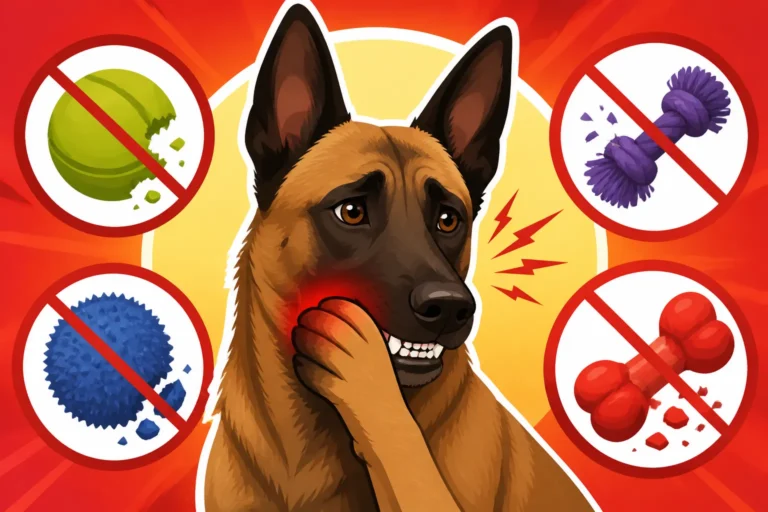
- Hard Rubber Toys: Toys like those from Kong, especially the tougher black rubber versions, can provide some abrasive action as your Malinois chews. They're generally safer than hard nylon bones or antlers, which can lead to painful tooth fractures. Always choose toys appropriate for your Malinois's intense chewing style. Beware of toys that are too hard, as they can cause significant damage. Chews That Will Not Fracture a Malinois's Canines is an important guide to preventing injuries.
Remember, dental chews and toys are supplements to brushing, not replacements. They primarily clean the surfaces they make contact with and rarely reach the crucial gum line effectively.
Professional Cleanings: When and Why
Even with diligent home care, most Belgian Malinois will eventually require professional dental cleanings under anesthesia. This isn't a failure on your part; it's a necessary component of comprehensive oral health.
- Beneath the Gum Line: A professional cleaning allows the veterinarian to thoroughly scale and polish teeth, including the critical area beneath the gum line, where periodontal disease really takes hold. This is impossible to do effectively in an awake dog.
- Full Oral Exam: Under anesthesia, the vet can perform a detailed examination of each tooth, check for pockets, measure gum recession, and take dental radiographs (X-rays) to assess bone loss and identify problems not visible on the surface. This can reveal issues like root abscesses, fractured roots, or unerupted teeth.
- Addressing Problems: If problems like severe tartar, periodontal pockets, or fractured teeth are found, they can be addressed during the same anesthetic procedure, whether through deep scaling, extractions, or other interventions. Ignoring these issues can lead to significant pain and infection.
- Frequency: The frequency of professional cleanings depends on your Malinois's genetics, diet, and effectiveness of home care. Some may need them annually, others every few years. Your vet will advise you on the appropriate schedule based on their assessment of your dog's mouth. Knowing What Scaling a Malinois's Teeth Costs Under Sedation can help you budget for this essential care.
Consider scheduling The Checkup Schedule a Sport Malinois Should Keep to include regular dental assessments. This allows your vet to help you decide Whether a Malinois That Bites Needs Yearly Dentals or if a different schedule is appropriate.
Dietary Considerations: Impact of Food on Dental Health
While diet alone cannot replace brushing, certain feeding choices can either help or hinder dental health.
- Kibble vs. Wet Food: There's a common misconception that hard kibble cleans teeth. While some specialized "dental diets" are designed with larger, fibrous kibble that mechanically scrapes the teeth, most standard kibbles offer minimal cleaning action. Wet food, while not inherently "bad" for teeth, doesn't provide any scraping action and can sometimes stick more to the teeth.
- Raw/Fresh Diets: Some proponents of raw or fresh feeding believe these diets lead to healthier teeth. While the chewing involved in eating raw meaty bones (as mentioned above) can be beneficial, the diet itself doesn't guarantee clean teeth. Plaque and tartar can still form regardless of diet type.
- Specific Dental Diets: Your veterinarian might recommend prescription dental diets. These kibbles are formulated with a unique texture and often contain ingredients that inhibit plaque and tartar formation. They can be a valuable tool, especially for dogs prone to rapid buildup or those who absolutely will not tolerate brushing.
Regardless of the diet you choose, consistency with brushing and regular vet check-ups remain the most important factors. For instance, Whether a Raw Feeding Suits a Malinois in Training might be a consideration for overall health, but it doesn't exempt them from brushing. Always discuss any significant dietary changes with your veterinarian to ensure it's appropriate for your Malinois's overall health needs. Checking a Belgian Malinois's Canines After Training for any damage is a good practice, regardless of diet.
Disclaimer
This article is for general informational purposes only and does not constitute professional advice. Laws, prices and regulations vary by location and change over time. Consult a qualified professional for guidance on your specific situation.