Which Rake Pulls a Malinois’s Coat Out Fastest
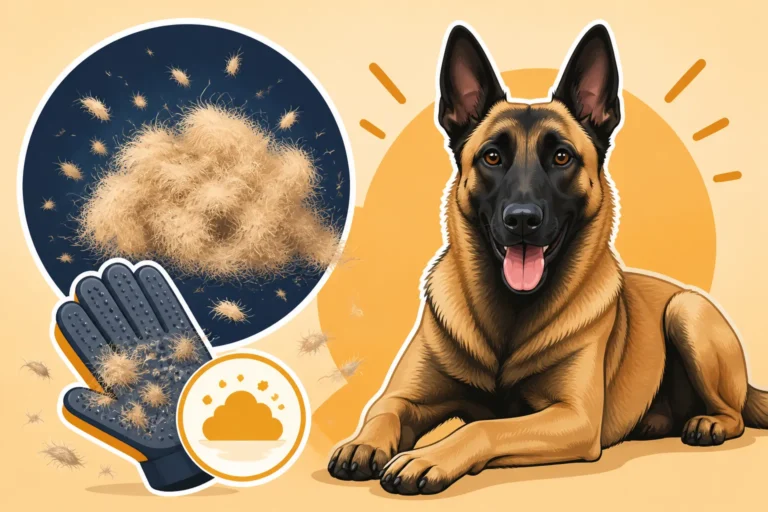
If you share your home with a Belgian Malinois, you know the struggle is real. Despite their seemingly short coats, these incredible dogs shed—oh, do they shed! It often feels like you're constantly battling a furry tumbleweed invasion, with hair clinging to everything from your couch to your morning coffee. This guide is all about cutting through the fluff (pun intended!) to help you identify which grooming rake can most effectively and quickly pull that loose undercoat out, giving you back some semblance of a hair-free home.
Understanding the Malinois Coat and Why It Sheds So Much
The sheer volume of hair a Belgian Malinois can produce is truly astounding, and it's a common point of frustration for many owners. It’s not just "dog hair"—it’s Malinois hair, which seems to defy gravity and proliferate endlessly. To effectively manage it, we first need to understand what makes their coat such a formidable shedding machine.
The Double Coat Explained
Your Malinois isn't just sporting a single layer of fur; they're rocking a sophisticated double coat, perfectly designed for their original working environment. This double coat consists of two distinct layers, each with its own purpose. The outer coat, often called the guard coat, is made up of coarse, straight, and somewhat harsh hairs. These guard hairs act as the first line of defense, repelling water, dirt, and protecting your dog from environmental elements like harsh sun or cold winds. It’s tough and resilient, like a protective shield.
Beneath this formidable outer layer lies the undercoat. This is where the real shedding magic happens. The undercoat is dense, soft, and much finer than the guard hairs, providing incredible insulation. In colder weather, this undercoat traps warm air close to the body, keeping your Malinois snug. In warmer weather, this dense undercoat needs to be shed to allow for better airflow and cooling. The problem is, it doesn't always come out easily on its own, and that's why we need effective tools to help it along. If you’ve ever found yourself pulling tufts of soft, cottony hair from your dog, you’re dealing directly with that undercoat.
The Seasonal Blow Out and Year-Round Shedding
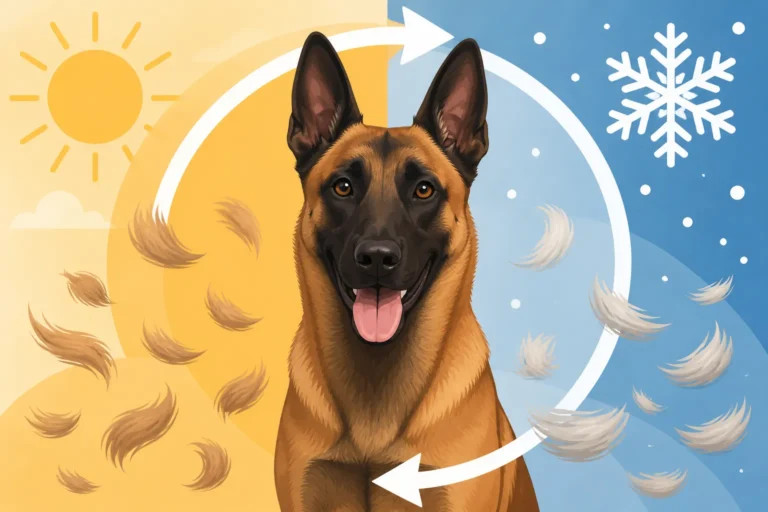
While your Malinois will shed year-round, there are definitely peak seasons when things go from "a bit hairy" to "is that another dog under the sofa?" Most Malinois experience what’s affectionately (or despairingly, depending on your mood) known as a "coat blow out" twice a year. This typically happens in spring, as they shed their thick winter undercoat to prepare for warmer temperatures, and again in the fall, when they get rid of their lighter summer coat to grow in a denser one for winter. During these periods, it can feel like you could build a second Malinois purely from the hair collected daily. This is where the right tools become absolutely indispensable.
Even outside of these major seasonal events, your Malinois is likely to shed continuously. This is partly due to living indoors in climate-controlled environments, which can disrupt the natural shedding cycles that dogs living outdoors might experience more acutely. So, while the huge clumps might appear in spring and fall, a steady trickle of hair is a constant companion for Malinois owners. Understanding this constant shedding pattern is the first step in developing a grooming routine that works. For more on this, you might find The Season a Malinois Sheds Worst insightful.
Different Types of Rakes and Their Effectiveness for Malinois
When you walk into a pet store or browse online, the sheer variety of grooming rakes can be overwhelming. Each promises to be the holy grail for shedding, but they're not all created equal, especially when it comes to tackling the unique challenges of a Belgian Malinois's double coat. Let's break down the common types you'll encounter and what they're best suited for.
Undercoat Rakes with Rotating Teeth
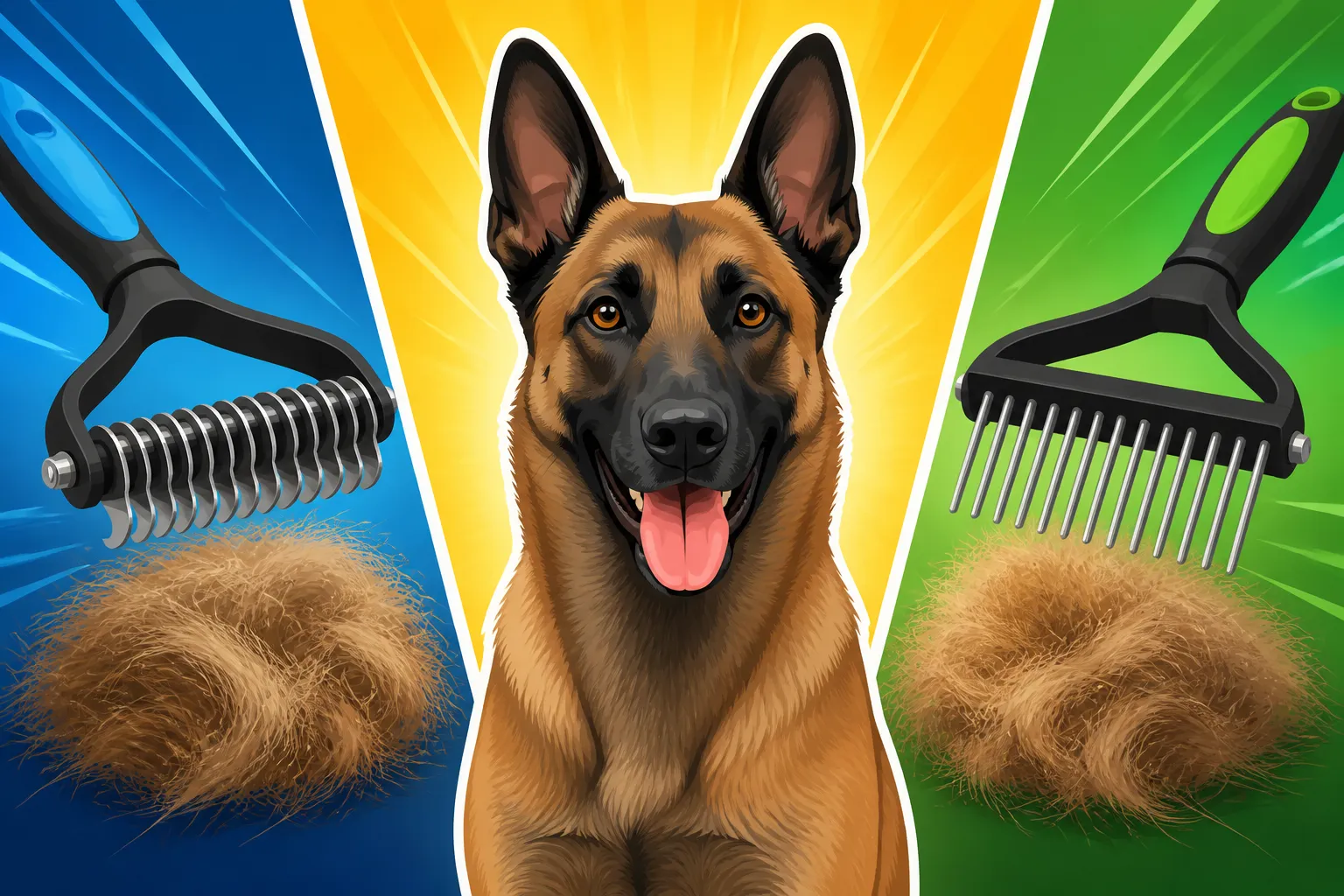
These rakes are designed with long, usually rounded or blunt, metal teeth that can often rotate independently. The idea behind the rotating teeth is to allow the rake to glide through the top coat without snagging or pulling on the guard hairs. Instead, the teeth penetrate down to the undercoat layer, gently untangling loose hair and bringing it to the surface. Think of it as a detangling brush specifically for that dense, fluffy undercoat.
For a Malinois, these can be quite effective, particularly if your dog's undercoat tends to mat slightly or clump together. They do a good job of separating the loose undercoat from the healthy fur. The rotating teeth can make the grooming experience more comfortable for your dog, reducing tugging and pulling. However, while they are excellent for thorough undercoat removal and detangling, they might not always be the absolute fastest option if you're dealing with a massive "coat blow out" and need to remove sheer volume quickly. They're more about careful, consistent work. You can find a wide selection of these versatile tools on platforms like Chewy or Amazon, often with different tooth lengths and spacing to suit various coat densities.
Blade-Style De-shedding Rakes
Ah, the hero (or villain, depending on your technique) of the shedding battle: the blade-style de-shedding rake. You probably recognize the most famous iteration of this design, the Furminator, but many brands offer similar tools. These rakes feature a finely-toothed, comb-like blade that is specifically engineered to reach deep beneath the topcoat and effectively "rake out" the loose, dead undercoat. The teeth are typically very close together and have a slight cutting edge, though they are designed to grab and pull out dead hair, not cut live hair (unless used improperly).
For a Belgian Malinois, especially during those heavy shedding seasons, these tools are often considered the fastest and most efficient for removing large quantities of undercoat. The design allows them to strip out impressive amounts of hair with each pass, making a visible difference almost immediately. This is particularly satisfying when you're facing a mountain of dog hair. However, with great power comes great responsibility. The downside is that if you use too much pressure, over-groom one area, or use it too frequently, you can irritate your dog's skin or even inadvertently cut some of their healthy guard hairs, which can damage the coat over time. It’s crucial to use these tools with a light hand and follow proper technique, which we'll discuss next. For many Malinois owners, this is the go-to tool when speed and volume of hair removal are the top priorities.
Traditional Grooming Rakes
Traditional grooming rakes often have wider-set, longer teeth that are typically blunt-ended and do not rotate. These tools resemble a human rake more closely in their basic design. They are fantastic for general grooming, especially for dogs with longer, denser coats where detangling and removing surface debris are the primary goals. For a Malinois, these can be useful for an initial pass through the coat, perhaps to remove any larger clumps of loose hair or to work out minor tangles in the guard coat before you go in with a more specialized de-shedding tool.
However, if your main objective is to quickly and effectively pull out the dense, shedding undercoat that's causing all those hairballs around your house, traditional grooming rakes generally won't cut it. Their wider-set teeth simply don't have the fine-tuned ability to reach deep into the undercoat and extract the dead hair as efficiently as the blade-style or even rotating-tooth undercoat rakes. They serve a purpose in a comprehensive grooming kit, but they aren't the answer to the "fastest shedding rake" question for a Malinois.
The Fastest Rake: Blade-Style De-shedding Tools and How to Use Them Safely
Let’s get straight to the point: when it comes to raw speed and sheer volume of undercoat removal for a Belgian Malinois, the blade-style de-shedding tools, like those popularized by the Furminator brand, are often hailed as the fastest option. They can make an almost unbelievable difference in a short amount of time, reducing the amount of loose hair dramatically. But remember, "fastest" doesn't mean "reckless." Proper technique is paramount to ensure you're doing good, not harm.
Why Blade-Style Rakes Excel for Malinois
The genius of tools like the Furminator lies in their unique design. The finely-toothed stainless steel edge is crafted to reach deep into the Malinois's dense undercoat without damaging the protective topcoat, provided it's used correctly. This allows the tool to effectively grasp and remove large amounts of loose, dead undercoat that would otherwise be shed all over your home. The teeth are spaced and shaped to pull out those cottony undercoat hairs, which are the main culprits in the "Malinois hair tornado" phenomenon.
During a coat blow out, when your Malinois is literally shedding enough hair to stuff a pillow, these tools become indispensable. They cut through the layers of dead undercoat with remarkable efficiency, giving you immediate visual feedback on the amount of hair being removed. Other tools might pick up some, but these blade-style de-shedders are engineered for maximum extraction, which is why they are considered the quickest route to a significantly de-shedded Malinois. If you're wondering Which Rake Pulls a Malinois's Coat Out Fastest, this is generally the type of tool people refer to for its sheer effectiveness.
Essential Techniques for Maximum Efficiency and Safety
Using a blade-style de-shedding rake effectively means respecting the tool and your dog's comfort. Here’s how to do it right:
1. Start with a Clean, Dry Coat: This is non-negotiable. The rake will be far more effective, and much safer, on a clean, completely dry coat. Dirt and oils can clog the tool, making it less efficient, and moisture can make the hair clump and tear, which is uncomfortable for your dog. A freshly bathed and air-dried Malinois is the ideal canvas.
2. Use Light, Gentle Strokes: This is perhaps the most critical rule. Do not press down hard. The tool is designed to work with light pressure. Use short, smooth strokes, always going in the direction of hair growth. Imagine you're gently sweeping away loose dust, not scrubbing a stubborn stain. Excessive pressure can irritate your Malinois's skin, lead to "brush burn," and even cut the healthy guard hairs, which can permanently damage the coat's texture and protective qualities.
3. Work Section by Section: Don't try to de-shed your entire Malinois in one go or by randomly raking. Divide your dog's body into manageable sections – flank, back, shoulders, chest, hindquarters. Work meticulously through one section at a time, making sure to remove all the loose undercoat before moving on. This ensures thoroughness and prevents you from over-grooming one spot while neglecting others. Pay special attention to areas with thicker undercoat, like around the neck, chest, and hindquarters.
4. Limit Grooming Sessions: While these rakes are fast, they are powerful. Avoid using them daily, especially outside of peak shedding seasons. During a heavy coat blow out, two or three sessions a week might be appropriate, but otherwise, once a week or every two weeks might be plenty. The goal is to remove loose undercoat, not to strip your dog bare or irritate their skin.
5. Always Watch for Skin Irritation: Keep a close eye on your Malinois's skin as you groom. If you see any redness, scratches, or if your dog starts to show signs of discomfort (flinching, pulling away, licking the groomed area), stop immediately. Their skin is delicate, and over-grooming can cause significant irritation. A healthy coat means healthy skin underneath, and vice versa. It's worth considering Whether a Deshedding Blade Suits a Belgian Malinois for their specific coat type and temperament before diving in.
Complementary Tools and Best Practices for Managing Malinois Shedding
While a blade-style de-shedding rake can be a game-changer for quickly removing significant amounts of loose undercoat from your Malinois, it's just one piece of the puzzle. Effective shedding management is a holistic approach that involves a combination of tools and consistent practices. Thinking beyond just one rake will help you maintain a cleaner home and a healthier, happier dog.
Beyond the Rake: Brushes and Vacuums
After you’ve done the heavy lifting with a de-shedding rake, other tools can help finish the job and maintain the coat between sessions. A good slicker brush is excellent for smoothing out the topcoat and catching any remaining loose hairs on the surface. It can also help to distribute natural oils, leaving your Malinois's coat looking shiny and healthy. For a more stimulating and effective initial pass, especially to loosen up dead hair before raking, a rubber curry brush (like a Kong ZoomGroom) can be surprisingly useful. These flexible rubber nubs massage the skin, improving circulation, and gently pull out loose hair from both the undercoat and topcoat. They're also great for bath time!
And then there are grooming vacuums – these are truly a game-changer for living with a Malinois. There are various types, from attachments for your household vacuum to dedicated dog grooming vacuum systems. These devices suck up the loose hair directly as you brush, preventing it from ever reaching your floor or furniture. If you’re serious about minimizing visible hair in your home, investing in a quality grooming vacuum could be one of the best decisions you make. They effectively eliminate the cloud of hair that usually accompanies a de-shedding session. For a deeper dive into general brushing, consider Getting a Brush Through a Malinois's Undercoat.
Bathing, Nutrition, and Overall Coat Health
Grooming isn't just about the tools; it's also about foundational care that impacts the coat's health and shedding cycle. Regular bathing, especially with a good de-shedding shampoo and conditioner, can work wonders. These products are formulated to help release dead hair from the follicles, making it easier to remove during the bath and subsequent drying and brushing. Follow up with a powerful force dryer (if your Malinois tolerates it) to blast out even more loose undercoat. The less hair that stays on your dog after a bath, the less ends up on your couch!
Beyond external care, your Malinois's diet plays a huge role in the health of their skin and coat. A high-quality, balanced diet rich in essential nutrients, particularly omega fatty acids, will promote a healthy, strong coat with less breakage and excessive shedding. Look for dog foods that list omega-3 and omega-6 fatty acids or consider adding supplements like fish oil. Brands like Ollie offer fresh food options designed to provide optimal nutrition, or you can find many high-quality kibble options on sites like Chewy that support skin and coat health. A well-nourished coat is a healthier coat, which ultimately sheds less. If you're looking into supplementation, Whether Omega Oils Calm a Malinois's Skin might be a good read. Also, understanding The Two Week Stretch When a Malinois Drops Coat will help you time your de-shedding baths perfectly.
Establishing a Grooming Routine
The most important "tool" in your arsenal for managing Malinois shedding is consistency. A sporadic approach simply won't cut it with these prolific shedders. Establish a regular grooming routine and stick to it. This might mean a quick brush-down every other day, a more thorough de-shedding session once a week or every two weeks (depending on the season), and a de-shedding bath once a month or as needed during heavy blow-outs.
Make grooming a positive experience for your Malinois from a young age. Use positive reinforcement, treats, and praise. Keep sessions short initially if your dog is not accustomed to it, gradually increasing the duration. A dog that enjoys (or at least tolerates) grooming will make the process much easier for both of you. Consistent grooming not only reduces the amount of hair in your home but also allows you to regularly check your Malinois for any skin issues, lumps, or parasites. It's a bonding experience, too! If you're living with constant hair, Living With Belgian Malinois Hair Everywhere offers some solidarity, and for general care, How Rarely a Malinois Coat Needs Washing can provide further insights.
Grooming Rake Comparison for Belgian Malinois
| Rake Type | Best For | Speed of Undercoat Removal | Risk of Skin Irritation / Coat Damage | Ideal Use Case |
|---|---|---|---|---|
| Undercoat Rake (Rotating) | Detangling, gentle undercoat removal | Medium | Low (if used correctly) | Regular maintenance, dogs prone to tangles |
| Blade-Style De-shedder | Rapid, high-volume undercoat removal | High (The Fastest) | Medium (if used improperly) | Seasonal coat blow-outs, heavy shedding periods |
| Traditional Grooming Rake | Surface debris, light detangling | Low | Very Low | Pre-grooming, general tidying of topcoat |
Managing the shedding of a Belgian Malinois is an ongoing commitment, but with the right tools and a consistent routine, it becomes a manageable part of life with these amazing dogs. While the blade-style de-shedding rake often proves to be the fastest for removing that dense undercoat, remember it’s part of a larger strategy. Combine it with regular brushing, appropriate bathing, a healthy diet, and a positive grooming experience, and you'll find yourself winning the war against the ever-present Malinois hair.
Disclaimer
This article is for general informational purposes only and does not constitute professional advice. Laws, prices and regulations vary by location and change over time. Consult a qualified professional for guidance on your specific situation.