The Season a Malinois Sheds Worst
If you're living with a Belgian Malinois, you've probably wondered if your house is slowly being redecorated with dog hair. It's a common frustration, isn't it? You brush, you vacuum, and yet, there always seems to be more. This guide is going to walk you through the nuances of Malinois shedding, especially focusing on those times of the year when it feels like your dog is trying to turn itself inside out, and what you can actually do about it.
Understanding the Malinois Coat Cycle: More Than Just "Shedding"
When we talk about a Belgian Malinois and shedding, we're not just talking about a few stray hairs here and there. We're talking about a phenomenon, a seasonal event that can sometimes feel like a full-blown blizzard of fur. It’s part and parcel of owning this incredible breed, and understanding why it happens is the first step toward managing it effectively.
The Double Coat's Purpose and What It Means for Shedding
The Belgian Malinois, like many working breeds, sports a dense double coat. This isn't just for looks; it's a functional marvel. The outer coat, often called the guard hairs, is typically short, straight, and quite coarse. Its job is to provide protection from the elements—think rain, snow, and even the occasional scrape against brush in the field. It’s tough, water-resistant, and relatively low-maintenance on its own.
But underneath that resilient outer layer lies the unsung hero: the undercoat. This layer is soft, downy, and incredibly dense, especially if your Malinois lives in a climate with distinct seasons. The undercoat acts as insulation, keeping them warm in winter and, surprisingly, helping to regulate body temperature in summer by trapping a layer of cool air next to the skin. The catch? This undercoat is what truly "sheds." Unlike the guard hairs which are replaced individually over time, the undercoat often comes out in large quantities, almost like clumps, when it's no longer needed. This is what gives the impression of your dog "blowing" its coat.
Why Spring and Fall Become the "Blizzard" Seasons
For most Belgian Malinois, the most intense shedding, often referred to as "blowing coat," occurs twice a year: in spring and in fall. These aren't just minor hair losses; they are significant events that can last for several weeks, sometimes even longer depending on your dog's individual genetics, health, and living environment.
Spring Shedding: As the days get longer and the temperatures begin to rise after winter, your Malinois's body signals that it no longer needs that thick, insulating winter undercoat. It's a natural biological response to prepare for the warmer months ahead. You'll notice copious amounts of soft, fine hair coming out, often in clumps or sheets. It's a frantic race against the heat, and your dog will be trying to lighten its load. This can feel overwhelming, as every surface in your home seems to be coated in fur. Many owners find themselves vacuuming daily, sometimes even twice a day, just to keep up.
Fall Shedding: Conversely, as summer wanes and the days shorten, your Malinois will start to shed its lighter summer undercoat to make way for the denser, warmer winter coat. While often less dramatic than the spring blow-out, it's still a noticeable increase in shedding. The goal here is to get rid of the sparse summer insulation and build up the thick winter protection. This preparation is crucial for active Malinois, especially those who spend a good deal of time outdoors or working in colder conditions. If you're wondering How Much a Malinois's Short Coat Actually Sheds, you'll find that these two seasonal events account for the majority of it.
Decoding the Triggers Behind Seasonal Shedding
It's easy to just say "they shed seasonally," but there's a fascinating biological process at play. Understanding these triggers can help you anticipate the shedding onslaught and be better prepared. It's not just a random event; it's a finely tuned response to the world around them.
Light Cycles: The Primary Driver of the Coat Blow
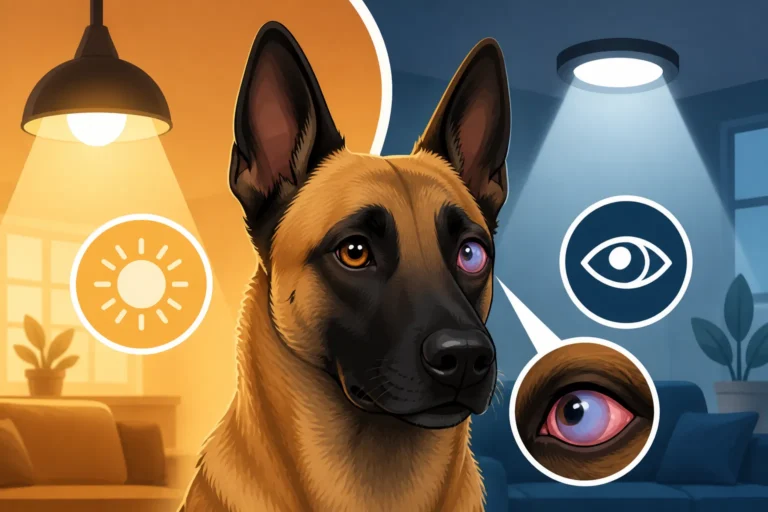
The most significant trigger for seasonal shedding in dogs like the Belgian Malinois is the change in photoperiod, or the amount of daylight in a day. Dogs, particularly those with double coats, have evolved to respond to these changes in light. As the days lengthen in spring, a dog's pineal gland reduces the production of melatonin, a hormone that influences hair growth and retention. This signals to the hair follicles that it's time to release the old coat.
Conversely, as the days shorten in the fall, melatonin production increases, stimulating the growth of a thicker winter coat while simultaneously triggering the release of the lighter summer coat. This natural clock is incredibly powerful, which is why even indoor dogs, though somewhat buffered, still follow these general shedding patterns. If your Malinois spends a lot of time outside, or even in a brightly lit indoor environment, these light cycle cues will be even more pronounced.
Hormonal Shifts and Their Impact on Hair Follicles
Beyond light, hormonal fluctuations also play a role in a Malinois's shedding cycle. For intact female Malinois, heat cycles can sometimes trigger an increase in shedding due to changes in estrogen levels. Pregnancy and lactation are also known periods of increased hair loss as a dog's body dedicates resources elsewhere and experiences significant hormonal shifts.
Even for spayed and neutered dogs, a general balance of hormones influences coat health and shedding. Thyroid hormones, in particular, are crucial for maintaining a healthy coat. An underactive thyroid (hypothyroidism) can sometimes manifest as excessive shedding, a dull coat, or patches of hair loss. This is why if your Malinois's shedding seems unusual or accompanied by other symptoms like lethargy or weight changes, it’s always wise to consult your veterinarian. A Malinois Whose Thyroid Has Given Out can have significant coat issues.
Environmental Factors That Influence Shedding Intensity
While light cycles are primary, other environmental factors can influence the intensity and duration of shedding.
- Temperature: Although light is the main cue, ambient temperature certainly plays a secondary role. A Malinois living in a consistently warm climate, even with changing light cycles, might shed more consistently year-round rather than having distinct "blow-out" seasons. Conversely, a Malinois in a very cold climate might retain its winter coat longer and shed it more dramatically when spring finally arrives.
- Indoor vs. Outdoor Living: Dogs that live primarily indoors, especially in climate-controlled environments, may experience a somewhat muted seasonal shedding pattern. Their bodies aren't exposed to the same dramatic temperature and light fluctuations as an outdoor dog, leading to more consistent, moderate shedding throughout the year rather than intense seasonal dumps. However, they will still shed, just perhaps less dramatically in those peak seasons.
- Stress: Just like in humans, stress can affect a dog's coat. A highly stressed or anxious Malinois might experience increased shedding. This could be due to changes in environment, diet, or routine. A happy, low-stress dog with a stable routine often has a healthier coat overall.
Strategies to Survive the Malinois Shedding Season
Okay, so you understand why they shed. Now, let's get to the nitty-gritty of how to manage the hair tsunami. It's not about stopping shedding entirely—that's impossible and unhealthy—but about controlling it and keeping your Malinois comfortable and your home somewhat cleaner.
The Right Tools for Tackling the Undercoat
When your Malinois is blowing coat, your regular brush simply won't cut it. You need tools specifically designed to get into that dense undercoat and pull out the dead hair before it ends up on your furniture.
- Undercoat Rake: This is your best friend during shedding season. An undercoat rake has long, sturdy teeth that penetrate the topcoat and gently pull out loose undercoat. Work in sections, always going in the direction of hair growth, and be gentle to avoid irritating the skin. You'll be amazed (and probably horrified) by how much fur comes out.
- De-shedding Tools: Brands like Furminator offer de-shedding tools that are very effective for short-coated double-coated breeds. They have a fine-toothed blade that grabs loose undercoat with remarkable efficiency. Just be careful not to overdo it, as excessive use can damage the topcoat or irritate the skin. Use it in short, controlled strokes.
- Rubber Curry Brush or Grooming Glove: For daily maintenance or in between major de-shedding sessions, a rubber curry brush or grooming glove can be great. These help to massage the skin, stimulate natural oils, and pick up loose hair from the surface of the coat. They're also fantastic for removing dust and debris after outdoor activities.
- High-Velocity Dryer: If you have access to one, a high-velocity dryer is a game-changer. After a bath (which can also help loosen dead hair), a high-velocity dryer will blast out an incredible amount of undercoat, much more efficiently than brushing alone. This can be done outdoors to prevent your house from turning into a fur tornado.
Grooming Routines to Minimize the Hair Avalanche
Consistency is key when it comes to managing Malinois shedding. It's not a one-and-done job; it's an ongoing effort, especially during those peak seasons.
- Daily Brushing During Peak Shedding: When your Malinois is blowing coat, aim for daily brushing sessions with your undercoat rake or de-shedding tool. Even 10-15 minutes can make a significant difference in how much hair ends up around your home. You'll be surprised at how quickly the brush fills up, and how satisfying it is to remove all that loose hair. Check out options on Chewy or Amazon for a wide range of brushes and rakes.
- Regular Baths: Bathing can help loosen dead hair, making it easier to remove. Use a good quality dog shampoo, and ensure you rinse thoroughly. After the bath, using a high-velocity dryer (if available) will be incredibly effective at blowing out loose undercoat. If not, towel dry thoroughly and follow up with a good brushing once the coat is completely dry. How Rarely a Malinois Coat Needs Washing can depend on their activity level, but during shedding season, a bath might be more frequent.
- Professional Grooming (Optional): Some owners opt for professional grooming during peak shedding. A professional groomer has specialized tools, baths, and high-velocity dryers that can strip out a surprising amount of dead undercoat in one session, giving you a fresh start. This can be a worthwhile investment to save your sanity (and your vacuum cleaner) during the worst of it.
- Vacuuming and Lint Rollers: Let's be real, even with diligent brushing, some hair will escape. Invest in a good pet-specific vacuum cleaner, and keep lint rollers handy for clothing and upholstery. You'll be doing a lot of vacuuming, and it's just part of the Malinois ownership experience.
Nutritional Support for a Healthy Coat
While diet won't stop seasonal shedding, good nutrition is fundamental for overall coat health. A healthy coat is a strong coat, and a dog with optimal nutrition may shed less excessively or recover more quickly.
- High-Quality Diet: Feed a premium dog food that lists a high-quality animal protein as the first ingredient. Look for balanced nutrients, including essential fatty acids. A diet lacking in proper nutrition can lead to a dull, brittle coat and even excessive, unhealthy shedding. Brands like Ollie offer fresh food options that prioritize high-quality ingredients, which can contribute to overall coat health.
- Omega Fatty Acid Supplements: Omega-3 and Omega-6 fatty acids are crucial for skin and coat health. Many quality dog foods include them, but a supplement (like fish oil) can provide an extra boost. These fatty acids help maintain skin elasticity, reduce dryness, and promote a shiny, strong coat, which can minimize unhealthy breakage and excessive shedding. Always talk to your vet before adding any supplements to your dog's diet. Whether Omega Oils Calm a Malinois's Skin is a common question, and they certainly support skin health.
- Hydration: Ensure your Malinois always has access to fresh, clean water. Dehydration can affect skin and coat health, potentially leading to a dry, flaky skin and a lackluster coat. Hydration is vital for healthy hair follicle function.
When Shedding Isn't Just Seasonal: Identifying Other Causes
While seasonal "blowing coat" is completely normal for a Belgian Malinois, sometimes shedding can be a sign of something more. It's important to differentiate between natural shedding and potential health issues.
Year-Round Shedding: A Malinois Reality
Even outside of the intense spring and fall blow-outs, Belgian Malinois tend to be year-round moderate to heavy shedder. Their short double coat is constantly cycling, with some individual hairs being replaced all the time. This is especially true for indoor dogs who aren't exposed to the dramatic light and temperature changes that cue the big seasonal sheds. So, while you might not have piles of fur every day, you should expect to find Malinois hair around your home pretty much continually. This is just part of living with the breed! Why Malinois Hair Weaves Into Upholstery is a common complaint, and it's because those short, stiff hairs are incredibly tenacious.
Red Flags: When to Consult Your Vet About Excessive Hair Loss
While shedding is normal, there are instances where it might indicate an underlying health concern. It’s crucial to know the difference and when to seek professional advice.
Consider consulting your veterinarian if you notice any of the following alongside increased shedding:
- Patchy Hair Loss or Bald Spots: This is a significant red flag. Normal shedding should be even across the body, not in specific patches. Bald spots can indicate skin infections, parasites (like mites or fleas), allergies, hormonal imbalances, or even autoimmune diseases.
- Skin Irritation: If the shedding is accompanied by redness, inflammation, scabs, pimples, or a strong odor on the skin, it's time for a vet visit. These can all point to skin infections or allergies that need treatment.
- Excessive Itching or Licking: If your Malinois is constantly scratching, licking, or chewing at their coat, it could be a sign of allergies (food or environmental), parasites, or skin irritation. This can also lead to secondary infections.
- Dull, Brittle Coat: A healthy Malinois coat should have a natural sheen, even if it's short. If the coat looks dry, dull, or feels brittle, it could indicate nutritional deficiencies, internal parasites, or other underlying health problems.
- Changes in Behavior or Energy Levels: If excessive shedding is coupled with lethargy, changes in appetite, weight loss or gain, increased thirst, or behavioral changes, it's definitely a reason to see the vet. As mentioned, thyroid issues can present with both coat changes and energy shifts.
- Shedding that Doesn't Let Up: If your Malinois seems to be in a constant state of heavy shedding for months on end, outside of the typical seasonal pattern, and particularly if it's more intense than usual, it warrants a check-up.
Here's a quick comparison of normal vs. concerning shedding:
| Feature | Normal Seasonal Shedding (Malinois) | Concerning Shedding (Vet Consult Recommended) |
|---|---|---|
| Timing | Primarily spring & fall, some year-round shedding | Unexplained, prolonged, or sudden increase anytime |
| Pattern | Even distribution over the body, undercoat "blows" | Patchy hair loss, bald spots, localized thinning |
| Skin Appearance | Healthy, clear, no redness or irritation | Redness, scabs, bumps, inflammation, flaky skin |
| Itching/Licking | Minimal | Excessive, frantic, constant scratching or chewing |
| Coat Texture | May feel dense or slightly sparse seasonally, natural sheen | Dull, brittle, dry, greasy, or coarse |
| Behavioral Changes | None related to shedding | Lethargy, appetite changes, weight changes, irritability |
| Associated Symptoms | None | Vomiting, diarrhea, increased thirst/urination |
Remember, you know your Malinois best. If something feels "off" with their shedding, trust your gut and consult your veterinarian. Early detection and treatment can prevent minor issues from becoming major problems.
Disclaimer
This article is for general informational purposes only and does not constitute professional advice. Laws, prices and regulations vary by location and change over time. Consult a qualified professional for guidance on your specific situation.