How Much a Malinois’s Short Coat Actually Sheds
Many people bring a Belgian Malinois into their lives, looking at that sleek, short coat and breathing a sigh of relief, thinking they've escaped the constant shedding woes often associated with other double-coated breeds. Oh, if only that were true! The reality, as many Malinois owners quickly discover, is that their seemingly low-maintenance dog is, in fact, a prolific shedder. You're probably finding fine, stiff hairs embedded in everything you own, leaving you scratching your head and wondering how such a short coat can produce so much fur. This guide is here to pull back the curtain on the Malinois's shedding habits, explaining why it happens, what to expect, and most importantly, how to manage the furry fallout.
The Misconception of the "Short-Haired" Malinois
It's a common, and completely understandable, mistake. When we envision a dog that sheds a lot, our minds usually conjure images of fluffy, long-haired breeds – think Golden Retrievers, Huskies, or even the longer-coated varieties of German Shepherds. Their hair is visibly long, often soft, and accumulates in noticeable clumps, making the shedding obvious. So, when someone looks at a Belgian Malinois with its tight, hard, relatively short coat, it's natural to assume that the shedding will be minimal, perhaps comparable to a Boxer or a Doberman. This couldn't be further from the truth.
Why the Short Coat Fooled Us
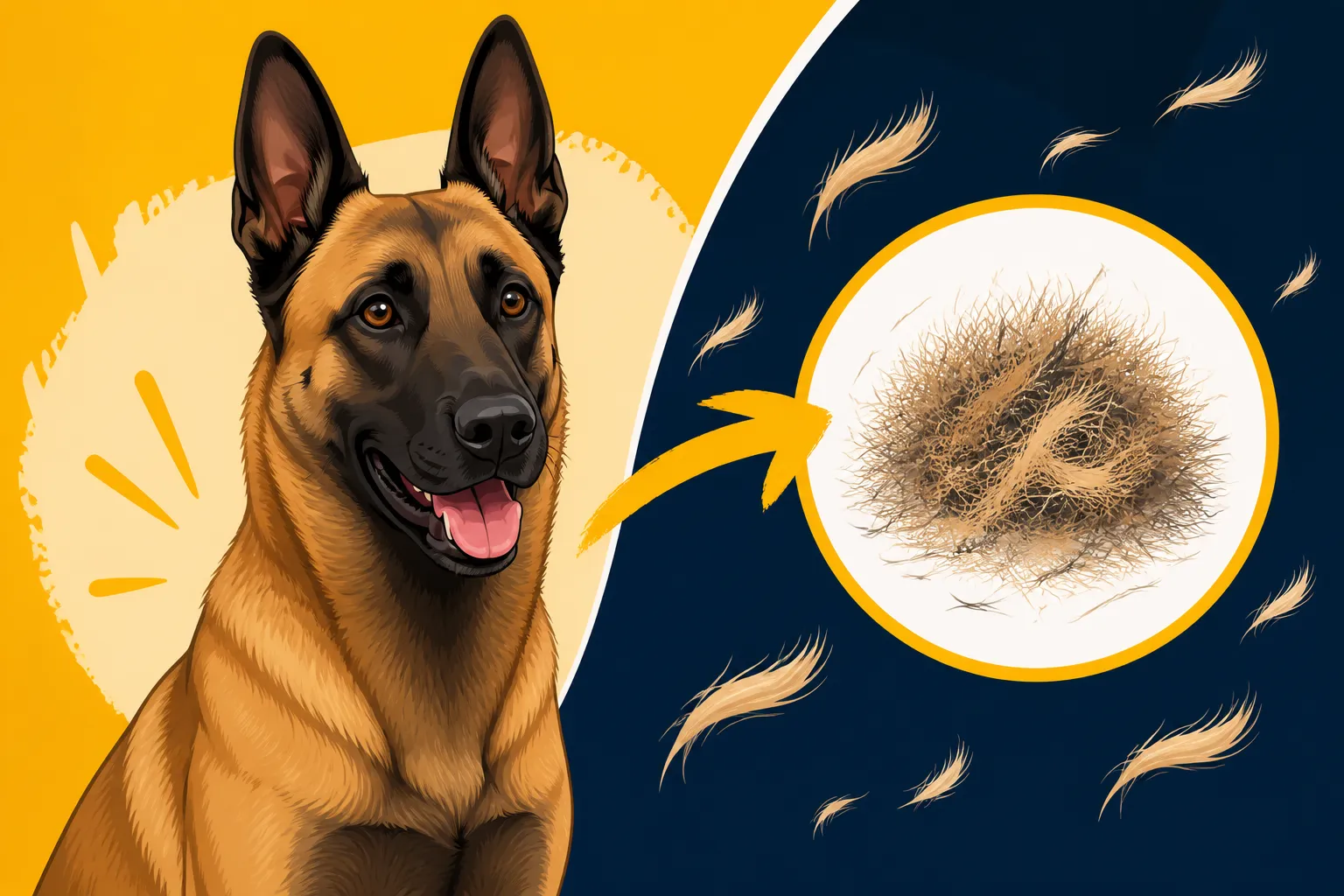
The visual simplicity of the Malinois coat is genuinely deceptive. Unlike some breeds that truly have a single layer of very short hair, the Malinois carries a sophisticated, weather-resistant double coat. The outer layer, known as the guard coat, is indeed short and stiff, designed to repel water and protect against the elements. It’s this tough exterior that gives the illusion of a "non-shedding" or "low-shedding" dog. What many new owners don't realize is what's hidden beneath: a dense, soft, woolly undercoat that works tirelessly to insulate the dog, keeping them warm in winter and helping to regulate their temperature in summer. It’s this undercoat that is the primary culprit in the shedding equation, and it comes out in surprising volumes, especially during seasonal changes. This initial surprise can lead to a sense of exasperation when you find more hair on your dark pants than you thought possible from a dog with such a short, unassuming coat.
The Contrast with Other Shepherd Breeds
While all Belgian Shepherds are double-coated, the Malinois often gets unfairly lumped into the "low shedder" category compared to its more visually fluffy cousins. Take the Groenendael or Tervuren, for example, with their abundant, longer coats. It's obvious they shed. The hair they drop is long and noticeable, often forming "tumbleweeds" on hard floors. With a Malinois, the hair is shorter and finer, which might make individual strands less conspicuous, but don't let that fool you. The sheer density of their double coat and the frequency with which they shed means that the total volume of hair can easily rival, if not surpass, that of many longer-haired breeds. Instead of big, fluffy clumps, you get a pervasive, fine "dust" of hair that adheres stubbornly to everything. It's a different kind of shedding, perhaps, but certainly not less of it. This fine, almost needle-like hair has a remarkable ability to weave itself into fabrics, making it notoriously difficult to remove from upholstery and carpets.
Understanding the Malinois Double Coat
The secret to why your Belgian Malinois seems to be perpetually losing hair lies entirely in its design: the double coat. This isn't a flaw; it's an evolutionary marvel, crucial for a breed historically developed to work outdoors in the often harsh and unpredictable climates of Belgium. To truly understand Malinois shedding, we need to appreciate the individual components of this remarkable coat and the purpose each layer serves.
The Purpose of the Double Coat
A Malinois's coat isn't just for show; it's a highly functional piece of natural armor. The outer layer, composed of those stiff, short guard hairs, acts like a protective shield. These hairs are coarse and lie close to the body, making them excellent at repelling water, dirt, and even minor abrasions from brush or rough terrain. This was essential for their original role as herding dogs, spending long hours exposed to the elements. This outer coat is robust and durable, a testament to its working heritage.
Beneath this resilient exterior lies the dense, soft, and much finer undercoat. This is the dog's primary insulation system. In cold weather, it traps a layer of warm air close to the skin, keeping the dog comfortably warm. In warmer weather, it acts as a barrier against heat, helping to keep the dog cool by preventing external heat from reaching the skin. It’s a remarkably efficient system, allowing the Malinois to adapt to various temperatures and weather conditions. However, this dynamic insulation requires regular turnover, which is where shedding comes in. Without this double coat, the Malinois would not have been able to perform its demanding jobs as effectively. The Harsh Outer Coat a Malinois Should Carry truly highlights its functionality.
Guard Hairs Versus Undercoat Shedding
Understanding the distinct roles of the guard hairs and the undercoat helps demystify the shedding process. Both layers shed, but for different reasons and with different characteristics.
-
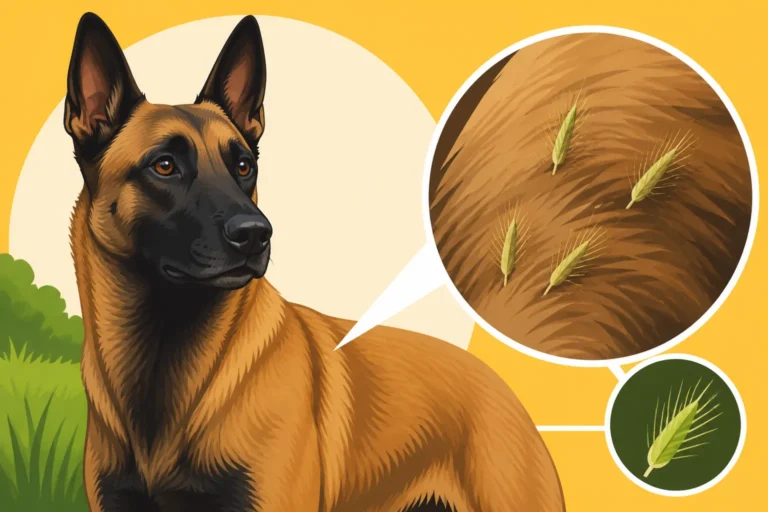
Guard Hairs: These are the protective outer hairs. They have a natural life cycle, and as older guard hairs die, they fall out to be replaced by new ones. This type of shedding tends to be a more continuous, year-round process, though the volume may fluctuate slightly. These hairs are typically shorter, stiffer, and the ones most likely to embed themselves stubbornly into fabrics. They don't usually come out in large clumps, but rather as individual, pervasive strands that seem to get everywhere.
-
Undercoat: This is where the bulk of the shedding volume comes from, particularly during seasonal changes. The undercoat is much softer and denser. When the seasons shift, especially from winter to spring, the dog needs to shed its thick winter undercoat to prevent overheating. This is often referred to as "blowing coat." The undercoat comes out in much larger quantities, sometimes appearing as soft, woolly clumps or even sheets of fur. Conversely, in the fall, they shed their lighter summer undercoat to make way for a new, thicker winter coat. The Undercoat Hidden in a Malinois's Short Coat is the primary source of those massive hair piles during a seasonal shed. This distinction is vital because it influences the type of grooming tools you'll need and the intensity of your grooming efforts at different times of the year.
The Seasonal Shed: The Big Blow-Outs
For many double-coated dog owners, the term "blowing coat" strikes a mix of dread and resignation. For Belgian Malinois owners, it's a twice-yearly event that demands preparation and an upgraded cleaning arsenal. These seasonal sheds are when your Malinois truly unleashes its shedding potential, making it seem like your dog is undergoing a complete fur renovation.
Spring Cleaning: Preparing for Warmer Weather
As the days grow longer and the chill of winter starts to recede, your Malinois will embark on its most significant shedding journey: shedding its dense winter undercoat. This is nature's ingenious way of preparing them for the warmer months ahead, ensuring they don't overheat with too much insulation. This process is far from subtle; it's a full-on expulsion of fur that can be quite astonishing in its volume. You might notice loose hair coming off in what seems like never-ending quantities, sometimes even appearing to detach in large, woolly sheets. It can feel like you could build another dog with the amount of fur you brush out.
This intense shedding period typically lasts several weeks, sometimes extending over a month, depending on your dog's individual metabolism, diet, and local climate. During this time, daily and thorough brushing is not merely helpful; it's absolutely crucial. Not only does it help to physically remove the vast quantities of dead undercoat before it infiltrates every corner of your home, but it also prevents the loose fur from matting, particularly in areas prone to tangles like the armpits, behind the ears, and around the tail. Neglecting to brush during this period means your dog will be uncomfortable with excess fur, and you'll be constantly battling hair on all surfaces. This is prime time to use specialized deshedding tools and undercoat rakes to efficiently manage the onslaught. Getting a Brush Through a Malinois's Undercoat needs to become a consistent part of your daily routine.
Autumnal Turnover: Growing the Winter Layer
While often less dramatic than the spring "blow-out," the autumn shed is equally important for your Malinois. As summer transitions into fall and the temperatures begin to drop, your dog will start to shed its lighter summer undercoat. This isn't about getting rid of insulation; it's about replacing a thinner, less dense undercoat with a thicker, warmer one that will provide optimal insulation for the colder winter months. It's essentially a natural wardrobe change.
You'll still observe a noticeable increase in shedding activity during this period, even if it doesn't quite match the sheer volume of the spring shed. Again, consistent brushing is key. By actively removing the old, lighter undercoat, you facilitate the growth of the new, denser winter coat, ensuring your Malinois is well-equipped to handle colder weather. This proactive grooming also promotes healthy skin and stimulates blood circulation, which contributes to overall coat vitality. The duration and intensity of the fall shed can also vary based on geographic location and the severity of the upcoming winter. If you live in an area with a mild autumn, the shedding might be more gradual, but in regions with distinct seasonal shifts, The Two Week Stretch When a Malinois Drops Coat will certainly make its presence known.
Year-Round Shedding: The Constant Companion
Even outside of the dramatic seasonal blow-outs, don't be fooled into thinking your Malinois magically stops shedding. The truth is, a Belgian Malinois is a consistent, year-round contributor to the accumulation of dog hair in your home. While the volume might not compare to the peak seasonal changes, the continuous nature of this shedding means you'll always have to contend with some level of loose fur.
The Everyday Hair "Dust"
Throughout the year, your Malinois will continuously shed individual guard hairs and fine undercoat hairs. This isn't the big, fluffy clumps you see during seasonal shedding; rather, it's a steady trickle of shorter, stiffer hairs that become adept at finding their way onto every surface. I like to call it "Malinois dust" because it's so fine and pervasive. It settles on hard floors, making them feel gritty underfoot, it clings to baseboards, and it subtly covers furniture and electronics. You might not notice it until the sunlight hits just right, revealing a shimmering layer of fine, fawn-colored hairs on your dark wood table. These individual hairs are particularly skilled at embedding themselves into textiles, making them notoriously tricky to remove from certain fabrics. Regular dusting, sweeping, and light vacuuming become essential daily tasks to keep this constant shedding under control, preventing it from building up into a more noticeable layer.
How Malinois Hair Weaves into Upholstery
One of the most frustrating aspects of Malinois shedding, especially for those who cherish a clean home, is the unique way their hair interacts with fabrics. Unlike longer, softer hairs that tend to sit on top of upholstery and can be easily picked off or vacuumed up, Malinois guard hairs are short, stiff, and somewhat barbed. This texture means they don't just rest on surfaces; they actively weave themselves into the fibers of carpets, rugs, couches, car seats, and even clothing.
Once embedded, these hairs become incredibly tenacious. A standard lint roller or a quick pass with a regular vacuum often proves insufficient, merely pushing the hairs around or leaving a significant amount behind. You'll quickly discover the need for specialized tools like rubber brushes, specific pet hair attachments for your vacuum, or even the old trick of using a damp rubber glove, which creates static electricity and helps pull the embedded hairs out. This characteristic of Malinois hair is why Why Malinois Hair Weaves Into Upholstery is a common complaint among owners and why choosing the right cleaning methods is crucial for maintaining your living space. Prepare to find their hair in places you never expected, proving just how adept these short, fine strands are at infiltrating everything.
Factors Influencing Shedding Levels
While shedding is a universal experience for Malinois owners, the amount and intensity can differ from one dog to another. Several factors play a role in how much fur your individual dog drops. Understanding these variables can help you better anticipate their shedding patterns and tailor your management approach.
Genetics and Individual Variation
Just like people have different hair types, individual Malinois can exhibit variations in their coat characteristics due to genetics. While all purebred Malinois possess that signature double coat, the exact density of the undercoat, the texture of the guard hairs, and even the natural length of the coat can vary subtly between individuals and bloodlines. Some Malinois might naturally have a thicker, more abundant undercoat, leading to heavier seasonal sheds, while others might have a slightly less dense undercoat and shed a bit less. These genetic predispositions can influence not only the quantity of hair shed but also the precise timing and duration of their seasonal coat blows. It's not uncommon for owners of multiple Malinois to notice distinct differences in shedding between their dogs, even if they're from similar backgrounds. This inherent variability means that while you can expect significant shedding, the exact experience will be unique to your canine companion.
Environment and Climate Differences
Where your Malinois lives and the climate they are exposed to significantly impact their shedding patterns. Dogs are highly attuned to environmental cues, particularly light cycles and temperature fluctuations, which trigger hormonal responses that regulate coat growth and shedding.
-
Indoor Living: A Malinois living primarily indoors, especially in a climate-controlled home with consistent artificial lighting, might experience a less pronounced seasonal shed. Their bodies don't receive the strong, clear signals of dramatic seasonal change. Instead, they might shed more consistently and moderately throughout the year, as their coat continuously tries to adapt to the stable indoor environment. This can be a mixed blessing: less intense "blow-outs," but more steady, year-round hair.
-
Outdoor Exposure: Conversely, a Malinois that spends a significant amount of time outdoors, exposed to natural light cycles and temperature swings, will likely have much more distinct and heavier seasonal sheds. Their bodies are responding directly to the changing seasons, resulting in a more dramatic expulsion of old fur and growth of new coat in spring and fall. However, this often means less constant shedding outside of those peak times, as their coat is better adapted to the current conditions. Living in an arid climate vs. a humid one, or one with extreme temperature differences vs. mild, consistent weather, will also influence the thickness of the undercoat and, consequently, the amount shed.
Diet and Overall Health
Your Malinois's diet and overall health are foundational to the quality of their coat. A healthy coat is less likely to shed excessively (outside of normal seasonal changes) and more likely to look vibrant.
-
Nutrition: A diet rich in high-quality animal protein and essential fatty acids (Omegas 3 and 6) is crucial for a healthy skin barrier and a strong, shiny coat. Protein is the building block of hair, and healthy fats help maintain skin moisture and reduce inflammation, preventing a dry, brittle coat that breaks easily and sheds more. If your dog's diet is lacking, their coat can appear dull, dry, and you might notice increased, unhealthy shedding. Many premium dog food brands, found at retailers like Chewy or specific brands like Ollie, focus on these vital nutrients. The Protein a Working Malinois Actually Needs is significant, and ensures their coat remains in prime condition.
-
Health Conditions: Underlying health issues can dramatically impact shedding. Hormonal imbalances, such as hypothyroidism (A Malinois Whose Thyroid Has Given Out), can lead to a dull, thinning coat and excessive shedding. Allergies (food or environmental) can cause skin irritation, itching, and subsequent hair loss due to scratching. Parasites like fleas or mites also cause intense itching, damaging the skin and leading to hair loss. Even stress can sometimes manifest as increased shedding. If you notice a sudden, drastic change in your Malinois's shedding pattern, or if it's accompanied by other symptoms like skin irritation, dullness, or lethargy, a vet visit is essential to rule out any medical causes. Whether a Probiotic Settles a Malinois's Gut can even indirectly impact coat health by improving nutrient absorption.
Managing Malinois Shedding: Tools and Techniques
Accepting that your Belgian Malinois will shed is the first step; the next is equipping yourself to manage it effectively. You can't stop the natural process, but you can significantly reduce the amount of hair that ends up on your furniture, clothes, and floors. The key to success is consistent effort and using the right tools for the job.
The Essential Grooming Toolkit
To effectively battle the Malinois fur onslaught, you'll need more than just a basic brush. Investing in a specific set of grooming tools will make your life much easier and your home much cleaner.
- Undercoat Rake: This is your primary weapon during seasonal shedding. An undercoat rake has long, sturdy teeth designed to penetrate the dense topcoat and gently pull out loose, dead undercoat without damaging the healthy guard hairs. Always use it with care, working in small sections and avoiding excessive pressure to prevent skin irritation.
- Deshedding Tool (e.g., FURminator-style brush): These tools are highly effective at removing large quantities of loose undercoat. While powerful, they should be used judiciously and gently to prevent irritation or damage to the topcoat. Follow the manufacturer's instructions, and don't over-brush in one spot.
- Rubber Curry Brush or Grooming Mitt: Excellent for daily grooming, these tools are gentle enough for frequent use. They are superb at gathering loose guard hairs and stimulating the skin, which helps to distribute natural oils and promote a healthy, shiny coat. They're particularly effective for those fine, stiff hairs that shed continuously.
- Slicker Brush: While more commonly used for longer-haired breeds, a slicker brush can be useful for smoothing the Malinois's coat and removing any minor surface tangles, especially if your dog has slightly longer hair around the ruff or tail.
- Powerful Vacuum Cleaner: A high-quality vacuum cleaner specifically designed for pet hair is not a luxury; it's a necessity. Look for models with strong suction, HEPA filters, and specialized attachments for upholstery and tight spaces. Many owners find models with robust brush rolls make a significant difference.
- Lint Rollers and Rubber Gloves: Keep lint rollers stashed everywhere – by the door, in your car, in your bag – for quick touch-ups on clothing. For deeply embedded hair in upholstery, a damp rubber glove or even a squeegee can work wonders, rolling the hair into manageable clumps.
Establishing a Regular Grooming Routine
Consistency truly is the most important factor in managing Malinois shedding. An infrequent, half-hearted attempt won't cut it.
- Daily Brushing: During peak seasonal shedding (spring and fall), aim for a daily brushing session of 10-15 minutes using your undercoat rake or deshedding tool. This proactive approach will capture the vast majority of loose fur before it has a chance to settle in your home. Even outside of these periods, a few minutes of daily brushing with a rubber curry or bristle brush can significantly reduce the ambient hair.
- Regular Bathing: While Malinois don't require frequent bathing (How Rarely a Malinois Coat Needs Washing is key to prevent drying their skin), a bath during shedding season can be very effective. Use a deshedding shampoo and conditioner, and follow up with thorough rinsing and brushing while the coat is damp or dry. The water helps loosen dead hair, making it easier to remove.
- Outdoor Brushing: Whenever possible, brush your Malinois outdoors. This simple act can save you countless hours of indoor cleaning by containing the fur storm outside. A quick brush-down after an outdoor adventure can also help prevent bringing extra dirt and loose hair indoors.
- Post-Activity Wipe Downs: After vigorous training or outdoor activities, especially if your dog has gotten wet or dirty, a quick wipe-down with a damp towel can remove loose hair and debris. This is particularly useful after Wiping a Belgian Malinois Down After Field Work.
| Grooming Tool | Primary Use | Frequency (Approx.) | Key Benefit |
|---|---|---|---|
| Undercoat Rake | Removes loose undercoat during sheds | 2-3 times/week (seasonal) | Deeply penetrates without damaging topcoat |
| Deshedding Tool | Reduces overall shedding volume | 1-2 times/month | Captures massive amounts of dead undercoat |
| Rubber Curry Brush | Daily shedding, distributes oils, massage | Daily | Gentle, effective on short hairs, good for baths |
| Bristle Brush | Finishing, light shedding, shine | Daily | Smooths coat, removes surface debris |
| Pet Hair Vacuum | Floor/upholstery cleaning | Daily | Essential for home hair management |
| Lint Roller | Quick clothing/fabric touch-ups | As needed | Convenient, portable hair removal |
| Damp Rubber Glove | Embedded hair removal from upholstery | As needed | Static charge lifts stubborn hairs |
Diet and Environment: Impact on Coat Health and Shedding
Beyond the tangible act of brushing, the health and quality of your Malinois's coat are deeply intertwined with their internal well-being and external environment. What you feed your dog and the conditions they live in can significantly influence how much they shed and the overall condition of their fur. A healthy dog generally boasts a healthier coat, which can lead to more manageable shedding.
The Role of Quality Nutrition
Your Malinois's diet is a cornerstone of their coat health. Hair is primarily composed of protein, and a vibrant coat requires a steady supply of high-quality nutrients.
- High-Quality Protein: Ensure your dog's food contains a substantial amount of high-quality animal protein. This is crucial for strong hair growth and overall muscle maintenance, particularly for active Malinois. Look for formulas where meat is listed as the first ingredient. The Protein a Working Malinois Actually Needs is more than a sedentary dog.
- Essential Fatty Acids (EFAs): Omega-3 and Omega-6 fatty acids are superstars for skin and coat health. They help maintain skin hydration, reduce inflammation, and promote a shiny, resilient coat. A deficiency in these can lead to dry, brittle hair that sheds more easily and looks dull. Many premium dog foods, easily found on platforms like Chewy or specialized brands such as Ollie, incorporate optimal ratios of these fats. If your dog's diet isn't providing enough, a supplement (like fish oil) can be a beneficial addition, but always consult your vet first.
- Vitamins and Minerals: Biotin, zinc, and vitamins A and E are also vital for skin and coat integrity. A complete and balanced dog food should deliver these in appropriate amounts. Just like in humans, a healthy gut contributes to overall health, so Whether a Probiotic Settles a Malinois's Gut can indirectly enhance nutrient absorption and coat quality.
A Malinois fed a superior diet will typically have a stronger, healthier coat that sheds naturally without excessive breakage or dullness, making it easier to manage during peak shedding times.
Environmental Stressors and Coat Condition
Beyond what goes into their bowl, external factors in your Malinois's environment can also influence their shedding patterns and coat health.
- Stress: Dogs, like people, can react to stress with physical symptoms, and increased shedding is one of them. Major life changes, separation anxiety, new household members, or even over-training can contribute to stress-induced shedding. While Diarrhea in a Stressed Belgian Malinois is a more common sign, changes in coat condition are also possible.
- Allergies: Both environmental allergens (pollen, dust mites) and food allergies can cause skin irritation, itching, and subsequent excessive shedding as your dog scratches or licks. Look for accompanying symptoms like redness, hot spots (Hot Spots on a Malinois After Water Training), or recurrent ear infections. Investigating with your vet to Running a Food Trial on an Itchy Malinois or allergy testing can be crucial.
- Parasites: Fleas, ticks, and mites can lead to intense itching, skin damage, and hair loss from scratching. Consistent parasite prevention, especially for dogs that spend a lot of time outdoors, is essential.
- Harsh Grooming Products or Over-Bathing: While bathing helps with shedding, using shampoos that are too harsh or bathing too frequently can strip the natural oils from your Malinois's skin, leading to dryness, irritation, and potentially more shedding. Stick to dog-specific, moisturizing shampoos and condition when necessary.
- Climate: As discussed, the local climate and whether your dog lives primarily indoors or outdoors will play a significant role in triggering seasonal sheds. Dogs in artificial, consistent indoor environments might shed more evenly year-round, while those exposed to natural light and temperature fluctuations will have more distinct seasonal coat changes.
By paying attention to both their internal nutrition and external stressors, you can provide the best possible foundation for a healthy coat, which in turn helps in managing the inevitable shedding.
When Shedding Might Signal a Problem
While shedding is an entirely normal part of owning a Belgian Malinois, it's crucial for owners to differentiate between typical, healthy shedding and abnormal hair loss that could indicate an underlying health issue. Being observant and knowing when to seek veterinary advice can make a significant difference in your dog's well-being.
Abnormal Hair Loss vs. Normal Shedding
Normal shedding, even during the most intense seasonal blow-outs, typically results in a relatively even loss of hair across the body, with new, healthy hair growing in its place. The skin underneath should appear healthy and free from irritation. Abnormal hair loss, however, presents differently:
- Patchy Hair Loss or Bald Spots: If your Malinois is losing hair in specific, distinct patches, or you notice areas of complete baldness, this is a definite red flag. Causes can range from parasitic infestations (like mange mites), fungal infections (ringworm), bacterial skin infections, or even pressure sores.
- Generalized Thinning of the Coat: If the coat appears to be thinning uniformly all over, rather than just shedding loose hair, and looks sparse or dull, this can indicate a systemic problem. This might be linked to nutritional deficiencies, chronic stress, or hormonal imbalances.
- Excessive Itching, Redness, or Skin Lesions: While some occasional itching is normal, persistent, intense scratching, licking, or chewing, especially if accompanied by skin redness, rashes, scabs, or "hot spots," is not. This often points to allergies (food or environmental), external parasites, or bacterial/yeast skin infections. Hot Spots on a Malinois After Water Training are a common example of this.
- Dull, Brittle, or Greasy Coat: A healthy Malinois coat should have a natural sheen and feel resilient. If the fur suddenly becomes unusually dull, dry, brittle (breaking easily), or excessively greasy, it can signal nutritional issues, internal organ problems, or skin disorders.
Recognizing Underlying Health Concerns
If you observe any of the abnormal shedding patterns described above, or if the shedding is accompanied by other concerning symptoms, do not hesitate to contact your veterinarian. They can conduct a thorough examination and recommend appropriate diagnostic tests to identify the root cause.
- Hormonal Imbalances: Conditions like hypothyroidism, where the thyroid gland doesn't produce enough hormones, frequently manifest as symmetrical hair loss, dull coats, and changes in skin texture. A Malinois Whose Thyroid Has Given Out is a common concern in many breeds, including Malinois.
- Allergies: Environmental allergies (atopy) or food allergies can lead to chronic skin inflammation, itching, and secondary infections, all contributing to excessive hair loss. Your vet might suggest Running a Food Trial on an Itchy Malinois or allergy testing to identify triggers.
- Parasites: Fleas, ticks, and various mites can cause intense irritation and hair loss. Diagnosing these often involves skin scrapes or careful examination.
- Nutritional Deficiencies: Although less common with high-quality commercial dog foods, a diet lacking in essential nutrients can certainly impact coat health.
- Systemic Illnesses: In some cases, increased shedding or poor coat condition can be a symptom of more serious internal diseases. Regular bloodwork, such as The Bloodwork a Working Malinois Should Have Annually, can sometimes catch early indicators of these issues.
It's always better to be safe than sorry. Your vet is your best resource for accurately diagnosing any health-related shedding issues and formulating a treatment plan to get your Malinois feeling and looking their best.
Living with the Reality: Embracing the Malinois Shed
After all this talk about double coats, seasonal blow-outs, and year-round hair "dust," you might be feeling overwhelmed. But don't despair! Living with a Belgian Malinois means embracing the shedding as part of the package. While you can't eliminate it, you absolutely can manage it effectively. It's about adjusting your expectations, adopting proactive habits, and realizing that a little bit of fur is a small price to pay for the incredible companionship, intelligence, and loyalty these dogs offer.
Adjusting Expectations for Home Cleanliness
Let's be very clear: if you are someone who strives for a perfectly hair-free home, owning a Malinois will test your resolve. You will find hair. It will be on your clothes, clinging to your socks, embedded in your car seats, and sometimes, mysteriously, in places you never expected. The idea of a pristine, hairless environment is simply not compatible with sharing your life with a double-coated, actively shedding dog.
Instead of fighting an impossible battle that will only lead to frustration, I encourage you to adjust your mindset. Think of it as a constant, ongoing maintenance effort rather than a one-time cleaning event. Your goal shifts from "hair-free" to "hair-managed." This might mean opting for harder flooring over carpet, choosing furniture fabrics that are easier to clean, or simply accepting that a certain amount of dog hair is a permanent fixture in your life. Embrace the reality, and you'll find much less stress when you spot those inevitable strands.
Tips for Minimizing Hair in Your Living Space
Beyond the grooming routine, there are several practical steps you can take in your home management to minimize the spread and impact of Malinois hair:
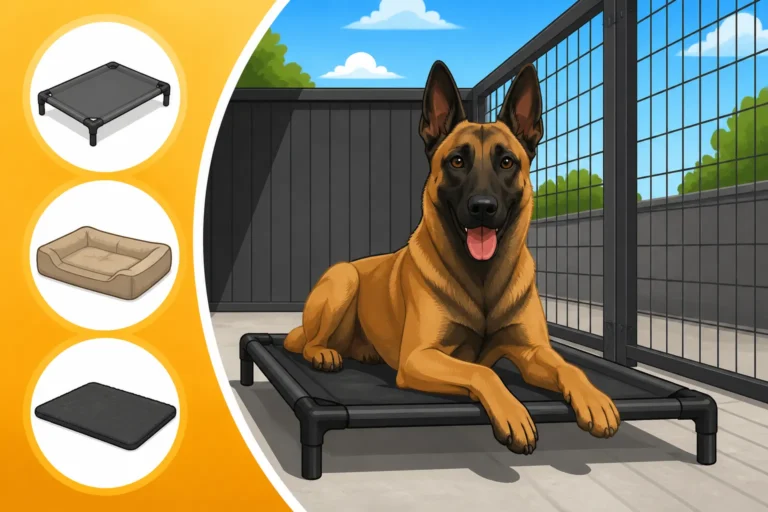
- Dedicated Dog Areas: Provide your Malinois with specific, comfortable dog beds or blankets that are easy to wash. Train them to use these designated "place" spots. This helps to concentrate much of their shedding to easily manageable items. Washing these regularly (weekly is ideal) can significantly reduce the amount of hair distributed throughout your home. Building a Malinois's Place Command is not just for obedience; it's a fantastic management tool.
- Washable Furniture Covers and Throws: If your Malinois is allowed on the couch or bed, invest in sturdy, washable furniture covers or throws. These can be easily removed, shaken out, and tossed into the washing machine, saving your actual furniture from becoming a permanent fur magnet. Retailers like Amazon offer a wide variety of stylish and durable options.
- Car Interior Protection: For those who travel with their Malinois, a good quality car seat cover or hammock is invaluable. These protect your vehicle's upholstery and make cleaning up hair much more efficient. Keep a damp rubber glove in your car for those deeply embedded hairs.
- Air Purifiers: While they won't pick up hair from surfaces, air purifiers equipped with a HEPA filter can help capture airborne dander and fine hairs, improving the overall air quality in your home and potentially reducing allergy symptoms for sensitive individuals.
- Regular Laundry Cycles: Don't let blankets, towels, or even heavily furred clothing sit for too long. Frequent washing helps remove shed hair before it can transfer to other items or spread further into your living space. Always remember to clean your washing machine's lint trap after washing pet bedding.
- Strategic Cleaning Schedule: Instead of one massive weekly clean, consider daily shorter clean-ups. A quick sweep of hard floors, a targeted vacuum of common areas, and a wipe-down of surfaces can prevent hair from accumulating to overwhelming levels.
Living with a Belgian Malinois is an incredibly rewarding experience, despite the challenge of their shedding coat. By understanding their unique coat, committing to a consistent grooming schedule, optimizing their health, and adopting smart home management strategies, you can maintain a comfortable and clean living environment. The bond you share with this intelligent and devoted breed will always be worth the effort.
Disclaimer
This article is for general informational purposes only and does not constitute professional advice. Laws, prices and regulations vary by location and change over time. Consult a qualified professional for guidance on your specific situation.