Whether a Belgian Malinois Eats Less in Summer
It's a common worry for us Belgian Malinois owners, isn't it? You spend so much time making sure your high-drive dog gets the absolute best nutrition, carefully portioning out their food to fuel their boundless energy, only to have summer roll around and suddenly they're looking at their bowl like you've offered them plain cardboard. This guide will dive deep into why your Malinois might seem to lose their appetite when the temperatures rise, what's normal, what's not, and how you can ensure they stay healthy and well-fed even during the hottest months.
Why a Malinois's Appetite Might Shift with the Seasons
Just like us, dogs are influenced by their environment, and seasonal changes, especially heat, can have a direct impact on their physiology and energy requirements. When the mercury climbs, it's not unusual for a highly active breed like the Belgian Malinois to show a subtle, or sometimes not-so-subtle, dip in their usual ravenous enthusiasm for food.
The Metabolic Dance: Less Need for Internal Warmth
One of the primary reasons you might notice your Belgian Malinois eating a bit less in the summer comes down to their internal thermostat and metabolism. In colder months, a dog's body expends more energy just to maintain its core body temperature. Think of it like a tiny furnace running constantly. This increased energy expenditure naturally drives a higher caloric need, which translates to a bigger appetite. They need those calories to generate the heat that keeps them comfortable.
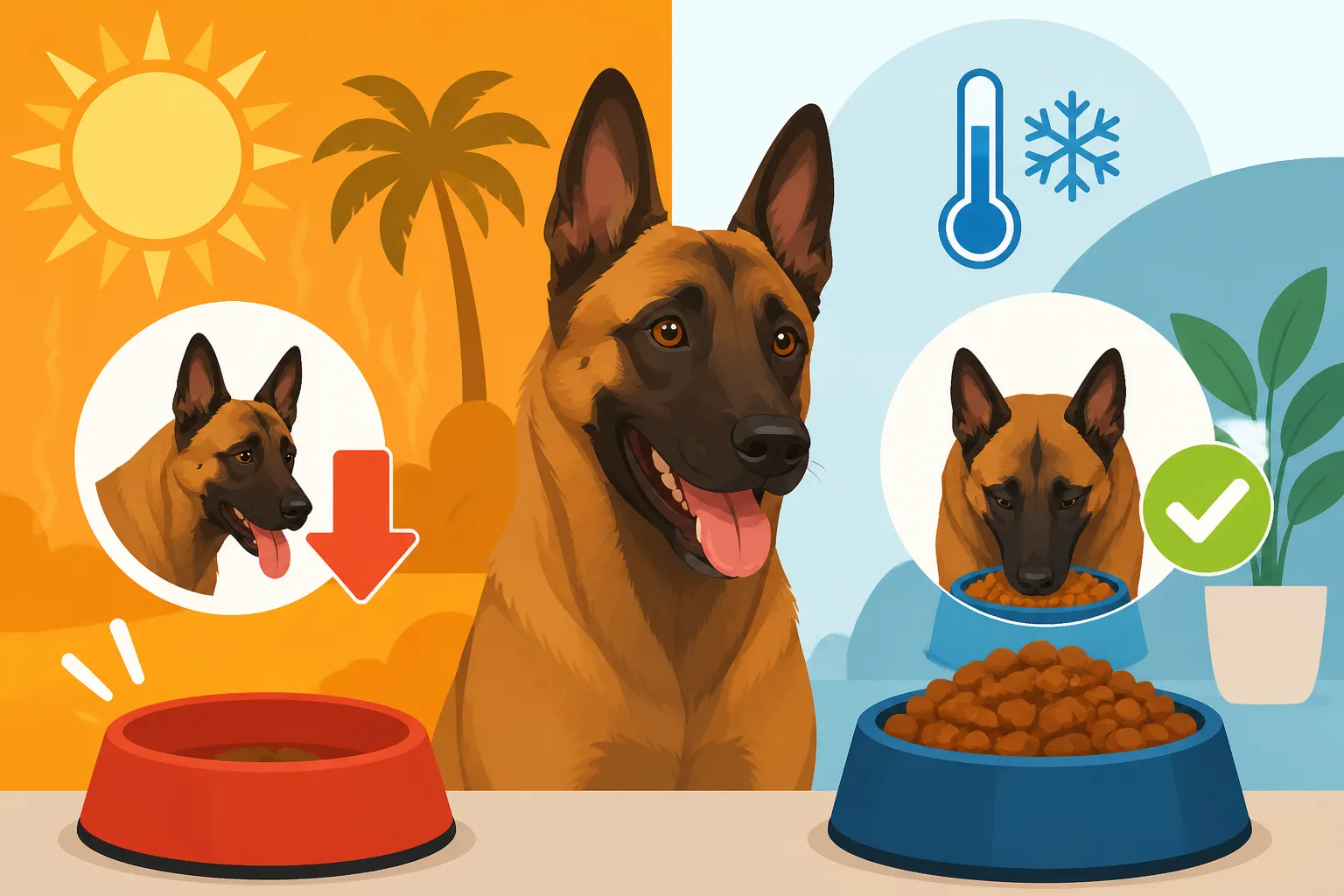
However, when summer hits, the external environment is already warm, sometimes even hot. Their bodies don't have to work as hard to stay warm; in fact, they're often working to cool down. Eating and digesting food generates metabolic heat, a process known as thermogenesis. If your Malinois is already struggling to stay cool, their body might instinctively reduce food intake as a way to minimize this internal heat production. It's a natural, adaptive mechanism to prevent overheating. This isn't about being picky; it's about biochemical self-regulation.
Adjusted Activity Levels and Energy Output
Let's be real: even the most driven Belgian Malinois handler makes adjustments to their training and exercise routine when the summer sun is blazing. While your Malinois might still want to work, the sheer intensity and duration of their sessions often have to be scaled back for safety. You might be opting for earlier morning or much later evening sessions, or shortening them considerably to avoid issues like heat stroke. The Temperature a Belgian Malinois Should Not Train In
When physical activity decreases, even slightly, the caloric demands of the body decrease along with it. A dog that's not burning as many calories won't need to consume as many. It’s simple energy balance. If your Malinois usually puts in two solid hours of high-intensity work daily, and that drops to an hour of less strenuous activity, their body will tell them they don't need quite as much fuel. It's a healthy response to reduced energy output. Of course, a Malinois still needs a job, even if it's less physically demanding in the summer. Don't mistake a dip in appetite for a dip in their desire for mental engagement!
Factors Influencing a Malinois's Summer Appetite
While general physiological shifts are at play, several other factors can specifically impact how much your Belgian Malinois wants to eat during the warmer months. It's rarely just one thing; often, it's a combination.
The Overwhelming Impact of Heat and Humidity
The most obvious culprit for a decreased appetite in the summer is, simply, the heat itself. Imagine trying to enjoy a piping hot, heavy meal on a sweltering August afternoon. Most of us would opt for something light and refreshing. Dogs experience a similar aversion. High ambient temperatures, especially when combined with high humidity, make it harder for dogs to cool themselves effectively. Panting becomes less efficient in humid conditions, and the discomfort can be significant.
When a Malinois feels hot and uncomfortable, eating can seem like an effort. Their focus shifts from food to finding a cool spot, hydrating, and generally trying to alleviate the heat stress. This is particularly true for Malinois who spend a lot of time outdoors or in working environments where they can't easily escape the sun. Keeping a Belgian Malinois Out of Midday Sun The sheer physical sensation of being too hot can suppress appetite, as their body prioritizes cooling mechanisms over digestion.
Hydration Status and Its Role in Eating Desire
Hydration is critical for a Malinois year-round, but it becomes absolutely paramount in summer. If your dog isn't drinking enough, or if they're constantly dehydrated due to heat and activity, it can directly affect their desire to eat. Dehydration can lead to a general feeling of malaise, lethargy, and a dry mouth, none of which are conducive to enjoying a meal.
Often, a dog who seems to be "off their food" might actually just be thirsty. If they're not adequately hydrated, their digestive system might not be functioning optimally, further reducing their interest in eating. Ensuring constant access to fresh, cool water isn't just about preventing heatstroke; it's also about supporting overall bodily functions, including appetite. Hydrating a Belgian Malinois During Training Sometimes, offering water before food can even help stimulate interest.
Stress, Routine Changes, and Food Presentation
Even though Malinois are known for their resilience, they can still be affected by stress, and summer often brings changes to routine. Travel for trials, new environments, the constant hum of air conditioning, or even fireworks (which are common in summer) can all contribute to a subtle level of stress that impacts appetite. A stressed dog might not eat as readily (see A Belgian Malinois That Refuses Food at a Trial).
Consider also how the food is presented. A bowl of dry kibble that has sat out in a warm environment might not be as appealing as fresh, cool food. If your Malinois is typically fed warm meals or food with additions, and suddenly those disappear, that can also contribute to a lack of interest. The temperature of the food itself can play a role; some dogs prefer cooler meals in hot weather, just as we might prefer an iced drink over a hot coffee. This is where getting creative with mealtime can come in handy.
Recognizing and Addressing Appetite Changes in Your Malinois
It's one thing to observe a shift in appetite, but quite another to know if it's a normal summer adjustment or a sign of something more concerning. For a breed as intense as the Belgian Malinois, where "off food" can be a big red flag, understanding the nuances is crucial.
Distinguishing Normal Summer Dips from Real Concerns
A slight reduction in appetite during the peak summer months is often completely normal for a Belgian Malinois, especially if their overall activity level has naturally decreased due to the heat. Your Malinois might eat a bit less at one meal, or skip a meal entirely but then devour their next one. They might also show less enthusiasm for their food but still clear their bowl eventually. This is usually accompanied by normal energy levels (for the heat), good hydration, and no other symptoms. Their weight should remain stable, or only fluctuate slightly within a healthy range. Judging a Malinois's Condition by Hand
However, there are clear signs that an appetite change is more than just a normal summer dip. If your Malinois:
- Refuses to eat for more than 24 hours.
- Shows a significant and sustained drop in food intake over several days.
- Exhibits other symptoms like lethargy, vomiting, diarrhea, excessive drooling, or difficulty breathing.
- Is losing weight noticeably.
- Is typically a "food motivated machine" and suddenly shows no interest in even their highest-value treats.
These are all reasons to be concerned and warrant a call to your veterinarian. A Malinois is generally not a "picky eater," so a true lack of appetite is often a symptom of an underlying issue, whether it's mild heat stress, an upset stomach, or something more serious. Don't dismiss persistent inappetence in a Malinois.
The Weight and Condition Checklist
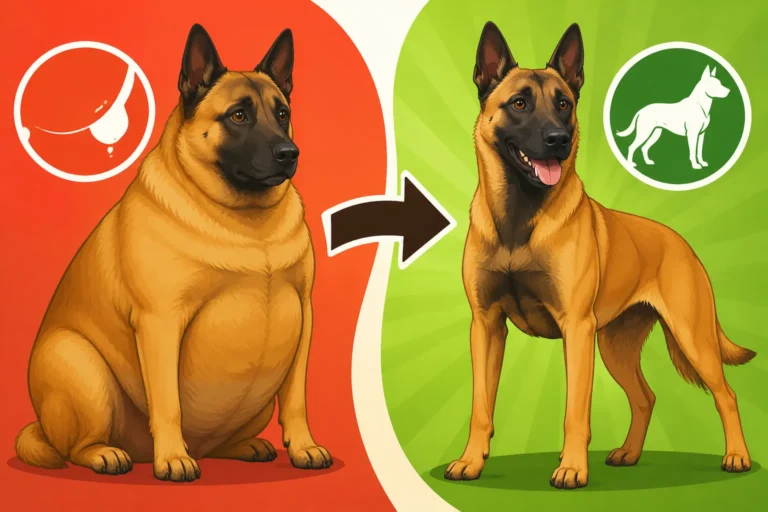
One of the best ways to monitor if your Malinois's reduced appetite is okay is to keep a close eye on their body weight and condition. You want your Malinois to remain lean and athletic, even in the summer. You should be able to easily feel their ribs without pressing hard, see a distinct waist when viewed from above, and a tuck-up when viewed from the side.
A minor decrease in food intake that doesn't result in significant weight loss or a change in muscle mass is probably nothing to worry about. However, if you start to feel their hip bones becoming more prominent, their spine more noticeable, or their muscles diminishing, then their caloric intake is likely too low for their needs, even accounting for reduced activity. Regular, gentle checks of their body condition are more important than obsessing over every kibble not eaten. You know your dog's ideal weight and how they feel when they're in top condition. Trust your hands.
Strategies for Maintaining Good Nutrition During Warmer Months
So, what can you do if your Malinois is showing those normal, but sometimes frustrating, summer appetite changes? There are several practical strategies you can employ to encourage eating and ensure they're getting the nutrients they need without over-stressing them in the heat.
Timing Meals for Cooler Parts of the Day
This is perhaps the simplest and most effective strategy. Instead of feeding at midday when the sun is highest and temperatures are peaking, shift your Malinois's meal times to the cooler parts of the day. Early morning, before the heat sets in, and late evening, after the sun has gone down, are ideal. Your dog will feel much more comfortable and be more inclined to eat when they aren't actively trying to cool themselves down.
Consider breaking their daily ration into smaller, more frequent meals if that fits your schedule. A smaller meal might be less intimidating than a large one when it's warm. If your Malinois is on a two-meal-a-day schedule, you might try three smaller portions to see if that helps. The key is to make mealtime as comfortable and unstressed as possible. Feeding a Belgian Malinois Around Training Sessions
Making Food More Appealing: Additions and Presentation
Sometimes, a little creativity can go a long way in tempting a Malinois to eat.
- Soak the Kibble: Adding cool water or low-sodium broth to their kibble can make it more palatable and easier to digest. It also adds a bit of extra hydration. Soaking a Belgian Malinois's Kibble Some dogs really appreciate the softer texture in the heat.
- Add "Temptation" Toppers: A spoonful of plain yogurt, canned pumpkin (not pie filling!), cottage cheese, cooked meat, or even a specialized wet food topper can entice a reluctant eater. Just be mindful of introducing too many new things at once to avoid an upset stomach. Brands like Ollie offer fresh, human-grade food options that many dogs find irresistible and can be a great way to boost appeal, even if used as a topper.
- Cool the Food: Sometimes, simply chilling their wet food or adding a few ice cubes to their soaked kibble can make it more inviting. Just avoid anything frozen solid that could damage teeth.
- Rotate Proteins: If your Malinois normally eats the same protein day in and day out, switching to a different one (e.g., from chicken to lamb) might spark their interest. Many pet retailers like Chewy offer a wide variety of kibble formulas and toppers, making it easy to experiment.
- Use Puzzle Feeders/Interactive Toys: If your Malinois is more interested in playing than eating, try putting their food in a puzzle feeder or a Kong. The mental stimulation might make them more inclined to "work" for their meal, especially if physical exercise is slightly curtailed.
Maximizing Hydration Beyond the Water Bowl
While a constant supply of fresh, cool water is essential, sometimes you need to get more creative with hydration.
- Ice Cubes: Many Malinois love ice cubes. Add them to their water bowl, or offer them as refreshing treats.
- Frozen Broth: Freeze low-sodium chicken or beef broth in ice cube trays for delicious, hydrating snacks.
- Water Fountains: Some dogs are enticed to drink more from a circulating water fountain.
- Wet Food: If your Malinois is really struggling with dry kibble, incorporating more wet food into their diet can significantly increase their fluid intake.
- Monitor Water Intake: Keep an eye on how much they're actually drinking. If it seems unusually low, consult your vet.
A well-hydrated dog is a happier, healthier dog, and often a better eater, even in the heat.
Supplements and Comfort Measures
Before adding any supplements, always consult with your veterinarian. However, some owners find certain additions helpful:
- Probiotics: If stress or heat has led to a sensitive stomach, a probiotic supplement might help maintain gut health and potentially improve appetite. Whether a Probiotic Settles a Malinois's Gut
- Electrolytes: For highly active dogs, especially those training in the heat, an electrolyte supplement (specifically formulated for dogs) can help replace lost minerals. Again, speak to your vet first.
- Cooling Vests and Mats: Ensuring your Malinois is comfortable before and during mealtime can make a huge difference. A cooling vest from a retailer like Amazon or a simple cooling mat can help lower their body temperature, making them feel more inclined to settle down and eat. Whether a Cooling Vest Helps a Malinois on a Trial Field Keeping their sleeping and eating areas well-ventilated and cool is paramount.
By being observant, making sensible adjustments, and consulting with your vet when necessary, you can navigate the summer months with a well-fed and healthy Belgian Malinois, even if their usual eating habits shift a little.
Summary of Normal vs. Concerning Summer Appetite Changes
To help you quickly gauge your Malinois's situation, here's a comparison:
| Characteristic | Normal Summer Appetite Dip | Concerning Appetite Change |
|---|---|---|
| Duration | Intermittent, perhaps skips one meal, or less enthusiastic for a day. | Consistent refusal to eat for 24+ hours; sustained significant reduction over several days. |
| Enthusiasm | Less eager, might leave some food, eventually finishes. | Complete disinterest in food, even high-value treats. |
| Other Symptoms | None (normal energy, good hydration, normal stools). | Lethargy, vomiting, diarrhea, labored breathing, dry gums, fever, pain. |
| Body Condition | Stable weight, maintains lean muscle mass. | Noticeable weight loss, visible bony prominences, muscle wasting. |
| Hydration | Drinking normally, good skin elasticity. | Reduced water intake, signs of dehydration (sunken eyes, tacky gums). |
| Overall Demeanor | Alert, engaged (though possibly less active due to heat). | Dull, withdrawn, unresponsive, restless, signs of discomfort. |
Whether a Belgian Malinois Can Be Too Lean
Feeding a Belgian Malinois That Will Not Eat Under Stress
Soft Stools in a Malinois Under Training Stress
The Bloodwork a Working Malinois Should Have Annually
Keeping an Old Belgian Malinois Mentally Busy
Whether a Belgian Malinois Can Be Crated All Day
What a Malinois Destroys in One Unsupervised Hour
Disclaimer
This article is for general informational purposes only and does not constitute professional advice. Laws, prices and regulations vary by location and change over time. Consult a qualified professional for guidance on your specific situation.