Keeping a Belgian Malinois Out of Midday Sun
You've got this incredible, driven Belgian Malinois, a dog that lives to work and move, and then summer hits with its relentless midday sun. It's a real dilemma, isn't it? How do you keep that engine running without overheating the whole machine? This guide is all about navigating those hot, sunny hours, ensuring your Malinois stays safe, cool, and healthy, no matter how much they beg for 'more' work.
Why Midday Sun is a Real Threat for Your Malinois
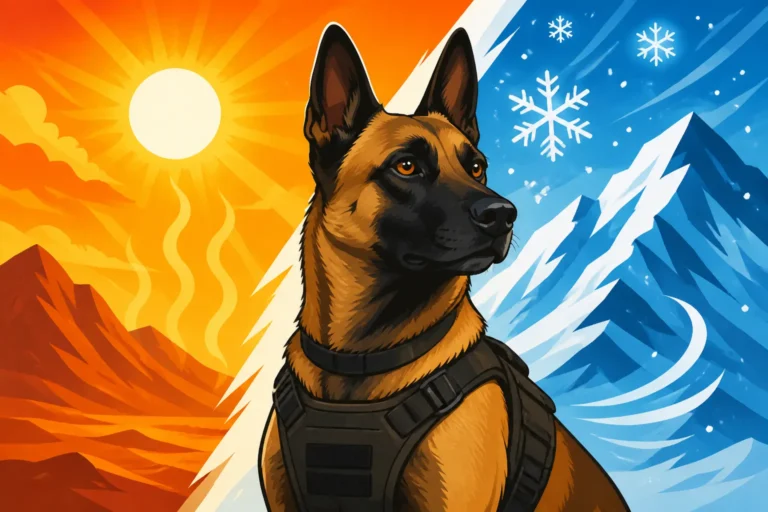
It's easy to look at our Malinois, with their seemingly endless energy, and think they can handle anything. But when the sun is high and temperatures climb, direct exposure to midday sun becomes a serious health hazard. These dogs, bred for work and possessing incredibly high metabolisms, are surprisingly susceptible to overheating, and ignoring the risks can lead to dire consequences. It's not just about comfort; it's about survival.
Many owners underestimate just how quickly a Malinois can go from "a little warm" to full-blown heatstroke. Their drive often overrides their discomfort, pushing themselves past safe limits, which puts the responsibility squarely on us to be vigilant and proactive. We can't rely on them to tell us they're too hot because often, by the time they show obvious signs, they're already in a dangerous situation.
Understanding Heatstroke and Malinois Physiology
A Belgian Malinois is a lean, athletic machine, but that very physiology can work against them in the heat. They have a high metabolic rate, which means their bodies naturally generate a lot of heat just through normal activity. When you add intense exercise, that internal heat production skyrockets. Unlike us, dogs don't sweat efficiently through their skin; their primary cooling mechanism is panting. This process exchanges warm, moist air from their lungs with cooler ambient air. However, if the ambient air is too hot and humid, panting becomes far less effective.
Their short coat, while not appearing thick, is actually a double coat designed for insulation – both from cold and heat. But in intense, direct sun, that insulation can trap heat rather than reflect it, especially if there's no air circulation. Combine this with their relentless drive and desire to please, and you have a dog that will push itself to exhaustion, ignoring the early signs of overheating until it's too late. It’s a cruel irony that the very traits we love – their incredible work ethic and boundless energy – make them more vulnerable in extreme conditions. They just don't have that natural "off switch" when they're in drive, and that's something we, as responsible owners, absolutely have to provide for them.
The Specific Dangers of UV Rays and Direct Sunlight
Beyond the general risk of heatstroke, direct midday sun brings its own set of specific dangers for your Malinois. Ultraviolet (UV) radiation isn't just a concern for humans; it can affect our dogs too. While their fur offers some protection, areas with thinner hair, such as the nose, ears, and belly, are vulnerable to sunburn, which can be painful and, over time, increase the risk of skin cancers. Dogs with lighter pigmentation might be even more susceptible.
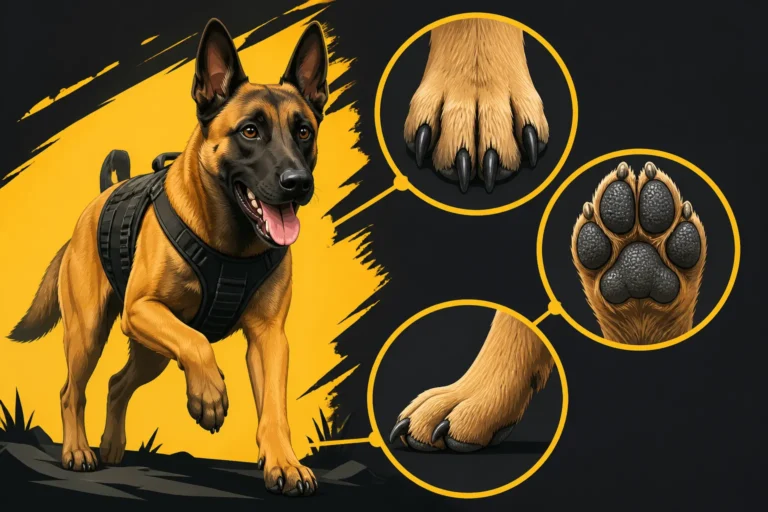
Furthermore, direct sun exposure plays a significant role in certain eye conditions common in Malinois. One of the most well-known is Pannus, or Chronic Superficial Keratitis, which is an inflammatory condition of the cornea, often exacerbated by UV light. You can learn more about Pannus and the Sunlight That Drives It in Malinois. Keeping your dog out of the intense midday sun isn't just about preventing immediate heatstroke; it's a critical part of long-term health management for their skin and eyes, especially if they have any pre-existing sensitivities. Don't forget the ground surface either! Asphalt, concrete, and even sand can become scorching hot in direct sunlight, easily burning delicate paw pads. Imagine walking barefoot on a blacktop in July – that's what your Malinois is dealing with.
Practical Strategies for Avoiding Midday Sun Exposure
Given the risks, proactively managing your Malinois's exposure to midday sun isn't just recommended, it's essential. It requires conscious planning and a shift in your routine, but these adjustments are a small price to pay for your dog's health and safety. Think of it as re-engineering your day to fit your high-drive companion's needs in the warmest months.
This isn't about shutting your Malinois in a dark room all day; it's about making smart choices to ensure they still get their physical and mental exercise without putting them in harm's way. A tired, mentally stimulated Malinois is a happy Malinois, but a heat-stressed Malinois is a veterinary emergency waiting to happen. Our goal is to find that balance.
Adjusting Your Daily Routine and Training Schedule
The most impactful change you can make is simply adjusting when you do things. Forget mid-morning or early afternoon walks and training sessions during summer months. The prime time for your Malinois to be active outdoors shifts to the very early morning and late evening, once the sun has begun to set and temperatures have dropped. We’re talking about sun-up and sun-down here. This is especially critical for intense activities like bite work, agility, or long runs. The Temperature a Belgian Malinois Should Not Train In outlines more specifics on this.
Consider two shorter, higher-intensity sessions during these cooler parts of the day, rather than one long, drawn-out session. For instance, a vigorous fetch session or a structured obedience drill at 6 AM, and then another one after 7 PM. During the hotter parts of the day, shift to indoor mental stimulation. Puzzle toys, scent work indoors, or even just working on calm "place" commands can keep their minds engaged without elevating their body temperature. Remember, even a short burst of intense activity in the sun can be enough to trigger issues in a dog that is already marginally warm.
Creating a Safe, Shaded Environment
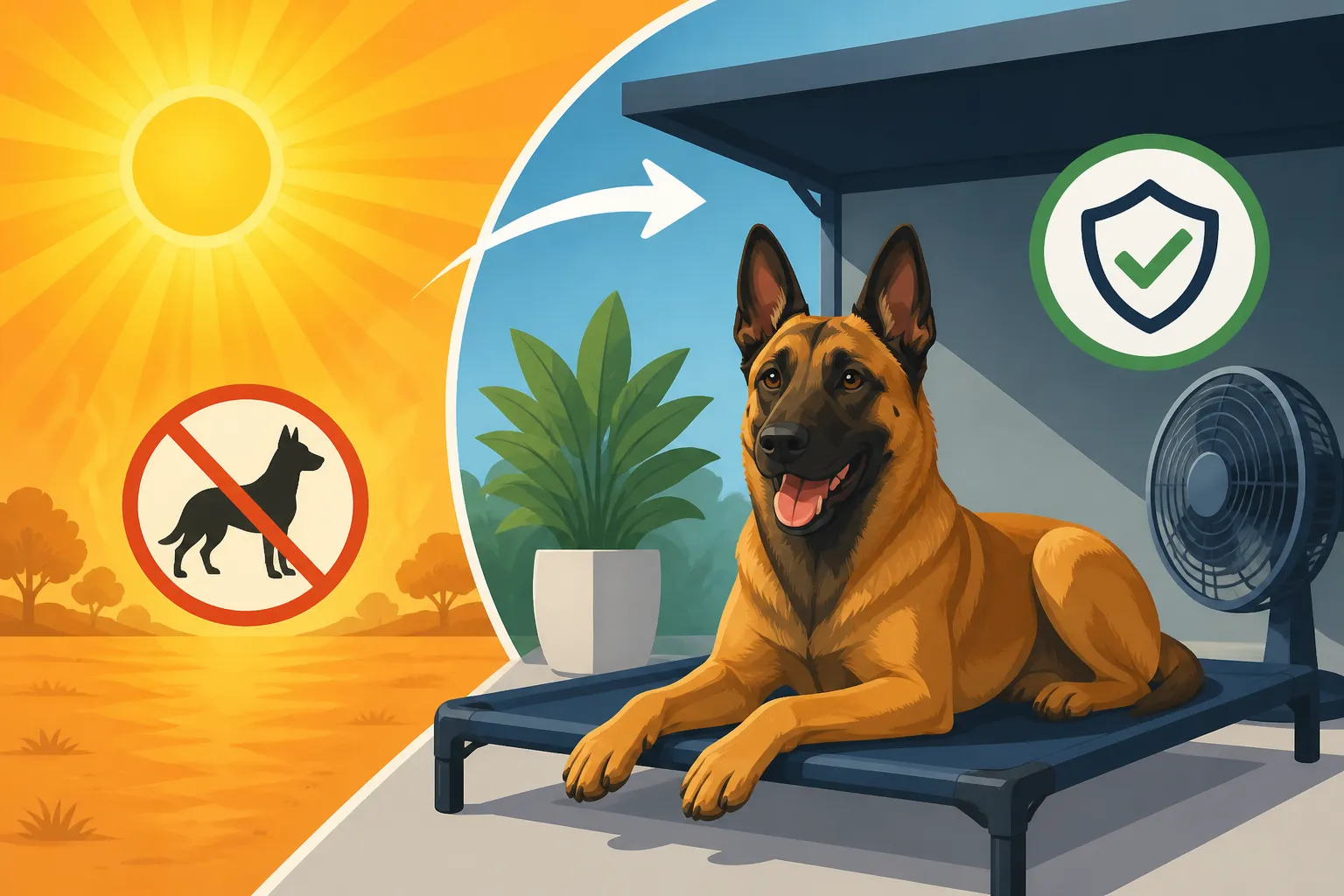
Even with adjusted schedules, your Malinois will still spend time outdoors. It's crucial that any outdoor space they have access to offers ample shade. This isn't just a small patch; it needs to be enough for them to stretch out fully and move around without being in direct sun. Natural shade from large trees is ideal, as it also helps cool the ambient air. If natural shade isn't available, invest in high-quality shade cloths, carports, or sturdy canopies. You might even consider specialized covers for their kennels if they spend time outside.
Inside the house, think about where your Malinois rests during the day. Ensure they have access to cool spots. Tiled floors, basement areas, or even a designated cool room can be a haven. Elevated dog beds, which allow air to circulate underneath, can also make a huge difference in comfort compared to sleeping directly on the floor or a thick dog bed. Brands like Chewy offer a variety of elevated cooling beds and mats that can provide that much-needed relief during the hottest hours. For dogs prone to conditions like Pannus, or simply those with sensitive eyes, Shade Routines for a Light Sensitive Belgian Malinois are non-negotiable.
Utilizing Gear and Hydration for Heat Management
When your Malinois must be outside, even for short periods during warmer times, certain gear can offer extra protection. Cooling vests, which often work by evaporative cooling or containing ice packs, can help regulate their body temperature. You can find many options on platforms like Amazon, but always check reviews for durability and fit for active dogs. Paw protection, like dog booties, is also essential if they will be walking on hot surfaces like pavement or sand. Even just a short walk to the grass can involve crossing scorching paths. Pad Toughening for a Belgian Malinois is important, but preventing burns is always better.
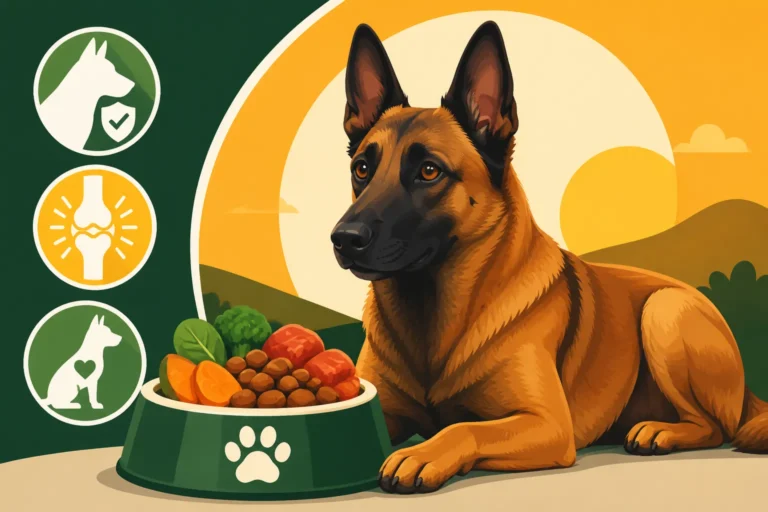
Hydration is paramount. Always have fresh, cool water readily available, both at home and when you're out. Consider adding ice cubes to their water bowl at home to keep it cooler for longer. Portable water bottles with attached bowls are a lifesaver for walks and training. Some owners also offer water-rich foods or even specialized fresh dog food like Ollie, which can contribute to overall hydration. For the working Malinois, especially after a hard session, replenishing electrolytes can be beneficial, and knowing how to encourage your dog to drink is vital. Hydrating a Belgian Malinois During Training is a skill every Malinois owner needs to master.
Recognizing and Responding to Heat Stress
Even with the best preventative measures, sometimes things happen, and your Malinois might start to show signs of heat stress. It’s absolutely critical that you can recognize these warning signs early and know exactly what to do. Delaying action by even a few minutes can turn a manageable situation into a life-threatening emergency, particularly for a high-drive breed like the Malinois.
Remember, your Malinois might try to push through discomfort. It’s up to you to be observant and step in. Early intervention is key to preventing full-blown heatstroke, which can cause organ damage, brain damage, and even death. Don't wait until it's too late; educate yourself on the symptoms and have a plan ready.
Key Warning Signs to Watch For
The signs of heat stress can range from subtle to overtly alarming. In the early stages, you might notice excessive panting that seems more labored than usual, darker red gums, or an increased heart rate. Your dog might also seek shade more actively than usual or try to lie down repeatedly. As heat stress progresses, the signs become more severe and include weakness, stumbling or incoordination, profuse drooling, vomiting, and diarrhea. Their body temperature will rise significantly, often above 104°F (40°C).
If you see these signs, especially in warm weather or after exercise, your alarm bells should be ringing. Collapse, seizures, or loss of consciousness indicate a critical emergency requiring immediate veterinary attention. These are the stages where Heat Stroke in a Belgian Malinois in a Patrol Car can occur, and it's something every owner, whether pet or working, needs to be acutely aware of. Trust your gut; if something seems off, it probably is.
Here's a quick guide to what to watch for:
| Severity of Heat Stress | Symptoms | Immediate Action |
|---|---|---|
| Mild | Excessive panting, seeking shade, slightly red gums | Move to shade, offer water, rest, watch closely. |
| Moderate | Very heavy panting, bright red gums, increased heart rate, mild weakness, drooling | Move to cool area, offer water, apply cool (not cold) water to armpits/groin, contact vet. |
| Severe | Stumbling, vomiting, diarrhea, collapse, seizures, blue/purple gums, unresponsive | Emergency Vet ASAP. Apply cool water, use fan, monitor breathing. Do not overcool. |
First Aid Steps for an Overheating Malinois
If you suspect your Malinois is overheating, immediate action is crucial. First, get them out of the sun and into the coolest environment available – shade, an air-conditioned car, or indoors. Offer them fresh, cool (not ice-cold) water. Don't force them to drink, but make it available. Next, begin cooling them down, but do so gradually. Applying cool water to their body, especially around the armpits, groin, and paw pads, where major blood vessels are close to the surface, is effective. A hose on a low setting or wet towels can work. A fan blowing over them can also help with evaporative cooling.
Do not use ice water or immerse them in a cold bath, as this can cause blood vessels to constrict, trapping heat inside, and can lead to dangerous shock. Focus on bringing their temperature down slowly and steadily. Monitor their temperature if you have a rectal thermometer; ideally, you want to bring it down to around 103°F (39.4°C) before stopping active cooling. Even if your dog seems to recover quickly, contact your veterinarian immediately. Heatstroke can have delayed effects on organs, and a professional assessment is always necessary. This is not a situation to take lightly; prompt and informed action can save your dog's life.
Ultimately, preventing heat stress is far easier and safer than treating it. Your Malinois relies on your good judgment to keep them safe.
Disclaimer
This article is for general informational purposes only and does not constitute professional advice. Laws, prices and regulations vary by location and change over time. Consult a qualified professional for guidance on your specific situation.