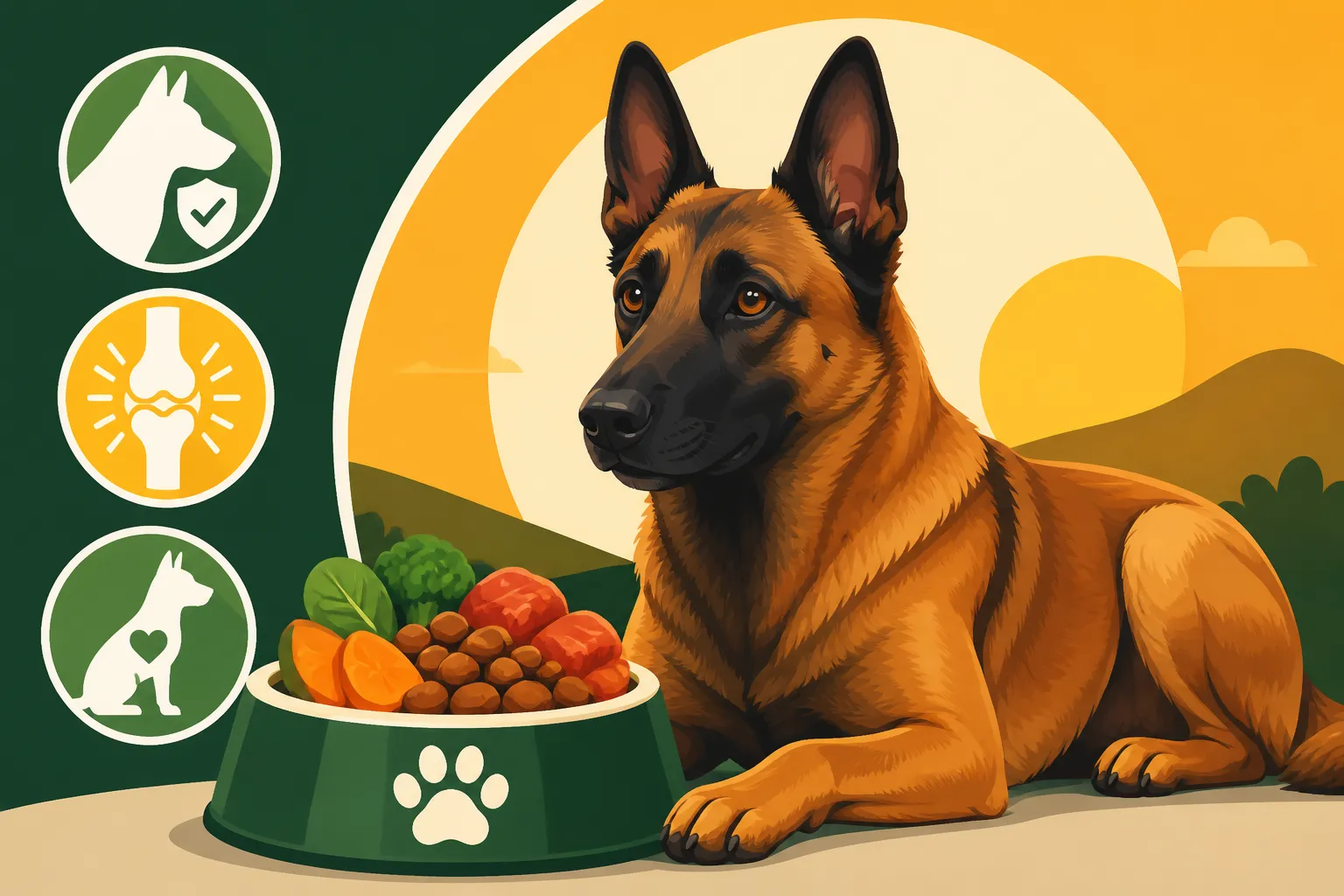
Feeding a Retired Belgian Malinois
The moment your beloved Belgian Malinois starts to wind down from their working life, a whole new set of considerations comes into play. It's a bittersweet transition, often marked by a natural slowing of pace, but it also means their nutritional needs are shifting dramatically. Many of us struggle to figure out how to adjust their diet when they're no longer burning thousands of calories chasing sleeves or running miles of scent work. This guide is here to walk you through how to properly feed your retired Belgian Malinois, ensuring they maintain optimal health, comfort, and vitality in their golden years.
Understanding the Nutritional Shift for a Retired Malinois
It's easy to look at our older Malinois and still see the powerhouse they once were, but their bodies are undergoing significant changes. The high-octane fuel they needed for peak performance suddenly isn't quite right. Continuing to feed them the same high-calorie, high-protein diet designed for an active working dog can lead to a host of problems, from weight gain to increased inflammation. We need to shift our perspective from 'fueling a machine' to 'supporting a senior companion.'
Decreased Energy Requirements
One of the most obvious changes in a retired Malinois is their energy output. Those marathon training sessions, the constant vigilance, the explosive bursts of speed – they all require immense caloric expenditure. When these activities reduce, their daily calorie needs drop significantly. Failing to adjust means those excess calories get stored as fat, and we all know how quickly a Malinois can gain weight once their exercise dwindles. This isn't just about aesthetics; extra weight puts undue strain on aging joints, exacerbates conditions like arthritis, and can even contribute to other health issues. It's a tough pill to swallow for handlers used to feeding vast quantities, but cutting back isn't a punishment, it's a necessary act of care.
Consider a former patrol dog who used to spend hours searching buildings and running drills; now, their "work" might be a leisurely walk around the block and some gentle puzzle toys. That's a massive difference in energy expenditure. Their metabolic rate slows with age, too, meaning their bodies simply don't process food with the same youthful efficiency. This natural decline means we have to be vigilant about portion control. It's not about making them feel hungry, but about providing precisely what their less active body needs to thrive without becoming overweight. Overfeeding can quickly undermine all our efforts to keep them sound and comfortable in their retirement.
Changing Macronutrient Needs
Beyond just calories, the balance of protein, fats, and carbohydrates also needs a rethink. While senior dogs still need good quality protein to maintain muscle mass – especially a breed like the Malinois, which is prone to losing muscle as they age – the type and amount might differ slightly. Too much fat can lead to digestive upset or contribute to pancreatitis, a concern for many older dogs. Complex carbohydrates, on the other hand, can provide sustained energy without the rapid spikes and crashes that might occur with simpler sugars, and they often come with beneficial fiber for gut health.
For instance, a working Malinois often thrives on diets with higher fat content to provide dense energy. A retired Malinois, however, might benefit from a diet with moderate, easily digestible fats and high-quality, lean protein sources. This ensures their muscles are supported, but without the caloric overload. It’s about being smart with the ingredients, opting for foods that support organ function and provide antioxidants rather than just pure brute-force energy. Many commercial senior formulas are designed with these considerations in mind, aiming to support kidney and liver health, which can become more fragile with age.
Focus on Joint and Cognitive Support
Age, unfortunately, brings with it common ailments like arthritis and a decline in cognitive function. Nutrition plays a huge role in managing these conditions. Ingredients like glucosamine and chondroitin, often found in joint supplements, become critical for maintaining cartilage health. Omega-3 fatty acids, particularly EPA and DHA, are powerful anti-inflammatories that can significantly reduce joint pain and improve mobility, making daily movement less painful for an older dog. These fatty acids also support brain health, which is vital for Keeping an Old Belgian Malinois Mentally Busy and staving off canine cognitive dysfunction.
Think about a Malinois who once leaped effortlessly over walls and now struggles to get up from a deep sleep. Their joints are likely aching. Incorporating specific nutrients can make a real difference in their comfort level and quality of life. Beyond joint support, antioxidants like Vitamin E and C, as well as specific brain-supporting nutrients like medium-chain triglycerides (MCTs) or L-carnitine, can help combat oxidative stress and maintain mental sharpness. It’s an investment in their comfort and continued engagement with the world around them, preventing them from fading into a sedentary existence.
Choosing the Right Food for an Older Malinois
The market is flooded with dog food options, and navigating them for a senior Malinois can feel overwhelming. The key is to look beyond flashy marketing and focus on ingredients, suitability for age, and how well it supports specific senior needs.
Senior-Specific Commercial Diets
Many reputable pet food brands offer formulas specifically designed for senior dogs. These diets are typically lower in calories, have controlled protein and fat levels, and are fortified with supplements beneficial for aging bodies. They often include higher fiber content to aid digestion and maintain healthy weight, as well as enhanced levels of joint-supporting nutrients. These can be a fantastic starting point for many owners, as the hard work of balancing macronutrients and adding supplements is already done for you.
When browsing options on sites like Chewy or Amazon, look for terms like "senior," "mature adult," or "ageing care." Read the ingredient list carefully. High-quality animal protein (like chicken, lamb, or fish) should be among the first few ingredients. Avoid excessive fillers, artificial colors, or preservatives. Consider brands that conduct feeding trials to ensure their food is truly complete and balanced for the life stage they claim. While these foods are convenient, always remember to introduce any new diet gradually to avoid digestive upset, especially in an older dog whose system might be more sensitive to abrupt changes.
Fresh Food and Raw Feeding Considerations
For some owners, a fresh food diet, either commercially prepared or home-cooked, or a raw feeding approach, might be appealing. Services like Ollie deliver fresh, human-grade meals that can be customized to your dog's age and activity level. These diets can offer higher moisture content, which is great for hydration, and often contain highly digestible ingredients. The perceived benefit is more bioavailable nutrients and fewer processed components, which some believe supports better overall health in senior dogs.
However, these options require careful consideration. Home-cooked diets must be nutritionally balanced, which often requires consultation with a veterinary nutritionist to ensure all essential vitamins, minerals, and macronutrients are present in the correct ratios. Just feeding cooked meat and vegetables won't cut it. Raw feeding also comes with its own set of challenges, including proper handling to prevent bacterial contamination and ensuring complete nutritional balance. For an older Malinois, their immune system might not be as robust as it once was, making food safety even more critical. If you choose this route, research thoroughly and consult with professionals to avoid deficiencies or health risks.
Essential Supplements for Aging Malinois
Even with a high-quality senior diet, some supplements can provide an extra layer of support. Joint supplements are almost universally recommended for active breeds like Malinois as they age. Look for combinations of glucosamine, chondroitin, and MSM. Joint Supplements for a Working Belgian Malinois are often invaluable, and this support doesn't stop once they retire. Omega-3 fatty acids, in the form of fish oil or algal oil, are also incredibly important for reducing inflammation and supporting cognitive function.
Beyond these, a probiotic might be beneficial to support gut health, especially if your Malinois experiences digestive issues. Antioxidant blends containing Vitamin E, Vitamin C, or coenzyme Q10 can help combat cellular aging. Always discuss any new supplements with your veterinarian, as they can advise on appropriate dosages and potential interactions with any medications your dog might be taking. Remember, supplements are meant to supplement a balanced diet, not replace missing nutrients from a poor one.
| Nutrient Category | Why It Matters for Retired Malinois | Common Dietary Sources / Supplements |
|---|---|---|
| Calories | Reduced activity means fewer calories needed to prevent weight gain and joint strain. | Senior-specific kibble, measured portions, less treats. |
| Protein | Maintains muscle mass, which can decline with age. Should be high-quality and digestible. | Lean meats (chicken, turkey, fish), egg, high-quality senior dog food. |
| Fat | Source of energy, but lower amounts needed. Omega-3s are crucial for anti-inflammation. | Fish oil, flaxseed, moderate fat senior dog food. |
| Fiber | Aids digestion, promotes satiety, helps manage weight, and supports gut health. | Pumpkin, sweet potato, beet pulp, specific senior dog food formulas. |
| Glucosamine/Chondroitin | Supports cartilage health and joint lubrication, crucial for arthritic dogs. | Bone broth, green-lipped mussel, dedicated joint supplements available on Amazon. |
| Omega-3 Fatty Acids | Powerful anti-inflammatory, supports joint health, skin & coat, and cognitive function. | Fish oil (salmon, sardine), algal oil, some fortified dog foods. |
| Antioxidants (Vit E, C) | Combat free radicals and cellular damage associated with aging. | Berries, leafy greens, fortified senior dog foods, targeted supplements. |
Addressing Common Dietary Challenges in Senior Malinois
Even with the best intentions, feeding an older Malinois can present unique challenges. They might become picky, develop new sensitivities, or struggle with dental issues.
Managing Weight – Too Much or Too Little
Weight management is a tightrope walk for many senior Malinois owners. On one hand, reduced activity can quickly lead to unwanted weight gain, which is detrimental to their joints and overall health. On the other, some older Malinois can actually lose weight due to muscle atrophy, dental problems, or underlying health issues that affect their appetite or nutrient absorption. Holding Condition on a Retired Malinois is paramount, but it's a balance.
If your Malinois is gaining weight, the first step is strictly controlling portion sizes and limiting high-calorie treats. Measure their food precisely rather than eyeballing it. Increase gentle, low-impact exercise if possible, such as swimming or short, consistent walks. If they're losing weight, consult your vet immediately to rule out medical conditions. Once cleared, focus on highly palatable, nutrient-dense foods. Sometimes, simply Whether an Old Belgian Malinois Needs Softer Food or warming it slightly can make it more appealing. Adding a little cooked, lean protein like chicken breast or a spoonful of canned pumpkin (if they tolerate it) can sometimes encourage them to eat more.
Dental Issues and Eating Difficulties
Older dogs, just like older people, often develop dental problems. Tartar buildup, gum disease, and even cracked or missing teeth can make eating incredibly painful. A Malinois that used to wolf down their kibble might suddenly become reluctant to eat, drop food from their mouth, or chew on one side only. This isn't pickiness; it's pain. Ignoring it can lead to further health complications and significant discomfort for your dog.
Regular dental check-ups are crucial, and your vet might recommend dental cleanings under anesthesia to address underlying issues. For dogs with painful mouths, switching to a softer diet can make a world of difference. This could mean soaking kibble in warm water or broth, transitioning to canned food, or exploring fresh food options. Even if your Malinois doesn't have obvious dental problems, the act of chewing hard kibble can become less appealing or comfortable as they age. Making their meals easier to consume ensures they get the nutrition they need without unnecessary discomfort. The Checkup Schedule a Sport Malinois Should Keep should definitely include dental assessments.
Food Sensitivities and Digestive Upset
As a Malinois ages, their digestive system can become more sensitive. Foods they tolerated perfectly well in their youth might now cause stomach upset, diarrhea, or vomiting. This can be due to a decrease in digestive enzyme production, changes in gut flora, or the development of true food sensitivities. Spotting the signs of digestive distress – changes in stool consistency, flatulence, reduced appetite, or discomfort after eating – is important.
If you suspect a food sensitivity, working with your vet on an elimination diet can help identify the culprit. This involves feeding a novel protein and carbohydrate source for several weeks to see if symptoms resolve, then reintroducing previous ingredients one by one. Alternatively, switching to a limited ingredient diet (LID) or a hydrolyzed protein diet might be recommended. Probiotic supplements can also help support a healthy gut microbiome, potentially improving digestion and nutrient absorption. Be patient with this process, as it can take time to pinpoint and resolve dietary sensitivities.
Practical Feeding Strategies for Comfort and Health
Beyond what you feed, how you feed your retired Malinois can significantly impact their well-being. Small adjustments can make a big difference in their comfort, digestion, and enjoyment of mealtime.
Portion Control and Meal Timing
Consistency is key, especially with older dogs. Dividing their daily food allowance into two or three smaller meals can be beneficial. This reduces the burden on their digestive system, helps stabilize blood sugar levels, and can prevent them from feeling overly full or hungry between meals. It's a gentle approach that supports their aging metabolism. For a Malinois that's still prone to scarfing food, slower feeding bowls or puzzle feeders can also be useful, even in retirement, to prevent bloat and encourage more mindful eating.
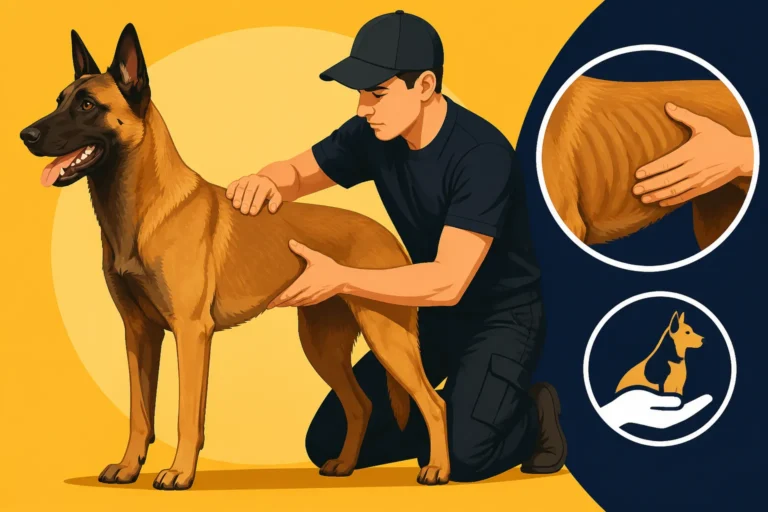
When you're trying to figure out Feeding a Retired Belgian Malinois, always follow the feeding guidelines on your chosen food, but use them as a starting point. Every dog is an individual. Monitor their body condition closely by checking their ribs (you should be able to feel them easily without seeing them sharply) and observing their waistline from above. Adjust their portions up or down by about 10-15% as needed, re-evaluating every couple of weeks. This attentive approach ensures they maintain that healthy, lean condition.
Hydration and Water Accessibility
Hydration is crucial for senior dogs, whose kidney function might not be as efficient and who might be less inclined to drink as much. Ensure fresh, clean water is always available in multiple locations, especially near their favorite resting spots. If your Malinois isn't drinking enough, consider adding water or low-sodium broth to their food, or investing in a dog water fountain, which can entice some dogs to drink more due to the circulating water.
Older Malinois might also struggle to reach down comfortably to a bowl on the floor, particularly if they have arthritis in their neck or shoulders. Elevated food and water bowls can make mealtime much more comfortable and accessible, reducing strain on their joints. This simple change can encourage better hydration and eating habits, making a real difference in their daily comfort. Remember, even though they are retired, Caring for a Belgian Malinois After Ten still involves keeping a close eye on their basic needs like hydration.
Creating a Calm and Consistent Eating Environment
Mealtime should be a peaceful, stress-free experience for your retired Malinois. Avoid busy, high-traffic areas where they might be disturbed by other pets, children, or household activities. A quiet corner where they can eat undisturbed is ideal. The consistency of their eating location and routine helps reduce anxiety and promotes good digestion.
If you have multiple pets, feed them separately to prevent competition or stress. Even if your Malinois has always been fine eating alongside another dog, age can bring increased territoriality or anxiety. Ensuring they feel secure and unhurried while eating allows them to focus on their food and digest it properly. This attention to their environment is just as important as the food itself in ensuring their golden years are as comfortable and healthy as possible.
Disclaimer
This article is for general informational purposes only and does not constitute professional advice. Laws, prices and regulations vary by location and change over time. Consult a qualified professional for guidance on your specific situation.