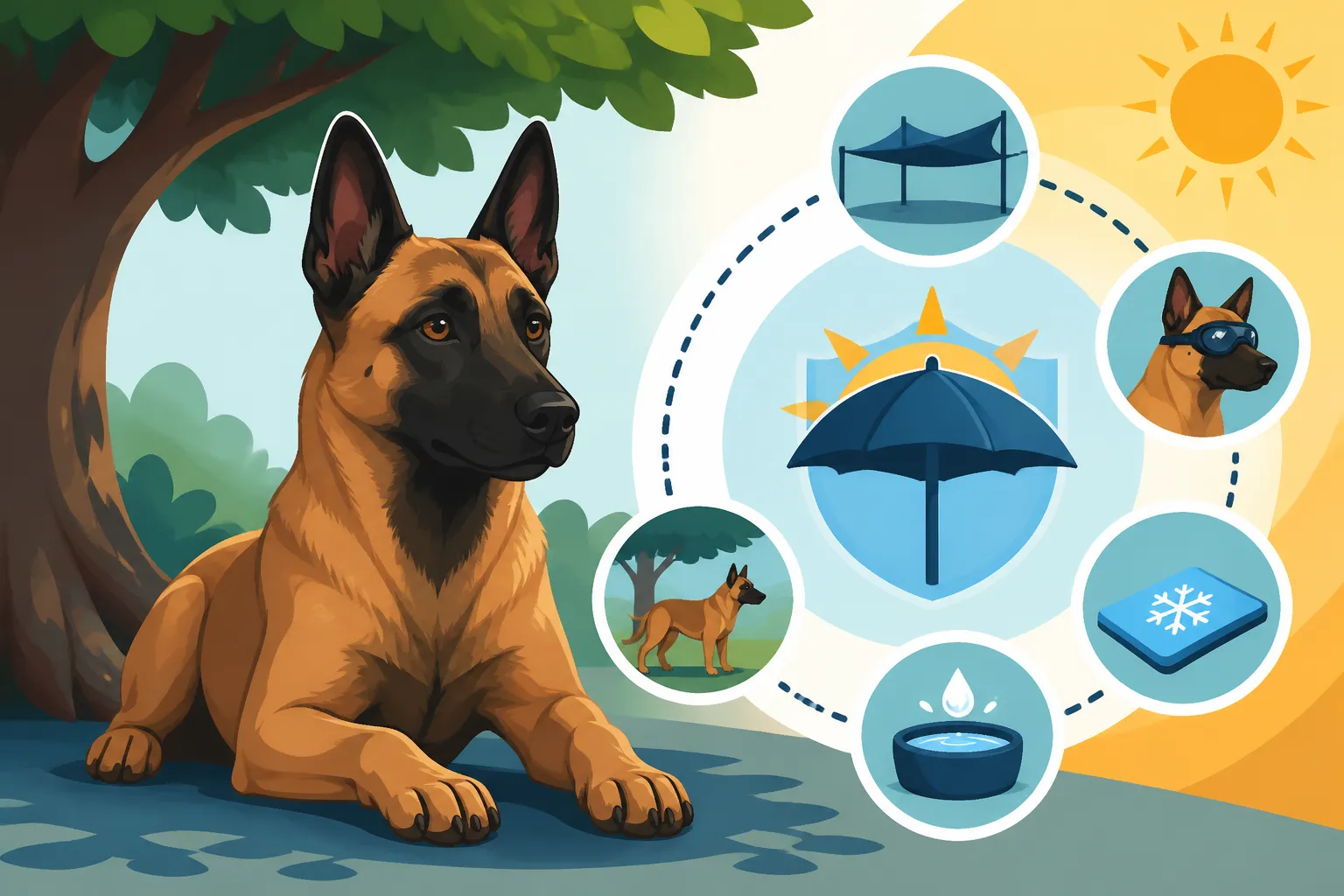
Shade Routines for a Light Sensitive Belgian Malinois
It can be incredibly disheartening to watch your otherwise robust and driven Belgian Malinois squinting, tearing up, or actively shying away from bright sunlight, especially when you know their instinct is to be out working or playing. For dogs prone to certain conditions, like the frustrating eye disease known as Pannus, sunlight isn't just uncomfortable; it's a direct threat to their long-term vision and comfort. This comprehensive guide is here to help you navigate the nuances of light sensitivity in your Malinois and establish effective, consistent shade routines that protect their precious eyes and keep them comfortable, whether they're training hard or just enjoying their yard.
Understanding Light Sensitivity in Your Malinois
When your Malinois starts reacting to bright light, it’s not just being fussy. There’s usually a genuine underlying reason, and understanding that reason is the first step toward effective management. These highly active dogs are often out in all sorts of conditions, making them particularly vulnerable if they have a predisposition to light-sensitive issues.
Why Some Malinois Are More Susceptible
It often comes down to genetics and specific health conditions that make certain Malinois more vulnerable to the sun's harsh rays. The most common culprit we see in this breed is chronic superficial keratitis, better known as Pannus. This is an immune-mediated disease where the cornea and sometimes the third eyelid become inflamed, often appearing as a grayish, pinkish, or brownish film spreading across the eye. Sunlight, specifically the ultraviolet (UV) radiation in it, is a well-documented trigger and accelerator for Pannus. Think of it like a sunburn for the eyes, but one that causes permanent changes and gets worse with repeated exposure. The frustrating part is that some Malinois, just like some people, are simply more genetically predisposed to developing this condition. Pannus and the Sunlight That Drives It in Malinois
Beyond Pannus, some Malinois might have lighter pigmentation around their eyes or on their eyelids, making those areas more susceptible to actual sunburn, which can be painful and lead to secondary issues. While less common, certain other ocular conditions can also cause discomfort in bright light, making a thorough veterinary examination crucial to pinpoint the exact cause. It’s not just about the intensity of the light, but the UV component, which is present even on cloudy days, making consistent protection a year-round commitment. Recognizing these underlying vulnerabilities helps us approach shade routines not as an optional luxury, but as a critical part of their health management.
Recognizing the Signs of Light Sensitivity
A light-sensitive Malinois will often give you clear indications if you know what to look for. The most obvious sign is excessive squinting or blinking, particularly when moving from a dimmer area into bright sunshine. You might notice them trying to keep their eyes partially closed, or even turning their head away from the light source. Their eyes might appear red or inflamed, especially around the whites or the inner corners, and you might see an increase in tearing, as their eyes try to flush out the irritant. This isn’t just occasional; it’s a consistent reaction to bright conditions.
Beyond the immediate eye reactions, behavioral changes can also signal discomfort. A dog that usually loves lounging in the yard might start seeking out the smallest patch of shade, even on days that don't seem overly hot. They might become hesitant to go outside during peak daylight hours, or appear less enthusiastic about outdoor training sessions. If you notice any of these signs, especially if they are new or worsening, it's essential to consult your veterinarian to rule out medical conditions like Pannus and discuss a proper diagnosis and treatment plan. Early intervention can make a significant difference in managing these conditions and maintaining your Malinois's comfort and long-term eye health.
The Critical Role of Shade in Malinois Health
For a breed as active and hard-working as the Belgian Malinois, optimal health isn't just about good genetics and robust training; it's also about environmental management. For those with light sensitivity, shade transitions from a convenience to an absolute necessity, playing a pivotal role in both preventing disease progression and ensuring their comfort and ability to perform.
Preventing Progression of Light-Related Conditions
When we talk about light-related conditions in Malinois, Pannus is almost always at the forefront. Consistent exposure to ultraviolet (UV) light acts like fuel to a fire, accelerating the progression of this immune-mediated eye disease. By diligently providing shade, you’re not just making your dog more comfortable in the moment; you’re actively working to slow down, and in some cases, even halt the advancement of the disease. This is why veterinarians often emphasize rigorous sun protection as a cornerstone of Pannus management, alongside prescribed medications like topical steroids or cyclosporine. The goal is to minimize the inflammatory response triggered by UV, reducing the likelihood of the opaque, vision-impairing lesions becoming more severe. Treating Pannus in a Belgian Malinois for Life
Moreover, shade isn’t just for their eyes. Intense sun exposure can lead to actual sunburn on less pigmented areas of skin, such as the nose, ear tips, or even the inner thighs of a Malinois with lighter fur. While their short, dense coat offers some protection, prolonged sun can still cause discomfort, skin damage, and in rare cases, even contribute to certain skin cancers over a lifetime. Perhaps even more critically, shade is a vital component in preventing overheating and heatstroke, especially for a high-drive Malinois that might push itself too far during training or play. Providing a cool, shaded resting spot allows their body temperature to regulate, mitigating the severe risks associated with extreme heat. Heat Stroke in a Belgian Malinois in a Patrol Car It’s a multi-faceted defense mechanism, safeguarding their eyes, skin, and overall thermoregulation.
Enhancing Comfort and Performance for Active Malinois
A Belgian Malinois is a dog built for a job, for intense activity and unwavering focus. But how can they perform their best if they're constantly battling discomfort from bright light? Imagine trying to concentrate on a complex task while your eyes are burning and you're squinting against the glare. This is precisely what a light-sensitive Malinois experiences. Consistent access to shade drastically improves their quality of life, allowing them to engage fully in their training, sport, or daily exercise without the constant distraction and irritation that sunlight can cause. When their eyes are comfortable, they are more receptive to commands, their focus is sharper, and their overall enjoyment of activities is much higher.
This enhanced comfort directly translates to better performance. Whether it’s tracking in an open field, executing obedience routines, or working on bite sports, a Malinois needs to be fully present and comfortable. Without adequate shade, an otherwise dedicated dog might hesitate, appear distracted, or even show a drop in drive, simply because the environment is causing physical stress. Providing shade during breaks, between reps, or even offering shaded training areas allows them to recover their focus and maintain their enthusiasm. It’s an investment in their physical well-being that pays dividends in their mental clarity and their ability to excel at what they were bred to do. Without this crucial consideration, we're asking these incredible dogs to work at a disadvantage, which is neither fair nor conducive to their success.
Practical Strategies for Creating Shade at Home
Your home environment, both indoors and out, should be a sanctuary for your light-sensitive Malinois. Thoughtful planning and simple additions can make a world of difference, transforming glaring hot spots into cool, protective havens where your dog can relax and recharge.
Outdoor Shade Solutions
Creating effective outdoor shade for a Belgian Malinois requires a strategic approach, especially given their drive and potential for mischief. Natural solutions, like well-placed deciduous trees, are fantastic for long-term shade, providing relief in summer and allowing sun through in winter. However, trees take time to grow. For more immediate and versatile options, consider shade sails or large, sturdy umbrellas. Shade sails, which can be secured to existing structures or poles, offer broad coverage and come in various UV-blocking fabrics and colors. They are relatively affordable and can be angled to block the sun at different times of the day.
Permanent structures like covered kennels or carports are also excellent investments. A dedicated, fully covered kennel run, ideally with a solid roof and perhaps even partial side walls, provides reliable protection from direct sun and can be integrated into your existing yard. Ensure any permanent structures are robust enough to withstand your Malinois's energy and deter escape. Building a Run a Malinois Cannot Escape When planning, observe how the sun moves across your yard throughout the day and year to identify peak exposure areas and plan your shade accordingly. Remember that even on cloudy days, UV rays penetrate, so these solutions need to be in place consistently.
Indoor Shade Solutions and Management
Bringing your Malinois inside offers a degree of relief, but sunlight filtering through windows can still pose a problem for light-sensitive dogs. Just because they are indoors doesn't mean they are fully protected. Window treatments are your first line of defense. Heavy curtains, blackout blinds, or even simple roller shades can effectively block direct sunlight during peak hours. For south and west-facing windows, which typically get the most intense sun, these are particularly crucial. You can also explore reflective window films that block UV rays while still allowing some natural light in, a common solution for homes in sunnier climates.
Beyond blocking the light, think about creating designated "cool spots" within your home. These might be rooms with minimal windows, areas that stay naturally cooler, or even a securely crated space covered with a light, breathable blanket during the brightest part of the day. Consistently direct your Malinois to these areas, especially during the hottest and brightest parts of the day, usually late morning to mid-afternoon. If your Malinois has a habit of laying in sunbeams, gently redirect them to a shaded area. While it seems counterintuitive to limit natural light indoors, for a dog with light sensitivity, it's a critical part of managing their comfort and protecting their eyes. This proactive management helps create an indoor environment that truly supports their well-being.
Shade and Sun Protection On the Go
For many Belgian Malinois owners, life isn't just lived in the backyard. These dogs are often companions on adventures, training partners at clubs, or working dogs performing critical tasks. Ensuring adequate sun protection when you're away from home is just as vital as the measures you take at your house.
Vehicle and Travel Considerations
Transporting a Belgian Malinois, especially a working or sport dog, often means extended periods in a vehicle. The cabin of a car or truck can become a furnace incredibly quickly, and direct sunlight through windows exacerbates this issue while also directly impacting a light-sensitive dog’s eyes. Never, under any circumstances, leave a Malinois unattended in a vehicle without proper ventilation and temperature control. For sun protection, window shades are paramount. These can range from simple static cling shades to custom-fit reflective panels that block UV and reduce heat buildup. Using professional-grade window tint can also significantly cut down on UV penetration, though local regulations on tinting vary.
Furthermore, if your Malinois travels in a crate in the back of an SUV or in a dedicated kennel in a truck bed, consider reflective crate covers. These covers are designed to bounce solar radiation away, keeping the crate interior cooler. Many performance dog owners invest in vehicle heat alarms, which monitor the internal temperature and alert you if it gets too hot, often rolling down windows or activating fans automatically. Vehicle Heat Alarms for a Belgian Malinois in a Car Parking strategically in the shade is always the best first step, but supplemental protections are non-negotiable. Remember, even a quick stop can expose your dog to harmful UV rays and dangerous temperatures.
Portable Shade for Training and Trials
Training sessions and trials often take place outdoors, in large open fields or arenas where natural shade might be scarce. This presents a significant challenge for a light-sensitive Malinois, but thankfully, there are many portable solutions available. Pop-up canopies or gazebos are invaluable. They offer substantial overhead shade, are relatively quick to set up, and can accommodate a crate, water, and even a fan for your dog during breaks. Look for models with UV-rated fabric to maximize protection. Many can be purchased through retailers like Amazon or specialized pet suppliers, offering a wide range of sizes and features.
Large, sturdy outdoor umbrellas, similar to those used on patios, can also be effective, especially for single-dog setups or smaller spaces. They are easier to maneuver than a canopy and can be quickly repositioned as the sun moves. For dogs who might need more direct protection during active work, some handlers opt for lightweight, breathable cooling vests that also offer a degree of sun blocking for the torso. While these don't protect the eyes directly, they contribute to overall comfort and heat management, indirectly helping a dog focus better under bright conditions. The key is to be proactive: always bring a portable shade solution to any outdoor event, even if you think there might be some natural shade available. It’s better to have it and not need it than to expose your dog unnecessarily.
Incorporating Other Sun Protection Measures
While shade is undeniably the primary defense for a light-sensitive Belgian Malinois, it's often most effective when combined with other proactive measures. Think of it as a multi-layered approach, each element reinforcing the others to create a comprehensive shield against the sun's harmful effects.
Protective Eyewear for Malinois
For a Belgian Malinois with significant light sensitivity or a diagnosed condition like Pannus, specialized protective eyewear, commonly known as dog goggles, can be a game-changer. These aren't just a fashion statement; they are designed to block a high percentage of UVA and UVB rays, similar to human sunglasses, directly protecting the eyes from the most damaging aspects of sunlight. Brands like Doggles are well-known in the industry and offer various styles and tints. Goggles for a Belgian Malinois With Pannus
The challenge, of course, is getting your high-drive Malinois to accept wearing them. This requires a patient, positive conditioning process, starting with very short durations and associating the goggles with high-value treats and praise. Begin indoors, allowing your dog to wear them for a few seconds, then remove and reward. Gradually increase the time and introduce them during pleasant outdoor activities, ensuring they don't interfere with your dog's ability to see or perform its tasks. Over time, many Malinois learn to tolerate, and even appreciate, their goggles as they associate them with comfort and the ability to be outside without pain. It's an additional layer of protection that complements shade, especially when full shade isn't always possible, such as during active training in an open field.
Sunscreen and Other Topical Protections
While not a substitute for shade or eyewear, dog-safe sunscreen can offer a valuable layer of protection for exposed, less pigmented areas of your Malinois's skin. The most vulnerable spots include the bridge of the nose, the tips of the ears, and sometimes the belly or inner thighs, especially in dogs with lighter coat colors or sparse fur. It’s crucial to use a sunscreen specifically formulated for dogs, as human sunscreens can contain ingredients like zinc oxide or para-aminobenzoic acid (PABA) that are toxic if ingested, which is highly likely when a dog grooms itself.
Look for products that are broad-spectrum, water-resistant, and contain ingredients like titanium dioxide, which are generally considered safe for canine use. Always perform a patch test on a small area of skin first to check for any adverse reactions. Apply sunscreen generously about 15-20 minutes before sun exposure, and reapply frequently, particularly if your Malinois is swimming or getting wet. You can find these specialized sunscreens at pet stores or online retailers like Chewy. Remember, sunscreen is a supplemental tool; it works best in conjunction with shade, goggles, and smart scheduling of outdoor activities. It’s about creating a comprehensive defense against the sun for your sensitive companion.
Developing a Comprehensive Daily Shade Routine
Consistency and foresight are the cornerstones of an effective shade routine for your light-sensitive Malinois. It's not just about reacting when the sun is glaring; it's about proactively integrating sun protection into every aspect of your dog's day, whether they're a working partner or a beloved family pet.
Scheduling Outdoor Activities Around Sun Exposure
One of the most impactful strategies you can implement is to simply adjust when your Malinois is outside. The sun's UV index is typically highest between 10 AM and 4 PM, especially during spring and summer months. During these hours, direct sun exposure should be minimized as much as possible for a light-sensitive dog. This means shifting strenuous training sessions, long walks, or extended periods of outdoor play to the early morning or late afternoon/evening hours.
For example, a vigorous training session could be done at 7 AM before the sun gets too high, followed by shaded downtime. An evening walk might begin after 5 PM when the sun's intensity has begun to wane. Even bathroom breaks during peak hours should be quick and in a shaded area. This takes careful planning, especially for those with busy schedules, but it’s a non-negotiable step for protecting your Malinois's eyes and preventing conditions like Pannus from worsening. It's also vital to remember that UV can be high even on cool or partly cloudy days, so don't let temperature alone dictate your schedule. Keeping a Belgian Malinois Out of Midday Sun Being mindful of your local UV index, often available through weather apps, can help you make informed decisions about daily scheduling.
Monitoring Your Malinois and Adjusting as Needed
A shade routine isn't a "set it and forget it" solution; it requires ongoing vigilance and flexibility. You are your Malinois's best advocate, and closely observing their behavior and physical condition is paramount. Pay attention to any return of squinting, increased tearing, redness, or any signs of discomfort during or after outdoor time. Regularly check their eyes for any changes in the cornea or third eyelid, particularly if they are prone to Pannus. This could indicate that your current shade measures aren't quite enough, or that the condition is progressing and requires veterinary re-evaluation (see Daily Eye Drops for a Malinois With Pannus).
It's also essential to keep up with regular veterinary check-ups, especially for dogs with diagnosed conditions like Pannus. Your vet can assess the progression of any eye disease, adjust medication protocols, and provide further guidance on sun protection strategies. They might recommend specific diagnostic tests or refer you to a veterinary ophthalmologist for specialized care. Beyond the immediate sun protection, consider how overall health and nutrition support your Malinois's resilience. A high-quality diet, perhaps a fresh food option like those offered by Ollie, or premium kibble from Chewy, ensures they are getting optimal nutrients to support their immune system and overall well-being, which can indirectly contribute to their ability to manage environmental stressors. The bottom line is that a comprehensive shade routine is dynamic, requiring consistent monitoring and a willingness to adapt as your dog's needs or environmental conditions change.
| Shade Solution | Pros | Cons | Best Use |
|---|---|---|---|
| Natural Trees | Permanent, aesthetically pleasing, eco-friendly | Slow to grow, shade moves, leaves litter | Long-term yard planning, general cooling |
| Shade Sails | Versatile, large coverage, modern look | Requires sturdy anchor points, installation | Yard, patio, over kennels, temporary training area |
| Outdoor Umbrellas | Portable, adjustable, easy setup | Can be knocked over, limited coverage | Small yard areas, patio, quick training breaks |
| Pop-up Canopies | Excellent portable coverage, easy storage | Can be bulky, susceptible to strong winds, setup | Training fields, trials, dog events |
| Covered Kennels/Runs | Permanent, secure, full protection | Installation cost, takes up space, fixed location | Dedicated outdoor housing, yard containment |
| Reflective Crate Covers | Targeted for transport crates, reduces heat | Only for crated dogs, not a full shade solution | Vehicle travel, crates at events |
Disclaimer
This article is for general informational purposes only and does not constitute professional advice. Laws, prices and regulations vary by location and change over time. Consult a qualified professional for guidance on your specific situation.