Whether a Belgian Malinois Should Be Fed Before a Trial
One of the biggest anxieties for any Belgian Malinois handler heading into a trial, whether it's IGP, KNPV, or agility, revolves around feeding. You're balancing the need for peak energy and performance with the very real fear of bloat, an upset stomach, or a dog that's just not feeling its best. This guide is here to cut through the confusion and help you devise a smart pre-trial feeding strategy that keeps your Malinois healthy and ready to shine.
Understanding Your Malinois's Physiology and Trial Demands
Let's be honest, our Malinois are not your average couch potatoes. They are finely tuned athletes, and their digestive systems and energy requirements are quite specific, especially when faced with the immense physical and mental demands of a trial. It’s not just about what they eat, but when and how they eat that makes all the difference.
The High Metabolism of a Working Malinois
Belgian Malinois are notorious for their incredible drive and seemingly endless energy. This isn't just for show; it's backed by a high metabolism that burns through calories at an astonishing rate. During a trial, whether it’s a grueling tracking phase, a physically demanding protection routine, or rapid-fire agility, their bodies are expending a massive amount of energy. If they don't have readily available fuel, they can "hit the wall" surprisingly quickly. We've all seen that dog whose initial burst of speed fades into sluggishness halfway through a run, and it's heartbreaking when you suspect nutrition played a part.
Think about a Malinois performing a long track or multiple protection phases throughout the day. Their muscles are working overtime, their brain is engaged in complex tasks, and their adrenaline is pumping. All of this requires a constant supply of glucose, primarily derived from carbohydrates in their diet. Without proper fuel management, they can quickly deplete their glycogen stores, leading to fatigue, reduced focus, and a general lack of enthusiasm for the job at hand. You want your dog to finish strong, not just survive the day.
This high metabolic rate also means they need nutrient-dense food regularly to maintain their lean, athletic condition. The Daily Ration a Working Belgian Malinois Eats isn't just a suggestion; it's a necessity to keep them primed. Skipping meals or providing inadequate nutrition before a major event is like asking a race car to run on fumes. Their performance, and more importantly, their well-being, will suffer.
The Risk of Bloat Gastric Dilatation-Volvulus
Bloat, or Gastric Dilatation-Volvulus (GDV), is a terrifying reality for many deep-chested breeds, and while Malinois might not be as notoriously prone as some other large breeds, it's still a significant concern. This life-threatening condition involves the stomach filling with gas and twisting, cutting off blood supply and trapping the contents. It's an emergency that often requires immediate surgery and has a high mortality rate, even with prompt veterinary intervention. For this reason alone, many handlers become incredibly cautious about feeding before heavy exercise.
The exact causes of bloat are not fully understood, but certain factors are known to increase risk. These include eating a large meal too quickly, drinking a large amount of water too quickly, and then engaging in strenuous activity. Stress can also play a role, making trial day an inherently risky time. While your Malinois might seem built like a tank, their internal anatomy means you can't ignore the risk. It's a real fear, and it’s valid to worry about it. Whether a Malinois Is Built for Bloat delves into this in more detail.
Separating mealtime from intense physical exertion is one of the most crucial preventive measures. The combination of a full stomach churning during rapid movement, jumping, or hard bite work significantly increases the odds of the stomach twisting. No one wants to spend trial day rushing to the emergency vet, and this concern often drives handlers to err on the side of caution, sometimes leading to under-fueling their working dog.
Stress and Stomach Upset
Trials are high-pressure environments, not just for us, but for our dogs. Even the most confident Malinois can experience a degree of stress or excitement on trial day. This psychological state has a direct impact on their digestive system. Just like humans can get "butterflies" or an upset stomach before a big event, dogs can too. A Malinois under stress might exhibit diarrhea, vomiting, or simply refuse to eat, even if the food is their favorite. This isn't about the food itself being bad; it's about their body's physiological response to perceived pressure.
Imagine your Malinois, hyped up from the barking and activity of other dogs, the strange environment, and your own nervous energy. Their sympathetic nervous system kicks into high gear, diverting blood flow away from non-essential functions like digestion to prepare for "fight or flight." This can slow gut motility, making digestion difficult and leading to discomfort. Feeding a Belgian Malinois That Will Not Eat Under Stress is a common scenario many of us face.
This is why consistency in diet and routine leading up to and during a trial is so important. Introducing new foods or changing feeding schedules drastically can compound this stress-induced digestive upset. Your goal is to minimize any additional stressors on their system, allowing them to focus their energy on the tasks at hand, not on a rumbling stomach or the sudden urge to relieve themselves at an inopportune moment during their routine.
Pre-Trial Feeding Strategies: Finding the Sweet Spot
Given the competing demands of energy and safety, what's the best way to feed your Malinois before a trial? There isn't a one-size-fits-all answer, but experienced handlers have developed a few strategies that can be tailored to your individual dog and the specific trial demands. The key is finding that "sweet spot" where your dog is fueled but safe.
The "Early and Light" Approach
Many handlers swear by giving their Malinois a small, easily digestible meal several hours before the trial begins. This strategy aims to provide enough energy to start the day without leaving a heavy, undigested load in the stomach when intense activity is imminent. The goal is to allow ample time for digestion and gastric emptying before the first whistle blows.
Typically, this means feeding a portion that is smaller than their usual meal – perhaps half to two-thirds of their normal breakfast – somewhere between 4 to 6 hours before their expected performance time. The type of food matters immensely here. Stick to a high-quality, familiar kibble that you know agrees with your dog. Some handlers might opt for a small amount of easily digestible protein like cooked chicken or a spoonful of pureed pumpkin mixed in, especially if their dog is prone to a sensitive stomach. Avoiding anything new or overly rich is paramount. Brands like Chewy offer a wide range of easily digestible performance formulas, but consistency is key, so don't switch suddenly.
The pros of this approach are clear: it helps ensure sustained energy levels throughout the early part of the trial, preventing that dreaded energy crash. It also significantly minimizes the immediate risk of bloat because the stomach has largely emptied by the time the dog starts working hard. The main con is the precise timing required; sometimes trial schedules shift unexpectedly, or your dog might have an early slot that makes a 4-6 hour window challenging. However, for many, this controlled feeding provides peace of mind and optimal performance.
The "No Solid Food" Approach with Caveats
Some handlers, particularly those with dogs highly prone to bloat or with very early trial times, opt for no solid food at all on the morning of the trial. Instead, they rely on easily absorbable liquid calories or supplements administered closer to the event. This strategy prioritizes eliminating any bloat risk associated with a full stomach during intense exercise.
If you choose this route, you can't just send your dog out on an empty stomach and expect peak performance. Instead, these handlers often use nutrient-dense liquids such as meat broths (ensure they are low-sodium and ideally homemade), pureed raw or cooked meals, or specially formulated high-calorie liquid supplements. These liquids are digested much faster than solid food, providing quicker energy absorption without the bulk. You might give a small amount of such a liquid an hour or two before the event, or even in very small amounts throughout the day. Amazon has many options for specific high-energy liquid supplements designed for working dogs.
The primary advantage here is the near elimination of bloat risk and the assurance that your dog won't feel heavy or sluggish from a full stomach. However, the major downside is the potential for an energy crash later in the day if these liquid calories aren't sufficiently high in energy or aren't supplemented appropriately. It requires a deep understanding of your dog's caloric needs and metabolism. This approach is usually not ideal for dogs needing prolonged, sustained power without any solid food foundation. It works best when combined with careful pre-trial conditioning and an understanding of The Daily Ration a Working Belgian Malinois Eats in its normal state.
Mid-Trial Snacking and Hydration
Trial days can be long, stretching over many hours with multiple phases or events. Even if your Malinois started with a solid breakfast, their energy reserves will need topping up. This is where strategic mid-trial snacking and consistent hydration become crucial. You wouldn't expect an athlete to run a marathon without water or energy gels, and your Malinois is no different.
Small, high-value, and, most importantly, easy-to-digest treats are your best friend here. Think cooked chicken bits, small pieces of low-fat cheese, or commercially available high-energy training treats that your dog is very familiar with and loves. The key is "small" – you want a quick energy boost, not a mini-meal that will sit heavy in their stomach. These can be offered between phases, during longer breaks, or immediately after a particularly demanding run. Ensure these treats are something your dog is excited about, as their appetite might be dulled by stress or excitement. Remember that a Malinois may refuse food at a trial – sometimes even the best snacks are ignored, so have a few options.
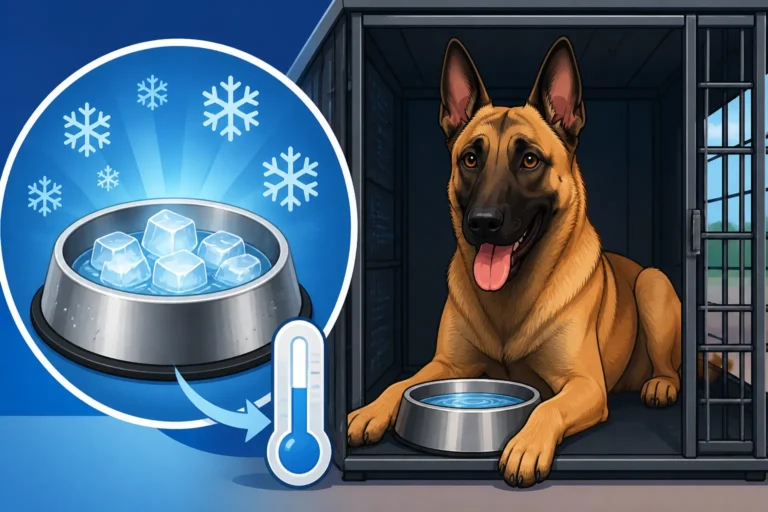
Hydration is equally, if not more, critical. Your Malinois will be expending significant energy and likely panting heavily, especially on warmer days. Dehydration can quickly lead to fatigue, decreased performance, and even heat-related illness. Offer water frequently, even if they only take a few laps. Some handlers use diluted broths or water with a tiny splash of apple juice to encourage drinking. Always have fresh water readily available. Hydrating a Belgian Malinois During Training is paramount, and this extends to trial conditions too. Consider an electrolyte supplement if it's a very hot day, but again, introduce this in training first, not on trial day.
Factors Influencing Your Malinois's Pre-Trial Meal
Deciding what and when to feed your Malinois before a trial isn't a simple equation. There are several variables that can drastically alter the best strategy for your particular dog. Ignoring these nuances can lead to a less-than-stellar performance or, worse, health issues.
Individual Dog Differences
Every Malinois is an individual, and what works perfectly for one dog might be completely wrong for another. This is perhaps the most crucial factor to consider. Some dogs have "iron stomachs" and can tolerate eating closer to activity without issue, while others are incredibly sensitive and will vomit or get diarrhea if fed too close or too much. Their temperament plays a huge role; a highly nervous Malinois might not be able to digest anything, whereas a calmer, more confident dog might handle a small meal better.
Consider your dog's age and experience level. A young, inexperienced Malinois puppy might be more prone to stress-induced stomach upset than a seasoned veteran. Pay attention to their past reactions to stress, travel, and different feeding schedules during training. Have they ever thrown up before a big training session? Have they ever seemed lethargic because they skipped breakfast? These observations are invaluable. It's about knowing your dog's baseline and what their body tells you. Remember, The Fourteen to Sixteen Years a Belgian Malinois Lives means you'll have plenty of time to learn their individual quirks!
It’s also about the relationship you have with your dog. You know their normal behavior, their eating habits, and how they handle different situations. Don't let generalized advice override what you intimately know about your own Malinois. Trial and error, done safely during training, is key to figuring out their unique needs.
Type and Intensity of Trial Activity
The nature of the trial itself heavily influences the appropriate feeding strategy. A long, drawn-out tracking phase in the morning places different demands on your dog's energy reserves and digestive system than a short, explosive agility run or a high-intensity protection routine. Knowing the specific schedule and demands of your trial day is critical for planning.
For instance, a trial with a heavy emphasis on tracking might benefit from an earlier, more substantial meal, as tracking is a sustained but lower-impact activity compared to the explosive movements of bite work. The risk of bloat is generally lower during tracking. Conversely, if your Malinois is performing back-to-back protection phases or high-jumping agility runs early in the morning, a lighter, earlier meal or even a liquid-only approach might be safer to prevent stomach upset or bloat caused by jostling a full stomach.
If the trial day involves multiple, varied disciplines spread out over many hours, you'll need to think about not just the initial feeding but also strategic re-fueling during breaks. Consider the cumulative effect of the day's activities. A Malinois performing an IGP 3 trial will have vastly different energy expenditure than one participating in a single obedience routine. Adjust your feeding to match the energy demands, and always prioritize safety over pushing for maximum fullness.
Environmental Conditions
Environmental factors like temperature, humidity, and even altitude can significantly impact your Malinois's energy levels, hydration needs, and digestive comfort. These conditions add another layer of complexity to pre-trial feeding decisions. What works perfectly on a cool, overcast day might be disastrous in scorching heat.
On hot, humid days, your Malinois will be working harder to regulate their body temperature, which burns extra energy and increases the risk of dehydration and heat exhaustion. In such conditions, a heavy meal can be a detriment, as digestion itself generates heat. A lighter, earlier meal, coupled with aggressive hydration, is often preferred. You'll need to be extra vigilant about Heat Stroke in a Belgian Malinois in a Patrol Car and prevent it from affecting your dog. Offering smaller, more frequent water breaks, possibly with a dash of electrolyte solution, can be beneficial.
Conversely, on very cold days, your Malinois might need slightly more fuel to maintain body heat, especially if they are waiting outdoors between sessions. However, the principle of separating heavy exercise from a full stomach still applies. The goal is to provide sufficient calories without causing discomfort. Always bring plenty of fresh water, even in cold weather, as dogs can still dehydrate. Being mindful of these external factors allows you to fine-tune your feeding approach for optimal comfort and performance.
What You Feed Matters
It might seem obvious, but the quality and consistency of your Malinois's diet are paramount, especially when facing the rigors of a trial. Trial day is absolutely not the time to introduce a new food, a new treat, or a new supplement. Stick religiously to what your dog is accustomed to and thrives on.
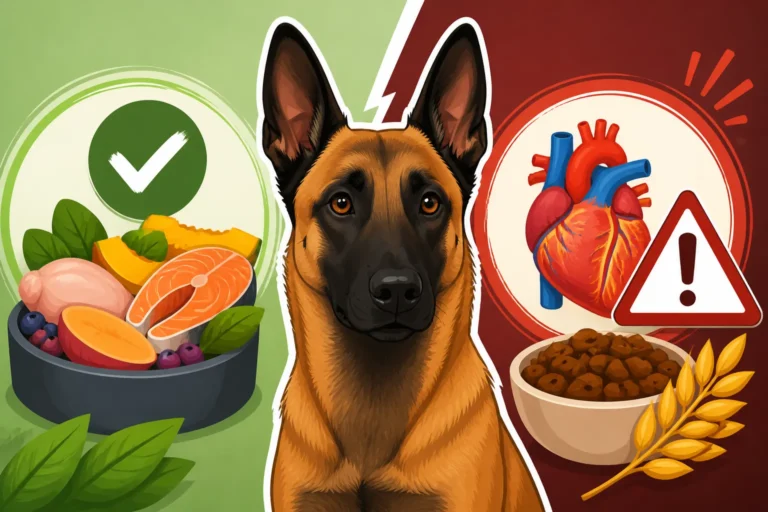
A high-quality performance formula, like those offered by companies such as Ollie or specific premium brands available on Chewy, is often the foundation for working dogs. These diets are typically rich in protein and healthy fats, providing sustained energy. Ensure the food you use is easily digestible for your dog. Some dogs do better on grain-inclusive diets, while others might thrive on limited-ingredient formulas. If you've been considering Transitioning a Malinois to a Different Kibble, make sure that transition happens weeks, if not months, before any major event.
Beyond the main meal, be selective with treats and supplements. Avoid anything overly greasy, sugary, or with ingredients your dog hasn't had before. If you use supplements like joint support or probiotics, ensure they are part of your dog's regular routine well in advance. The goal is to minimize any potential for gastrointestinal upset that could compromise their performance or well-being on trial day.
Practical Tips for Trial Day Success
Preparing your Malinois for a trial involves more than just their training routine; it's about holistic care, and that certainly includes their feeding strategy. Approaching trial day with a well-thought-out plan, practiced in advance, will alleviate much of your stress and set your dog up for success.
Practice Your Feeding Routine
The single most important piece of advice for pre-trial feeding is this: do not experiment on trial day. Whatever feeding strategy you decide to implement, whether it's an early, light meal or a liquid-only approach, you absolutely must practice it during your regular training sessions. Simulate trial conditions as closely as possible.
This means not just practicing the type of food, but also the timing relative to their most intense work. If you plan to feed a small meal four hours before their first session at a trial, then do exactly that before your hardest training days. Observe how your Malinois responds: Do they have sufficient energy? Are there any signs of stomach upset or discomfort? Do they eliminate cleanly before their session? Adjust as needed. This rehearsal builds confidence in both you and your dog, turning a potential source of anxiety into a predictable and manageable part of their routine. It's about building a robust Checkup Schedule a Sport Malinois Should Keep that includes their nutritional readiness.
Monitor Your Dog Closely
On trial day, your Malinois will be communicating with you constantly, even if they aren't using words. Pay close attention to their body language before, during, and after they eat and perform. Look for subtle signs of discomfort: lip licking, excessive swallowing, hunched posture, restlessness, or an unusual lack of enthusiasm for food or work. These can be early indicators of an upset stomach or even the onset of bloat.
After they eat, observe how they settle. Are they relaxed, or are they pacing, attempting to vomit, or distended in the abdomen? During their performance, note their energy levels, focus, and drive. If they seem sluggish or distracted, it could be a sign of under-fueling or discomfort. Your keen observation skills are one of the most powerful tools you have to ensure their well-being. If anything seems off, err on the side of caution.
Consult Your Vet and Experienced Handlers
Never underestimate the value of professional advice. Your veterinarian is an invaluable resource, especially if your Malinois has a history of a sensitive stomach, allergies, or any other health concerns. Discuss your planned feeding strategy with them, particularly if you have concerns about bloat or sustained energy. They can offer insights tailored to your dog's specific health profile and might recommend specific supplements or dietary adjustments. This might include discussing Pre-Anesthetic Bloodwork on a Belgian Malinois to ensure overall internal health.
Additionally, don't be afraid to talk to more experienced Malinois handlers and trainers in your club or community. They've likely navigated these same concerns countless times and can offer practical, real-world tips based on their successes and failures. While every dog is different, learning from others' experiences can save you a lot of trial and error. Just remember to filter advice through the lens of your own dog's unique needs and your vet's recommendations.
Here's a quick comparison of common pre-trial feeding strategies:
| Strategy | Timing Before Activity | Pros | Cons | Best For |
|---|---|---|---|---|
| Early & Light Meal | 4-6 hours | Sustained energy; reduced bloat risk; familiar routine | Requires strict timing; schedule shifts can be an issue | Most dogs; moderate-to-high intensity trials |
| No Solid Food / Liquid | 1-2 hours (liquids) | Minimizes bloat risk; quick energy (liquids); no heavy stomach | Risk of energy crash (if liquids insufficient); dog might be hungry | Bloat-prone dogs; very early trial slots; high-intensity bursts |
| Normal Meal (Not Recommended) | 1-2 hours | Familiarity (only if dog tolerates very well) | High bloat risk; digestive discomfort; sluggishness | Almost never recommended |
Disclaimer
This article is for general informational purposes only and does not constitute professional advice. Laws, prices and regulations vary by location and change over time. Consult a qualified professional for guidance on your specific situation.