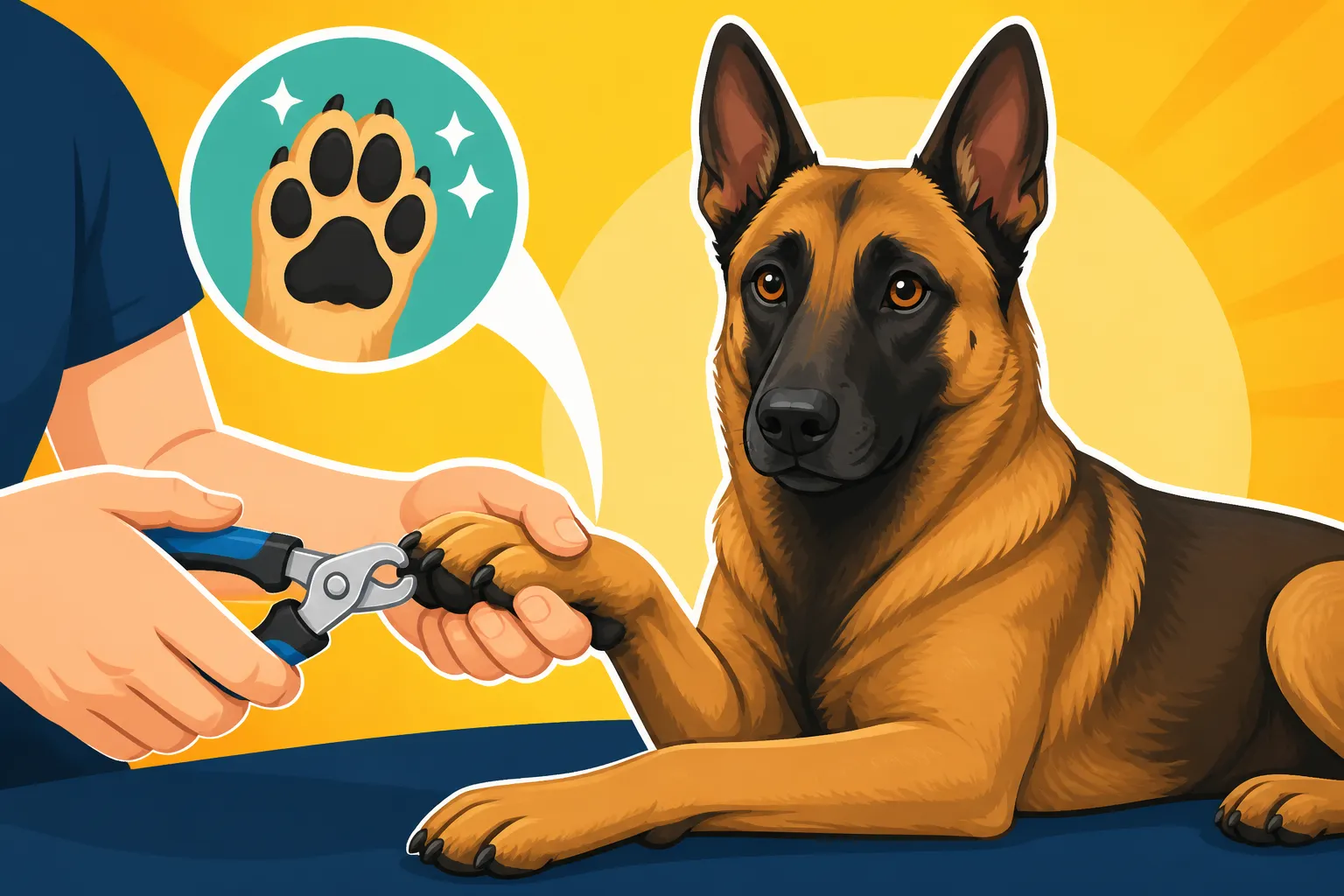
Getting a Malinois to Hold Still for Nail Trims
If you're a Belgian Malinois owner, you know the struggle: getting your high-drive, often sensitive companion to cooperate for something as seemingly simple as a nail trim can feel like trying to herd cats in a hurricane. It’s a common frustration, turning what should be a routine care task into a wrestling match filled with anxiety – for both you and your dog. This comprehensive guide will walk you through understanding why your Malinois resists, how to build a positive foundation, and practical strategies to make nail trims a much calmer, safer experience for everyone involved.
Understanding Why Nail Trims Are So Challenging for a Malinois
Let's be real, a Malinois isn't your average couch potato. Their unique blend of high intelligence, intense drive, and sometimes surprising sensitivity makes them particularly prone to issues with routine handling like nail trims. It’s not about them being "bad" dogs; it's about their inherent nature colliding with a task they perceive as intrusive or even threatening.
The Malinois Temperament and Sensitivity
A Belgian Malinois is a dog built for work, constantly assessing its environment and often seeking to be in control. This means that any situation where they feel restrained, vulnerable, or unsure can immediately trigger their protective instincts or, conversely, lead to extreme discomfort. For a dog that thrives on understanding and participating, being held down or having its paws manipulated without consent can be deeply unsettling. Their skin and paws can also be incredibly sensitive, much more so than some other breeds. What might be a minor annoyance to another dog can feel like a significant invasion to a Malinois. This heightened awareness, while a fantastic asset in their working roles, can make them acutely aware of every sensation during a nail trim, often leading to a strong desire to escape. You can explore more about their innate traits in [The Malinois Temperament and Sensitivity].
Consider a Malinois that's typically a confident, forward-thinking worker. When faced with clippers, they might transform into a squirming, vocal mess. This isn't defiance for the sake of it; it's often a deep-seated discomfort or fear. Their high energy and physical strength mean that even a mildly agitated Malinois can be a handful, making it unsafe for both the owner and the dog to proceed with trimming. They need to understand the "why" or, at the very least, trust that nothing bad is going to happen, and that takes intentional, patient effort.
Negative Past Experiences and Associative Learning
Dogs, especially intelligent ones like Malinois, are masters of associative learning. One bad experience, one quicked nail, one painful tug, can forever taint their perception of nail trims. Imagine the sharp pinch and sudden pain of a quicked nail, followed by the sight of blood and the uncomfortable feeling of styptic powder. For a Malinois, this can be a traumatic event that solidifies "nail trims = pain." From that moment on, the sight of clippers, the scent of the vet's office, or even the subtle shift in your body language can trigger a full-blown fear response.
This memory isn't easily forgotten. Even if subsequent trims are pain-free, the dog anticipates the worst, leading to escalating resistance over time. Owners often describe a "slippery slope" where initial mild apprehension turns into outright panic. It's not just about the pain itself, but the anticipation of pain. This cycle can be incredibly difficult to break, requiring a complete overhaul of your approach and a significant investment in rebuilding trust. It’s crucial to remember that their reaction is rooted in a past negative association, not a desire to be difficult.
Lack of Early Conditioning and Socialization
Many of us get our Malinois puppies full of good intentions, but some of the nitty-gritty husbandry tasks, like consistent nail handling, often take a backseat to bite inhibition and house training. The optimal window for introducing these experiences is during puppyhood, when they are most open to new things and their brains are sponges for positive associations. A Malinois puppy that is regularly exposed to having its paws touched, nails inspected, and clippers presented (without actually trimming) will likely grow into an adult that tolerates the process far better.
However, if this early conditioning is missed or inconsistent, you end up with an adolescent or adult Malinois who hasn't learned to accept nail trims as a normal part of life. They view the entire process as novel and potentially threatening, especially if they haven't been adequately socialized to handling in general. A lack of early, positive exposure means you're starting from scratch, often with a much stronger, more opinionated dog. This isn't to say it's impossible to teach an old dog new tricks, but it certainly takes more effort and patience when those crucial puppy imprinting periods have passed without this specific exposure.
Building a Foundation of Trust and Positive Association
The key to a successful nail trim with a Belgian Malinois isn't about overpowering them; it's about building trust and creating an experience they want to participate in. This means shifting their emotional response from fear or resistance to anticipation of good things.
Desensitization and Counter-Conditioning Techniques
Desensitization involves gradually exposing your Malinois to the nail trimming process in tiny, non-threatening steps. Counter-conditioning means changing their emotional response from negative to positive. This isn't a quick fix, but a slow, methodical process that can yield lasting results. Start by simply having the clippers or grinder visible in the room, reward your dog for calm behavior. Then, progress to touching the clippers to a paw, then to a single nail, without actually trimming. Each step is paired with high-value rewards – think delectable treats your Malinois only gets during these sessions.
The goal is to move at your dog's pace. If they show any signs of stress, you've gone too far, too fast, and need to backtrack to an easier step. For instance, if your Malinois flinches when you touch the clippers to their paw, go back to simply showing the clippers and rewarding. This might mean days or even weeks of just touching their paw, then rewarding. You can use long-lasting chews or puzzle toys from Chewy or Amazon, filled with something irresistible like peanut butter or pureed meat, to keep them occupied and associate the experience with pleasure. The idea is to flood the experience with so much positivity that the presence of the clippers or the act of handling their paws becomes a predictor of delicious rewards.
The Role of Routine and Predictability
Malinois thrive on routine and predictability. They feel most secure when they know what to expect. Incorporating nail trims into a consistent schedule, even if it's just a few minutes of desensitization daily, can make a huge difference. Choose a specific time and location that is calm and free from distractions. Perhaps after a tiring training session when your Malinois is more relaxed, or during a quiet evening at home. This consistency helps them understand that this isn't a random, scary event, but a regular, manageable part of their life.
Before you even touch a nail, establish a ritual. This could be a specific mat they lie on, a command you give, or even a particular blanket you use. This ritual acts as a signal, telling your Malinois, "Okay, this is nail trim time, and I know what to expect." The predictability reduces anxiety because it removes the element of surprise. Over time, your Malinois will learn that even if they don't love nail trims, they can anticipate the steps, the rewards, and the calm approach, making them much more likely to cooperate.
Harnessing the Power of Engagement and "Work"
For a Malinois, "work" isn't just a physical activity; it's a mental state where they are engaged and focused on a task with their handler. You can leverage this drive by turning nail trims into a mini-training session. Use clear commands, like "paw" or "foot," and reward for calm presentation of the paw. Break down the task into micro-behaviors: offering a paw, holding it still, allowing a toe to be touched, allowing the clippers to touch a nail, etc. Reward generously for each tiny step of cooperation. This shifts the dynamic from a forced procedure to a cooperative effort. You can learn more about building engagement in Building Engagement With a Belgian Malinois.
Think of it as a low-impact obedience exercise. Your Malinois is inherently wired to please and engage in tasks. By presenting nail trims as a "job" they can do well, complete with rewards and praise, you tap into their natural desire to work with you. This can be much more effective than wrestling, as it respects their intelligence and drive. If they offer resistance, simply disengage calmly, wait a moment, and then re-present the "task." Never make it a fight; always aim for cooperation through positive reinforcement.
Practical Tools and Techniques for a Smoother Trim
Once you've laid the groundwork of trust and positive association, having the right tools and knowing how to use them effectively can drastically improve your nail trimming experience. It's about minimizing discomfort and maximizing efficiency.
Choosing the Right Nail Trimming Equipment
The choice of tool can significantly impact your Malinois's comfort. There are primarily two types of clippers: guillotine and scissor-style. Guillotine clippers work well for smaller nails but can sometimes crush larger, thicker Malinois nails if not sharp, leading to discomfort. Scissor-style clippers, often resembling pliers, provide more leverage and control for sturdy Malinois nails. Regardless of the type, sharpness is paramount. Dull clippers will crush and tear the nail, causing pain and reinforcing negative associations. Replace your clippers regularly.
Many Malinois owners find grinders (like Dremel tools designed for pets) to be a game-changer. Grinders file the nail down slowly, reducing the risk of quicking and creating a smoother edge. The vibration and noise can be a challenge for some sensitive Malinois, so careful desensitization to the sound and sensation is crucial. Start by turning it on in another room, then bringing it closer, pairing the sound with high-value treats. You can find a wide variety of clippers and grinders on Amazon, with options ranging in price and features. Always have styptic powder or a styptic pencil on hand – just in case you accidentally quick a nail. This quick clot agent stops bleeding immediately and can prevent a minor incident from becoming a traumatic one.
| Tool Type | Pros for Malinois | Cons for Malinois |
|---|---|---|
| Scissor Clippers | Good control, clean cut if sharp, less noise/vibration. | Risk of quicking if not careful, can crush if dull. |
| Guillotine Clippers | Often inexpensive, good for smaller nails. | Can struggle with thick Malinois nails, higher risk of crushing. |
| Nail Grinder | Smoother finish, less risk of quicking (if used correctly), can recede the quick over time. | Noise and vibration can be frightening, takes longer, dust. |
Strategic Positioning and Restraint (Without Force)
Restraint should be minimal and supportive, not forceful. The goal is to make your Malinois feel secure, not trapped. Try various positions: standing, lying down, or even sitting between your legs. Some dogs prefer to be on a table, others on the floor. Pay attention to what makes your Malinois feel most comfortable and cooperative. If you have a helper, one person can gently hold the dog, providing calming strokes or feeding treats, while the other handles the nails.
Avoid pinning your Malinois down or using physical force, as this will only escalate their fear and resistance. If they are showing signs of significant stress, a muzzle can be a crucial safety tool, preventing bites while you work. However, Muzzle Conditioning Before a Malinois Ever Needs One is absolutely vital; never just slap a muzzle on a fearful dog without prior positive training. If your Malinois is truly agitated, it’s better to stop, regroup, and try again later, rather than reinforcing the idea that nail trims are a battle they must fight. Gentle, supportive restraint that communicates "I am here to help you, not hurt you" is the aim.
Breaking Down the Process into Tiny Steps
Even with the right tools and positioning, attempting to do all four paws, or even all nails on one paw, in a single session can be overwhelming for a fearful Malinois. Instead, break the process down into the smallest possible steps. This might mean:
- Just touching the clippers to one nail, then rewarding.
- Clipping just one tiny sliver off one nail, then rewarding.
- Working on one nail per session, several times a day if needed.
- Focusing only on the front paws one day, the back paws another.
The idea is to keep each interaction short, positive, and successful. It’s far better to clip one nail perfectly and end on a good note than to struggle through all twenty and create a negative memory. By making each step so small that your Malinois barely registers it as a threat, you gradually build up their tolerance and confidence. This method requires immense patience, but it allows your dog to slowly habituate to the process without being pushed past their comfort zone. Remember, tiny victories add up to big successes over time.
Advanced Strategies and When to Seek Professional Help
Sometimes, despite your best efforts, a Malinois's fear of nail trims is so deeply ingrained that you need extra help. Knowing when to escalate your strategies or seek professional assistance is crucial for your dog's well-being and your own sanity.
Utilizing Specific Training Aids and Environments
Beyond basic treats, there are specialized training aids that can turn nail trim time into a pleasant distraction. LickiMats, for example, are silicone mats with suction cups that you can spread with a thin layer of peanut butter, plain yogurt, or canned dog food. The act of licking is naturally calming for dogs, and the distraction can keep them still and focused on something else while you work on their nails. Freezing the LickiMat with the spread on it extends the distraction even further. Many pet supply stores, including Chewy, offer a wide array of these enrichment toys.
Creating a specific "grooming station" can also help. This might be a designated mat, a raised platform, or even a bathtub, as long as it's a place where you consistently conduct nail trims. This helps your Malinois associate that specific environment with the routine and the positive reinforcement it brings. Ensure the area is well-lit, quiet, and non-slip to minimize any additional stress or discomfort for your dog. A calm, controlled environment is a significant step towards a calm dog.
Considering Sedation or Veterinary Assistance
For Malinois with severe phobias or those who become aggressive during nail trims, sedation might be the safest and most humane option. This is not a failure on your part, but a responsible decision to prevent harm and ensure your dog's well-being. Discuss this with your veterinarian. They can prescribe mild sedatives that can be given at home before a trim, or they might recommend that you bring your Malinois to the clinic for a professional trim under stronger sedation.
Sedation can break the cycle of fear and resistance, allowing you to get the nails trimmed safely without reinforcing negative associations. It's also important to discuss Anesthesia Protocols for a Lean Belgian Malinois with your vet, as their metabolism can be a bit different. Your vet can also offer advice on Sedating a Belgian Malinois That Will Not Settle for other procedures, which might be related to their general anxiety about handling. While not a long-term solution to the underlying fear, it provides immediate relief and prevents potential injuries. Always follow your vet's instructions carefully when administering any medication.
Professional Groomers and Positive Reinforcement Trainers
If you've exhausted your options, seeking help from a professional groomer or a certified positive reinforcement dog trainer is an excellent step. Look for groomers who specialize in difficult or fearful dogs and who use fear-free handling techniques. They often have specialized equipment, different handling approaches, and a calm, confident demeanor that can sometimes work wonders.
For more severe behavioral issues, a professional dog trainer or a veterinary behaviorist can help you develop a tailored desensitization and counter-conditioning plan. They can observe your Malinois, identify specific triggers, and guide you through the process, often noticing subtle cues you might miss. This can be especially valuable if your Malinois exhibits aggression or extreme panic. These professionals have the expertise to safely and effectively modify behavior, turning a distressing experience into a manageable one. They can teach you techniques to build your dog's confidence and cooperation, helping both of you in the long run.
Addressing Common Malinois Nail Trim Pitfalls
Even with the best intentions, certain approaches can backfire when dealing with a Belgian Malinois. Understanding these common pitfalls can help you adjust your strategy and avoid frustrating setbacks.
The Battle of Wills: Why Force Fails with a Malinois
It's tempting, when faced with a squirming, resistant Malinois, to try to overpower them. You might think, "I just need to get this done!" However, for a Malinois, a battle of wills is a battle they are often determined to win, or at least fight fiercely. They are intelligent, resilient, and possess an incredible capacity for resistance when they feel threatened or unfairly treated. Using force will almost invariably backfire, leading to increased fear, aggression, and a complete breakdown of trust.
When you try to force a Malinois into something they don't want to do, you teach them that you are a source of discomfort and that they need to fight for their safety. This can damage your bond and make future handling incredibly difficult, not just for nail trims but for vet visits, grooming, and even general obedience. Instead of compliance, you get resentment and avoidance. Patience and a positive, cooperative approach will always yield better results in the long run than any attempt to physically dominate such a driven and sensitive breed.
Overcoming the Quick and Bleeding Incidents
Every dog owner dreads hitting the quick, that sensitive nerve and blood supply within the nail. For a Malinois, quicking a nail can be a major setback, potentially undoing weeks or months of positive conditioning. The pain and sight of blood can confirm their worst fears about nail trims. If you do accidentally quick a nail, remain calm. Immediately apply styptic powder with firm pressure until the bleeding stops. Don't panic or scold your dog. Instead, offer comfort and a high-value treat after the bleeding has stopped.
To prevent quicking, always trim tiny slivers at a time. For dogs with dark nails, it can be tricky to see the quick. Look for a small, dark dot in the center of the clipped surface – that's your cue to stop. Frequent, small trims are far better than infrequent, drastic ones. This allows the quick to recede over time, making it easier to maintain shorter nails safely. If you’re truly nervous, using a nail grinder lessens the chance of quicking significantly, as you're gradually wearing the nail down rather than cutting it.
Maintaining Nail Health Beyond Trims
While regular trimming is vital, a Malinois's overall paw health extends beyond just nail length. Long nails can force the toes apart, impact gait, and even contribute to joint pain over time, especially in a working dog like a Malinois. Think about How Fast a Kenneled Malinois's Nails Grow – their activity levels and environment play a big role. Regularly inspecting your Malinois's paws for any signs of injury, cracked pads, or inflammation is just as important.
The integrity of their paw pads and the health of their nails are crucial for their comfort and ability to perform their demanding jobs. Healthy nails should be strong and chip-free, while paw pads should be tough but supple. Regular attention to their Nails, Pads and Feet on a Working Belgian Malinois ensures they remain sound and comfortable. If you notice any issues, consult your vet promptly. Good paw care is an integral part of keeping your Malinois in top condition for their entire life.
Long-Term Management and Keeping Nails Short
Consistency and a multi-faceted approach are crucial for maintaining healthy nail length in a Belgian Malinois. It's not just about the trimming session itself, but about integrating nail care into their overall lifestyle.
Incorporating Natural Nail Wear
One of the best ways to keep a Malinois's nails naturally short is through regular activity on abrasive surfaces. Walking or running your Malinois on pavement, concrete, or rocky trails can help wear down their nails, reducing the need for frequent manual trims. This doesn't mean you can skip trimming entirely, but it can significantly extend the time between sessions and make each session easier by keeping the nails shorter to begin with.
However, be mindful of the surfaces and weather. While Whether Concrete Wears a Malinois's Nails Down can be beneficial, too much hard surface activity in extreme heat can also damage paw pads. Balance is key. Incorporate these walks as part of their daily exercise routine, ensuring they get the Two Hours and a Job a Belgian Malinois Demands Daily they truly need. This dual benefit of exercise and nail maintenance is a win-win for Malinois owners. Always check pads for wear and tear after such activities.
Regular Maintenance Schedule
The most effective strategy for managing Malinois nails is to adopt a consistent, frequent maintenance schedule. Instead of waiting until nails are overgrown and the quick is extended, aim for weekly or bi-weekly brief sessions. This might mean just taking off a tiny tip from one or two nails at a time, or a quick pass with the grinder. Frequent short sessions are much less stressful for both you and your Malinois than infrequent, lengthy battles.
Create a reminder on your phone or mark it on a calendar. Consistency helps reinforce the routine and prevents nails from becoming overgrown, which makes quicking less likely. If you can keep the nails consistently short, the quick will naturally recede further back into the nail, making future trims even easier. This proactive approach minimizes stress, maintains paw health, and strengthens the positive associations you've worked so hard to build.
The Connection Between Nail Length and Canine Comfort/Health
The length of your Malinois's nails might seem like a minor detail, but it profoundly impacts their comfort, posture, and long-term health. Overgrown nails force the paw to splay and the toes to spread, putting unnatural pressure on the paw joints and even higher up the leg into the shoulder and hip joints. It’s like wearing shoes that are too small and push your toes out of alignment; it’s uncomfortable and can lead to structural problems over time.
Additionally, long nails are far more prone to injury. They can catch on carpets, crack, or tear, leading to painful infections or serious trauma. Torn Nails on a Malinois Working Hard Surfaces can be a significant setback, causing pain, lameness, and requiring veterinary intervention. Keeping nails properly trimmed allows your Malinois to walk and run with correct posture, reducing strain on their joints and preventing unnecessary injuries, contributing to a longer, healthier, and more active life. Proper nail length means their paw pads are making primary contact with the ground, not their nails.
Disclaimer
This article is for general informational purposes only and does not constitute professional advice. Laws, prices and regulations vary by location and change over time. Consult a qualified professional for guidance on your specific situation.