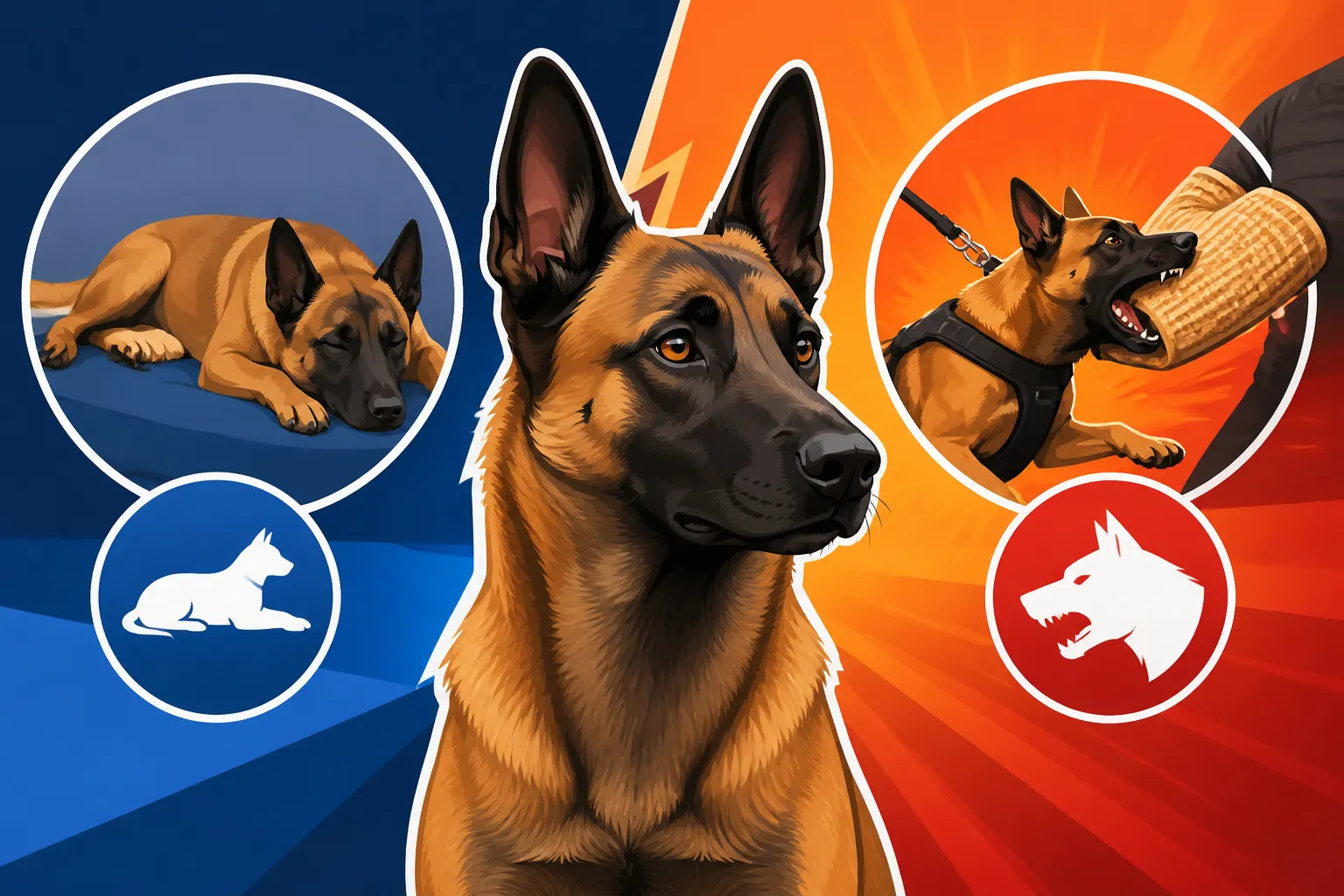
Whether a Malinois Should Rest Before Bite Work
It’s a common dilemma for Belgian Malinois owners, isn't it? You’ve got this powerhouse of a dog, brimming with energy and ready to hit the field for some serious bite work, but then the question hits you: when did they last eat? And more importantly, how long should they really rest before engaging in such high-impact activity? This guide is going to dive deep into that balancing act, helping you understand the physiological and mental considerations to ensure your Malinois performs at its best, safely and effectively.
The Crucial Balance: Fuel, Digestion, and Performance
When you’re working a Belgian Malinois, especially in something as demanding as bite work, you're essentially asking their body to perform at an elite athlete's level. Just like human athletes, what and when they eat has a huge impact on their performance and overall well-being. It’s not just about having enough energy; it’s about having the right kind of energy at the right time, without causing any internal distress.
Understanding the Malinois Metabolism
Belgian Malinois are notorious for their incredibly high metabolism. They are lean, muscular machines that burn through calories at an impressive rate, even when they appear to be "resting" (which, let's be honest, is often just a brief pause before their next burst of activity!). Their bodies are designed for sustained intensity and quick recovery, but this doesn't mean they can just eat a full meal and immediately go hard.
Think about it: their engines are always revving. They require a steady supply of high-quality fuel to maintain their energy levels and support their demanding lifestyle. This rapid energy expenditure means that while they digest food quickly, that digestion process itself still requires blood flow and energy, diverting resources from the muscles that will be needed for explosive movements, powerful grips, and rapid changes in direction during bite work. If their body is busy breaking down a heavy meal, it's simply not optimally primed for intense physical exertion. It’s about more than just stomach discomfort; it’s about how efficiently their entire system can respond.
The Risk of Gastric Distress During Exercise
One of the biggest concerns with feeding too close to intense exercise is the risk of gastric distress, particularly bloat, or Gastric Dilatation and Volvulus (GDV). While some breeds are genetically predisposed, any deep-chested dog, like the Malinois, can be at risk, especially if they exercise vigorously with a full stomach. Imagine their stomach, full of food and possibly gas, twisting on itself — it's a life-threatening emergency that no one wants to face. This isn't a problem exclusive to Malinois, but given their high-drive nature and tendency to go full-throttle, the risk is amplified.
Beyond the severe danger of bloat, a full stomach can lead to other uncomfortable issues. Your Malinois might experience cramping, nausea, or simply feel sluggish and heavy. This discomfort will inevitably reduce their agility, speed, and overall engagement in the work. A dog that's focused on an upset stomach isn't going to be giving 100% to their grip or their defense routine. They might show a reluctance to jump, or their movements might be less fluid, which can also increase the risk of other injuries like muscle strains. You want your dog to be light on their feet and ready to explode into action, not bogged down by a digestive burden.
Why a Short Rest Isn't Really Rest
Many owners might think, "Oh, my Malinois just ate, but they're lying down quietly now, so a quick 30-minute rest should be fine." This is where a critical misunderstanding often occurs. A dog appearing calm on the outside doesn't mean their internal systems are finished with the complex process of digestion. Their body is still actively breaking down food, absorbing nutrients, and moving things through their digestive tract. This physiological process can take hours, not minutes.
Mental calm and physiological rest are two very different things for a Malinois. While a calm demeanor is definitely a good precursor to focused work, it doesn't magically accelerate digestion. Their stomach is still full, and the digestive system is still pulling blood flow away from the muscles that will be used for intense physical activity. Pushing them into bite work too soon after a meal is like trying to run a marathon immediately after eating a huge holiday dinner. You might feel ready mentally, but your body is still very much occupied elsewhere, and that can lead to discomfort, reduced performance, and increased health risks. The aim is for their body to have efficiently processed the fuel, so that energy is available in the bloodstream and muscles, ready to be deployed instantly.
Recommended Timing and Strategies for Feeding Before Bite Work
Getting the timing right is probably the most critical piece of this puzzle. It’s not just about what you feed, but when you feed it, and understanding how that impacts the demanding activities a Belgian Malinois excels at. We're aiming for optimal energy without any digestive distractions.
The "Two to Three Hour" Rule for Digestibility
For most high-energy working dogs, including your Belgian Malinois, a general rule of thumb is to allow a minimum of two to three hours after a meal before engaging in intense physical activity like bite work. This window gives their digestive system enough time to process the bulk of the food, reducing the risk of bloat and ensuring that blood flow can be directed to their muscles for peak performance. Some handlers even prefer a longer window of four hours, especially if the meal was larger or contained ingredients that are typically slower to digest.
This timeframe isn't arbitrary; it’s based on the typical gastric emptying rates for dogs. While every dog is an individual, this range provides a solid buffer. During this period, their body is converting that food into readily available glucose and glycogen stores, which are crucial for sustained bursts of energy. You want them to be fueled, but with an empty stomach, ready to move freely and without internal discomfort. Observe your own dog during this period; are they burping? Do they seem restless? These can be signs that digestion is still very active. Consistency in feeding times will also help your Malinois's body establish a predictable rhythm, which can further aid efficient digestion. For more on structuring their feeding schedule, consider Feeding a Belgian Malinois Around Training Sessions.
What to Feed: Fueling Without Overloading
Choosing the right kind of food is just as important as the timing. For a Belgian Malinois, especially one involved in bite work, you need a high-quality, easily digestible performance kibble. Look for formulas specifically designed for active or working dogs, which typically have a higher protein and fat content to meet their immense energy demands. Brands that focus on quality ingredients, without excessive fillers, will be your best bet. You can find a wide variety of these specialized kibbles on platforms like Chewy, making it easy to compare options and read reviews from other working dog owners.
Avoid heavy, fatty meals right before work. While fat is an excellent energy source, it takes longer to digest. A large meal full of rich, high-fat ingredients will sit in their stomach for an extended period, increasing the risk of discomfort or bloat. Similarly, raw meaty bones or other complex whole foods should be fed at times when a much longer rest period (e.g., 6-8 hours or overnight) is possible. The goal is to provide sufficient calories and nutrients for energy, but in a format that the body can quickly and efficiently process, leaving the stomach empty and ready for action. Save the richer, more complex foods for non-training days or as evening meals after all activities are done. To understand more about calorie needs, check out The Daily Ration a Working Belgian Malinois Eats.
Hydration: Crucial Before, During, and After
While we’re talking about food, we cannot overlook the absolute critical role of hydration. Your Malinois is a highly efficient athlete, and even mild dehydration can significantly impair their performance, reduce their endurance, and increase their risk of overheating or other physical issues. Water plays a vital role in every physiological process, including energy production and thermoregulation.
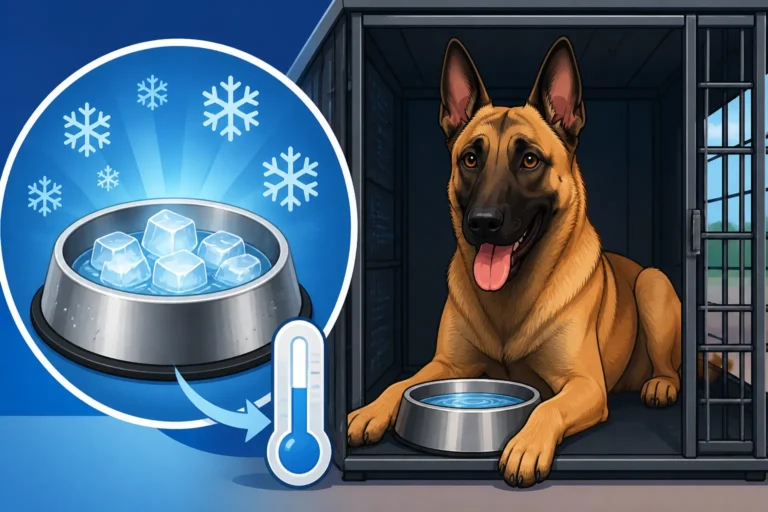
Before a training session, ensure your Malinois has ample opportunity to drink. However, you don't want them to gulp down a huge amount of water right before intense exercise, which can also contribute to stomach discomfort and bloat. Offer smaller, frequent drinks in the hours leading up to the session. During the session, especially if it's long or hot, offer water breaks, again, in smaller quantities. A portable water bottle and collapsible bowl are indispensable tools for any Malinois handler. After the session, allow them to drink freely to rehydrate and aid in recovery. Proper hydration is a continuous effort, not a last-minute thought. For more tips on keeping your dog cool and hydrated, see Reading Heat Stress on a Malinois Mid Session and Hydrating a Belgian Malinois During Training.
The Impact of Training Schedules and Individual Dog Needs
Every Malinois is an individual, even within the same breed known for its intense drive. What works perfectly for one dog might need slight adjustments for another. Tailoring your feeding and rest schedule to your dog’s specific needs and your training routine is paramount for their long-term health and consistent performance.
Adjusting for Morning vs. Evening Sessions
Your training schedule will largely dictate your feeding strategy. If you're planning a morning bite work session, a light breakfast or even skipping breakfast until after the session might be the best approach. Many handlers will feed their Malinois a full dinner the evening before, ensuring they have plenty of time to digest overnight. Then, in the morning, a small, easily digestible snack (if anything at all) might be given several hours before work, or the dog goes straight to training on an empty stomach, with breakfast served post-work.
Conversely, for evening sessions, you'll want to schedule their main meal in the mid-afternoon, allowing that crucial two-to-four-hour digestion window before they hit the field. This might mean adjusting your family's dinner routine or ensuring someone is home to feed the dog earlier. Consistency is key here. Dogs thrive on routine, and establishing predictable feeding and training times will help their body anticipate and adapt. Trying to squeeze a full meal in right before an evening session is simply asking for trouble, and frankly, a less effective training experience.
Reading Your Malinois: Signs of Readiness and Discomfort
While guidelines are helpful, truly becoming attuned to your individual Malinois is invaluable. They will give you subtle (and sometimes not-so-subtle) cues about their comfort and readiness. Before a session, a well-fueled and rested Malinois will typically be eager, focused, and show no signs of lethargy or bloating. Their movement will be fluid, and they'll be keen to engage with you and the work.
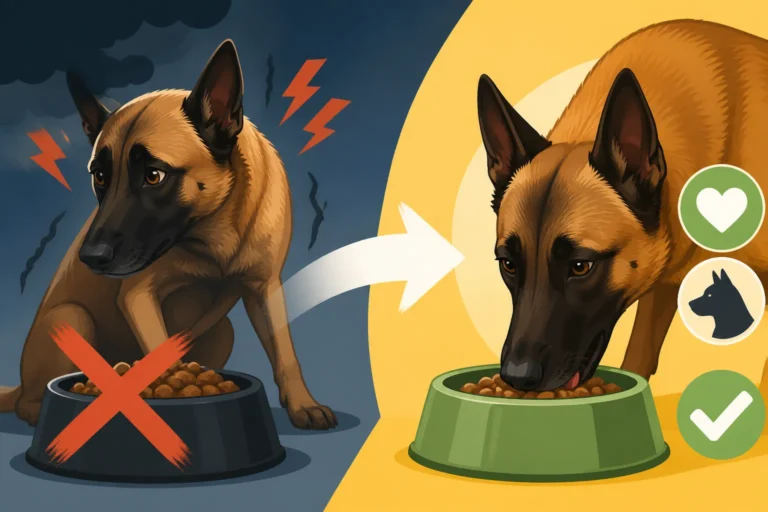
However, if your Malinois appears sluggish, has a distended belly, or is making excessive burping or gurgling sounds, these are clear indicators that their digestive system is still very active, or they're experiencing discomfort. They might also be less enthusiastic about jumps, turns, or taking a strong grip on the bite sleeve. Pay attention to their stool consistency too; softer stools can sometimes indicate dietary stress or food moving through too quickly, which might suggest the need for adjustments to their diet or feeding schedule. If you're concerned about digestive issues in a stressed Malinois, Diarrhea in a Stressed Belgian Malinois offers further insights. Never push a dog that’s showing signs of digestive distress into intense work; it’s not only unfair to them but also potentially dangerous.
Training Treats and Rewards During Sessions
Let's be realistic: training a Malinois often involves a lot of rewards. But how do you incorporate treats during a high-intensity bite work session without counteracting all your careful feeding strategies? The answer lies in selectivity and moderation. When choosing treats for during-session rewards, opt for small, high-value, and extremely easily digestible options. Think pea-sized pieces of cooked chicken, small bits of cheese, or specialized soft training treats.
Avoid large, crunchy biscuits or anything that requires significant chewing or could cause an upset stomach. You want the reward to be swallowed quickly, deliver a burst of motivation, and then dissolve into the system without creating a digestive burden. Brands like Ollie offer human-grade, fresh dog food options that can be diced into perfect, highly palatable training treats. You can also find a vast array of purpose-made training treats and handy treat pouches on Amazon, which makes accessing and delivering them efficiently during a session much easier. Remember, the goal is reinforcement, not a mini-meal. Keep the quantity minimal, just enough to mark the desired behavior powerfully.
Beyond Digestion: The Mental Aspect of Rest
While we often focus on the physical mechanics of feeding and digestion, the mental state of your Belgian Malinois before bite work is equally critical. A truly "rested" dog isn't just one with an empty stomach; it's one whose mind is also prepared and focused.
Mental Calm vs. Physical Digestion
We’ve already touched on the difference between a dog appearing calm and its body actually having completed digestion. Let's expand on the mental side. Bite work isn't just a physical sport; it's a mental game of focus, control, and immense drive. A Malinois that's been properly rested will be able to switch into this focused mindset more easily. They'll be engaged with their handler, receptive to cues, and ready to channel their intense prey and defense drives into the work at hand.
On the other hand, a Malinois that hasn't had adequate downtime before a session might be overstimulated, anxious, or even a little frantic. This mental state can lead to sloppy work, a lack of precision, or even frustration for both dog and handler. The "rest" period isn't just for their gut; it's also a chance for their high-octane brains to dial down slightly, allowing them to approach the work with clarity and controlled intensity. It allows them to transition from their general day-to-day excitement to a more intentional, working focus. For insights into tiring their minds, read The Mental Work That Finally Tires a Malinois Out.
Pre-Work Routines: Building Anticipation Without Overstimulation
Just as important as resting before a session is how you transition your Malinois into the session. A consistent pre-work routine can be incredibly beneficial. This routine doesn't need to be long or complex, but it should signal to your dog that it's time to prepare for work. This might involve a quiet leashed walk, a few minutes of calm engagement exercises, or simply sitting quietly together. The goal is to build anticipation and focus, not to ramp up their excitement to an uncontrollable level.
For a Malinois, who can go from zero to sixty in a blink, managing their arousal levels is crucial. You want them keen and eager, but not spinning in circles, screaming, or stress-pacing. Over-arousal before the work even begins can exhaust them mentally before they’ve even started, leading to a less effective and potentially frustrating session. Establish a routine that helps them understand that quiet focus will lead to the exciting work they crave, rather than allowing them to boil over with unchanneled energy. A calm, collected entry into bite work will almost always lead to better performance and a safer experience for everyone involved. Preventing muscle strains starts with smart preparation, as detailed in Muscle Strains in a Belgian Malinois.
Disclaimer
This article is for general informational purposes only and does not constitute professional advice. Laws, prices and regulations vary by location and change over time. Consult a qualified professional for guidance on your specific situation.