Hydrating a Belgian Malinois During Training
One of the most common pitfalls for Belgian Malinois owners, especially those engaged in any form of training or sport, is underestimating just how much water these incredible athletes truly need. It's easy to get caught up in the drive and focus of your Malinois, pushing through sessions, only to realize too late that their internal engine is running on fumes – or rather, without enough coolant. This guide will walk you through the critical importance of proper hydration for your Malinois during training, how to spot the early warning signs of dehydration, and practical strategies to keep them well-watered and performing at their peak, session after session.
The Undeniable Importance of Hydration for a Working Malinois
It's a fact often overlooked: water isn't just about quenching thirst; it's the lifeblood of every metabolic process in your Belgian Malinois's highly efficient body. These dogs are built for sustained output, whether that's tracking, protection work, agility, or just a really intense game of fetch. Without adequate hydration, every single one of those functions starts to falter, quietly at first, then more dramatically.
Why Malinois Are Particularly Prone to Dehydration
Belgian Malinois are bundles of lean muscle and explosive energy. They run harder, think faster, and often push themselves past what other breeds might consider their limit. This high-octane lifestyle means their bodies are constantly working at an elevated rate, generating more heat and expending more energy. This isn't just during active training; even the mental strain of complex obedience or detection work burns through their reserves. Because they're often so driven, they might not even signal their thirst clearly, preferring to stay "in the game." We, as their handlers, have to be acutely aware that their internal systems are burning hotter and faster, requiring more replenishment than a more laid-back breed might. Their short coat offers less insulation in the heat and can also lead to faster heat gain if not managed.
The Impact of Dehydration on Performance and Health
Imagine trying to run a marathon on a hot day without taking a single sip of water – that's essentially what we're asking our Malinois to do if we don't prioritize their hydration. Even mild dehydration, often imperceptible to the casual observer, can severely impair their athletic performance. Their muscles won't contract as efficiently, their focus might waver, and their stamina will drop dramatically. More concerning, dehydration directly impacts their body's ability to regulate temperature, putting them at a significant risk for overheating, which can escalate quickly into a life-threatening emergency like heat stroke. Beyond immediate performance, chronic mild dehydration can stress organs, slow recovery times, and generally undermine their long-term health and vitality. It's not just about winning the trial; it's about safeguarding their well-being. Rhabdomyolysis in an Overworked Belgian Malinois is one severe condition that can be exacerbated by poor hydration and overexertion.
Recognizing the Subtle and Obvious Signs of Dehydration
Spotting dehydration early is absolutely crucial for a Belgian Malinois. Because they are so stoic and driven, they will often try to push through discomfort, masking the initial signs. As handlers, we need to be vigilant and know what to look for, both the subtle cues that indicate a dog is starting to get parched, and the more alarming symptoms of severe dehydration. Waiting for your Malinois to collapse is simply not an option.
Subtle Early Indicators of Thirst
Before your Malinois starts panting excessively or showing clear distress, there are subtle signs that can tip you off to impending dehydration. One of the first things you might notice is a slight decrease in their usual laser-like focus. They might be a fraction slower to respond, or their drives might not seem quite as intense. Their gums, instead of being slick and vibrant pink, might appear a little tackier or slightly paler. If you gently lift their lip and press on their gum with your finger, the time it takes for the color to return (capillary refill time) might be slightly delayed – aim for under two seconds. Their urine might also be darker and more concentrated than usual. Pay attention to how often they're licking their lips or trying to get to water, even if they're not overtly gulping. These tiny shifts are your early warning system.
Advanced Stages and Associated Health Risks
Once these subtle signs progress, you're moving into a more dangerous territory. Obvious signs of advanced dehydration include heavy, rapid panting that doesn't subside even when activity slows, a dry nose, sunken eyes, and a significant loss of skin elasticity (the skin turgor test – pinch the skin over their shoulders, and if it doesn't snap back immediately, they're dehydrated). They might become lethargic, stumble, or even collapse. Their heart rate may increase, and their breathing can become labored. At this stage, your Malinois is at high risk for serious conditions like heat exhaustion, which can rapidly lead to Heat Stroke in a Belgian Malinois in a Patrol Car or on a training field. Heat stroke is a medical emergency that can cause organ damage, brain swelling, and even death if not addressed immediately and aggressively. Never let it get to this point.
Strategic Hydration: Keeping Water Accessible and Appealing
It's not enough to just have water available; you need to make sure your Malinois actually drinks it consistently, especially when they're in their focused training mindset. This requires a proactive approach and some clever strategies to ensure they are taking in fluids before they ever show signs of being thirsty.
Proactive Water Breaks During Training
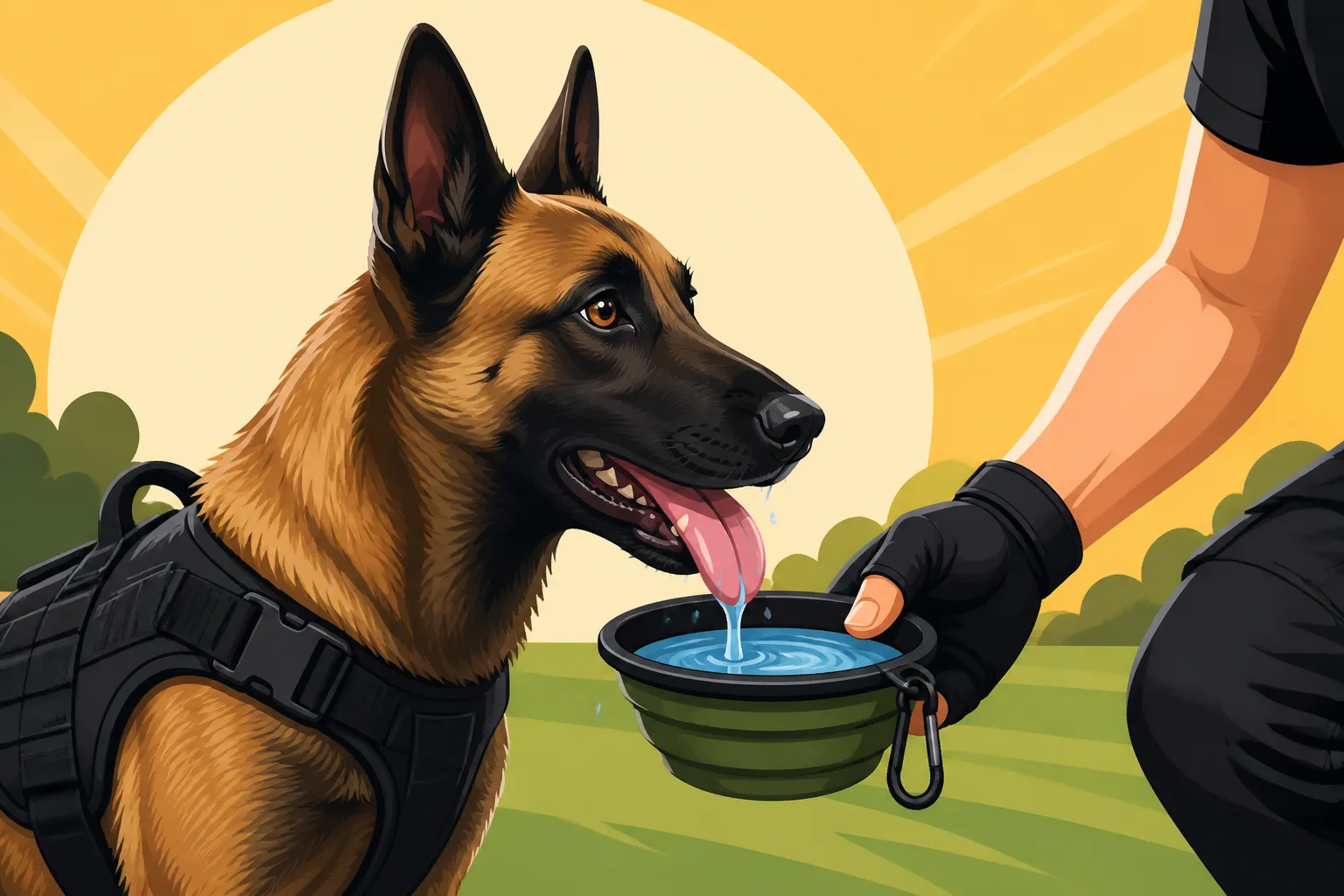
Scheduled water breaks are non-negotiable for a Malinois in training. Don't wait for your dog to ask for water, or worse, wait until they start showing signs of dehydration. Aim for a water break every 15-20 minutes during moderate to intense activity, especially in warmer weather. Offer water during natural lulls in training, or explicitly take a 2-3 minute break, moving them to a shaded, cooler area if possible. Make the water available in a familiar bowl or bottle, and encourage them gently. It's often helpful to provide water before and after a demanding set of exercises. For example, before a long tracking session or a series of bite work retrieves, give them a chance to drink. Small, frequent drinks are better than one large gulp after a long period of thirst, as large gulps can sometimes lead to issues like bloat, though Malinois are not as prone to Whether Torsion Happens in Belgian Malinois as some other deep-chested breeds.
Making Water More Appealing and Accessible
Some Malinois are so hyper-focused that they'll bypass the water bowl. To combat this, you might need to make water more enticing. Consider bringing along a small amount of low-sodium broth or a few ice cubes in their water to give it a little flavor and chill. A foldable travel bowl from a brand like Amazon Basics or a specialized dog water bottle that dispenses into a built-in cup can be incredibly convenient, ensuring water is always on hand and easy to offer. For dogs that are reluctant to drink plain water, especially after an intense session, you can try mixing in a small amount of wet dog food or a commercial electrolyte supplement designed for dogs. Consistency is key; always have water at the same designated spot during breaks so they learn to associate that spot with replenishment. Don't forget that clean, fresh water is more appealing than stagnant or warm water. Keeping a Belgian Malinois's Water Cold in a Kennel can be a challenge but is vital.
The Role of Electrolytes and Hydration Aids
For highly active Malinois, especially during long training sessions or in hot climates, plain water might not be enough. When dogs sweat and pant, they don't just lose water; they also lose essential electrolytes like sodium, potassium, and chloride. These minerals are vital for nerve function, muscle contraction, and maintaining proper fluid balance. Replacing them is important for optimal recovery and preventing muscle cramping.
You can find canine-specific electrolyte solutions at pet stores or online from retailers like Chewy. These often come in powder or liquid form that you mix with water. Be very careful to use products formulated for dogs, as human sports drinks can contain ingredients harmful to canines, such as artificial sweeteners. Administering an electrolyte solution during or immediately after a particularly strenuous session can help stabilize their system and aid recovery. Always introduce new supplements gradually and in small amounts to avoid stomach upset. For example, if your Malinois has been doing intense bite work in the sun, a half-strength electrolyte solution might be perfect during a longer break.
Water Sources and Practical Accessories for On-the-Go
Training a Belgian Malinois often means you're on the move – from the local park to a training club, or a remote tracking field. You can't always rely on a convenient faucet. Having the right gear to provide water easily and hygienically is essential.
Portable Water Solutions
There are countless options for portable dog water solutions, and what works best often depends on your specific training environment and preferences.
- Collapsible Bowls: These are fantastic. Made from silicone or fabric, they fold flat or collapse down, fitting easily into a training bag or even a pocket. They are lightweight and durable. You can fill them from your own water bottle.
- Dog Water Bottles with Integrated Bowls: These ingenious devices typically have a bottle for water and an attached tray or cup that the water flows into when you squeeze the bottle or press a button. They minimize waste and are great for quick sips. Brands like MalsiPree or Gulpy are popular choices available on Amazon.
- Hydration Packs/Vests for Dogs: For longer hikes or runs, your Malinois can even carry its own water in a specialized pack. While this adds weight, it means more water for longer adventures. Always ensure the pack fits well and doesn't chafe.
- Water Jugs/Containers: For setting up at a training site, a large, insulated water jug filled with ice and water is invaluable. This ensures you have plenty of cool, fresh water for multiple dogs or extended sessions.
No matter which you choose, portability and ease of cleaning should be top priorities. Remember, your Malinois will go through more water than you think, so bring extra!
On-the-Go Options and Hygiene
When you're out and about, especially in urban environments, finding clean water can be a challenge. Public water fountains may not be suitable, and sharing your own bottle can be awkward and unsanitary. This is where your portable solutions shine.
Always bring more water than you think you'll need. For a vigorous training session, assume your Malinois will need a significant amount of water. If you're going to be out for several hours, consider a gallon jug of water in your vehicle, especially if you have multiple dogs.
Hygiene is also paramount. Portable bowls and bottles can quickly become breeding grounds for bacteria if not cleaned regularly. After each training session, empty any leftover water and give the bowl or bottle a thorough rinse. At home, wash them with soap and hot water, just like you would your own dishes. This prevents the buildup of slime and ensures your Malinois is drinking from a clean source, reducing the risk of gastrointestinal upset. Imagine your Malinois dropping a slobbery ball into its water; that water needs to be replaced and the bowl cleaned.
Special Considerations: Weather and Training Intensity
Hydration needs aren't static; they fluctuate dramatically based on external factors and the demands you're placing on your Malinois. Understanding these variables allows you to tailor your hydration strategy for optimal safety and performance.
Hot Weather Training Adjustments
Training in the heat is inherently riskier for a high-drive dog like a Belgian Malinois. On hot, humid days, their body's natural cooling mechanism (panting) becomes less efficient. You'll need to drastically increase the frequency and duration of water breaks. Aim for water every 10-15 minutes, or even more often if the intensity is high or the humidity is stifling.
Always have access to shade. If no natural shade is available, bring a pop-up canopy or park your vehicle strategically. Consider starting training sessions earlier in the morning or later in the evening when temperatures are cooler. You can also pre-hydrate your Malinois by giving them water or a diluted electrolyte solution 30-60 minutes before you even start training. During breaks, a wet towel draped over their back or a quick spritz with cool (not ice-cold) water can help them cool down externally. Be acutely aware of The Temperature a Belgian Malinois Should Not Train In and watch for Reading Heat Stress on a Malinois Mid Session. Don't push them past their limits, even if they seem willing.
Cold Weather Hydration Needs
While heat is the more obvious hydration challenge, cold weather doesn't negate the need for water, though it might change how your Malinois approaches drinking. Dogs still expend energy and lose fluid through respiration even in cold temperatures. They might not feel as thirsty, but their internal systems still require water to function properly.
One common issue in cold weather is that water can freeze. Keep their water bowl off the cold ground, or use an insulated bowl if they're in a kennel. Offer slightly warmed water if your Malinois is hesitant to drink very cold water. While they might tolerate the cold physically (given their dense undercoat), internal hydration is still vital for muscle function and overall health. Don't fall into the trap of thinking cold weather means less water is needed; it simply changes the presentation of the problem. A well-hydrated Malinois will also have better circulation, which helps with Cold Tolerance in a Short Coated Belgian Malinois.
Recovery Hydration and Dietary Support
Hydration isn't just about what happens during the training session itself. What you do before and after plays a massive role in your Malinois's overall health, recovery, and readiness for the next challenge. A holistic approach includes what goes into their food bowl too.
Post-Training Rehydration Protocols
Immediately after a demanding training session, your Malinois needs to begin the process of rehydration and recovery. Offer them fresh, cool water as soon as the session concludes. Again, avoid letting them gulp down huge quantities at once, as this can lead to stomach upset. Small, frequent access is better.
Consider supplementing with an electrolyte solution post-training, especially if the session was long, intense, or in warm weather. This helps restore the balance of vital minerals lost during exertion. Giving them 15-30 minutes to drink and cool down before feeding their main meal can also be beneficial. This allows their stomach to settle and ensures optimal absorption of both water and nutrients. Proper rehydration after training helps prevent muscle soreness, reduces recovery time, and primes their body for future efforts.
The Role of Diet in Overall Hydration
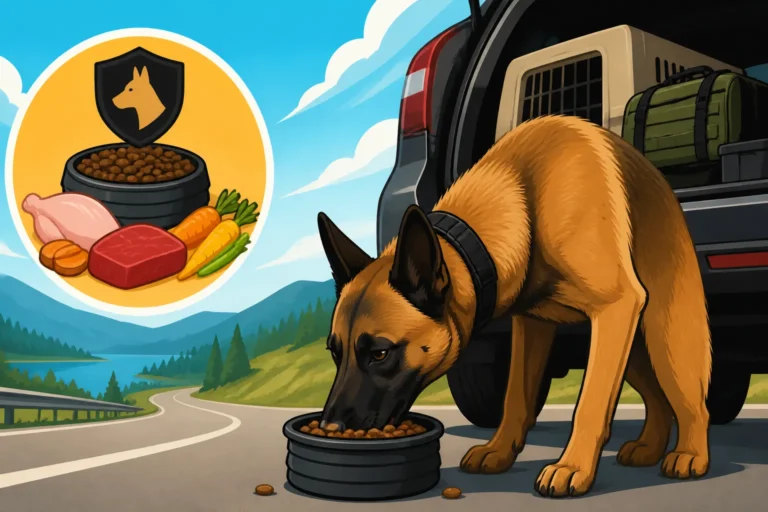
While direct water intake is primary, your Malinois's diet also contributes to their overall hydration status. High-quality kibble, especially performance formulas, contains a certain percentage of moisture, but it's typically quite low. If your Malinois is particularly prone to dehydration or you want to boost their fluid intake, consider incorporating wet food, raw food, or a home-cooked addition to their diet. These options have a significantly higher moisture content.
Some owners mix warm water or low-sodium broth into their Malinois's kibble, turning it into a moist gruel. This not only adds extra fluid but can also make the meal more palatable and potentially slow down fast eaters. Brands like Ollie offer fresh, human-grade food options with high moisture content that can be a great way to sneak in extra hydration. Just ensure any dietary changes are introduced gradually to avoid digestive upset, and always consult with your vet or a canine nutritionist to ensure their diet remains balanced and meets all their energy demands. The Daily Ration a Working Belgian Malinois Eats will need to be adjusted for moisture content if switching food types.
Portable Water Solutions Comparison
When you're out training your Belgian Malinois, having the right gear can make all the difference. Here's a quick comparison of popular portable water solutions to help you choose what fits your lifestyle best:
| Feature | Collapsible Silicone Bowl | Dog Water Bottle (Integrated Cup) | Insulated Water Jug (Large) | Hydration Backpack (for Dog) |
|---|---|---|---|---|
| Portability | Excellent (folds flat/small) | Very Good (fits in cup holder/bag) | Moderate (needs car/cart) | Good (dog carries it) |
| Capacity | Varies (small to medium) | Moderate (usually 16-25 oz) | Excellent (1-2 gallons+) | Moderate (up to 2 liters) |
| Ease of Use | Very Easy (just unfold & fill) | Easy (squeeze/button dispense) | Easy (pour into separate bowl) | Moderate (dog wears, you refill) |
| Hygiene | Good (easy to rinse/wash) | Good (closed system, but cup needs wash) | Good (if kept clean) | Moderate (bladder needs thorough cleaning) |
| Best For | Quick stops, short outings, multiple dogs | Solo dog, quick sips, walks | Base camp, long sessions, groups | Hiking, long runs (dog carries) |
| Price Range | Low | Mid | Mid to High | Mid to High |
| Example Brands | Dexas, Ruffwear (available on Chewy) | MalsiPree, Gulpy (available on Amazon) | Coleman, Yeti | Ruffwear, Kurgo |
When selecting your gear, think about the duration and intensity of your typical training sessions, the number of dogs you're hydrating, and how much space you have available to carry supplies. Often, a combination of these items will be your most effective strategy.
Disclaimer
This article is for general informational purposes only and does not constitute professional advice. Laws, prices and regulations vary by location and change over time. Consult a qualified professional for guidance on your specific situation.