Why a Malinois Builds Tartar Behind the Canines
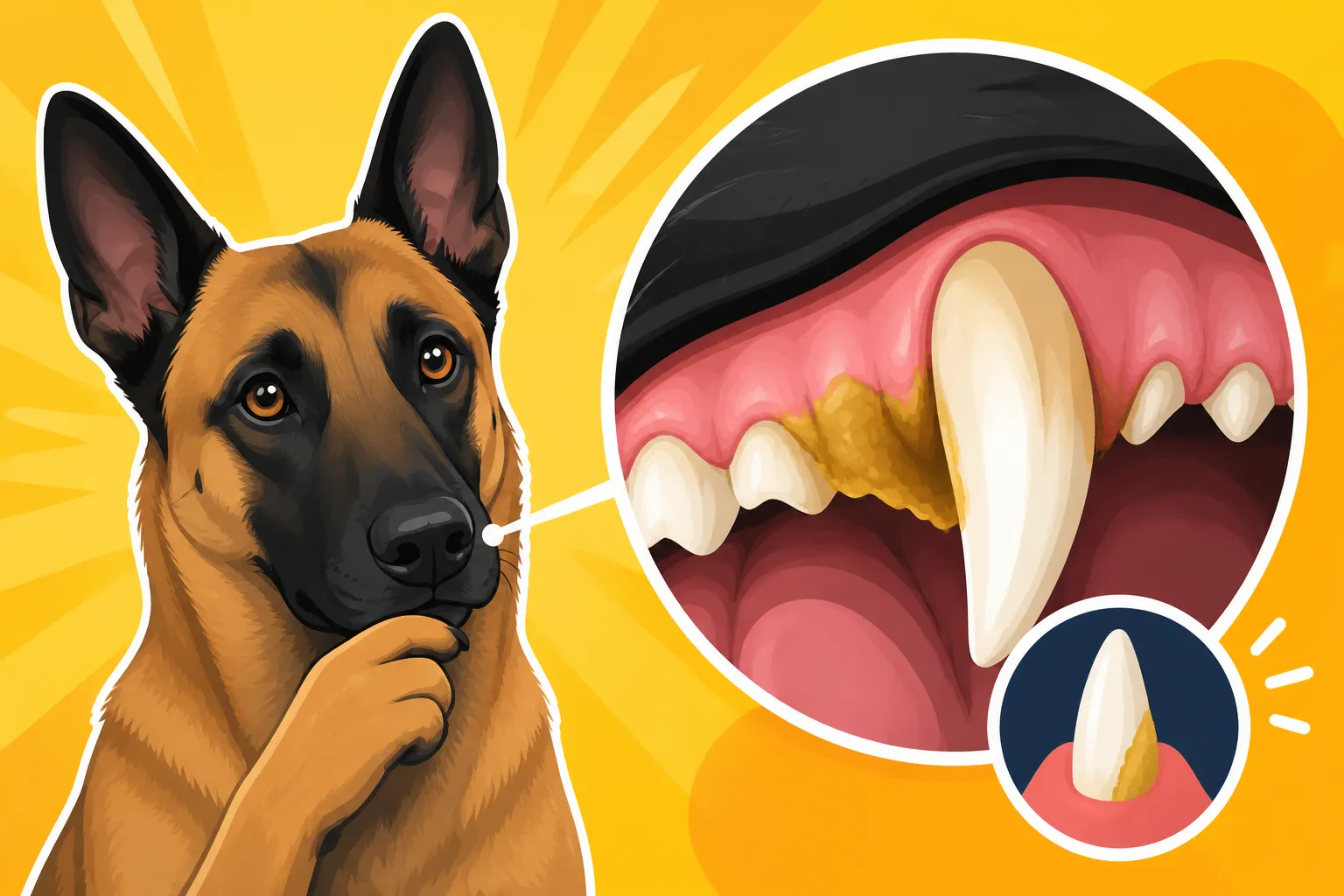
It's a common, often frustrating, discovery for Belgian Malinois owners: you're doing a quick health check or a rare attempt at brushing, and there it is – that stubborn yellow-brown buildup, particularly behind those impressive canines. You work your dog hard, feed them well, and yet dental issues can creep up, seemingly out of nowhere. This guide is here to shed some light on why your Malinois might be building tartar behind those crucial canine teeth, exploring the unique factors at play for this breed and offering realistic strategies to keep their formidable bite healthy.
The Unique Anatomy of a Malinois's Mouth and Bite
When you look at a Belgian Malinois, you see strength, agility, and an undeniable intensity in their work. That same intensity and physical prowess extend right into their mouth. Their dental structure, while built for purpose, also presents certain predispositions to tartar buildup that owners often don't consider until it's already a problem. It’s not just about what they chew or don’t chew; it’s about how their mouths are physically constructed.
The Powerful Malinois Jaw and Its Effect on Dental Health
A Malinois's jaw is a marvel of engineering, designed for powerful grip and precise control, whether they're working a sleeve in protection sport or carrying out detection duties. This incredible strength, however, comes with its own set of dental challenges. The way their jaws articulate and the force they can exert mean that some areas of the mouth might experience different wear patterns or, conversely, less natural cleaning action. When a Malinois closes its mouth, especially when relaxed, the contact points between teeth, or the lack thereof, can leave certain surfaces undisturbed by the natural abrasive action of the tongue, cheeks, or even food. The canines, those long, pointed teeth, are particularly prominent. While they are designed to seize and hold, the surfaces behind them, facing the back of the mouth, can become little cul-de-sacs where plaque loves to settle and harden into tartar. This isn't a sign of a weak dog, but rather a byproduct of their strong, functional anatomy. They have a full complement of teeth, like any dog, but the sheer power often means their focus is on the bite, not on "cleaning" during mastication, especially with processed kibble.
The Role of Saliva and Plaque Formation
Just like in humans, a dog's mouth is a bustling ecosystem. After every meal, food particles, bacteria, and saliva mix to form a sticky film called plaque. This plaque clings to the teeth and, if not removed, will mineralize and harden into tartar (or calculus) within 24 to 72 hours. While saliva helps to wash away some food particles and contains enzymes that can begin to break down food, it also contains minerals that contribute to tartar formation. The pH balance of your Malinois's saliva, along with its specific mineral content, can influence how quickly and how stubbornly plaque turns into tartar. What many owners don't realize is that even with regular chewing, certain nooks and crannies in the mouth don't get the same rinsing action from saliva or the mechanical scrubbing from food as other areas. The back surfaces of the canines, where the tooth meets the gumline and is partially shielded by the surrounding tissues and adjacent teeth, are prime locations for plaque to mature into tartar. It’s a silent battle happening in there, and the quicker that plaque hardens, the harder it is to remove without professional help. Regular attention to this area can make a huge difference in preventing this progression.
Why Canines Are Particularly Vulnerable
The canine teeth are arguably the most iconic and functional teeth in a Belgian Malinois's mouth. They are long, sharp, and designed for tearing and gripping. However, their very shape and placement make them a hotspot for tartar. Unlike the broad, flat surfaces of molars, canines are conical. This conical shape means there are less self-cleaning surfaces. The outer (buccal) and inner (lingual) surfaces might get some abrasive action from the lips, tongue, or toys, but the surfaces behind the canines, particularly where they curve towards the back of the mouth and meet the gum line, often remain untouched. Think of it like a curved corner in a room – harder to dust than a flat wall.
Furthermore, when a Malinois closes its mouth, the lower canines usually sit just in front of the upper canines, but there’s often a small pocket or crevice created by this alignment. This space becomes an ideal trap for food particles and plaque to accumulate, sheltered from much of the tongue’s natural sweeping action or the abrasive movement of kibble. This is precisely why, even in dogs with otherwise relatively clean teeth, you often find a distinct stripe of yellow-brown tartar right in that specific spot. It’s a perfect storm of anatomy and the relentless process of plaque mineralization. Understanding this vulnerability is the first step in targeting your dental care efforts effectively.
Lifestyle, Diet, and Dental Hygiene Habits
It’s easy to assume that because a Belgian Malinois is an active, hard-working dog, their teeth must be naturally kept clean by all that activity and chewing. Unfortunately, that's a myth many owners subscribe to, leading to overlooked dental issues. The reality is that their lifestyle, the food they eat, and the specific ways we approach (or neglect) their dental hygiene play massive roles in tartar accumulation, especially behind those canines.
The Impact of Diet on Tartar Accumulation
What you feed your Malinois has a significant, though often misunderstood, impact on their dental health. Many owners believe that feeding dry kibble, especially those marketed as "dental care" formulas, is sufficient to keep teeth clean. While some dental kibbles are designed with larger, fibrous pieces to provide a mild abrasive action, their effectiveness, particularly on those hard-to-reach surfaces behind the canines, is often limited. These kibbles primarily scrape the tips and outer surfaces of the larger chewing teeth, but they rarely reach the gum line or the inner curves of the canines.
On the other hand, some raw feeders advocate for raw meaty bones as a natural toothbrush. While appropriate raw bones can be excellent for dental health, the type and size of the bone matter immensely. A recreational bone that encourages ripping and tearing can help, but a bone that's too hard or too small can lead to broken teeth, especially those powerful canines. And even with raw feeding, the specific surfaces behind the canines might still miss out on sufficient cleaning action if the dog doesn't chew in a way that engages that particular area. Sugary treats, starchy biscuits, and even some highly processed commercial dog treats can also contribute to plaque formation, providing a feast for oral bacteria. A balanced diet is crucial for overall health, and while it supports dental health, it's rarely a standalone solution for tartar prevention in all areas of the mouth. You can find many options for various types of food and dental treats on platforms like Chewy or Amazon, but always read reviews and consult with your vet.
Chewing Habits and Natural Abrasive Action
Every Malinois loves to chew, and this instinct can be a powerful tool for dental health – if channeled correctly. However, not all chewing is created equal when it comes to preventing tartar behind the canines. Many dogs, when given a chew toy or bone, tend to focus their efforts on the molars and premolars at the back of the mouth, or the very tips of their canines and incisors. While this helps those teeth, the crucial inner surfaces of the canines, near the gum line, often get missed.
The type of chew also matters. Soft, rubbery toys might satisfy a Malinois's need to chew but offer little to no abrasive action. Harder chews, like Nylabones or certain dental chews, can be more effective. However, the risk of fractured teeth is real with extremely hard chews, especially for a dog with such powerful jaws. It's a delicate balance. Tugs and Bite Pillows a Malinois Destroys are great for their mental and physical engagement, but they don't do much for dental hygiene. For actual dental benefits, look for chews that are pliable enough to conform somewhat to the tooth surface but firm enough to provide a scrubbing action. Monitoring how your Malinois chews is key. Are they really engaging those specific areas where tartar builds up, or are they just crunching away with their back teeth? Sometimes, they need specific, targeted chews that encourage gnawing along the length of the tooth rather than just crunching.
Overlooked Aspects of Home Dental Care
This is where the rubber meets the road for most Malinois owners. We know we should brush our dog's teeth, but the reality of wrangling a high-drive Malinois for daily brushing often makes it feel like an impossible task. This leads to home dental care becoming one of the most overlooked aspects of their overall health. Yet, consistent, targeted home care is truly the best defense against tartar, especially behind the canines.
Many owners try brushing, but they might not be getting to the right spots. A quick swipe across the front surfaces isn't enough. You need to focus on the gum line and those inner surfaces of the canines. Using a dog-specific toothpaste (never human toothpaste!) and a finger brush or a small dog toothbrush can make a difference. The mechanical action of the bristles is what removes plaque before it hardens. Even just 30 seconds to a minute, once a day or every other day, can drastically reduce tartar buildup. Don't forget, these dogs are smart and can be trained! Break down the task into small, positive steps, rewarding heavily. You can even try specialized dental rinses, though these are typically less effective than brushing alone. Many pet care brands, including Chewy and Amazon, offer a wide range of dental care products. Products from brands like Ollie can often be found online if you're looking for different approaches to nutrition that might also support dental health. The key is consistency and being diligent about reaching all the tooth surfaces, especially those notorious areas behind the canines that are out of sight and out of mind for many owners. Daily Tooth Brushing for a Malinois That Bites is a skill that takes patience but is incredibly rewarding for their long-term health.
Understanding the Consequences and Seeking Professional Help
Ignoring tartar buildup isn't just about aesthetics; it's a silent threat to your Malinois's overall health and well-being. What starts as a cosmetic issue can quickly escalate into painful and potentially serious medical conditions. Understanding this progression is crucial for motivating consistent preventative care and knowing when it's time to call in the professionals.
The Progression from Tartar to Periodontal Disease
That yellow-brown tartar behind the canines isn't just stuck to the tooth; it's actively irritating the gum tissue. Over time, this constant irritation leads to gingivitis – inflamed, red, and sometimes bleeding gums. If left untreated, gingivitis progresses to periodontal disease, a much more serious condition. In periodontal disease, the infection and inflammation spread below the gum line, attacking the supporting structures of the tooth: the bone, ligaments, and soft tissues. This can cause gum recession, bone loss, and eventually, tooth mobility and loss.
But the consequences don't stop in the mouth. The bacteria from severe periodontal disease can enter the bloodstream through the inflamed gum tissue and travel to other organs, including the heart, kidneys, and liver, causing systemic infections and damage. This means that seemingly minor tartar could contribute to major health problems later in your Malinois's life, potentially shortening The Fourteen to Sixteen Years a Belgian Malinois Lives. A dog with advanced periodontal disease lives with chronic pain, which can manifest as reluctance to chew, decreased appetite, bad breath (halitosis), and even behavioral changes due to discomfort. It's a progressive disease, and once the supporting structures are damaged, it's often irreversible. Early intervention is always best.
When to Seek Veterinary Dental Care
Recognizing when home care isn't enough is a critical responsibility for any Malinois owner. If you've spotted significant tartar buildup, especially if the gums around it look red, swollen, or are bleeding, it's definitely time to consult your veterinarian. Other signs that professional care is needed include persistent bad breath, changes in chewing habits (e.g., only chewing on one side, dropping food, refusing hard chews), drooling, or sensitivity when you touch their mouth.
A veterinary dental examination goes beyond what you can see at home. Your vet will perform a thorough oral exam, often probing the gum pockets to check for hidden plaque and tartar below the gum line, as well as looking for any broken teeth, lesions, or other abnormalities. If significant tartar and gum disease are present, the next step is typically a professional dental cleaning, which requires anesthesia. This is because a proper cleaning involves scaling both above and below the gum line, polishing the teeth, and often taking dental X-rays to assess the health of the tooth roots and bone structure, which isn't possible on an awake, squirming dog, especially a Malinois. Your vet can discuss Why Anesthesia Needs Discussing Before a Malinois Goes Under to ensure you understand the process and any risks involved. While the thought of anesthesia can be daunting, a professional cleaning is often the only way to truly address established tartar and prevent the further progression of periodontal disease, providing a fresh start for improved oral health.
Proactive Strategies for Long-Term Dental Health
The good news is that you have a lot of power to influence your Malinois's long-term dental health, even for those stubborn areas behind the canines. It's all about consistency and combining multiple strategies.
First and foremost, daily tooth brushing remains the gold standard. Make it a positive experience with high-value rewards. Focus your efforts on the gum line and those challenging surfaces of the canines. Even if you can only get to these spots a few times a week, it's better than nothing.
Secondly, appropriate dental chews and toys can supplement brushing. Look for products that have received veterinary approval for tartar reduction, like those from the Veterinary Oral Health Council (VOHC) list, often available through retailers like Chewy or Amazon. These are designed to provide effective mechanical abrasion without being so hard as to risk tooth fractures. Rotate chews to encourage different chewing actions.
Third, regular veterinary check-ups are non-negotiable. Your vet can spot early signs of trouble that you might miss and recommend preventive measures. Annual dental exams are crucial, and if your Malinois is prone to rapid tartar buildup, your vet might suggest more frequent evaluations.
Finally, consider water additives or dental rinses. While these are secondary to brushing and chews, they can offer an additional layer of protection by reducing bacteria or mineralizing plaque.
Remember, dental care is a lifelong commitment. By being proactive, combining home care with professional oversight, and understanding the specific vulnerabilities of your Malinois's mouth, you can help ensure those powerful canines stay strong, clean, and pain-free for years to come.
Comparison of Dental Care Methods for Malinois
| Method | Primary Benefit | Effectiveness on Canine Tartar (Rear) | Considerations |
|---|---|---|---|
| Daily Tooth Brushing | Mechanical removal of plaque & bacteria | High, if done correctly and consistently | Requires training & patience; use dog-specific brush/toothpaste. Target gum line and inner surfaces. |
| VOHC-Approved Dental Chews | Abrasive action, plaque reduction | Moderate to High | Must be appropriate size & hardness; monitor chewing. Check VOHC list for effectiveness claims. |
| Raw Meaty Bones (Recreational) | Natural abrasive action, mental stimulation | Moderate | Risk of tooth fractures if too hard; supervise closely; can be messy. Not all bones clean all areas effectively. |
| Water Additives/Rinses | Reduce plaque bacteria, freshen breath | Low to Moderate | Supplemental, not a substitute for mechanical cleaning. Effectiveness varies by product. |
| Veterinary Dental Cleaning | Comprehensive removal of plaque & tartar (above/below gum line) | High | Requires anesthesia; involves scaling, polishing, and X-rays. Essential for established disease. |
Disclaimer
This article is for general informational purposes only and does not constitute professional advice. Laws, prices and regulations vary by location and change over time. Consult a qualified professional for guidance on your specific situation.