Tugs and Bite Pillows a Malinois Destroys
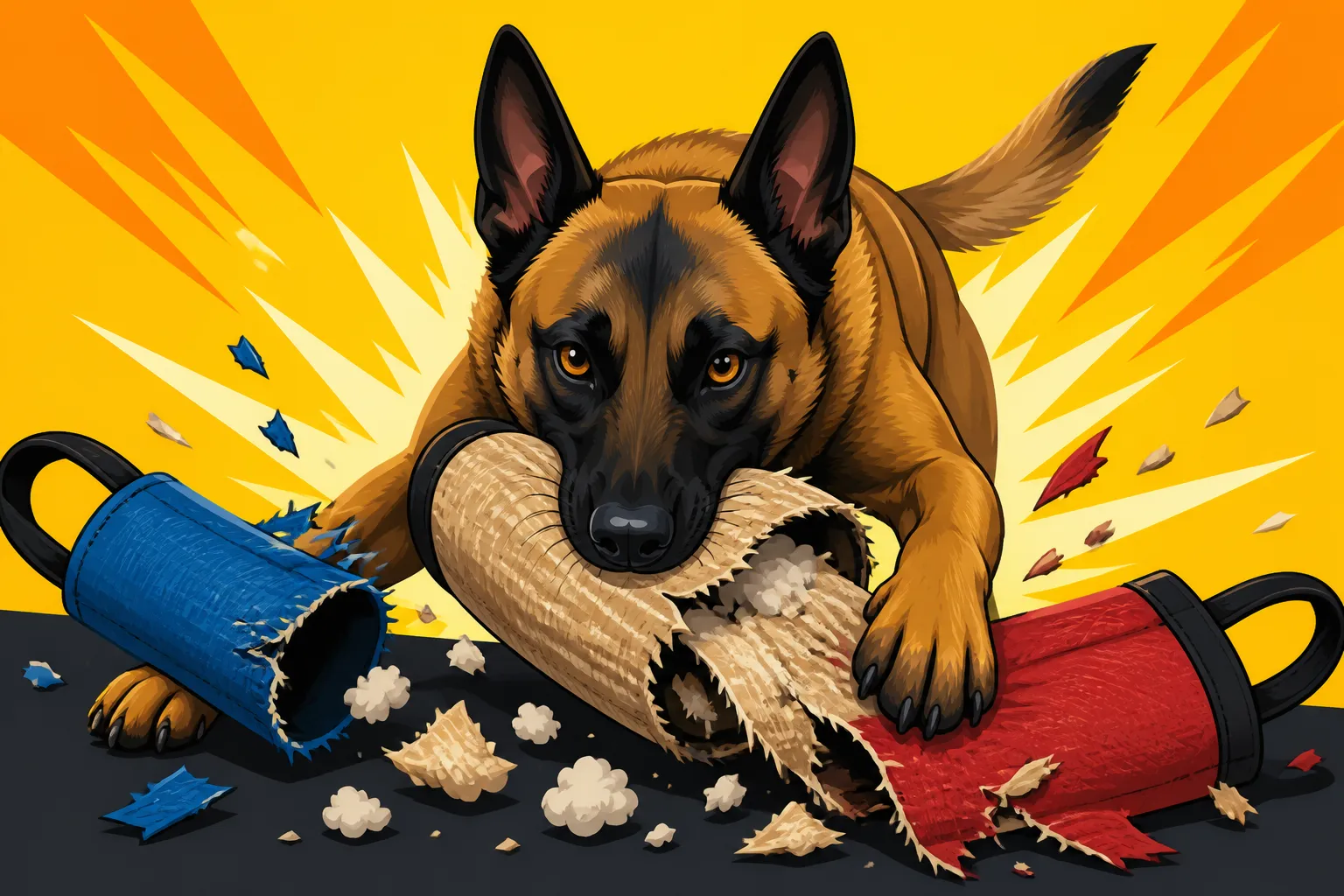
If you’ve ever owned a Belgian Malinois, you already know the profound truth: these dogs don't just play with tugs and bite pillows; they absolutely obliterate them. It's a frustrating, recurring cost of ownership that many new Malinois handlers aren't prepared for, leaving them constantly replacing gear. This guide will walk you through why these items meet their swift demise, what to expect in terms of longevity, and practical strategies to manage the constant expenditure and keep your high-drive companion engaged and equipped for their demanding work.
The Inevitable Reality: Why Malinois Destroy Tugs and Bite Pillows So Quickly
It’s easy to feel like your Malinois is personally targeting your wallet when yet another expensive training tug is reduced to shreds in a single session. But it's not personal, it's genetic. These dogs are purpose-bred powerhouses with an incredible drive and jaw strength that makes short work of anything that isn't built like a tank. Understanding this fundamental truth is the first step in managing your expectations and your budget.
Understanding the Malinois's Drive and Jaw Strength
Imagine a coiled spring, constantly vibrating with energy and an intense desire to do something. That's a Belgian Malinois. Their prey drive is legendary, often described as an insatiable hunger for movement, chase, and ultimately, capture. When you present a tug or bite pillow, you're not just offering a toy; you're providing a focal point for that immense, innate drive. They latch on with a ferocity that speaks to generations of selective breeding for bite work, protection, and herding. This isn't just a playful nibble; it's a full-body commitment to shaking, pulling, and conquering.
Their physical structure backs up this drive. Malinois possess incredibly powerful jaws, designed for gripping and holding. While not necessarily the largest dogs, their bite force, combined with their lean, muscular bodies and explosive power, allows them to exert tremendous pressure on whatever they're biting. A well-placed, full-mouth grip on a tug can create incredible shearing and tearing forces, especially when combined with the vigorous head shakes and lateral movements they employ to "kill" their prey. This isn't just wear and tear; it's an active, concentrated effort to disassemble the item, and they are remarkably good at it.
The Difference Between Play Toys and Training Equipment Longevity
One common mistake handlers make is thinking all "tugs" are created equal. There's a world of difference between a cheap braided fleece tug meant for light play with a retriever and a heavy-duty, multi-layered French linen bite wedge designed for serious IGP or Ring Sport training. Pet store "durable" toys often stand no chance against a motivated Malinois. These are often made with softer rubber, thinner fabrics, or less robust stitching, perfectly adequate for many breeds but utterly insufficient for a dog like yours.
True training equipment, while more expensive, is constructed with specific types of abuse in mind. French linen, for example, is chosen for its durability and resistance to tearing, yet it still yields over time. Jute is tough but also prone to fraying and unraveling with repeated, intense bites. Leather is incredibly strong but can become stiff and cracked, or softened and chewed through. Even the best equipment has a finite lifespan, measured in hours or perhaps weeks of intense work, not months or years. It’s an investment in a consumable item, much like ammunition for a firearm – it’s designed to be used up. Your Malinois views these items as tools for their "job," and they apply all their genetic potential to that job.
The Mental Cost of Underestimating Their Destructive Power
Beyond the financial hit, there's a mental cost to constantly replacing destroyed equipment. It can feel disheartening, like you're losing a battle against your dog's relentless energy. New owners especially might question if they're doing something wrong or if their dog is "too much." The reality is, your Malinois is simply being a Malinois. Underestimating their destructive potential can lead to frustration, not just for you but potentially for your dog if they don't have appropriate outlets for their drive.
It's crucial to shift your perspective from "why is my dog destroying this?" to "this is part of owning a high-drive working dog." Failing to provide appropriate, durable training equipment or suitable chew toys can lead them to seek out inappropriate outlets for their strong urges. This could mean your furniture, shoes, or even doorframes become the next victim of their powerful jaws. This destructive behavior, when redirected to household items, creates stress and can be far more costly than buying new tugs. Providing the right equipment, even if it has a limited lifespan, is essential for their mental well-being and the sanity of your home. You need to accept that this is a continuous investment in their fulfillment and training. What a Year With a Working Belgian Malinois Costs often includes this budget line item.
Evaluating the Lifespan of Different Tugs and Bite Pillows
Choosing the right tug or bite pillow for your Malinois isn't just about price; it's about understanding materials, construction, and how they hold up to the unique pressures a Malinois applies. Different materials offer varying degrees of durability, and knowing what to expect can help you make more informed purchasing decisions.
Common Materials: Jute, French Linen, Leather, and Rubber
When you dive into the world of tugs and bite pillows, you'll encounter a few primary materials, each with its pros and cons for a Belgian Malinois:
- Jute: This is a natural fiber, known for its rough texture and excellent grip. It's often used for initial bite work training because it gives the dog a satisfying "mouth feel." However, jute tends to fray and unravel quite quickly, especially with persistent chewing. A Malinois will pull strands out, and eventually, the entire tug will start to come apart. While durable for a few hard sessions, it's definitely a consumable item. It's great for training puppies and building confidence in the bite, but expect to replace it frequently.
- French Linen: A synthetic blend, French linen is a staple in protection sports. It's woven tightly, making it very resistant to tearing and punctures, and it holds up much better than jute to repeated abuse. It's also softer on the dog's mouth than jute, which can be preferable for dogs with sensitive gums or those who need a softer surface. While more durable, a Malinois will still wear through French linen, especially at the seams or where the fabric is constantly stretched and chewed. It's a fantastic all-around option, striking a balance between durability and appropriate texture for training. Many handlers find that Bite Suits, Sleeves and Tugs a Malinois Owner Buys are predominantly made of French linen.
- Leather: When properly cared for, leather is incredibly tough and offers a very firm, satisfying bite. It's durable and can last a long time if only used for supervised training and wiped down. However, leather can become stiff and prone to cracking if it dries out, or it can become soft and pliable if repeatedly soaked in slobber and not allowed to dry properly. Once a Malinois gets a strong, focused chew on a softened leather edge, they can start to tear it. It's also usually more expensive.
- Rubber/Hard Polymer: These are often reserved for more recreational chew toys rather than formal training tugs, though some retrieve training aids are made of very durable rubber. Products from brands like Kong or Goughnuts are built to withstand incredible chewing power. They are typically the most durable option in terms of not being easily torn apart. However, the hard texture might not be ideal for all bite work, and some dogs might lose interest if it doesn't offer the same "give" or satisfaction as fabric. The main concern here is wear on the teeth, as very hard rubber can contribute to Chipped Canines on a Malinois From Sleeve Work over time if the dog is relentlessly grinding on it.
Construction Quality and Its Impact on Durability
Beyond the material itself, the way a tug or bite pillow is constructed dramatically influences its lifespan. A poorly stitched seam, a single layer of fabric where two would be better, or a weak handle attachment can turn an otherwise decent material into instant confetti for your Malinois. Look for features like double stitching, reinforced handles, and multiple layers of material, especially on bite pillows where the surface area is larger.
A common failure point is where the handle attaches to the body of the tug. A Malinois pulling with all its might will put immense stress on this junction. High-quality training equipment will often have handles sewn deeply into the tug's core or use heavy-duty webbing that wraps around the entire tug to distribute the force. Don't be fooled by thick material if the stitching looks flimsy. The stuffing in bite pillows also matters; solid, firm stuffing holds its shape better and is harder for a dog to tear through to get to, prolonging the pillow's life. Always inspect new equipment thoroughly. Investing in quality, even if it means a higher upfront cost, can sometimes save you money in the long run by slightly extending the life of the item.
When to Retire a Damaged Tug or Bite Pillow
Knowing when to retire a tug or bite pillow is crucial, not just for the equipment's sake but for your dog's safety. A damaged tug can be a choking hazard if pieces come off and are ingested. It can also create an inconsistent bite surface, which is detrimental to proper bite work training.
Here's a good rule of thumb:
- Significant Fraying/Tearing: If jute is unraveling excessively, or French linen has large tears exposing the inner stuffing, it's time for it to go. Small tears can sometimes be stitched up for a temporary reprieve, but large ones compromise the integrity.
- Exposed Stuffing: As soon as your Malinois breaks through the outer layer and starts pulling out stuffing from a bite pillow, retire it immediately. Ingesting stuffing can lead to gastrointestinal upset or, worse, blockages.
- Compromised Handle: If the handle is ripped, frayed, or showing signs of detachment, the tug is unsafe. You could lose your grip, or the handle could snap, sending the tug (and your dog!) flying, potentially causing injury.
- Small, Detachable Pieces: Any toy that starts breaking into smaller pieces that your Malinois could swallow should be discarded. This is especially true for rubber or hard plastic items that can chip.
Regularly inspect all training equipment before and after each session. Make it a habit. It's better to proactively replace an item than to wait for it to fail spectacularly (and dangerously) during a high-drive training session.
Here's a quick comparison of common tug materials:
| Material | Initial Durability (Malinois) | Texture/Mouthfeel | Common Use | Average Lifespan (Intense Use) | Cost Factor (Relative) |
|---|---|---|---|---|---|
| Jute | Low-Medium | Rough, Grippy | Puppy/Foundation Bite Work | Days to a Few Weeks | Low |
| French Linen | Medium-High | Smooth, Firm | Protection Sports, All-Purpose | Weeks to a Few Months | Medium-High |
| Leather | High (if cared for) | Firm, Natural | Strong Chewers, Grip Training | Months (with proper care) | High |
| Durable Rubber | Very High | Hard, Chewy | Recreational, Chew Toys | Months to Years | Medium |
Strategies to Mitigate Destruction and Manage Costs
While you can't stop a Malinois from being a Malinois, there are definitely strategies you can employ to extend the life of your equipment and lessen the financial blow of constant replacements. It's about smart management, deliberate choices, and accepting a certain level of ongoing investment.
Rotating Toys and Supervised Play
One of the simplest yet most effective ways to make your tugs and bite pillows last longer is to rotate them and strictly supervise their use. Don't leave high-value training equipment lying around for your Malinois to chew on idly. These are tools, not casual playthings. When a tug is presented, it's for a specific purpose: training, engagement, and rewarding good behavior. As soon as the training session is over, the tug goes away. This elevates its value and prevents the dog from leisurely destroying it.
Having a selection of 2-3 different tugs or pillows that you rotate can also help. Not only does this keep things fresh and exciting for your dog, but it also gives each piece of equipment a break, allowing it to dry out fully and recover from the intense forces exerted upon it. Think of it like rotating your running shoes – it extends the life of each pair. Supervised play means you're actively engaged, teaching the dog how to properly grip, hold, and out the toy. If you see them starting to methodically tear at a seam or a loose fiber, you can redirect them or end the session. This active involvement is key to preserving your gear and reinforcing proper play behavior.
Investing in Higher-Quality, Reputable Brands
While it might seem counterintuitive to spend more money when things are constantly being destroyed, investing in higher-quality equipment from reputable brands often pays off in the long run. These manufacturers specialize in working dog equipment and understand the immense forces these dogs exert. They use stronger materials, reinforced stitching, and thoughtful designs that anticipate a Malinois's destructive tendencies.
Look for companies that are well-known in the protection sport or K9 community. These brands often offer different levels of durability, from puppy tugs to "super tough" adult bite wedges. While a tug from a brand you find on Chewy might seem like a good deal, always check reviews from other Malinois owners or handlers of similar high-drive breeds. Sometimes, paying a little extra upfront for equipment that lasts even 20-30% longer can save you money on replacements over the course of a year. It's about finding that sweet spot of durability for your dog's specific bite style. Don't forget, quality isn't just about longevity, but also about safety for your dog and for you.
Budgeting for Frequent Replacements and Unexpected Wear
The most realistic strategy for owning a Belgian Malinois is to simply accept that tugs and bite pillows are a recurring expenditure and budget for them. Just like you budget for food, vet visits, and club dues, you need to set aside funds for equipment replacement. Think of it as a necessary cost for maintaining a fulfilled and well-trained working dog. Some owners even buy in bulk when they find a good deal on a particular type of tug their dog loves and that holds up reasonably well.
It’s not just predictable wear and tear either. Sometimes, a particularly enthusiastic bite or an unlucky tear can prematurely end a tug's life. You need to be prepared for these unexpected replacements without letting them derail your training program. Having a spare tug or two on hand means you're never caught without the right tool for a training session, preventing frustration for both you and your dog. Consider it part of the overall investment into your dog's career and happiness. Replacing a Bite Tug a Belgian Malinois Destroyed is not a question of if, but when.
Beyond Tugs: Other Chewing Habits and Solutions
The destructive power a Malinois applies to a tug is just one manifestation of their innate chewing drive. It extends to other items, and managing this broader habit is crucial for both your sanity and your dog's safety.
Diverting Destructive Chewing to Appropriate Outlets
If your Malinois is destroying household items, it's a clear sign that their chewing needs aren't being met or properly channeled. Your goal should be to provide a variety of appropriate, highly durable chew toys that they are allowed to destroy (within reason) or work on. This is where those super-tough rubber or nylon chews come in. Look for items specifically marketed for "power chewers" or "extreme chewers" from brands known for durability.
These aren't usually the same as your training tugs. These are often solid, non-consumable items that are meant to last a very long time, providing an appropriate, safe outlet for their oral fixation. Puzzle toys that dispense treats can also be fantastic for mental stimulation and occupy their jaws for extended periods, reducing the likelihood they'll go after your furniture. Keeping an Old Belgian Malinois Mentally Busy is still important, as their chewing drives rarely diminish with age.
The Link Between Boredom and Destruction
A bored Malinois is a destructive Malinois. Their high intelligence, coupled with their incredible energy and drive, means they need a job to do. If they're not getting enough physical exercise, mental stimulation, or structured training, they will find ways to entertain themselves – and those ways are almost always destructive. Chewing is a self-soothing and self-stimulating behavior for dogs, and for a Malinois, it's a powerful one.
Ensure your dog's daily routine includes sufficient outlets for their energy. This might mean intense training sessions, long runs, bikejoring, or engagement in sports like IGP, Ring, or even advanced obedience. Many owners find that two hours and Two Hours and a Job a Belgian Malinois Demands Daily is the minimum. A tired Malinois is far less likely to shred your couch or gnaw on a table leg. Think of durable chew toys as part of their "enrichment package," helping to fill those gaps between active training sessions. Even a premium food subscription like Ollie, while not directly related to chew toys, emphasizes high-quality ingredients that support overall health and energy levels, contributing to a well-balanced dog less prone to stress-induced destructive behaviors from boredom or an unbalanced diet. Keeping them healthy and happy ultimately helps reduce problematic behaviors.
If your Malinois manages to ingest pieces of their toys or other inappropriate items, you might find yourself facing unexpected vet bills. This is a common concern for Malinois owners, and pet insurance can offer a financial safety net. Companies like Healthy Paws are popular choices among those with active, high-drive dogs, as they can help cover the costs associated with emergencies or treatments related to foreign object ingestion, which can be surprisingly common with powerful chewers. Planning for the cost of ownership means not just toys, but also being prepared for potential health issues that arise from their intense lifestyle.
Disclaimer
This article is for general informational purposes only and does not constitute professional advice. Laws, prices and regulations vary by location and change over time. Consult a qualified professional for guidance on your specific situation.