What a Hidden Sleeve Costs for Malinois Training
For anyone seriously involved in Belgian Malinois protection training, the concept of a "hidden sleeve" is a familiar one, but the actual investment can sometimes be a bit of a mystery. It's a specialized piece of equipment designed to protect the decoy while allowing the dog to develop a full, confident grip, and figuring out what a quality one entails, both in terms of features and financial outlay, is a common hurdle. This guide will help you understand the various aspects that contribute to the cost of a hidden sleeve and what you can expect as you delve into this intense training world.
Understanding the Hidden Sleeve: What It Is and Why It's Used
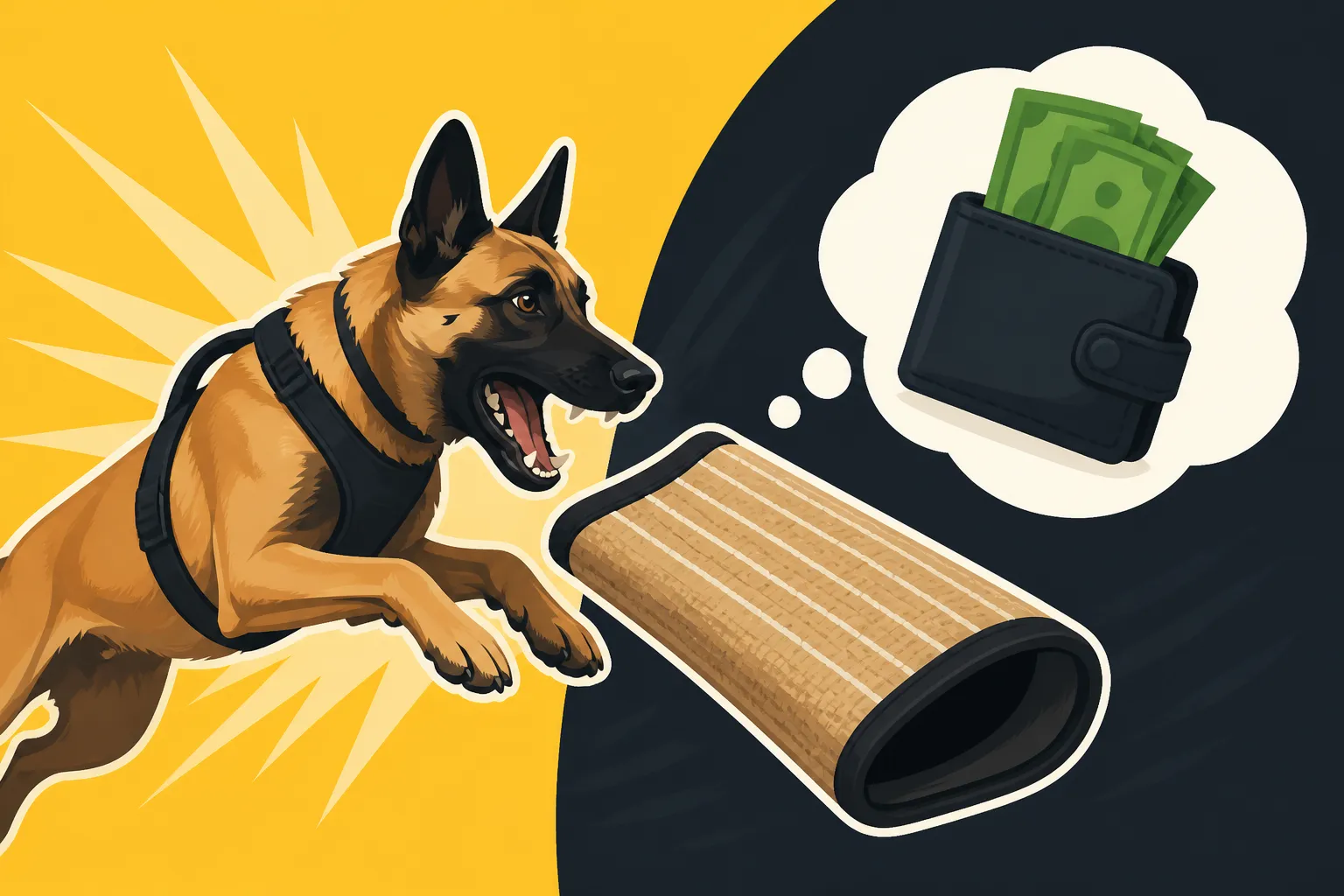
A hidden sleeve, unlike a visible bite sleeve, is worn underneath a decoy's clothing, typically on the arm or leg. Its primary purpose is to simulate a real-life scenario where the dog needs to apprehend a "suspect" who isn't openly displaying protective gear. This aspect is crucial for building realism and confidence in a working Malinois, teaching them to bite the person, not just the equipment. It's a critical tool in developing a dog's full and accurate bite, ensuring they understand the objective is to engage the "threat," not merely a padded arm.
These sleeves are meticulously designed to offer both maximum protection for the decoy and the correct biting surface for the dog. They need to be robust enough to withstand the immense power of a Belgian Malinois bite repeatedly, yet flexible enough to be concealed and allow the decoy to move naturally. The materials, construction, and overall design are carefully considered to ensure both safety and effective training. Without a well-designed hidden sleeve, a decoy could be seriously injured, or a dog's training could be inadvertently hampered by inconsistent or improper bite surfaces. It's a cornerstone of advanced protection work, allowing a Malinois to transition from basic bite work on Bite Suits, Sleeves and Tugs a Malinois Owner Buys to more nuanced and realistic scenarios.
The Role of Hidden Sleeves in Protection Training
Hidden sleeves are not generally the first piece of bite equipment a Malinois encounters. Puppies and young dogs usually start on soft tugs and then progress to visible sleeves and bite pillows. The hidden sleeve comes into play when the dog has developed a strong, full, and confident grip, understands the "out" command, and has built a solid foundation of obedience under pressure. It's a tool for refinement, for pushing the dog's understanding of protection work into more complex and practical applications.
Trainers use hidden sleeves to assess a dog's ability to locate a target, engage it with conviction, and hold on despite distraction or movement. Because the sleeve is concealed, the dog has to be driven by instinct and training, rather than simply targeting a visible object. This makes it an invaluable asset in preparing dogs for real-world duties, whether in police, military, or advanced sport work. The subtlety of a hidden sleeve also helps in teaching dogs to be environmentally sound, not fixating solely on equipment but understanding the larger context of the exercise.
Different Types of Hidden Sleeves
Just like visible sleeves, hidden sleeves come in various forms, each designed for specific stages of training or different body parts. You'll find sleeves for arm protection, leg protection, and even full-body suits that incorporate hidden elements. The choice depends on the specific training goals and the level of the dog.
For instance, a softer, less bulky hidden sleeve might be used for an intermediate dog learning to transition from visible work, while a very thick, rigid sleeve would be reserved for experienced dogs with powerful, mature bites, to ensure maximum decoy safety. Some sleeves are designed for quick removal, others for more prolonged engagements. Materials can vary from tightly woven jute to synthetic fabrics with multiple layers of padding. Understanding these differences is key, as each type serves a distinct purpose in the progression of a Malinois's protection capabilities. It’s not just about one generic "hidden sleeve" but a range of specialized equipment.
Factors Influencing the Cost of a Hidden Sleeve
The price tag on a hidden sleeve can be quite broad, driven by several key factors. It's not just a matter of "buy a sleeve and be done"; the specialized nature of these tools means that quality, durability, and safety features come at a premium.
Material and Construction Quality
This is arguably the biggest factor. A high-quality hidden sleeve is built to withstand repeated, powerful bites from dogs like Belgian Malinois, who exert incredible force. This means robust, multi-layered materials that absorb impact and resist tearing. Manufacturers use specialized fabrics like durable synthetics, dense felt, and heavy-duty padding, all stitched together with industrial-strength thread. Cheap materials will break down quickly, putting the decoy at risk and requiring frequent replacements, which ultimately costs more in the long run.
A well-constructed sleeve will also feature ergonomic designs that fit snugly under clothing without impeding the decoy's movement, while offering maximum protection to sensitive areas. Reinforcement in high-impact zones, strong closures, and breathable linings all add to the quality and, consequently, the cost. Think of it like investing in a specialized tool for a skilled trade; you wouldn't skimp on quality for something critical to safety and performance.
Brand Reputation and Specialization
Certain brands have built a reputation over decades for producing top-tier protection equipment, trusted by professional police K9 units, military handlers, and sport competitors worldwide. These brands often invest heavily in research and development, collaborating with experienced decoys and handlers to refine their products. Their sleeves might feature proprietary padding systems or unique designs that offer superior protection and functionality.
While these reputable brands often come with a higher price point, you're paying for proven safety, durability, and a design that's optimized for effective training. Lesser-known or generic brands might offer cheaper alternatives, but they can be a false economy if they wear out quickly, offer inadequate protection, or don't provide the correct bite surface for proper dog development. When you're dealing with the power of a Malinois, sacrificing quality for a lower initial cost can have serious consequences.
Specific Design and Purpose
As mentioned, there are different types of hidden sleeves for different body parts and training stages. A full arm sleeve designed for heavy-hitting adult dogs will naturally cost more than a smaller, lighter leg sleeve intended for younger dogs or specific scenario training. Sleeves with advanced features like adjustable padding, quick-release mechanisms, or specialized internal structures to distribute pressure will also be on the higher end.
For example, a sleeve designed for full-contact KNPV (Dutch Police Dog Program) training, known for its intensity and realism, will typically be more robust and therefore more expensive than a basic hidden sleeve used for foundational sport work. The specificity of the design directly relates to the complexity of its construction and the materials required to meet those demands. Handlers looking to buy equipment, possibly through retailers like Chewy for other training needs, might find the range of specialized bite equipment less common, as these items are typically sourced from specialist suppliers.
Country of Origin and Import Fees
Where a hidden sleeve is manufactured can also affect its final price. Many of the most respected protection equipment manufacturers are based in Europe, particularly in countries with a strong tradition of working dog sports like Belgium, Germany, or the Netherlands. Importing these specialized sleeves can incur additional costs such as shipping, customs duties, and taxes, which are then passed on to the buyer. This is a common consideration when looking at top-tier equipment that's not readily available from domestic manufacturers. The expertise and craftsmanship from certain regions are highly valued in the working dog community, making these imported options desirable despite the extra cost.
| Feature/Type | General Cost Shape | Typical Use | Considerations |
|---|---|---|---|
| Entry-Level Hidden Arm Sleeve | Mid-range | Introduction to hidden work, softer bite, younger dogs | Less durable, lighter padding, good for initial exposure |
| Standard Hidden Arm Sleeve | Mid to Upper-range | General purpose, intermediate to advanced dogs | Balanced durability and protection, common for sport |
| Heavy-Duty Hidden Arm Sleeve | Premium | Strongest bites, experienced dogs, professional use | Maximum padding, extreme durability, more restrictive for decoy |
| Hidden Leg Sleeve | Mid to Upper-range | Targeted leg bites, realism for apprehension | Offers decoy mobility, specialized protection |
| Custom/Specialty Sleeve | Premium | Specific training needs, unique dog/decoy requirements | Tailored fit, specialized materials, highest investment |
The Lifespan and Maintenance of Hidden Sleeves
Investing in a quality hidden sleeve is like buying a good pair of work boots or a specialized tool – it needs care to last. These are not disposable items; with proper maintenance, a well-made sleeve can serve for many years, even with regular use. The longevity directly impacts the actual long-term cost, as constantly replacing cheap, worn-out gear quickly adds up.
Expected Durability and Replacement
The lifespan of a hidden sleeve is directly tied to its quality, frequency of use, and the intensity of the dogs biting it. A heavy-duty sleeve used once a week with a few dogs will last considerably longer than a basic sleeve used daily with multiple powerful Malinois. Expect to see wear and tear over time, especially on the biting surface. Stitching might fray, padding might compress, and the outer material can eventually weaken.
When a sleeve starts showing significant signs of breakdown, it's not just about aesthetics – it's a safety concern. A compromised sleeve puts the decoy at serious risk of injury. Professional trainers and clubs understand this and budget for regular equipment replacement. They know that a hidden sleeve is a critical piece of safety gear, and its integrity must be maintained. While a general estimate for replacement might be every few years for a well-maintained, high-quality sleeve, heavy use can necessitate earlier replacement.
Cleaning and Storage Best Practices
Because hidden sleeves are subjected to dog saliva, dirt, and sweat, proper cleaning is essential for hygiene and to prolong the life of the materials. Most sleeves can be wiped down with a damp cloth and a mild disinfectant. Air drying thoroughly is crucial to prevent mildew and odors, which can break down materials over time. Never machine wash or machine dry a hidden sleeve unless explicitly stated by the manufacturer, as this can damage the internal padding and structure.
Storing the sleeve in a dry, well-ventilated area away from direct sunlight or extreme temperatures also helps. Keeping it in a climate-controlled environment, rather than a damp garage or hot car, will prevent premature degradation of the fabrics and padding. Think about it like taking care of a wetsuit or any other specialized gear; neglecting it shortens its effective life.
Beyond the Sleeve: Other Costs in Malinois Protection Training
While the hidden sleeve itself is an important component, it's just one part of the broader financial picture of training a Belgian Malinois for protection work. The overall cost includes a variety of other elements, many of which can be substantial. Understanding these helps put the sleeve's cost into perspective within the larger commitment.
Trainer and Decoy Fees
Perhaps the most significant ongoing cost will be professional instruction. High-quality protection training requires experienced trainers and skilled decoys. These individuals have dedicated years to mastering their craft, understanding canine behavior, and learning how to safely and effectively work with powerful dogs. What a Decoy Charges to Work Your Malinois can vary significantly based on their expertise, reputation, and the location.
Many handlers join clubs where Club Dues, Decoys and Equipment for a Malinois are paid monthly or annually, covering access to training fields, equipment, and expert instruction. Private sessions with top-tier trainers will command higher fees but offer individualized attention. Investing in proper instruction is non-negotiable for protection work; it's what ensures both the dog's correct development and the safety of everyone involved. You simply cannot effectively or safely train a Malinois for bite work without qualified human expertise.
Other Training Equipment and Gear
The hidden sleeve is one piece, but a Malinois involved in protection work will utilize a range of other equipment. This includes visible bite sleeves, bite suits, tugs, leashes, collars (including e-collars), muzzles for conditioning, and tracking lines. While you won't buy a full bite suit yourself unless you are a decoy, you'll certainly be acquiring other specialized items. What a Full Bite Suit Costs a Malinois Club is a significant expense for any club or professional organization.
Consider also general dog care items like high-quality performance food, supplements, and regular vet check-ups. A highly active dog like a Malinois needs a diet that supports its energy output, and brands like Ollie offer fresh food options that some handlers prefer for their working dogs' nutritional needs. Furthermore, injuries, though hopefully rare, are a possibility in such intense training. Having robust pet insurance from providers like Healthy Paws can be a lifesaver, covering unexpected vet bills from sprains, strains, or even The Cost of Repairing a Malinois's Broken Canine.
Travel and Competition Expenses
For those who pursue protection sports, travel to trials and competitions adds another layer of cost. This includes fuel or airfare, accommodation, and entry fees. Often, handlers will travel significant distances to compete under specific judges or at prestigious events. This is part of the dedication to the sport and the desire to title their dogs, demonstrating their abilities on a wider stage. What a Mondioring Weekend Costs a Malinois Handler or similar events can be substantial once all factors are considered.
These events are not just about showing off; they are tests of the dog and handler team's skill, discipline, and understanding of the sport's requirements. They represent the culmination of countless hours of training, including all the work done with a hidden sleeve and other specialized equipment. While the cost of a hidden sleeve is a specific item, it integrates into this larger picture of investment in a Malinois's working career.
Disclaimer
This article is for general informational purposes only and does not constitute professional advice. Laws, prices and regulations vary by location and change over time. Consult a qualified professional for guidance on your specific situation.