The Price of Imaging a Malinois’s Neck and Spine
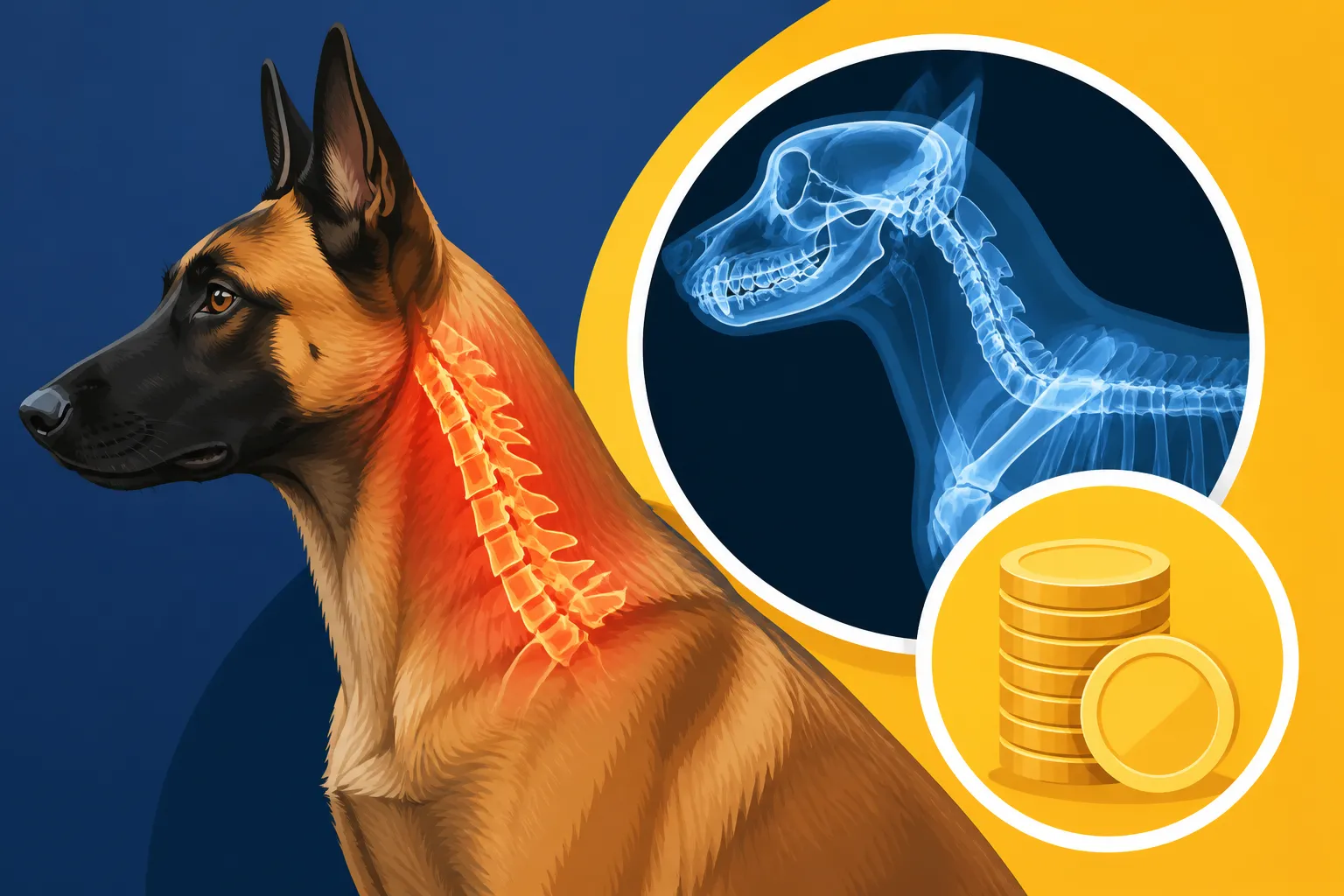
Few things are more unsettling than seeing your usually robust Belgian Malinois suddenly show signs of pain or weakness, especially when it involves their neck or spine. Maybe they yelp when they jump off the couch, drag a paw ever so slightly, or seem reluctant to turn their head. These powerful, agile dogs push their bodies incredibly hard, whether on the field, in the home, or simply tearing around the yard, making them susceptible to injuries and degenerative conditions that affect their crucial skeletal and nervous systems. When these concerns arise, getting to the root cause often requires specialized diagnostic imaging, and as any Malinois owner knows, veterinary care, especially advanced diagnostics, can come with a hefty price tag. This comprehensive guide is designed to shed light on the various imaging options available for your Malinois's neck and spine, what each entails, and the many factors that influence their cost, helping you prepare for the financial realities of ensuring your beloved companion gets the best possible care.
When Neck and Spine Issues Strike a High-Drive Malinois
Belgian Malinois are incredible athletes, known for their explosive power, agility, and relentless drive. This very intensity, while making them exceptional working and sport dogs, also puts immense strain on their bodies. Unlike more sedentary breeds, a Malinois often experiences high-impact stress, sudden stops, sharp turns, and powerful leaps, all of which can predispose them to a range of orthopedic and neurological issues involving the neck and spine. When your Malinois starts acting "off," these areas are often high on a veterinarian's list of suspects.
Recognizing the Subtle Signs of Spinal Distress
Detecting spinal or neck problems in a Malinois can be tricky because their high pain tolerance and drive often mask discomfort until a condition is quite advanced. They're not always going to limp obviously or cry out loudly. Instead, you might notice subtle changes in their behavior or performance. Perhaps they're not clearing jumps as easily as before, showing a slight hesitation, or refusing to go up or down stairs. You might observe a change in their gait—a wobble, a stiff walk, or scuffing of paws. Some dogs might show a decrease in appetite or a reluctance to play, which for a Malinois, is a huge red flag.
Other signs can be more directly indicative of pain, like yelping when you pick them up, touching their neck, or when they stretch. They might guard their neck or back, becoming snippy or defensive if you try to pet them in certain areas. Sometimes, you'll see neurological symptoms such as weakness in their limbs, knuckling over on their paws, or even incontinence. These signs demand immediate veterinary attention, as early diagnosis and intervention can often lead to better outcomes. The urgency of these symptoms can also drive up costs, as emergency appointments or after-hours care typically have higher fees.
Common Neck and Spine Conditions in Belgian Malinois
Given their active lifestyles, Malinois are prone to several conditions affecting the neck and spine. Intervertebral Disc Disease (IVDD) is one of the most common, where the discs between the vertebrae bulge or rupture, pressing on the spinal cord and causing pain, weakness, or paralysis. This can happen suddenly from an injury or gradually over time. Another concern is Neck Instability in a Belgian Malinois, which can lead to wobbler syndrome-like symptoms, causing an uncoordinated gait and nerve compression.
Spinal cord injuries from trauma, such as a bad landing during agility or a hard impact during bite work, are also a real risk. Degenerative Myelopathy (DM), a progressive neurological disease, can also affect Malinois, although less commonly than in some other shepherd breeds. It causes gradual weakness and paralysis, typically in the hind limbs. Diagnosing DM usually involves ruling out other treatable conditions, often requiring extensive imaging. You might wonder Whether a Malinois Should Be DNA Tested for Myelopathy if you have concerns, as genetic testing can identify predisposition but doesn't diagnose the active disease. All these conditions, from acute injury to chronic degeneration, necessitate a clear picture of the spinal column and surrounding structures to formulate an effective treatment plan.
Deciphering the Imaging Options for Diagnosis
Once your veterinarian suspects a neck or spine issue, they'll likely recommend diagnostic imaging. It's a critical step in understanding the exact nature and location of the problem. However, "imaging" isn't a single procedure; it's an umbrella term for several techniques, each offering different levels of detail and, consequently, different price points. Understanding these options will help you prepare for the discussions with your vet.
X-rays: The First Line of Defense
Plain radiographs, commonly known as X-rays, are usually the first diagnostic tool employed. They are relatively inexpensive compared to advanced imaging and can quickly show bone abnormalities, fractures, dislocations, or severe disc space narrowing. X-rays can be performed at most veterinary clinics, making them readily accessible. However, X-rays provide only a two-dimensional view and aren't very good at visualizing soft tissues like spinal discs, nerves, or the spinal cord itself. They can offer clues, but often, they're just the starting point.
To get useful images, especially of the spine, your Malinois will almost certainly need sedation. A high-drive, possibly painful Malinois isn't going to lie perfectly still for the multiple precise positions required. This adds the cost of sedation and monitoring to the basic X-ray fee. While X-rays provide a good initial overview, if a soft tissue injury or subtle nerve compression is suspected, your vet will likely recommend more advanced imaging for a definitive diagnosis.
Advanced Imaging: MRI and CT Scans
When X-rays don't provide enough information, or if neurological deficits are present, your vet will typically recommend Magnetic Resonance Imaging (MRI) or Computed Tomography (CT) scans. These are the gold standard for visualizing soft tissues and complex bone structures, respectively.
-
MRI (Magnetic Resonance Imaging): This is the go-to for soft tissue detail. It uses a strong magnetic field and radio waves to create highly detailed images of the brain, spinal cord, nerves, and intervertebral discs. An MRI can pinpoint disc herniations, spinal cord compression, tumors, inflammation, and even The Spinal Disease That Ends a Malinois's Mobility. For a Malinois, an MRI is invaluable for conditions like IVDD or nerve root impingement. Due to the powerful magnets and the need for the patient to remain absolutely still for an extended period, an MRI always requires general anesthesia. This means your dog will be fully unconscious, necessitating careful Anesthesia Protocols for a Lean Belgian Malinois.
-
CT Scan (Computed Tomography): A CT scan uses X-rays from multiple angles to create cross-sectional images, which are then compiled into detailed 3D views. It excels at imaging bone structures, fractures, bony tumors, and spinal deformities. While it can show some soft tissue, it's generally less detailed than an MRI for those structures. CT scans are faster than MRIs, so the anesthesia time might be shorter, but anesthesia is still required. Sometimes, a CT scan is performed in conjunction with an MRI, or as an alternative if MRI isn't available or suitable.
These advanced imaging techniques are often performed at specialty veterinary hospitals, veterinary colleges, or referral centers, as the equipment is extremely expensive and requires specialized interpretation by veterinary radiologists. This expertise and specialized equipment contribute significantly to their higher cost.
Myelography: When Other Imaging Falls Short
Myelography is a specialized diagnostic procedure that involves injecting a contrast dye into the space around the spinal cord (the subarachnoid space), followed by X-rays or a CT scan. The dye highlights the spinal cord, allowing abnormalities like compression from a herniated disc, tumors, or spinal cord swelling to be more clearly visualized.
This procedure carries slightly more risk than a standard MRI or CT because it involves injecting dye directly into a sensitive area near the spinal cord, and it requires careful monitoring for adverse reactions. However, it can be extremely effective in cases where an MRI or CT might not be readily available, or if the initial scans are inconclusive. Like MRI and CT, myelography always requires general anesthesia and is usually performed by a specialist, often a veterinary neurologist, due to the delicate nature of the injection. The cost of myelography will include the anesthesia, the dye, the X-rays or CT, and the specialist's fee.
Here's a quick comparison of common imaging techniques and what they’re best for:
| Imaging Type | Primary Use | Anesthesia Required | Relative Cost (Diagnostic Only) |
|---|---|---|---|
| X-ray (Radiograph) | Bone fractures, dislocations, general alignment | Often | Low |
| Myelogram | Spinal cord compression, disc herniation | Always | Medium to High |
| CT Scan | Detailed bone visualization, complex fractures | Always | High |
| MRI | Soft tissue (discs, nerves, spinal cord) detail | Always | Very High |
The Complex Factors That Drive Imaging Costs
The sticker shock that often accompanies diagnostic imaging for a Malinois's neck or spine is real, and it's not just about the machine itself. Many variables contribute to the final bill, making it difficult to give a one-size-fits-all estimate. Understanding these factors can help you anticipate and budget for the expense.
Veterinary Expertise and Facility Type
The type of veterinary facility plays a huge role in cost. A routine X-ray at your local general practice vet will be significantly less expensive than an MRI performed at a specialized veterinary neurology center or a university teaching hospital. These larger facilities employ board-certified veterinary specialists—neurologists, radiologists, and anesthesiologists—whose expertise is crucial for accurately performing and interpreting complex imaging. You're not just paying for the machine; you're paying for years of advanced training and the intricate knowledge required to diagnose subtle conditions in an animal whose symptoms can be difficult to assess.
Specialty hospitals also often have state-of-the-art equipment and a larger support staff, including veterinary technicians trained specifically in advanced diagnostics and critical care. This level of specialization ensures the best possible care and diagnostic accuracy, but it understandably comes at a premium.
Anesthesia and Monitoring Requirements
As mentioned, almost all spinal and neck imaging procedures for a Malinois, beyond a very simple, quick X-ray, require general anesthesia. A Malinois is typically not a dog that will lie perfectly still for an hour-long MRI without being fully sedated. The cost of anesthesia includes the drugs themselves, the time of the veterinary professional (often a dedicated anesthetist or a highly trained vet tech) continuously monitoring your dog's vital signs (heart rate, breathing, blood pressure, oxygen saturation, temperature) throughout the procedure, and recovery time.
Factors influencing anesthesia costs include the duration of the procedure, the specific anesthetic agents used, and any pre-anesthetic bloodwork or cardiac screenings deemed necessary to ensure your Malinois is a safe candidate for anesthesia. Given the potential risks, especially with a lean, high-energy breed, your vet will want to have a thorough discussion about Why Anesthesia Needs Discussing Before a Malinois Goes Under and What to Tell a Vet Before a Malinois Is Sedated to minimize complications. These precautions, while essential for your dog's safety, add to the overall cost.
Geographical Location and Emergency Needs
Just like human healthcare, veterinary costs can vary significantly by geographical location. Major metropolitan areas or regions with a higher cost of living generally have higher veterinary fees. The presence of multiple specialty clinics in an area might foster some competition, but generally, advanced diagnostics remain expensive.
The urgency of the situation also impacts the price. If your Malinois experiences a sudden, severe spinal injury and requires emergency imaging outside of regular business hours, you can expect to pay emergency fees on top of the standard procedure costs. These after-hours charges reflect the increased staffing and readiness required for immediate care. Emergency Care After a Malinois Training Injury can be incredibly expensive, and imaging is often a core component.
Additional Diagnostic and Consultation Fees
The imaging itself is just one part of the diagnostic puzzle. Before an MRI or CT, your vet will likely perform a thorough neurological exam, potentially some blood tests, and perhaps initial X-rays. Each of these steps incurs its own fee.
After the imaging, there's the radiologist's interpretation fee. A board-certified veterinary radiologist will meticulously review the images and provide a detailed report, which is crucial for diagnosis and treatment planning. There may also be consultation fees if you are referred to a veterinary neurologist who will discuss the findings, prognosis, and treatment options with you. These follow-up discussions are vital for understanding your Malinois's condition and making informed decisions about their care, but they are separate charges from the imaging itself.
Strategies for Managing the Financial Burden
Facing the potential costs of advanced diagnostic imaging for your Malinois's neck or spine can feel overwhelming. It’s a situation no pet owner wants to be in, but with some proactive planning and knowledge of available resources, you can better manage the financial strain.
The Role of Pet Insurance in Unexpected Diagnostics
One of the most effective ways to mitigate the high costs of unexpected veterinary care, including advanced imaging, is pet insurance. Plans vary widely, but most comprehensive policies will cover a significant portion of diagnostic tests, specialist consultations, and treatments for accidents and illnesses. If you have a plan with a reputable provider like Healthy Paws, and your Malinois's condition isn't pre-existing, you could see a substantial reimbursement for those hefty MRI or CT bills.
It's crucial to understand the specifics of your policy, including deductibles, reimbursement percentages, and annual limits. For a high-drive breed prone to injury and certain genetic conditions, investing in a robust pet insurance plan when they are young and healthy is arguably one of the smartest financial decisions a Malinois owner can make. While it's too late for a condition that has already manifested, if your Malinois is still young, consider What Insuring a Two Year Old Malinois Runs Monthly to see how it can protect you in the future.
Building an Emergency Fund and Exploring Financial Aid
Even with pet insurance, there will likely be out-of-pocket costs, such as your deductible and a percentage of the bill. This is where a dedicated emergency fund comes in. Setting aside a small amount each month specifically for your Malinois's unexpected veterinary needs can make a world of difference when a crisis hits. Think of it as your personal buffer for those The Vet Bills a Bite Sport Belgian Malinois Runs Up over their lifetime.
If you find yourself in a situation with significant costs and limited funds, don't hesitate to discuss options with your veterinary team. Many clinics are aware of various financial assistance programs. Some veterinary colleges or specialty hospitals may have specific funds for low-income clients or for particular conditions. Organizations like RedRover or The Pet Fund offer financial aid for emergency veterinary care. Additionally, exploring a veterinary credit line, such as The Credit Line a Belgian Malinois Owner Should Have, can provide immediate access to funds, though these are loans and should be approached with caution.
Discussing Payment Plans and Cost Estimates with Your Vet
Transparency is key when it comes to veterinary costs. Before agreeing to any expensive procedure like an MRI or CT scan, always ask your veterinarian for a detailed, written estimate. This estimate should break down the costs for the imaging itself, anesthesia, professional fees, and any associated diagnostics. Don't be afraid to ask questions if something isn't clear.
Many veterinary clinics understand the financial strain these procedures can cause and may offer in-house payment plans or work with third-party financing companies. While not always available for every procedure, it's always worth asking about. Discussing your financial limitations upfront with your vet allows them to help you explore all possible options, including prioritizing diagnostics or finding alternative solutions if the full recommended imaging is beyond your current means. While it’s rarely ideal to compromise on diagnostics, sometimes tough choices have to be made, and having an open conversation is the first step. For ongoing care post-diagnosis, you might find Chewy a convenient source for prescribed medications or special dietary needs, often at competitive prices, which can help manage the long-term financial picture.
Disclaimer
This article is for general informational purposes only and does not constitute professional advice. Laws, prices and regulations vary by location and change over time. Consult a qualified professional for guidance on your specific situation.