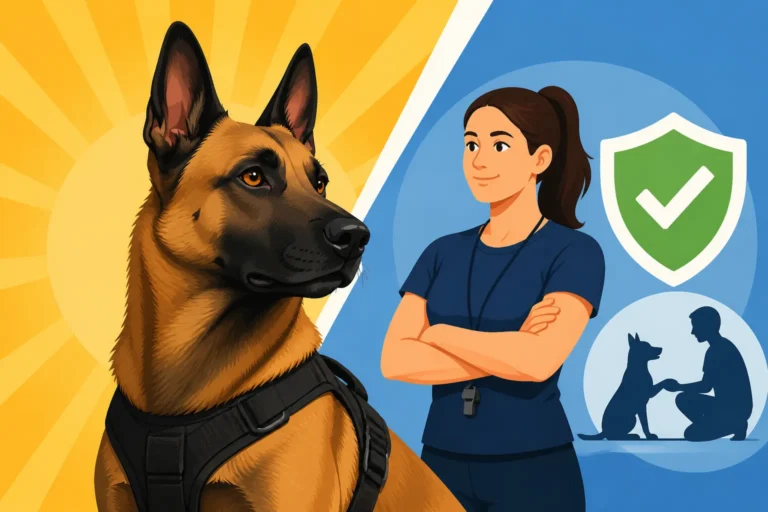
The Credit Line a Belgian Malinois Owner Should Have
Let's be real: owning a Belgian Malinois isn't just a commitment of time and energy; it's a significant financial undertaking, and often, the biggest costs hit when you least expect them. Many owners find themselves caught off guard by emergency vet bills or unexpected training needs, leaving them scrambling for funds. This comprehensive guide is here to walk you through why establishing a reliable credit line isn't a luxury, but a practical financial tool for any Malinois owner, helping you navigate the inevitable ups and downs without compromising your dog's care.
Why a Credit Line Isn't Just for Emergencies (But Especially for Them!)
When you bring a Belgian Malinois into your life, you're signing up for an adventure, yes, but also a potential roller coaster of expenses. These aren't your average couch potato dogs; they are intense, driven athletes, and with that comes a unique set of financial considerations. A credit line acts as a crucial safety net, not just for the catastrophic, but for those times when cash flow might be a little tight, or a sudden opportunity arises that you don't want to miss for your dog's well-being.
The Unpredictable Nature of Malinois Ownership
If you've been around Malinois for any length of time, you know they live life in fast forward. This incredible drive, while one of their most appealing traits, also means they are prone to unexpected incidents. A Malinois isn't content to simply exist; they do. They jump, they climb, they bite, they run at warp speed, and sometimes, those activities lead to unforeseen injuries. We're talking about anything from a torn nail on the agility field to a deeper muscle strain during protection work. These aren't cheap fixes.
Beyond injuries, their sheer intensity can lead to other unexpected costs. Maybe your Malinois decides that the kitchen table is an excellent chew toy, or perhaps they've ingested something they shouldn't have during a moment of unsupervised exploration. Even the best-trained Malinois can have an "off" day, or an environmental factor can trigger an expensive behavioral issue. Suddenly, you're looking at property damage, a vet visit for foreign body removal, or an emergency session with a specialized trainer. Having that access to credit means you're not agonizing over how to pay for essential care or repairs, but rather focusing on getting your Malinois back on track. It allows you to say "yes" to the necessary intervention without delay, which can be critical for recovery or preventing escalation of a problem.
Bridging Gaps in Emergency Vet Care
This is where a credit line truly shines. Imagine the scenario: it’s 2 AM, your Malinois suddenly starts acting strangely, maybe showing signs of bloat or an acute injury. You rush them to the emergency veterinary hospital, heart pounding. In these situations, time is of the essence, and often, so is immediate payment or a substantial deposit. The Vet Bills a Bite Sport Belgian Malinois Runs Up can be staggering, and sometimes, those bills are due before your pet insurance kicks in or you've had a chance to liquidate savings.
Emergency vet care isn't just expensive; it's often a rapid series of diagnostics, treatments, and potentially surgery that adds up quickly. A cruciate tear from a misstep during play, a sudden severe allergic reaction, or an accident like being hit by a car (heaven forbid) can easily run into thousands of dollars. While pet insurance, like plans offered by Healthy Paws, is an absolute must-have for a Malinois, it typically works on a reimbursement model, meaning you pay upfront and get reimbursed later. This is where a credit line bridges that gap, allowing you to pay the vet immediately and then handle the reimbursement process. Without it, you might be forced into agonizing decisions, or delay life-saving treatment while you figure out payment, which is a situation no loving Malinois owner ever wants to face. This immediate access to funds can truly be a lifesaver in those critical moments. You might also find yourself facing Emergency Care After a Malinois Training Injury when you least expect it.
Understanding Different Types of Credit for Your Malinois Needs
When we talk about a "credit line," it's not a one-size-fits-all concept. There are various avenues you can explore, each with its own advantages and considerations. The best option for you will depend on your personal financial situation, your credit history, and how you anticipate needing to use the funds. It’s about having options ready, rather than frantically searching when a crisis hits.
Personal Credit Cards and Lines of Credit
For many, a personal credit card is the most straightforward and accessible form of a credit line. You likely already have one, and it offers immediate access to funds for a variety of expenses, not just those related to your Malinois. The key here is to have a card with a sufficient limit for potential emergencies and, ideally, one with a low interest rate or a good rewards program if you plan to pay it off quickly. The flexibility is immense; you can use it for an unexpected vet bill, for a new chew-proof bed from Chewy after your Malinois decimated the last one, or even to cover the cost of a last-minute training seminar.
A personal line of credit, often offered by banks or credit unions, functions similarly to a credit card but might come with lower interest rates and a larger credit limit, secured against an asset like your home, or unsecured based on your creditworthiness. This can be a better option for larger, unexpected expenses or if you prefer a dedicated pool of funds separate from your everyday spending. The downside to both personal credit cards and lines of credit is the interest. If you can't pay off the balance quickly, those charges can add up, turning an emergency expense into a long-term financial burden. Therefore, responsible use and a clear repayment plan are paramount.
Dedicated Pet Care Credit Options
Beyond general personal credit, there are financing solutions specifically designed for veterinary expenses. These are often offered directly through veterinary offices or by specialized financial institutions that partner with vets. These programs can be incredibly helpful because they are tailored to the often-high costs of medical care for pets. They might offer special promotional periods with deferred interest, or even interest-free financing for a set period, which can be a huge relief when facing a substantial bill.
The benefit of these pet-specific credit options is that they understand the nature of vet bills and can provide a manageable payment plan. However, it's absolutely crucial to read the terms and conditions carefully. While a 0% introductory rate sounds fantastic, if you don't pay off the full balance before that period ends, you could be hit with retroactive interest charges from the original purchase date. Always ensure you understand the repayment schedule and any potential penalties. These types of credit can be an excellent tool in your Malinois ownership arsenal, especially when faced with major procedures like Cruciate Surgery Prices for a Belgian Malinois or ongoing treatments for conditions like Monthly Medication for an Epileptic Belgian Malinois, but they require diligent management.
Strategizing Your Financial Safety Net for Your Malinois
Relying solely on a credit line for all your Malinois's needs would be a recipe for financial stress. The smartest approach is to build a multi-layered financial safety net, where a credit line plays a vital but not exclusive role. Think of it as constructing a sturdy fence around your finances, with each post representing a different protective measure.
Combining Credit with Savings and Insurance
The truly resilient financial plan for a Malinois owner involves a combination of strategies. First and foremost, a dedicated savings fund for your dog is non-negotiable. This acts as your first line of defense for planned expenses, like regular vet check-ups or updated training equipment. Having a cash reserve means you're not dipping into credit for every little thing, which keeps your credit line available for true emergencies. It’s also wise to consider How Much a Malinois Owner Should Bank Each Month to gradually build this buffer.
Next, pet insurance, such as Healthy Paws, is an incredibly powerful tool. As mentioned, it helps with reimbursement for unexpected accidents and illnesses, significantly reducing your out-of-pocket costs in the long run. While you still pay upfront, the reimbursement can replenish your savings or help pay down any credit you used. Understanding What Pet Insurance Runs on a Working Malinois and The Deductible That Suits a Working Belgian Malinois is key to choosing the right plan for your budget and your dog's needs. A credit line, therefore, isn't a replacement for insurance or savings, but rather a robust complement, providing immediate liquidity when you need it most, bridging that gap between upfront payment and insurance reimbursement, or covering those non-insurable expenses that still pop up. It’s all about creating layers of protection so you’re never caught completely unprepared.
Planning for Both Routine and Unexpected Expenses
Owning a Belgian Malinois means budgeting for a range of expenses, from the predictable to the wildly unforeseen. On the routine side, you've got food, which, for a high-drive Malinois, isn't a negligible cost. Whether you're buying high-quality kibble from Chewy or opting for fresh food options like Ollie, What Performance Kibble Costs for a Malinois can really add up over a year. Then there are recurring training classes, regular vet visits, annual vaccines, and the endless supply of durable toys your Malinois will undoubtedly shred. For example, What a Malinois Owner Spends on Toys in a Year can be quite surprising if you don't factor it in. These are the expenses you can largely anticipate and budget for monthly, perhaps even setting aside a small amount into that dedicated savings account.
However, it's the unexpected that truly challenges our financial planning. We've talked about emergency vet bills, but there are other curveballs. What if your Malinois needs specialized physical therapy after an injury, incurring Physical Therapy Prices for a Belgian Malinois? Or perhaps an advanced training course becomes necessary to address a specific behavioral challenge that wasn't apparent when they were a puppy. Maybe a family emergency means you suddenly need to board your Malinois for an extended period, and finding a facility that can handle their intensity can be both a challenge and an expense. A credit line provides the flexibility to address these unforeseen needs without derailing your entire budget or forcing you to delay care because funds aren't immediately available. This foresight allows you to make decisions based on what’s best for your dog, rather than what’s cheapest in the moment.
Responsible Use of Your Malinois Credit Line
Having access to credit is a powerful tool, but like any powerful tool, it requires responsible handling. A credit line for your Malinois isn't a bottomless pit of free money; it's a financial instrument that, when used wisely, can prevent stress and ensure your dog gets the best care. When used poorly, however, it can lead to a debt spiral that overshadows the joy of Malinois ownership.
When to Tap Into Your Credit Line
Knowing when it's appropriate to use your Malinois credit line is key to maintaining financial health. Generally, it should be reserved for those significant, unexpected expenses that exceed your immediate cash savings and can't wait for your next paycheck. Think critical vet emergencies like the ones we discussed earlier, or perhaps an urgent, unforeseen repair to your fencing that your Malinois will exploit if left unfixed. It might also be for a necessary, high-value training tool or course that directly impacts your dog's safety or well-being, where delaying could cause greater problems. For instance, if you discover your dog has a serious health condition, you might need diagnostic tests or medications that strain your budget, and a credit line can cover those immediate costs.
What it shouldn't be used for, however, are routine expenses that can be budgeted for. Buying daily kibble, regular treats from Chewy, or replacing a worn-out leash should come from your regular income or dedicated savings. It's not for impulse buys or things you simply want but don't strictly need right now. Using a credit line for everyday items only serves to accumulate debt and interest, making it unavailable for when a true emergency strikes. The goal is to keep it as a true safety net, not your primary spending account. Remember, the true value of this credit is having it there when you need it, not using it just because it's there.
Managing Repayment and Avoiding Pitfalls
The most critical aspect of responsible credit line use is a clear and consistent repayment strategy. Every time you use your credit line, whether it's a personal card or a dedicated pet care financing option, you should have a plan for how and when you will pay it back. Ideally, you should aim to pay off the balance in full as quickly as possible to avoid accumulating interest charges, which can quickly inflate the original cost of the expense. If paying in full isn't immediately feasible, set up a realistic payment schedule that allows you to chip away at the balance steadily. Many credit providers offer online tools and apps to help you track your spending and make timely payments, making it easier to stay on top of things.
A major pitfall to avoid is treating your credit line as an extension of your income. It's borrowed money, not earned money. Be mindful of your credit limit and avoid maxing it out, as this can negatively impact your credit score and leave you with no room for future emergencies. Furthermore, try to consolidate debt if you find yourself using multiple cards, and always prioritize payments on accounts with the highest interest rates. Consider setting up automatic payments to avoid missing due dates, which can incur late fees and further damage your credit. By approaching your Malinois credit line with discipline and a clear repayment plan, you ensure that it remains a valuable financial asset, providing peace of mind and allowing you to give your extraordinary dog the best possible care, no matter what life throws your way.
Here’s a quick overview of how different financial tools can serve a Malinois owner:
| Financial Tool | Primary Use Case | Best For | Considerations |
|---|---|---|---|
| Emergency Savings | Immediate, smaller unexpected costs | First line of defense, quick access | Needs disciplined saving, may not cover large events |
| Pet Insurance | Major accidents, illnesses, chronic conditions | Reimbursement for high vet bills | Upfront payment required, deductibles, waiting periods |
| Personal Credit Card | Flexible, immediate access for various expenses | Bridging gaps, smaller emergencies, routine overflow | Interest rates can be high if not paid quickly |
| Personal Line of Credit | Larger, more flexible borrowing capacity | Significant unexpected costs, home repairs | Can have lower interest than credit cards, may be secured |
| Vet Financing Program | Specific veterinary expenses, payment plans | Large vet bills, deferred interest options | Strict repayment terms, retroactive interest possible |
| Grant Programs | Help for specific medical conditions | Financial assistance for qualified cases | Eligibility varies, application process, limited funds |
Disclaimer
This article is for general informational purposes only and does not constitute professional advice. Laws, prices and regulations vary by location and change over time. Consult a qualified professional for guidance on your specific situation.