Whether a Board and Train Ruins a Belgian Malinois
The idea of sending your high-drive, intelligent Belgian Malinois away for a board and train program can be incredibly stressful for any owner. You worry about trust, about how your dog will be handled, and most of all, you fear that the very thing meant to help them might fundamentally change their spirit or even "ruin" the unique bond you share. This guide aims to tackle those anxieties head-on, helping you understand what to look for and how to ensure a board and train program is a benefit, not a detriment, to your exceptional Malinois.
What Does "Ruined" Even Mean for a Belgian Malinois?
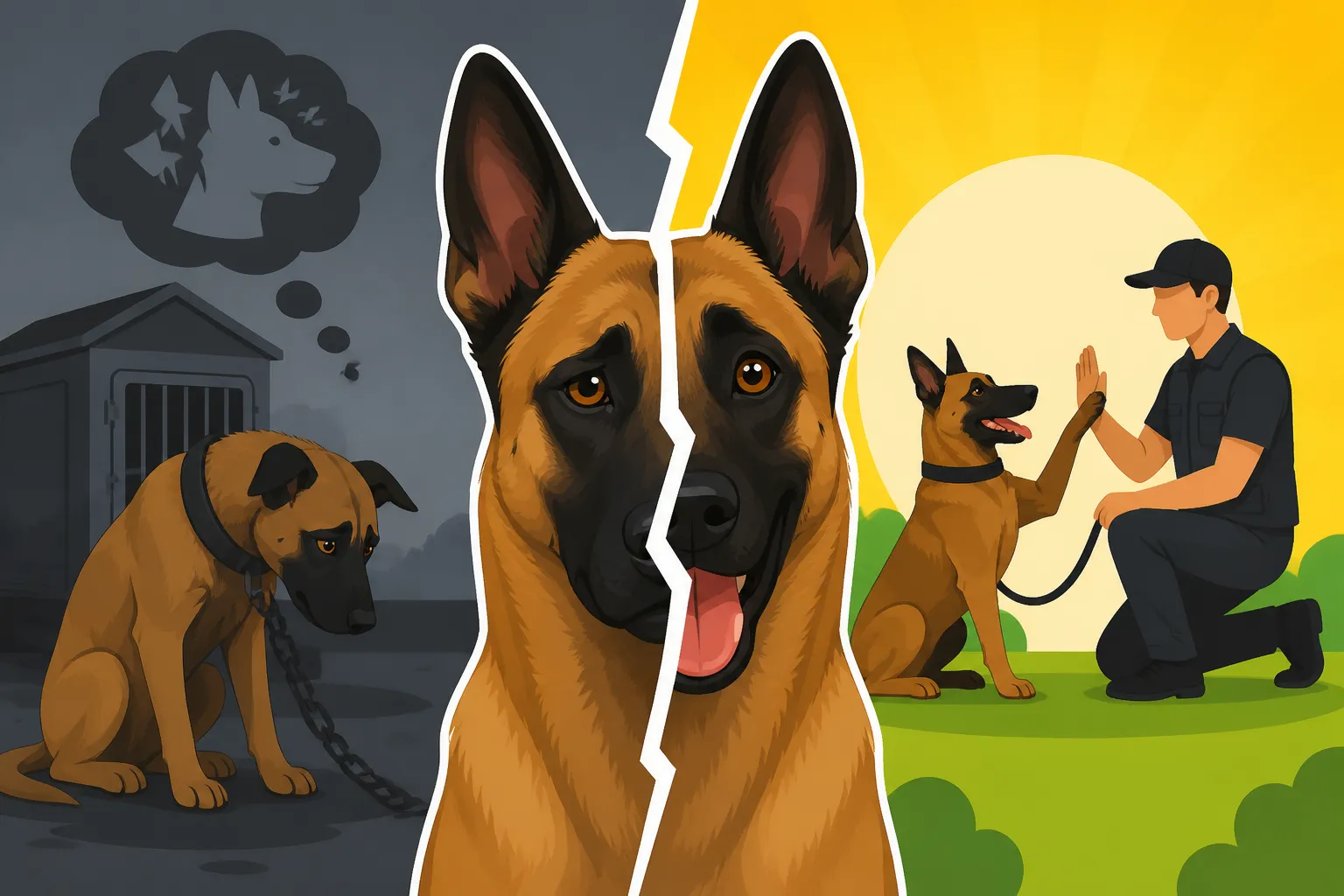
When we talk about a Belgian Malinois being "ruined" by a board and train, it's not usually about physical harm, though that's certainly a concern with inadequate facilities. More often, it's about the emotional and behavioral fallout that can occur from inappropriate training methods or environments. For a breed as sensitive, driven, and handler-focused as the Malinois, the wrong approach can have profound, lasting effects.
The Loss of Drive or Personality
One of the biggest fears is that your vibrant, enthusiastic Malinois will come back a subdued, robotic version of themselves. Malinois thrive on drive – whether it's prey drive, food drive, or handler engagement. They are problem-solvers, and they want to do things. A program that relies heavily on constant, heavy corrections without teaching or motivating the dog can indeed suppress their natural enthusiasm. Imagine a Malinois that once flew over obstacles with joy, now hesitating, looking back for permission, or moving with a visible lack of zest. This isn't just about obedience; it's about the spark that makes a Malinois a Malinois. They might perform tasks, but without the intelligent initiative or joyful engagement that defines the breed. This suppression can also manifest as a general dullness in their eyes, a lack of interest in toys or interactions they once loved, or even a reluctance to engage in training that was previously highly rewarding.
Fear, Anxiety, and Trust Issues
Another major concern is that the training will be based on fear, leading to a Malinois that is anxious, avoidant, or even aggressive. A Malinois needs to trust its handler implicitly. If a trainer uses methods that consistently scare or intimidate the dog, it can severely damage their confidence and their ability to trust people. This might show up as:
- Avoidance: Your Malinois might start cowering, retreating, or trying to hide when approached, especially by new people or in new environments.
- Increased reactivity: Instead of solving the initial problem (e.g., barking at strangers), the dog might become more reactive out of fear, snapping or lunging as a defensive mechanism. This is a terrifying outcome for owners hoping to reduce reactivity.
- Separation anxiety: If the board and train experience was traumatic, some Malinois might develop severe separation anxiety upon returning home, fearing abandonment again.
- Loss of bond: Perhaps most heartbreaking, a Malinois might return home distant, less affectionate, or unwilling to engage with its original family, having had its primary bond undermined. For a breed known for its intense loyalty and desire to be with its person, this can feel like an irreparable breach of trust.
Robotic Obedience Without Understanding
You might hear stories of Malinois coming back perfectly "obedient" but lacking any understanding or independent thought. This often happens in programs that prioritize rote memorization of commands through force, rather than teaching the dog to think and choose the correct behavior. A Malinois is too smart for this. They learn quickly, yes, but they also learn how they learn. If they learn that the only way to avoid discomfort is to move quickly into a command, they aren't truly understanding; they are simply reacting to avoid negative consequences. The nuance, the willingness to problem-solve, and the ability to transfer skills to new situations can all be lost. They might sit perfectly in a controlled environment, but fall apart when a novel distraction appears, because they haven't learned to apply their training broadly. The Structure a Belgian Malinois Needs Every Day isn't just about repetition; it's about building understanding and confidence.
The Reality of Board and Train: When it Helps and When it Harms
Board and train programs aren't inherently bad. In fact, for some Malinois and their owners, they can be incredibly beneficial. The key lies in the quality of the program, the philosophy of the trainer, and the suitability for your individual dog.
The Benefits: A Fresh Start and Consistent Application
A well-executed board and train can offer several advantages, especially for owners struggling with a high-drive Malinois who might be overwhelmed or lack the consistent structure needed.
- Immersion and Consistency: A good program provides a highly structured, consistent environment where the Malinois receives intensive, daily training. This can be particularly effective for behaviors that need strong foundations, like Recall on a Belgian Malinois in Full Drive or building a solid "place" command. The dog learns rapidly because there are no mixed signals, and every interaction is a learning opportunity.
- Skill Transfer: For advanced behaviors, like specific bite work or detection tasks, a dedicated trainer can provide specialized instruction and equipment that might not be available to the average owner. They can help channel that immense Malinois drive effectively.
- Behavioral Breakthroughs: Sometimes, a fresh environment away from the familiar triggers of home can allow a Malinois to reset. For dogs with severe reactivity or aggression issues, a skilled trainer can identify triggers and begin counter-conditioning and desensitization in a controlled way that an owner might struggle to replicate.
- Owner Education: Crucially, the best board and train programs include extensive owner education and follow-up. They don't just send your dog home "fixed"; they teach you how to maintain and build upon the training. This often involves multiple transfer sessions, detailed instructions, and ongoing support.
The Dangers: Red Flags and Harmful Practices
Unfortunately, not all board and train programs are created equal, and some can indeed "ruin" a Malinois. Here's where the dangers lie:
- "Quick Fix" Mentality: Be wary of programs promising instant transformations or using buzzwords like "guaranteed obedience" without explaining their methods. Real training, especially with a Malinois, takes time, patience, and understanding. A quick fix often means heavy-handed corrections that suppress behavior rather than teaching it.
- Reliance on Aversive Tools Without Proper Education: While tools like e-collars or prong collars can be used effectively in balanced training, their improper application is a leading cause of psychological damage. If a trainer uses these tools without first building a strong positive reinforcement foundation, teaching the dog what to do, or using them punitively, it can create immense fear and anxiety. Conditioning a Belgian Malinois to an E-Collar should be a careful, humane process, not a shortcut to compliance.
- Lack of Transparency: If a facility doesn't allow visits, doesn't provide updates, or is vague about their daily routine and methods, that's a huge red flag. You should always know how your dog is being treated and what methods are being employed.
- Generic Programs for All Breeds: A program that claims to work for all dogs, from Chihuahuas to Malinois, might not understand the specific needs, drives, and sensitivities of a Belgian Malinois. This breed requires an approach that respects their intensity and intelligence. The Handler Experience a Belgian Malinois Needs is not something every trainer possesses.
- High Dog-to-Trainer Ratios: If one trainer is responsible for too many dogs, the individual attention and tailored approach your Malinois needs will suffer. This often leads to a more generalized, less effective, and potentially more stressful experience for the dog.
Essential Questions to Ask and Red Flags to Watch For
Before you ever consider sending your Malinois to a board and train, you absolutely must do your homework. This isn't just about finding someone affordable; it's about protecting your dog's mental and emotional well-being. What a Malinois Board and Train Program Costs should be considered, but never prioritized over quality.
What to Ask Potential Trainers
Here are crucial questions to ask, along with what you should listen for in their answers:
- "What is your training philosophy and methodology?"
- Listen for: A clear explanation of their balanced approach, emphasizing positive reinforcement, motivation, and then how and when they introduce corrections, if at all. They should talk about building drive and engagement, not just suppressing unwanted behavior. If they only talk about dominance or "breaking" the dog, run.
- "Can I tour your facility and meet the trainers who will be working with my dog?"
- Listen for: An enthusiastic "yes!" You need to see where your dog will sleep, train, and play. Observe the other dogs there – are they happy, calm, and engaged, or stressed and shut down?
- "How often will my dog be trained, and what does a typical training day look like?"
- Listen for: A detailed schedule including structured training sessions, play, enrichment, rest, and potty breaks. Malinois need a lot of mental and physical engagement, so short, frequent sessions are usually better than one long, overwhelming one.
- "How do you handle unforeseen problems or medical emergencies?"
- Listen for: A clear protocol, including contact with your vet, emergency vet access, and how they will communicate with you. Ask if they have a plan for dealing with stress-related issues like diarrhea, which can be common in a new environment. Make sure you understand their insurance coverage and your responsibilities.
- "What is your communication policy? How often will I receive updates, photos, or videos?"
- Listen for: A commitment to regular, proactive updates. You should feel informed and connected to your dog's progress. A good trainer will be happy to show you what they're doing.
- "What is the plan for transferring the training to me when my dog comes home?"
- Listen for: A comprehensive plan involving multiple owner lessons, clear instructions, and ongoing support. This is arguably the most critical part. You need to be trained just as much as your dog!
Red Flags to Heed
| Red Flag | What It Means | Why It's a Problem for a Malinois |
|---|---|---|
| No Owner Involvement | The program promises to "fix" your dog and sends them home without significant transfer sessions or owner education. | Without owner education, the training will quickly unravel. A Malinois is handler-dependent; you need to know how to maintain the training and continue building the relationship and skills. |
| "Secret" Training Methods | The trainer is unwilling to discuss their specific methods, uses vague language, or prohibits observation. | This lack of transparency is highly suspicious. You have a right to know exactly what is happening to your dog. For a Malinois, this could mean heavy-handed techniques that could permanently damage their spirit. |
| Aggressive or Intimidating Environment | Dogs at the facility appear fearful, anxious, constantly corrected, or there's an overwhelming atmosphere of tension. | A Malinois is sensitive to its environment. Constant stress or fear will not build confidence or a true working relationship; it will suppress and potentially lead to fear-based aggression or shutdown. |
| Unsolicited High-Pressure Sales Tactics | The trainer pushes you to sign up immediately, uses scare tactics about your dog's behavior, or discounts for quick decisions. | Reputable trainers don't need to resort to these tactics. They stand by their results and their methods. For a Malinois owner, it's easy to feel desperate, but don't let it lead you to a bad decision. |
| No Clear Exit Strategy for Problems | If the training isn't working, or your dog isn't adjusting, the trainer has no plan for addressing it or returning your dog to you. | A good trainer will be honest about limitations and have a plan for dogs who are not thriving. Being stuck in a bad program is detrimental for a Malinois. |
| Excessive Reliance on Shock/Prong Collars | The trainer immediately recommends these tools without exploring other methods or explaining a comprehensive approach. | While these tools can be part of balanced training, starting with them or using them as the primary method for a sensitive Malinois can quickly lead to a fearful, rather than truly understanding, dog. |
Remember, your Malinois is not just any dog. They are a highly intelligent, driven, and often sensitive breed. What works for a more laid-back breed might be completely inappropriate for a Malinois.
Re-integrating Your Malinois After Board and Train
So, you've done your due diligence, chosen a fantastic program, and your Malinois is coming home. The work isn't over; in many ways, it's just beginning! The transition back home is critical for solidifying the training and ensuring your Malinois thrives, not just survives, the experience.
Maintaining the Structure and Routine
Your Malinois has been living in a highly structured environment. It's vital that you continue that structure at home, especially in the first few weeks. This means:
- Consistent Schedule: Maintain regular feeding times, potty breaks, and training sessions. A Malinois thrives on predictability.
- Clear Rules: Reinforce all the new rules and boundaries the trainer established. Don't let your Malinois "get away" with things they couldn't at the board and train. Every interaction is a teaching moment. Consistency is paramount.
- Dedicated Training Time: Even if your Malinois seems perfect, continue with short, engaging training sessions daily. This keeps their skills sharp and strengthens your bond. It also fulfills their need for a job, which is critical for preventing destructive behaviors. How Many Hours a Belgian Malinois Should Work Daily doesn't suddenly drop to zero after a board and train.
- Appropriate Gear: Your trainer will likely send your Malinois home with specific leashes, collars, or tools they used. Stick with these initially to maintain consistency and ease the transition. You can find quality leashes and durable chew toys that stand up to Malinois power on platforms like Chewy, ensuring you have the right equipment.
Rebuilding and Strengthening Your Bond
Some owners worry the board and train might have shifted their Malinois's primary bond to the trainer. While your dog undoubtedly bonded with their trainer, your relationship is unique and will quickly re-establish itself with consistent, fair leadership and affection.
- Engage in Play: Beyond formal training, spend time playing with your Malinois. Tug, fetch, or scent games are fantastic ways to reconnect and tap into their natural drives. Channeling a Belgian Malinois's Prey Drive Into a Tug can be a huge bonding experience.
- Positive Reinforcement: Shower your Malinois with praise, treats, and affection when they perform well. Make training and everyday interactions rewarding. This helps them associate good things with you.
- Daily Activities Together: Include your Malinois in your daily life. Walks, car rides, or just relaxing beside you on the floor all contribute to strengthening your bond. For dogs on special diets or those needing high-quality fuel, consider looking into options like Ollie, which can offer fresh, tailored meals to keep them performing their best and feeling good.
- Observe and Adjust: Pay close attention to your Malinois's body language and behavior. Are they happy? Stressed? Confused? Don't hesitate to reach out to your board and train trainer for guidance if you notice behaviors you don't understand or if your dog seems to be struggling.
Ongoing Support and Veterinary Care
Even the best-trained Malinois can have off days or encounter new challenges. Having a plan for ongoing support is crucial.
- Follow-Up Lessons: Take advantage of any follow-up lessons or support offered by your trainer. These are invaluable for troubleshooting and refining your handling skills.
- Community and Resources: Join local Malinois groups or working dog clubs. The shared experience and advice from other dedicated owners can be a lifesaver. You can find excellent advice on Building an Off Switch Into a Belgian Malinois from those who have done it.
- Regular Vet Check-ups: Ensure your Malinois has regular veterinary check-ups to rule out any underlying health issues that might impact behavior or training. A healthy dog is a happy and trainable dog. Having pet insurance, for instance from Healthy Paws, can provide peace of mind for those unexpected vet visits or ongoing health management. This is especially true for a breed that can sometimes have genetic predispositions or collect injuries if working hard.
A board and train program for a Belgian Malinois is a significant investment of time, money, and trust. While the fear of "ruining" your dog is valid, with careful research, clear communication, and a commitment to ongoing training, you can ensure it's a positive, transformative experience that enhances your Malinois's life and strengthens your extraordinary bond.
Disclaimer
This article is for general informational purposes only and does not constitute professional advice. Laws, prices and regulations vary by location and change over time. Consult a qualified professional for guidance on your specific situation.