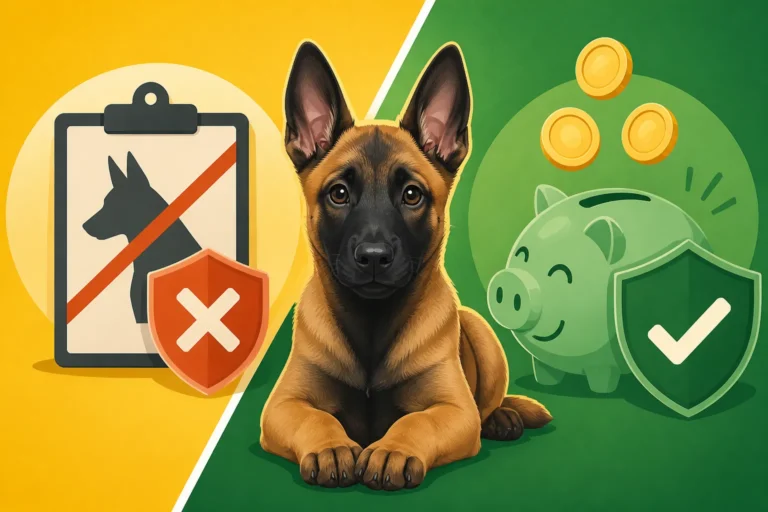
Club Dues for a Malinois Owner in IGP or Ring
It's a common story: you fall head over heels for the intelligence and drive of a Belgian Malinois puppy, you pay the purchase price, and you think you're ready for everything. But then you quickly realize that owning one of these incredible dogs, especially if you want to get into sports like IGP or Ring, comes with a whole other set of financial commitments that sneak up on you, often starting with those club dues. This guide is here to walk you through what those club dues entail, why they're so crucial, and how to prepare for them so you can truly thrive with your high-octane Malinois.
Understanding the Financial Commitment of Sport Dog Ownership Beyond the Puppy Price
When you decide to bring a Belgian Malinois into your life, whether it's for sport, work, or just as an active companion, there's an immediate focus on the initial costs. Everyone talks about the puppy price, the crate, the first bag of food, and maybe even a few vet visits. But what often gets overlooked is the persistent, ongoing financial commitment that really adds up, especially when you dedicate yourself to advanced dog sports.
The Initial Sticker Shock Versus the Ongoing Reality
Let's be real, the price of a well-bred Malinois puppy can certainly cause a bit of sticker shock. You might have saved diligently, thinking that once you paid the breeder, the biggest hurdle was over. But that's just the tip of the iceberg, isn't it? Owning a Malinois, particularly one destined for IGP (International Gebrauchshund Pruefung, formerly IPO or Schutzhund) or Ring sports, is less of a casual hobby and more of a lifestyle. These dogs thrive on consistent, challenging work, and providing that isn't just about time and effort; it's also about a significant financial investment in their training and health. You’ll find yourself thinking about things like What a Year With a Working Belgian Malinois Costs long after the puppy breath has faded.
The reality is that IGP and Ring sports require specialized facilities, experienced trainers, and constant access to equipment and decoys. These aren't things you can typically find for free at your local park. Instead, they come bundled into the cost of club membership – the infamous "club dues" that become a regular part of your budget. Many new Malinois owners, swept up in the excitement of a high-drive dog, don't fully factor these recurring expenses into their long-term financial planning, leading to stress down the line.
Why Club Dues Are More Than Just a Membership Fee
It’s easy to look at a club membership fee and think of it like a gym membership, a simple access pass. But for Malinois owners in IGP or Ring, club dues are so much more. They're an investment in a highly specialized ecosystem designed to develop your dog's immense potential. These aren't just arbitrary charges; they cover essential resources that are impossible to replicate on your own.
Think about it: where else are you going to find a seasoned decoy who understands the nuances of grip development and courage testing for your Malinois? Where will you find a dedicated field with regulation-height jumps, blinds, and tracking areas that meet sport specifications? The truth is, these resources are almost exclusively found within organized clubs. Your dues directly contribute to maintaining these facilities, compensating the skilled professionals who guide your training, and ensuring that the necessary, often expensive, equipment like bite suits, sleeves, and specific obstacles are available and kept in good condition. Without these clubs, pursuing IGP or Ring at any serious level would be virtually impossible for the average owner.
The Core Investment: What IGP and Ring Sport Clubs Offer for Your Dues
When you join an IGP or Ring sport club, you're not just buying a pass; you're gaining entry to a dedicated community and a structured environment that is absolutely vital for training a high-drive Belgian Malinois. These clubs are the backbone of the sport, providing the resources and expertise that simply cannot be found anywhere else.
Access to Expertise and Specialized Training Facilities
One of the primary benefits, and indeed the core investment, of your club dues is unparalleled access to experienced individuals and specialized training grounds. For a Malinois, proper development in protection work, obedience, and tracking demands a level of precision and consistency that only comes from working with skilled decoys and coaches. These aren't just dog trainers; they're masters of their craft, understanding canine behavior, drive mechanics, and the intricate rules of IGP and Ring. Their time and knowledge are invaluable.
Beyond the people, clubs provide the physical infrastructure. Imagine trying to set up a full IGP tracking field, complete with varied terrain and scent pads, or a Belgian Ring field with its specific obstacles like the palisade, the ditch, and the various jumps. These facilities are often costly to maintain, and your dues contribute directly to keeping them in top condition for consistent training. For example, ensuring you have a steady supply of high-value training treats from a reputable source like Chewy can be essential for motivation during intense sessions, and your club environment provides the ideal setting to utilize such tools effectively. This access means you’re not just training, you’re training effectively and safely within the parameters of the sport.
Community, Networking, and Mentorship Opportunities
While the facilities and expertise are concrete benefits, the community aspect of sport dog clubs is often an underappreciated, yet incredibly valuable, return on your investment. Let's face it, owning a Belgian Malinois can sometimes feel like you're speaking a different language than other dog owners. Their intensity, their drive, their sheer need for work – it's not for everyone. Finding a group of like-minded individuals who get it is a huge relief.
Club membership fosters a strong sense of camaraderie. You'll be surrounded by people who understand the triumphs and tribulations of training a high-drive dog. This network provides invaluable opportunities for mentorship, where seasoned handlers can offer advice, share tips, and help you navigate the inevitable challenges that come with a Malinois. From troubleshooting a specific obedience exercise to offering insights on nutrition for peak performance (perhaps even recommending brands like Ollie for high-quality food), the collective wisdom within a club is immense. Plus, you’ll find training partners who can help you proof behaviors or simply offer encouragement when you feel like you're hitting a wall. This social support is crucial for both you and your dog's success and mental well-being.
Breaking Down the Typical Cost Structure of Sport Dog Club Dues
So, what do these club dues actually look like? It's not usually a flat, one-time fee. Instead, you'll often encounter a combination of annual memberships and additional charges for specific services, all designed to cover the overhead of running a specialized training facility and compensating the skilled personnel. Understanding this structure helps you budget more effectively.
Annual Membership Fees: The Baseline Investment
Most IGP and Ring sport clubs operate on an annual membership model. This is your baseline investment, granting you general access to the club's facilities and basic training sessions. These fees can vary significantly depending on several factors. For instance, a club located in a high cost-of-living area or one boasting multiple titled decoys and extensive, well-maintained private grounds might have higher annual dues than a smaller, more rural club that primarily uses public land or has fewer permanent structures.
These annual fees typically cover a portion of the general operating costs: insurance for the club, maintenance of equipment (like the jumps, blinds, and field marking tools that you can't buy at your average pet store), and administrative expenses. While I can't give you exact figures, expect these to be a significant line item in your yearly budget for your Malinois. It’s part of the comprehensive financial picture, which also includes things like Feeding a Belgian Malinois That Works Every Day and other regular expenses.
Additional Session Fees and Equipment Contributions
Beyond the annual membership, it's very common for sport dog clubs to have additional fees. The most frequent of these are per-session charges, especially for protection work. Decoy time is highly specialized and demanding work, and compensating these individuals fairly is paramount. You might pay a fee each time you work your dog with a decoy, or for specific coached obedience or tracking sessions. These fees ensure the decoys are appropriately paid for their expertise and physical effort.
Furthermore, clubs often require or appreciate contributions towards equipment. High-quality bite suits, sleeves, and various tugs that are resilient enough for a Malinois's powerful bite can be incredibly expensive. Clubs may hold fundraisers, or sometimes individuals are expected to contribute to a shared fund or even purchase their own specialized Bite Suits, Sleeves and Tugs a Malinois Owner Buys over time. This layered cost structure ensures that the club can maintain a high standard of training, which ultimately benefits every dog and handler who is part of the community. It’s a collective effort to keep the training top-notch, and considering pet insurance like Healthy Paws might be a wise move to cover potential injuries that could arise from such intense training sessions, ensuring that your financial planning accounts for all possibilities.
The True Value Proposition: Beyond the Dollars and Cents
While it's important to talk about the financial outlay, the true value of club dues extends far beyond the monetary investment. For a Belgian Malinois, consistent engagement in sports like IGP or Ring is not just a recreational activity; it's a fundamental part of their well-being. The benefits to both dog and handler are profound and often priceless.
The Unquantifiable Benefits for Your Malinois
A Malinois that is consistently engaged in challenging, structured work is a happy Malinois. Their immense drive and intelligence, which can become problematic without an outlet, are channeled into productive tasks. When your dog is actively participating in IGP or Ring, they are fulfilling their genetic potential. This isn't just about physical exercise; it's about intense mental stimulation, problem-solving, and the deep satisfaction of working as a team with their handler. This kind of work helps them develop into a well-balanced, confident dog, rather than one that struggles with pent-up energy or behavioral issues.
The consistent training regimen, under expert guidance, also contributes significantly to their physical conditioning. Sport dogs are athletes, and proper training ensures they build muscle, improve stamina, and maintain a healthy weight. This can lead to a longer, healthier life, and a reduced risk of certain health problems down the road. It’s a proactive approach to their health, often leading to a dog that can stay sound and active for years, contributing to Keeping a Belgian Malinois Sound Past Twelve. The bond you forge with your Malinois through these shared endeavors is something truly special, built on trust, communication, and mutual respect, which is something you simply can't put a price tag on.
The Long-Term Savings Through Preventative Care and Skill Development
Investing in quality club training can actually lead to long-term savings in unexpected ways. A well-trained, well-exercised Malinois is far less likely to develop destructive behaviors or separation anxiety that can cost a fortune in damaged property or behavioral specialist fees. Think about it: a dog with an "off switch" built through discipline and fulfillment is less likely to chew through furniture or bark incessantly. The foundational obedience learned in a club environment, for example, from Obedience a Malinois Needs Before Protection Work, makes them a better housemate and a more manageable dog in public.
Furthermore, the emphasis on proper physical conditioning and technique in sport training can significantly reduce the risk of injuries that often plague active dogs. While a high-drive Malinois will always be prone to Injuries a Bite Sport Belgian Malinois Collects, professional guidance on warm-ups, cool-downs, and correct form can help mitigate some of those risks. Should an injury or illness occur, having a plan for high-quality nutrition, perhaps from a brand like Ollie, can support recovery, and comprehensive pet insurance from Healthy Paws can be a lifesaver when those inevitable vet bills, like The Vet Bills a Bite Sport Belgian Malinois Runs Up, start piling up. By investing in proactive training and care through club membership, you're investing in a dog that is less likely to need expensive interventions in the future, both behaviorally and medically.
Navigating Club Choices and Financial Planning for Malinois Sports
Embarking on the journey of IGP or Ring sports with your Belgian Malinois is a significant commitment. Choosing the right club and realistically planning your finances are two critical steps that will set you up for success and ensure a rewarding experience for both you and your dog.
Researching Clubs: What to Look For Beyond the Dues
Before you commit to a club, it's absolutely vital to do your homework. Don't just pick the closest one or the cheapest one. The "fit" between you, your dog, and the club's philosophy is paramount. Start by observing training sessions without your dog. Do the trainers and decoys align with your personal training style and goals? Are they experienced with Malinois and their specific needs? A good club will prioritize positive reinforcement and clear communication, even in protection work.
Consider the atmosphere: Is it supportive and encouraging, or overly competitive and critical? A healthy club environment is one where members help each other grow. Also, assess the facilities – are they safe, well-maintained, and appropriate for the sport? Proximity also plays a role; frequent training is key, so a reasonable commute is important. You want a place where your Malinois, regardless of whether it's The Twenty Five Thousand Dollar Trained Belgian Malinois or a pet with sport potential, can thrive. Don't be afraid to ask questions about their training philosophy, their success rates, and what's expected of members. Finding a Club That Will Take a Belgian Malinois can be a journey in itself.
Budgeting for a High-Drive Sport Dog Lifestyle
Once you’ve identified a potential club, it’s time to get serious about your budget. The costs associated with Malinois sports go beyond just club dues. You need to factor in everything from high-quality performance food (like the tailored nutrition from Ollie) to vet care, specialized equipment, and potential travel expenses for trials. Creating a dedicated, realistic budget will help prevent financial surprises and allow you to fully enjoy the journey with your dog.
Remember to consider variable costs such as entry fees for trials (like What It Costs to Enter a a Malinois in a Trial), potential travel and lodging, and unexpected vet bills. Having an emergency fund or robust pet insurance like Healthy Paws is not a luxury, but a necessity for a sport dog. By meticulously planning and understanding all the potential outlays, you can ensure that your Malinois receives the training and care they need to excel, without placing undue stress on your personal finances.
Here’s a simplified example of how you might break down annual costs for a Malinois engaged in IGP or Ring sports, keeping in mind that actual figures will vary widely:
| Category | Description | Estimated Annual Cost Shape |
|---|---|---|
| Club Dues | Annual membership to a sport dog club (includes general facility access, some basic training). | Varies, often in the hundreds of dollars. |
| Session Fees | Per-session charges for decoy work, specialized coaching, workshops. | Can range significantly based on frequency and trainer rates. |
| Dog Food | High-quality performance kibble or fresh food for an active Malinois. Brands like Chewy or Ollie. | Consistent monthly expense, often in the high dozens to hundreds. |
| Vet Care | Annual check-ups, vaccines, parasite prevention. Basic health. | Yearly, usually hundreds. |
| Sport-Specific Vet Care | Proactive joint supplements, injury assessment, rehabilitation, potential emergency care. Healthy Paws. | Variable, can run into thousands if major injury occurs. |
| Training Equipment | Tugs, collars, leashes, e-collars, long lines, tracking articles. | Initial purchase can be hundreds, ongoing replacement varies. |
| Trial Entry Fees | Costs to enter official IGP or Ring trials. | Varies by number of trials entered, often dozens to hundreds per event. |
| Travel & Lodging | For out-of-town trials, seminars, or specialized training. | Highly variable, can add hundreds to thousands depending on distance. |
| Miscellaneous | Toys, grooming supplies, unexpected expenses. | Dozens monthly. |
Disclaimer
This article is for general informational purposes only and does not constitute professional advice. Laws, prices and regulations vary by location and change over time. Consult a qualified professional for guidance on your specific situation.