What a Mondioring Weekend Costs a Malinois Handler
Stepping into the exhilarating world of Mondioring with your Belgian Malinois is an incredible commitment, bringing unparalleled satisfaction and a deep bond. But let's be absolutely honest from the start: it's not just about the hours of training and the sweat equity. A Mondioring weekend, whether it's a trial or an intense seminar, comes with a real price tag, and understanding those financial demands upfront can save you a lot of stress down the road. This guide is here to walk you through the various expenses you might encounter, so you can budget wisely and focus on the incredible work you and your Malinois are doing.
Deconstructing the Core Financial Outlays for a Mondioring Weekend
When you first consider entering a Mondioring trial or attending a specialized training seminar, your mind probably jumps straight to the entry fee, and rightly so. That's the most obvious cost staring you in the face. However, there's a whole lot more that goes into it, especially once you factor in getting yourself and your high-drive dog to the event.
The Entry Fee: Your Ticket to the Ring
Every Mondioring trial or high-level seminar will have a base entry fee. This fee covers your participation, the use of the venue, payment for the judges, decoys, and other staff vital to running a smooth and legitimate event. These fees are usually non-refundable or have strict refund policies, so it's crucial to be certain of your commitment before you send in that check or hit "submit" online. Think of it as your passport to showcasing all the hard work you've poured into your Malinois. It’s the gateway, but definitely not the whole journey. This upfront cost is standard across nearly all competitive dog sports, and Mondioring, with its complex requirements and specialized personnel, is no exception. It can feel like a significant chunk, but it’s what enables the entire event to exist.
You'll often find different fee structures depending on the level of competition (e.g., Mondioring I, II, or III) or the length and intensity of a seminar. A single day workshop might have a different price point than a three-day immersion. It's always best to check the specific club's website or the event flyer well in advance for precise figures. Remember, this fee directly supports the infrastructure of the sport, from the skilled decoys who take the hits to the judges ensuring fairness and adherence to rules.
Travel Expenses: Getting There is Half the Battle
Mondioring clubs and suitable training venues aren't always conveniently located just down the street. For many handlers, a Mondioring weekend involves significant travel. This can quickly become one of the most substantial costs, especially if you're chasing specific judges, decoys, or looking for a particular training environment.
Fuel and Vehicle Wear and Tear
If you're driving, which most people do when traveling with a dog and gear, you'll need to account for fuel. Depending on the distance, this could range from a couple of tanks to multiple fill-ups. Beyond that, consider the wear and tear on your vehicle. Long drives, especially with a fully loaded vehicle (crates, equipment, luggage, dog food, water), put stress on tires, brakes, and the engine. It's a hidden cost, but a real one, impacting your vehicle's maintenance schedule. Sometimes, getting your vehicle checked over before a long trip is a wise preventative measure to avoid breakdowns far from home.
For instance, driving from a rural area in Ohio to a major trial in Pennsylvania, or even further south to a highly regarded club in North Carolina, means not just fuel but hours on the road. And if you're fortunate enough to have a dedicated dog vehicle with specialized climate control or crating systems, the initial investment for those comforts also factors into your long-term cost. Keeping your Malinois safe and comfortable during transit is paramount.
Airfare and Dog Cargo Fees
For those truly dedicated or living in regions with fewer Mondioring opportunities, flying might be necessary. This ramps up the costs considerably. Human airfare alone can be high, but then you add the specialized fees for transporting your Malinois as cargo. These fees are based on the size and weight of your dog and crate, and airlines have very specific requirements for crates, health certificates, and even temperature restrictions. Flying a Belgian Malinois In From the Netherlands gives you a glimpse into the complexities of air travel with these dogs, even if that post is about international transport, many of the principles of care and cost translate.
This isn't a simple booking process; it requires careful planning, veterinary checks, and adherence to airline regulations, which can change. The cost of a certified travel crate alone can be substantial, and then there are vet visits for necessary health certificates, which might be a different animal than your regular annual check-up.
Accommodation: A Place to Rest Your Head (and Your Dog's)
Finding dog-friendly accommodation, especially for a Belgian Malinois, can be a challenge and often comes with its own set of fees.
Hotel Pet Fees
Many hotels that allow pets charge an additional fee per night or per stay. These fees can range wildly, and some have breed or size restrictions. Always confirm their pet policy before booking. It’s heartbreaking to arrive after a long drive only to find your Malinois isn't welcome. Some hotels are genuinely dog-friendly, offering amenities, while others simply tolerate pets for a fee. You might also be limited to specific rooms or floors.
When looking at options, consider the safety and comfort of your dog. A crate is non-negotiable for many Malinois handlers in a hotel room, providing a safe, familiar space for your dog and protecting the room from potential damage. Don't forget, a tired, stimulated Malinois can still be destructive if left unsupervised in an unfamiliar place.
Airbnb or VRBO Rentals
These platforms can sometimes offer more flexibility and space, often with yards or less stringent pet rules, but they too typically include pet fees or increased cleaning charges. The benefit here is often a more "home-like" environment, which can be less stressful for some dogs than a bustling hotel. You might also get a kitchen, allowing you to prepare your own meals and your dog's, which can save on food costs.
However, just like with hotels, verify the pet policy and any associated fees explicitly with the host. There’s nothing worse than assuming your dog is welcome only to find out upon arrival that there's a hefty, unbudgeted charge or, worse, a refusal of entry.
Beyond the Entry Fee: Hidden Expenses That Add Up
The core costs are usually easy to spot, but it’s the less obvious, often underestimated expenses that can truly inflate the bill for a Mondioring weekend. These are the things that sneak up on you if you haven't planned for them.
Sustenance: Fueling Yourself and Your Malinois
Training and competing in Mondioring is physically and mentally demanding for both handler and dog. Proper nutrition is critical, and it adds to the overall cost.
High-Quality Performance Dog Food
Your Malinois isn't just a pet; they're an athlete. They need a diet that supports their intense energy output and recovery. While you might already feed a premium food, traveling and competing can sometimes require bringing extra, or even a specific travel-friendly formula. Brands like Chewy and Ollie offer convenient delivery services, ensuring you have the right food for your working Malinois without last-minute scrambling. What Performance Kibble Costs for a Malinois is a good read on how specialized food impacts your budget. You might also want to bring along supplements, which can also add up.
Many handlers will bring pre-measured portions to ensure consistency and ease of feeding during the busy trial schedule. Maintaining their regular diet is important to avoid stomach upset or energy dips. Hydration is also key; always bring plenty of water from home, as changes in water can also upset sensitive stomachs.
Handler Meals and Snacks
When you're focused on your dog, your own meals can become an afterthought, leading to expensive impulse purchases. Eating out for every meal over a weekend adds up fast. Packing your own snacks, drinks, and even some easy meals (sandwiches, salads) can significantly reduce this expense. Consider what you need to stay energized and focused, rather than what’s convenient at the nearest gas station or fast-food joint. It’s hard to perform your best when you’re hungry or dehydrated.
Equipment Wear and Tear: The Tools of the Trade
Mondioring is tough on gear. Your existing equipment will see increased use and potential damage during a trial or seminar.
Replacement Tugs, Sleeves, and Collars
High-quality training equipment isn't cheap, and it wears out. Tugs get shredded, sleeves take a beating, and even leashes and collars can show signs of stress under the immense power of a Malinois in full drive. You might not need to buy new gear for the weekend, but consider the ongoing cost of replacing items more frequently due to the intensity of Mondioring. If you're working with new or unfamiliar decoys, their techniques might put different stresses on your equipment.
It's wise to have a backup of critical items like a specific leash or collar that you rely on. Imagine a vital piece of gear failing right before your turn in the ring! Investing in durable, sport-specific equipment from reputable vendors is a necessity, not a luxury, in Mondioring.
Crate Maintenance and Upgrades
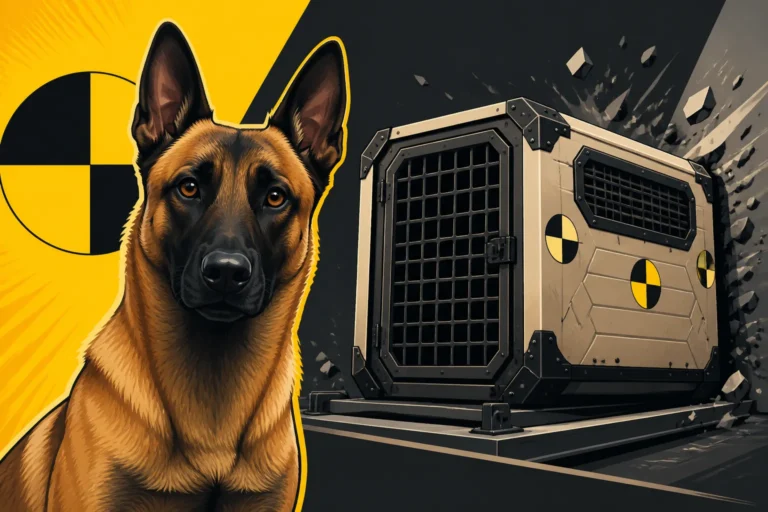
Your dog’s crate is their safe haven, especially when traveling or at an event. Heavy-duty, crash-tested crates are a significant investment, but they also withstand the rigors of travel and housing a powerful Malinois. Regular cleaning, potential repairs, or even upgrading to a larger size as your puppy grows are all costs to factor in over time. Crash Tested Transport Crates for a Malinois covers the importance of secure travel.
A robust crate ensures your dog's safety in transit and provides a secure, familiar space at the trial grounds or in your accommodation, promoting relaxation amidst the excitement.
Veterinary Preparedness and Emergency Fund
Accidents, unfortunately, can happen. Being prepared for potential veterinary needs is a crucial, if unpleasant, part of responsible ownership, especially with such an athletic breed.
Pre-Trial Health Check-ups
Some competitions might require a vet check before participation. Even if not mandatory, a pre-travel check-up with your veterinarian is a good idea to ensure your Malinois is in peak condition and address any minor issues before they become major problems. This can include anything from checking paw pads to ensuring vaccinations are up to date.
Having a healthy, sound dog is your best defense against unexpected vet bills during or after a trial. Discussing your dog's activity level and upcoming events with your vet helps them provide tailored advice.
Emergency Fund or Pet Insurance
This is perhaps the most important "hidden" cost. A torn ligament, a broken tooth from an overzealous bite, or even an upset stomach from stress can lead to significant veterinary bills. Having an emergency fund specifically for your dog or investing in comprehensive pet insurance like Healthy Paws can provide immense peace of mind. Emergency Care After a Malinois Training Injury details how quickly costs can escalate.
You never want to be in a position where you have to choose between your dog's health and your finances. Mondioring, by its nature, involves high-impact activities, and injuries, though rare with proper conditioning, are always a possibility. A robust pet insurance plan can cover a significant portion of unexpected surgical procedures, diagnostic tests, or extended care.
Strategic Cost-Saving Measures for Mondioring Handlers
While Mondioring can be expensive, there are definitely ways to manage and minimize the financial impact without compromising your dog's training or well-being. Smart planning and a bit of creativity can go a long way.
Leveraging Club Memberships and Group Training
Becoming an active member of a local Mondioring or protection sport club is not just about camaraderie; it's a smart financial move.
Discounted Field Time and Decoy Access
Club members often receive discounted rates for training sessions, field usage, and access to club-owned equipment. This can save you a significant amount compared to paying for individual private sessions or renting facilities. Many clubs also have established relationships with decoys, making access to skilled helpers more consistent and potentially more affordable. Club Dues for a Malinois Owner in IGP or Ring will explore this further.
Furthermore, being part of a club means you're part of a community. Members often share resources, knowledge, and sometimes even equipment, further reducing individual costs. It's a network that supports both your dog's training and your wallet.
Shared Travel and Accommodation
Traveling with fellow club members can split costs for fuel and potentially allow for shared accommodation. Booking a larger Airbnb with multiple handlers and their dogs can be much more cost-effective than individual hotel rooms. This not only saves money but can also make the travel experience more enjoyable and less stressful.
Imagine carpooling with a friend from your club to a trial a few states away. You share gas costs, take turns driving, and can even share the load of watching the dogs during breaks. This kind of mutual support is invaluable in dog sports.
Smart Shopping for Supplies and Nutrition
Being a savvy shopper can cut down on recurring expenses for your Malinois's daily needs.
Bulk Purchasing and Subscription Services
For dog food and treats, consider buying in bulk, especially if you have storage space. Many online retailers, including Chewy, offer subscription services that provide discounts and free shipping on recurring orders. This ensures you never run out and often saves a few dollars per bag. Ollie, known for fresh dog food, also has subscription models that can be tailored to your Malinois's needs, offering a convenient and potentially cost-saving way to maintain a high-quality diet.
Look for sales and loyalty programs from your preferred pet supply stores. Every little bit saved on essentials adds up over time. Don't underestimate the impact of consistent, small savings.
DIY Gear Maintenance and Repairs
Learning basic gear maintenance, like minor repairs to leashes, collars, or even patching up bite sleeves, can extend the life of your equipment. While major damage should always be handled by professionals or lead to replacement, minor wear and tear can often be addressed with a little ingenuity and some basic repair supplies.
This also means being diligent about cleaning and storing your equipment properly after each use. Dirt, sweat, and sun exposure can all shorten the lifespan of your expensive Mondioring gear.
Maximizing Training Efficiency
Efficient training isn't just about results; it's about making the most of every dollar spent on lessons, field time, and equipment.
Focused Sessions and Clear Goals
Go into every training session with clear objectives. A well-planned, focused session is far more productive than a haphazard one, meaning you get more value out of your time with a decoy or on the training field. This reduces the need for extra sessions to correct foundational issues or repeat poorly executed exercises.
Before you even step on the field, know what you want to achieve. Communicate clearly with your decoy or training partner. Are you working on grip development? Out? Obedience in distractions? Building Engagement With a Belgian Malinois is paramount to making your training efficient and effective.
Cross-Training and Conditioning at Home
Integrating home-based conditioning and obedience work can supplement your specialized Mondioring training, potentially reducing the frequency of paid club sessions. Activities like focused obedience drills, fitness exercises, and even mental stimulation games can build your Malinois's foundation and keep them sharp between formal training days. The Mental Work That Finally Tires a Malinois Out highlights creative ways to work your dog.
This doesn't replace dedicated Mondioring work, but it ensures your dog arrives at club sessions prepared and ready to tackle the sport-specific challenges, maximizing the value of that time. You can work on things like Building a Malinois's Place Command or refining their recall in a controlled environment, reinforcing good habits without the cost of a dedicated decoy.
Is It Worth It? The Intangible Returns of Mondioring
After looking at all these costs, you might be asking yourself if a Mondioring weekend is truly worth the investment. Financially, it's a commitment, but the returns often transcend monetary value, offering deep satisfaction and growth.
The Unbreakable Bond and Partnership
There’s an unparalleled depth to the relationship you forge with your Belgian Malinois through Mondioring. The trust, communication, and mutual understanding required to perform these complex routines under pressure solidify a bond that few other activities can rival. Every trial, every training session, is a testament to the partnership you’ve built, a partnership that money simply cannot buy.
The pride you feel when your Malinois performs flawlessly, anticipating your cues and executing tasks with precision and drive, is an extraordinary experience. It's a shared journey of challenges overcome and goals achieved, reinforcing your connection with your dog.
Skill Development and Enhanced Performance
Each Mondioring weekend, whether it's a win or a learning experience, contributes to the continuous development of both you and your Malinois. You refine your handling skills, learn to read your dog better under pressure, and gain valuable feedback from judges and experienced handlers. Your Malinois, in turn, sharpens their obedience, protection, and agility skills, becoming a more well-rounded and capable working dog.
The skills honed in Mondioring spill over into other areas of your life with your dog, making them a more reliable, confident, and well-behaved companion. The discipline and focus gained are transferable.
Contributing to Breed Preservation
For many, participating in Mondioring is more than just a personal hobby; it’s a way to contribute to the preservation and promotion of the Belgian Malinois breed. By showcasing the breed's incredible intelligence, athleticism, and working ability, you help maintain the standards and working integrity that make Malinois so special. Achieving titles in demanding sports like Mondioring validates the quality of a Malinois's lineage and potential for future generations.
It’s about demonstrating what this breed is truly capable of, beyond just being a pet. It highlights their mental fortitude, courage, and physical prowess, qualities that are vital for the breed's continued legacy as an elite working dog.
The Invaluable Community and Learning Opportunities
Mondioring weekends are also incredible opportunities to connect with a passionate community of like-minded individuals. You'll meet other handlers, judges, and decoys who share your dedication and can offer insights, advice, and support. These events are fertile ground for learning, whether through observation, informal conversations, or structured critiques.
The collective experience and knowledge within the Mondioring community are immense. You'll gain valuable perspectives, learn new techniques, and find encouragement that can fuel your passion and improve your performance. This network of friends and mentors often becomes an indispensable part of your Malinois journey.
Mondioring Weekend Costs at a Glance
To give you a clearer picture, here’s a breakdown of the typical cost categories you might encounter for a Mondioring weekend. Remember, specific numbers will vary wildly based on location, event, and your personal choices.
| Cost Category | Description | Typical Fluctuation Factors |
|---|---|---|
| Entry Fee | Your payment for participation in the trial or seminar. | Level of competition (I, II, III), duration of event, club rates. |
| Travel | Fuel/airfare, tolls, vehicle maintenance, dog cargo fees. | Distance, mode of transport, airline policies, vehicle efficiency. |
| Accommodation | Hotel rooms, pet fees, Airbnb rentals. | Location, pet policy, length of stay, type of lodging. |
| Food & Supplies | Dog food, treats, supplements, handler meals, snacks. | Brand choices, eating out vs. packed meals, special dietary needs. |
| Equipment & Gear | Wear and tear on existing gear, potential need for backups or replacements. | Intensity of work, quality of existing gear, unexpected damage. |
| Veterinary Prep/Fund | Pre-trial check-ups, emergency fund allocation, pet insurance premiums. | Dog's health, insurance provider, deductible, coverage limits. |
| Miscellaneous | Souvenirs, unexpected parking fees, tips, unforeseen minor expenses. | Personal spending habits, venue-specific costs. |
This table helps illustrate that while the entry fee is important, many other factors contribute to the total expense. Budgeting for each of these categories will help you avoid surprises.
Mondioring is a journey, not a destination. Each weekend, whether for training or competition, is an investment in your shared passion and partnership. Understanding the financial landscape allows you to plan effectively, ensuring that monetary concerns don't detract from the incredible experience of working your Belgian Malinois in this demanding and rewarding sport. It's a challenging path, both financially and physically, but for those dedicated to it, the rewards are truly priceless.
Disclaimer
This article is for general informational purposes only and does not constitute professional advice. Laws, prices and regulations vary by location and change over time. Consult a qualified professional for guidance on your specific situation.