What a Green Belgian Malinois Costs at Two Years
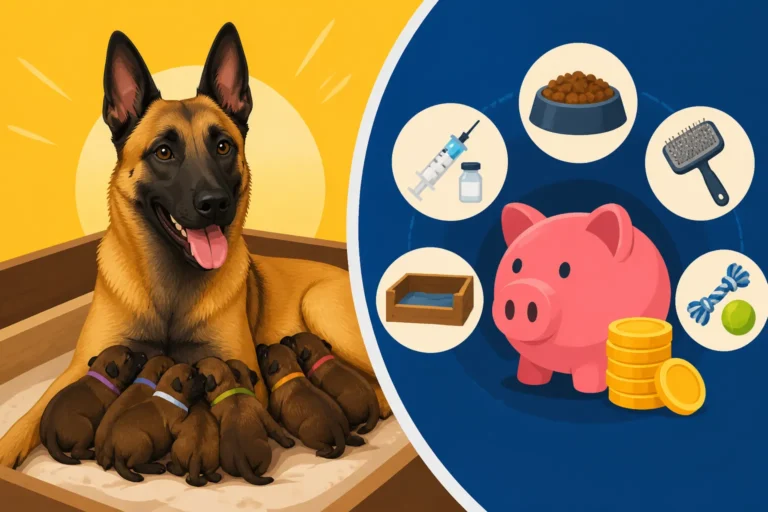
Bringing home a Belgian Malinois is a monumental commitment, and for many, the phrase "green dog" can be a bit of an enigma when trying to budget. You've heard the stories of their drive and intensity, and you know they're not your average couch potato, but what does that truly mean for your wallet, especially when looking at a two-year-old who isn't fully trained? This guide will dive deep into the financial realities of acquiring and caring for a "green" Belgian Malinois at this pivotal age, covering everything from the purchase price to the often-overlooked ongoing expenses.
Understanding What "Green" Means for a Two-Year-Old Malinois
When we talk about a "green" Belgian Malinois, especially at two years old, we're not talking about a dog fresh out of the whelping box. This term carries a very specific meaning within the working dog community, and understanding it is crucial to understanding the price tag and the investment of time, money, and effort you're signing up for. It’s not just about a lack of formal titles; it’s about where the dog is in its developmental and training journey.
What "Green" Really Means for a Malinois
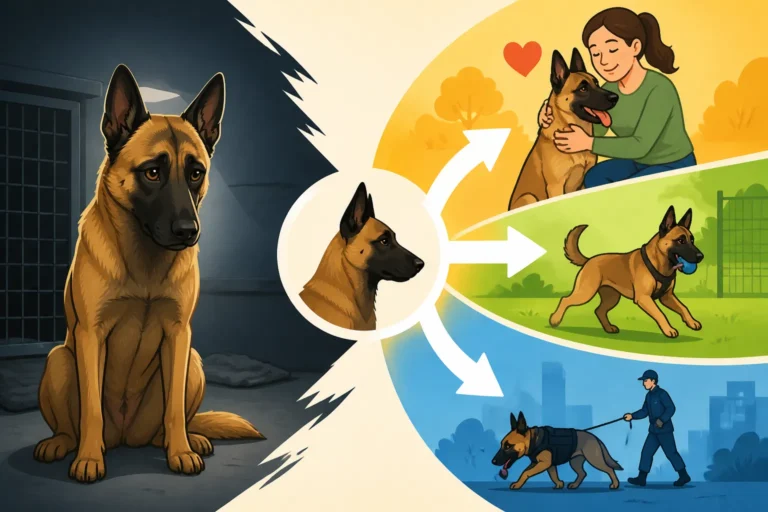
A "green" Malinois is typically a dog that shows strong natural drives and potential for specific working tasks—be it protection sport, detection, or even advanced obedience—but has received minimal to no formal, specialized training in those areas. Think of it like a raw talent: a powerful athlete who has the physical gifts but hasn't yet had a dedicated coach to hone those skills into a sport-specific discipline. This dog might have excellent house manners, be fully house-trained, and even know basic obedience commands like sit, stay, and come, but it hasn't been consistently exposed to the intricacies of bite work, scent discrimination, or complex obedience routines under heavy distraction.
The "green" status also means the dog's true temperament and working suitability are still somewhat unproven in a structured environment. They might have a phenomenal retrieve drive, but have they been taught a solid "out"? Do they have a good bite on a puppy rag, but have they seen a full bite suit? This stage is often the sweet spot for experienced handlers looking to mold a dog precisely to their needs and preferences, without having to undo someone else's training mistakes. However, for a novice, it represents a significant undertaking.
Why Two Years is a Key Age for a Green Malinois
The two-year mark is often considered a transition point for many dog breeds, and for a Belgian Malinois, it's particularly significant. By this age, most Malinois have passed through the tumultuous adolescent period, which typically peaks around 12-18 months. The intense puppy biting and relentless energy of the younger months often start to temper slightly, though they are by no means "calm." Physically, they are largely finished growing in height, and their bones and joints are nearing full maturity, making them more ready for serious physical conditioning and impact work. Mentally, they are capable of longer training sessions and more complex problem-solving.
More importantly, at two years old, a Malinois’s core drives and temperament are usually well-established and evident. You can clearly see their prey drive, fight drive, nerve, and environmental stability. A good breeder or former owner will have a solid understanding of the dog’s inherent strengths and weaknesses, even without formal training. This age allows a buyer to assess the dog’s potential more accurately than a young puppy, while still having ample time to shape its training and development without inheriting years of ingrained habits—good or bad. It's often when a professional trainer or an experienced owner decides if a dog has what it takes for a serious working career, or if it might be better suited for a high-drive companion home.
Initial Purchase Price Considerations for a Green Two-Year-Old Malinois
The sticker price for a green two-year-old Belgian Malinois can vary wildly, reflecting not just the dog itself but the journey it's had so far and the potential it carries. Unlike puppies where prices are more uniform within a litter, an older green dog’s value is a dynamic calculation based on several factors. It's not just about the upfront cost; it's about what that cost represents in terms of quality and future investment.
Breeder Reputation and Bloodlines
The breeder or previous owner's reputation plays a colossal role in the price of a green Malinois. If the dog comes from a renowned working line breeder known for producing exceptional police, military, or sport dogs, the price will naturally be higher. These breeders invest heavily in health testing, selective breeding, and often start basic foundational work themselves. A dog from a top European KNPV or French Ring line, even if "green," will command a premium due to its genetic potential and the decades of careful breeding behind it. You might find that What a Malinois With Titled Parents Costs gives you a better idea of why these prices can soar, even for a dog still in its early training.
Conversely, a green Malinois from a less reputable source, perhaps an accidental litter or a backyard breeder, will be significantly cheaper. While a lower price might be tempting, it often comes with a higher risk of health issues, unstable temperament, or a lack of verifiable lineage. For a two-year-old, a questionable background can be a major red flag, as behavioral problems often start to manifest strongly around this age. It's an investment in genetics and temperament, and cutting corners here often leads to more expensive problems down the line.
Health Clearances and Guarantees
Any reputable sale of a two-year-old Malinois should come with comprehensive health clearances for hips, elbows, and eyes. At two years, these critical screenings for conditions like hip and elbow dysplasia can be considered "final" by organizations like OFA (Orthopedic Foundation for Animals), providing a clear picture of the dog's structural soundness. A green Malinois with excellent, verifiable clearances from both parents and itself will always fetch a higher price because it significantly reduces your risk of future veterinary expenses related to these common debilitating conditions.
Furthermore, a responsible seller should offer a health guarantee. While most puppy guarantees cover genetic issues up to a certain age, a guarantee for a two-year-old might be slightly different. It might focus on specific genetic conditions or provide assurance regarding the dog’s current health status. Understanding The Guarantees in a Malinois Sale Agreement can protect you from unforeseen medical costs that could arise shortly after purchase. If a dog lacks these clearances, or if the seller is unwilling to provide them, the price should reflect that increased risk, and you should proceed with extreme caution, factoring in the potential cost of running these diagnostics yourself.
Geographic Location and Import Considerations
Where the Malinois is located can also influence its initial cost. A green Malinois from a local, well-known breeder might have one price, but if you're looking at importing a dog from Europe—which is common for serious working lines—the costs escalate dramatically. Beyond the purchase price from the European breeder (which can already be substantial for a dog with potential), you’ll face considerable expenses for airfare, import permits, customs fees, and potentially a quarantine period depending on the country. Shipping a dog internationally can easily add thousands of dollars to the total cost.
Even within the United States, transportation costs can be significant if you're buying from a breeder across the country. Factor in air cargo fees, a health certificate from a vet, and a travel crate. Driving to pick up the dog might save on airfare but adds vehicle expenses, lodging, and your time. These logistics are often overlooked in the excitement of finding the right dog but are very real financial components of acquiring a green two-year-old Malinois.
Immediate Post-Purchase Costs and Initial Training Investments
Bringing home a green two-year-old Malinois isn't just about the purchase price; it's the start of a whole new set of immediate financial responsibilities. These initial costs, especially in the first few weeks and months, lay the groundwork for a healthy and well-adjusted working companion. Skimping here can lead to bigger problems—and bigger bills—down the road.
Veterinary Onboarding: Initial Check-ups and Vaccinations
Even if your green Malinois comes with a clean bill of health and up-to-date vaccinations, a comprehensive veterinary check-up within the first few days is non-negotiable. This initial visit allows your vet to establish a baseline for the dog's health, verify vaccination records, and conduct a thorough physical examination. They might recommend specific tests, such as a fecal exam to check for parasites, or a full blood panel to assess organ function and screen for any underlying issues that weren't apparent. If the dog's vaccination history is incomplete or uncertain, booster shots or a full series might be necessary.
Beyond vaccinations, consider parasite prevention. Most Malinois, especially those from working environments, will need ongoing protection against heartworm, fleas, and ticks. These preventative medications are monthly expenses but are far less costly than treating a full-blown infestation or a serious disease like Lyme disease or heartworm. Expect this initial veterinary visit to run anywhere from $150 to $400, depending on the tests and treatments deemed necessary. It's a foundational investment in your dog's long-term well-being.
Basic Equipment and Setup
A two-year-old Malinois, green or otherwise, needs robust equipment that can stand up to its power and drive. This isn't the time to buy flimsy, budget items. A secure crate is paramount, not just for house-training but for providing a safe den and managing downtime. For a Malinois, you'll need a heavy-duty, escape-proof crate; cheap wire crates often don't last long against a determined Malinois. Quality collars (flat buckle and possibly a prong collar if you're experienced in its use), sturdy leashes, and long lines are essential for control and training. Many handlers find durable, high-quality gear from brands like Kong or Ruffwear holds up well.
Food and water bowls, a comfortable (and chew-proof) bed, and a variety of enrichment toys are also immediate necessities. Chew toys, puzzle toys, and strong tugs are vital for channeling their energy and predatory drives appropriately. Remember that a Malinois can make short work of most "indestructible" toys, so you'll be replacing them regularly. Many owners find value in bulk buying supplies from retailers like Chewy, which can offer competitive pricing and convenient delivery for these ongoing needs. Don't forget a secure tie-out stake if you need a temporary outdoor restraint, though supervision is always key.
Early Training and Socialization Investments
Even a green two-year-old Malinois, assumed to have some basic manners, will benefit immensely from early, structured training with its new handler. This isn't just about teaching commands; it's about building a bond, establishing clear expectations, and learning how your new dog thinks and reacts. Puppy classes aren't appropriate, but advanced obedience, engagement work, and focused socialization are crucial. If you're new to Malinois, a good trainer is not an option, it's a necessity. Look for trainers experienced with high-drive working breeds.
Costs for training can vary dramatically. Group classes might be $150-$300 for a six-week session. Private sessions with an experienced Malinois handler, which are often recommended to address specific issues or get tailored guidance, can run from $75-$200 per hour. Some people opt for a What a Malinois Board and Train Program Costs, which can be thousands of dollars but provides intensive, professional training. Remember, a two-year-old still needs thoughtful socialization to new environments, people, and appropriate dogs. While not a direct cost, poorly managed socialization can lead to behavioral issues that will become costly down the line.
Ongoing Care and Maintenance Expenses
The initial costs of a green Malinois are just the beginning. Owning one of these incredible dogs is a long-term financial commitment, and it's the consistent, ongoing care that truly adds up over their lifespan. Being prepared for these recurring expenses is crucial for providing a high quality of life for your active companion.
High-Quality Nutrition Needs
A Belgian Malinois, especially one with high drive and a working aptitude, needs a diet that fuels its intense energy levels and supports its lean, muscular build. This isn't the place to cut corners. High-quality kibble from reputable brands with good protein sources will likely be a significant monthly expense. Performance formulas, often higher in protein and fat, are frequently chosen by working dog owners. The exact cost will depend on the brand, formula, and the dog's activity level, but expect to spend anywhere from $60 to $120+ per month on kibble alone. You can learn more about this specific cost in What Feeding a Working Malinois Costs Each Month.
Some owners opt for fresh food diets or raw feeding, which can be even more expensive, sometimes doubling or tripling the cost of premium kibble. Brands like Ollie are gaining popularity for their fresh, human-grade meal plans, but they come with a higher price tag. Supplements, such as joint support, fish oil for coat and skin health, or probiotics for gut health, are also common additions, adding another $20-$50+ monthly. Finding the right balance of nutrition for your Malinois’s specific needs might require trial and error, but consistent, high-quality food is an investment in their health and performance.
Routine Veterinary Care and Preventative Medicine
Even the healthiest Malinois needs regular veterinary care. Annual check-ups, which include a physical exam and sometimes routine bloodwork, are essential for catching potential issues early. These visits typically cost $100-$250, not including any additional diagnostics or treatments. Beyond the annual exam, you'll need to continue with monthly heartworm, flea, and tick preventatives, which can cost $20-$40 per month.
As your Malinois ages, or if it's heavily involved in sport or work, specific preventative measures or monitoring might be recommended. This could include regular dental cleanings under anesthesia (which can be $500-$1000+), or more frequent bloodwork if any minor health concerns arise. While Malinois are generally a healthy breed, their active lifestyle can predispose them to certain injuries or conditions, making regular vet visits critical.
Continued Training and Engagement
The training journey with a Malinois is never truly "finished." A two-year-old green dog is ready for serious work, and this means ongoing investment in training classes, club memberships, and specialized equipment. If you're pursuing protection sport (like IGP or Ring Sports), detection, or advanced obedience, you'll likely join a club. Club dues can range from $50 to $200 per year, and weekly training sessions often incur additional field fees or decoy fees, adding another $20-$50 per session.
Specialized equipment for these sports—like bite sleeves, tugs, tracking articles, or scent kits—can be expensive to acquire and need regular replacement as they wear out. Even if you're not pursuing formal titles, keeping a Malinois mentally and physically engaged requires creativity and often investment in agility equipment, puzzle toys, or even just high-quality training treats. The cost of a good decoy and the consistent training efforts are detailed in Club Dues, Decoys and Equipment for a Malinois, highlighting the financial commitment required for true engagement.
Hidden Costs and Unexpected Surprises
While you can budget for food and routine vet visits, it's often the unforeseen expenses and the "hidden" costs that truly surprise new Malinois owners. These are the areas where the breed's unique characteristics—their intensity, intelligence, and physical capabilities—can translate directly into unexpected financial outlays. Being aware of these possibilities can help you prepare.
Behavioral Challenges and Professional Help
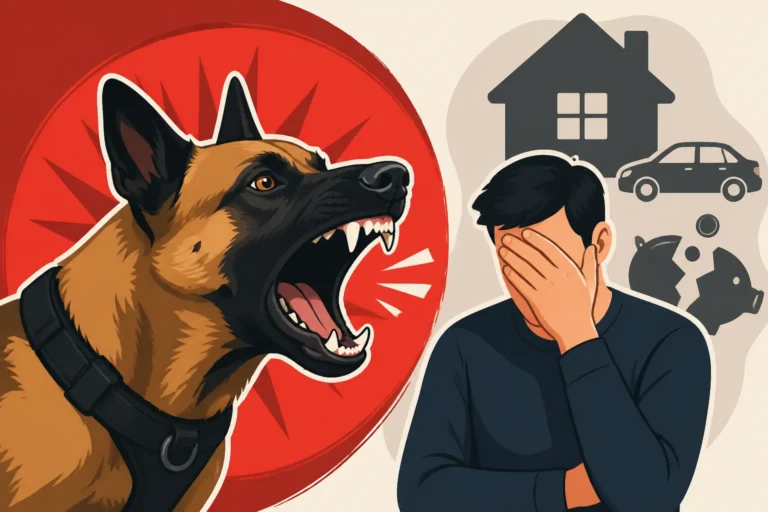
A green two-year-old Malinois, while past the puppy stage, can still present significant behavioral challenges, especially if its previous environment or lack of appropriate stimulation has led to issues. These dogs are incredibly smart and driven, and if their needs aren't met, they can develop destructive behaviors, reactivity towards other dogs or people, separation anxiety, or obsessive tendencies. Addressing these issues often requires professional intervention.
Working with a certified professional dog trainer or behaviorist specializing in working breeds can cost anywhere from $100-$300 per hour for private sessions. A comprehensive behavioral assessment, often needed to diagnose complex issues, can run $200-$500 or more. If behavioral medication is prescribed in conjunction with training, those are additional monthly costs. The cost of a behaviorist to assess a Malinois, while high, is often a necessary investment to prevent problems from escalating further, potentially saving you from larger future expenses or even the heartbreak of rehoming.
Injury and Emergency Veterinary Care
Belgian Malinois are athletes, and like any athlete, they are prone to injuries. Their high drive and boundless energy mean they often push themselves to the limit, sometimes beyond. Common injuries can include torn ligaments (like a cranial cruciate ligament tear, which often requires surgery), fractures, sprains, or soft tissue damage from hard landings, rough play, or demanding training. Even something as simple as a torn nail can require a vet visit and pain management. We’ve explored Cruciate Surgery Prices for a Belgian Malinois, and let me tell you, those bills can be in the thousands.
Emergency vet visits for acute injuries or sudden illnesses are notoriously expensive. A late-night trip to an animal emergency clinic can easily cost $500-$2,000 just for diagnostics and initial treatment, with complex surgeries or extended hospital stays climbing into the five figures. This is where pet insurance from providers like Healthy Paws can be a lifesaver, helping to mitigate the financial shock of unexpected medical emergencies. Without insurance, a dedicated emergency fund is absolutely essential.
Time Investment: The Most Valuable Cost
While not a direct monetary cost, the time investment required for a green two-year-old Malinois is perhaps the most significant and often underestimated "expense." These dogs need a job, structured exercise, and consistent mental stimulation every single day. Two hours of dedicated, focused work is often the minimum, and this isn't just a casual walk around the block. This means training sessions, mental games, structured fetch, tracking, or advanced obedience.
If you cannot provide this level of daily engagement, the dog will find its own job, and it’s rarely one you’ll appreciate—like dismantling your furniture, digging craters in your yard, or developing neurotic behaviors. The time spent training, exercising, and managing a Malinois directly impacts its well-being and prevents costly behavioral issues. This isn't a dog you can leave alone for 10 hours a day with just a quick potty break. The opportunity cost of your time, and the potential damage to your home if that time isn't invested, is a hidden cost you must factor in.
Crafting a Realistic Budget for Your Green Malinois
Bringing a green two-year-old Belgian Malinois into your life is a significant decision, financially and otherwise. It requires meticulous planning, a deep understanding of their needs, and a realistic outlook on the associated costs. You don't want to find yourself in a situation where you can't provide for your dog, or worse, have to make difficult choices due to financial strain.
Creating a Realistic Financial Plan
Before you even start looking for that perfect green Malinois, sit down and map out a detailed budget. This isn't just a mental exercise; put it on paper or in a spreadsheet. Start with the initial purchase price, factoring in breeder costs, potential import fees, and transportation. Then, list all immediate post-purchase expenses: initial vet visit, vaccinations, microchipping, high-quality crate, leashes, collars, toys, and a supply of premium food. Consider ordering some of these essential supplies from online retailers like Chewy to potentially save money and ensure timely delivery.
Next, itemize your ongoing monthly and annual costs: food (and supplements), heartworm/flea/tick prevention, routine vet check-ups, club dues, training sessions, and replacement of destroyed equipment or toys. Don't forget licensing fees, grooming supplies, and potential boarding costs if you travel. Be honest with yourself about these numbers. It's often helpful to add a 10-20% buffer for unexpected costs, as something always comes up.
Considering Pet Insurance and Savings
For a high-drive, active breed like the Belgian Malinois, pet insurance is a serious consideration, not a luxury. Given their propensity for injuries and the high cost of emergency veterinary care, a good pet insurance policy can save you thousands of dollars if an accident or serious illness occurs. Research different providers like Healthy Paws and their plans, paying close attention to deductibles, reimbursement rates, and annual limits. Ensure the policy covers injuries typical of active dogs. What Insuring a Two Year Old Malinois Runs Monthly can give you an idea of the monthly premiums to expect, which vary based on location, age, and coverage level.
Even with pet insurance, it's wise to maintain a separate savings account specifically for your dog. This fund can cover your deductible, co-pays, and any expenses not covered by insurance. Aim to have at least $1,000-$2,000 readily available for unforeseen circumstances. This dual approach of insurance and savings provides a robust financial safety net, allowing you to prioritize your Malinois's health without undue financial stress.
The Long-Term Commitment Beyond Finances
While this guide focuses on the monetary aspects, it's vital to remember that a green two-year-old Malinois is a long-term commitment that transcends dollars and cents. These dogs typically live for 12-14 years, sometimes even longer, and every single one of those years demands your active participation, patience, and understanding. The initial costs are a drop in the bucket compared to the lifetime of love, training, and care you'll provide.
A Malinois demands a significant investment of your time, energy, and emotional bandwidth. They thrive on routine, structure, and a clear leader. If you're not prepared for this unwavering dedication, the financial costs will be the least of your worries. Owning a green Malinois at two years old is about taking a dog with immense potential and molding it into a magnificent, well-adjusted partner. It's an incredibly rewarding journey, but one that requires a full and honest assessment of your resources – financial, physical, and emotional.
| Expense Category | Estimated Initial Cost (One-Time) | Estimated Monthly Cost (Ongoing) | Notes |
|---|---|---|---|
| Acquisition | $2,000 – $8,000+ | – | Purchase price, potential import/transport fees. |
| Initial Vet Care | $150 – $400 | – | Exam, vaccinations, deworming, microchip. |
| Equipment | $300 – $800+ | $20 – $50 | Crate, leashes, collars, bowls, chew-proof bed, toys (replacements). |
| Training (Early) | $150 – $1,500+ | $50 – $200+ | Group classes, private sessions, potential board & train. |
| Food & Supplements | – | $60 – $150+ | High-quality kibble, fresh food, or raw; joint & other supplements. |
| Preventative Meds | – | $20 – $40 | Heartworm, flea, tick. |
| Routine Vet (Annualized) | – | $10 – $20 | Annual exam, some bloodwork (spread monthly). |
| Pet Insurance | – | $40 – $100+ | Premiums for accident & illness coverage. |
| Club Dues/Training Fees | – | $20 – $100+ | Membership, field fees, decoy fees. |
| Miscellaneous/Emergency | ($1,000-$2,000 savings goal) | $50 – $100 | Fund for unexpected vet bills, behavioral help, damage. |
| Total Estimated First Year | $3,610 – $11,500+ | $250 – $760+ | (Monthly costs x 12, plus initial costs) |
Note: These figures are estimates and can vary significantly based on location, specific product choices, trainer rates, and the individual needs of your dog.
Disclaimer
The information provided in this article is for general informational purposes only and does not constitute professional veterinary, financial, or training advice. Always consult with a qualified veterinarian for any health concerns regarding your Belgian Malinois. For financial decisions, seek advice from a financial professional. When dealing with training or behavioral issues, consult with a certified professional dog trainer or behaviorist experienced with working breeds. Individual costs and needs will vary.