Where Surrendered Belgian Malinois End Up
Bringing a Belgian Malinois into your life is a huge commitment, and often, despite the best intentions, circumstances change, or the reality of owning such a dynamic breed proves overwhelming. It's a heartbreaking situation for everyone involved, especially for the dog, when an owner decides they can no longer provide the care a Malinois needs. This comprehensive guide will explore the various paths a surrendered Belgian Malinois might take, from specialized rescues to general shelters, and discuss the critical factors that influence their journey to a new, loving home.
The Stark Reality of Malinois Surrenders
It’s a tough truth that many Malinois owners eventually face: the breed is not for everyone. While their intelligence, drive, and athleticism are incredibly appealing, they come with a responsibility level that far exceeds many other breeds. When that reality hits, or life throws a curveball, owners often find themselves in the agonizing position of needing to rehome their beloved dog. This isn't a decision made lightly, and it's almost always fraught with guilt and sadness. Understanding why these dogs are surrendered and what kind of Malinois typically ends up in the system is crucial to addressing the problem.
Common Reasons Leading to Relinquishment
You wouldn't believe the sheer number of reasons people give for surrendering a Malinois, but most boil down to an honest misunderstanding of the breed's needs or an unexpected change in life circumstances. Often, it's a combination of both. Many people fall in love with the idea of a powerful, intelligent dog they see on social media or in movies, without truly grasping "Why a Belgian Malinois Is the Wrong First Dog". They might get a puppy, only to find that its biting is relentless, or its energy levels are astronomical and far beyond what a few walks a day can handle.
Another huge factor is behavioral issues that stem from a lack of appropriate training and mental stimulation. A Malinois isn't just a dog you take to basic obedience classes; they demand a job, structure, and consistent guidance. Without it, they can become destructive, anxious, or even reactive, which can quickly turn a peaceful home into chaos. Imagine coming home to shredded furniture, a dug-up yard, or constant barking because your Malinois is bored out of its mind. This often leads to stress, friction within the family, and ultimately, the feeling that the dog is too much to handle. Sometimes, families discover that "The Household a Belgian Malinois Wrecks" is their own, and they feel there's no way out.
Life changes are also a significant contributor. A new baby, a job loss, a divorce, military deployment, or even a move to a place with breed restrictions can force an owner's hand. These are often situations where the owner truly loves their dog but simply cannot provide for it anymore, through no fault of the dog or the original commitment. It’s important to remember that not all surrenders are due to irresponsible ownership; many are a tragic outcome of life's unpredictable nature.
The Typical Profile of a Surrendered Malinois
So, who are these dogs, these beautiful, driven Belgian Malinois finding themselves without a home? Interestingly, while some puppies are surrendered due to biting or hyperactivity, a significant portion of surrendered Malinois are adolescents or young adults, typically between 8 months and 3 years old. This is the age when their full physical and mental drive kicks in, and if they haven’t received consistent training and outlets for their energy, their "puppy behaviors" can escalate into more serious problems. This is also the age when they start to solidify their protective instincts, and if not managed properly, this can manifest as reactivity towards strangers or other dogs.
You’ll often find these dogs haven’t been properly socialized beyond their immediate family unit, meaning they struggle in new environments, around unfamiliar people, or with other dogs. They might be entire (not spayed or neutered), lacking basic obedience, and bursting with pent-up energy. Many of them haven't been exposed to different sights, sounds, or experiences in a positive way, making them anxious and easily overwhelmed. This isn't to say they're "bad" dogs; far from it. They are simply Malinois being Malinois, often without the guidance and outlet their genetics demand. They are diamonds in the rough, full of potential, but needing a skilled hand to polish them. This is often "Why So Many Belgian Malinois Are Rehomed."
The Initial Journey: Intake and Assessment
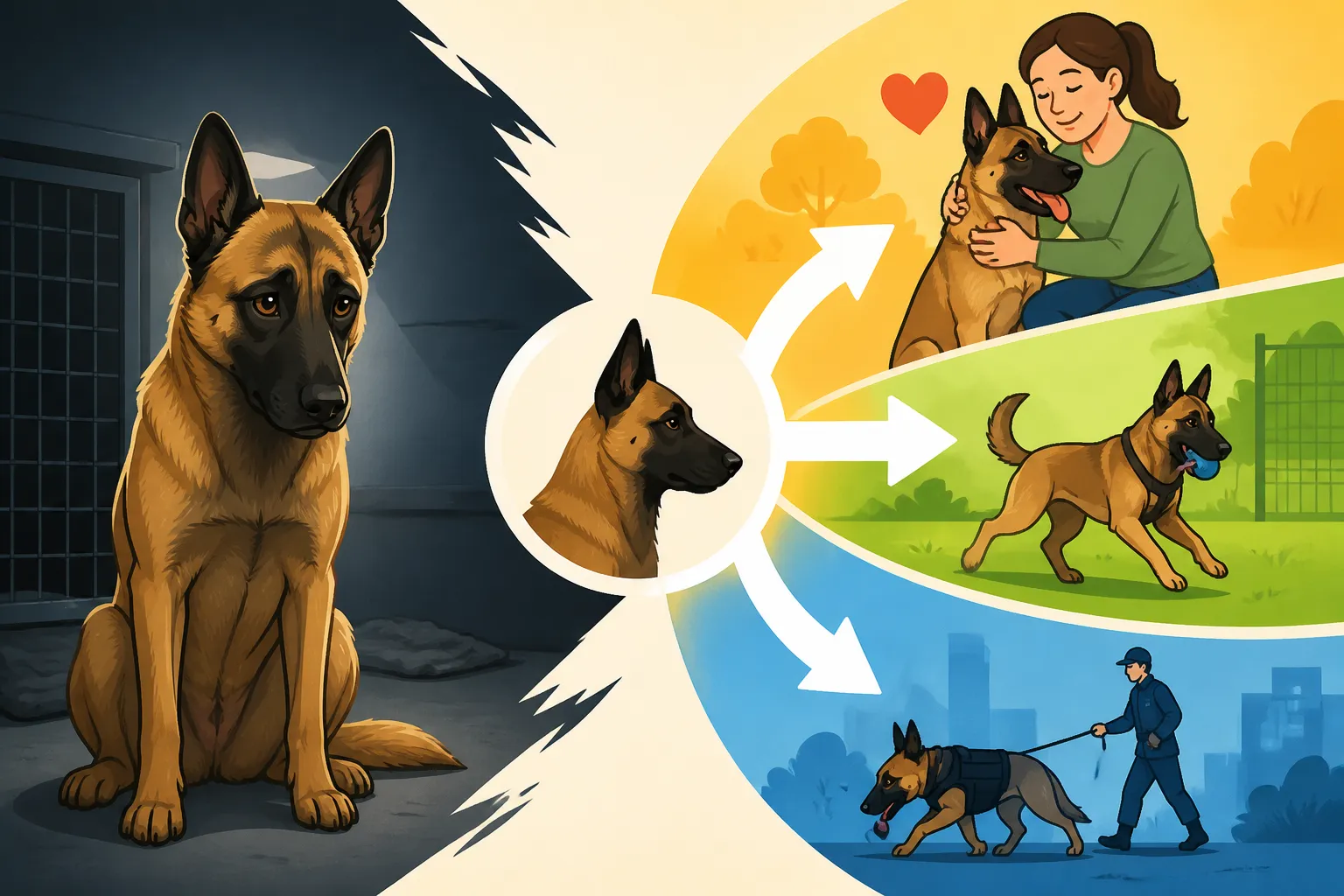
Once the painful decision to surrender is made, the Malinois embarks on a new, often bewildering journey. The first steps involve intake and assessment, which can vary significantly depending on whether the dog goes to a general animal shelter or a breed-specific rescue. These initial evaluations are critical, setting the stage for the dog's future, and they are designed to understand the dog's temperament, health, and potential needs.
Procedures in General Shelters
When a Belgian Malinois enters a general municipal or county animal shelter, the process is typically standardized for all breeds, which can present unique challenges for a dog as intense and complex as a Malinois. First, there's the intake paperwork, collecting basic information about the dog's history, known behaviors, and medical records from the surrendering owner. However, this information can often be incomplete or sugar-coated due to the owner's guilt or fear.
Next, the dog undergoes a preliminary health check, vaccinations, and often, spay/neuter surgery if not already done. They are then placed in a kennel, which, for a high-drive Malinois, can be incredibly stressful. The constant noise, unfamiliar smells, and lack of individual attention can quickly lead to kennel stress, manifesting as pacing, barking, or even self-mutilation. While shelter staff do their best, they are often overwhelmed with numbers and simply don't have the time or specialized knowledge to properly assess and manage a Malinois's unique needs. A Malinois used to constant activity and human interaction can quickly decline in a kennel environment.
Behavioral assessments in general shelters are usually brief and broad, designed to flag immediate aggression or extreme fear. They might involve seeing how the dog reacts to a leash, treats, or a quick interaction with a stranger. However, these assessments rarely capture the full picture of a Malinois's personality or potential, especially when they are stressed or shut down in a new environment. A Malinois might appear "cage aggressive" due to fear, or "aloof" due to stress, leading to misinterpretations that hinder their chances of adoption.
Protocols in Breed-Specific Rescues
Breed-specific Belgian Malinois rescues operate with a deep understanding of the breed's intricacies, which means their intake and assessment protocols are much more tailored. When a Malinois is accepted into such a rescue, the first step is usually a thorough interview with the surrendering owner, often probing much deeper into the dog's history, daily routine, triggers, and previous training attempts. This helps build a comprehensive profile before the dog even arrives.
Upon arrival, the Malinois typically goes directly into a foster home rather than a shelter kennel. This immediately reduces stress and allows the dog to decompress in a more natural, home-like environment. The foster family, often experienced Malinois owners themselves, will observe the dog's behavior, interactions with people and other pets, and general temperament over days or weeks. This extended observation provides invaluable insights that a brief shelter assessment simply cannot. Foster parents will note everything from house-training status to toy drive, reactivity to noises, and how the dog settles in a home.
Medical care in breed-specific rescues is also highly specialized. They understand the common health issues in Malinois, such as Pannus or specific joint concerns, and often work with vets who are familiar with the breed. They'll ensure comprehensive vet checks, necessary vaccinations, spay/neuter, and address any immediate health concerns. If a Malinois has been severely "kennel-stressed" or under-socialized, a rescue is far more equipped to begin the process of "Rehabilitating a Belgian Malinois That Was Kenneled", providing the patient, consistent care needed to bring them back to equilibrium.
Life in a Specialized Malinois Rescue
For a surrendered Belgian Malinois, landing in a breed-specific rescue is often the best possible outcome. These organizations are typically run by passionate volunteers and experienced handlers who truly understand the breed's demanding nature. They provide an environment where the Malinois isn't just another dog in a kennel, but an individual whose unique needs are recognized and met.
Tailored Care and Training Approaches
Specialized Malinois rescues don't just provide food and shelter; they offer a comprehensive program of tailored care and training. Knowing that most surrendered Malinois lack appropriate stimulation and structure, these rescues prioritize rebuilding a dog's confidence and providing mental and physical outlets. Foster homes are key here. A foster parent, armed with an understanding of "The Structure a Belgian Malinois Needs Every Day", will implement routines that include regular exercise, structured play, and consistent obedience work. This isn't just about walks; it involves active engagement, puzzle toys, and reinforcing good manners in a home setting.
Many rescues work with professional trainers who specialize in high-drive working breeds. These trainers help address specific behavioral issues, teach new skills, and provide guidance to foster parents. They might introduce methods to build an "off switch" or channel intense prey drive into appropriate outlets like tug or fetch. The goal is to set the dog up for success in a future home, making them a more manageable and enjoyable companion. This personalized approach is a stark contrast to the generalized care available in most municipal shelters. The emphasis is on understanding the individual dog, not just applying a one-size-fits-all solution.
Rigorous Adoption Processes and Support
The adoption process for a Belgian Malinois from a specialized rescue is notoriously thorough, and for good reason. These rescues are dedicated to finding forever homes where the dogs will thrive, not just survive. They know the breed inside and out and are acutely aware of the potential pitfalls if a Malinois goes to an unprepared owner. Expect a detailed application that delves into your past dog experience, living situation, lifestyle, and your understanding of the breed’s needs. This often includes questions like "The Questions a Malinois Rescue Asks Applicants".
Beyond the application, there are typically vet reference checks, home visits, and extensive interviews. Some rescues even require applicants to spend time volunteering or fostering to truly understand the commitment involved. This might seem like a lot of hoops to jump through, but it’s all aimed at preventing another surrender down the line. They want to ensure potential adopters are ready for "What a Year With a Working Belgian Malinois Costs", not just in terms of money, but in time, energy, and dedication.
Once adopted, these rescues often provide ongoing support, advice, and a community for adopters. They understand that even with the best preparation, challenges can arise, and they want to be a resource rather than see the dog re-enter the system. This commitment to long-term success is a hallmark of breed-specific rescue organizations. It's often debated "Whether a Rescue Belgian Malinois Is a Realistic Option", and while challenging, the support from these dedicated groups makes it much more feasible. In terms of financial aspects, while "What Malinois Rescues Charge and Require" in adoption fees can seem significant, it barely covers the vet care, training, and feeding these dogs receive.
Navigating General Animal Shelters
While breed-specific rescues offer ideal environments, the reality is that many surrendered Belgian Malinois initially end up in general animal shelters. These facilities are the front line for all homeless animals, and while staff are often dedicated and caring, the sheer volume and diversity of breeds can make it incredibly challenging to meet the specific needs of a high-drive working dog like a Malinois.
Unique Challenges for High-Drive Breeds
Imagine being a Belgian Malinois, bred for intense work and constant mental engagement, suddenly confined to a small, noisy kennel in a general shelter. The environment itself is antithetical to their nature. They thrive on routine, purpose, and strong human bonds. In a shelter, these are largely absent. The constant barking, the strange smells, the unpredictable schedule, and the lack of consistent interaction can quickly lead to immense stress and behavioral regression. Many Malinois will become increasingly anxious, frustrated, or reactive in this setting.
Their high energy, which might be a huge asset in a working home, becomes a detriment in a shelter. They might jump, chew, bark incessantly, or demonstrate barrier frustration, all of which can be misinterpreted by potential adopters as aggression or unruliness. Without the specific outlets they need – like focused training, agility, or scent work – their drives can become misdirected, leading to destructive behaviors within their kennel or making them difficult to handle for the average volunteer. This is also why many general shelters or even daycares find it difficult to accommodate them, reflecting concerns similar to "Why Most Daycares Turn a Malinois Away".
Furthermore, the general public often doesn't recognize or understand the unique needs of a Malinois. They might see an energetic, fawn-colored dog and mistake it for a generic "shepherd mix," without appreciating the depth of commitment required. This leads to fewer inquiries from suitable adopters, and a higher chance of the dog being overlooked, or worse, adopted by someone unprepared, only to be returned again.
The Strain on Resources and Staff
General animal shelters operate on tight budgets and are often stretched thin by the number of animals they care for. Providing specialized care for a Belgian Malinois — which might involve extensive behavioral modification, advanced training, or specific enrichment activities — is often beyond their capacity. Staff and volunteers, while well-intentioned, may not have the specialized knowledge or training experience required for such a demanding breed. They might be able to handle basic dog care but lack the expertise in channeling intense prey drive or managing high-level reactivity specific to Malinois.
The longer a Malinois stays in a shelter environment, the more their mental and physical well-being can deteriorate. They can develop learned helplessness, become increasingly withdrawn, or conversely, escalate in their frustration behaviors. This makes them even harder to adopt out, creating a vicious cycle. The sheer daily demand of cleaning kennels, feeding hundreds of animals, and managing incoming surrenders means there's little time for individualized attention.
In some cases, if a Malinois is deemed too high-risk, too unmanageable, or simply suffers too much from kennel stress, and no rescue or suitable foster can be found, shelters might face the devastating decision of euthanasia. This isn't a reflection of the dog's inherent worth, but a tragic consequence of an overwhelmed system lacking the specialized resources for such a nuanced breed. This is why connecting with breed-specific rescues or experienced trainers is so vital for these dogs.
| Rehoming Path | Pros for a Malinois | Cons for a Malinois | Typical Outcome |
|---|---|---|---|
| Breed-Specific Rescue | Tailored care, experienced handlers, foster homes, specialized training, thorough vetting. | Limited capacity, rigorous adoption process. | High success rate in finding suitable homes. |
| General Animal Shelter | Immediate intake, medical care, spay/neuter. | High stress, lack of specialized care, misinterpretation of behaviors, long stays, potential euthanasia. | Variable, often challenging for high-drive breeds. |
| Owner-Assisted Rehoming | Dog stays in familiar home, owner controls process, can provide full history. | Finding suitable adopter is challenging, potential for misrepresentation, safety risks. | Can be successful if done responsibly. |
| Online Platforms | Wide reach, quick visibility. | High risk of unsuitable adopters, scams, lack of vetting, privacy concerns. | Risky, often leads to further rehoming. |
Alternative Rehoming Avenues
While shelters and rescues are primary destinations for surrendered Malinois, some owners attempt to rehome their dogs through alternative channels. These methods can offer certain advantages, such as allowing the dog to remain in a familiar environment longer, but they also come with their own set of risks and responsibilities.
Owner-Assisted Rehoming and Online Platforms
In an effort to avoid the stress of a shelter, many owners try to rehome their Malinois themselves. This often involves leveraging personal networks, social media, and online pet rehoming platforms. The appeal is clear: the dog doesn't have to experience a kennel environment, and the owner feels more in control of who adopts their dog. They can personally screen potential adopters, provide a full history of the dog, and sometimes even arrange meet-and-greets. This can be a very personal and heartbreaking process, wanting to ensure the dog goes to a home that genuinely understands and can provide for it.
However, finding the right home for a Belgian Malinois through these channels is incredibly challenging. The general public often underestimates the breed, and it’s hard to truly vet someone’s experience and commitment remotely. Without the extensive background checks, home visits, and ongoing support that rescues provide, there's a significant risk of the Malinois ending up in another unsuitable situation. This can lead to the dog being "bounced" from home to home, which is incredibly detrimental to its stability and trust.
Platforms like Petfinder or Adoptapet often facilitate owner-assisted rehoming, allowing owners to create profiles for their dogs. While these platforms have broad reach, owners must exercise extreme caution. There's always a risk of attracting individuals with ill intentions, those seeking a dog for dog-fighting, or simply those completely unprepared for the reality of a Malinois. Thorough questioning, vet checks, personal references, and even home visits by the current owner are paramount to mitigate these risks.
Network of Trainers and Professionals
Another, often more effective, alternative rehoming avenue involves tapping into a network of professional dog trainers, behaviorists, and experienced breed enthusiasts. Many of these professionals are deeply ingrained in the working dog community and understand the nuances of placing a Malinois. They often know of suitable potential adopters who are already active in dog sports, law enforcement, or other working dog disciplines.
If an owner has been working with a dedicated Malinois trainer, that trainer might be an invaluable resource. They've seen the dog's behavior firsthand, understand its drives and temperament, and can accurately assess what kind of home would be the best fit. They might even have a waiting list of clients looking for a "started" or adult Malinois. These professionals can act as a crucial bridge, connecting a dog in need with an experienced home that is truly prepared for its specific demands.
This approach offers a higher likelihood of a successful placement because the vetting process is often informal but extremely stringent, relying on the professional's personal knowledge of both the dog and the potential adopter. They can also provide ongoing training guidance to the new owners, ensuring a smoother transition. However, this relies on the owner already having established relationships within this specialized community. For owners without such connections, this pathway might not be readily available, making it another reason to consider investing in quality training from the outset.
The Financial Underpinnings of Malinois Ownership and Rehoming
Let’s be brutally honest: owning a Belgian Malinois is not cheap. And when things go wrong, the financial strain can become an insurmountable barrier, often leading to the heartbreaking decision to surrender. It's a critical component of understanding why these dogs end up where they do, and it impacts every stage of their journey, from their initial care to their rehoming.
Unforeseen Costs That Push Owners to the Brink
Many prospective Malinois owners focus on the initial purchase price, but that’s just the tip of the iceberg. The ongoing costs associated with a high-drive working breed can quickly spiral. First, there are the vet bills. Malinois are generally healthy, but like any large, active breed, they can be prone to joint issues, injuries from vigorous activity, or conditions like Pannus that require lifelong medication. Even routine checkups, vaccinations, and preventatives add up. Consider asking a potential vet "Anesthesia Protocols for a Lean Belgian Malinois" to understand typical costs for procedures, as these dogs can have unique needs. An unexpected surgery, such as for a torn cruciate ligament (common in active dogs), can easily run into thousands of dollars, a sum many families are simply not prepared for. Pet insurance, from providers like Healthy Paws, can help mitigate these financial shocks, but it's an extra monthly expense some owners forgo.
Beyond medical care, there’s the cost of quality food. A working Malinois burns a lot of calories and needs a high-quality diet to maintain their condition and energy. Performance kibbles are more expensive, and if an owner opts for raw feeding or fresh food delivery services like Ollie, costs can be significantly higher. Then factor in training. A Malinois needs more than just basic puppy classes; they often require advanced obedience, protection sports, agility, or specialized behavioral intervention. These classes, private sessions, or club memberships can be hundreds, if not thousands, of dollars annually. When an owner can't afford these crucial elements, the dog's behavior deteriorates, and the cycle towards surrender accelerates. Toys, durable crates, specialized leashes, and heat alarms for vehicles all add to "What a Year With a Working Belgian Malinois Costs".
The Cost of Responsible Surrender and Rescue Operations
Even the act of surrendering a dog can have financial implications. Some shelters charge a surrender fee, which, while often minimal, can be a hurdle for owners already in financial distress. For those trying to rehome independently, the costs can include advertising, temperament testing, or even boarding the dog temporarily if a new home isn't immediately found. A truly responsible owner might even invest in a behaviorist consultation to better understand their dog’s needs before rehoming, or to provide prospective adopters with a clear picture.
For the rescues and shelters that take in surrendered Malinois, the financial burden is immense. They often come in needing extensive veterinary care, including spay/neuter, vaccinations, microchipping, and treatment for any existing conditions or injuries. Many also require extensive behavioral rehabilitation and professional training to make them adoptable. These organizations rely heavily on donations and fundraising to cover these costs. A simple blood panel, medication for an ear infection, or a dental cleaning can quickly add up, let alone the more serious surgeries or ongoing treatments.
Consider also the cost of food and supplies. Feeding a pack of high-energy Malinois isn't cheap, especially when aiming for quality nutrition. Rescues often partner with companies like Chewy to get discounted food or supplies, but the volume they go through is still substantial. Every collar, leash, bed, and chew toy adds to the operational costs. Ultimately, the adoption fees charged by rescues, which can range from a few hundred to over a thousand dollars, rarely cover the true expense of taking in and rehabilitating a Malinois. These fees help, but the operations are largely fueled by the tireless work and financial contributions of dedicated volunteers and donors.
Proactive Steps to Prevent Surrender
No one wants to see a Belgian Malinois end up in the shelter system. The best way to address the issue of surrendered Malinois is to prevent it from happening in the first place. This means making informed decisions from the very beginning and committing to ongoing education and support throughout the dog’s life.
Realistic Expectations and Preparation
The single most critical step in preventing surrender is having realistic expectations about what it means to own a Belgian Malinois. This isn't a dog you can casually bring home and expect to fit seamlessly into a low-key lifestyle. These dogs are intelligent, intense, and require a significant investment of time, energy, and resources. Before even considering a Malinois, research the breed extensively. Talk to experienced owners, trainers, and breeders. Spend time observing working Malinois in action – at trials, training clubs, or with police K9 units.
Understand that a Malinois puppy is not a cuddly, docile companion. They are often nicknamed "Maligator" for a reason; their biting phase is intense and requires patient, consistent redirection. They need more than just physical exercise; "The Mental Work That Finally Tires a Malinois Out" is just as, if not more, important. This means daily training sessions, puzzle toys, scent work, or participation in dog sports. Ensure your lifestyle genuinely matches these demands. If you work long hours away from home, travel frequently, or prefer a quiet, sedentary life, a Malinois is likely not the right fit. This initial self-assessment, honest and thorough, can save both you and a dog a lot of heartbreak.
Preparation also involves having a financial safety net. As discussed, the costs of a Malinois can be substantial. Budget for quality food, ongoing training, and potential veterinary emergencies. Consider pet insurance from day one. Having these resources in place means that if unexpected challenges arise, you're better equipped to handle them without immediately resorting to rehoming.
Ongoing Training, Enrichment, and Support Systems
Even with the best intentions and preparation, owning a Malinois is a continuous learning experience. Their needs evolve as they mature, and ongoing training and enrichment are non-negotiable. Commit to training beyond basic obedience. Explore dog sports like IGP, agility, or obedience. Engage their minds with scent work or complex puzzle toys. A bored Malinois is a destructive Malinois, and consistent mental stimulation is key to a happy, well-adjusted dog.
Building a strong support system is equally important. Find a local dog club or training group that understands working breeds. Connecting with other Malinois owners can provide invaluable advice, camaraderie, and resources. Don't be afraid to seek professional help from a qualified trainer or behaviorist if you encounter behavioral challenges. Early intervention can prevent minor issues from escalating into major problems that lead to surrender. Many trainers offer specialized guidance on things like "Building an Off Switch Into a Belgian Malinois" or dealing with reactivity.
Furthermore, recognize that life can throw curveballs. Have a contingency plan in place. If you anticipate a job change, a move, or a family expansion, think ahead about how your Malinois's needs will be met. Research pet-friendly housing, explore trusted dog sitters or boarders who can handle a Malinois, and connect with reputable breed rescues before a crisis arises. Having these resources at your fingertips can make all the difference when unexpected life events occur.
How to Support Malinois in Transition
For those of us who adore Belgian Malinois and want to make a difference, there are many ways to support these incredible dogs who find themselves in transition. Whether you have the time, financial resources, or simply the passion to advocate, your help can be a lifeline for a Malinois in need.
Volunteering, Fostering, and Donations
The backbone of any rescue operation, especially breed-specific ones, is its volunteers. If you have experience with high-drive dogs and some free time, volunteering your skills can be immensely valuable. This could involve anything from helping with administrative tasks, transporting dogs to vet appointments, or assisting with fundraising events. Even spending time at a shelter walking or socializing dogs can make a huge difference, offering a brief respite from the kennel stress and providing valuable human interaction.
Fostering is perhaps the most impactful way to help. Opening your home to a surrendered Malinois provides a safe, nurturing environment where the dog can decompress, learn house manners, and get the individualized attention it needs. Foster parents are crucial for assessing a dog’s true temperament outside of a stressful shelter environment, allowing rescues to match them with the most suitable forever home. Fostering literally saves lives by freeing up kennel space and giving the dog a second chance at normalcy. If you're wondering "Whether a Rescue Belgian Malinois Is a Realistic Option" for your home, fostering is an excellent way to dip your toes in and learn about the breed with the full support of an experienced rescue organization.
For those unable to dedicate time or foster, financial donations are always welcome and critically needed. As discussed, the costs associated with rehabilitating and rehoming a Malinois are substantial. Donations help cover vet bills, food, training, and operational expenses. Many rescues also welcome donations of supplies like durable crates, high-quality food (consider brands like Chewy for bulk donations), sturdy leashes, and tough chew toys. Even small, recurring donations can make a big difference in the lives of these dogs.
Advocating for the Breed and Responsible Ownership
Beyond direct support, advocating for the Belgian Malinois breed and promoting responsible ownership is vital. This means being an informed voice in your community, dispelling myths about the breed, and educating others about their true nature and needs. Share accurate information about their high drive, intelligence, and requirement for extensive training and mental stimulation. By painting a realistic picture, you can help prevent impulse adoptions by unprepared individuals.
Support ethical breeders who prioritize health, temperament, and responsible placement over profit. Encourage prospective owners to ask important questions about health clearances, temperament testing, and the breeder’s ongoing support. Similarly, champion reputable rescue organizations and their thorough adoption processes, explaining why such stringent vetting is necessary for a breed like the Malinois.
Finally, be a positive example of responsible Malinois ownership. Show the world what a well-trained, well-socialized, and well-exercised Malinois looks like. Demonstrate the incredible potential and loyalty of this breed when their needs are met. By doing so, you not only improve the public perception of the breed but also inspire others to either responsibly embrace the challenge of a Malinois or recognize that a different breed might be a better fit for their lifestyle.
Disclaimer
Please note that the information provided in this guide is for general informational purposes only and should not be considered professional veterinary, training, or legal advice. Always consult with qualified professionals for specific guidance regarding your Belgian Malinois's health, training, or rehoming needs. The situations and costs discussed are estimates and can vary widely based on location, individual circumstances, and the specific needs of the dog.