Replacing a Bite Tug a Belgian Malinois Destroyed
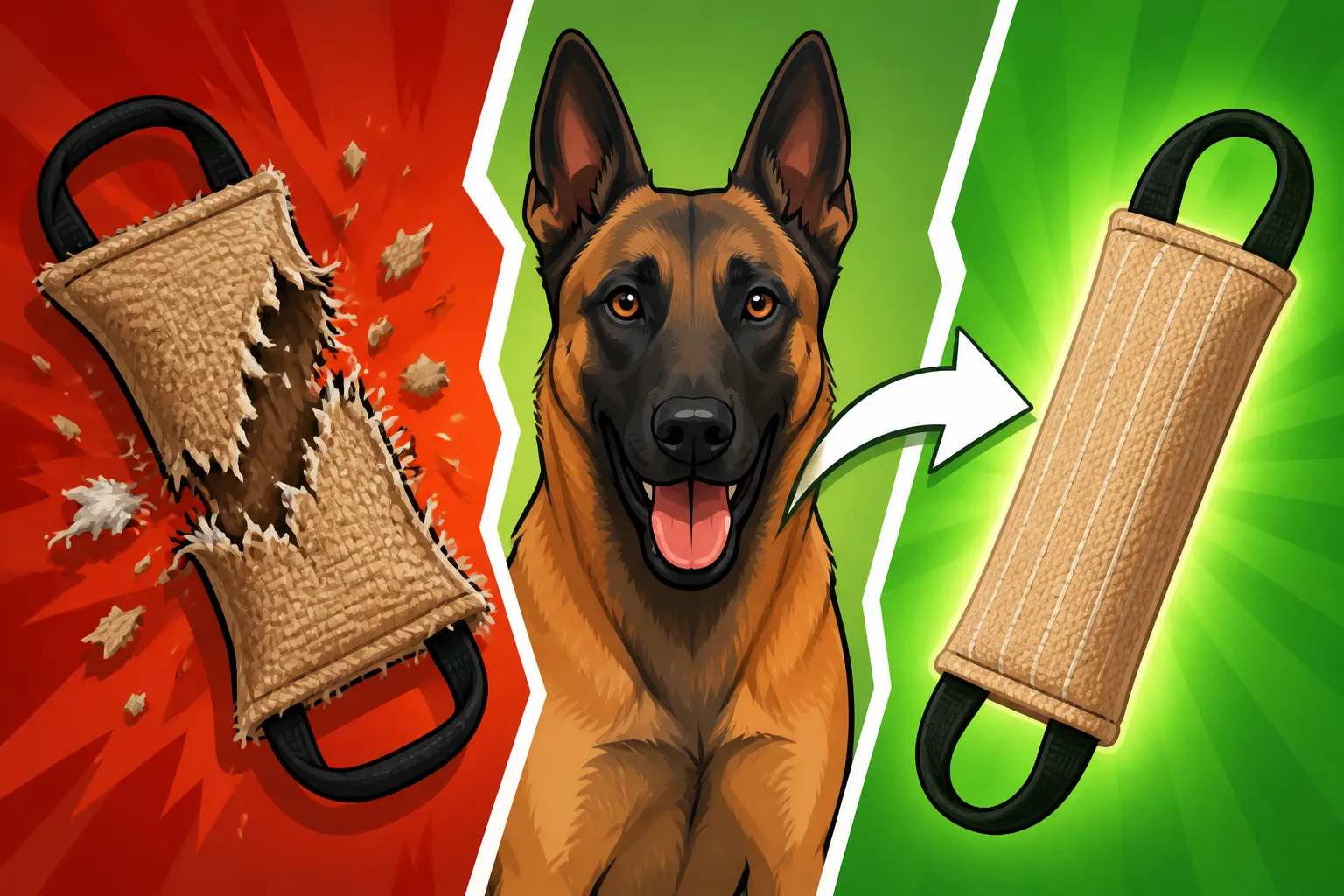
You’ve just watched your fierce, intelligent Belgian Malinois reduce yet another "indestructible" bite tug to a pile of sad, shredded remnants, haven't you? It's a rite of passage for every Malinois owner, a testament to their incredible drive and powerful jaws. This guide is for those of us who are tired of playing tug-of-war with our wallets and want to understand why these essential training tools don't last, how to choose replacements that stand a fighting chance, and what we can do to extend their lifespan.
The Inevitable Demise of the Bite Tug: Why They Don't Last
Let's be honest, a Belgian Malinois isn't just "playing" with a bite tug; they're fulfilling an instinctual drive honed over generations. These aren't your average plush toys meant for a leisurely chew. For a Malinois, a tug represents prey, a challenge, and a critical component of their working life, whether in sport, police work, or even just high-level obedience. The destruction isn't a flaw in the dog; it's a testament to their strength and purpose.
Think about the sheer force a Malinois can generate in its bite. Their powerful jaws, combined with their intense focus and relentless shaking action, are designed to hold and subdue. A tug, no matter how well-made, is inherently a consumable item in the face of this kind of dedicated, high-energy interaction. It’s not just the initial bite that does the damage; it's the continuous clamping, grinding, and twisting during an intense session. When you're What Bite Sport Actually Asks of a Belgian Malinois, you're channeling that immense physical and mental power directly into the tug.
Furthermore, many tugs, especially those not specifically designed for working dogs, simply aren't built to withstand this level of abuse. They might be fine for a casual game of fetch with a different breed, but a Malinois will find the weak points, the stitching, the thinner fabric, or the less dense material, and exploit them with surgical precision. It's often not a matter of if it will break, but when. We often see this intensified during The Shark Phase Every Malinois Puppy Goes Through, where every item becomes a test of durability.
Understanding Tug Materials and Construction for Longevity
When you're constantly faced with replacing a bite tug a Belgian Malinois destroyed, it's easy to get frustrated. But understanding what goes into a high-quality, durable tug can make a huge difference in your purchasing decisions and, hopefully, the lifespan of your next investment. The material, stitching, and overall construction are paramount.
The Science of Strong Materials
Not all materials are created equal when it comes to standing up to a Malinois. You'll primarily find tugs made from jute, French linen, leather, and sometimes specialized rubber or fire hose material. Jute is a classic for a reason; it offers excellent grip and a satisfying, slightly rough texture that dogs love to sink their teeth into. It's durable but will fray over time, eventually giving way. French linen is often considered a step up in durability, offering a smoother but incredibly tough surface. It's very popular in bite work for its balance of give and resilience. Leather is another robust option, especially for tugs meant for very strong chewers or those looking for a specific feel. However, leather tugs need to be genuine, thick leather, not thin or bonded material, which can break down quickly. Rubber tugs, typically solid and hard, are designed for extreme durability and often feature textures to clean teeth, though they may not offer the same "prey feel" as fabric tugs.
The density and weave of the fabric are crucial. A loosely woven jute tug will succumb much faster than a tightly woven, multi-layered French linen tug. For rubber, consider the durometer (hardness) of the material. Softer rubbers might offer more "give" but can be torn or punctured more easily by a determined Malinois. Remember, the goal isn't just to prevent tearing, but to provide a safe, satisfying outlet for their drive.
The Importance of Stout Stitching and Thoughtful Design
Beyond the material, the construction methods are vital. Look for heavy-duty, reinforced stitching. Double or triple stitching with thick, strong thread is a must. Inspect the edges and seams carefully; these are often the first points of failure. If the tug has handles, ensure they are securely integrated, perhaps with multiple passes of stitching or even rivets in some designs, rather than just sewn on lightly. A handle that rips off renders the tug useless, and potentially dangerous if your dog swallows it.
Consider the overall design: is it a flat tug, a pillow tug, or a cylindrical one? Flat tugs might offer less surface area for concentrated chewing, but can also be easier to shred if not incredibly robust. Pillow tugs, with their bulk, often provide more resistance and surface area for the dog to engage, making them excellent for Channeling a Belgian Malinois's Prey Drive Into a Tug. Some tugs incorporate multiple layers of material for added strength, while others feature a flexible core. The goal is a design that can withstand the intense forces applied during proper tugging, allowing your dog to engage fully without immediately destroying the toy.
Here’s a quick overview of common tug materials and their general characteristics:
| Material Type | Durability for Malinois | Grip/Feel for Dog | Common Use | Notes |
|---|---|---|---|---|
| Jute | Moderate to High | Excellent (rough) | Puppy bite work, grip development, general tugging | Fraying is common; provides satisfying texture for young dogs |
| French Linen | High | Good (smooth) | Advanced bite work, sport, heavy-duty play | Resists tearing well; a staple in professional training |
| Leather | High | Variable (natural) | Strong chewers, specific training, sensory work | Must be thick, full-grain; can become slippery when wet |
| Fire Hose | Moderate | Good | Intermediate play, general tugging | Can be durable, but edges can fray; often repurposed |
| Rubber/Polym | Very High | Variable | Extreme chewers, dental cleaning, solo play | Less "give" than fabric; excellent for supervised heavy chewing |
Strategies for Extending the Life of Your Malinois's Tugs
Even the most robust tug will eventually meet its match against a determined Malinois. However, there are several strategies you can employ to make your valuable Tugs and Bite Pillows a Malinois Destroys last longer, ensuring you get more bang for your buck and your dog gets consistent, fulfilling work.
Supervised Play and Proper Technique
This is arguably the most crucial factor. A tug is a training tool, not a chew toy to be left unsupervised. Never leave your Malinois alone with a bite tug, especially if it's made of fabric. Without supervision, they will inevitably settle down to systematically dismantle it. Your presence during tugging sessions allows you to guide the play, enforce rules like Teaching a Belgian Malinois to Out, and intervene if your dog starts to chew rather than tug.
Using proper tugging technique also extends the life of the toy. Don't let your dog yank excessively or twist the tug aggressively in ways that put undue stress on seams or handles. Instead, engage in controlled, interactive play where you are part of the "prey struggle." This isn't just about tug longevity; it's about building engagement and communication with your dog. A healthy Malinois, fueled by good nutrition, perhaps even from services like Ollie, has the energy to put those tugs to the ultimate test, so guide that energy constructively.
Rotation, Inspection, and Storage
Just like with any high-use equipment, a rotation system can help. Have a few different tugs and cycle through them. This prevents excessive wear on a single tug and keeps things fresh and exciting for your Malinois. When one tug is out of commission, it's less likely they'll obsessively chew it if there's another engaging toy available. Before and after each session, inspect your tugs for signs of wear and tear. Look for loose stitching, small tears, or weak spots. Addressing minor issues early can prevent a catastrophic failure. If a tug is significantly damaged, retire it immediately to prevent your dog from ingesting pieces that could lead to an Emergency Care After a Malinois Training Injury. Pet insurance, like that offered by Healthy Paws, is a great thing to have in these situations, though it won't cover replacing the tug itself.
Proper storage is also key. Don't leave tugs lying around where they can be accidentally chewed or exposed to the elements. Store them in a designated spot, away from your dog's reach, especially after a session. This not only preserves the tug but also helps maintain its value as a special, high-value training reward. The novelty of a "new" tug pulled out for a session can increase your dog's drive and focus.
Finding and Investing in High-Quality Replacements
When it comes to replacing destroyed bite tugs, the market is flooded with options, but not all are created equal for the discerning Malinois owner. Knowing where to look and what to prioritize in your purchase will save you money and frustration in the long run.
Specialty Retailers and Working Dog Supply Stores
For truly durable and well-constructed tugs, your best bet is to look beyond general pet stores and seek out specialty retailers that cater to working dog sports like IGP, French Ring, or KNPV. These stores understand the demands placed on equipment by breeds like the Belgian Malinois. They often stock brands known for their heavy-duty construction and use of high-quality materials. You might find brands that aren't widely advertised but are highly respected within the working dog community. While these tugs might have a higher upfront cost, their longevity often makes them a more economical choice over constantly buying cheaper, less durable alternatives. Investing in durable gear, much like understanding What a Year With a Working Belgian Malinois Costs, is part of being a responsible Malinois owner.
Online, sites like Chewy offer a wide array of dog products, and while they have general toys, they also carry brands that produce more robust items. You’ll need to sift through the options and check reviews specifically from owners of powerful chewers or working breeds. Pay close attention to descriptions that detail material, stitching, and recommended use.
What to Look for in a Vendor
When purchasing, whether online or in person, consider the vendor's reputation. Do they specialize in working dog equipment? Do they offer a variety of materials and sizes suitable for different stages of training and different dog sizes? Read reviews from other Malinois or high-drive dog owners. Sometimes, a smaller, independent supplier who hand-stitches their tugs can offer exceptional quality, as they often have a deeper understanding of what works.
It's tempting to grab the cheapest option, but for a Belgian Malinois, that's often a false economy. Budgeting for quality equipment is just as important as budgeting for other aspects of their care. Just as you invest in quality training and maybe even consider something like Whether a Belgian Malinois Needs a Cardiac Screen for their overall health, you should invest in tools that can stand up to their incredible drive. Don't be afraid to ask questions about how the tugs are constructed or what materials are used. A reputable vendor will be happy to provide this information. Ultimately, finding the right replacement means understanding your Malinois's intensity and making a conscious choice for durability and appropriate design.
Disclaimer
This article is for general informational purposes only and does not constitute professional advice. Laws, prices and regulations vary by location and change over time. Consult a qualified professional for guidance on your specific situation.