What Bite Sport Actually Asks of a Belgian Malinois
When people first encounter a Belgian Malinois tearing across a field, locked onto a bite sleeve, or scaling an obstacle with seemingly boundless energy, it's easy to be captivated. But what you're seeing isn't just raw instinct; it's the culmination of countless hours of dedicated training, intricate conditioning, and an incredible partnership. Bite sport, in any of its forms, asks far more of a Malinois and its handler than meets the eye, demanding extreme control, physical prowess, and mental resilience. This comprehensive guide will peel back the layers to reveal the true demands of bite sport on a Belgian Malinois.
The Core Philosophy: Control, Confidence, and Drive
Many assume that bite sport is simply about encouraging aggression in an already intense breed. This couldn't be further from the truth. At its heart, bite work for a Belgian Malinois is about channeling immense natural drives into a highly controlled, disciplined, and predictable behavior. It's an art form that transforms raw power into precision.
Understanding the Pillars of Bite Work
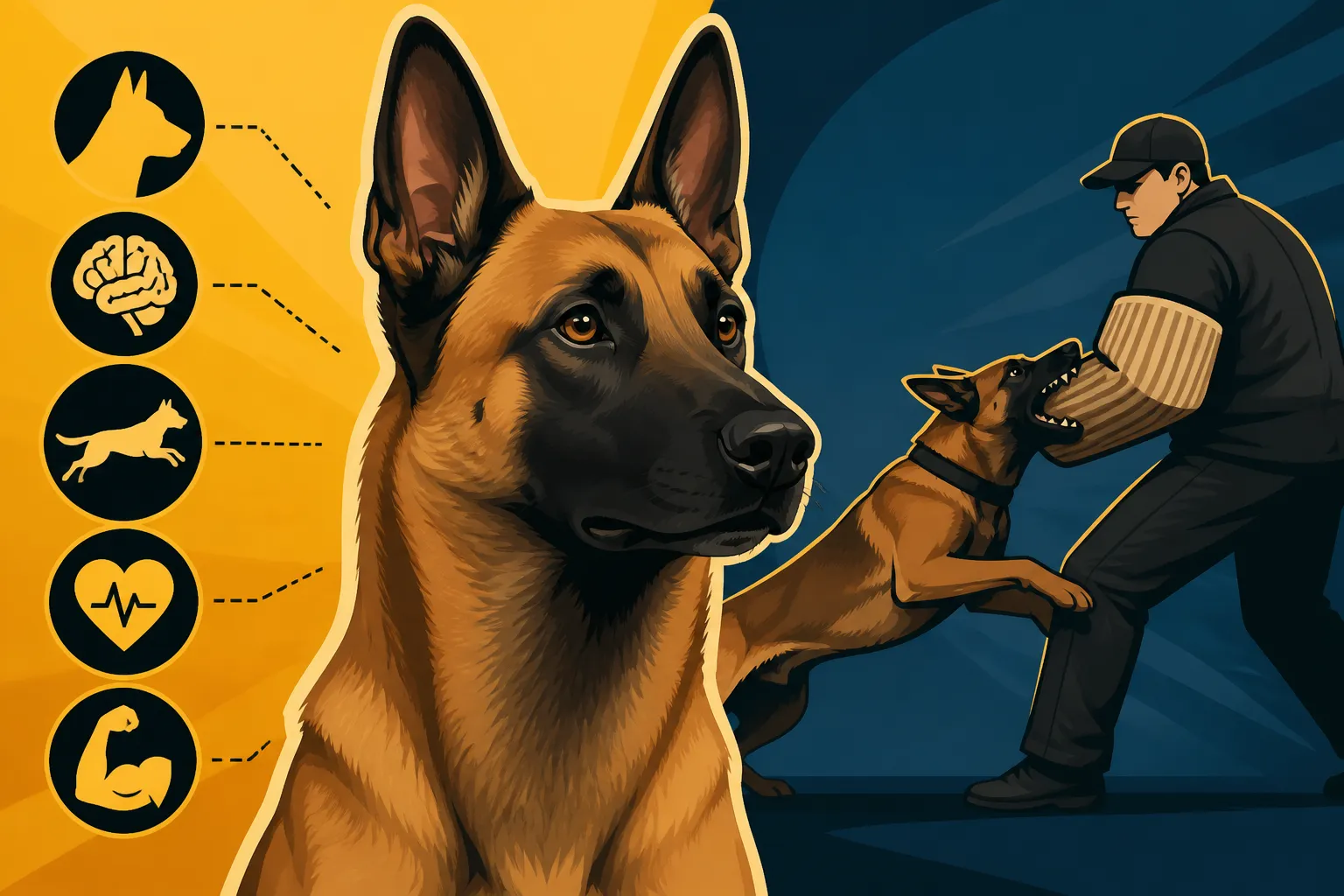
The foundation of any successful bite sport Malinois rests on three critical pillars: drive, confidence, and control. Without any one of these, the structure crumbles. Drive is the innate desire to pursue, catch, and engage with a "prey" item, whether it's a tug, a sleeve, or a full bite suit. For a Malinois, this drive is often abundant, a genetic inheritance from generations of working dogs. However, raw drive alone is chaotic and can be dangerous. It must be carefully shaped.
Confidence is equally paramount. A Malinois performing bite work needs to believe in itself, in its ability to succeed, and most importantly, in its handler's leadership and protection. This isn't about arrogance; it's about a dog that can face pressure, loud noises, strange environments, and confrontational decoys without crumbling or resorting to fear-based aggression. A confident dog is a stable dog, capable of thinking clearly under stress, rather than reacting out of panic. This confidence is built brick by brick through consistent, positive, and progressive training experiences.
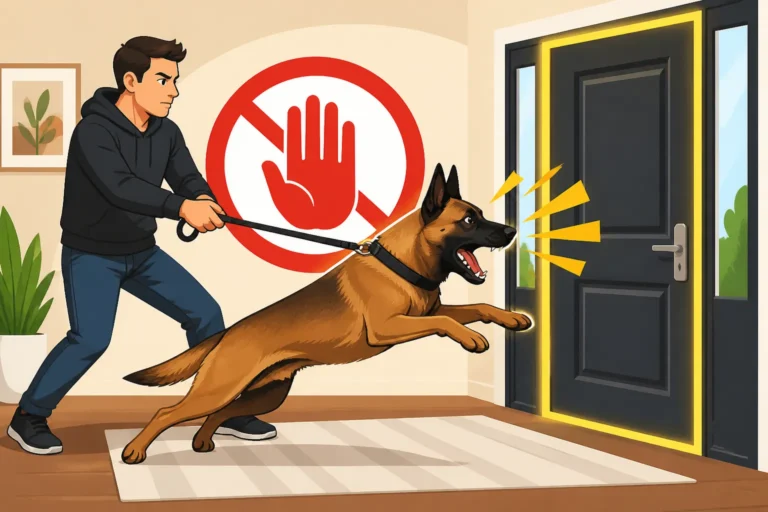
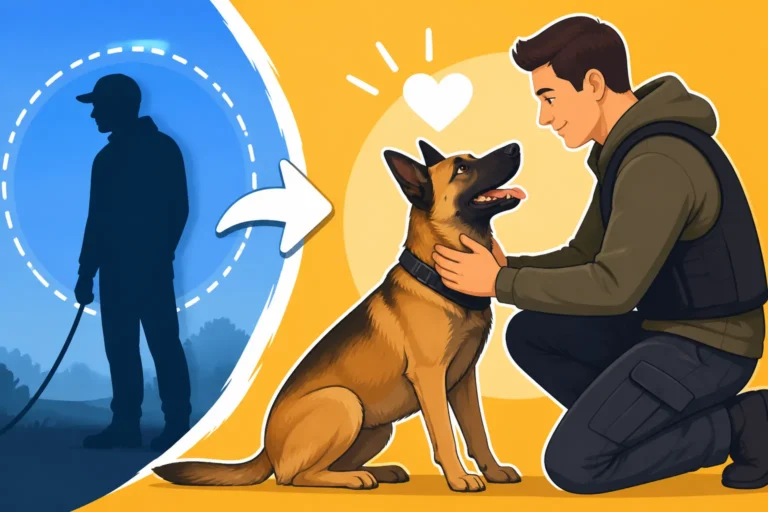
Control is the master key that unlocks the entire process. It's the ability of the handler to start, stop, redirect, and manage the dog's drives at will, even when the dog is at peak arousal. Imagine a finely tuned sports car: it has immense power (drive), but without precision steering and brakes (control), it's just a dangerous projectile. In bite sport, this means a dog must release the sleeve on command, heel perfectly alongside its handler with decoys screaming nearby, and remain calm in a down-stay while distractions abound. It's a testament to the partnership that a dog can be so utterly explosive and yet so utterly compliant.
Building the "Off Switch" and Impeccable Obedience
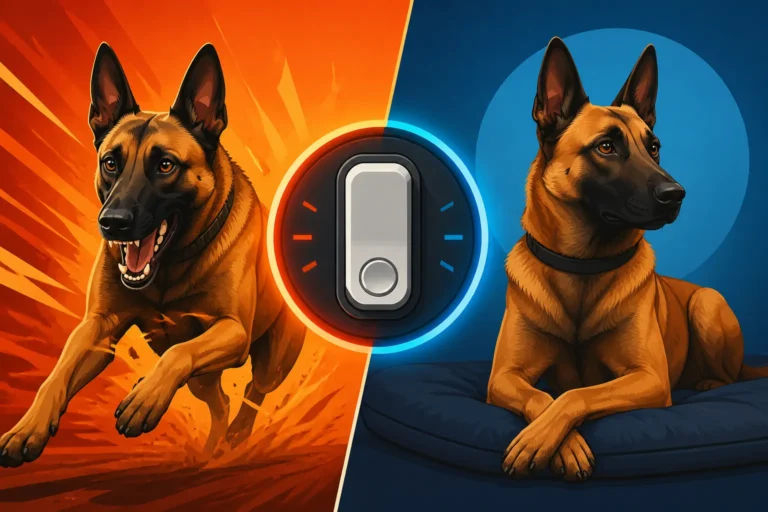
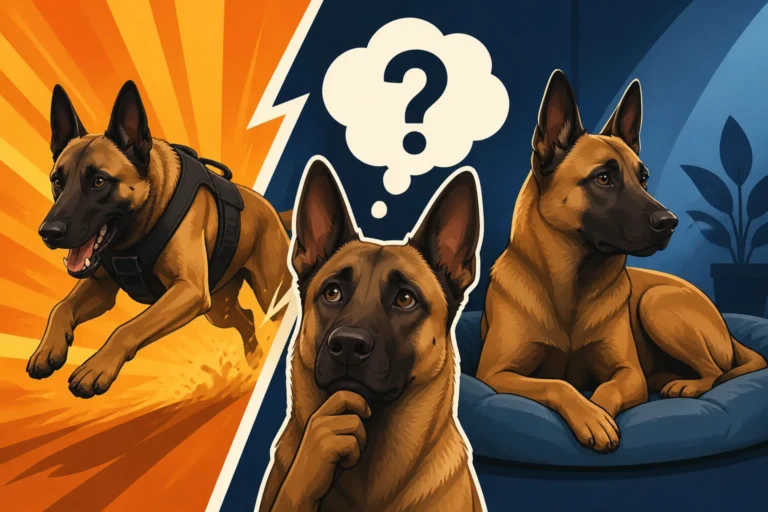
One of the greatest misconceptions about bite sport dogs is that they are constantly "on" and aggressive. In reality, the most successful sport Malinois possess an incredible "off switch." This means they can go from zero to one hundred in a blink, performing intensely, and then immediately drop back to a calm, settled state on command. This isn't something they are born with; it's meticulously trained. Handlers spend significant time working on foundational obedience that extends far beyond a simple "sit" or "stay."
Precision obedience is not just a precursor to bite work; it is an integral part of the sport itself. In disciplines like IGP (formerly Schutzhund), the obedience phase is judged with extreme scrutiny, demanding perfect heeling, lightning-fast recalls, and impeccable positions (sit, down, stand) even from a distance. The dog must demonstrate that it is willingly working with the handler, not just tolerating commands. Building an Off Switch Into a Belgian Malinois is perhaps one of the most critical skills any Malinois owner can develop, and it's doubly true for sport. This foundational control ensures that the dog's drives are always under the handler's direction, preventing accidental bites or uncontrolled behavior outside of the designated sport environment.
Developing this kind of control often starts in puppyhood. Many handlers utilize structured puppy programs, such as those offered by BAXTER & Bella, to introduce basic manners, socialization, and impulse control long before any bite equipment is ever seen. These early experiences lay the neural pathways for a dog that learns to listen, to focus, and to understand boundaries. Without this strong foundation, attempting advanced bite work would be like trying to build a skyscraper on quicksand. The ability to "out" or release a bite on command, for instance, is trained repeatedly and reinforced heavily, ensuring that the dog understands it’s a game with rules, not a free-for-all.
Physical Prowess and Conditioning: An Athlete's Demands
A Belgian Malinois engaged in bite sport isn't just a dog; it's a canine athlete. The physical demands are rigorous, requiring a combination of strength, speed, agility, and stamina that few other breeds can match. This isn't a casual weekend activity; it's a serious athletic endeavor that requires careful physical preparation and maintenance.
Strength, Stamina, and Agility Requirements
Imagine a Malinois bolting across a field at full speed, launching itself into the air to take a bite, hanging on with immense jaw pressure, and then transitioning into a dynamic obedience routine, followed by navigating obstacles. This sequence demands explosive power for acceleration and biting, incredible grip strength, sustained stamina for longer routines, and extreme agility for tight turns and jumps. Their skeletal structure must be robust enough to withstand the impact of powerful bites and agile maneuvers.
Developing this physical prowess means more than just letting the dog run in the yard. It involves structured conditioning programs. Handlers often incorporate interval training to build both speed and stamina, short bursts of intense activity followed by periods of rest. Weight pulling, done carefully and appropriately, can build powerful hindquarters and core strength. Swimming is an excellent low-impact exercise for building endurance and muscle tone without stressing joints. Agility work, focused on body awareness and precise movement, improves coordination and prevents awkward landings that could lead to injury. Every aspect of their musculature, from their powerful neck and shoulders to their strong hindquarters, is engaged and developed.
Furthermore, a sport Malinois must have excellent structural health from the outset. Reputable breeders screen for genetic conditions that could impact performance, such as hip and elbow dysplasia. Understanding The Hip and Elbow Numbers Behind a Malinois Clearance is crucial for any potential sport handler, as these clearances indicate a dog's genetic predisposition for sound joints. Even with excellent genetics, constant physical conditioning is necessary to maintain peak physical condition, just like any human athlete.
Injury Prevention and Management
With such high physical demands comes the inherent risk of injury. Bite sport Malinois are susceptible to a range of ailments, from minor scrapes and pad tears to more serious muscle strains, ligament tears (like cruciate injuries), and even dental fractures from intense biting. Injuries a Bite Sport Belgian Malinois Collects can sideline a dog for weeks or months, and in some cases, end a career. Handlers are acutely aware of these risks and implement proactive strategies to minimize them.
Prevention is key. This includes meticulous warm-up and cool-down routines before and after every training session or trial, ensuring muscles are pliable and metabolic waste is flushed out. Regular veterinary check-ups are non-negotiable, often including discussions about Anesthesia Protocols for a Lean Belgian Malinois for any necessary procedures, as the breed's metabolism can be unique. Proactive care might also involve regular chiropractic or physical therapy sessions to keep the dog's body in optimal alignment. Specialized protective gear also plays a role. For example, some handlers use paw balms or even specialized boots, often found on Amazon, to protect their dog's pads from abrasive surfaces, especially during extended tracking or outdoor protection work.
Despite the best precautions, injuries can still occur. When they do, prompt and appropriate veterinary care is paramount. Handlers must be vigilant for any signs of lameness, discomfort, or changes in gait, addressing them immediately before they escalate. Rehabilitation, often involving a combination of rest, medication, and guided exercises, is a significant part of a sport Malinois's life cycle. The investment in prevention and management is not just about keeping the dog competing; it's about ensuring a long, comfortable, and pain-free life.
The Decoy's Art and Equipment's Role
In bite sport, the decoy is far more than just a person holding a sleeve. They are a highly skilled, integral part of the training team, a living, breathing component of the training environment. Their expertise, timing, and understanding of canine behavior are as crucial to the dog's development as the handler's commands.
The Decoy as a Training Partner
A truly great decoy is an artist. They know how to read a dog's drive, confidence level, and current mental state, adjusting their approach to either build confidence, increase drive, or add pressure when appropriate. They are not trying to antagonize the dog, but rather to simulate realistic scenarios and help the dog refine its skills. For a young Malinois, the decoy starts by making the "game" of biting exciting and rewarding, building intense prey drive and confidence in engaging the equipment. What a Decoy Does With a Young Malinois is a carefully orchestrated dance, not a chaotic confrontation.
As the dog progresses, the decoy introduces more complex scenarios, challenging the dog's grip, its ability to take different types of bites (frontal, back, drive-by), and its obedience under pressure. They teach the dog to target specific areas of the sleeve or suit, to hold a full, calm, and strong grip, and to release on command, even amidst movement and agitation. The decoy's movements, vocalizations, and use of equipment are all precisely timed cues that help shape the dog's responses and build its understanding of the sport. It's a collaborative effort where the decoy's actions directly influence the dog's learning and confidence.
The progression from simple tug work to full-blown bite suit scenarios is gradual and systematic. Initially, puppies might bite soft tugs held by the handler, transitioning to smaller sleeves, then larger ones, and eventually to the full mobility and pressure of a bite suit. Each step builds on the last, solidifying grip, increasing confidence, and refining control. A good decoy understands this progression intimately and ensures the dog is always set up for success, gradually increasing difficulty as the dog is ready.
Understanding Essential Bite Sport Equipment
Just as a carpenter needs the right tools, a bite sport handler relies on a specific array of equipment. This gear is not just for show; each piece serves a critical purpose in the development and safety of the dog and decoy. Understanding the function and importance of each item is vital for effective training.
The most iconic pieces are the bite sleeves and suits. Sleeves vary in hardness, size, and design, catering to different stages of training and specific exercises. Softer puppy sleeves introduce the concept of biting. Intermediate sleeves build stronger grips, while hard sleeves prepare the dog for the full impact of a bite. Bite suits, worn by the decoy, allow for full-body engagement, testing the dog's targeting, speed, and courage in more realistic scenarios. These are highly specialized items, often sourced from dedicated sport dog equipment manufacturers or through training clubs.
Beyond the biting equipment, handlers utilize a variety of other tools. High-quality leashes and collars, often made of durable leather or biothane, are essential for control, especially when managing a high-drive Malinois. Harnesses might be used for tracking or for specific conditioning exercises. Muzzles are crucial for public safety and often required in certain phases of competition, ensuring the dog can be handled safely by strangers or in high-stress environments without risk. While many specialized items require specific vendors, some durable training aids like heavy-duty tugs or long lines can be conveniently found on platforms like Amazon. The emphasis is always on quality and safety; poorly made or ill-fitting equipment can lead to injury or undermine training goals.
Mental Fortitude and Environmental Resilience
Bite sport is as much a mental game as it is a physical one. A Malinois might have all the drive and physical capability in the world, but without supreme mental fortitude and resilience to environmental pressures, success at competitive levels will be fleeting. This aspect separates the good from the truly exceptional.
Handling Pressure and Distractions
Imagine performing a complex routine, with a highly aroused dog, in front of a panel of judges, surrounded by hundreds of spectators, with other dogs barking, and unfamiliar sounds echoing across the field. This is a common trial environment. A bite sport Malinois must not only perform its tasks flawlessly but do so while completely focused on its handler, ignoring every single distraction. This demands an incredible level of mental toughness and a strong nerve base.
Preparing a Malinois for this level of environmental pressure starts early and is a continuous process. Controlled exposure to novel sights, sounds, and textures from puppyhood helps build a robust temperament. Socialization, not just with other dogs but with diverse people and situations, plays a critical role in developing a dog that is stable and confident rather than reactive. As training progresses, distractions are gradually introduced, increasing in intensity and variety, teaching the dog to maintain focus regardless of what is happening around it. The specific stressors of travel to different venues, unfamiliar judging panels, and the heightened atmosphere of competition are all carefully desensitized over time.
For some dogs, the travel itself can be a significant stressor. Teaching a Malinois to ride calmly in a vehicle, whether it's a short trip to the local club or a multi-state journey to a championship, is vital. Handlers employ various strategies, from crate training in the vehicle to utilizing calming techniques, to ensure their dog arrives at the competition site rested and ready to perform, rather than frazzled and anxious. The ability to perform consistently under pressure is a hallmark of a well-trained sport Malinois.
Drive Management and Self-Control
A high-drive Belgian Malinois is a double-edged sword. While immense drive is necessary for powerful protection work, unchecked or poorly managed drive can lead to over-arousal, frantic behavior, and a loss of the precise control required in competition. The goal is to channel that intensity, not suppress it, and teach the dog to think clearly even when its instincts are screaming.
Handlers spend significant time teaching their Malinois to manage its arousal levels. This involves recognizing the subtle cues that indicate a dog is approaching its "threshold" – the point where it stops thinking and starts reacting. Through careful training, the dog learns to control its impulses, waiting for commands instead of prematurely engaging. This is where the concept of The Mental Work That Finally Tires a Malinois Out becomes so important. It's not just physical exertion; it's demanding mental tasks that build focus, problem-solving skills, and self-control.
For example, a Malinois might be taught to do a long down-stay in sight of a decoy or a favorite tug, requiring immense mental discipline to remain still and calm. The "out" command, where the dog releases the bite, is a supreme test of self-control, asking the dog to voluntarily give up something it intensely desires. This constant interplay between driving the dog's instincts and then bringing them under precise control is what makes bite sport such a profound exercise in partnership and discipline. The handler must always be in tune with their dog's emotional and mental state, knowing when to push for more intensity and when to ease off to prevent burnout or frustration.
The Handler's Commitment: More Than Just Owning a Malinois
Owning a Belgian Malinois is already a significant commitment; taking one into bite sport elevates that commitment to an entirely different level. It's a lifestyle choice that demands immense personal sacrifice, unwavering dedication, and a deep understanding of the breed and the sport.
Time, Dedication, and Consistent Training
Bite sport is not a casual hobby that you can pick up for an hour once a week. It is a full-time endeavor. Handlers typically dedicate several hours each week to club training sessions, often traveling significant distances to work with experienced decoys and trainers. Beyond formal club sessions, daily personal training is essential. This includes structured obedience drills, physical conditioning, proofing behaviors in various environments, and mental enrichment exercises.
A typical day for a bite sport handler might involve a morning conditioning run, a midday obedience session, an evening drive to the club for protection work, and then follow-up engagement games at home. This relentless schedule requires incredible discipline from the handler. They must be consistent, patient, and perpetually motivated, even when progress feels slow or setbacks occur. The learning curve for the handler is often steeper than for the dog, as they must master timing, leash handling, reading their dog's subtle signals, and understanding complex sport rules and strategies. They also commit to continuous self-education, attending seminars, reading books, and learning from seasoned handlers.
The bond forged through this intense training is profound. It’s a partnership built on mutual trust and understanding, where the dog relies on the handler for direction and the handler relies on the dog for its effort and spirit. This level of dedication makes the victories, no matter how small, incredibly rewarding.
Financial Investment and Lifestyle Adjustments
Beyond the time commitment, bite sport places substantial financial demands on handlers. The cost starts with acquiring a suitable puppy from working lines, often involving significant investment. Then come the ongoing expenses: specialized, high-quality performance food, regular and often specialized veterinary care (including potential injury treatments), extensive training equipment, club dues, seminar fees, trial entry fees, and travel expenses (fuel, lodging, meals) to various competitions. What a Year With a Working Belgian Malinois Costs can be a sobering reality check for those new to the sport. Handlers might carry specialized insurance policies to cover potential liabilities, considering the nature of the sport.
The lifestyle adjustments are equally significant. Decisions about vacations, social outings, and even career choices can be influenced by the demands of training and competition schedules. Your home environment might be adapted to accommodate training equipment, specialized crates, and the needs of a high-drive dog. Your social circle often shrinks to include primarily other dog sport enthusiasts, as they are the ones who truly understand the passion and commitment required.
It's a complete immersion into the world of working dogs. Handlers must be realistic about these financial and lifestyle impacts. It’s not simply about owning a dog; it's about adopting a demanding and consuming way of life. However, for those who embrace it, the rewards in terms of companionship, achievement, and personal growth are immeasurable.
Different Bite Sports and Their Specific Demands
The world of bite sport isn't monolithic; it encompasses several distinct disciplines, each with its own set of rules, challenges, and specific demands on the Malinois and its handler. While they all involve protection work, their nuances require different training priorities and skill sets.
IGP, Ring Sports, and Real-World Protection
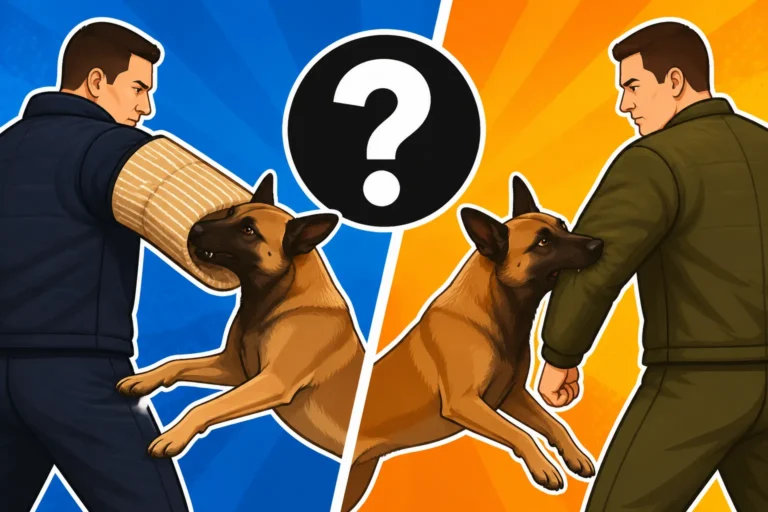
IGP (Internationale Gebrauchshunde Prüfungsordnung), formerly known as Schutzhund, originated in Germany and is perhaps the most globally recognized working dog sport. It consists of three phases: Tracking, Obedience, and Protection. The protection phase is highly structured and emphasizes control, courage, and a strong grip on a padded sleeve. The dog must bark at the decoy (hold and bark), perform escorts, and stop bites on command. Precision and discipline are paramount across all three phases, making it a rigorous test of a dog's temperament and training.
French Ring and Mondioring are often grouped as "Ring Sports" and hail from Belgium and France. These sports are known for their dynamism, athleticism, and the variety of scenarios presented to the dog. Unlike IGP, which uses a sleeve, Ring Sports typically use a full bite suit, allowing for more realistic and varied bite locations on the decoy. Dogs must perform complex obedience routines, execute spectacular jumps (hurdle, palisade, long jump), and engage in protection scenarios that include multiple decoy attacks, stick hits, and object guarding. Belgian Ring Against Mondioring for a Malinois offers a fascinating comparison, with Mondioring being slightly more international and theatrical, often featuring themed scenarios and unpredictable elements. These sports demand extreme courage, agility, and a very strong bond between dog and handler.
It's crucial to understand the distinction between sport protection and actual real-world protection. While bite sports develop immense control and a dog's natural protective drives, they are highly stylized and rule-bound games. A sport-trained dog is not automatically a personal protection dog ready for real-world threats. Real-world protection requires different tactical training, legal considerations, and a completely different operational context. Bite sports are about proving a dog's working capabilities, temperament, and trainability within a defined athletic framework.
Tailoring Training to the Chosen Discipline
Given the distinct differences between these sports, handlers must tailor their training specifically to their chosen discipline. A Malinois destined for IGP will focus heavily on precise, formal obedience, meticulous tracking, and controlled, systematic protection work on a sleeve. The dog needs to understand very specific phases and transitions.
Conversely, a Malinois being trained for French Ring or Mondioring will emphasize explosive power, quick transitions between obedience and protection, high-flying jumps, and a willingness to engage a full suit. The decoy work will be more dynamic, incorporating movement, evasions, and various attack scenarios. The dog's problem-solving skills and ability to react to novel situations are tested more intensely. Handlers also need to decide at what age to introduce different aspects of training. The Age a Belgian Malinois Starts Protection Work varies depending on the sport and the individual dog's maturity.
Choosing the right sport often depends on the dog's natural aptitudes, the handler's personal preference, and the availability of suitable training clubs and decoys in their area. It’s not uncommon for a Malinois to try elements of different sports before a handler commits to one. The key is to find a discipline that truly challenges and fulfills the Malinois, allowing its natural talents to shine under the guidance of a knowledgeable handler and a skilled training team.
The Lifelong Partnership: Beyond the Trial Field
The journey through bite sport with a Belgian Malinois is a long and intense one, but the partnership doesn't end when the competition days are over. The same dedication and care that goes into training must extend into the dog's retirement years, ensuring a fulfilling and healthy life after sport.
Maintaining Health and Well-being
Even after a Malinois has retired from the demands of bite sport, maintaining its health and well-being remains a top priority. A sport career, while rewarding, can take a toll on a dog's body. Handlers need to be proactive in managing any chronic conditions that may have developed, such as arthritis, old injuries, or dental issues. Regular veterinary check-ups are essential, and a focus on senior dog care becomes paramount.
Continued physical activity, albeit modified, is crucial for an aging sport dog. Retiring a Working Belgian Malinois From the Job doesn't mean stopping all activity; it means adapting it. Low-impact exercises like swimming, gentle walks, or short play sessions can help maintain muscle tone, joint mobility, and mental stimulation. Mental enrichment through puzzle toys, scent work, or learning new, low-impact tricks can keep their sharp minds engaged, preventing boredom and cognitive decline. The goal is to transition them gracefully into a comfortable and happy retirement, leveraging the incredible bond built over years of intense partnership.
Dietary adjustments are often necessary, as a retired Malinois may have lower caloric needs but could benefit from joint-supporting supplements. Grooming, while perhaps less frequent for aesthetic purposes, remains important for monitoring skin health and overall comfort. The commitment that made them a stellar athlete now ensures they live out their golden years with dignity and comfort.
The Ethical Responsibilities of a Handler
Being a bite sport handler carries significant ethical responsibilities, both to the individual dog and to the breed as a whole. Foremost is the welfare of the dog. A handler must always prioritize their dog's physical and mental health above competitive success. This means knowing when to push, when to rest, and when to seek veterinary attention. It also means ensuring the dog genuinely enjoys the work and isn't being forced or put under undue stress.
For handlers who choose to breed their proven sport dogs, the responsibility deepens. This involves meticulous health testing, temperament evaluation, and careful selection of breeding partners to ensure that future generations are healthy, stable, and possess the desired working drives. It’s about preserving the integrity of the Belgian Malinois as a working breed, not just creating more sport champions.
Finally, handlers have a responsibility to the public perception of the breed. With their intense nature and powerful protection skills, Malinois can sometimes be misunderstood or feared. Responsible handlers ensure their dogs are impeccably trained, well-socialized, and always under control in public, presenting a positive image of the breed. They understand that their actions, and their dog's behavior, reflect on all Malinois owners and the sport itself. Bite sport, at its best, is a celebration of the incredible capabilities of the Belgian Malinois, fostered through a dedicated, ethical, and profound partnership between dog and human. It’s about discovering just how much a Malinois can be fulfilled. Whether a Belgian Malinois Needs Bite Work to Be Fulfilled is a question many ask, and for many Malinois, it certainly is a path to profound satisfaction.
| Aspect | IGP (Schutzhund) | French Ring | Mondioring |
|---|---|---|---|
| Origin | Germany | France | Belgium/France (international) |
| Components | Tracking, Obedience, Protection | Jumps, Obedience, Protection (varying scenarios) | Obedience, Jumps, Protection (thematic scenarios) |
| Protection Focus | Structured, controlled, precise bite work on sleeve | Decoy attacks, stick hits, object guarding, full suit | Varied scenarios, object guarding, full suit, often themed |
| Obedience Focus | Precision, formal heeling, retrieve, send-out | Fast transitions, tight heeling, position changes, absence | Dynamic, complex sequences, position changes, refusal of food |
| Difficulty | High precision, strong nerves, clear-headedness | High intensity, handler control, extreme confidence | Ultimate test of versatility, control, and nerves |
| Suitability for Malinois | Excellent, but requires high focus and control | Excellent, natural fit for drive and agility | Excellent, tests all aspects of Malinois abilities |
Disclaimer
This article is for general informational purposes only and does not constitute professional advice. Laws, prices and regulations vary by location and change over time. Consult a qualified professional for guidance on your specific situation.