Recall on a Belgian Malinois in Full Drive
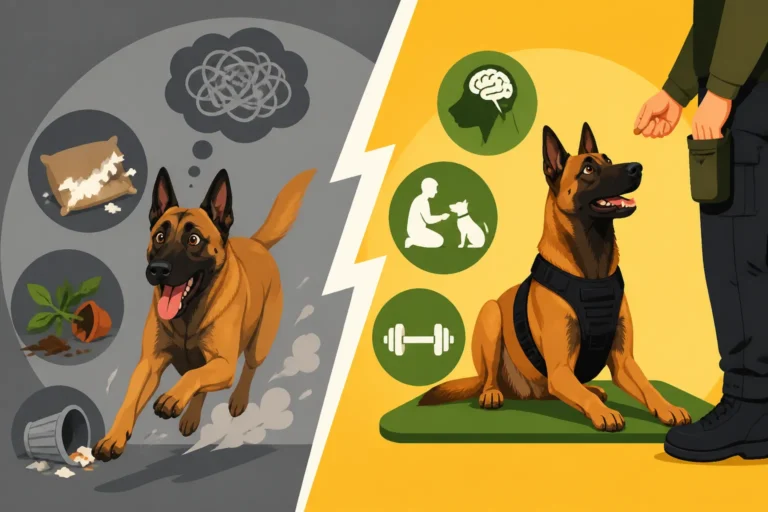
We all know the heart-stopping moment: your Belgian Malinois, usually so tuned into you, catches sight of a squirrel, a distant dog, or even just a blowing leaf, and suddenly, they're gone. That focused, intense drive that makes them incredible working dogs can also make recall feel like an impossible dream, leaving you shouting into the wind and filled with a potent mix of fear and frustration. This guide is here to walk you through building a recall so solid, so ingrained, that your Malinois chooses to come back to you, even when the world is screaming for their attention.
Understanding the Malinois Drive and Its Impact on Recall
Let's be real, a Belgian Malinois isn't just "a dog." They are a creature of immense drive, purpose, and an almost magnetic pull towards anything that moves or smells interesting. Understanding why your Malinois might blow you off for a distraction is the first critical step in overcoming it. It’s not about disobedience; it’s about their inherent wiring.
The Deep-Seated Prey Drive and Instinctive Chasing
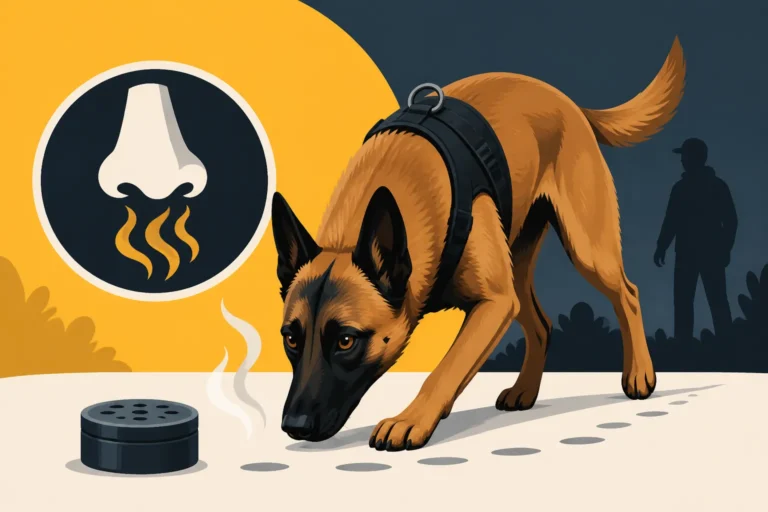
Imagine a dog engineered over generations to herd and track. That strong genetic blueprint translates into an incredibly powerful prey drive in most Belgian Malinois. This isn't just a casual interest in a squirrel; it's a deep, primal urge to chase, to pursue, and sometimes, to capture. When that prey drive ignites, it triggers a cascade of physiological responses in your dog. Their body floods with adrenaline, their focus narrows to an almost tunnel vision, and their ears effectively turn off to anything but the target. They're not being stubborn; they are literally operating on instinct, and that instinct is incredibly compelling.
For a Malinois, a rustling bush, a rabbit darting across a field, or even a child running can activate this hardwired response. You might be standing there, yelling their name, sounding like Charlie Brown's teacher – "wah-wah-wah" – while their entire being is locked onto that moving object. They can't process your command because their brain is fully engaged in the hunt sequence. It’s important to internalize that this is part of their breed make-up; it's what makes them exceptional at many jobs, but it's also the biggest hurdle to a reliable recall. Recognizing this helps us approach training with empathy and strategy, rather than anger.
Environmental Factors That Amplify Drive
While the prey drive is innate, certain environments act like accelerators, pushing that drive into overdrive. Think about it: a quiet suburban street might present fewer irresistible temptations than a wide-open park with squirrels galore, kids playing soccer, and the tantalizing scent of other dogs. Handlers often unknowingly set their Malinois up for failure by introducing them to high-distraction environments too early in their recall training journey. We want to give our dogs freedom, but if we haven't built the foundation in less stimulating places, we're essentially asking them to resist their deepest instincts without the tools to do so.
Consider a large, unfenced field versus your fenced backyard. In the field, every distant movement, every new smell carried on the breeze, becomes a potential trigger. Your Malinois is scanning, processing, and reacting to a thousand more stimuli than they would in a contained, familiar space. The sheer novelty and freedom of these environments can be overwhelming, even for a well-trained dog, and their drive can easily take over. This is why incremental exposure and careful management are so crucial. We need to teach them to focus on us amidst minor distractions before we ever expect them to ignore a deer bounding across a meadow.
Laying the Foundation: Early Recall Training and Engagement
Before we can even dream of a Malinois recalling from a full-blown chase, we need to go back to basics. This isn't just about teaching a command; it's about building an unbreakable bond and making you the most valuable thing in their world. Without this solid foundation, any advanced techniques will simply crumble under pressure.
Starting in Low-Distraction Environments
The absolute golden rule of recall training is to start small and simple. This means your living room, a quiet hallway, or your securely fenced backyard – places where there are minimal distractions vying for your Malinois's attention. Think of it like teaching a child to read; you don't start with Shakespeare, you start with simple phonics. For your Malinois, this is where "come" becomes synonymous with joy and high-value rewards. Use their favorite treats – cooked chicken, cheese, hot dogs – or an exciting toy that they only get when they come to you.
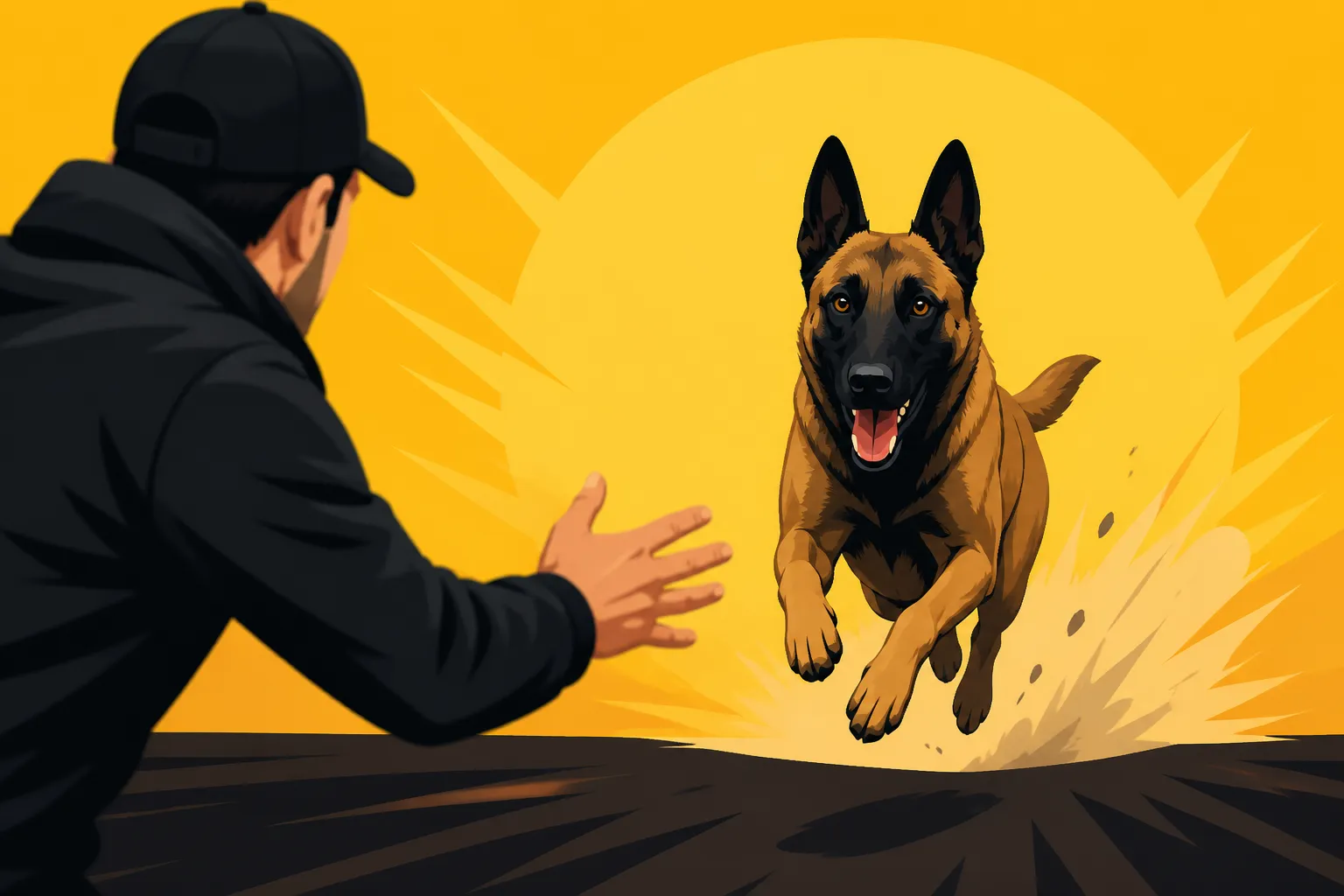
The goal here is to make coming to you the most exciting, rewarding event possible. When you call them, don't just stand there; get excited, squat down, clap your hands, make silly noises, and throw a mini "party" when they arrive. This enthusiasm isn't just for them; it helps you stay positive and engaged, too! Repeat this dozens of times a day in short bursts, always ending on a high note. Consistency in these low-stakes environments builds an incredibly strong positive association with the recall cue, making it a habit before it needs to be a lifesaver.
Building Engagement and Focus Before Drive Kicks In
Recall isn't just a command; it's a symptom of your dog's overall engagement with you. If your Malinois sees you as merely a treat dispenser or a leash-holder, they're far less likely to prioritize you over the thrill of the chase. You need to become the source of all fun, all excitement, and all good things. This involves more than just formal training; it's about daily interactions, play, and building a deep working relationship. Spend time playing tug, fetch, or engaging in silly games that require their focus on you. Make eye contact a habit, not just a command.
Think about activities that naturally draw their attention to you, even when they're tempted by other things. A game of fetch where you control the throws, or a vigorous tug session, can be incredibly powerful tools. When you are the one initiating and ending these high-value interactions, you reinforce your position as the leader of the fun. This continuous engagement work ensures that when you give the recall cue, your Malinois is already predisposed to turning their attention to you. It's about cultivating a relationship where checking in with you is a natural, enjoyable part of their day. For more on this, check out Building Engagement With a Belgian Malinois.
The Importance of a Reliable Marker System
In the fast-paced world of Malinois training, precision is paramount. This is where a marker system, like a clicker or a sharp verbal marker ("Yes!" or "Good!"), becomes invaluable. A marker is a signal that tells your dog, "That's it! That exact thing you just did is what I want, and a reward is coming!" It bridges the gap between the desired behavior (turning and coming to you) and the delivery of the reward, which can sometimes take a few seconds. This clear communication helps your Malinois understand exactly what earns them that coveted treat or toy.
To condition your marker, simply click (or say your marker word) and immediately follow it with a high-value treat, repeatedly, without asking for any behavior first. Do this in short sessions until your Malinois associates the sound or word with guaranteed good stuff. Once conditioned, use it every single time your Malinois turns and takes a step towards you when called, or when they finally reach you. The marker allows you to capture the exact moment of compliance, making your recall training incredibly efficient and clear. It removes ambiguity, ensuring your Malinois fully understands what "come" really means in action.
Mastering the Mechanics of Recall Under Pressure
Once you've built that initial foundation in low-distraction settings, it's time to slowly and methodically introduce pressure. This isn't about harshness; it's about gradually upping the ante in a controlled way, giving your Malinois the chance to practice ignoring distractions with your guidance and support.
Introducing a Long Line for Safety and Control
The long line is arguably the most crucial tool in your recall arsenal. It's a lifeline, a physical guarantee that you can prevent your Malinois from self-reinforcing the thrill of the chase, even when they're tempted. Typically 15 to 30 feet long, a good quality long line (which you can easily find on Amazon) allows your dog freedom to roam, sniff, and investigate, while still giving you the power to gently reel them in if they ignore your recall cue. It’s not a punishment tool; it’s a management and training tool.
Attach the long line to a well-fitting harness (never a collar for long line work, as it can injure their neck if they hit the end hard). Let your Malinois drag it initially, getting used to the feel. When you call them and they hesitate, a gentle, consistent pressure on the line guides them back to you. The key is to avoid jerking; just apply steady pressure until they yield, then immediately release the pressure and reward heavily when they turn towards you. This teaches them that ignoring the cue results in gentle, unavoidable pressure, while responding leads to freedom and rewards. It prevents them from learning that they can simply run away and ignore you. You can learn more about this in Long Line Work With a Malinois in Open Ground.
The "Hide and Seek" Game for Building Value
One of my favorite ways to build an enthusiastic recall is the "hide and seek" game. It turns coming to you from a command into an exciting, self-initiated discovery. Start in a moderately distracting environment, still with your long line on for safety. Let your Malinois wander a bit, sniff around. Then, instead of just calling them, duck behind a tree, a bush, or simply out of sight. Wait a moment, and then enthusiastically call their name, using your recall cue. Your Malinois will often do a double-take, realize you're "gone," and then come racing to find you.
When they do find you, it’s party time! Over-the-top praise, the best treats, and a quick game of tug or fetch. The idea is to make finding you the most rewarding activity. This game taps into their natural instinct to keep track of their pack leader. By temporarily disappearing, you create a mild sense of urgency and make their return a self-motivated act rather than a forced one. As they get better, you can increase the difficulty of your hiding spots and the level of distraction in the environment, always ensuring that success is met with massive rewards.
Gradually Increasing Distractions and Distance
This is where many recall training efforts falter – people jump from the backyard to the dog park too quickly. The process of increasing distractions and distance must be gradual, almost painfully slow. Start by simply having a mild, stationary distraction present, like a friend standing still 20 feet away. Call your Malinois, reward heavily for success. Then, move to the friend casually walking, then lightly jogging. Only when they consistently recall from this distraction do you introduce a slightly higher level of temptation.
Think of a ladder, not a trampoline. Each rung is a small step up in difficulty. This might look like starting with a distant stationary dog, then a dog on a leash being walked past, then a dog playing in the distance, and so on. Never move to the next level until your Malinois is reliably succeeding at the current one, say 9 out of 10 times. If they fail, go back a step. The long line remains your safety net through all of this. This methodical approach builds confidence in your Malinois, teaches them to make the right choice under pressure, and prevents you from poisoning your recall cue by using it when you know they're likely to fail.
Advanced Recall Strategies for High-Drive Situations
For a Belgian Malinois, a truly bombproof recall often requires moving beyond conventional methods. These strategies aren't about shortcuts, but about providing the clearest communication and the strongest deterrent to ignoring your cue when their instincts are screaming at them to do otherwise.
Utilizing an E-Collar Responsibly and Ethically
I know, the mention of an e-collar can be controversial, and for good reason if used incorrectly. However, for a high-drive Belgian Malinois, a modern, high-quality e-collar, used responsibly and ethically, can be an invaluable tool to provide a "remote leash" for recall. This is not about shocking your dog into submission. It is about conditioning a low-level, consistent stimulation that acts as a silent, immediate cue to check in or turn around. The key here is training, not punishment.
Before you ever use an e-collar for recall in a high-drive situation, you must properly condition your dog to it in a low-distraction environment. Pair a low-level stimulation with a known, understood command like "come" or "here" when they are already performing it. Your goal is for the dog to associate the stimulation with the command, and then with the absence of the stimulation, which signals they've complied. Once they understand that low-level stimulation means "come," and that it stops when they start coming, it becomes a clear communication tool. It allows you to break through the "tunnel vision" of prey drive and remind them of their training without raising your voice or resorting to a harsh physical correction. Always seek guidance from a professional trainer experienced with e-collar conditioning for working breeds. For more nuanced discussion, consider E-Collar Timing on a Belgian Malinois.
Recalling Off a Moving Target
This is the ultimate test of your Malinois's recall, and it requires all the foundational work you've put in. Recalling a Belgian Malinois from a stationary distraction is one thing; calling them off a full-speed chase of a rabbit, another dog, or a moving decoy is an entirely different beast. You need to build up to this scenario very slowly and methodically. Start with a controlled moving target that you can manipulate. This could be a friend jogging across the field, or even a remote-controlled toy that you can stop instantly.
The process involves sending your Malinois towards the moving target, letting their drive engage, and then, at the precise moment before they get too far gone, giving your recall cue along with a low-level e-collar stimulation (if using one). The instant they turn, immediately stop the target (if possible), release the stimulation, and reward them with the highest value treat or a quick, intense game of tug right there on the spot. This teaches them that recalling away from the chase brings even better rewards directly from you. It's a game of interruption and immediate, overwhelming reinforcement. This is a delicate dance, as discussed in Recalling a Belgian Malinois Off a Moving Target, and requires impeccable timing and consistent reinforcement.
Proofing in Diverse Environments
A recall that works in your neighborhood park isn't necessarily going to work at a bustling beach, a quiet forest trail, or a busy urban center. This is where "proofing" comes in – teaching your Malinois that the recall command means the same thing, no matter where you are or what's going on around you. This involves intentionally taking your training to a wide variety of locations, gradually exposing your dog to different sights, sounds, smells, and types of moving distractions.
Each new environment is like starting over at a slightly advanced level. Begin with your Malinois on a long line. Walk around, let them investigate, and then practice your recalls with increasing levels of distraction within that new setting. Don't assume that because they recalled perfectly at the park, they'll do the same at the lake. Pay attention to how different surfaces feel underfoot, how different scents carry, and how varying background noises affect their focus. This might mean practicing in different weather conditions too, like a windy day or after it rains, as these elements can introduce new sensory input that can challenge their focus. The more diverse environments you expose them to during structured recall training, the more generalized and robust their recall will become.
Common Recall Mistakes and How to Avoid Them
Even with the best intentions and the most driven Malinois, mistakes happen. But some common errors can actively undermine your recall training, making it harder, not easier, to get your dog to come back to you. Recognizing these pitfalls is key to avoiding them.
Calling Your Malinois When You Know They Won't Come
This is perhaps the most insidious mistake a handler can make. We've all been there: our Malinois is locked onto something, clearly not hearing us, and out of desperation, we repeatedly shout their name and the recall cue. What happens? They ignore us. And every single time they ignore you after hearing the cue, you are inadvertently teaching them that the word "come" (or "here," or whatever your cue is) is optional. You are actively poisoning your recall cue. It becomes background noise, a suggestion, rather than an imperative.
If your Malinois is clearly too distracted or too far gone, do not call them. Instead, immediately resort to your management tools. Use your long line to gently guide them back. Physically walk over and retrieve them. If they are truly off-leash and out of reach, sometimes the best (and hardest) thing to do is not to call, but to move quickly and intercept, or accept that this was a learning moment about your readiness for that environment. Only use your recall cue when you are 90-100% confident they will succeed, or when you have the means (like a long line or e-collar) to enforce it gently. This preserves the value and meaning of your command.
Lacking Sufficient Motivation and Rewards
Let's face it: for a Belgian Malinois in full drive, a dry, crunchy kibble often won't cut it. Their brain is releasing dopamine and adrenaline from the chase; your single biscuit might as well be air. A crucial mistake is underestimating the level of motivation required to override such powerful instincts. Your rewards must be exceptionally high-value, varied, and exciting enough to truly compete with whatever distraction has captured their attention.
This means moving beyond basic kibble. Think cooked chicken, roast beef, liverwurst, or a special squeaky toy that they adore and only get for recalls. Sometimes, the reward isn't even food; it's a frantic game of tug, an immediate toss of their favorite ball, or a few seconds of vigorous play with you. The key is to make returning to you and engaging with you more rewarding than the distraction itself. Don't be predictable; keep them guessing and make yourself the most exciting thing in the environment. Remember, for a Malinois, Tug Rules for a Belgian Malinois are serious business, and tug can be an amazing reward.
Inconsistency in Training and Follow-Through
Malinois are brilliant, perceptive, and thrive on consistency. If your recall training is haphazard – sometimes you reward, sometimes you don't; sometimes you enforce, sometimes you let it slide – you're essentially creating a confusing, unreliable system for your dog. They learn that "come" only matters sometimes, or only with certain people, or only in certain places. This inconsistency erodes their understanding and trust in the command.
Every single time you issue your recall cue, you must be prepared to follow through, whether that means physically reeling them in with a long line, using your e-collar, or walking over to get them. This doesn't mean you're always punishing them; it means you are always consistent in ensuring the command is obeyed, even if it requires your intervention. Furthermore, everyone in the household who interacts with the dog needs to be on the same page with the recall cue, training methods, and reward system. A Malinois needs The Structure a Belgian Malinois Needs Every Day, and that structure applies just as much to recall training as it does to everything else. Without this unwavering consistency, your recall will remain shaky at best.
When Your Malinois Still Won't Budge: Problem-Solving and Prevention
Sometimes, despite your best efforts, your Malinois still struggles with recall in high-drive situations. This isn't a sign of failure; it's a signal to re-evaluate, adjust, and potentially seek outside help. It’s also crucial to understand that prevention and management are always part of the equation with a high-drive breed.
Re-evaluating Your Relationship and Engagement
If your Malinois is consistently blowing off your recall, especially when their drive is high, it's worth taking a hard look at the broader picture of your relationship and daily routine. Is your Malinois truly connected to you, or are they more interested in the world around them because you haven't cultivated sufficient value in yourself? Are you providing enough mental and physical exercise to meet the demands of their breed? A bored, under-stimulated Malinois is a Malinois looking for its own entertainment, which often means ignoring you for something more exciting. For insights into their energy needs, consider Two Hours and a Job a Belgian Malinois Demands Daily.
Sometimes, recall issues are a symptom of a deeper disconnect. Are you engaging in meaningful play sessions? Do you spend time just hanging out and bonding? Are you challenging their brilliant minds with puzzle toys or scent work? If your Malinois isn't receiving enough appropriate outlets for their drive and attention, they will seek them elsewhere. By becoming the primary source of fun, challenge, and fulfillment, you naturally increase your value in their eyes, making them more inclined to choose you over a fleeting distraction. This relationship-first approach often unlocks breakthroughs in recall training.
Seeking Professional Guidance
There comes a point where even the most dedicated owner benefits from an outside perspective. If you've been consistently training, have tried various methods, and your Malinois's recall still isn't where it needs to be for safety, it's absolutely time to seek professional guidance. Look for a qualified dog trainer or behaviorist who has extensive experience with high-drive working breeds like Belgian Malinois. Not just any trainer will do; you need someone who understands the nuances of intense drive and how to channel it effectively.
A good professional can assess your specific situation, observe your dog's behavior, identify potential training gaps, and help you implement advanced techniques (like proper e-collar conditioning, if appropriate for your dog). They can provide hands-on coaching, help you refine your timing, and troubleshoot specific challenges you're facing. They might even suggest additional tools or strategies you hadn't considered. Don't view seeking help as a failure; view it as a responsible step towards ensuring your Malinois's safety and your peace of mind. Platforms like BAXTER & Bella can offer structured online courses for foundational training, but for specific high-drive recall issues, in-person, breed-specific expertise is invaluable. For more about the investment, see What a Behaviorist Charges to Assess a Malinois.
Management: The Ultimate Safety Net
Let's be realistic: even with the most dedicated training, some Belgian Malinois, due to their intense drive, may never be 100% reliable off-leash in every environment. And that's okay. Responsible ownership often means accepting these limitations and implementing strong management strategies to keep your dog safe and prevent dangerous situations. Management is not a failure; it's a commitment to your dog's well-being.
This includes always using a leash in unfenced or uncontrolled public areas. Investing in a sturdy, secure fence for your yard is non-negotiable for most Malinois owners, as their jumping and climbing abilities are legendary; check out Fencing That a Belgian Malinois Cannot Clear for ideas. For hiking or walks in less populated areas, a long line (readily available on Amazon) remains an essential tool. Consider secure, enclosed dog parks only if they are truly appropriate for your Malinois's temperament and recall reliability. It's also wise to muzzle train your Malinois (see Muzzle Conditioning Before a Malinois Ever Needs One) for emergencies or vet visits, regardless of recall, as an extra layer of safety. The goal isn't necessarily to have your Malinois off-leash everywhere, but to ensure they are safe and under control, no matter the situation.
| Recall Training Stage | Environment | Distractions | Tools | Rewards | Key Focus |
|---|---|---|---|---|---|
| Foundation | Indoors, Fenced Yard | None to Minimal | Leash, Marker, Treats/Toys | High-value food, praise, quick tug | Building positive association, engagement |
| Intermediate | Quiet Park, Controlled Field | Stationary mild (person, dog far away) | Long Line, Harness, Marker, Treats/Toys | Varied high-value food, intense play | Gradually increasing distance and mild distractions |
| Advanced | Busy Park, Open Trails, Urban | Moving (jogger, distant dog, wildlife) | Long Line, E-collar (conditioned), Harness | Jackpot rewards, quick intense play, environmental reward | Overcoming strong drive, precise timing |
| Maintenance | All Environments | All Types | Leash, E-collar, Long Line (as needed) | Unpredictable, varied, surprise rewards | Consistency, proofing, relationship building |
Disclaimer
This article is for general informational purposes only and does not constitute professional advice. Laws, prices and regulations vary by location and change over time. Consult a qualified professional for guidance on your specific situation.