Muzzle Conditioning Before a Malinois Ever Needs One
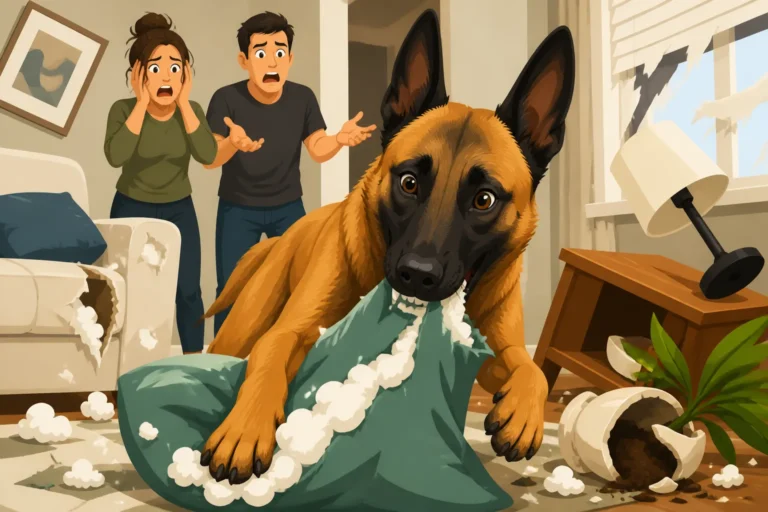
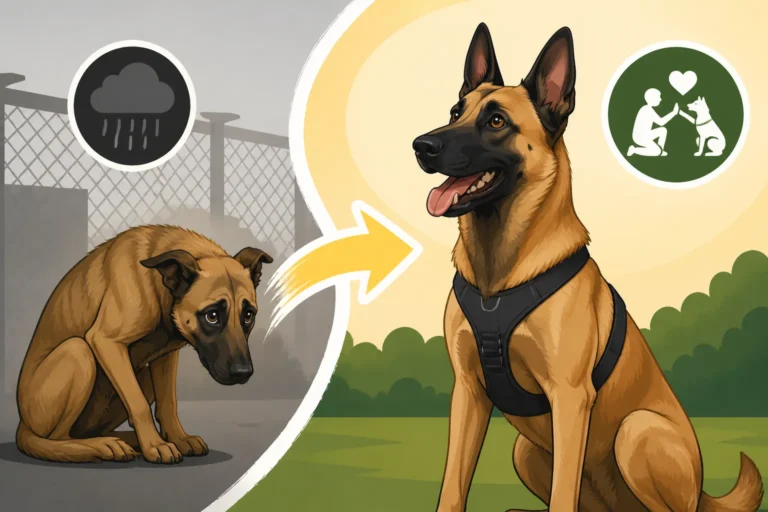
The thought of putting a muzzle on your Belgian Malinois can feel pretty awful, a gut punch that implies your highly-driven, intelligent companion is somehow "dangerous" or "broken." But the truth is, a muzzle isn't a punishment or a scarlet letter; it's a vital piece of safety equipment, and proactively conditioning your Malinois to wear one can prevent immense stress for both of you down the road. This guide will walk you through why and how to make muzzle-wearing a positive, normal experience for your dog.
Why Muzzle Conditioning Isn't Just for Emergencies
It's natural to associate muzzles with aggressive dogs or situations where a bite is a real threat. And yes, in those intense moments, a muzzle is invaluable. But for a Belgian Malinois, a breed known for its drive, intelligence, and often, its intensity, the utility of a muzzle extends far beyond just preventing bites. Think of it as another tool in your comprehensive training kit, much like a leash or a crate. It’s about being prepared for life's unpredictable moments, ensuring safety, and even improving your dog's quality of life by allowing them to participate in activities they might otherwise miss out on.
Beyond the Bite Risk: Routine Care and Safety
Even the most stable, well-socialized Malinois might face a situation where a muzzle becomes necessary for routine care. Imagine your dog suffers a sudden, painful injury – a broken bone, a deep cut, or something internal that causes immense discomfort. In such a scenario, pain can override even the most bomb-proof temperament, leading a dog to snap or lash out at those trying to help. A muzzle, worn calmly because it was conditioned positively, allows a vet to examine and treat your Malinois safely, without added stress for the staff or risk of further injury if your dog thrashes. It's about protecting everyone involved, including your beloved Malinois from making a decision born of pain. Similarly, certain grooming procedures, like quick trims or extensive dematting (though less common with a Malinois's short coat), might push a sensitive dog past their comfort zone. Handling a Belgian Malinois at the Groomer can be a challenge even without a muzzle if they're not conditioned. Having a dog that tolerates a muzzle means these necessary parts of life can be done without resorting to force or sedation.
Navigating Public Spaces and Breed Perceptions
Let's be honest: Belgian Malinois, despite their incredible capabilities and often loving dispositions, carry a certain reputation. People often perceive them as intense, high-strung, or even aggressive, thanks to their working dog image and portrayals in media. While this perception is often unfair to well-trained individuals, it's a reality we, as Malinois owners, must contend with. In some areas, breed-specific legislation might mandate muzzles in public, regardless of your dog's temperament. Even without such laws, a muzzle can be a powerful tool for public relations. If you want to take your Malinois on public transport, to a busy park, or through a crowded event, a muzzle, particularly a comfortable basket style, can alleviate public anxiety and give you peace of mind. It signals responsibility and control, making people feel safer around your dog, which in turn can open up more opportunities for you and your Malinois to enjoy the world together. It’s a proactive measure that mitigates The Reputation a Belgian Malinois Carries in Public, allowing for a more harmonious coexistence.
Unexpected Scenarios: Vet Visits and Injuries
We've touched on this, but it bears repeating: unexpected medical situations are often where muzzle conditioning truly shines. A Malinois, even one that's normally a rockstar at the vet, can become defensive and fearful if in severe pain or experiencing extreme disorientation from an illness. A routine injection might be fine, but trying to palpate a tender abdomen or set a broken limb is an entirely different story. Without prior positive muzzle conditioning, attempting to apply a muzzle in a crisis will only add to your dog's terror and confusion, turning an already stressful situation into a nightmare. Think of it as first aid for difficult situations. Being able to calmly slip on a muzzle that your Malinois accepts means critical care can be delivered faster and with less trauma for all involved. This preparation could literally mean the difference in how quickly your dog receives life-saving treatment or how safely a vet can address a serious injury. Consider the financial aspect too; The Vet Bills a Bite Sport Belgian Malinois Runs Up can be high, and preventing an emergency vet visit from turning into a chaotic, potentially bite-incident scenario can save further complications and costs.
Selecting the Ideal Muzzle for Your Malinois
Choosing the right muzzle isn't a one-size-fits-all situation, especially not for a Belgian Malinois. Their athletic build, powerful jaws, and high-drive nature mean that cheap, ill-fitting, or restrictive muzzles are not only ineffective but can also be dangerous. We're looking for safety, comfort, and durability. Your goal is to find a muzzle that allows your Malinois to pant, drink water, and even take treats while wearing it – this is absolutely crucial for positive conditioning and for any situation where the muzzle might be on for more than a few minutes.
The Importance of a Basket Muzzle
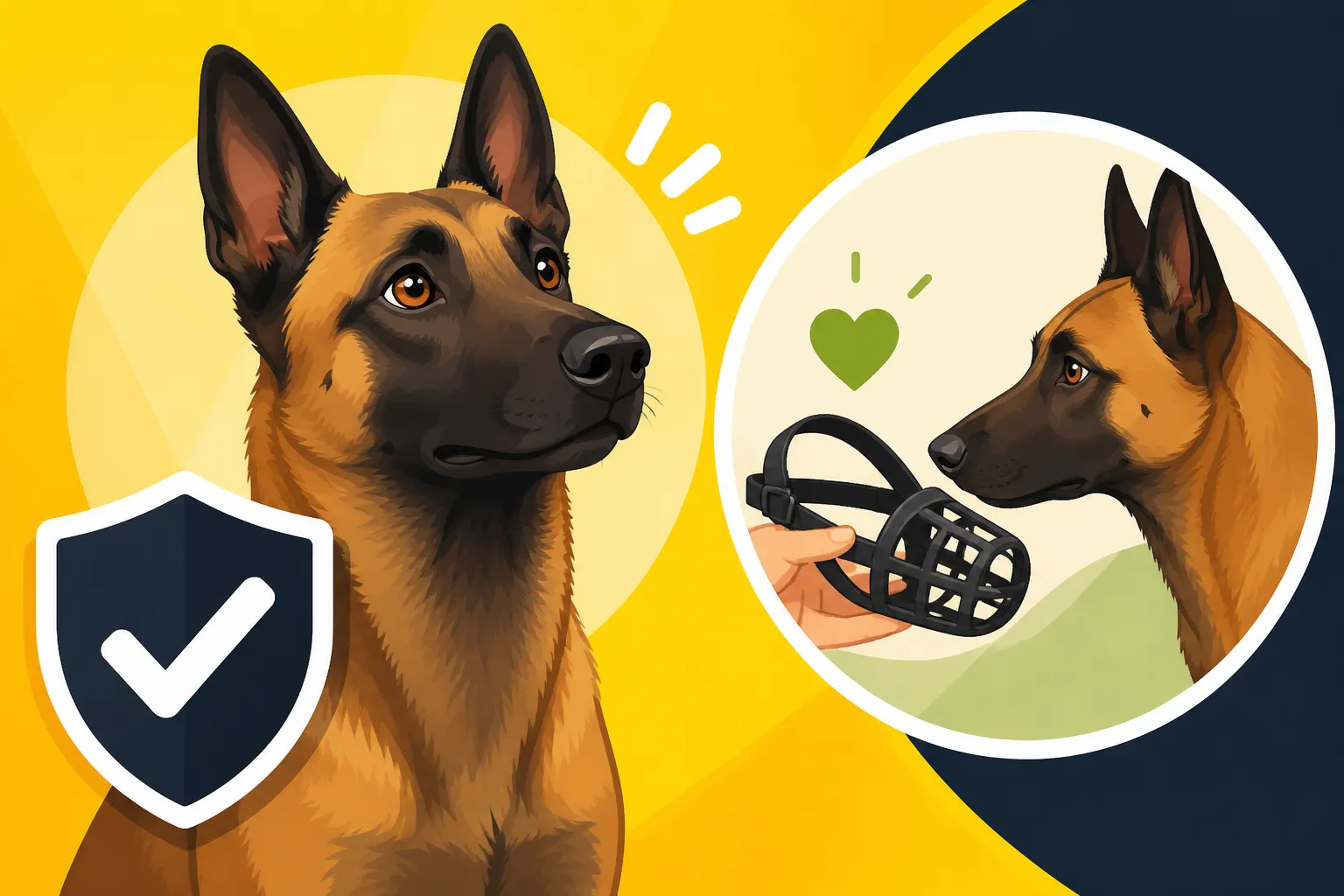
When it comes to Malinois, a well-fitting basket muzzle is non-negotiable. Forget the fabric or "grooming" muzzles that bind a dog's mouth shut; these are dangerous for anything other than extremely short, supervised use as they prevent panting, which is a dog's primary way of cooling down. A Malinois, with its high metabolism and intensity, could quickly overheat if unable to pant freely. Basket muzzles, typically made of wire, plastic (like Biothane), or rubber, create a cage around the snout, preventing bites while allowing the dog to open their mouth wide enough to pant, drink, and even accept small treats. This ability to pant and drink is paramount for your Malinois's health, especially if they need to wear the muzzle for an extended period, perhaps during a long car ride, a vet visit, or a training session where distractions are high. For quality basket muzzles that are both durable and breathable, you can often find good options through online retailers like Amazon, offering a range of styles from brands known for working dog equipment.
Sizing for Comfort and Security
Proper sizing is absolutely critical. An ill-fitting muzzle can chafe, restrict breathing, or, worse, be easily removed by a determined Malinois. You need to measure your dog's snout length (from just below the eyes to the tip of the nose) and circumference (around the widest part of the snout when their mouth is closed). Then, you need to add a bit of extra length for pant room. When your Malinois pants, their mouth opens, and their snout expands. The muzzle needs to accommodate this expansion without pushing against their nose or eyes. The straps around the head should be snug enough to prevent removal but not so tight that they cause discomfort or rub. A good basket muzzle will have multiple adjustment points, allowing you to get a custom-like fit. Many brands, like the well-regarded Baskerville muzzles, offer detailed sizing guides that use breed examples, but always measure your individual dog. Remember, a Malinois often has a more refined head than some other shepherds, so don't assume a "standard large" will fit without measuring.
Materials and Durability for an Active Dog
Given the strength and activity level of a Belgian Malinois, the muzzle's material and construction need to be robust. For many working dog handlers, wire basket muzzles are preferred due to their ultimate durability and airflow. However, good quality plastic or Biothane basket muzzles can also be excellent, often lighter and more flexible, which some dogs find more comfortable. Look for strong, adjustable straps – ideally with multiple points of contact or a safety strap that goes behind the ears and attaches to the collar, making it harder for your Malinois to paw off. Metal buckles or high-quality plastic quick-release buckles are usually more reliable than flimsy plastic ones. Think about the environment your Malinois lives and works in; if they're often in water or mud, a non-absorbent material like Biothane or plastic will be easier to clean and maintain than traditional leather. The material should also be smooth against their skin to prevent rubbing and sores, especially during longer wear times.
Here's a quick comparison of common muzzle types:
| Muzzle Type | Pros | Cons | Best for Malinois? |
|---|---|---|---|
| Basket (Wire) | Extremely durable, excellent airflow, allows panting/drinking | Can be heavier, can be perceived as "intimidating" | Highly Recommended |
| Basket (Plastic) | Lighter, flexible, good airflow, allows panting/drinking, easy to clean | Less durable than wire, can sometimes be chewed through | Recommended |
| Basket (Biothane) | Durable, flexible, easy to clean, good airflow, allows panting/drinking | Can be more expensive | Highly Recommended |
| Fabric/Soft | Lightweight, compact, less intimidating | Prevents panting/drinking (DANGER!), can be bitten through | Emergency/Brief Use ONLY |
| Padded Nylon | (Similar to Fabric/Soft) | (Similar to Fabric/Soft) | Emergency/Brief Use ONLY |
A Positive Approach to Muzzle Training Your Malinois
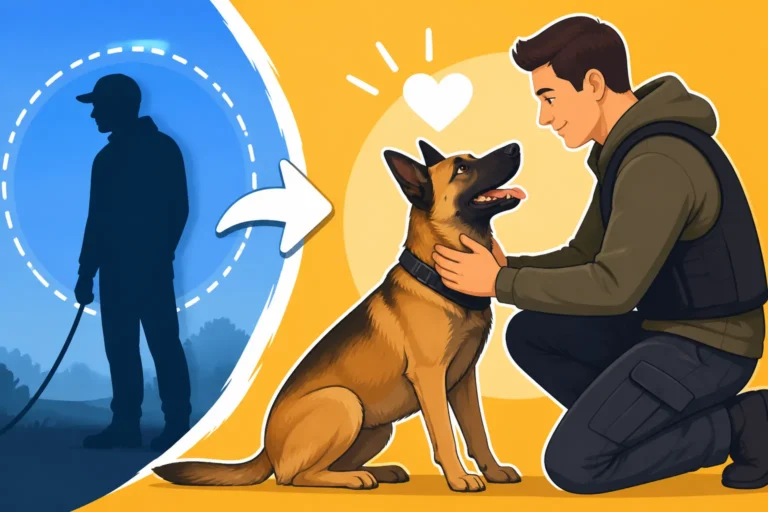
Muzzle conditioning is not about forcing your Malinois. It's about building a positive association, step-by-tiny-step, so that the muzzle becomes a non-event, or even something they anticipate with pleasure. This process takes patience, consistency, and a generous supply of high-value treats. For a high-drive breed like a Malinois, any negative experience can stick, so maintaining a positive, upbeat attitude throughout the training is crucial. Think of it as a game, where the muzzle predicts good things.
Building Trust with Treats and Patience
The very first step is to introduce the muzzle without any pressure. Let your Malinois see it, sniff it, and get curious. Don't try to put it on yet. Hold the muzzle, and offer a super high-value treat (like boiled chicken, cheese, or liverwurst) near the muzzle. As soon as your dog shows any interest, even a glance, reward them. The goal is to make the muzzle a "treat dispenser." Next, put a blob of a soft, irresistible treat (like peanut butter or cream cheese) inside the muzzle, at the far end, so your Malinois has to push their nose into the basket to lick it out. Do this multiple times a day for several days. Each time your dog voluntarily puts their nose in the muzzle to get the treat, praise them and let them enjoy the treat. The key is to never force their head into it. If they back away, that's okay. Just reset and try again later. This is where patience truly pays off, establishing a foundation of trust. Programs like BAXTER & Bella, known for their positive reinforcement methods, often emphasize similar foundational exercises that help dogs build confidence and positive associations with new items or experiences. This concept is vital here; we want the muzzle to predict good things.
Gradual Steps to Muzzle Acceptance
Once your Malinois is happily pushing their nose into the muzzle to get the treat, you can start gradually increasing the duration and adding the fastening of the straps.
- Nose In, Treats Out: Continue putting a treat inside the muzzle. As your Malinois pushes their nose in, gently bring the straps up over their head, but don't buckle them yet. Just hold them for a second, then remove the muzzle and give another treat. Repeat this many times.
- Buckle and Release: When your Malinois is comfortable with the straps coming up, gently buckle them. Immediately give a treat, then unbuckle and remove the muzzle. The goal is for the buckling to predict a reward, and the removal to be quick. Start with just a second or two.
- Increasing Duration: Gradually increase the time the muzzle is buckled, always pairing it with treats. You can give treats through the basket muzzle while it's on. Ask for simple cues they know, like "sit" or "down," and reward them while muzzled. This helps them understand that life continues normally with the muzzle on.
- Short Sessions, High Rewards: Keep initial sessions very short – just a few seconds, then release. Build up to minutes, and eventually longer periods. Always end on a positive note.
Remember to take breaks. If your Malinois shows any signs of stress – pawing at the muzzle, shaking their head, trying to rub it off – you've gone too fast. Go back a step or two and make it easier. The progress might seem slow, but a solid foundation prevents major setbacks.
Making the Muzzle a Normal Part of Life
The ultimate goal is for the muzzle to be a completely neutral, or even positive, piece of equipment. Once your Malinois is comfortable wearing the muzzle for several minutes at a time in a calm environment, start introducing it in different contexts. Put it on before short walks, during playtime (if safe and appropriate), or before a car ride. Continue to reward them with treats and praise for calm behavior while muzzled. You want them to associate the muzzle with normal, fun activities, not just the "scary" ones.
Integrate muzzle practice into your regular training routine. Have them wear it for a few minutes while practicing obedience cues like "sit," "stay," or "down." This desensitizes them to the feeling of the muzzle during active engagement. Make sure they can still pant, drink, and move comfortably. If your Malinois needs to wear the muzzle for something specific, like a vet visit, put it on before you leave the house, making the car ride and arrival at the clinic part of the "muzzle is normal" routine, rather than having the muzzle appear only once they are already stressed at the clinic. This consistent, positive exposure is what truly makes muzzle conditioning a success. It helps prevent reactivity to other dogs becoming an issue if you're concerned about interactions in public, or eases stress for Whether a Belgian Malinois Needs Muzzle Training for the Vet.
Overcoming Obstacles in Muzzle Conditioning
Even with the most positive intentions, training a Belgian Malinois to happily accept a muzzle isn't always smooth sailing. Their intelligence and drive mean they can be incredibly persistent when they don't like something, or they might pick up on subtle cues that create negative associations. It's not a reflection of your failure, but an opportunity to be a more effective, empathetic trainer.
When Your Malinois Resists or Panics
It’s disheartening when your Malinois fights the muzzle, paws at it, or seems to panic. This usually means you’ve pushed too fast. The most critical step here is to not get frustrated or resort to force. That will only confirm your dog’s negative feelings about the muzzle. Instead, immediately go back to the absolute easiest step where your dog was comfortable. Was it just sniffing the muzzle? Great, go back to that. Was it licking peanut butter out of it for a second? Start there. The key is to make it so easy that success is guaranteed. Shorten your sessions even further, maybe just 10-15 seconds at a time, but do them more frequently throughout the day. Increase the value of your treats – switch from kibble to something like freeze-dried liver or cheese. If your Malinois starts trying to rub the muzzle off aggressively, gently redirect them with a treat, then immediately remove the muzzle and end the session on a neutral or positive note, even if it’s just for not actively trying to remove it for a split second. Patience here is paramount.
Addressing Negative Associations
Sometimes a Malinois might already have a negative association with muzzles, perhaps from a past traumatic experience or an attempt to force one on them during an emergency. If your dog freezes, shakes, or tries to flee at the sight of the muzzle, you’ll need to work even more slowly and carefully. Start by presenting the muzzle from a distance. Just show it, reward a calm reaction, and put it away. Gradually reduce the distance over days or weeks, always rewarding calmness. Never bring the muzzle closer if your dog is showing stress signals. You might need to make the muzzle completely irrelevant at first, just having it visible in the room while you do other fun things, then gradually moving it closer to their treat station or play area. This process of systematic desensitization and counter-conditioning is about replacing fear with positive anticipation. For serious behavioral issues related to past trauma, it can be incredibly helpful to consult with a certified professional dog trainer or a veterinary behaviorist. They can offer tailored strategies and support, especially if What a Behaviorist Charges to Assess a Malinois is a concern, as it's an investment in your dog's well-being.
Maintaining Muzzle Skills Long-Term
Muzzle conditioning isn't a "one and done" task; it's a skill that needs maintenance, especially with a breed like the Malinois that thrives on consistent work. Even after your Malinois is comfortable, continue to integrate muzzle wear into your routine periodically. This might mean having them wear it for five minutes once a week during a training session, or putting it on for a short period before a car ride. The more regularly and casually the muzzle is used in positive contexts, the less likely your Malinois is to forget their training or revert to resistance. Always keep the experience positive – high-value treats, praise, and a calm demeanor on your part. If you notice any regression, simply go back to easier steps and build up again. Consistent, short, positive reinforcement sessions are far more effective than infrequent, long, or stressful ones. Building this consistency also helps when considering The Structure a Belgian Malinois Needs Every Day – making muzzle wear just another predictable, safe, and even rewarding part of their routine.
Disclaimer
This article is for general informational purposes only and does not constitute professional advice. Laws, prices and regulations vary by location and change over time. Consult a qualified professional for guidance on your specific situation.