Whether a Belgian Malinois Bonds With a New Handler
One of the biggest concerns for anyone considering bringing an adult Belgian Malinois into their home, especially one that has had a previous handler, is whether this highly intelligent and intensely loyal breed can truly bond with a new person. It’s a completely valid worry, often fueled by stories of their fierce single-person attachments. This guide will dive deep into the fascinating dynamics of how a Belgian Malinois forms connections, exploring whether they can indeed transfer their profound loyalty to a new handler and how you can actively foster that crucial bond from day one.
The Unique Nature of the Belgian Malinois Bond
Many people hear stories about the Belgian Malinois being a "one-person dog" or a "Velcro dog," and while there's certainly truth to the intensity of their attachments, it's important to understand the nuance of what that truly means for a new handler. This isn't a breed that just tolerates people; they thrive on connection, but it's often a connection built on a foundation of work, trust, and clear communication.
The "Velcro Dog" Myth vs. Reality
Let's clear up some common misconceptions. When we say a Malinois is a "Velcro dog," it doesn't mean they're necessarily cuddly lapdogs who just want to snuggle all day. While some can be affectionate, their "Velcro" nature often manifests as an intense desire to be involved in whatever their handler is doing, a watchful presence, and a constant readiness for instruction or action. They want to be with you, working with you, participating in your life. This isn't just about physical proximity; it's about mental engagement and a shared purpose.
For a new handler, this means the bond isn't forged solely through petting or treats, though those certainly help. It's built in the daily interactions, the training sessions, the shared adventures, and the clear, consistent leadership you provide. They are observing you constantly, learning your routines, and assessing your reliability. They are looking for a leader who can direct their immense drive and energy productively. If you can provide that, their "Velcro" tendencies will manifest as deep loyalty and attentiveness, not necessarily as constant physical contact, though many will enjoy that too once trust is established.
Primary Attachment and Its Implications
Belgian Malinois are indeed known for forming a very strong, often primary, attachment to one individual. This is a characteristic that comes from their working dog heritage, where clear communication and partnership with a single shepherd or handler were paramount. This isn't to say they can't love and respect other family members, but there's often one person who becomes their north star, the one they look to for direction and validation above all others.
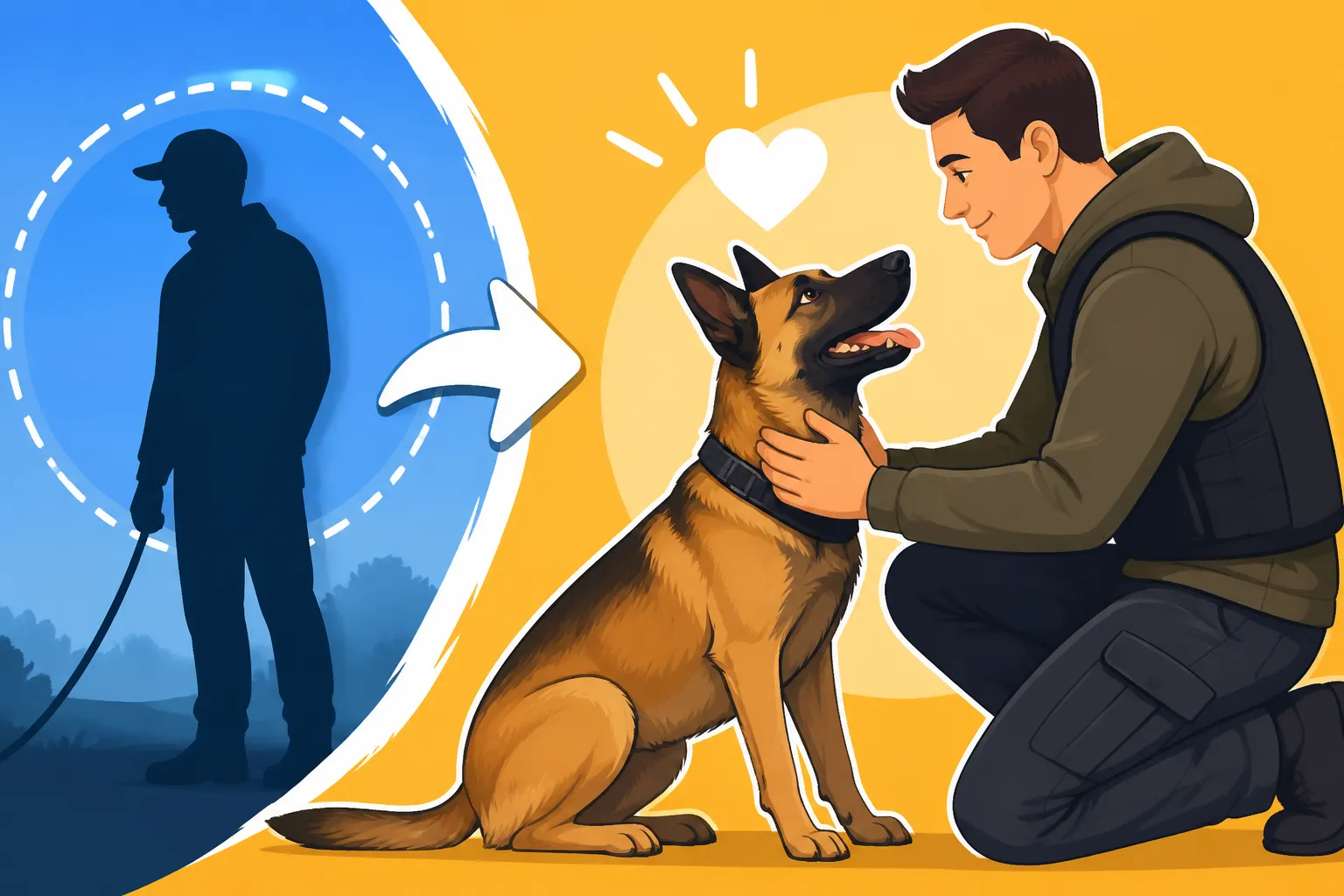
When a Malinois transitions to a new handler, especially if they are adults who have previously bonded, the new person essentially has to earn that primary position. It's not a given, and it won't happen overnight. The dog might initially be reserved, testing boundaries, or even showing signs of grief or confusion over the loss of their previous attachment figure. It requires patience, understanding, and a willingness to invest time and consistent effort. However, their inherent drive to work and form a partnership can be a powerful asset here. Once they recognize you as a capable and consistent leader, their instinct to attach and work closely with their person will kick in, and they will absolutely form a new, profound bond. Think of it as them interviewing you for the role of their lifetime partner; you need to prove you're the right fit. Whether a Malinois Attaches to a Single Person delves deeper into this fascinating aspect of their temperament.
Factors Influencing a New Bond
Bringing a new Malinois into your life is an exciting journey, but there are several factors that can significantly influence how quickly and deeply that bond forms. Understanding these can help you manage expectations and tailor your approach for the best outcome.
The Dog's History and Temperament
Every Malinois is an individual, and their past experiences play a huge role in how they approach a new relationship. A dog that comes from a stable working environment with clear expectations and positive training will likely transition more smoothly than one from a neglectful or abusive background. A Malinois that has previously had multiple handlers, or a history of being rehomed, might be more guarded or, conversely, overly eager to please, seeking stability wherever it can find it.
Their individual temperament also matters. Some Malinois are naturally more resilient and adaptable, bouncing back quickly from changes. Others might be more sensitive, requiring a softer approach and more time to decompress and trust. It's crucial to take the time to observe your new Malinois without judgment in the initial days and weeks. What are their triggers? What makes them happy? How do they respond to different types of interaction? This observation period is key to tailoring your bonding strategies. If you're working with a rescue, getting as much information as possible about their past can be invaluable. Whether a Rescue Belgian Malinois Is a Realistic Option discusses these considerations further.
The New Handler's Approach and Consistency
This is arguably the most critical factor. Your approach to the Malinois, especially in the early days, will set the tone for your entire relationship. Consistency is paramount. Malinois thrive on routine and clear boundaries. They need to know what's expected of them, when, and by whom. A handler who is inconsistent, gives mixed signals, or lacks confidence will inadvertently create anxiety and hinder the bonding process.
You need to establish yourself as a calm, confident, and fair leader. This doesn't mean being harsh; it means being clear, predictable, and reliable. All interactions, from feeding to training to playtime, contribute to this perception. If you say "come," you must ensure they come. If you give a command, follow through. This builds trust and respect. Think about the daily structure you're providing. The Structure a Belgian Malinois Needs Every Day is vital, especially when a dog is adjusting to a new home. Avoid overwhelming the dog with too many new experiences or too much pressure right away. A steady, reassuring presence is far more effective than an erratic one.
The Role of Routine and Training
Routine is the bedrock upon which a secure Malinois bond is built. These dogs thrive on predictability. Knowing when they will eat, go out, train, and have downtime reduces stress and allows them to relax into their new environment. Establish a consistent schedule from day one and stick to it as much as possible. This creates a sense of security and demonstrates your reliability as their new provider and leader.
Structured training is not just about teaching commands; it's a powerful bonding tool. It's a shared language, a collaborative activity where you and your Malinois work together towards a common goal. Even if the dog already knows basic obedience, revisiting commands in a positive, reinforcing way with you helps solidify your new partnership. Use high-value rewards and enthusiastic praise to mark success. Consider an online training program like those offered by BAXTER & Bella, which emphasize positive reinforcement and structured learning, even for adult dogs. Their approach can help bridge the communication gap and build a foundation of trust and understanding, no matter the dog's age or past experience. Daily training sessions, even short ones, reinforce your role as the source of direction and positive feedback. These shared accomplishments build confidence in both of you and strengthen your connection.
Strategies for Building a Strong Bond
Building a deep bond with a Belgian Malinois is an incredibly rewarding experience, and it's something you actively cultivate. It requires conscious effort, empathy, and a good understanding of their needs.
The Power of Shared Activities and Positive Reinforcement
Beyond basic care, the strongest bonds are forged through shared experiences. Malinois are driven dogs, and engaging their minds and bodies with activities you do together is incredibly powerful. This could be anything from formal obedience training, scent work, agility, or even just high-energy fetch sessions where you are actively involved. For example, Channeling a Belgian Malinois's Prey Drive Into a Tug can be a fantastic way to bond, turning their natural instincts into a cooperative game.
Focus on positive reinforcement. Celebrate successes, however small. When your Malinois looks to you for guidance, offers a desired behavior, or shows signs of relaxation, reward it. This doesn't always have to be food; it can be enthusiastic praise, a favorite toy, or even just a moment of quiet connection. The key is to make yourself the source of all good things. This creates a positive association with you and motivates them to engage. If you're looking for durable, high-quality toys for engagement, a quick search on Amazon will reveal countless options that can stand up to a Malinois's drive. Remember, engagement is a two-way street; be fully present and enthusiastic during your interactions. Building Engagement With a Belgian Malinois is a topic worth exploring further.
Creating a Secure and Predictable Environment
A Malinois joining a new home needs to feel safe and secure. This starts with providing them their own designated space, like a comfortable crate or kennel, where they can retreat and feel undisturbed. This "safe zone" is critical for decompression, especially if they are coming from a stressful situation. Ensure their environment is predictable, with consistent feeding times, potty breaks, and training sessions. A stable routine greatly reduces anxiety and helps them understand their new world.
It also means setting clear boundaries and expectations. Don't let them "free-range" the house immediately, especially if they have a history of destructive behavior or anxiety. Supervise them closely and gradually introduce them to more freedom as they demonstrate they can handle it. This might mean starting with strict crate time when unsupervised, and slowly building up their ability to settle in a designated "place" command. Teaching a Belgian Malinois to Lie Down and Do Nothing is a valuable skill that contributes to a calm household and strengthens your leadership. This predictability isn't about being rigid; it's about being reliably fair and giving them the structure they crave to feel secure.
Understanding and Meeting Their Needs
A Malinois's needs go far beyond food and water. They require significant mental and physical exercise, consistent training, and clear leadership. Failing to meet these fundamental needs will result in a frustrated, anxious, or destructive dog, making bonding incredibly difficult. A Malinois that is constantly over-stimulated or under-exercised cannot truly settle and connect.
Take the time to understand the breed's drive. They are not built for casual walks around the block. They need a job. This could be bite work, scent detection, agility, or even highly structured obedience. If you provide an outlet for their energy and intelligence, they will look to you as their provider and partner. This is where the true depth of the Malinois bond lies – in a shared understanding of their purpose and your guidance in fulfilling it. Consider this table outlining key needs and how they contribute to bonding:
| Malinois Need | How It Contributes to Bonding | Example Activity |
|---|---|---|
| Physical Exercise | Reduces pent-up energy, allowing for calmer interactions and focus. Shared exertion builds camaraderie. | Running beside a bike, long hikes, structured retrieve games. |
| Mental Stimulation | Engages their sharp minds, prevents boredom, and makes them look to you for challenges. | Scent work, puzzle toys (found on Amazon), complex obedience patterns, trick training. |
| Clear Leadership | Establishes you as reliable and trustworthy, reducing anxiety and fostering respect. | Consistent commands, fair corrections, clear boundaries, leadership during walks. |
| Consistent Routine | Creates predictability and security, allowing them to relax and trust their environment. | Regular feeding times, scheduled training, predictable potty breaks. |
| Positive Reinforcement | Builds positive associations with you and makes them eager to please and engage. | High-value treats, enthusiastic praise, favorite toys for desired behaviors. |
| Designated Safe Space | Gives them a secure place to decompress and feel safe in their new environment. | Crate training, a comfortable bed in a quiet corner. |
Meeting these needs demonstrates your commitment and deepens their trust, paving the way for a powerful bond.
Recognizing a Successful Bond
You've put in the work, you've been consistent, and you've provided structure. How do you know if that deep, meaningful bond with your new Malinois is truly forming? It’s often not about dramatic gestures, but subtle, consistent cues that show a profound shift in their demeanor and focus.
Subtle Cues and Communication
A strong bond with a Malinois manifests in numerous subtle ways. You'll notice their eyes following you around the room, even when you're not interacting. They might choose to rest closer to you, not necessarily on you, but in your general vicinity, indicating comfort and trust. Their body language will become more relaxed in your presence, with soft eyes, a loose wagging tail, and less overall tension.
They'll also start offering behaviors to engage with you. This could be bringing you a toy, nudging your hand for attention, or simply making eye contact when you call their name, even amidst distractions. A truly bonded Malinois will actively seek your approval and direction. They might check in with you during off-leash activities, even if they're far away, demonstrating that you are still their focal point. This isn't just about obedience; it's about connection and a desire to be partners. A Malinois That Stops Answering the Whistle is a sign that the bond might be faltering, whereas consistent response indicates a strong connection.
The Difference Between Obedience and Connection
It’s crucial to understand that a Malinois can be incredibly obedient without being deeply bonded. Their drive to work and please can be so strong that they will perform tasks perfectly for a handler they don't necessarily have a strong emotional connection with. This is especially true for highly trained working dogs. They might perform flawlessly in the ring or on the field, but if they don't seek you out for comfort, offer unsolicited affection, or show genuine enthusiasm to simply be with you outside of work, the bond might still be developing.
A true bond goes beyond commands. It's the moment they sigh contentedly at your feet, the way they lean into your touch, the intense focus in their eyes when you just talk to them, not just when you're giving a command. It's the silent understanding between you, the anticipation of your next move, and the calm acceptance of your presence. It's the recognition that you are their world, their provider, their protector, and their most valued partner. This connection, forged through patience, consistency, and shared purpose, is one of the most powerful and rewarding aspects of living with a Belgian Malinois. It might take time, sometimes weeks or even months, but when it clicks, there's nothing quite like the loyalty and devotion of a bonded Malinois.
Disclaimer
This article is for general informational purposes only and does not constitute professional advice. Laws, prices and regulations vary by location and change over time. Consult a qualified professional for guidance on your specific situation.