Channeling a Belgian Malinois’s Prey Drive Into a Tug
One of the biggest struggles Malinois owners face is wrangling that boundless, intense energy and seemingly insatiable drive. It often feels like you're living with a furry missile constantly on the hunt for something to chase, grab, and shake, leading to a lot of frustration and sometimes, outright chaos. This guide is all about understanding that powerful prey drive and, more importantly, how to expertly channel it into a highly productive and fulfilling outlet: the tug toy, turning a potential problem into a powerful training tool and a fantastic way to bond with your high-octane companion.
Understanding the Malinois Prey Drive Phenomenon
Let's be honest, living with a Belgian Malinois means living with a creature driven by an almost primal urge to pursue. It's not just a cute quirk; it's a fundamental part of their genetic makeup, a trait honed over generations for working specific jobs. Ignoring it or misunderstanding it can lead to a host of behavioral challenges that leave many owners feeling overwhelmed and misunderstood.
What Prey Drive Truly Means for a Malinois
When we talk about prey drive in a Malinois, we're not just talking about a dog that likes to fetch a ball. We're talking about a hard-wired, instinctual sequence of behaviors: searching, orienting, eye-stalking, chasing, grabbing, and shaking. It's the entire package, from the moment they spot a leaf skittering across the yard to the relentless focus on a squirrel up a tree, or even the way they zero in on a toy you're wiggling. This isn't something they choose to do; it's something they are compelled to do.
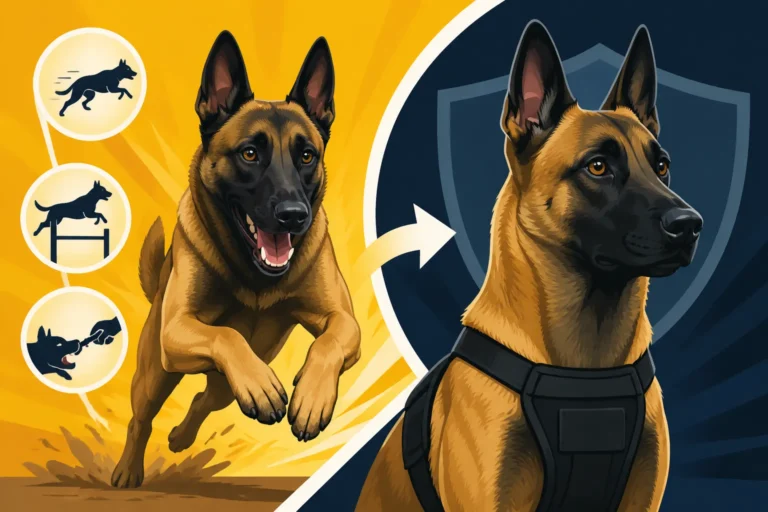
This intense drive is precisely what makes Malinois so exceptional in working roles like police K9, military, and various protection sports. Breeders have carefully selected for dogs that exhibit strong, controllable prey drive, as it's the engine behind their incredible work ethic, their speed, agility, and their unwavering determination. However, in a pet home, or even a sport home where it's not properly understood and directed, this same powerful drive can quickly become a handful. Owners often express their bewilderment at a dog that seems to constantly be scanning the environment for movement, ready to erupt into a chase at a moment's notice.
The frustration is absolutely valid. You might find your Malinois staring intently at a dust bunny, vibrating with anticipation, or launching itself after a blowing plastic bag. It’s not disobedience in the typical sense; it’s instinct taking over. Recognizing this inherent wiring is the first step toward working with your Malinois, rather than constantly battling against their nature. Instead of trying to suppress this powerful force, our goal is to harness it, to give it a specific, acceptable, and highly rewarding outlet.
The Dangers of Unchanneled Prey Drive
If a Malinois’s immense prey drive isn't given a constructive outlet, it doesn't just disappear. Instead, it often finds its own, sometimes destructive or dangerous, ways to manifest. Think about it: a dog bred to chase and bite is going to find something to chase and bite, whether it's appropriate or not. This can quickly spiral into behaviors that are both frustrating for you and potentially hazardous for others.
One of the most common and dangerous manifestations is inappropriate chasing. This can include darting after cars, bicycles, joggers, or even children playing in the yard. These aren't just annoying habits; they pose serious safety risks, both for your dog and for the people or animals they pursue. A Malinois in full prey drive can be incredibly difficult to recall, especially if they've had the reinforcement of catching something, even if it's just a leaf. We often hear from owners whose dogs are "deaf" to commands once they've locked onto a moving target, which is a clear sign that the prey drive has taken over without a proper off-ramp.
Beyond chasing, unchanneled prey drive can lead to significant reactivity. A dog constantly on edge, scanning for movement, can become prone to barking, lunging, and fixating on anything that stirs. This can manifest as reactivity towards other dogs, wildlife, or even people in motion. In extreme cases, this unchecked drive can contribute to anxiety and frustration for the dog, leading to behaviors like destructive chewing, incessant digging, or even redirected aggression when they can't access their desired "prey." It's a tough situation, and many owners feel helpless trying to manage a dog that seems perpetually wound up.
Why the Tug Is Your Malinois's Best Friend
Given the Malinois's inherent prey drive, the tug toy isn't just another plaything; it's a fundamental tool in their training and daily enrichment. It taps directly into those powerful instincts, providing a controlled and constructive outlet that can transform your dog's behavior and your relationship. Think of it as speaking their language in a way few other activities can.
The Natural Appeal of a Tug Toy
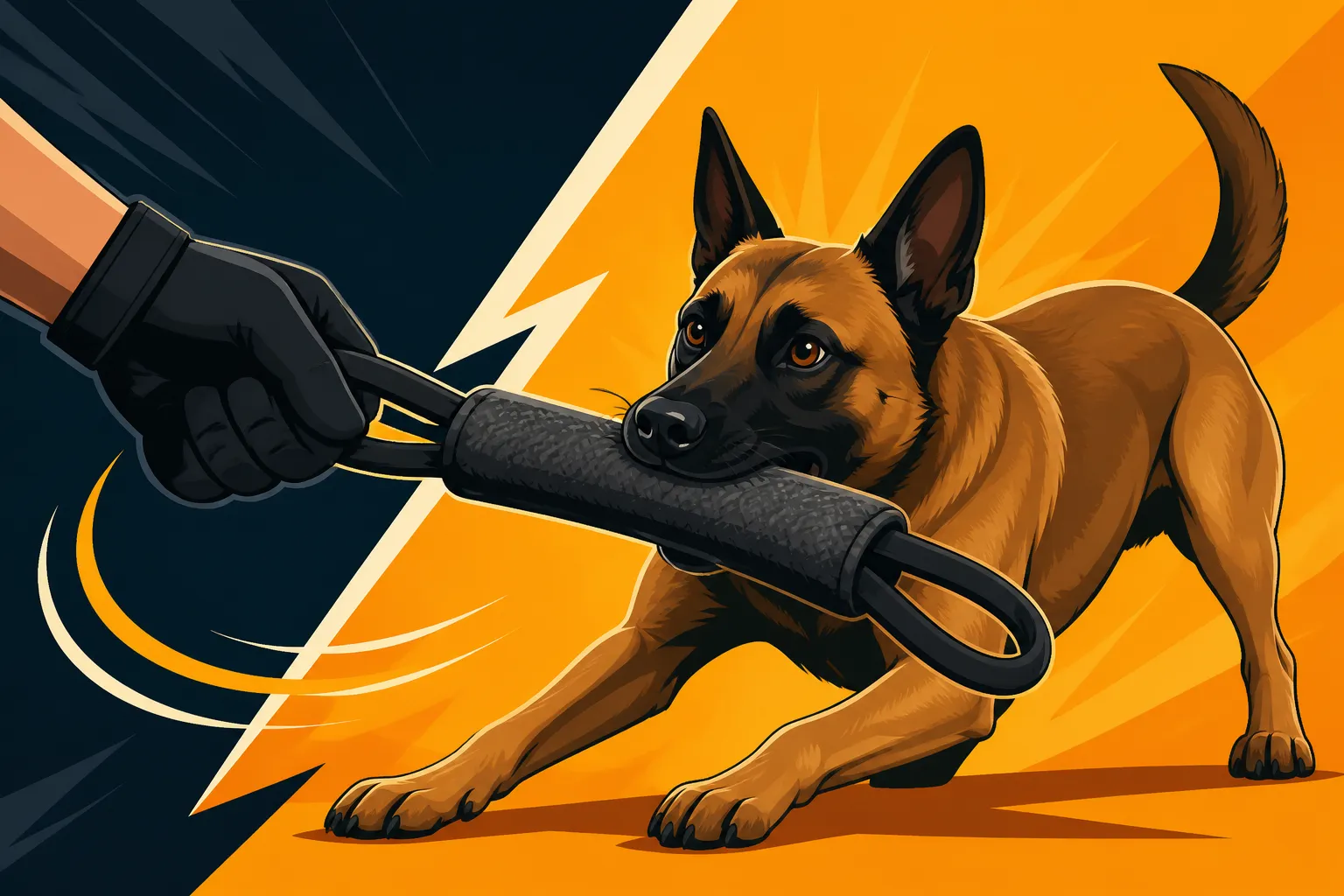
The magic of a tug toy lies in its ability to perfectly mimic the prey animal experience that a Malinois is hardwired to seek. When you wiggle that tug on the ground, pull it away, and allow your dog to "catch" it, you're engaging their entire predatory sequence. That chase, the grab, the resistance of the tug as they pull, and the satisfying "kill shake" (if you allow it) all fulfill deep-seated biological needs. It's not just about a game; it's about fulfilling an instinct in a safe, directed manner.
Unlike a ball, which primarily satisfies the chase and retrieve aspects, a tug provides the crucial element of resistance and "capture." When your Malinois latches onto a tug, they get to engage their full mouth, jaw strength, and body weight in a way that truly satisfies their desire to hold and possess. This physical engagement, combined with the mental focus required to interact with you and the toy, is incredibly fulfilling for them. Many owners find that after a good tug session, their Malinois is far calmer and more content than after a simple fetch game, precisely because tugging addresses more components of their natural drive.
Tugs come in various textures and materials, from soft fleece to durable jute, each offering a different sensory experience. The right tug feels good in their mouth, provides appropriate resistance, and allows them to really sink their teeth in. It's a natural fit for a dog with a powerful bite and a strong desire to grapple. When you see your Malinois's eyes light up, their body coil, and their focus narrow onto that tug, you're witnessing their true nature being expressed in a beautiful, controlled way.
Beyond Just Play: The Benefits of Structured Tug Work
While the sheer fun of tugging is undeniable, structured tug work offers a wealth of benefits that extend far beyond simple playtime. It's a powerful training modality that can transform your Malinois into a more focused, engaged, and ultimately, more manageable companion. This isn't just about burning off energy; it's about building a better dog.
Firstly, structured tug work provides an incredible combination of mental and physical exercise. A proper tug session isn't just mindless pulling; it requires your Malinois to think, to respond to your cues, and to control their impulses. This mental engagement, often overlooked, is just as crucial as physical exertion for tiring out a high-drive dog. They have to wait for the toy, engage appropriately, hold, and then, most importantly, release on command. This builds focus and engagement, turning your dog's attention away from environmental distractions and squarely onto you, the handler. It dramatically strengthens the bond between you, as you become the source of their most desired activity.
Crucially, tug work is an unparalleled tool for developing a rock-solid "out" command. The ability to demand a release of a high-value item is paramount for any working dog and immensely beneficial for any companion. By consistently requiring your Malinois to let go of the tug before receiving another reward (whether it's getting the tug back, a treat, or verbal praise), you teach them impulse control and that releasing the item leads to even better things. This translates directly to other areas of life, from dropping stolen items to being able to handle their leash or collar without resistance. You'll find that a dog proficient in "out" with a tug is generally much more controllable in high-arousal situations. For more detailed guidance, check out Teaching a Belgian Malinois to Out.
Finally, tug work acts as a fantastic stress reliever and confidence builder. For a dog that needs to do something with its mouth and body, engaging in a physical, satisfying game of tug can release pent-up energy and anxiety. It gives them a sense of purpose and achievement, boosting their confidence, especially if they are a more reserved or environmentally sensitive Malinois. Seeing their owner happily engage in such a primal activity with them builds immense trust and strengthens the partnership, preparing them for more complex tasks and challenges.
Essential Gear for Successful Tug Training
Before you dive headfirst into the exciting world of tug training with your Malinois, it's crucial to have the right tools in your arsenal. Just like any skilled craftsman needs the proper equipment, a dedicated Malinois handler needs tug toys that can withstand the intense drive and powerful jaws of their dog, along with other safety measures to ensure a productive and injury-free experience. Skimping on quality here is a common pitfall.
Choosing the Right Tug Toy
Selecting the appropriate tug toy isn't just about picking something colorful off the shelf. For a Belgian Malinois, durability, material, and size are paramount. A flimsy toy will be destroyed in minutes, leading to frustration for both of you and potentially unsafe ingestion of pieces.
Let's break down materials:
- Jute: This natural fiber is often used in professional bite work and offers a satisfying, textured surface for gripping. It’s tough but can fray over time, so keep an eye on its condition. Many working lines absolutely love the feel of jute.
- French Linen: Another favorite in bite sports, French linen is incredibly durable and holds up well to repeated strong bites. It has a slightly smoother texture than jute and is often used for sleeves and more advanced training equipment.
- Rubber/Synthetic Polymers: These can be exceptionally durable, easy to clean, and offer a different kind of resistance. Look for solid, heavy-duty rubber, not hollow or flimsy types. Brands like Kong or Goughnuts make excellent, virtually indestructible options that many Malinois enjoy, though they might not offer the same "prey" feel as fabric tugs.
- Fleece/Braided Fabric: While softer, these can still be very engaging, especially for puppies or Malinois with a "softer" bite. They're gentler on the teeth and gums and can be great for building initial enthusiasm. However, even the toughest fleece will eventually succumb to a determined Malinois.
When it comes to size and durability, always err on the side of caution. A tug should be long enough for you to hold one end safely without getting your fingers too close to your dog's mouth. Look for double-stitched seams, reinforced handles, and materials specifically designed for working dogs. A common frustration among Malinois owners is the constant destruction of "indestructible" toys. This is where investing in professional-grade equipment truly pays off. You might find a great selection of high-quality, durable tugs on platforms like Amazon, where you can often compare materials and read reviews from other working dog owners to ensure you're getting something robust enough for a Malinois's incredible power. Remember, a good tug is an investment in your training success and your dog's safety.
| Tug Material | Pros | Cons | Best Use |
|---|---|---|---|
| Jute | Excellent grip, natural feel, traditional | Can fray, may hold moisture | Building initial drive, bite work foundation |
| French Linen | Extremely durable, professional choice, easy to clean | Higher cost, less "natural" feel than jute | Advanced bite work, everyday structured tug |
| Solid Rubber | Nearly indestructible, great for strong chewers | Less "prey" feel, can be harder on teeth if too rigid | Durable play, solo chewing (specific toys) |
| Fleece/Braided | Gentle on teeth, good for puppies/soft bites, engaging | Lower durability, easily shredded by strong chewers | Puppy play, low-impact engagement, sensitive dogs |
Safety and Management Tools
Beyond the tug itself, responsible tug training involves a few other essential safety and management tools to ensure both you and your Malinois stay safe and focused. This isn't just about preventing accidents; it's about creating an optimal learning environment where your dog feels secure and understands boundaries.
First and foremost, a sturdy leash and harness (or flat collar, depending on your dog's training level and your preference) are critical. Even if your Malinois has a fantastic recall, you'll want to start and often conduct tug sessions in a controlled environment while on-leash. This allows you to manage excitement levels, prevent your dog from running off with the toy, and ensure they stay engaged with you. A double-handled leash can offer extra control in high-drive moments, giving you a shorter grip when needed.
The training environment itself needs to be secure. Tug training should happen in an area free from distractions and potential hazards. This means no busy streets, no aggressive dogs nearby, and no objects your Malinois might accidentally run into or redirect their bite onto. A securely fenced yard, a quiet park at an off-peak hour, or a dedicated training facility are ideal. The last thing you want is for your dog's intense focus on the tug to be suddenly interrupted by something dangerous, leading to confusion or an unmanaged outburst of prey drive.
Finally, for Malinois who are still learning bite inhibition or who get extremely over-aroused during tug play, a muzzle can be a valuable safety tool. This isn't a punishment; it's a responsible measure to prevent accidental nips or hard bites while your dog learns to control their enthusiasm. A well-fitted basket muzzle allows your dog to pant, drink, and even take treats, so it doesn't inhibit their ability to enjoy the training. It simply provides peace of mind, especially when working on a solid "out" or with a dog prone to grabbing at clothing or skin in their excitement. Remember, the goal is always to channel that drive productively, and sometimes, a little extra safety can make all the difference in building trust and confidence on both sides.
Laying the Foundation: Early Tug Training Steps
Starting tug training correctly from the beginning is paramount, especially with a Malinois puppy whose drive is just beginning to blossom. You're not just teaching them to play; you're establishing rules, building control, and shaping their understanding of this powerful outlet. Think of it as laying the groundwork for all future engagement and high-level work.
Introducing the Tug to Your Malinois Puppy
When you first introduce a tug toy to your Malinois puppy, the goal isn't just to hand it to them. You want to make it the most exciting, desirable object in their world, something they actively earn to play with. This isn't just a chew toy that sits in their bed; it's a dynamic, interactive piece of equipment that comes alive with your engagement. For more thoughts on managing that early stage, you might find A Malinois Puppy That Bites Everything Including You helpful.
Start with short, highly controlled sessions. Wiggle the tug on the ground, making it move like scurrying prey. Don't just hold it still; animate it! Allow your puppy to chase and pounce on it, building their frustration and desire before letting them grab it. Once they latch on, engage in a gentle, brief tug session. The key is to make it super fun and rewarding, but also to end it before they lose interest or get over-aroused. You want to leave them wanting more, creating immense value for the tug as a reward for future training.
As your puppy grows, gradually increase the intensity and duration of your tug sessions, always keeping them focused and engaged. Never allow them to just chew on the tug aimlessly; it's an interactive toy that is only "alive" when you are playing with it. This distinction is crucial for maintaining its high value and preventing it from becoming just another disposable chew. Consistency in how you present and play with the tug will teach your Malinois that this is a special game, reserved for focused interaction with you.
Building the "Out" Command from Day One
The "out" command is arguably the most critical component of responsible tug training, especially with a Malinois. Without a reliable release, tug play can quickly become frustrating, dangerous, or turn into resource guarding. You're not just teaching them to drop a toy; you're teaching impulse control, respect for boundaries, and that releasing something high-value leads to even better things. This command should be built into every single tug session from the very first day.
There are several effective techniques for teaching "out." One of the most common and effective is the "trade-off." While your Malinois is tugging, present an even higher-value treat directly to their nose. As they open their mouth to grab the treat, say "Out!" and immediately take the tug away. Praise them lavishly for the release, give them the treat, and then, after a brief pause, re-engage the tug. The key here is to make the act of releasing the tug highly rewarding. They learn that letting go means good things happen, rather than losing the toy forever.
Another method, particularly for dogs that are highly toy-motivated, is the "calm pause." When your Malinois is tugging intensely, simply freeze and become completely still. The tug stops being fun and exciting when you stop moving. Often, the dog will release the tug out of confusion or a desire to re-engage the game. The moment they release, say "Out!", praise them, and then restart the game. The crucial part is to never force the tug out of their mouth, as this can create resistance and guarding behaviors. Always make it their choice, incentivized by a better reward or the restart of the fun. Your consistency here will directly impact their reliability in other high-arousal situations where you need them to disengage from something. For more depth on this, refer to Teaching a Belgian Malinois to Out.
Establishing Rules for Tug Play
Just like any other aspect of living with a Belgian Malinois, tug play needs clear, consistent rules. Without them, what starts as a fun game can quickly devolve into a chaotic free-for-all, eroding your authority and teaching your dog undesirable habits. Establishing these boundaries ensures that tug remains a tool for building focus and control, not a source of frustration.
One of the most fundamental rules is that the tug is your toy, not always available to your dog. It appears when you decide, and it disappears when you decide. This reinforces your leadership and prevents resource guarding. Don't leave high-value tugs lying around for your Malinois to chew on; they should only come out during structured play sessions. This scarcity makes the tug even more valuable and exciting when it does appear, ensuring your dog pays attention to you. When it's not being actively used, the tug goes away, out of sight and reach. This also helps with the lifespan of your tugs, as discussed in Tugs and Bite Pillows a Malinois Destroys.
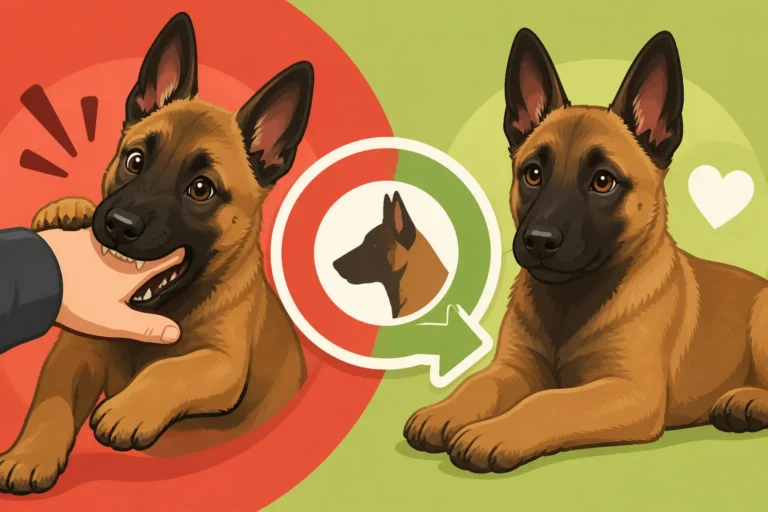
Another crucial rule is absolutely no biting skin or clothing. If your Malinois accidentally nips you during play, or latches onto your sleeve, the game stops immediately. A sharp "Oops!" or "No bite!" followed by freezing and putting the tug away for a few seconds (or even minutes, if necessary) teaches them that inappropriate contact ends the fun. Only when they are calm and focused do you reintroduce the tug. This teaches them bite inhibition and that their mouth contact is solely for the toy. Consistency is key here; every single infraction must result in the immediate cessation of play for the rule to stick.
Finally, establish clear signals for when tug play starts and, perhaps even more importantly, when it ends. A verbal cue like "Let's play!" or "Tug!" can signal the beginning, and a firm "All done!" followed by putting the tug away can signal the end. This predictability helps your Malinois understand the structure of the game and transition calmly. It builds anticipation for the start and acceptance for the end, fostering a dog that can ramp up for play and then settle back down when the session is over, a critical skill for managing their intense drive.
Advanced Techniques for Maximizing Tug Drive
Once your Malinois has a solid foundation in basic tug play and a reliable "out" command, you can start to explore more advanced techniques. These methods are designed to not only maintain but also increase your dog's drive and enthusiasm for the tug, turning it into an even more powerful motivator and a versatile tool for higher-level training.
Increasing Arousal and Drive in a Controlled Way
A Malinois thrives on intensity, and you can leverage this to build incredible drive for the tug. The key is to generate excitement and desire in a controlled manner, preventing it from boiling over into frantic, unmanageable behavior. This isn't about just letting them get crazy; it's about channeling that energy like a laser beam onto the tug.
Use your body language, voice, and the movement of the tug to create anticipation. Think of yourself as the decoy, making the "prey" dance and dart just out of reach. Wiggle the tug, drag it along the ground, make little squeaky noises, and move your own body in an exciting, playful way. The goal is to make the tug seem like the most elusive and irresistible thing in the world. Many handlers incorporate a "keep away" game, letting the dog almost catch the tug, then pulling it away at the last second, building their desire and frustration until you finally allow them to latch on. This builds immense value for the "capture" moment.
However, it's a fine line between building drive and creating frustration that leads to barking, lunging at your hands, or disengagement. You need to be incredibly observant of your Malinois's arousal level. Give them access to the tug before they become too frustrated or shut down. The goal is to always reward their drive, not punish it. Vary the intensity: sometimes a quick, calm grab, other times a more dynamic chase and fight. The unpredictability keeps them engaged and eager, always wondering what exciting thing the tug will do next. This controlled arousal is a huge part of what makes Building Engagement With a Belgian Malinois so effective.
Incorporating Tug into Obedience and Sport Training
The tug is far more than just a game; it's an incredibly high-value reward that can be seamlessly integrated into almost any aspect of your Malinois's training, from basic obedience to advanced sport work. When a tug is valued above almost all else, it becomes an unparalleled motivator for complex and challenging tasks.
Imagine teaching your Malinois a challenging new obedience command, like a long-distance down-stay with distractions. Instead of a food treat, which might lose its appeal in a high-stress environment, the promise of a vigorous tug session can be a game-changer. After a successful execution of the command, a short, explosive tug session becomes the ultimate reinforcement. This teaches your dog that focus and obedience earn them the opportunity to fulfill their natural drives. It transforms difficult tasks into a pathway to their favorite reward, strengthening the association between good behavior and immense satisfaction.
In the world of dog sports, tug is indispensable. For tracking, a quick tug at the end of a successful track acts as a powerful motivator to keep their nose down. In agility, a tug thrown after a perfect weave pole sequence can ignite their speed and enthusiasm for the next obstacle. In protection sports, a solid tug foundation is absolutely crucial, as it teaches the dog to bite, hold, and release on command, building the skills necessary for working a sleeve or bite suit. Even teaching a retrieve is often started with a tug, where the dog learns to bring the tug back to the handler for continued play, rather than running off with it. The versatility of the tug as a reward is endless, making your training sessions more dynamic, exciting, and ultimately, more effective.
Handling Over-Arousal and Frustration
While we want to build intense drive, it's equally important to recognize and manage moments of over-arousal and frustration. A Malinois can go from zero to a hundred in a split second, and if that energy isn't properly directed, it can lead to frenzied, unthinking behavior that hinders training and can even be unsafe. Learning to read your dog is crucial here.
Signs of over-arousal often include frantic, uncontrolled barking, wild lunging, redirection onto your hands or clothing (even after the "no bite" rule is established), or a general inability to listen to commands. Their eyes might seem glazed over, and their body language might become stiff or erratic. When you see these signs, it's time to intervene. Don't push through it; that usually makes it worse. Instead, implement a "take a break" strategy. Immediately stop the game, stand still, or even turn your back. The tug disappears. This instantly removes the reinforcement for the frenetic behavior.
Once the dog shows signs of calming (a quick shake-off, a softer gaze, a moment of stillness), you can re-engage, but at a lower intensity. If they can't calm down, the session needs to end entirely. It's better to have a shorter, controlled session than a longer one that spirals out of control. You can also use specific cues like "Easy" or "Calm" during play to signal a reduction in intensity. This teaches your Malinois to throttle their own arousal, a vital skill for a working dog. Remember, the goal is high drive under control, not just high drive. Consistently managing these moments teaches them emotional regulation and reinforces that calm, focused energy is what keeps the game going.
Troubleshooting Common Tug Training Challenges
Even with the best intentions and the right gear, you might encounter some bumps in the road during tug training with your Malinois. It's perfectly normal, and these challenges often provide valuable insights into your dog's specific drives and personality. Addressing them systematically will strengthen your bond and refine your training approach.
My Malinois Won't Grab the Tug
This is actually a less common issue with a true working-line Belgian Malinois, as their prey drive is typically robust. However, it can happen, especially with puppies who might be a bit shy, or older dogs who haven't been exposed to tug in a structured way. Don't assume your Malinois lacks drive; it might just not be unleashed yet.
First, consider how you're presenting the tug. Are you making it exciting? Wiggling it like prey, pulling it away, making little noises? A static tug handed to a dog might not spark their interest. Try different tug materials; some dogs prefer the texture of jute, others a soft fleece, and some love the firmness of rubber. You can also try adding a scent, like a little bit of a high-value food smear, to make it initially more enticing, slowly fading the scent as they get hooked on the game itself. For more information on enhancing engagement, consider Building Engagement With a Belgian Malinois.
For a shy or hesitant Malinois, it might be a confidence issue. Start with very gentle movements, letting them just touch the tug with their nose before pulling it away. Praise any interaction, no matter how small. Gradually build up to them mouthing it, then gently grabbing it. Avoid any force or pressure; the goal is to make it their idea to engage. Sometimes, a "hidden" tug, where you briefly hide it behind your back and then reveal it with exciting movement, can trigger their predatory instinct. Patience and positive reinforcement are your greatest allies here.
My Malinois Won't Let Go of the Tug
Ah, the classic tug-of-war where your Malinois decides "possession is nine-tenths of the law!" This is a very common challenge, especially with high-drive dogs who naturally want to keep their "prey." It usually indicates that the "out" command needs more reinforcement or that the release isn't rewarding enough for your dog. For more context, you can read A Belgian Malinois That Will Not Release the Sleeve.
The solution almost always lies in making the "out" command more reinforcing than holding onto the tug. As discussed, the "trade-off" method is invaluable. You need to present something even better than the tug (initially) to entice them to release. This could be a super high-value treat, another equally exciting tug, or the promise of immediate re-engagement with the original tug once released. The key is consistency: always reward the release. Never just let them have the tug and walk away; they need to associate letting go with a positive outcome.
Avoid physically forcing the tug out of their mouth. This can lead to resistance, harder grips, or even resource guarding. Instead, use calm, consistent pressure with your verbal command. Sometimes, a brief "freeze" of the tug (stopping all movement) combined with your "Out!" command can prompt a release because the game becomes boring. As soon as they release, even for a split second, mark it, praise, and deliver their reward. Then, re-engage the tug for another quick session. This teaches them that releasing isn't the end of the world; it's a temporary pause that leads to more fun. Over time, the reward can become simply getting to re-engage with the tug, showing they understand the rules of the game.
My Malinois Bites Me During Tug Play
This is a serious concern and needs immediate, consistent correction to ensure safety and maintain appropriate boundaries. A Malinois's bite can be incredibly powerful, and while accidental nips can happen in the heat of play, any biting of skin or clothing is unacceptable and must result in an immediate stop to the game.
The moment your Malinois's teeth touch your skin or clothing inappropriately, the game stops. Immediately. No warnings, no second chances. A sharp "Oops!" or "Too bad!" should be followed by you completely disengaging. Freeze, drop the tug, stand up, and turn your back, removing all attention and interaction. The tug should then be put away, and the play session ended for at least a few minutes, if not entirely for the day, depending on the severity. Your Malinois needs to learn that the game only happens when their mouth is exclusively on the tug. This applies to puppies as well, as highlighted in A Malinois Puppy That Bites Everything Including You.
When you resume play, use a tug with a handle or a longer body to create more distance between your hands and their mouth. Be mindful of your own body language; sometimes handlers unconsciously bring their hands too close to the dog's mouth in the excitement. Re-emphasize the "out" command frequently, especially if you notice their grip becoming too hard or their arousal getting too high. If the problem persists, or if the bites are genuinely hard and not just accidental nips, consider using a basket muzzle during tug sessions. This allows your Malinois to still enjoy the game safely while you re-establish clear rules and reinforce appropriate bite inhibition. The goal is to channel that drive, not to let it run wild.
Integrating Tug Play into a Malinois's Daily Life
Tug play, when done correctly, isn't just a sporadic activity; it's a vital component of a well-rounded Malinois's daily routine. Integrating it thoughtfully into their life can enhance their overall well-being, reinforce training, and prevent many common behavioral issues that arise from under-stimulation.
Structured Play vs. Free Play
One of the most important distinctions to make in a Malinois's life is between structured play and free play. While both have their place, structured tug play is uniquely powerful for Malinois, offering benefits that simple free play (like tossing a ball aimlessly) cannot. For a breed that thrives on purpose, structured play provides immense value.
Structured tug play is a directed training session where you, the handler, are actively engaged, giving commands, setting rules, and reinforcing behaviors. It has a clear beginning and end. During structured play, your Malinois is not just chasing and grabbing; they are thinking, responding to "out" commands, managing their arousal, and engaging with you. This builds focus, impulse control, and strengthens your communication. It’s an opportunity to practice obedience in a high-arousal context, which is invaluable for a dog whose drive can often override their listening skills. This is why it's so much more effective at truly satisfying and tiring out a Malinois than simply allowing them to run around, as discussed in Two Hours and a Job a Belgian Malinois Demands Daily.
Free play, on the other hand, is less directed. It might involve a dog running in a yard, playing with a favorite durable chew toy (not a high-value tug!), or interacting loosely with another dog. While important for canine socialization and general exercise, free play doesn't build the same level of handler engagement or impulse control. For a Malinois, too much unstructured play can sometimes even reinforce independent, self-rewarding behaviors that you don't necessarily want. By ensuring that your high-value tug sessions are always structured, you maintain the tug's immense value as a reward that you control, making it a more potent tool for training and mental fulfillment.
Preventing Resource Guarding of the Tug
Resource guarding, where a dog becomes protective of an item and may growl or snap if someone tries to take it, is a serious concern with high-value items like a favored tug. With a Malinois's intense drive and possessiveness over their "prey," it's crucial to actively prevent resource guarding from developing, rather than trying to fix it later.
The foundation for prevention lies in the consistent practice of the "out" command. By regularly asking your Malinois to release the tug and immediately rewarding that release with an even higher-value treat, you teach them that letting go of the tug leads to something better. This builds a positive association with giving up the item. Your dog learns that you are not trying to take their toy, but rather to exchange it or to temporarily hold it for future play. Never snatch the tug away from them without a preceding command or trade, as this can inadvertently trigger guarding behaviors.
Furthermore, ensure that high-value tugs are never left unsupervised or freely accessible. These are special training tools, not everyday chew toys. When the session is over, the tug goes away, out of your dog's reach. This reinforces that the tug belongs to you and is only available during specific, interactive sessions. If you have multiple dogs, ensure that tug play happens one-on-one to prevent competition or guarding issues between them. By being proactive and consistent with your "out" command and managing the availability of the tug, you can largely prevent resource guarding from becoming an issue, maintaining a healthy and safe relationship around this powerful motivator. The information in Tugs and Bite Pillows a Malinois Destroys can give you more perspective on managing high-value toys.
When Tug Isn't Enough: Other Outlets for Drive
While tug play is an incredibly powerful and fulfilling outlet for a Malinois's prey drive, it's important to recognize that it's one part of a comprehensive enrichment program, not the entire solution. A Malinois is a complex, high-energy animal with a multitude of needs, and variety in their activities is crucial for their overall balance and happiness.
Think of tug as a fantastic tool for channeling prey drive and building handler engagement. However, a Malinois also has strong genetic predispositions for other types of work, such as searching, problem-solving, and endurance. Neglecting these other drives can still lead to a restless or frustrated dog, even if they're getting plenty of tug time. For example, while tugging burns physical energy, it might not fully satisfy their need for sustained mental work, which is often crucial for really tiring them out, as discussed in The Mental Work That Finally Tires a Malinois Out.
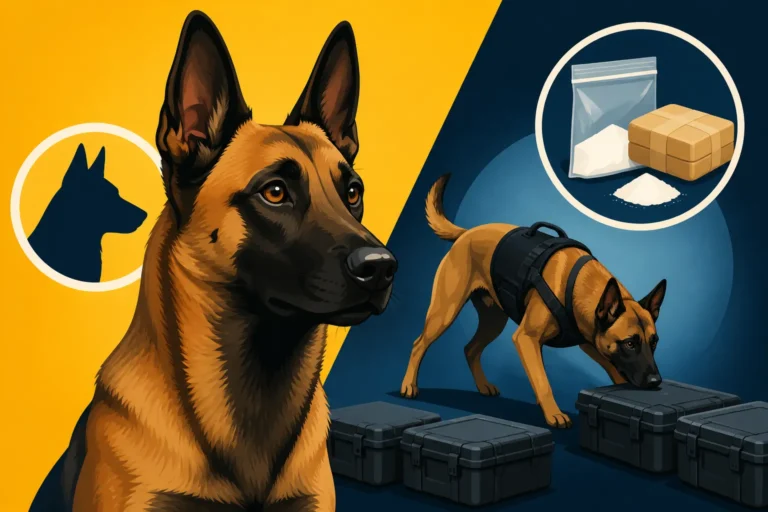
Consider incorporating other activities that tap into different aspects of their drive. Scent detection work, for instance, engages their incredible olfactory senses and provides intense mental stimulation. Tracking allows them to use their nose and problem-solving skills to follow a trail. Agility or dock diving can provide excellent physical challenges and build confidence in different ways. Even simple puzzle toys or structured obedience drills that require sustained focus can be immensely valuable. The goal is to create a well-rounded athlete and companion whose multifaceted drives are acknowledged and satisfied. Tug is a fantastic cornerstone, but building a diverse repertoire of activities ensures your Malinois is truly fulfilled and well-adjusted.
The Long-Term Benefits of a Well-Tugged Malinois
Investing time and effort into structured tug training with your Belgian Malinois offers a multitude of long-term benefits that extend far beyond simply having a well-behaved dog. It transforms your relationship, enhances their quality of life, and lays the groundwork for any future aspirations you might have, whether in competitive sports or simply as a superb companion.
A Stronger Bond with Your Dog
Few activities forge a bond between a Malinois and their handler quite like effective tug play. It's a primal, physical, and deeply interactive experience that fosters mutual understanding, trust, and a profound connection. When you engage in structured tug, you're not just throwing a toy; you're communicating, challenging, and rewarding your dog in a way that resonates with their very essence.
Through tug, your Malinois learns to see you as the source of immense joy and fulfillment. You become the exciting partner who brings the "prey" to life, who engages in a thrilling wrestle, and who ultimately provides the satisfaction of the "capture." This shared activity builds a strong foundation of trust; your dog learns that you will play fairly, that you will provide the release, and that you are consistent in your expectations. This translates into other areas of life, making them more willing to listen, more eager to please, and generally more attuned to your presence and cues. It's a dance of instinct and control, and when done right, it creates an unbreakable partnership rooted in shared purpose and exhilaration.
A More Balanced and Manageable Companion
Perhaps the most tangible long-term benefit of a well-tugged Malinois is having a more balanced, calm, and manageable companion in everyday life. Many of the frantic, destructive, or reactive behaviors that Malinois are notorious for stem from unfulfilled drives and a lack of appropriate outlets. Structured tug work addresses these root causes head-on.
When a Malinois regularly gets to express its prey drive in a controlled, acceptable manner, that intense energy has a proper release valve. This often leads to a significant reduction in unwanted behaviors like destructive chewing (because their oral fixation is satisfied), incessant barking (because they are less frustrated), and inappropriate chasing (because they learn to channel that drive). They learn an "off switch" – the ability to be highly aroused during play, then settle down when the session ends. This mental and physical satisfaction contributes to a generally calmer demeanor in the home and better focus during other training. A BAXTER & Bella program, for instance, emphasizes building strong engagement and positive relationships, which perfectly complements the disciplined yet fun approach to tug training, helping to mold a well-rounded and responsive companion from puppyhood onward.
Furthermore, the impulse control developed through consistently practicing the "out" command during tug translates into better behavior in public and around distractions. A dog that understands when to engage and when to disengage from a high-value item is much more likely to listen to commands when confronted with other tempting distractions in the environment. This makes walks more enjoyable, vet visits less stressful, and general public outings much more manageable, transforming your Malinois from a potential whirlwind into a truly integrated and respectful member of your household.
Preparing for Higher Level Work
For those with aspirations beyond a well-behaved family companion, building a strong foundation in tug work is absolutely essential for almost any high-level dog sport or working discipline. Tug is not just play; it's the gateway to advanced performance for a Malinois.
In protection sports like IGP (formerly IPO or Schutzhund) or Belgian Ring, a powerful, controlled, and confident bite is paramount. Tug work is the fundamental building block for developing that bite. It teaches the dog how to grip, how to hold, and how to "fight" the decoy (in a simulated sense) with commitment and full intensity, all while maintaining control and releasing on command. Without a strong tug drive, success in these sports is virtually impossible. The dog needs to view the sleeve or bite suit as the ultimate tug, the ultimate prize. For a deeper look into the demands of these sports, check out What Bite Sport Actually Asks of a Belgian Malinois.
Beyond protection work, the drive, focus, and engagement cultivated through tug play are invaluable in disciplines like agility, obedience, tracking, and scent detection. A dog that is intensely motivated by a tug will work harder, faster, and with greater precision for the opportunity to earn that reward. The ability to switch from intense focus to explosive action, and then back to calm attention, is a hallmark of a high-performing working dog, and tug training is one of the best ways to teach that fluid transition. Essentially, a well-developed and channeled tug drive doesn't just make your Malinois a better pet; it prepares them to excel at whatever challenge you set before them, turning their raw, powerful instincts into refined, controlled performance.
Disclaimer
This article is for general informational purposes only and does not constitute professional advice. Laws, prices and regulations vary by location and change over time. Consult a qualified professional for guidance on your specific situation.