Starting a Belgian Malinois on Narcotics Detection
It's a common misconception that a Belgian Malinois, with its legendary drive and intense focus, can just naturally "find drugs" or other controlled substances with minimal effort. While their incredible noses and relentless work ethic are undeniable assets, successfully starting a Malinois on narcotics detection is a precise, methodical process that requires far more than just instinct. This guide will walk you through the structured training necessary to harness your Malinois's innate abilities for this highly specialized and critical work.
Why the Belgian Malinois Excels at Scent Work
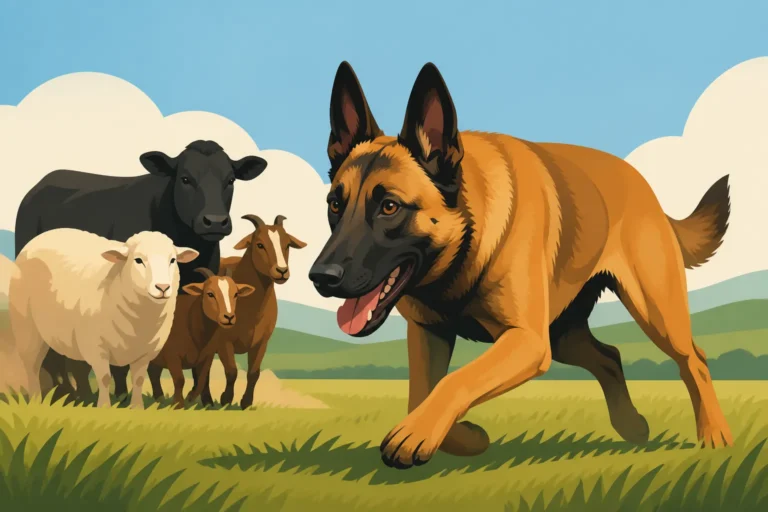
The Belgian Malinois, in many respects, is a scent detection machine wrapped in a lean, powerful package. Their genetics are wired for activity and precision, making them ideal candidates for tasks that demand both physical stamina and acute mental engagement. It’s not just about sniffing; it's about the entire behavioral complex that supports prolonged, focused search. Their inherent prey drive, often seen as a challenge in pet homes, becomes a powerful motivator in detection work.
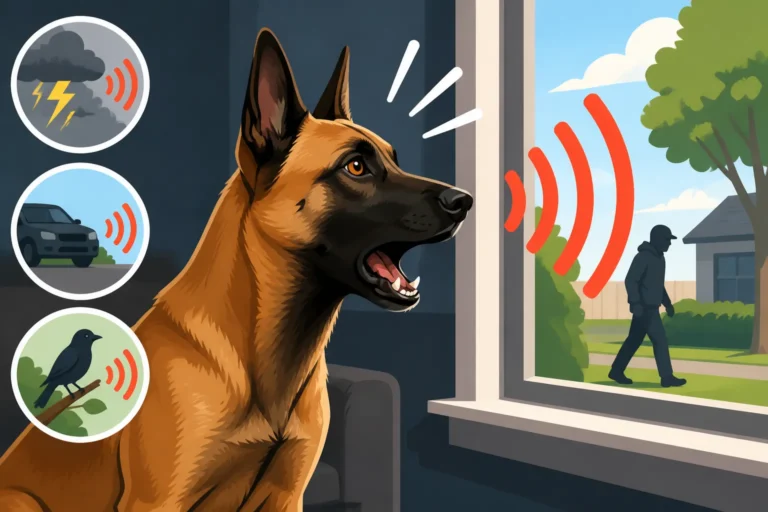
This breed’s intense focus, when properly channeled, allows them to maintain concentration on a scent even amidst significant distractions. Unlike some breeds that might be easily swayed by environmental stimuli, a well-trained Malinois can often tune out the world and zero in on the task at hand. This tenacity is crucial when searching complex environments, whether it's a vehicle, a warehouse, or a cluttered room, where a target odor might be faint or hidden deeply. This is a dog that can commit to a job.
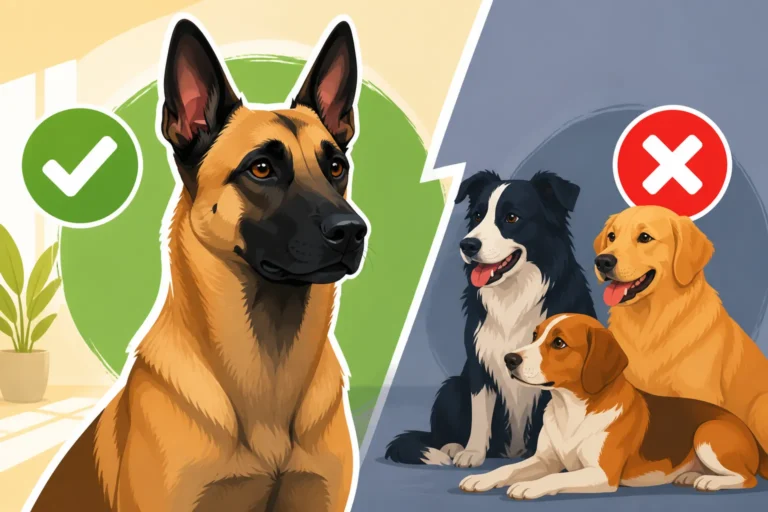
Furthermore, the Belgian Malinois thrives on having a purpose. An "unemployed" Malinois is often a destructive Malinois, finding its own (usually undesirable) outlets for that boundless energy. Narcotics detection provides a challenging, engaging "job" that taps into their problem-solving abilities and satisfies their need for intense mental and physical exertion. It’s a rewarding pursuit for both dog and handler, creating an unbreakable bond built on shared accomplishment. Finding an appropriate job for your Malinois is paramount to their overall well-being and to maintaining a harmonious household. The Job a Pet Belgian Malinois Can Be Given explores other ways to channel their drive.
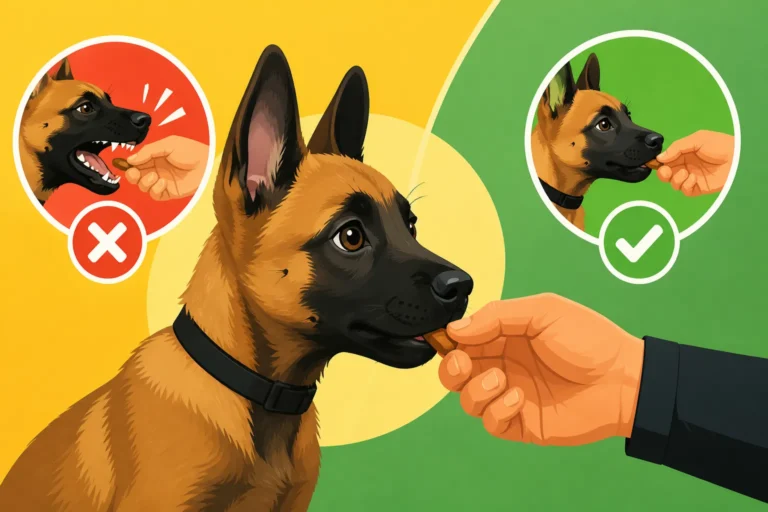
Their natural drive isn't just for chase; it's also a deep desire to engage and please their handler, provided that relationship is built on clear communication and positive reinforcement. This drive translates into an eagerness to work and a resilience in training that few other breeds can match. They aren't just going through the motions; they are genuinely invested in the game of finding the scent.
The Essential Foundations for Detection Training
Before you even think about introducing actual target odors, your Malinois needs a rock-solid foundation in obedience and handler engagement. Narcotics detection, especially in real-world scenarios, demands a dog that is not only proficient at scent work but also completely under control. This isn't just about finding the scent; it's about doing so safely, efficiently, and predictably. A strong "out" command, a reliable recall, and the ability to work calmly on a leash are non-negotiable prerequisites. Obedience a Malinois Needs Before Protection Work can give you an idea of the level of control required, even if the end goal is different.
Building incredible engagement with your Malinois is also key. This means becoming the most exciting thing in their world, making training a high-value interaction that they crave. You want your dog to want to work with you, not just for the reward, but for the shared experience. This can involve extensive play, developing a strong tug game where you control the starts and stops, and ensuring every interaction is meaningful. Consider resources like online puppy training programs, such as those from BAXTER & Bella, which focus heavily on building this foundational relationship and solid obedience, which is crucial before tackling specialized tasks like detection.
Your Malinois also needs to understand how to settle and maintain focus in various environments. Detection work often involves waiting patiently, being transported, and then working in novel or distracting locations. Building a strong "place" command, teaching them to relax in a crate, and exposing them to different sights and sounds in a controlled manner will prepare them mentally for the demands of the job. A Malinois that screams in its kennel or cannot settle down will be a liability in any working situation. Crate Work With a Malinois Puppy That Screams provides insight into addressing these behaviors early on.
It's also crucial to understand your dog's motivation. For a Malinois, this is often intense prey drive, channeled through toys like tugs or balls. This high-value reward is what you will use to pay for correct detection behaviors. Never underestimate the power of a Malinois's drive; it's the fuel for their work. Channeling a Belgian Malinois's Prey Drive Into a Tug goes into depth on how to effectively use this drive in training.
| Foundational Skill | Description | Why it's Critical for Detection |
|---|---|---|
| Solid Obedience | Reliable sit, stay, down, recall, loose-leash walking, "out" (release of object). | Ensures safety, handler control in chaotic environments, precise communication during searches. |
| High Engagement | Dog actively seeks handler interaction, motivated to work with and for handler. | Builds a strong working relationship, makes the handler the primary focus over environmental distractions. |
| Environmental Soundness | Comfortable and focused in various settings (loud, busy, unfamiliar places, different surfaces). | Allows the dog to perform reliably wherever a search is required, prevents stress or distraction. |
| Crate/Place Command | Ability to settle calmly in a crate or on a designated "place." | Essential for transport, waiting periods, and maintaining calm focus before and after work. |
| High Drive for Reward | Strong desire for a specific reward (tug, ball, high-value food). | Provides powerful, consistent motivation for performing the detection task and indicates a find. |
Step-by-Step: Introducing Target Odors and Building the Indication
Once your Malinois has a strong foundation, you can begin the exciting process of introducing target odors. This must be done systematically and carefully to build a clear association and a reliable indication behavior. The goal is for the dog to consistently and confidently alert you to the presence of the specific narcotic odor, and only that odor.
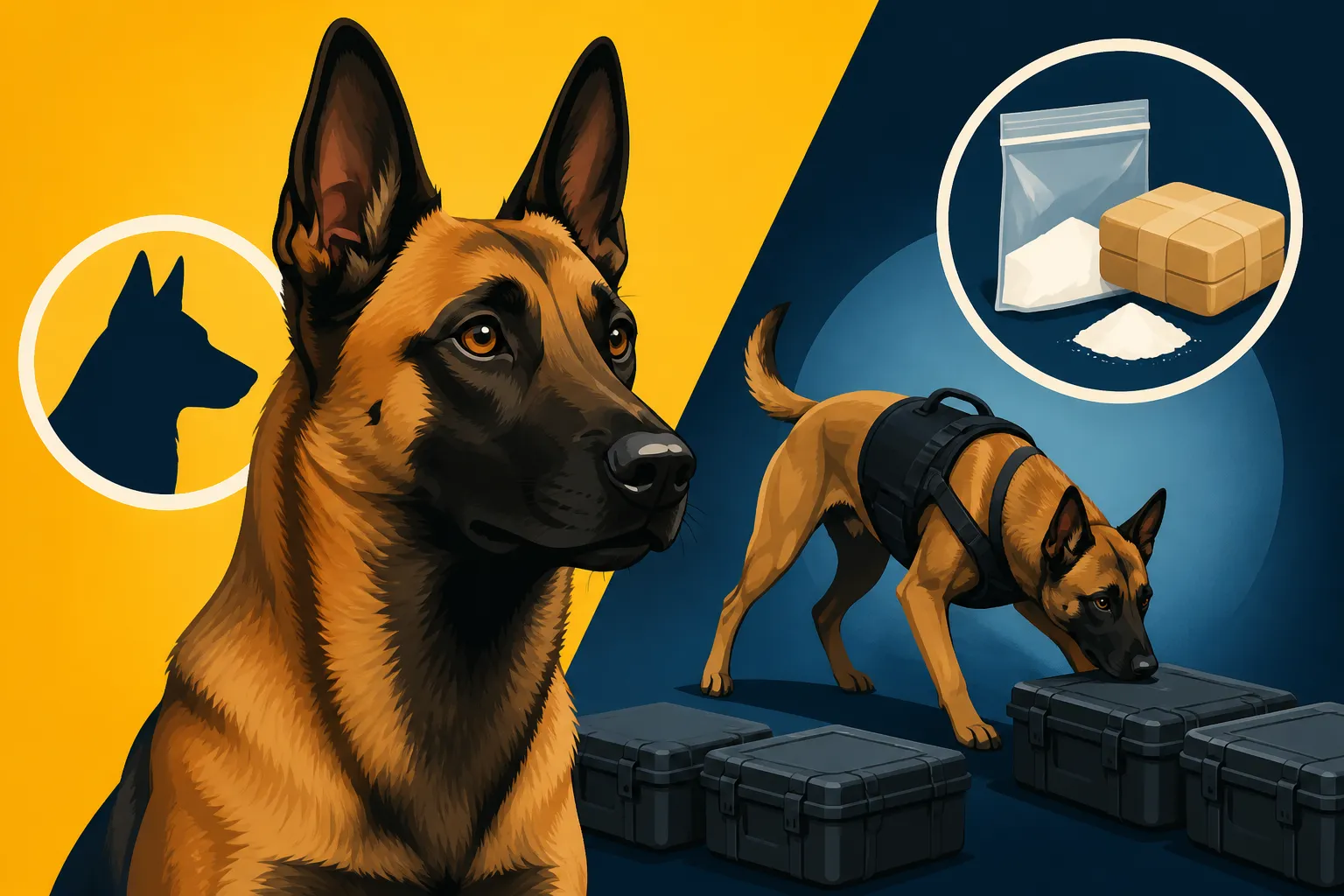
1. Pairing and Association: Start by introducing the target odor (often a pseudo-narcotic kit initially, for training purposes only and under strict legal and ethical guidelines). These kits can often be sourced through specialized suppliers, and sometimes starter training articles are even available through platforms like Amazon, though always ensure legality and proper handling. The critical first step is making the odor incredibly valuable. This is achieved through pairing: present the odor, then immediately give a high-value reward (a favorite tug, ball, or a jackpot of treats). Do this many, many times, making the odor synonymous with something fantastic happening. The dog doesn't need to understand what it is, just that its presence predicts a reward.
2. The Initial Hide: Once the pairing is strong, place a small amount of the target odor in a very easy-to-find location, like an open box on the floor. Allow your Malinois to investigate. The moment their nose goes to the scent, mark that behavior (with a verbal marker like "yes" or a clicker) and immediately reward them. This is where you begin to shape their "alert" or "indication." You're looking for any sustained interest. Keep these initial searches incredibly short and successful, always setting your dog up to win.
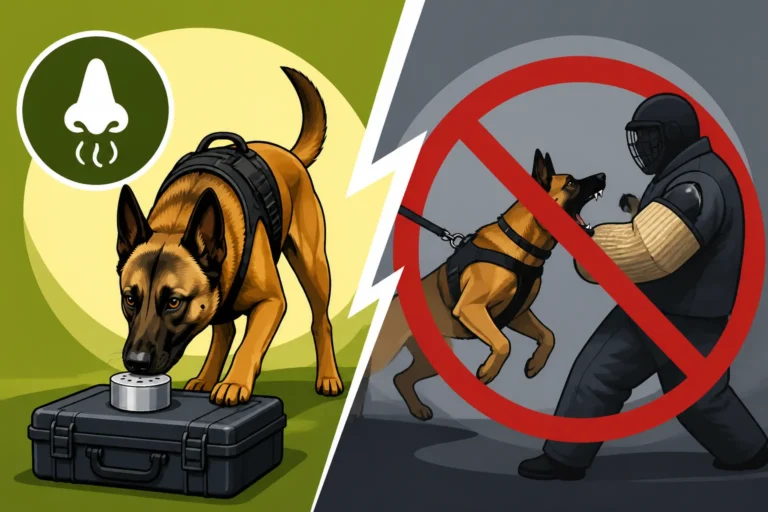
3. Building the Indication: Most narcotics detection dogs are trained to give a passive alert, meaning they sit or lie down, or freeze, at the source of the odor, rather than pawing or barking at it. This prevents damage to potential evidence. To train this, once your dog consistently puts their nose on the odor, wait a fraction of a second longer before rewarding. If they start to sit or lie down at the source, that's the behavior you mark and reward heavily. Gradually increase the duration of this focused indication before the reward. You are effectively teaching them, "when you smell this, sit here, and then you get that."
4. Generalization and Discrimination: As your Malinois masters the passive indication in simple setups, you'll begin to generalize the behavior to different containers and environments, and crucially, teach them to discriminate. This means hiding the target odor among distracting odors (like food, toys, or other common household smells) and ensuring they only indicate on the target. This phase requires meticulous planning to prevent false alerts. Always reward only for the correct odor. This is also where an e-collar, properly introduced and conditioned, can be a valuable tool for precise communication and stopping unwanted behaviors during advanced searches, though it requires skilled handling. What a Quality E-Collar Costs for a Belgian Malinois highlights the investment in such tools.
Advancing and Maintaining a Narcotics Detection Malinois
Once your Malinois is reliably indicating on a single target odor in varied but controlled environments, the real work of advancing their skills begins. This involves introducing additional target odors, increasing the difficulty of searches, and maintaining their proficiency over time.
1. Expanding the Odor Palette: Narcotics detection often requires dogs to identify multiple substances. Introduce new odors one at a time, using the same systematic pairing and shaping techniques. Ensure your Malinois can clearly discriminate between all learned odors. This is a progressive process, building upon each successful learned association. Think of it like adding new words to their scent vocabulary. It takes consistent effort and a clear training plan to manage multiple target scents without confusing your dog.
2. Increasing Search Difficulty: Gradually move your searches to more complex environments. Start with larger rooms, then move to vehicles, outdoor areas, and even luggage or parcels. Vary the height and accessibility of the hides. The goal is to proof their behavior against all sorts of real-world variables, teaching them to work independently to locate the source, no matter how challenging the hide. This is where the mental work really ramps up, The Mental Work That Finally Tires a Malinois Out becomes evident here. The more scenarios you expose them to, the more adaptable they become.
3. Environmental Proofing and Distraction Management: A true narcotics detection dog must perform flawlessly under immense pressure and distraction. This means training in busy environments, near loud noises, and around other people or animals. Your Malinois needs to be desensitized to these elements so they can maintain focus on the odor. This takes countless repetitions and careful management to ensure success. Never set your dog up for failure; always progress at their pace and ensure they are ready for increased challenge. Consider Building Engagement With a Belgian Malinois to keep their focus on you amidst distractions.
4. Maintaining Proficiency: Detection skills are perishable. Regular, consistent training sessions are absolutely essential to maintain a high level of proficiency. This isn't just about finding old hides; it's about introducing novel scenarios, refreshing known odors, and continually challenging your Malinois's abilities. Short, successful training sessions are far more effective than infrequent, long, and frustrating ones. The commitment is for the dog's entire working life, which can be considerable. The Fourteen to Sixteen Years a Belgian Malinois Lives emphasizes the long-term commitment. Think of it as a daily mental workout for your dog, perhaps only a portion of How Many Hours a Belgian Malinois Should Work Daily, but critical.
5. Handler Skill and Problem Solving: A detection dog is only as good as its handler. You must learn to read your dog, understand their changes in behavior, and interpret their indications. Being able to recognize when your dog is "in odor" versus just casually sniffing is a critical skill. Problem-solving abilities are also crucial, especially when a dog might be struggling with a particular hide or environment. Seek out experienced trainers and mentors who specialize in detection work; their guidance is invaluable. The investment in a highly trained Belgian Malinois, capable of this work, is significant, as seen in the price of The Twenty Five Thousand Dollar Trained Belgian Malinois. This commitment to training and maintaining skills is part of The Structure a Belgian Malinois Needs Every Day.
Ultimately, starting a Belgian Malinois on narcotics detection is a journey of dedication, patience, and a deep understanding of your dog's capabilities. It's a testament to the incredible working partnership that can be forged when a highly driven dog like the Malinois is given a meaningful job.
Disclaimer
This article is for general informational purposes only and does not constitute professional advice. Laws, prices and regulations vary by location and change over time. Consult a qualified professional for guidance on your specific situation.