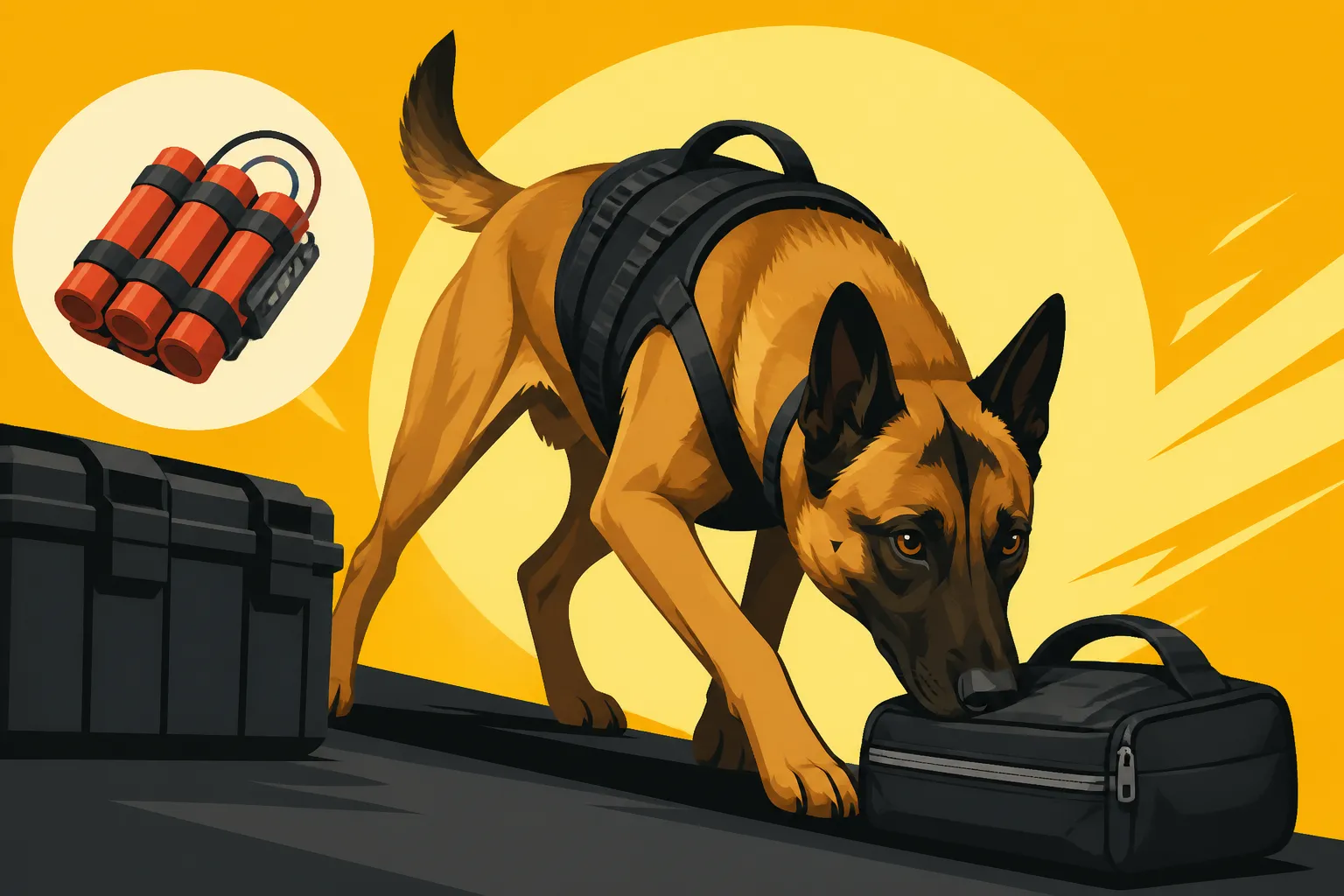
Explosives Detection Training for a Belgian Malinois
Bringing a Belgian Malinois into your home is often a whirlwind of energy, intelligence, and an unparalleled drive to do something. For those looking beyond traditional obedience or even sport work, and who truly understand the depth of their Malinois's capabilities, explosives detection training offers a profound path to harness that intensity. It's a demanding field, yes, but one where the Malinois truly shines, turning their incredible focus and scenting prowess into a critical service. This guide will walk you through the journey of preparing your Malinois for, and engaging in, the challenging yet immensely rewarding world of explosives detection.
The Foundation: Why a Malinois Excels in Detection Work
The Belgian Malinois isn't just a high-energy dog; it's a meticulously bred working machine, designed over generations for attributes that make it uniquely suited for demanding tasks. When it comes to something as critical as explosives detection, these innate qualities aren't just helpful – they're absolutely essential. It's why you see so many of these dogs in military, police, and security roles around the world.
Natural Drive and Scenting Abilities
Let's be honest, the drive in a Malinois isn't just "strong," it's often all-consuming. This intense desire to work, to chase, to engage, and to win is a detection trainer's dream. Unlike some breeds that might be content with a casual sniff, a Malinois dives into scent work with an almost obsessive focus. Their prey drive, often seen as a handful in a pet home, becomes an invaluable asset here. We're talking about a dog that will enthusiastically pursue a scent puzzle for extended periods, far beyond what many other breeds would tolerate before losing interest. This isn't just about sniffing; it's about persistent, focused hunting with their nose, driven by the promise of a high-value reward at the end.
Beyond their drive, Malinois possess an incredibly keen sense of smell. Their olfactory systems are simply phenomenal, allowing them to detect minute quantities of substances, even when masked by other odors or buried deep within complex environments. Combine this superior nose with their relentless work ethic, and you have a dog that won't give up until the job is done. They have the stamina and mental fortitude to sustain long searches, whether it's sweeping a large open area, meticulously clearing a building, or examining countless packages. This ability to maintain intense concentration for an extended duration is what sets them apart in detection work. For more on harnessing their energy, consider exploring The Mental Work That Finally Tires a Malinois Out.
Temperament and Trainability for High-Stakes Jobs
Working in explosives detection isn't just about finding scents; it's about doing so reliably and safely in potentially high-stress environments. A Malinois brings a stable yet resilient temperament to the table, which is absolutely crucial. They need to be steady-nerved, able to work confidently around loud noises, crowds, and unfamiliar locations without becoming agitated or distracted. Think about the variety of places an explosives detection dog might work: a bustling airport, a quiet school, a chaotic disaster scene, or even a tense military operation. A dog that folds under pressure or becomes reactive isn't just ineffective; it can be a liability.
Their inherent trainability and strong desire to please their handler also play a massive role. Malinois are famously intelligent and eager to learn, soaking up new commands and concepts with remarkable speed. This allows trainers to build complex search patterns, refine alert behaviors, and teach nuanced communication between dog and handler. They form incredibly strong bonds with their handlers, creating a partnership built on trust and mutual understanding – a bond that is absolutely vital when lives might depend on their accuracy. This deep connection and willingness to work with their person allows for a level of precision and consistency that is unmatched in many other breeds.
Getting Started: Early Training and Socialization for Detection Prospects
Successfully training a Belgian Malinois for explosives detection isn't something that happens overnight, nor does it begin with a bomb. It's a journey built on solid foundations laid during puppyhood and early adolescence. Without these critical early steps, even the most driven Malinois will struggle with the complexities and demands of advanced detection work.
Puppyhood: Building Blocks for a Working Dog
The work towards a detection dog starts long before they ever sniff a target odor. In puppyhood, the focus is less on specific detection skills and more on building a confident, curious, and resilient individual. Early scent introduction, surprisingly, can begin very simply and playfully. We're not talking about explosive odors here, but rather a wide variety of novel, safe scents – herbs, spices, different woods, fabrics, or even environmental smells like damp earth or fresh concrete. The goal is to make sniffing and investigating a fun, rewarding game, associating new smells with positive outcomes like treats or play. This builds a foundation of scent curiosity.
Equally important during this phase is extensive, positive environmental exposure. A future detection dog needs to be comfortable in virtually any setting. This means safely introducing them to different surfaces (tile, carpet, gravel, metal grates), various noises (traffic, construction, alarms, crowds), and a multitude of people and controlled social situations. The goal is desensitization, building a dog that is unfazed by novel stimuli and can maintain focus regardless of what's happening around them. A well-socialized Malinois is a confident Malinois, and confidence is paramount for a dog expected to perform in high-stakes environments. Think about it: a dog that's constantly startled or distracted by its surroundings can't concentrate on its primary job. For insights into safe early exposure, consider reading Socializing a Belgian Malinois Puppy Safely.
Basic Obedience and Engagement as Pre-Requisites
Before you even think about detection odors, your Malinois absolutely needs to have rock-solid foundational obedience. We're talking about impeccable recall, a strong "stay" or "wait," and reliable leash manners. Why is this so crucial for detection? Because you need a dog that is under precise control in all situations. Imagine needing to guide your dog through a complex search area, perhaps near sensitive equipment or people. A dog that bolts or ignores commands is not only inefficient but potentially dangerous. A solid "out" command, for example, is vital for controlling their drive and ensuring they release a reward when asked.
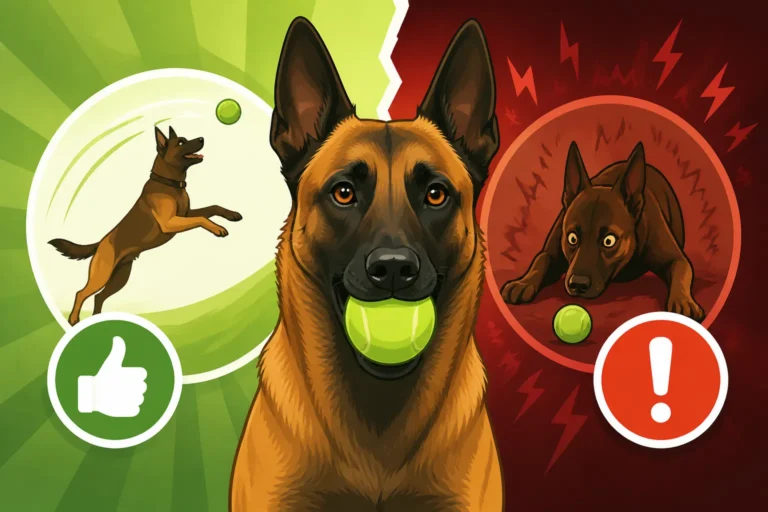
Beyond mere commands, building high levels of engagement with your Malinois is non-negotiable. This means developing a strong, mutually rewarding relationship where your dog actively seeks to work with you and finds immense value in your praise and the rewards you offer. This engagement is often built through play – using high-value tugs or balls that the dog is absolutely crazy about. These toys become the ultimate reward for successful detection work, so it's essential that your Malinois values them above almost anything else. Games of fetch, structured tug sessions with clear rules, and consistent positive reinforcement for attention and interaction all contribute to this vital handler-dog connection. Without it, you're not partners; you're just two individuals in the same space, and that won't cut it when the stakes are high. Learning to build this connection is key, and Building Engagement With a Belgian Malinois offers excellent guidance.
The Specifics: From Scent Introduction to Operational Readiness
Once your Malinois has a strong foundation in temperament, basic obedience, and engagement, you can finally begin to delve into the specialized world of explosives detection. This phase is highly structured, meticulous, and requires immense patience and consistency from the handler. It's where the natural drives of your Malinois are shaped into a precise, life-saving skill.
Imprinting on Target Odors: The Critical First Steps
Imprinting is perhaps the most critical stage of detection training. This is where your Malinois learns to unequivocally identify and alert to the specific odors of various explosive materials. It's done in a highly controlled environment, using inert training aids that perfectly replicate the target odors without any danger. The key here is positive association: the dog learns that sniffing out this particular scent leads directly to their ultimate reward – usually their favorite tug toy or a high-value food reward.
Trainers often start with a single, distinct odor in a very clean, distraction-free setting. The odor is hidden, the dog is encouraged to search, and the moment they indicate an interest in the target odor (even a slight head turn towards it), they are immediately rewarded. This rapid, consistent reinforcement creates a powerful connection in the dog's mind: "This smell = amazing reward!" Over time, the dog learns to discriminate this specific odor from all others. It’s not just about a strong smell; it’s about a very precise scent profile. Specialized training kits, often purchased from reputable vendors, ensure the integrity and safety of these inert training aids. Brands like those found on Amazon or other specialist K9 supply stores can provide these foundational items, but it's crucial to ensure they are from a trusted source for detection work.
Developing the "Alert" and Search Patterns
Once the Malinois is reliably imprinted on target odors, the next step is to formalize their "alert" behavior. An alert is the specific action the dog takes to indicate they've found the target odor. There are generally two types:
- Passive Alert: The dog indicates by freezing, sitting, lying down, or staring intently at the source of the odor. They do not touch or disturb the item. This is crucial for explosives detection, as disturbing an explosive device could be catastrophic.
- Active Alert: The dog digs, paws, or barks at the source. This is typically used for narcotics or human remains detection, where disturbing the source is not a safety risk.
For explosives detection, a passive alert is almost always preferred. The trainer shapes this behavior by rewarding the dog only when they perform the desired action (e.g., a sit or down) directly over the odor source. This requires precise timing and consistency.
As the alert is refined, the dog also learns systematic search patterns. This isn't random sniffing; it's a methodical process. Dogs are taught to clear areas efficiently, whether it's a grid search in an open field, a methodical sweep of a vehicle, or a detailed examination of a room. This ensures no area is missed and the search is thorough.
Here's a simple comparison of alert types:
| Alert Type | Description | Best Suited For | Advantages | Disadvantages |
|---|---|---|---|---|
| Passive | Dog freezes, sits, downs, or stares at source without touching. | Explosives, delicate items | Safety, no disturbance of potential hazard, clear handler interpretation. | Can be less obvious to an untrained eye; dog needs strong hold position. |
| Active | Dog scratches, barks, paws, or bites at source. | Narcotics, human remains, open field. | Highly visible alert, often faster response. | Risk of disturbing evidence or a hazardous item; potential for false alerts. |
Progression, Proofing, and Real-World Scenarios
The journey doesn't end once your Malinois can find an odor and alert. That's just the beginning. Training progresses by steadily increasing the difficulty and complexity of the searches. This includes:
- Increasing Search Area: Moving from small, controlled boxes to entire rooms, vehicles, or outdoor environments.
- Decreasing Odor Quantity: Dogs learn to detect even trace amounts of the target substance.
- Adding Distractions: This is "proofing" the dog. Introducing environmental distractions (other strong smells, loud noises, people walking by, other dogs) helps ensure the Malinois maintains focus solely on the target odor. This is where building focus, even in chaotic situations, becomes paramount. Building Focus on a Belgian Malinois in a Crowd is highly relevant here.
- Varying Hides: Placing odors at different heights, in various materials, in accessible and less accessible spots, and behind barriers.
Scenario-based training is crucial, mimicking real-world situations as closely as possible without actual danger. This could involve searching a mock-up of an airport luggage carousel, a vehicle inspection point, or a crowded public space. Repetition in varied environments is key to building a dog that is consistently reliable. Some K9 training organizations even offer online programs, often with principles applicable to early engagement and obedience, like those that could be found from providers such as BAXTER & Bella, which could help build the general focus and communication before getting into specialized scent work. This ensures the Malinois can transfer its learned skills from the training field to any operational environment they might encounter.
Challenges, Equipment, and Continued Development
Training a Belgian Malinois for explosives detection is an immense undertaking, filled with specific challenges, demanding specialized equipment, and requiring a commitment to lifelong learning and maintenance. It's a testament to the breed's capabilities and the dedication of its handlers.
Common Hurdles in Malinois Detection Training
Even with their incredible drive and intelligence, Malinois training isn't without its unique hurdles. One primary challenge is managing their intense drive. A Malinois can get over-excited, leading to rushed searches, missing subtle odors, or sloppy alerts. The trainer's job is to channel that intensity into focused, methodical work, teaching the dog to be both fast and precise. This often involves careful use of rewards, ensuring the reward only comes for correct and controlled performance. Sometimes, too much drive can lead to frustration if the dog isn't immediately successful, so building resilience and problem-solving skills is vital.
Another hurdle can be environmental sensitivity. While generally confident, a Malinois might have a momentary hesitation in a very novel, loud, or slippery environment. Consistent, positive exposure during their formative months, as discussed earlier, helps mitigate this, but ongoing desensitization for new environments is often necessary. Handler error is also a significant factor; inconsistencies in reward timing, inadvertently cueing the dog, or poor leash handling can all undermine training. The Malinois is always watching and learning from its handler, so the handler must be just as consistent and clear as they expect the dog to be.
Essential Equipment for Detection Work
Successfully training and deploying a detection Malinois relies on having the right tools. Foremost among these are the inert training aids themselves. These are carefully crafted to emit the exact scent profile of various explosive compounds without any of the hazardous properties. They must be stored and handled meticulously to prevent contamination and ensure consistency.
Beyond the scents, other key pieces of equipment include:
- High-value reward toys: As mentioned, indestructible tugs, balls on ropes, or specific interactive toys are crucial motivators. Many excellent, durable options can be found on Amazon that stand up to a Malinois's powerful jaws.
- Detection harnesses and leashes: These are often specialized, lightweight, and comfortable, designed for long periods of wear without restricting movement or pulling the dog off scent. A good, functional harness provides both control and comfort.
- Secure search vessels: These are containers, often perforated, used to hide the target odors during training, ranging from simple PVC tubes to more complex scent wheels.
- Heat/Cooling vests and cooling pads: For working in various climates, especially when dogs are searching in hot environments. Heat Stroke in a Belgian Malinois in a Patrol Car highlights the importance of temperature management.
- Vehicle crating and alarms: For safe transport, especially in K9 units, heat alarms are critical to protect the dog.
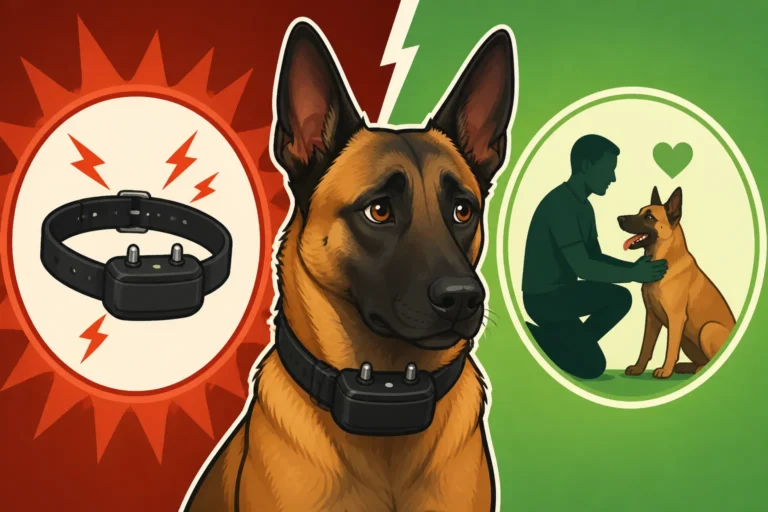
While not exclusively for scent work, some handlers utilize e-collars as an advanced communication tool for off-leash control and recall, especially in large search areas or high-distraction environments. If this is a consideration, understanding E-Collar Timing on a Belgian Malinois is paramount to ensure proper, humane, and effective application. The core detection, however, is driven by positive reinforcement for scent finds.
Maintaining Skills and Advancing a Detection Malinois
Explosives detection skills are highly perishable. Just like an athlete, a detection Malinois needs continuous training to maintain peak performance. This means daily or weekly refreshers, regular proofing sessions, and introducing new variations to prevent the dog from simply memorizing patterns rather than actively searching for odor. Think of it as going to the gym for their nose and brain.
Many detection Malinois will pursue various certifications throughout their careers, whether for police work, military operations, or private security. These certifications often require passing rigorous tests, demonstrating proficiency across multiple target odors and diverse search environments. Continued development also involves introducing new odors as threats evolve, refining handler communication, and constantly challenging the dog with novel search problems. Staying on top of health is also critical; a working Malinois needs a regular checkup schedule to ensure they remain physically fit for demanding work. The Checkup Schedule a Sport Malinois Should Keep provides insight into the necessary veterinary care.
The world of detection is also dynamic; new techniques, new challenges, and new threat substances emerge. Both dog and handler must be committed to lifelong learning, participating in advanced seminars, workshops, and ongoing professional development to stay at the forefront of this vital field. This dedication ensures that these extraordinary Belgian Malinois remain effective, reliable, and capable partners in keeping communities safe. Whether your Malinois goes on to serve in an official capacity or simply hones its nose work skills as an advanced hobby, the journey of explosives detection training is one of profound engagement, incredible learning, and a deep appreciation for the exceptional abilities of this remarkable breed.
Disclaimer
This article is for general informational purposes only and does not constitute professional advice. Laws, prices and regulations vary by location and change over time. Consult a qualified professional for guidance on your specific situation.