Whether an E-Collar Damages a Soft Malinois
It's a really common, and valid, concern among Belgian Malinois owners: you hear about tools like e-collars, and the first thought that often flashes through your mind is, "Will this damage my dog?" Especially with a Malinois, a breed renowned for its intensity but also capable of being incredibly sensitive, the worry isn't just about physical harm but about breaking their spirit or making them shut down. This guide aims to tackle that precise fear, exploring what "softness" in a Malinois truly means and whether a modern e-collar, when used correctly, is a tool for damage or for enhanced communication and safety.
What "Softness" Really Means in a Belgian Malinois
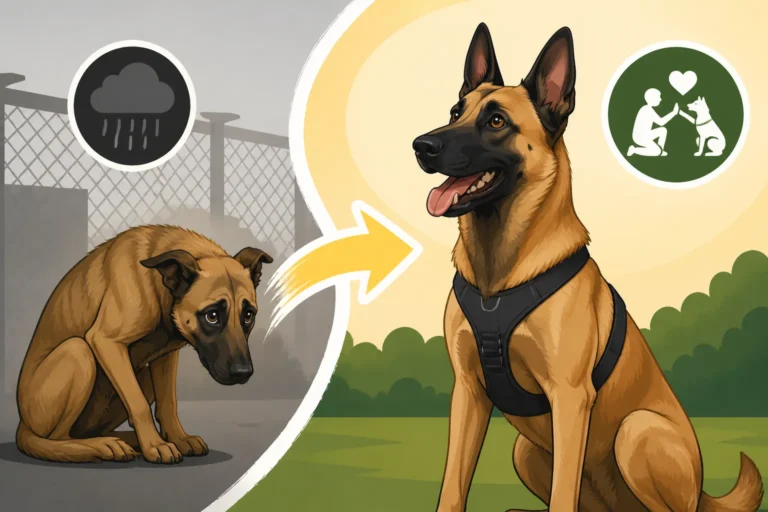
When we talk about a "soft" dog in the training world, it doesn't mean weak or fragile in a negative sense. Instead, it refers to a dog that is highly sensitive to correction, easily affected by pressure, and often quick to offer appeasing behaviors or even shut down if overwhelmed. A soft Malinois isn't necessarily less driven, but their reaction to perceived unfairness or excessive pressure might be withdrawal, anxiety, or a complete refusal to engage, rather than pushing through or becoming defiant.
The Nuance of Malinois Temperament
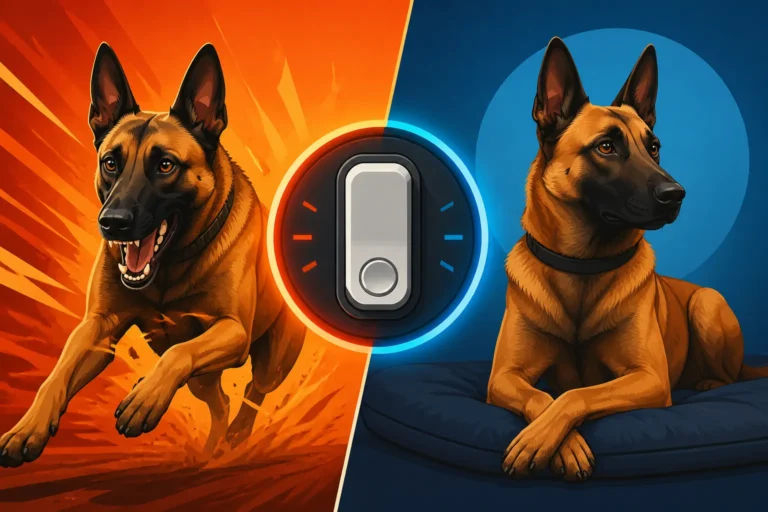
You've probably heard all about the Belgian Malinois being an intense, high-drive, "hard" dog. And yes, many of them absolutely are. They thrive on clear structure and can handle a significant amount of pressure and physical work. But here's the kicker: not all Malinois are built the same, even within top working lines. Just like people, they have individual personalities. You might have one Malinois who shrugs off a firm verbal correction and just tries harder, and another who crumples into a little ball if your tone is too sharp. The latter is what we might call "soft." These dogs are still brilliant, still eager to please, and still require a job, but their emotional threshold for pressure is much lower. It's crucial for us as handlers to recognize this difference and adjust our methods accordingly. Ignoring it is where problems can start, leading to A Belgian Malinois That Shuts Down Under Correction.
Identifying a Sensitive Malinois
How do you know if your Malinois is on the "softer" side? Pay close attention to their responses during training. Do they immediately avert their gaze, tuck their tail, or try to escape when you apply even mild physical pressure on the leash? Do they become hesitant or withdraw after a verbal correction? Do they seem to take things very personally? A truly soft dog might become visibly distressed, lose enthusiasm, or even develop avoidance behaviors if training is too harsh or inconsistent. It's not about them being stubborn; it's about their inherent wiring to react strongly to pressure. This doesn't mean you can't train them with clarity; it just means your communication needs to be exceptionally precise and gentle. Building strong Building Engagement With a Belgian Malinois is paramount for these dogs.
Dispelling E-Collar Myths: Damage vs. Communication
The term "e-collar" often conjures images of harsh, painful shocks, and that's a huge part of why owners worry about using them, especially on a sensitive dog. However, modern e-collars are a far cry from the crude "shock collars" of decades past. They are sophisticated communication tools designed to provide a mild, consistent muscle stimulation, vibration, or tone, which can be precisely controlled at very low levels.
The Technology of Modern E-Collars
Think of it less as a shock and more like a tap on the shoulder, or even just a buzzing sensation, delivered from a distance. Reputable e-collars, many of which you can find on platforms like Amazon, offer a vast range of stimulation levels – often 100 or more – allowing handlers to find the bare minimum level their dog perceives. Most dogs work comfortably on levels that are barely perceptible to a human touch, feeling more like a tingle than anything painful. The idea is to create a clear, consistent signal that means "do this" or "stop that," rather than inflicting discomfort or fear. It's about an extension of your leash, a long-distance tap, rather than a punishment device. If used correctly, an e-collar can actually reduce the need for physical corrections, which might be far more jarring for a soft Malinois.
The Real Damage: Improper Use and Lack of Knowledge
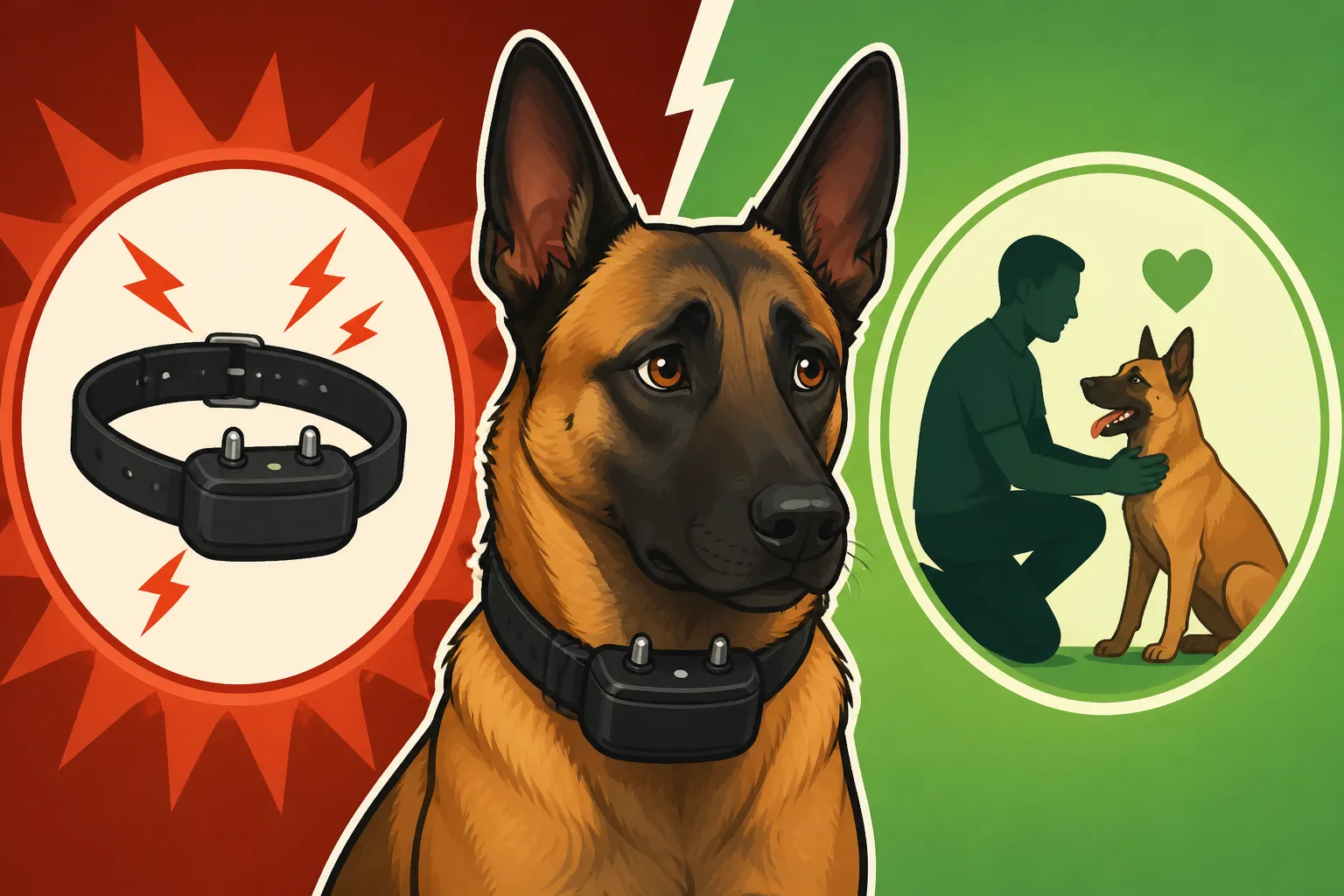
The concern that an e-collar can "damage" a soft Malinois isn't entirely unfounded if we're talking about improper use. Any tool, in the wrong hands, can be misused. Applying high levels of stimulation, using it as a primary correction without prior conditioning, or failing to teach the dog what the stimulation means can absolutely be detrimental. This kind of mishandling can lead to fear, anxiety, learned helplessness, or even aggression in some dogs. It can break trust and indeed "damage" a dog's spirit, especially a soft one. This is why professional guidance is so critical. A good trainer will never advocate for using an e-collar to punish or intimidate, but rather as a clear, consistent communication device once the dog understands its meaning. Understanding E-Collar Timing on a Belgian Malinois is key to ensuring it's a positive communication, not a negative experience.
Introducing an E-Collar to a Sensitive Malinois: A Gentle Approach
If you're considering an e-collar for your Malinois, especially a sensitive one, the approach is everything. It's not about strapping it on and pushing a button; it's a methodical process of conditioning, association, and clear communication.
Step-by-Step Conditioning for a Soft Dog
- Positive Association First: Before ever turning it on, make the e-collar a positive thing. Put it on your dog for short periods while they're doing enjoyable activities – playing, eating, getting pets. Let them wear it and forget it's there. This builds a neutral or positive association with the collar itself.
- Finding the "Working Level": This is arguably the most crucial step for a soft Malinois. Start on the absolute lowest setting and slowly increase it while observing your dog. You're looking for the slightest indication they feel it – a head tilt, an ear flick, a slight eyebrow raise. It should not be a yelp, a jump, or a panicked reaction. For a soft dog, this level might be incredibly low. If they react strongly, you've gone too high. This "working level" is your base for all future communication.
- Introducing the "Tap" as a "Come Here": Connect the stimulation to a known, desired behavior. For example, while your dog is on a long line, give your "come" command, then apply a very brief, low-level stimulation, simultaneously reeling them in with the line. The dog learns that the feeling means "come to handler." Repeat this many, many times in low-distraction environments. The stimulation becomes a signal, not a punishment.
- Gradual Increase in Distraction: Only once the "come" command is rock-solid in a calm environment do you slowly introduce more distractions. This might involve moving to the backyard, then a quiet park. The e-collar gives you that reliable long-distance "leash" to reinforce commands even when your voice might be lost in the environment. This is vital for developing a reliable Recalling a Belgian Malinois Off a Moving Target or ensuring that Whether a Malinois Is Ever Safe Off Leash is a positive answer.
Professional Guidance and Ethical Use
This isn't a DIY project for a soft Malinois. Working with an experienced e-collar trainer who understands the nuances of sensitive working breeds is non-negotiable. They can guide you through finding the correct working level, proper timing, and how to build positive associations. Resources like online training programs (even general ones that emphasize positive reinforcement and communication, such as BAXTER & Bella, can provide a good foundation for understanding dog learning principles before embarking on e-collar specifics) can help you learn the theory, but hands-on coaching is invaluable. Remember, the goal is always clear, humane communication, never intimidation or fear. The Handler Experience a Belgian Malinois Needs truly shines when using advanced tools like e-collars.
The Role of E-Collars in Enhancing Safety and Freedom
For many Belgian Malinois owners, the primary motivation for considering an e-collar, even for a soft dog, is often safety and the desire to grant their dog more freedom. Used correctly, an e-collar can be an incredibly powerful tool for off-leash reliability, preventing dangerous situations, and ultimately enriching a Malinois's life.
Off-Leash Reliability and Preventing Dangers
Malinois are dogs with immense drive, speed, and often a strong prey drive. A squirrel darting across a busy road, an unexpected encounter with an aggressive dog, or a suddenly appearing deer can all pose serious threats to an off-leash Malinois, no matter how well-trained they are on a leash. An e-collar, when properly conditioned, provides an instant, reliable way to interrupt dangerous behaviors or ensure a recall even when your dog is highly focused on something else. This safety net can actually reduce anxiety for both you and your dog, as you can trust that you have a way to communicate and intervene if needed. This doesn't mean bypassing foundational Long Line Work With a Malinois in Open Ground, but rather building upon it.
Expanding Your Malinois's World
With the confidence of reliable off-leash control, you can offer your Malinois opportunities they might not otherwise have. Think about safe, open spaces where they can truly gallop and explore without the constant worry of them bolting or getting into trouble. This enhanced freedom to run, chase, and discover within safe parameters is immensely enriching for a high-energy breed like the Malinois. It means more adventurous hikes, more games of fetch in wide-open fields, and a generally higher quality of life. The ability to give a subtle, long-distance cue, even for a soft dog, means less need for yelling or frantic physical interventions, which are often far more stressful. It simply provides another layer of communication, allowing you to tell your Malinois "yes" or "no" even when they're twenty yards away, focused on a scent.
E-Collar Best Practices vs. Harmful Misuse
To truly understand the difference between using an e-collar as a constructive tool and a damaging one, especially for a sensitive Malinois, consider this table:
| Aspect of Use | Best Practice for a Soft Malinois | Harmful Misuse for Any Malinois |
|---|---|---|
| Purpose | Clear, consistent communication, reinforcing known commands, safety net for recall. | Punishing unwanted behavior, scaring the dog, intimidating. |
| Stimulation Level | Start at the lowest perceptible "working level"; often a barely felt tingle or vibration. | High, painful levels used as a primary correction; causing yelps, jumps, or fear. |
| Introduction | Positive conditioning; dog learns what stimulation means before use for correction. | No conditioning; collar put on and used immediately for corrections, leaving dog confused and afraid. |
| Timing | Precise and immediate with the command or desired action; dog clearly connects action to signal. | Inconsistent or delayed; dog doesn't understand why they are being stimulated. |
| Handler Skill | Guided by professional e-collar trainer; deep understanding of dog behavior and learning theory. | Self-taught from online videos; lack of understanding of dog's emotional state or appropriate technique. |
| Outcome | Increased off-leash reliability, greater freedom for the dog, stronger handler-dog communication. | Fear, anxiety, aggression, learned helplessness, broken trust, damage to dog's spirit. |
Ultimately, the tool itself is neutral. The "damage" or benefit lies entirely in the hands of the person operating it. With a Belgian Malinois, especially one on the softer side, your commitment to ethical, knowledgeable, and patient training is the deciding factor in whether an e-collar becomes a valuable communication aid or a source of distress.
Disclaimer
This article is for general informational purposes only and does not constitute professional advice. Laws, prices and regulations vary by location and change over time. Consult a qualified professional for guidance on your specific situation.