Whether a Malinois Passes the Good Citizen Test
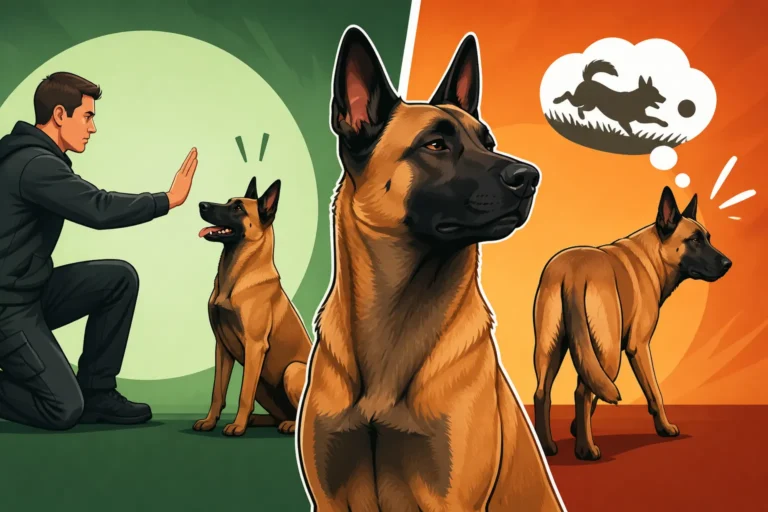
It's a common aspiration for Belgian Malinois owners to aim for titles like the Canine Good Citizen (CGC), hoping to prove their intense, high-drive companion can indeed be a polite, well-mannered member of society. While the very idea might seem like a monumental task when you're wrestling a land shark in your living room, the truth is, with the right approach and unwavering dedication, many Malinois absolutely can pass the CGC test. This guide will walk you through what the test entails, the unique challenges and surprising advantages a Malinois brings, and the concrete steps you can take to prepare your incredible dog for success.
Understanding the Canine Good Citizen Test: What It Actually Asks For
The American Kennel Club (AKC)'s Canine Good Citizen (CGC) program is a foundational certification that recognizes dogs who have good manners at home and in the community. It's a wonderful benchmark for responsible dog ownership, showing that your dog can be relied upon to behave politely in a variety of everyday situations. For a Malinois owner, earning this title is often a huge point of pride and a testament to the immense effort put into their training.
The CGC test isn't about fancy tricks or high-level obedience; it's about practical, real-world manners. It's a set of ten specific exercises designed to demonstrate that your dog can be a good neighbor and a welcome guest. Think of it as the ultimate "pet manners" exam. Passing means your Malinois can go more places with you, and you can both enjoy a calmer, more integrated life. It also often serves as a prerequisite for more advanced therapy dog programs or public access certifications, which can be a goal for many driven Malinois handlers.
Key Components and Expectations of the CGC Test
Let's break down the ten components of the CGC test, because understanding what's expected is the first step to tailoring your Malinois's training. Each item is designed to assess your dog's reliability and good behavior in common scenarios.
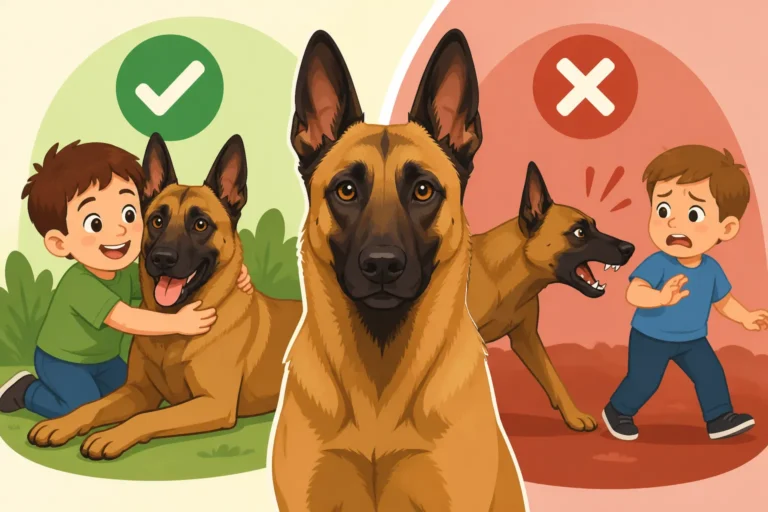
- Accepting a Friendly Stranger: Your dog should allow a friendly stranger to approach and speak to you, then pass by without displaying shyness or resentment. For a Malinois, whose natural protective instincts can be high, this requires careful desensitization and positive associations with new people.
- Sitting Politely for Petting: The stranger will pet your dog, and your Malinois needs to remain calm, allowing the petting without jumping, shying away, or showing aggression. This is where The Shark Phase Every Malinois Puppy Goes Through training comes in handy, teaching them to greet without using their teeth or bodies inappropriately.
- Appearance and Grooming: The evaluator will check your dog's ears, lift a paw, and brush them briefly. Your Malinois must tolerate this without fuss. Early positive experiences with grooming tools and handling are vital.
- Walking on a Loose Leash: This is a big one for many high-energy breeds. Your Malinois needs to walk beside you, maintaining a loose leash, through a short course with turns, stops, and a change of pace. No pulling, no lagging.
- Walking Through a Crowd: You'll walk with your dog through a small group of people, demonstrating that your Malinois can navigate politely without jumping on or interfering with others. This can be tricky given their tendency to be highly aware of their surroundings.
- Sit and Down on Command/Staying in Place: Your dog must reliably perform a "sit" and "down" on command, and then "stay in place" (either sit or down) for three minutes while you move six feet away. This is where Building a Malinois's Place Command becomes a superpower, allowing your dog to relax and remain stationary on cue.
- Coming When Called: Your Malinois will need to come reliably when you call them from ten feet away, even with a minor distraction. This is a life-saving skill and a cornerstone of off-leash control. Starting Malinois Recall the Week It Comes Home is crucial from day one.
- Reaction to Another Dog: Two handlers with their dogs will approach, stop, shake hands, and exchange pleasantries. Your Malinois should remain calm and show no aggression or intense interest in the other dog. This is often one of the most challenging items for a breed with strong prey drive or dog-selectivity. A Belgian Malinois That Reacts to Other Dogs addresses this head-on.
- Reaction to Distraction: The evaluator will introduce a mild, everyday distraction (like a dropped clipboard or a passing jogger). Your Malinois should show only a casual interest, not panic, bark excessively, or try to bolt. Building Focus on a Belgian Malinois in a Crowd is key for this.
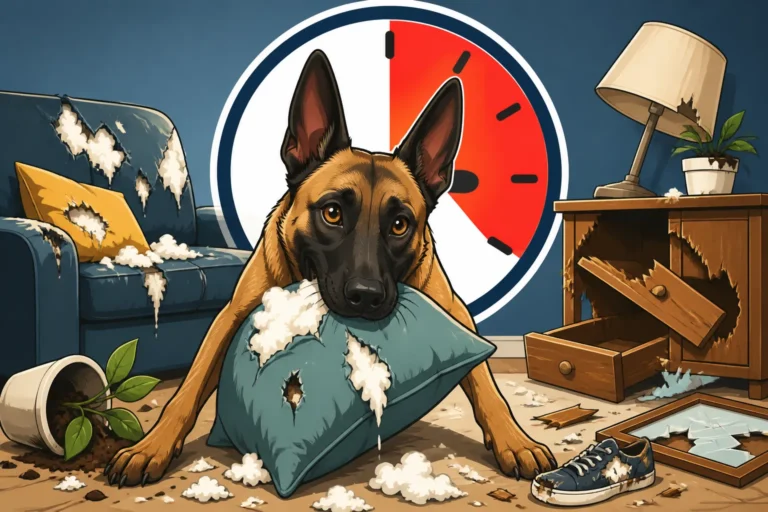
- Supervised Separation: Your dog is left with the evaluator for three minutes while you go out of sight. Your Malinois should not show extreme distress, barking, whining, or destructive behavior. This tests their confidence and ability to handle brief periods of separation without handler obsession.
The Malinois Temperament: Challenges and Advantages for CGC
Understanding the unique qualities of the Belgian Malinois is crucial when preparing for the CGC. They are not Golden Retrievers, and their approach to these exercises will inherently be different. While some aspects can be incredibly challenging, their innate intelligence and desire to work can also be a huge asset.
Malinois Strengths for CGC Success
Let's start with the good news! Malinois possess several traits that, when properly channeled, make them exceptional students and capable of excelling in formal obedience settings.
- High Intelligence and Trainability: Malinois are incredibly smart and quick learners. They pick up new commands and concepts with remarkable speed. If you can clearly communicate what you want, they'll usually grasp it quickly. This means less repetition is needed for them to understand the mechanics of each CGC exercise.
- Eagerness to Please (Their Handler): While they have a strong will, a well-bonded Malinois typically lives to please their handler. They thrive on praise and the satisfaction of working with you. This drive to cooperate can be leveraged heavily in CGC training, making them enthusiastic participants when you make it a team effort.
- Incredible Focus When Engaged: When a Malinois is "on" and engaged with their handler, their focus can be laser-sharp. This intense concentration is an advantage during the actual test, allowing them to block out minor distractions that might faze other breeds. Building Engagement With a Belgian Malinois is the secret sauce here, making you the most interesting thing in any environment.
- Athletic Prowess and Body Awareness: Their physical capability means they can execute commands like "sit" and "down" crisply and hold positions without difficulty, provided they've been conditioned to do so. This isn't just about strength; it's about their inherent agility and control over their bodies.
Malinois Specific Hurdles to Overcome for CGC
Now for the realistic part. The traits that make a Malinois an elite working dog can also make the "polite pet" aspects of the CGC test a significant undertaking. This isn't to say it's impossible, but it demands an empathetic and strategic approach from the owner.
- High Drive and Intensity: A Malinois is rarely "chill." Their default setting is often "on," and maintaining a calm, settled demeanor for tasks like "sitting politely for petting" or "walking through a crowd" goes against their natural inclination to be aware, assess, and move. Building an Off Switch Into a Belgian Malinois is perhaps the most critical skill to develop for CGC success, helping them learn to relax on cue. Without it, you're constantly fighting their natural energy. It's truly a lifestyle modification rather than just a command.
- Reactivity to Strangers and Other Dogs: Malinois are often aloof with strangers and can be protective. Their instinct might be to observe, guard, or even react to novel situations or individuals, especially when they perceive a threat or simply don't understand the interaction. This makes "accepting a friendly stranger" and "reaction to another dog" quite challenging. It requires extensive, carefully managed positive exposure and counter-conditioning, not just brute force obedience. For dogs that struggle with greeting strangers or other dogs calmly, practicing these scenarios outside the formal test setting with trusted, calm individuals and neutral dogs is vital.
- Environmental Sensitivity and Distraction: While they can focus intensely, Malinois are also highly aware of their surroundings. Every rustle, every distant sound, every moving object can be a potential distraction. The "reaction to distraction" component can highlight this sensitivity. What might be a minor distraction for another dog could trigger a full alert response in a Malinois. This means training needs to occur in progressively more distracting environments, gradually building their tolerance and ability to maintain focus on you.
- Separation Anxiety / Handler Obsession: Many Malinois form incredibly strong bonds with their primary handler. While this loyalty is wonderful, it can manifest as handler obsession, making the "supervised separation" component particularly tough. A Malinois might whine, bark, or try to escape to get back to their person, not because they're being destructive, but out of intense desire to be with you. Building confidence in being alone, even for short periods, and making the "place" command a solid, enjoyable resting spot, are essential. It really means teaching them that your absence is temporary and safe, which can be a long road for a dog that truly believes their world revolves around you. This is also why Whether a Belgian Malinois Ever Truly Relaxes is such an important consideration.
Realistic Expectations for Training
Given these challenges, it's realistic to expect that training a Malinois for the CGC test will be a significant, ongoing commitment. It's not a weekend project. It often takes months of consistent, patient work. The reward, however, is not just the title, but a much more well-adjusted and controllable companion. The journey itself is where the true value lies, as it forces you to deeply understand and communicate with your Malinois.
Strategies for Success: Training Your Malinois for CGC
Conquering the CGC with a Malinois requires a strategic, patient, and highly consistent approach. You're not just teaching commands; you're shaping a mindset of calm focus and polite interaction.
Foundation Obedience is Paramount
Everything starts here. Before you even think about the specific CGC exercises, your Malinois needs a rock-solid foundation of basic obedience. This means:
- Reliable Sit, Down, and Stay: These are the building blocks. Practice them everywhere, in every position, with various durations and distractions.
- Strong Recall: Your Malinois must come when called, no matter what. This is for their safety and critical for the test.
- Loose Leash Walking: This isn't just about the test; it's about enjoying walks together. Start in low-distraction environments and gradually build up. You'll want a sturdy, comfortable leash and collar. Many owners find quality flat buckle collars or head halters helpful initially, avoiding anything that makes the dog uncomfortable or causes them to associate pain with training.
- Early and Consistent Training: Start when they are puppies! The Age a Belgian Malinois Puppy Starts Training emphasizes that early exposure and teaching basic manners makes all the difference. Consider online resources like BAXTER & Bella, which offer comprehensive puppy training programs that can help lay this crucial foundation from the moment your Malinois puppy comes home.
Mastering the Loose Leash Walk
For a Malinois, loose leash walking often feels like a constant battle against their desire to patrol, pull, and explore. To succeed in the CGC test's loose leash portion:
- Start with Engagement: Make yourself more interesting than the environment. Use high-value treats and toys to keep their attention on you.
- Reinforce Heavily: Every step on a loose leash gets rewarded. If they pull, stop immediately. Movement only resumes when the leash is slack.
- Use the Right Tools (Responsibly): A well-fitted front-clip harness can help redirect their pulling, making it physically harder for them to drag you. Flat buckle collars or head halters can also be effective. Always introduce new equipment positively and ensure it fits correctly. You can find a wide array of options on platforms like Amazon, but always prioritize comfort and safety for your dog.
- Practice in Diverse Environments: Don't just practice in your quiet backyard. Gradually introduce busier sidewalks, parks, and eventually places with more people and dogs.
Socialization, But the Right Kind
For a Malinois, "socialization" doesn't mean letting them run wild at the dog park. It means controlled, positive exposure that teaches them to be neutral, not necessarily friendly, towards strangers and other dogs. Socializing a Belgian Malinois Puppy Safely is about quality, not quantity.
- Controlled Exposure to People: Arrange for calm, dog-savvy friends to approach your Malinois politely, offer treats, and then move on. Focus on neutrality and acceptance.
- Observe from a Distance: For other dogs, practice walking past them at a distance where your Malinois notices but doesn't react. Gradually decrease the distance as their comfort grows.
- Positive Associations: Pair the presence of strangers or other dogs with high-value rewards (e.g., their favorite toy or a piece of chicken). The goal is for them to associate these encounters with good things happening to them.
Building a Strong "Place" or "Stay"
The "sit/down and stay in place" and "supervised separation" components rely on your Malinois being able to settle and remain stationary. This is where the "place" command shines.
- Define "Place": Teach your Malinois that a specific mat or bed is their "place," and going there means good things happen and they must stay.
- Duration and Distance: Gradually increase the time they need to stay and the distance you move away.
- Proofing: Practice "place" in different rooms, then in different houses, and eventually in public places with low distractions. This command is a powerful tool for Building an Off Switch Into a Belgian Malinois, helping them learn to settle down even when their instincts tell them to be alert.
Desensitization to Distractions
The "reaction to distraction" item requires your Malinois to remain calm when unexpected things happen.
- Simulate Distractions: Start with mild, controlled distractions at a distance. Drop a plastic container, roll a ball past them, have someone jog by.
- Reward Calmness: Reward your Malinois for simply not reacting or for quickly disengaging from the distraction and looking at you.
- Gradual Increase: Slowly increase the intensity and proximity of the distractions. This builds their resilience in new environments, crucial for The Structure a Belgian Malinois Needs Every Day.
Using Positive Reinforcement and Engagement
Malinois thrive on praise, high-value treats, and the opportunity to work with their handler. Leverage this:
- High-Value Rewards: Know what motivates your Malinois most—whether it's a specific toy, a favorite treat, or enthusiastic praise.
- Make Training Fun: Keep sessions short, positive, and varied to maintain their interest. A bored Malinois is a destructive Malinois.
- Build Engagement: Your Malinois should look to you for direction and fun. Play games that build focus and teamwork. Building Engagement With a Belgian Malinois highlights how making yourself the source of all good things can significantly enhance trainability.
Professional Guidance
While many owners can prepare their Malinois for CGC, there's no shame in seeking help.
- Experienced Trainers: A good trainer who understands working breeds can offer invaluable insights, troubleshoot issues, and provide a neutral environment for practice. They can help you refine your techniques and ensure you're setting your Malinois up for success.
- CGC Prep Classes: Many training facilities offer specific CGC preparation classes, which provide a structured curriculum and practice in a simulated test environment.
The Path Beyond CGC: Continued Training and Lifestyle
Passing the Canine Good Citizen test with your Belgian Malinois is an incredible achievement, but it's important to view it as a milestone, not the finish line. For a breed as intelligent and driven as the Malinois, training is truly a lifelong journey.
CGC as a Stepping Stone
Think of the CGC as your Malinois's high school diploma in manners. It demonstrates a solid foundation, but there's always more to learn and master. For many owners, the CGC is just the beginning. It proves that your Malinois has the capacity for public decorum and control, opening doors to more advanced endeavors. For instance, achieving CGC is often a prerequisite if you have aspirations for your Malinois to become a therapy dog, which requires an even higher level of calm and social interaction. If you're wondering Whether a Belgian Malinois Makes a Service Dog, the CGC is a fantastic first step in demonstrating their trainability and reliability.
Advanced Titles and Sports
Once you've conquered the CGC, you might find yourself bitten by the training bug! The AKC offers several advanced CGC titles, like Canine Good Citizen Advanced (CGCA) and Canine Good Citizen Urban (CGCU), which build upon the basic test by adding more challenging public access scenarios.
Beyond the CGC program, a world of dog sports and activities awaits your Malinois, allowing them to channel their incredible drive and intelligence into productive outlets:
- Obedience and Rally: These sports refine precision and teamwork.
- Agility: A great way to burn physical and mental energy.
- Nose Work/Scent Detection: Perfect for their incredible noses and focus, and can be done by almost any dog.
- Protection Sports (e.g., IGP, Ring Sports): For those Malinois specifically bred for and suited to it, these sports provide an intense mental and physical challenge. Whether IGP Suits a Belgian Malinois is a great question to explore if you're interested in competitive protection work. These require even greater levels of control and handler-dog communication than the CGC, using that inherent drive in a highly structured way.
Maintaining Desired Behaviors: A Lifelong Commitment
The CGC certificate doesn't automatically mean your Malinois will forever be perfectly behaved without ongoing effort. Their instincts and drive are always there. Maintaining the skills you've worked so hard to achieve requires:
- Consistent Practice: Regularly revisit the CGC exercises in different environments.
- Reinforcement: Continue to reward good behavior, especially in distracting situations.
- Ongoing Mental and Physical Stimulation: A bored or under-exercised Malinois is more likely to revert to undesirable behaviors. Ensure they have plenty of appropriate outlets for their energy, both physical and mental, every single day. The Structure a Belgian Malinois Needs Every Day is vital to keeping them happy and well-behaved.
Living with a CGC-Certified Malinois
The practical benefits of having a CGC-certified Malinois are immense. You'll likely feel more confident taking your dog to public parks, outdoor cafes (where allowed), and visiting friends' homes. It demonstrates to others that your Malinois is not just a high-energy machine, but a respectful and well-managed companion. This enhanced trust and control can significantly improve your quality of life together, proving that yes, a Malinois can indeed be an outstanding canine citizen.
| CGC Test Item | Potential Malinois Challenge | Training Approach for Malinois |
|---|---|---|
| Accepting Friendly Stranger | Aloofness, guarding instincts, high arousal | Controlled positive exposure, high-value treats from strangers, focus on neutrality. |
| Sitting Politely for Petting | Jumping, mouthiness, over-excitement, shyness | Reward all four paws on floor, calm greetings, "place" command for settling, gentle handling. |
| Appearance & Grooming | Objecting to handling, sensitivity to touch | Early positive conditioning to touch, brushes, and handling; make it a pleasant routine. |
| Loose Leash Walking | Strong pulling, prey drive for distractions | High-value rewards for slack leash, sudden stops when pulling, use of front-clip harness/harness. |
| Walking Through a Crowd | Fixation on movement, wanting to herd/investigate | Practice in gradually busier areas, focus games, reward engagement with handler. |
| Sit & Down/Stay in Place | High energy, difficulty settling, handler obsession | "Place" training, increasing duration/distance slowly, building confidence in brief absence. |
| Coming When Called | High prey drive, environmental distractions | Proofing recall in all environments, high-value rewards, long line practice, consistent urgency. |
| Reaction to Another Dog | Reactivity, intense focus, vocalization, prey drive | Parallel walks at distance, positive association with other dogs, focus on handler when dog present. |
| Reaction to Distraction | Environmental sensitivity, strong startle reflex | Desensitization to various noises/movements, reward calm response, focus on handler during distraction. |
| Supervised Separation | Separation distress, vocalization, anxiety | Gradual increase in separation time, strong "place" command, teaching self-settling skills. |
Disclaimer
This article is for general informational purposes only and does not constitute professional advice. Laws, prices and regulations vary by location and change over time. Consult a qualified professional for guidance on your specific situation.