The Age a Malinois Starts Ignoring Known Cues
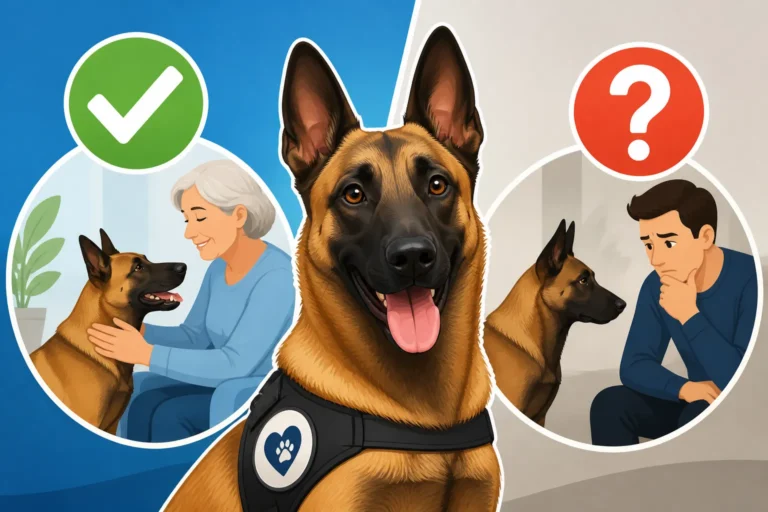
It’s a scenario many Belgian Malinois owners eventually face: your perfectly trained, reliably responsive dog suddenly seems to have developed selective hearing. Commands they knew backwards and forwards are now met with a blank stare, a sniff of the ground, or an outright dismissal. This can be incredibly frustrating and even alarming, making you question everything you thought you knew about your dog. This guide will delve into the typical ages and reasons why a Malinois might start ignoring known cues, and how you can navigate these challenging phases to restore that solid communication.
Understanding the "Adolescent Regression" Phase
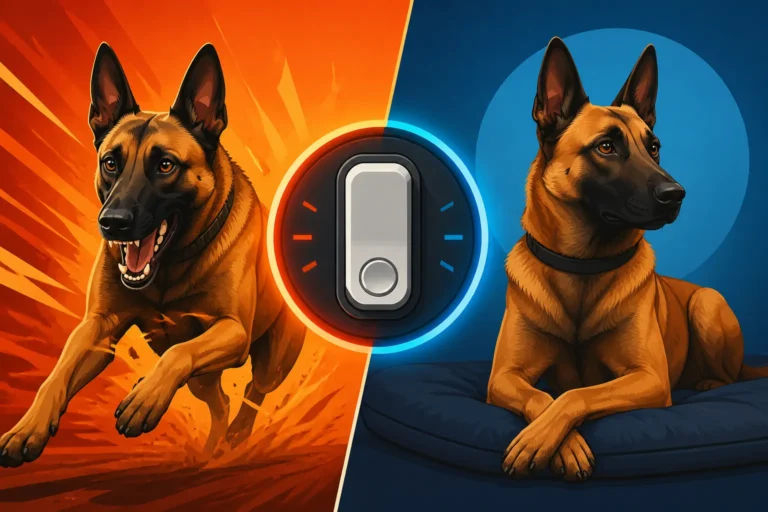
One of the most common times you'll notice your Malinois "forgetting" their training is during adolescence. Just like human teenagers, adolescent dogs go through a period of immense physical and mental change that can manifest as a temporary lapse in manners and obedience. It's not usually defiance, but rather a complex mix of brain development, hormonal shifts, and an expanding awareness of the world around them.
The Adolescent Malinois Brain
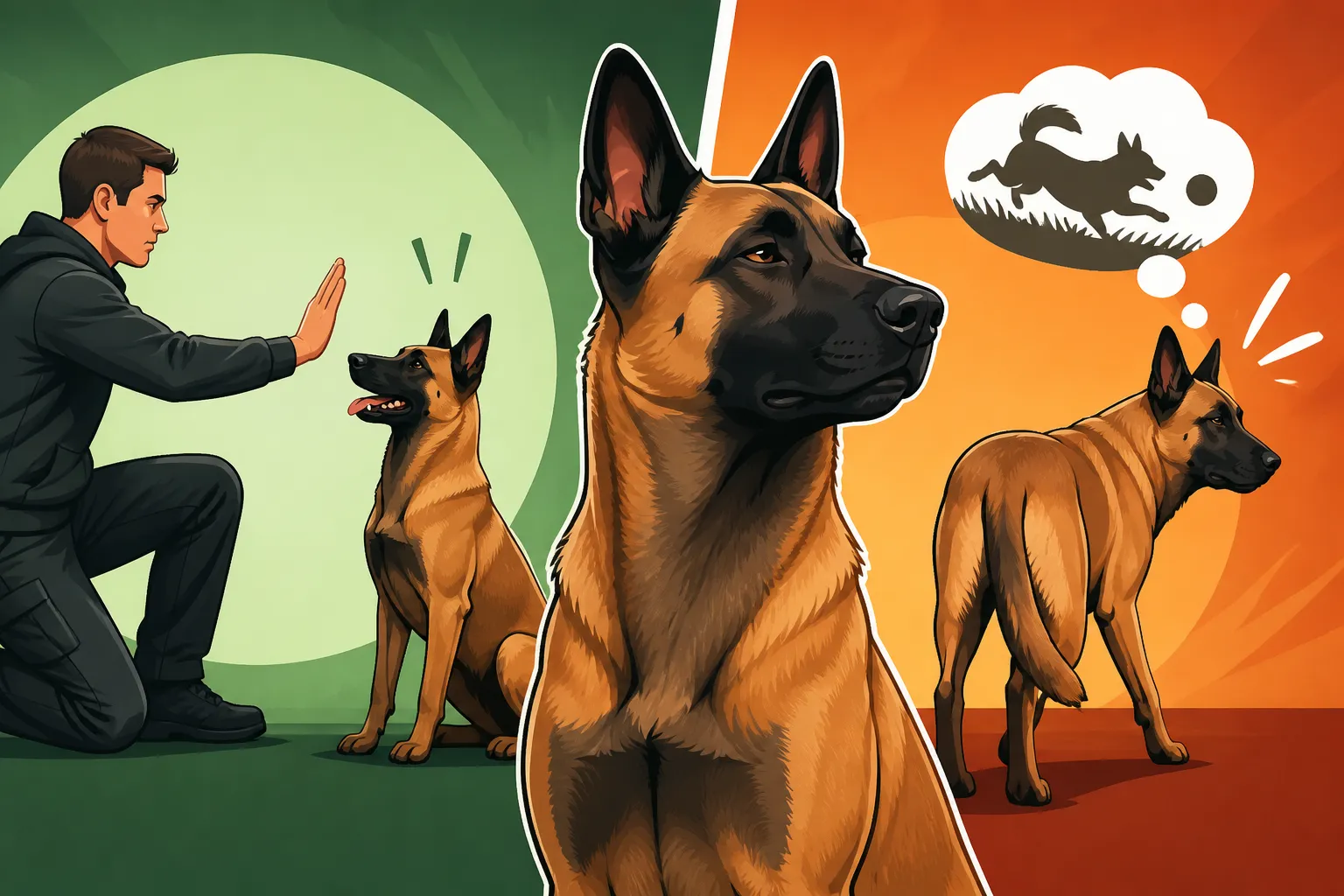
Around six to eighteen months of age, depending on the individual dog and their specific lines, a Belgian Malinois enters adolescence. During this period, their brain is undergoing significant restructuring. The prefrontal cortex, responsible for impulse control, decision-making, and understanding consequences, is still very much under construction. This means that while they might know what "come" means, the impulse to chase a squirrel or investigate a new smell might simply override their ability to process and respond to your command. It's less about them being naughty and more about their brain literally not being wired for perfect self-control yet. You might have seen this yourself; a puppy who was a rock-star at recall suddenly decides the world is far more interesting than you are. This isn't personal, it's developmental.
When Independence Kicks In
As they mature, Malinois naturally start to develop a stronger sense of independence and a desire to explore their environment more autonomously. They're no longer the little puppies who clung to your side; they're becoming confident, capable young adults. This newfound confidence can sometimes lead them to test boundaries or challenge established routines. A command that previously worked in a quiet living room might fail spectacularly at the park, not because they've forgotten it, but because the stakes and distractions of the real world are now much higher. This is also when their prey drive often kicks into high gear, making external stimuli incredibly powerful motivators that can overshadow even the most ingrained cues. You'll find yourself wondering if the age a Malinois starts working shorter sessions coincides with this period of testing.
Why it Feels Like They're Forgetting Everything
The feeling that your Malinois is forgetting everything can be disheartening, especially when you've put so much effort into their early training. It’s important to remember that they haven't actually forgotten the cue; what they've forgotten, or rather, what's been overshadowed, is the context and value of responding to that cue in a higher-distraction environment. What used to be a clear signal now competes with a myriad of other stimulating inputs. This is also often when a Malinois starts exhibiting a guarding behavior or reacting to things they previously ignored, which ties into their maturing protective instincts. You might also notice them The Age a Malinois Starts Ignoring Known Cues, which can make you question your effectiveness. Consistency and patience are paramount during this stage.
Environmental Factors and Handler Consistency
Beyond the natural developmental stages, several external factors can contribute to a Malinois appearing to ignore known cues. These often relate directly to changes in their environment, a lack of consistent reinforcement, or even the handler's own approach to training.
The Impact of New Distractions
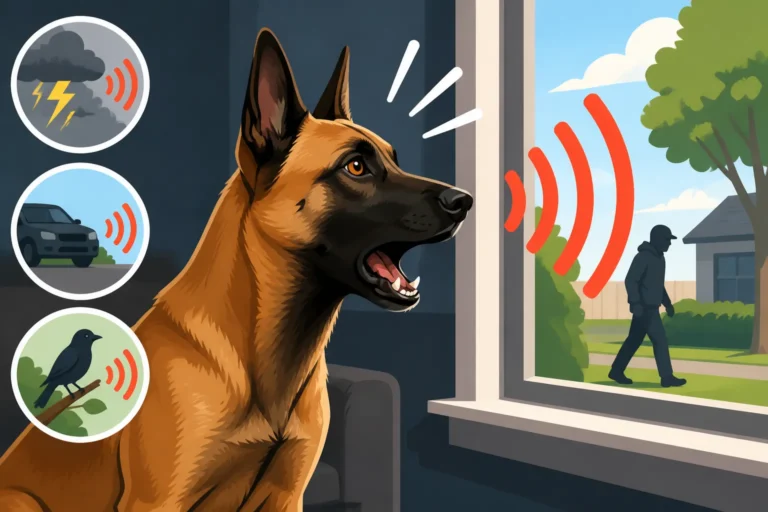
Belgian Malinois are highly intelligent and observant dogs, which means they are acutely aware of their surroundings. If you've been training primarily in a low-distraction environment, introducing them to a busy park, a bustling street, or a new training venue can make familiar cues suddenly seem less important. A strong smell, a moving object, or another dog's presence can become an irresistible pull, causing your Malinois to "tune out" your commands. This isn't necessarily a sign of a broken dog; it often just means they haven't generalized their training across varied environments. This is why it's so critical to gradually introduce distractions and build up their ability to focus in increasingly challenging situations. Without this progressive exposure, even the simplest "sit" can vanish in a flurry of activity. The constant need for Building Focus on a Belgian Malinois in a Crowd is a lifelong endeavor for many.
Gaps in Training Protocols
Life happens, and sometimes our training routines can slip. Perhaps you got busy, or you felt your Malinois was so well-trained that daily reinforcement wasn't necessary. However, for a breed as high-drive and intelligent as the Malinois, consistency is the bedrock of their understanding and responsiveness. Gaps in training, or allowing inconsistencies in what you expect them to do, can quickly lead to cues losing their power. If "stay" sometimes means five seconds and sometimes means five minutes, or if "come" is sometimes optional when they're playing, your Malinois will learn to gamble on their obedience. This is where many owners realize they need to go back to The Structure a Belgian Malinois Needs Every Day. Establishing a clear, predictable framework helps them understand what is expected at all times.
Handler Burnout and Its Effects
Let's be honest, handling a Belgian Malinois can be incredibly demanding. Their intensity, their intelligence, and their endless energy can lead to handler burnout. When you're tired, frustrated, or simply not feeling 100%, your communication might become less clear, your timing might be off, and your enthusiasm might wane. Dogs are incredibly perceptive; they pick up on our emotional state and subtle cues. If you're stressed, your Malinois might perceive the training session as less rewarding or even confusing, leading to a decrease in their willingness to engage. It's a vicious cycle: they ignore you, you get more frustrated, they ignore you more. Taking breaks, seeking guidance from experienced trainers, or even engaging in online programs like those offered by BAXTER & Bella, which provide structured, supportive learning, can help rekindle your motivation and refine your technique, ensuring you don't fall into this trap. Sometimes, the problem isn't the dog, but the consistent clarity of the human on the other end of the leash.
Physical and Health Considerations
While behavioral issues are often the culprit, it's crucial not to overlook the possibility of an underlying physical or health problem when your Malinois suddenly starts ignoring cues. Dogs are masters at hiding pain or discomfort, and a change in behavior can often be the first subtle sign that something is amiss.
Subtle Pain and Discomfort
A Malinois that suddenly seems less responsive or unwilling to perform a previously known command might be experiencing pain. Perhaps sitting or lying down has become uncomfortable due to early arthritis, a muscle strain from an intense session, or a subtle orthopedic issue like hip or elbow dysplasia. Even a minor injury, like a torn nail or a pad injury, can make them reluctant to move or focus. They might associate your command with the onset of discomfort and, rather than acting out aggressively, simply choose to ignore the cue to avoid pain. This is especially true for working dogs, who are often stoic. Observing for signs like a shifting gait, reluctance to jump, or guarding a particular body part, even subtly, is critical. Early intervention is key, so don't delay a vet visit if you suspect pain, especially if you're concerned about The Hip and Elbow Numbers Behind a Malinois Clearance.
Sensory Changes and Cognitive Decline
As Malinois age, like all dogs, they can experience sensory changes that might impact their ability to respond to cues. Hearing loss, for instance, can make them literally unable to hear your verbal commands, leading you to believe they are ignoring you. Similarly, vision changes could affect their ability to see hand signals or navigate their environment confidently. For older Malinois, cognitive dysfunction syndrome (CDS), a condition similar to Alzheimer's in humans, can also play a role. Signs of CDS include disorientation, changes in sleep-wake cycles, anxiety, and a decrease in responsiveness to commands. This isn't defiance; it's a neurological change. If you notice your Malinois starting to appear disoriented or confused, especially as they enter their senior years, it's worth discussing with your veterinarian. This kind of change is often why people start asking When a Malinois Is Considered Old.
When to Consult a Vet or Behaviorist
If your Malinois's sudden unresponsiveness isn't clearly explained by adolescence or environmental factors, or if it's accompanied by other concerning symptoms, it's always best to consult a professional. A veterinarian can rule out any underlying medical conditions, from pain and injury to more complex neurological issues. They might suggest bloodwork, imaging, or other diagnostics to get a full picture of your dog's physical health. If physical health is cleared, a certified professional dog behaviorist can help identify behavioral triggers, assess your training techniques, and develop a tailored plan to address the issue. They can offer invaluable insights into why your Malinois might be ignoring cues and how to rebuild their responsiveness and engagement effectively. Don't be afraid to ask for help; it's a sign of a responsible owner. Sometimes, even the most experienced handler needs an outside perspective, particularly if you are wondering Whether a Seizing Malinois Can Still Work and how that impacts obedience.
Strategies for Rebuilding Consistency and Engagement
It can feel overwhelming when your Malinois starts ignoring cues, but it's a problem that can almost always be overcome with the right approach. The key is to be proactive, consistent, and understanding of your dog's developmental stage and individual needs.
Going Back to Basics
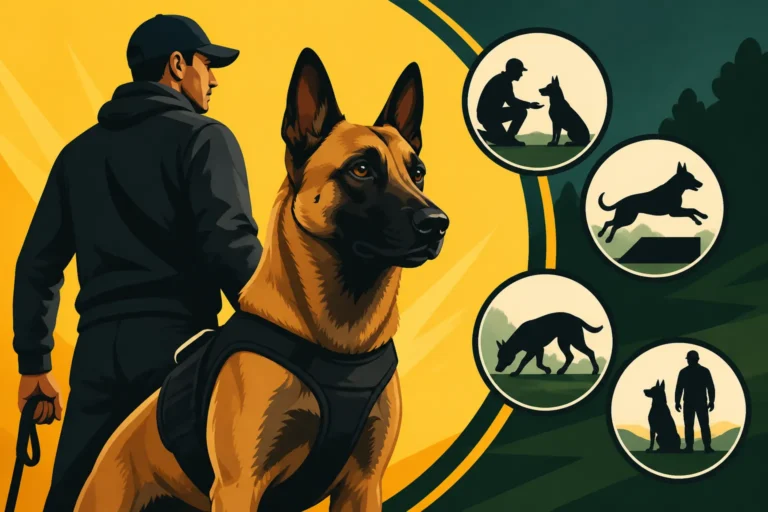
When your Malinois seems to have forgotten everything, the most effective strategy is often to "go back to kindergarten." This means returning to a low-distraction environment, like your quiet living room or a fenced yard, and practicing each cue as if your dog is learning it for the first time. Use high-value rewards (think delicious, meaty treats, not just kibble) and celebrate every successful response enthusiastically. Break down complex commands into smaller, easier steps. For example, if your recall has faltered, start with short distances on a long line in the yard, making coming back to you the most exciting thing in the world. This helps to rebuild their understanding and confidence in the cue before reintroducing distractions. This fundamental reinforcement is crucial, especially for Building Engagement With a Belgian Malinois.
Making Training More Rewarding
For a Belgian Malinois, training isn't just about obedience; it's about a partnership and a rewarding experience. If your dog isn't responding, it might be that the reward isn't high enough to compete with the distraction, or the training itself has become boring or repetitive. Vary your rewards – sometimes it's food, sometimes it's a favorite toy, sometimes it's enthusiastic praise and a quick game of tug. Keep sessions short, fun, and engaging. Incorporate play into your training. Make yourself the most exciting thing in the environment. If your Malinois loves to retrieve, use a ball as part of their reward for a perfect "down-stay." If they're particularly toy-motivated, you might find durable, high-quality tugs and chew toys on Amazon that can be used effectively as rewards for successful cue responses. Remember, a Malinois thrives on feeling productive and stimulated.
Proofing Cues in New Environments
Once your Malinois is reliably responding to cues in a low-distraction setting, it's time to systematically "proof" those cues in increasingly distracting environments. This involves practicing commands in new locations, with varying levels of noise, people, and other dogs. Start small: move from your backyard to a quiet cul-de-sac, then to a slightly busier park during off-peak hours, and eventually to more challenging settings. Always set your Malinois up for success. If you know a cue will likely fail in a highly distracting environment, don't use it. Instead, manage the situation (e.g., keep them on a short leash) and practice easier, more reliable cues. This gradual exposure helps your Malinois generalize their understanding and realize that "sit" means "sit" no matter where they are or what's going on around them. This is vital when teaching Recall on a Belgian Malinois in Full Drive.
Table of Common Reasons for Ignoring Cues and Solutions
| Reason for Ignoring Cues | Description | Common Age Range | Solutions |
|---|---|---|---|
| Adolescent Regression | Brain development, hormonal changes, increased independence leading to "testing" behaviors. | 6-18 months | Go back to basics, increase reward value, manage distractions, focus on consistency. |
| Environmental Distractions | New sights, sounds, smells, or moving objects overriding the dog's focus on handler. | Any age, common in youth | Gradually proof cues in varied environments, build engagement with handler, use high-value rewards. |
| Inconsistent Training | Gaps in practice, unclear expectations, or allowing the dog to "get away with" ignoring commands. | Any age | Re-establish clear expectations, practice daily, use consistent commands and timing, involve family. |
| Low Reward Value | Rewards are not motivating enough to compete with environmental stimuli. | Any age | Use high-value treats/toys, vary rewards, make yourself more exciting, incorporate play. |
| Physical Pain/Discomfort | An underlying injury, arthritis, or other medical condition makes responding to cues uncomfortable. | Any age, more in older | Vet check-up, pain management if needed, adapt commands or training methods to avoid discomfort. |
| Sensory Decline/Cognitive Issues | Hearing loss, vision impairment, or cognitive dysfunction impacting ability to perceive or process cues. | Older dogs (>7-8 years) | Vet check-up, use visual/touch cues for hearing loss, adapt environment, explore medications for cognitive decline. |
| Handler Burnout/Frustration | Handler's stress or lack of enthusiasm affects communication and dog's motivation. | Any age | Take breaks, seek professional guidance, attend structured classes, recharge your own patience. |
Disclaimer
This article is for general informational purposes only and does not constitute professional advice. Laws, prices and regulations vary by location and change over time. Consult a qualified professional for guidance on your specific situation.