The Handler Experience a Belgian Malinois Needs
The Belgian Malinois is an incredible breed, truly magnificent in its capabilities and loyalty. However, if you're considering bringing one into your home, or even if you already have one and are finding yourself overwhelmed, you've likely realized that these dogs are not for the faint of heart. They demand an unparalleled level of dedication, consistency, and a very specific kind of handler experience that many owners, even those with prior dog experience, simply aren't prepared for. This guide is here to shed light on exactly what kind of handler experience is truly necessary to thrive with a Belgian Malinois, navigating their intense drive, sharp intelligence, and often misunderstood sensitivities.
Understanding the Malinois Mindset: More Than Just "Smart"
People often say Malinois are "smart," and while that's undeniably true, it's an understatement that barely scratches the surface. Their intelligence isn't just about learning tricks quickly; it's about an acute awareness of their environment, an almost psychic ability to read their handler, and a relentless drive that underpins every single action. This unique combination requires a handler who can not only keep up but can stay several steps ahead.
The Relentless Drive: A Motor That Never Idles
Imagine a high-performance sports car with an engine that's always revving, even when it's idling. That's a Malinois's drive. It's not just physical energy, though they have that in spades; it's a mental and emotional intensity that needs constant direction and purpose. This isn't a dog content with a couple of walks around the block or some casual playtime in the yard. Their instincts, honed over generations for demanding work, compel them to do something, to engage, to solve problems, and to expend that boundless energy.
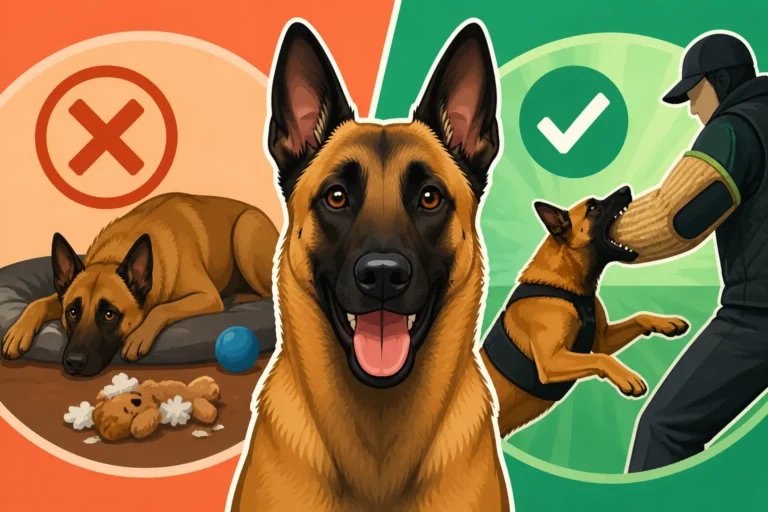
If this drive isn't channeled correctly, it doesn't just dissipate. It finds its own outlets, often in ways that are destructive or problematic for a pet home. We're talking about tearing apart furniture, incessant barking, compulsive behaviors, or even developing reactivity out of sheer boredom and frustration. A handler must understand that this drive is a powerful tool, not a flaw, and they need to be prepared to provide a "job" every single day, whether that's advanced obedience, bite work, scent detection, or agility. Failing to do so isn't just unfair to the dog; it's a recipe for chaos in the home. Many owners struggle because they simply don't grasp What Happens to an Unemployed Belgian Malinois.
Intensity and Sensitivity: A Paradoxical Combination
It's easy to look at a Malinois's formidable presence and assume they are thick-skinned and impervious. The reality is far more complex. While they possess incredible intensity, courage, and physical resilience, many Malinois are also incredibly sensitive. They are acutely aware of their handler's emotions, tone of voice, and body language. A harsh word, an inconsistent command, or a display of frustration from their human can deeply impact them, sometimes leading to a shutdown or, conversely, an escalation of unwanted behavior as they try to navigate the perceived confusion.
This sensitivity means that heavy-handed training methods are not only ineffective but can actively damage the bond and erode the dog's confidence. A successful Malinois handler learns to communicate with precision, using clear, fair, and consistent methods. They understand that their Malinois is often reacting to their energy and cues, whether intentional or not. This requires an almost zen-like control over one's own emotional state during training and daily interactions, something that can be incredibly challenging when dealing with a dog that constantly pushes boundaries.
High Expectations: They Read You Like a Book
Malinois don't just respond to commands; they interpret intentions. They are constantly evaluating their environment and, perhaps most importantly, their handler. If you're unsure, inconsistent, or lack confidence, they will pick up on it immediately. This isn't them being disobedient for spite; it's often a reflection of their instinctual need for strong, clear leadership. In their mind, if you're not confidently guiding the ship, they feel compelled to take the helm themselves.
This means a Malinois handler needs to exude calm authority and confidence. This isn't about being "dominant" in an old-school, confrontational sense, but about being a clear, reliable leader who consistently provides direction and structure. They need to trust that you know what you're doing and that you will keep them safe and provide for their needs. This level of relationship building requires deep self-awareness and a willingness to constantly assess and improve one's own handling skills. It's why many discover that Why a Belgian Malinois Is the Wrong First Dog is a stark reality.
Essential Traits of a Successful Malinois Handler
Beyond understanding the breed's intrinsic nature, there are specific handler traits that are absolutely non-negotiable for success with a Belgian Malinois. These aren't just good suggestions; they are the bedrock upon which a functional, happy partnership is built.
Consistency is King (and Queen, and Everything)
If there's one word to describe the absolute foundation of Malinois handling, it's consistency. These dogs thrive on routine, predictability, and knowing exactly what's expected of them in every situation. Inconsistency is like static on their communication line; it creates confusion, frustration, and often leads to behavioral problems. If "sit" means sit sometimes, and sometimes it means you just asked them for a cookie, your Malinois will quickly learn that the command is optional.
This consistency extends to everything: training commands, house rules, feeding schedules, exercise routines, and even your emotional responses. Every member of the household must be on the same page regarding expectations and consequences. This might sound exhausting, but for a Malinois, it provides the mental framework they desperately need to feel secure and understand their place in the world. Without it, you're essentially asking a highly intelligent, high-drive animal to navigate a world with no clear rules, which for them is a truly stressful experience. For instance, successfully teaching Building a Malinois's Place Command relies heavily on consistent repetition and reinforcement.
Patience Beyond Measure: The Long Game
A Malinois doesn't "finish" training in a few weeks or months. This is a commitment for the dog's entire life. Their learning curve might be incredibly steep, but their drive and propensity to test boundaries are equally enduring. There will be days when you feel like you've made no progress, days when they seem to forget everything they've ever learned, and days when their energy feels utterly overwhelming. On these days, true patience is not just about staying calm; it's about having the mental fortitude to break down problems, go back to basics, and continue to guide them with a steady hand.
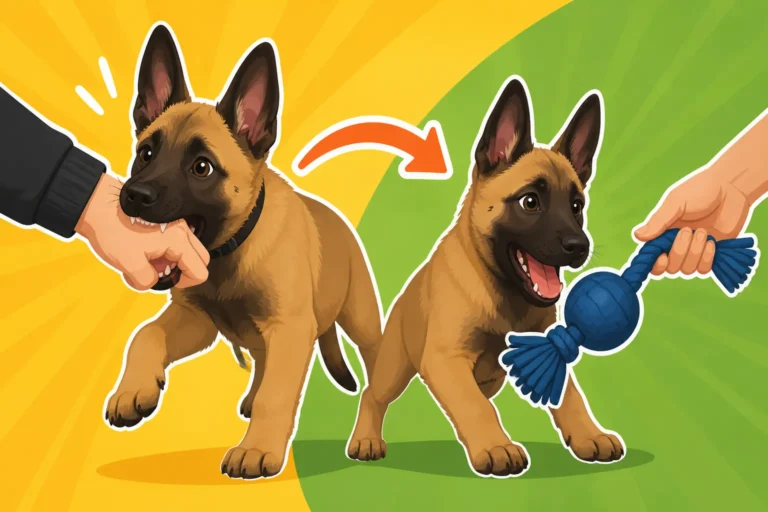
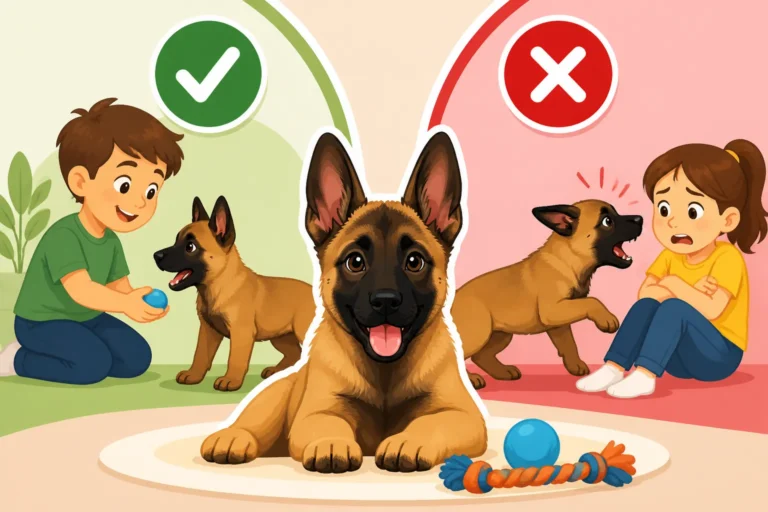
This isn't just about training exercises; it's about living with a dog that pushes buttons. A Malinois puppy, for example, goes through a "shark phase" where they bite everything and everyone. It takes immense patience to consistently redirect, praise appropriate behavior, and manage their environment without resorting to frustration or anger. Think of it as investing in a marathon, not a sprint. The rewards are immense, but only if you're willing to go the distance with unshakeable patience. Even for something as seemingly simple as Crate Work With a Malinois Puppy That Screams, patience is the key to success.
Unwavering Commitment: A Lifestyle Choice
Owning a Malinois isn't a hobby; it's a lifestyle. These dogs integrate into every aspect of your daily life and demand a significant portion of your time, energy, and resources. You can't just fit them in when it's convenient; they are the convenience. This means committing to their physical exercise needs – often two hours or more of structured activity daily, not just a casual walk. It means dedicating time to mental stimulation, training sessions, and active engagement.
This commitment also extends to preparing for the unexpected: managing health issues, finding appropriate care when you're away, and constantly seeking new ways to enrich their lives. It means sometimes foregoing personal plans because your dog needs you. If you're not prepared for this level of integration and dedication, both financially and in terms of your time, a Malinois will quickly become a source of stress rather than joy. They need a handler who is all in, all the time. This deep commitment is truly what The Two Hours and a Job a Belgian Malinois Demands Daily means.
Practical Skills a Malinois Handler Must Possess
Beyond mindset and traits, there are concrete, practical skills that a Malinois handler needs to cultivate. These aren't innate; they are learned and honed through experience, study, and often, mentorship.
Strong Foundation in Operant Conditioning and Learning Theory
Forget old-school "dominance theory" and pack leader myths. Modern, effective Malinois training is built on a solid understanding of operant conditioning, classical conditioning, and canine learning theory. This means knowing how to use positive reinforcement effectively, understanding timing, shaping behaviors, and utilizing negative punishment (removing something desirable) and negative reinforcement (removing something aversive) appropriately and ethically. It's about teaching, not just telling.
A skilled Malinois handler knows how to break complex behaviors into small, achievable steps. They understand the power of a well-timed marker word or clicker and how to build a strong reinforcement history for desired actions. They can analyze why a behavior is occurring (what's reinforcing it?) and devise a plan to modify it. They understand drive, thresholds, and how to work with, rather than against, a Malinois's natural instincts. Resources like online training courses, such as those from BAXTER & Bella, often provide excellent foundational knowledge in these areas for new puppy owners, which is invaluable even before considering the Malinois’s specific needs.
Advanced Leash Handling and Body Language Mastery
Given their power and drive, a Malinois handler must be proficient in leash handling. This isn't just about holding a leash; it's about anticipating, guiding, and correcting with precision. It means understanding how to use your body, the leash, and your voice in concert to communicate clearly, whether you're working on loose-leash walking or managing reactivity. They need to be able to navigate busy environments confidently, ensuring both their dog's safety and the safety of others.
Equally important is the ability to read canine body language, not just of your own Malinois, but of other dogs they might encounter. Malinois communicate in subtle ways, and a handler needs to understand when their dog is stressed, over-aroused, uncomfortable, or preparing to react. This allows for proactive intervention, preventing situations from escalating. Furthermore, you need to understand how your own body language is perceived by your Malinois. Are you inadvertently creating tension, offering mixed signals, or reinforcing unwanted behaviors with your posture or movement? A Malinois is a master interpreter of non-verbal cues.
Problem-Solving on the Fly: Adapting to the Unexpected
Life with a Malinois is rarely boring, and often, it's unpredictable. A strong handler is a quick thinker and a creative problem-solver. Whether it's a sudden distraction during a training session, an unexpected encounter on a walk, or a novel situation that throws your dog off balance, you need to be able to assess, adapt, and respond effectively in the moment. Relying solely on a pre-planned script won't work with a dog that constantly offers new challenges.
This skill isn't about having all the answers but about having the mental agility to apply your knowledge to new scenarios. It means understanding the principles of training well enough to improvise, to break down a new problem, and to find a temporary solution while planning for a more permanent one. It also involves being willing to admit when something isn't working and adjusting your approach. This flexibility is crucial because a Malinois will always find the loopholes if you're not constantly thinking several steps ahead. Being able to adapt training sessions to provide The Mental Work That Finally Tires a Malinois Out is a perfect example of this.
Building the Unbreakable Bond: Partnership, Not Domination
The relationship you build with your Belgian Malinois is paramount. It's not about forcing obedience; it's about forging a deep partnership based on trust, mutual respect, and clear communication. This bond is what allows a Malinois to truly shine and perform at its best.
Engaging Their Prey Drive Constructively
One of the defining characteristics of a Belgian Malinois is its incredibly strong prey drive. For an inexperienced handler, this can be a terrifying and overwhelming force, leading to dogs that chase everything from squirrels to bicycles. However, for a skilled handler, prey drive is a powerful, intrinsic motivator that can be channeled into incredibly productive and enjoyable activities. Instead of suppressing it, the goal is to direct it.
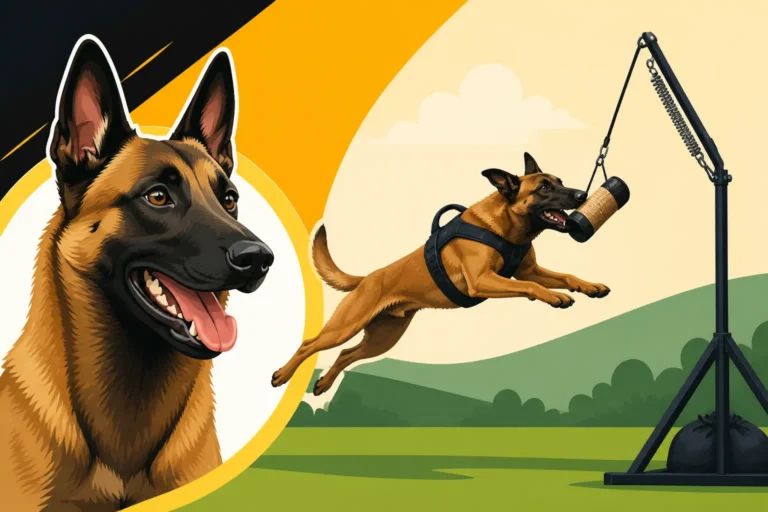
This means using toys, tugs, and even food to tap into that drive, turning it into a reward for desired behaviors. Think about protection sports, where the dog's prey drive is meticulously shaped and refined into a highly controlled, functional behavior. Even in a pet home, this drive can be used for fetch, flirt pole play, scent work, or advanced obedience. Learning how to properly engage this drive, and crucially, how to get your Malinois to "out" or release a toy, is a fundamental skill. Without this, you're fighting against a core aspect of their being. Mastering how to effectively use this drive is key to Channeling a Belgian Malinois's Prey Drive Into a Tug.
Creating an "Off Switch" for the Always-On Dog
The phrase "always-on" perfectly describes many Malinois. They are constantly alert, constantly ready for action, and often struggle to relax in a home environment. A critical skill for a handler is teaching and reinforcing an "off switch." This isn't something they naturally possess; it must be taught with as much intention as any other command. This skill is vital for living harmoniously with such an energetic dog.
The "off switch" encompasses behaviors like a solid "place" command, settling calmly in a crate, or simply being able to relax on a dog bed while the household is calm. It involves rewarding calm behavior heavily and managing their environment to prevent constant overstimulation. Teaching a Malinois to simply exist calmly in your presence, without constantly seeking attention or an activity, is an immense accomplishment and a huge relief for both dog and owner. This is often an iterative process, but it's essential for their mental well-being and your sanity. Building an Off Switch Into a Belgian Malinois is a topic every Malinois owner needs to master.
Socialization: More Than Just Meeting Other Dogs
For a Malinois, proper socialization is not just about letting them play with every dog they meet at the park. In fact, for many Malinois, dog parks can be detrimental due to their intensity and potential for reactivity. Instead, socialization for a Malinois handler means carefully orchestrated, positive exposures to a wide variety of sights, sounds, smells, people, and environments. It's about building resilience and neutrality, teaching them that new things are safe and don't require an extreme reaction.
A skilled handler understands that quality over quantity is key. This might mean parallel walks with a calm, known dog, structured visits to pet-friendly stores (if the dog is ready), or simply sitting in a public place and rewarding calm observation. It's about building a dog that is confident and comfortable in the world, not one that is constantly on edge or overly boisterous with every new encounter. Early, thoughtful socialization is critical for a well-adjusted Malinois. This includes learning how to do Socializing a Belgian Malinois Puppy Safely from day one.
The Support System: When You Need Help
Even the most experienced handlers encounter challenges with a Belgian Malinois. No one is an island, and recognizing when to seek help and knowing where to find it are signs of a truly responsible and effective handler.
Finding the Right Trainers and Clubs
Choosing a trainer for a Malinois is not like finding a trainer for a Golden Retriever. You need someone who deeply understands high-drive working breeds, has experience with Malinois specifically, and uses ethical, science-based training methods. Look for trainers who:
- Emphasize building a relationship and clear communication over punishment.
- Are involved in working dog sports (IGP, Ring Sport, Scent Work, Agility) themselves.
- Can explain why they do what they do, not just what to do.
- Are willing to work with you as the handler, not just train the dog.
Finding a good dog club, especially one focused on working breeds or specific sports, can also be invaluable. These clubs often offer experienced decoys, knowledgeable mentors, and a community of like-minded individuals who understand the unique demands of living with a Malinois. Do your research, interview prospective trainers, and observe classes before committing. Finding a Club That Will Take a Belgian Malinois is often half the battle.
The Importance of a Malinois-Specific Community
Connecting with other Belgian Malinois owners can be a lifesaver. These are the people who truly "get it"—they understand the intensity, the quirks, the challenges, and the immense joys of the breed. This community can provide emotional support, practical advice, and a sense of camaraderie that you won't find among owners of more common companion breeds.
Whether it's through online forums, local breed clubs, or social media groups, having a network of fellow Malinois enthusiasts allows you to share experiences, ask questions without judgment, and learn from those who have navigated similar situations. They can offer recommendations for specialized vets, equipment, or even just a sympathetic ear when you're feeling overwhelmed. Sometimes, just knowing you're not alone in a particular struggle is incredibly validating.
Resources and Tools for the Dedicated Handler
Being a successful Malinois handler also involves leveraging the right resources and tools. This isn't just about expensive equipment, but about smart choices that support your training and management strategies.
A robust crate, for instance, is not just a suggestion; it's a necessity for safe management, house-training, and teaching an "off switch." Many owners find heavy-duty wire or impact-resistant crates essential. For training, a good quality long line (check out options available on Amazon), a variety of durable tugs and balls, and perhaps a well-fitting harness or martingale collar are indispensable.
Beyond physical tools, educational resources are paramount. Books on canine behavior, online courses on specific training techniques, or even just high-quality videos demonstrating proper handling can be incredibly beneficial. For those starting with a puppy, comprehensive online puppy programs, such as BAXTER & Bella, can lay a crucial foundation for good manners and obedience before diving into more advanced Malinois-specific work. Investing in your own education as a handler is just as important as investing in your dog's training.
Ultimately, the handler experience a Belgian Malinois needs is one of unwavering dedication, deep understanding, and a commitment to continuous learning. It's a challenging path, but for those who are ready and willing, it's also one of the most rewarding partnerships you'll ever experience.
| Handler Trait | Why It's Crucial for a Malinois | What It Looks Like in Practice |
|---|---|---|
| Consistency | Prevents confusion, builds trust | Every family member uses the same commands, rules, and expectations. |
| Patience | Essential for long-term learning | Going back to basics without frustration when challenges arise. |
| Commitment | Malinois is a lifestyle dog | Daily structured exercise, training, and mental stimulation, rain or shine. |
| Problem-Solving | Malinois find loopholes | Adapting training when a distraction pops up; being flexible. |
| Clear Communication | Malinois are sensitive | Calm tone, precise body language, timely rewards/corrections. |
| Leadership | They seek confident guidance | Confident decision-making, setting clear boundaries, earning respect. |
| Proactivity | Prevents issues before they start | Anticipating potential problems and intervening early. |
Disclaimer
This article is for general informational purposes only and does not constitute professional advice. Laws, prices and regulations vary by location and change over time. Consult a qualified professional for guidance on your specific situation.