Whether a Belgian Malinois Makes a Service Dog
Many people, upon seeing the incredible intelligence and drive of a Belgian Malinois, start to wonder if such a capable dog could become a service animal. It's a natural leap to make, considering their impressive performance in military and police roles, but the reality of a Malinois as a service dog is far more nuanced and challenging than it appears on the surface. This guide will walk you through the very real considerations, triumphs, and common pitfalls of aiming for service dog status with this intense breed.
The Allure and Aptitude: Why a Malinois Seems Perfect for Service Work
It’s easy to look at a Belgian Malinois and think they're perfectly wired for service dog work. Their intelligence, athletic ability, and unwavering focus can be absolutely breathtaking. They are, after all, bred to be supreme working dogs, and that translates into some truly remarkable traits that could be beneficial in the right, highly specific circumstances.
Unparalleled Intelligence and Trainability
There's no denying that Malinois are smart. Really, really smart. They pick up new commands with astounding speed, often anticipating what you're asking before you even finish the cue. This means that teaching them complex tasks, which is the cornerstone of service dog work, isn't usually an issue from a learning capacity standpoint. They thrive on mental stimulation and excel at problem-solving, which can be invaluable for tasks that require quick thinking or adapting to novel situations. A Malinois isn't just learning; they're often thinking about what you want and how to get it done efficiently. This high level of cognitive function makes them incredibly rewarding to train for someone who understands their mental horsepower.
Intense Drive and Work Ethic
If you've spent any time around a Malinois, you know they have an "always-on" switch. Their drive for work, for purpose, is immense. This isn't a dog that's content to lounge around; they genuinely need a job. For service work, this translates into a dog that is motivated to perform its tasks, often with incredible enthusiasm and persistence. Their inherent desire to engage and their seemingly endless stamina mean they can work for extended periods without tiring, which is a critical trait for a working dog that might be needed at a moment's notice. This drive, when properly channeled, can make them an incredibly reliable partner. However, this same drive can be a double-edged sword if not managed impeccably, turning into destructive or anxious behaviors if left without sufficient purpose. You'll often hear that Two Hours and a Job a Belgian Malinois Demands Daily as a baseline, and for a service dog, that's just the tip of the iceberg of their engagement needs.
Profound Loyalty and Handler Focus
A well-bred and properly socialized Belgian Malinois forms an incredibly deep bond with its primary handler. This loyalty isn't just heartwarming; it's essential for a service dog. They are often described as "velcro dogs," constantly attuned to their person. This intense connection means they are highly motivated to please and protect their handler, often instinctively reacting to their handler's needs or distress. This focus on their person allows for seamless communication and an intuitive partnership, which is precisely what service dog teams strive for. When you have a Malinois by your side, they are usually locked into your movements, your emotional state, and your commands, making them an extension of yourself in many ways.
Natural Alertness and Situational Awareness
Malinois are incredibly observant. They notice everything in their environment, from a subtle change in your breathing to a rustle in the bushes a block away. This heightened awareness can be a huge asset for tasks that require alerting to specific environmental cues or a change in their handler's physiological state. Their protective instincts, a hallmark of the breed, also mean they are naturally vigilant. While not a "protection" dog in the service context, this underlying awareness can aid in tasks like alerting to intruders in a home or creating space in a crowd, though care must be taken to ensure this doesn't veer into actual aggression.
The Realities: Significant Challenges for Malinois Service Dog Candidates
While the Malinois possesses many admirable qualities, the journey to becoming a service dog is fraught with significant challenges that often deter even the most experienced trainers. These aren't minor hurdles; they are fundamental aspects of the breed's temperament and needs that make them uniquely difficult for this specific role.
Overwhelming Energy and Stimulation Thresholds
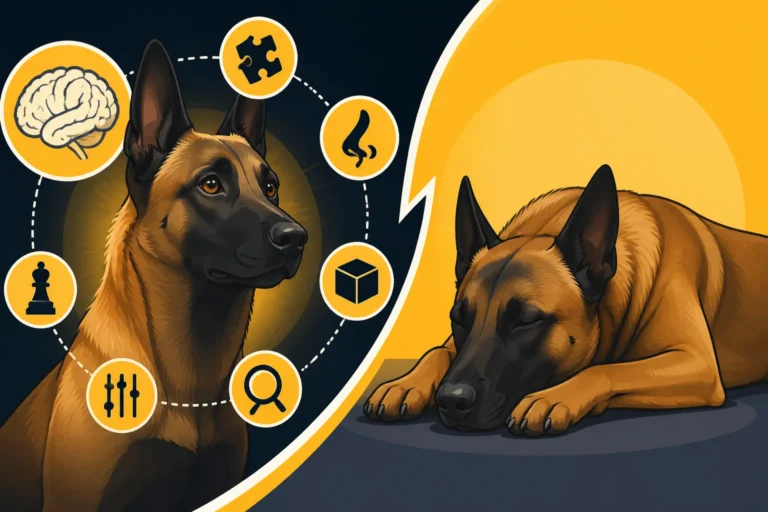
Let's be blunt: a Malinois has an incredible amount of energy, and it's not just physical. They need The Mental Work That Finally Tires a Malinois Out just as much, if not more, than physical exercise. This translates to an animal that can be incredibly difficult to keep calm and settled in public access settings, which are often unpredictable and stimulating. Imagine needing your service dog to lie quietly under a restaurant table for an hour or remain composed during a bustling airport layover. For many Malinois, this level of sustained neutrality in a high-stimulus environment is a monumental ask, especially without an active job to perform. Their natural inclination is to be engaged with their surroundings, not to ignore them. Without constant, structured outlets for their drive, a Malinois can become a whirling dervish of anxiety or destructive behavior. You can't just expect them to "turn off" when they're not working; their baseline energy is simply too high for many public access situations.
Environmental Reactivity and Hyper-Vigilance
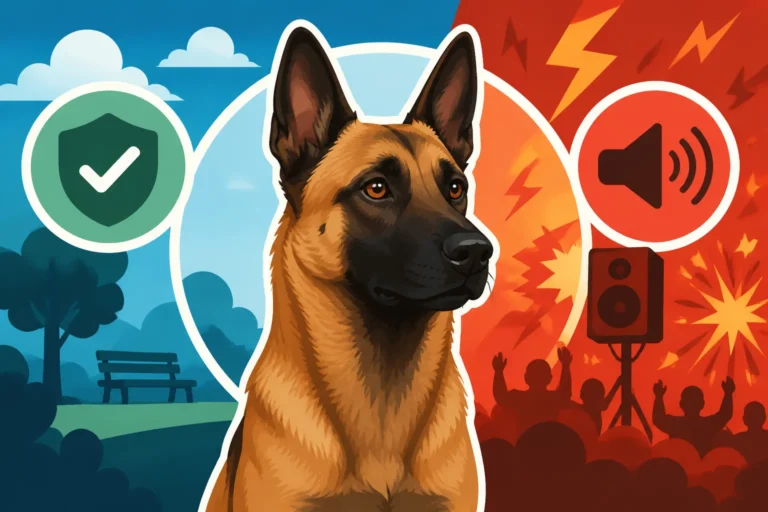
One of the biggest struggles for Malinois in service work is their inherent environmental sensitivity and tendency towards hyper-vigilance. They are dogs that are highly aware of everything, which can unfortunately lead to reactivity. A sudden noise, a person moving quickly, another dog, or even a child's unexpected squeal can trigger a strong reaction in a Malinois that might be completely inappropriate for a service dog. They can react to other dogs, pulling or barking, which is a disqualifying behavior for public access. A Belgian Malinois That Reacts to Other Dogs is a common issue, and addressing it to the degree required for a service dog is an immense undertaking. This isn't necessarily aggression, but rather an intense response to stimuli that can compromise their working ability and the safety of the public. This trait demands extraordinary and ongoing socialization, starting from a very young age, to help them navigate the world calmly. Even then, many retain a degree of vigilance that can make public access stressful for both dog and handler.
Potent Prey Drive and Herding Instincts
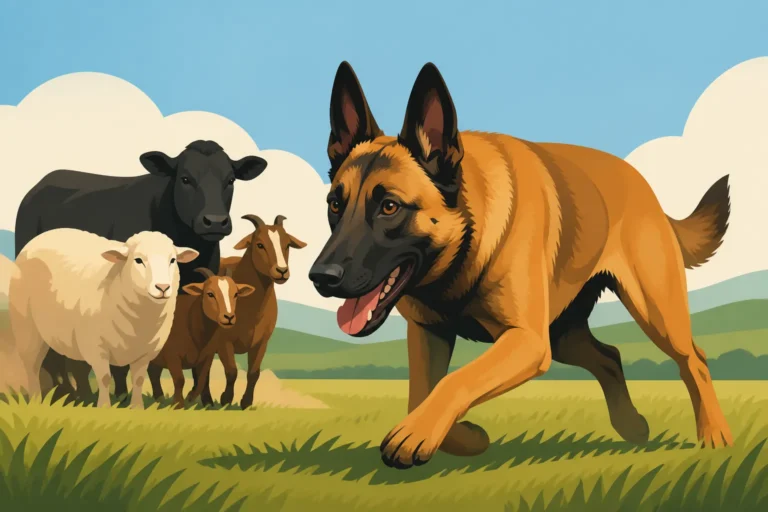
Belgian Malinois were originally herding dogs, and that instinct is deeply ingrained. They also possess a very strong prey drive. These traits, while fantastic for sport or working applications like detection or patrol, can be detrimental in a service dog. A squirrel darting across the path, a child running, or even a bag blowing in the wind can trigger their instinct to chase or herd. While intensive training can mitigate these behaviors, eliminating them entirely in every situation is often an uphill battle. A service dog needs to be absolutely reliable, ignoring distractions that most dogs would find irresistible. This means a Malinois handler needs to be constantly vigilant, managing their dog's environment to prevent these natural instincts from overriding their training. This added layer of management can be exhausting and reduce the handler's independence, which is the very purpose of a service dog.
Intensity and Public Perception
Let's face it: a Belgian Malinois looks intense. Their alert posture, powerful build, and often intense gaze can be intimidating to the public. While a service dog is legally allowed in public spaces, public perception matters. People might be nervous approaching a Malinois, making interactions with store clerks, airport security, or even well-meaning strangers more complicated. This isn't fair to the dog or the handler, but it's a reality. Furthermore, their typical working line temperament can manifest as a very "forward" or assertive demeanor, which can be misconstrued even when the dog is behaving appropriately. This perception can lead to unnecessary confrontations or questions, adding stress to a handler who already has enough to manage.
The Handler's Role: An Unprecedented Level of Commitment
If you're considering a Malinois for service work, it's crucial to understand that the demands on the handler are immense—far greater than with many other breeds commonly chosen for service roles. This isn't a dog for the faint of heart or the inexperienced.
Requiring an Experienced and Consistent Handler
A Belgian Malinois is absolutely not a suitable choice for a first-time dog owner, let alone a first-time service dog handler. They require The Handler Experience a Belgian Malinois Needs that comes from years of working with high-drive, intelligent breeds. Consistency in training, rules, and expectations is paramount. Any lapse can quickly be exploited by a dog so clever and driven. A handler must be calm, confident, and utterly consistent, providing clear communication and boundaries every single day. They need to understand dog behavior at an advanced level, anticipate potential issues, and be proactive in their training and management. Without this level of expertise, the dog is likely to fail, and often ends up with behavioral issues that make them even less suitable for service work.
Extensive, Deliberate Socialization and Exposure
The "socialization" required for a Malinois to be a service dog goes far beyond typical puppy classes. It needs to be an intensive, structured, and ongoing process. From the moment they are a tiny puppy, they need controlled, positive exposure to every conceivable sight, sound, person, and environment they might encounter in public. This includes busy city streets, quiet libraries, bustling grocery stores, public transportation, and medical offices. It needs to be carefully orchestrated to prevent overstimulation and reactivity. Socializing a Belgian Malinois Puppy Safely means exposing them to the world without overwhelming them, building confidence and neutrality, rather than fear or hyper-arousal. Even with this rigorous approach, some Malinois will still struggle with the sheer unpredictability of the world. This isn't a "set it and forget it" process; it's a lifelong commitment.
Indispensable Professional Guidance and Support
Unless you are an expert service dog trainer yourself, pursuing a Malinois for service work absolutely necessitates professional guidance. This isn't a journey you can embark on alone. You'll need an experienced service dog trainer who understands the nuances of high-drive working breeds and the specific requirements of public access laws. They can help you navigate the training challenges, ensure your dog meets the legal definitions, and help you troubleshoot issues that will inevitably arise. Programs like BAXTER & Bella offer excellent foundational training for puppies and young dogs, which can be a strong starting point for building a solid obedience base, but the specialized public access and task training for a Malinois service dog will likely require a highly individualized approach from a dedicated professional. You might also find invaluable resources, such as specialized training equipment or behavior modification tools, available through online retailers like Amazon.
Immense Financial and Time Commitment
The financial investment in training a Malinois as a service dog is staggering. Beyond the initial cost of a well-bred puppy from health-tested parents, you're looking at thousands, if not tens of thousands, of dollars in professional training fees, specialized equipment, veterinary care, and high-quality food. This doesn't even account for the sheer time commitment. You will be spending hours every single day, for years, on training, exercise, and mental enrichment. This isn't a part-time hobby; it's a lifestyle. For someone who already manages a disability, adding this level of commitment can be overwhelming, potentially exacerbating the very issues the service dog is meant to alleviate.
Setting Realistic Expectations and Exploring Alternatives
Given the significant hurdles, it's vital to approach the idea of a Malinois service dog with extreme realism. While a rare few might succeed, it is by no means the typical outcome.
Success Stories are the Exception, Not the Rule
You might see viral videos or hear stories of a Malinois serving as a remarkable service dog. These stories are inspiring, but they represent the absolute peak of achievement and are often the result of an exceptionally well-matched dog and handler, combined with years of expert-level training. They are outliers, not the standard. For every Malinois that makes it, dozens, if not hundreds, wash out of service dog programs or owner-training attempts due to temperament issues, reactivity, or the inability to cope with public access demands. It's crucial not to let these exceptional cases create an unrealistic expectation for your own journey.
Not for Every Disability or Lifestyle
The demanding nature of a Malinois means they simply aren't suitable for every disability or lifestyle. If a handler's disability impacts their ability to provide the intense exercise, consistent training, and vigilant management a Malinois requires, then it's setting both dog and human up for failure. A Malinois thrives on structure and purpose; an "unemployed" Malinois can be a destructive and anxious mess, as covered in What Happens to an Unemployed Belgian Malinois. It's a cruel irony, but the very challenges of managing this breed can add to a handler's burden rather than lighten it.
Exploring Other Working Roles
If you love the Belgian Malinois breed and want to harness their incredible working drive, there are many other avenues where they truly shine without the immense pressure of public access service work. They are superstars in roles such as:
- Detection Work: Malinois excel at scent detection for narcotics, explosives, bed bugs, or even medical alerts within a home environment. Their drive and focus make them exceptional in this field. Consider Starting Scent Detection With a Belgian Malinois as an alternative.
- Search and Rescue: Their endurance, agility, and strong scenting abilities make them fantastic search and rescue partners. Search and Rescue Work With a Belgian Malinois is a noble pursuit where their intensity is a huge asset.
- Protection Sports: IGP, French Ring, or Mondioring allow them to channel their natural drives into a highly structured and controlled sport. While not service work, it provides incredible fulfillment. What Bite Sport Actually Asks of a Belgian Malinois illustrates the complexity and physical demands.
- Agility and Obedience: Competitive obedience and agility sports also provide immense mental and physical outlets, allowing them to burn off energy and satisfy their need to work. Whether a Malinois Has the Body for Agility is a resounding yes!
These roles often utilize the Malinois's strengths without the strict temperament requirements of a public access service dog, allowing them to be fulfilled working dogs within more controlled environments.
The "Owner-Trained" Versus Program-Trained Debate
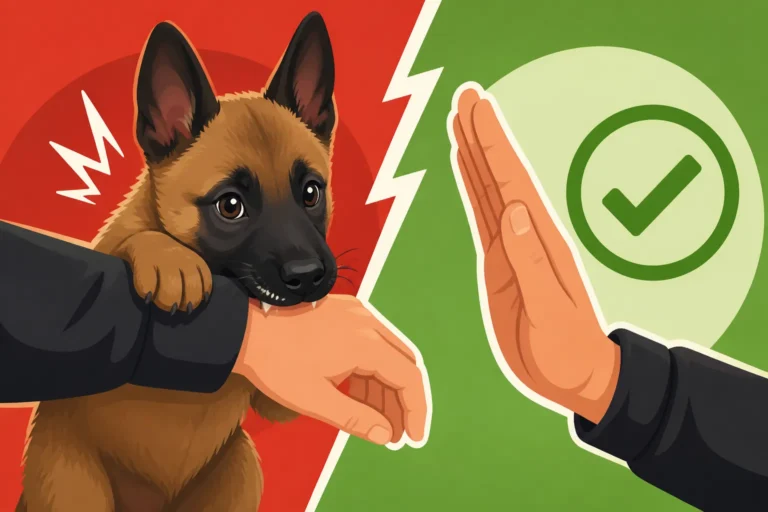
Owner-training any service dog is a monumental task, and with a Belgian Malinois, it becomes even more challenging. Reputable service dog organizations often use specific breeds known for their stable temperaments, like Labradors or Golden Retrievers, precisely because they have a higher success rate for public access. These organizations also invest years and significant resources into each dog. If you choose to owner-train a Malinois, you are taking on a challenge that even professional organizations rarely attempt with this breed. It requires an unparalleled understanding of canine behavior, training methodologies, and the specific legal and practical requirements of service dog work. The Shark Phase Every Malinois Puppy Goes Through and the need to Building an Off Switch Into a Belgian Malinois are just two early examples of where intensive, expert-level intervention is often needed. It's not just about teaching tasks; it's about shaping a bulletproof temperament for a dog that is naturally wired for high intensity and vigilance.
| Trait Category | Belgian Malinois Strengths for Service Work | Belgian Malinois Challenges for Service Work |
|---|---|---|
| Intelligence | Quick learner, eager to please, excellent problem-solver | Can outsmart handler if not consistent, requires constant mental engagement |
| Drive/Work Ethic | High motivation, incredible stamina, loves having a job | Requires extreme physical & mental outlets, prone to anxiety/destruction if under-exercised |
| Temperament | Intense loyalty, strong bond with handler, vigilant | Can be environmentally reactive, hyper-vigilant, wary of strangers |
| Socialization | Can be well-behaved with immense, deliberate effort | Requires extraordinary, lifelong socialization to prevent reactivity |
| Physicality | Agile, athletic, resilient, capable of complex tasks | Prone to overstimulation, can be difficult to settle in public |
| Public Perception | Impressive and capable | Can appear intimidating to the public, leading to avoidance or questions |
Ultimately, while the Belgian Malinois possesses many qualities that make them exceptional working dogs, the specific demands of a public access service dog — particularly the need for unflappable neutrality, low reactivity, and calm composure in all environments — are often at odds with the breed's fundamental nature. For most individuals, seeking a service dog from breeds historically proven for the role or exploring other working avenues for a Malinois would be a more realistic and ultimately more successful path.
Disclaimer
This article is for general informational purposes only and does not constitute professional advice. Laws, prices and regulations vary by location and change over time. Consult a qualified professional for guidance on your specific situation.