Whether a Malinois Has the Body for Agility
Many Belgian Malinois owners watch agility competitions, captivated by the blur of motion, the precision, and the sheer joy dogs exhibit as they weave through poles and soar over jumps. It’s natural to wonder if your incredibly driven, athletic Malinois, with all its boundless energy, is built for such a demanding sport. The truth is, while the Belgian Malinois possesses many inherent physical advantages, their unique temperament and specific anatomical considerations mean that their suitability for agility isn't just about raw athleticism; it's about mindful training, proper conditioning, and a deep understanding of their individual needs to prevent injury and foster a truly successful partnership. This guide will explore the physical characteristics that make the Malinois a natural fit for agility, as well as the important considerations to ensure their long-term health and success in this exhilarating sport.
The Malinois's Natural Agility Prowess
When you look at a Belgian Malinois, you're looking at a dog bred for explosive power, incredible speed, and an innate ability to navigate challenging terrains. These traits are precisely what make them such compelling candidates for the agility ring. Their physical build is a testament to centuries of selective breeding for demanding working roles, whether herding sheep or, more recently, performing complex tasks in police and military K9 units.
Built for Speed and Power
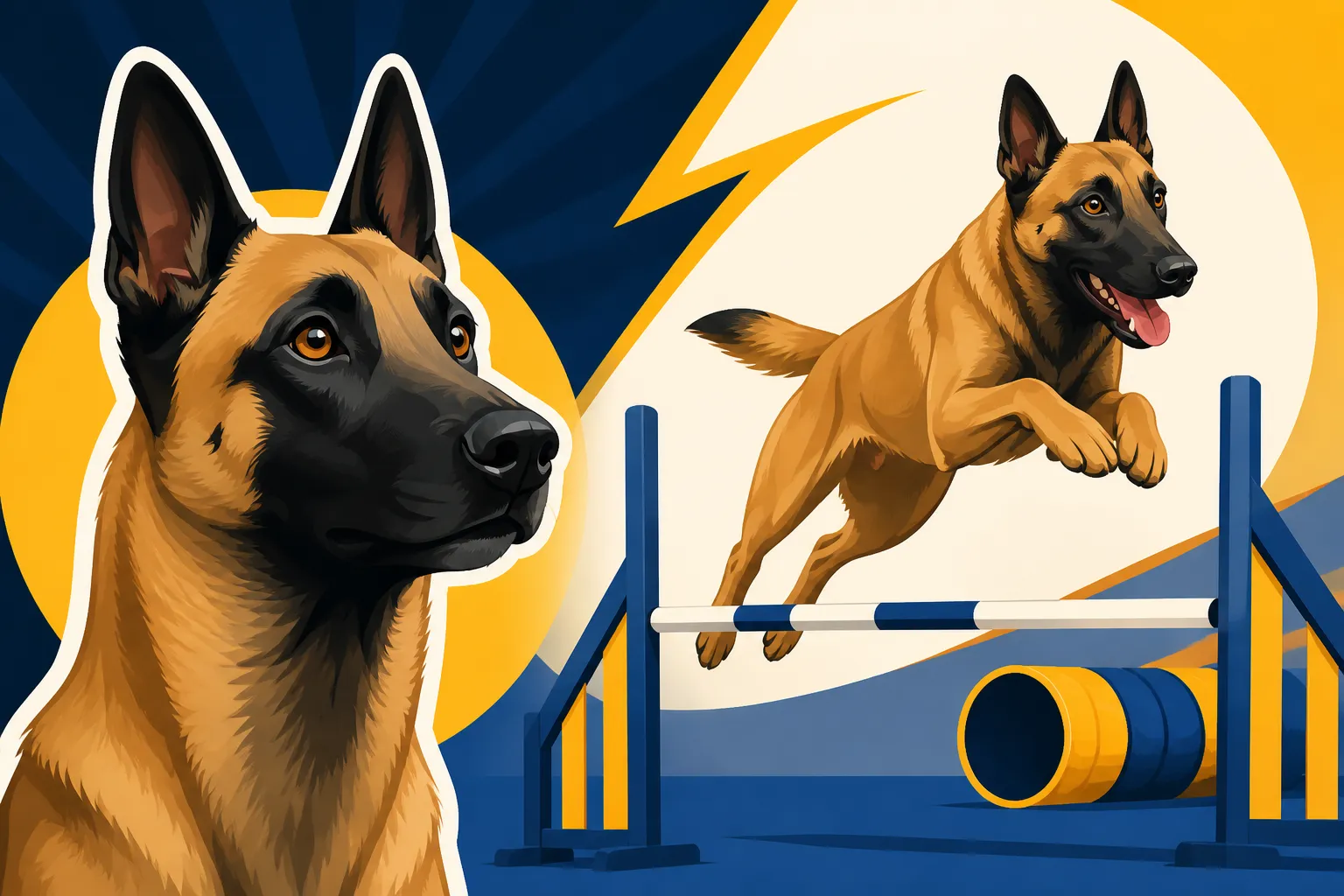
A Malinois is a lean, athletic machine. They possess a compact, muscular build that is designed for bursts of speed and quick changes in direction. Their deep chests provide ample lung capacity, allowing for sustained effort, which is absolutely vital when running a complex agility course without losing steam. Their strong hindquarters are like coiled springs, ready to launch them over hurdles and propel them through tunnels with remarkable force. Think about watching a Malinois chase a ball or a bite sleeve; that controlled explosion of energy, that effortless acceleration – it's all directly transferable to the agility environment. This isn't just about being "fast"; it's about efficient movement, which conserves energy and allows for higher performance throughout a trial.
Natural Agility and Coordination
Beyond raw power, the Belgian Malinois exhibits exceptional natural coordination. They have an almost cat-like ability to land softly, recover quickly from awkward positions, and maintain balance while executing intricate maneuvers. This inherent body awareness helps them navigate tight turns, weave poles, and climb contact obstacles with surprising grace for such a powerful dog. Their quick reflexes mean they can react to a handler's subtle cues, or even split-second changes in the environment, without missing a beat. This isn't something you can easily train into every dog; it's a fundamental aspect of the Malinois's genetic makeup, honed over generations. They are always aware of where their feet are, which is a huge advantage when precision is paramount.
Endurance and Stamina
Agility courses, especially at higher levels, are not just sprints; they require incredible stamina. A dog must maintain focus and speed through multiple obstacles, often over varying terrain and in different weather conditions. The Malinois, with its working heritage, possesses an unparalleled capacity for sustained physical activity. They are built to work for extended periods without faltering, a trait that translates beautifully to the agility ring where dogs might run several demanding courses in a single day. This mental and physical endurance means they can maintain their drive and intensity from the first obstacle to the last, often finishing a course with as much vigor as they started, a true testament to their robust constitution. The Age a Working Malinois Starts to Slow will give you more insight into their long-term working capacity.
Key Considerations for Agility Training
While the Malinois's physical attributes are undeniably impressive, merely possessing the right build isn't enough. Agility is a high-impact sport, and a dog's long-term soundness depends heavily on careful conditioning, thoughtful training practices, and a proactive approach to their health. For a breed as intense as the Malinois, these considerations become even more critical.
Joint Health and Impact Management
The powerful jumps, sharp turns, and rapid stops inherent in agility put significant stress on a dog's joints, particularly the hips, elbows, and knees. While Malinois are generally considered healthier than some other large breeds, they are still susceptible to conditions like hip and elbow dysplasia. The Hip and Elbow Numbers Behind a Malinois Clearance is a must-read for any potential Malinois owner. It is absolutely crucial to ensure your Malinois has excellent genetic clearances from health-tested parents. Beyond genetics, proper conditioning is non-negotiable. Building strong supporting muscles around the joints helps absorb impact and provides stability. This isn't just about running; it involves targeted exercises that build core strength and proprioception (body awareness). Without this foundational strength, even a naturally athletic dog can suffer injuries like torn cruciates or soft tissue strains. It's a long game, not a sprint, and protecting those joints is paramount for a lasting agility career. You don't want to find yourself looking into Physical Therapy Prices for a Belgian Malinois because you rushed things.
Lean Build and Injury Risk
The Malinois's lean, athletic build, while advantageous for speed, also means they carry less protective padding than some heavier breeds. Their dense musculature is fantastic, but it's not invincible. They can be prone to muscle strains, sprains, and even deeper injuries if not properly warmed up or cooled down, or if asked to perform maneuvers beyond their current conditioning level. Their high pain tolerance, a trait often admired in working dogs, can also be a double-edged sword; they might push through minor discomfort that other dogs would signal, potentially exacerbating an injury. This means handlers need to be exceptionally observant, looking for subtle changes in gait, enthusiasm, or performance that could indicate a brewing issue. A strong bond and careful observation are your best tools for preventing serious problems.
Overdrive and Self-Preservation
One of the defining characteristics of a Belgian Malinois is their intense drive. While this drive can be a huge asset in the agility ring, pushing them to perform with incredible enthusiasm, it can also lead them to ignore their own physical limits. A Malinois in full "working mode" might launch themselves over a jump without the cleanest form, or take a contact obstacle harder than necessary, simply because their focus is entirely on the task and pleasing their handler. They often lack a strong sense of self-preservation when engaged. This means the handler bears the primary responsibility for pacing their training, recognizing signs of fatigue, and ensuring that technique and safety are prioritized over speed, especially in the early stages. You need to be their brakes and their careful guide, rather than just their accelerator. Whether a Belgian Malinois Is More Intense Than It Looks touches on this powerful trait.
Optimizing Your Malinois for Agility Success
To truly excel and maintain soundness in agility, a Malinois needs a structured approach that respects their physical and mental makeup. It’s not about pushing them harder, but about training them smarter. This means focusing on foundational conditioning, precise skill development, and a consistent, positive training environment.
Conditioning for Peak Performance
A Malinois doesn't just wake up ready for agility; they need specific conditioning. This goes beyond just walks or runs. Think about exercises that build hindquarter strength, improve core stability, and increase flexibility. Cavaletti poles, uphill sprints, controlled retrieves, and even swimming are fantastic for building functional strength without excessive impact. Incorporating balance work on wobble boards or inflatable discs helps improve proprioception, teaching them better body control. Regular warm-ups before training sessions and cool-downs afterwards are non-negotiable to prevent strains and promote recovery. Consider a balanced diet designed for active working dogs and appropriate supplements like glucosamine or chondroitin to support joint health, especially as they mature. Joint Supplements for a Working Belgian Malinois provides more detailed guidance.
| Conditioning Element | Benefit for Agility Malinois | Example Activity |
|---|---|---|
| Cardiovascular Endurance | Sustained speed and stamina through long courses | Structured runs, cycling alongside handler, swimming |
| Strength Training | Power for jumps, drive for contacts, joint stability | Uphill sprints, tug games, controlled retrieves |
| Core Stability | Balance on contacts, tight turns, injury prevention | Balance discs, cavaletti, figure-8 patterns |
| Flexibility | Range of motion, injury prevention, smooth obstacle execution | Gentle stretches, active range of motion exercises |
| Body Awareness | Precision on contacts, weave poles, safe landings | Ladder work, platform training, navigating varied surfaces |
Building Core Strength and Flexibility
Core strength is the unsung hero of agility performance and injury prevention. A strong core allows for better balance, more efficient movement, and protects the spine during powerful movements. Exercises like standing on two legs, "bows," or controlled body wraps around your legs can help build this crucial foundation. Flexibility is equally important, allowing for greater range of motion and reducing the risk of muscle pulls. Incorporate gentle stretches into your cool-down routine. These aren't just for human athletes; they're vital for a canine competitor. A strong, flexible Malinois is less likely to suffer common agility injuries and will be able to perform at their best for longer.
Progressive Training Approach
Rushing a Malinois through agility training is a recipe for disaster. Their keen intelligence and eagerness to please can sometimes mask developmental limitations. Puppies, especially, need a careful approach. Avoid high-impact jumps and weave poles until their growth plates have closed, usually around 12-18 months. Focus on flatwork, foundation skills, and building solid obstacle performance at low heights initially. A reputable agility instructor will emphasize positive reinforcement and break down complex behaviors into small, achievable steps. Resources like BAXTER & Bella offer online puppy training programs that build a strong foundation, which can be invaluable before even stepping onto an agility course, focusing on engagement and obedience that are crucial for any dog sport. Slowly increase jump heights, weave pole speeds, and contact obstacle angles. It’s about building confidence, precision, and body awareness gradually. Trying to skip steps or push them too hard too fast is how injuries happen, leading to setbacks and potentially long-term issues. The Age a Belgian Malinois Can Start Real Conditioning offers a good timeline for safe physical development.
Proactive Health and Veterinary Care
For any sport dog, and particularly for a high-drive breed like the Malinois, proactive veterinary care is essential. This means regular check-ups, not just when there's an issue. Your vet can monitor their joint health, assess their overall physical condition, and recommend preventive measures. Consider baseline X-rays of hips and elbows once they are fully grown, even if they have parental clearances, just to have a personal record. Open communication with your vet about your Malinois's activity level and sport involvement is key. They can advise on proper nutrition, weight management, and any necessary supplements. If you notice any lameness, stiffness, or changes in their enthusiasm for training, it's vital to get it checked out promptly. Early intervention can prevent minor issues from escalating into major problems. For example, if your Malinois exhibits any signs that could lead to Torn Cruciates in a Jumping Belgian Malinois, addressing it immediately with your vet could save them from serious surgery.
Necessary Equipment and Resources for Agility Training
Embarking on the agility journey with a Belgian Malinois also means investing in the right tools and knowing where to find them. Quality equipment ensures safety and efficacy, while access to reliable resources empowers you as a handler.
High-Quality Training Aids
For a breed as powerful and driven as the Malinois, durable and safe training equipment is non-negotiable. From tunnels to jumps, contact obstacles to weave poles, choose items designed for dog agility, not just backyard play. Look for materials that can withstand rigorous use and ensure stability. Many handlers find that starting with a sturdy, adjustable jump set, a practice tunnel, and a set of weave poles (even basic PVC ones) is a good beginning. You can find a wide range of these on platforms like Amazon, but always prioritize quality and safety features. Ensure that all equipment is well-maintained and free from hazards that could cause injury.
Handler Training and Education
Your Malinois can only be as good as your handling skills. Agility is a team sport, and effective communication is paramount. This means you, the handler, need to learn proper handling techniques, course analysis, and timing. Look for experienced agility instructors who understand the nuances of working with high-drive breeds. Online courses and workshops can also be incredibly valuable. Many people start with basic obedience classes, perhaps even a program like that offered by BAXTER & Bella, to establish a solid foundation of focus and responsiveness before moving into sport-specific training. Reading books, watching instructional videos, and attending agility trials as a spectator can all contribute to your education. The more you learn, the better you can guide your Malinois to success.
Protective Gear and Recovery Tools
Given the intensity of the Malinois, considering protective gear and recovery tools is a smart move. While dogs don't typically wear "gear" in the same way human athletes do, think about things like paw protection for certain surfaces, especially if you train outdoors on abrasive ground. More importantly, focus on recovery. High-quality dog beds that provide orthopedic support can aid in muscle recovery. Cooling vests can be beneficial for training in warmer climates to prevent overheating. And don't underestimate the power of massage or gentle stretching post-exercise to keep those powerful muscles supple. Having a well-stocked first aid kit specifically for your dog is also crucial for promptly addressing any minor scrapes or strains that can occur during active training.
Disclaimer
This article is for general informational purposes only and does not constitute professional advice. Laws, prices and regulations vary by location and change over time. Consult a qualified professional for guidance on your specific situation.