Running a Malinois Off a Dock
So, you're thinking about introducing your high-octane Belgian Malinois to the exhilarating world of dock diving? It sounds like a match made in heaven on paper—a super athletic dog with an intense drive, combined with a sport that demands speed, power, and an unshakeable focus on a toy. But for those of us who live with these incredible, demanding dogs, we know that "on paper" and "in reality" are often two very different things. This guide will help you understand the nuances of running a Malinois off a dock, navigating both their incredible potential and the specific challenges that come with harnessing that immense drive in a precise, safe, and productive way for this exciting sport.
Unlocking the Drive: Why Your Malinois Might Love Dock Diving (and the Challenges)
Belgian Malinois are built for action, and dock diving taps into some of their most inherent traits. Their explosive power, incredible speed, and relentless chase drive make them natural contenders for a sport that asks them to launch themselves into the air after a toy. Yet, it's not always as simple as throwing a ball into the water. Understanding their foundational drives and potential sticking points is crucial for a successful introduction to the dock.
The Natural Prey Drive and Athleticism
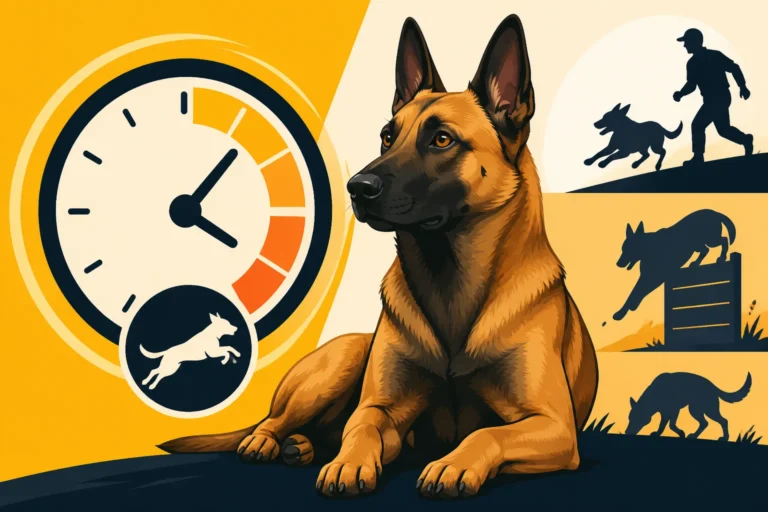
Anyone who shares their life with a Belgian Malinois knows about their phenomenal prey drive. That intense, laser-like focus on a moving object is exactly what makes them so effective in protection sports, detection work, and, yes, even dock diving. When that favorite retrieve toy sails through the air and splashes into the pool, a Malinois often experiences an almost primal urge to pursue it. Their athleticism, including their incredible musculature and lean build, is perfectly suited for the explosive leap and powerful swim required for the sport. They have the natural spring and body awareness to make impressive jumps, and their stamina ensures they can do it again and again, often with very little sign of tiring. This is where you see the true beauty of their design—every fiber of their being is often geared towards that single, focused task.
Initial Hesitations and Water Introduction
Despite their athleticism and drive, it’s a common misconception that all Malinois are instant water dogs. While many take to it like a fish, others can be hesitant about deeper water, especially a large pool with steep sides. It’s not necessarily fear, but often caution or a lack of understanding. A Malinois thrives on predictability and control, and a big, open body of water might not feel like something they can immediately master. When first introducing your Malinois to the idea of dock diving, it's essential to start slow and make it a positive experience. Forget the dock for a moment and focus on general water confidence. Shallow entry points, gradual slopes, or even just wading in with you can build that initial comfort. Sometimes, their retrieve drive is so strong that they'll overcome their hesitation for a coveted toy, but never push them beyond their comfort zone. A bad first experience can create a lifelong aversion to water.
Managing the Intense Focus
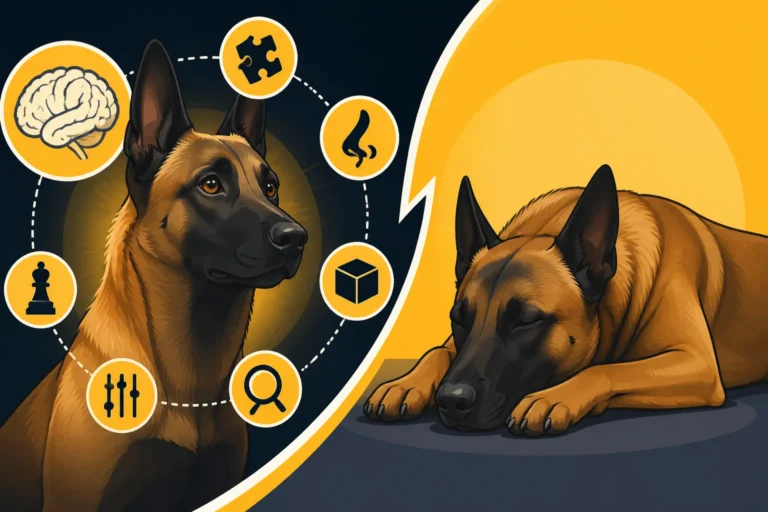
Once a Malinois does take to dock diving, their intense focus can be both a blessing and a curse. On one hand, that unwavering stare on the toy and commitment to the retrieve means they'll often give it their all. They won't easily be distracted by other dogs, people, or noises once they're in their "work" mindset on the dock. On the other hand, this intensity can make it difficult for them to listen to anything but their own internal drive. Getting a clean "out" (release the toy) after a retrieve, or even getting them to wait patiently on the dock for their turn, requires significant foundational obedience. You might find your Malinois whining, barking, or pacing with anticipation, burning through energy that could be better used for their jump. This is where the work you’ve put into Building Engagement With a Belgian Malinois and Building an Off Switch Into a Belgian Malinois really pays off. Without that mental control, dock diving can quickly become a chaotic, over-stimulated frenzy rather than a controlled, athletic display.
Step-by-Step Training for the Dock-Diving Malinois
Successfully running your Malinois off a dock involves more than just a good throw. It requires breaking down the behavior into manageable steps, building confidence, and layering commands strategically. Rushing any part of this process can create bad habits or, worse, an unsafe situation.
Building Confidence in the Water
Before you even think about the dock, your Malinois needs to be completely comfortable and happy in the water. Start with a calm, inviting environment like a shallow lake, a kiddie pool, or a gradual-entry dog-friendly beach. Use their favorite floating toy and lots of positive reinforcement. Initially, just encourage them to wade in, splashing gently and tossing the toy a short distance. Some Malinois might need you to get in the water with them to show them it's safe and fun. You're aiming for a dog that wants to be in the water, not one that tolerates it. Once they are confidently swimming and retrieving in an open water setting, you can introduce them to a pool, ideally one with a ramp or easy steps to build trust for entry and exit. Focus on making retrieves fun and effortless, with no pressure. This foundational comfort is non-negotiable before tackling the dock itself. You might find that Whether Swimming Takes the Edge Off a Malinois is not just about exercise, but about building this essential comfort level.
Mastering the Throw and Retrieve
The essence of dock diving is the retrieve. Your Malinois needs to have an unshakeable retrieve drive, not just on land, but specifically in water. Practice throwing their favorite floating toy (a bumper or a sturdy, bright toy works best) into varying depths of water and distances. Make sure they consistently swim out, grab the toy, and bring it back to you. The "out" command, where they release the toy promptly, is paramount. Many Malinois love to hold onto their prize, but for dock diving, a quick release means less time between retrieves and a smoother session. Work on this "out" with consistency, perhaps trading the retrieved toy for an even more exciting one or a high-value treat. For high-drive dogs, you may want to use a variety of Tugs and Bite Pillows a Malinois Destroys in your training, rotating them to keep enthusiasm high. Remember, the game should always end on a high note, even if it's just one perfect retrieve.
The "Go" or "Jump" Command from the Dock
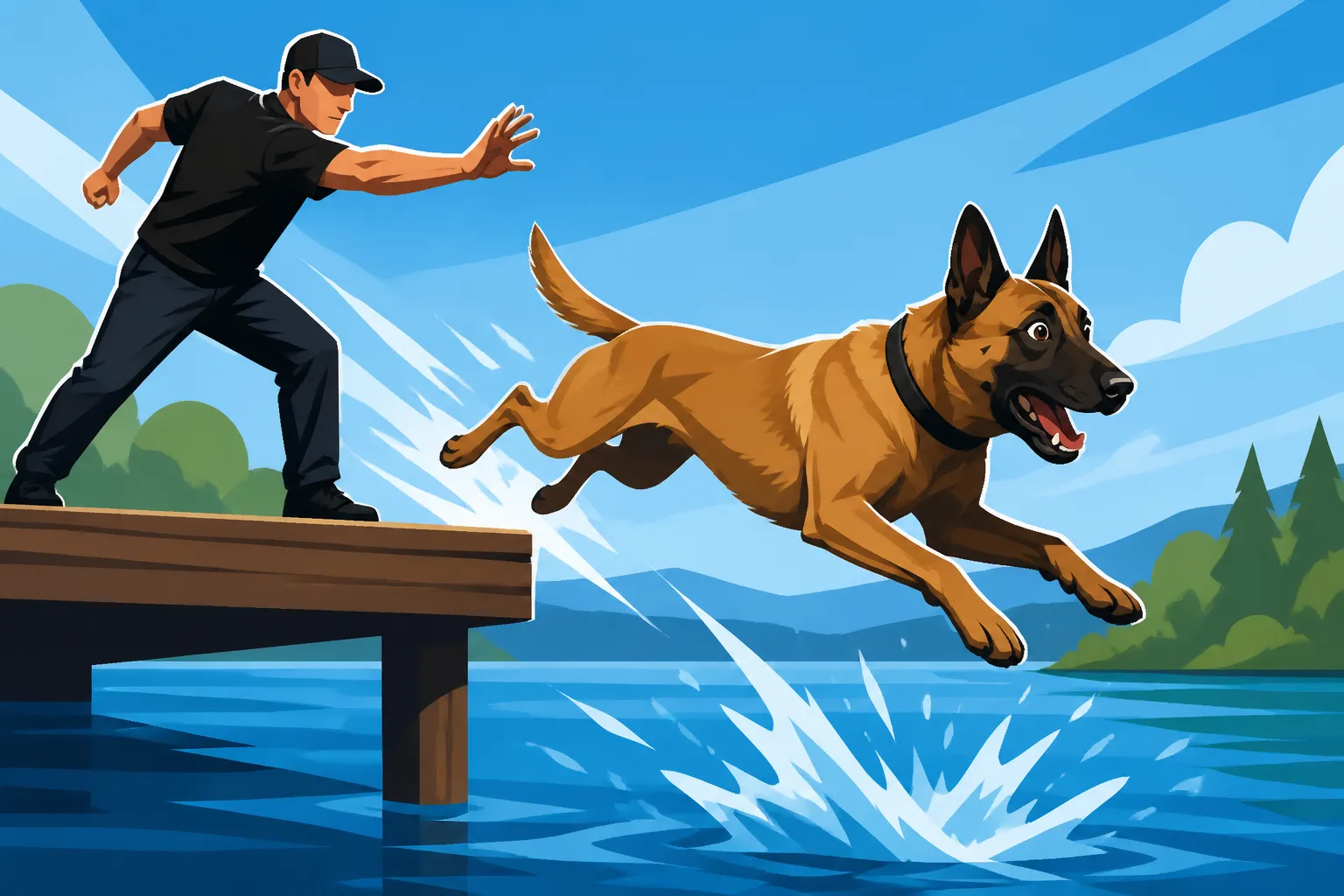
This is where the magic happens, but it needs to be carefully orchestrated. Start with your Malinois on the dock, initially without the pressure of a full throw. Some trainers begin by simply throwing the toy from the edge of the dock, encouraging the dog to jump in from a stand-still or a short running start. Once they are consistently jumping into the water for the toy, you can introduce the "go" or "jump" command. The timing is critical: say the command as you throw the toy, just before they launch. Many handlers will hold their Malinois at the edge of the dock (often by the collar or a special harness handle) and release them on command, turning the jump into a controlled explosion of energy. Repetition and consistency are key here. You want the dog to associate the command with the joyous act of chasing the toy into the water. For dogs that are a bit hesitant to launch, sometimes starting with a shorter dock or even having a person in the water to call them can build initial confidence.
Refining the Entry and Exit
While the jump is flashy, safe entry and exit from the water are equally important for the longevity of your Malinois's dock diving career. Many facilities have ramps, but some might only have steps or even just the dock edge. Train your dog to use ramps and steps calmly. They should know how to swim to the ramp, get themselves out, and then return to you on the dock or platform without getting over-excited. This involves teaching them patience, especially if there are other dogs around. A dog that scratches frantically at the side of the pool or tries to climb out where there's no safe exit can injure itself or others. Ensuring your Malinois can retrieve the toy and then immediately move towards the designated exit point is a crucial part of the routine. If you plan to compete, they’ll need to understand the flow: jump, retrieve, exit, return to handler, and wait for the next turn. This kind of structured activity is another form of The Mental Work That Finally Tires a Malinois Out, as it requires self-control and focus.
| Dock Diving Training Phase | Key Objective | Common Malinois Challenge | Success Indicators |
|---|---|---|---|
| Water Acclimation | Develop comfort and enjoyment in water | Initial hesitation, lack of understanding | Voluntary entry, relaxed swimming, retrieving |
| Retrieve Mastery | Consistent, enthusiastic water retrieves + "out" | Holding onto toy, distracted by other dogs | Quick retrieve, immediate toy release |
| Dock Introduction | Confident jumping from dock into water | Fear of height/splash, uncontrolled launch | Controlled jump on command, clean entry |
| Entry/Exit Routine | Safe and calm use of ramps/steps, return to handler | Frantic exit, ignoring handler after retrieve | Uses designated exit, returns to handler, waits turn |
Prioritizing Safety and Well-being in Dock Diving
Dock diving is a high-impact sport, and while Malinois are incredibly resilient, their physical well-being must always be the top priority. From protecting their joints to managing heat, being proactive about safety is paramount for a long and healthy career.
Protecting Joints and Paws
The repeated impact of launching off a dock and landing in water, while generally softer than landing on solid ground, still puts significant stress on a Malinois's joints. Their hips, elbows, and shoulders bear the brunt of this athleticism. For young Malinois, it's critical to ensure their growth plates are closed before engaging in repetitive, high-impact activities like dock diving. Premature stress can lead to lifelong issues. Always warm up your Malinois thoroughly before a session with a brisk walk or light play, and cool them down afterward. Incorporating joint supplements, especially as they get older, might be a good idea; you can learn more about Joint Supplements for a Working Belgian Malinois. Their paws are also vulnerable: the rough surfaces of docks, pool edges, and the constant wetness can lead to Pad Injuries on a Belgian Malinois in Training. Regularly inspect their paw pads for cuts, abrasions, or excessive wear. Paw balms can help condition the pads, and in some cases, protective boots might be considered for sensitive feet, especially if the dock surface is particularly abrasive.
Heat Management and Hydration
Belgian Malinois, with their intense drive, often push themselves to the limit without regard for environmental conditions. This makes them highly susceptible to overheating, especially during warmer months or in direct sun. Dock diving is physically demanding, raising their core body temperature significantly. Always monitor your Malinois for signs of heat stress, such as excessive panting, drooling, lethargy, or a refusal to retrieve. Shade is essential between jumps, and constant access to fresh, cool water is non-negotiable. Offer water breaks frequently, and consider bringing a portable fan or cooling vest for them if you're training on a hot day. Even though they are jumping into water, the exertion can still lead to dangerous internal temperatures. Read up on Reading Heat Stress on a Malinois Mid Session to better understand the subtle signs your dog might be in distress. Never, ever push a Malinois if you suspect they are overheating; it can quickly become life-threatening.
Equipment Essentials for the Dock
Having the right equipment not only makes dock diving more efficient but significantly safer. A well-fitting, sturdy harness with a top handle is invaluable. This allows you to safely hold your Malinois at the edge of the dock, control their launch, and quickly guide them out of the water if needed. Brands like Ruffwear or similar high-quality tactical harnesses found on Amazon often offer the durability and handles you'll appreciate. Avoid thin collars or harnesses that put pressure on the throat, as this can impede breathing during exertion. For toys, opt for bright, buoyant items that are easy for your Malinois to see and retrieve in the water. Rubber bumpers, floating discs, or durable balls are great choices. Consider having a few duplicates in case one drifts away or gets damaged. A long line or leash can also be useful for initial training or for maintaining control in a busy environment. Don't forget a first-aid kit specific for dogs, complete with paw protection, wound cleaning supplies, and any necessary medications.
Understanding Water Safety and Hazards
Beyond the physical demands, dock diving also presents specific water-related hazards. Not all bodies of water are suitable for dog sports. Stagnant water can harbor harmful bacteria like leptospirosis or blue-green algae, which can be deadly. Always choose clean, well-maintained pools or natural bodies of water known to be safe for dogs. Be aware of currents if you're in a river or ocean setting, and always supervise your Malinois closely. They are powerful swimmers but can still get into trouble. If your Malinois wears a harness, ensure it doesn't chafe or become waterlogged, which can be uncomfortable. For pools, ensure proper filtration and chemical balance to prevent skin irritations or ear infections. After any water session, always thoroughly rinse your Malinois with fresh water and dry them completely, paying special attention to their ears and between their paw pads, to prevent skin issues.
Advancing Your Malinois's Dock Diving Skills
Once your Malinois is confidently jumping and retrieving, the real fun of honing their skills begins. Dock diving isn't just about splashing in; it's about precision, maximizing distance, and maintaining that joyful drive.
Beyond the Beginner Jump: Distance and Height
For many Malinois, their natural athleticism means they'll quickly master the basic jump. The next step is to encourage them to jump further and higher. This involves refining your throw, understanding the optimal launch point on the dock, and building an even more explosive start. For distance (Big Air), experiment with where you stand on the dock and the trajectory of your throw. Some dogs jump best when the toy is thrown straight out, others prefer a slight arc. For height (Extreme Vertical), the dog jumps vertically to grab a bumper held high above the water. This is a different skill set, requiring a more upward trajectory in their leap and precise timing. It often involves training to jump at an angle or from a different starting position. You'll want to gradually increase the height of the toy, building their confidence with each successful grab. Remember, this is a partnership; your throwing technique and timing are just as important as their jump.
Competition Readiness and Mindset
If you're considering taking your Malinois into official dock diving competitions, preparation goes beyond just the physical act of jumping. It's about developing a consistent routine, managing nerves (yours and theirs), and understanding the specific rules and scoring for each discipline (Big Air, Extreme Vertical, Speed Retrieve). Practice in different environments and with other dogs around to simulate the distractions of a trial. Your Malinois needs to be able to focus despite the noise and excitement. This is where a strong Recall on a Belgian Malinois in Full Drive becomes critical, ensuring they return to you promptly after their retrieve, even in a high-energy environment. Working on patience on the dock while waiting for their turn is also key. Consider attending practice events or "fun jumps" to get a feel for the atmosphere without the pressure of a scored competition. Many clubs or facilities offer these. A calm, confident handler translates to a calm, confident dog.
Maintaining Peak Physical and Mental Condition
Dock diving is a physically demanding sport, and to keep your Malinois performing at their best and prevent injuries, ongoing conditioning is vital. This isn't just about jumping; it includes a balanced exercise routine that builds strength, stamina, and flexibility. Activities like running, controlled flirt pole work, and even specific canine fitness exercises can build the core strength and muscle tone needed for powerful jumps. A strong core protects the spine, which is paramount for a dog that launches itself repeatedly. Mentally, dock diving provides an excellent outlet for the Malinois's high drive and intelligence. It burns off excess energy and gives them a "job" to do, which is crucial for their overall well-being. However, ensure you're not overdoing it. Overtraining can lead to physical burnout, mental fatigue, or even injury. Pay attention to their The Age a Working Malinois Starts to Slow and adjust training intensity accordingly. Just like us, dogs need rest and recovery days. Consider incorporating active recovery like slow leash walks or gentle stretching. Providing enrichment through companies like BAXTER & Bella, which offer online training and resources, can help keep their minds sharp and engaged even when they aren't on the dock. This holistic approach ensures your Malinois remains a happy, healthy, and enthusiastic dock diver for years to come.
Disclaimer
This article is for general informational purposes only and does not constitute professional advice. Laws, prices and regulations vary by location and change over time. Consult a qualified professional for guidance on your specific situation.