Pad Injuries on a Belgian Malinois in Training
There's nothing quite like watching a Belgian Malinois work, is there? Their intensity, their focus, that incredible drive to perform – it's truly a sight to behold. But that same boundless energy and commitment to the task can sometimes be their undoing, especially when it comes to the delicate, yet crucial, structures of their paws. A pad injury can bring even the most driven Malinois to a grinding halt, causing immense frustration for both dog and handler. This guide will walk you through the common causes of paw pad injuries during training, effective prevention strategies, and how to best care for your Malinois when these painful issues arise, helping you keep their paws sound and ready for action.
Understanding Why Malinois Pads Are Vulnerable During Training
It's a common misconception that a dog's paw pads are invulnerable, tough as old boots. While they are certainly designed for resilience, the extreme demands placed on a working Belgian Malinois, especially during high-intensity training, can quickly push them past their limits. Their incredible drive means they often ignore discomfort until it becomes a significant injury, making early detection and prevention paramount.
The Nature of Malinois Drive and Terrain
A Belgian Malinois isn't just a dog; they're a finely tuned athlete, a canine Ferrari. Their speed, agility, and explosive power translate into sudden acceleration, abrupt stops, sharp turns, and powerful take-offs. Each of these movements puts immense pressure, torque, and friction on their paw pads. When you combine this natural athleticism with varied training surfaces, you have a recipe for potential trouble.
Imagine your Malinois, totally locked onto a sleeve or a ball, driving hard across an asphalt parking lot, then cutting sharply onto a gravel path, and finally, launching itself over an obstacle in a grassy field. Each surface presents a different challenge. Asphalt can be abrasive and dangerously hot. Gravel can be sharp and unstable, leading to cuts or punctures. Even seemingly soft grass can hide unseen dangers like thorns, glass shards, or jagged rocks. The Malinois's unwavering focus on the task at hand means they rarely stop to consider the ground beneath their feet. They are wired to go, to do, to succeed, and this admirable trait can unfortunately lead them to push through initial irritation or minor pain, exacerbating a small issue into a debilitating injury. Their commitment often overrides any self-preservation instincts, making it critical for handlers to be their eyes and ears for potential risks.
Common Types of Pad Injuries Seen in Training
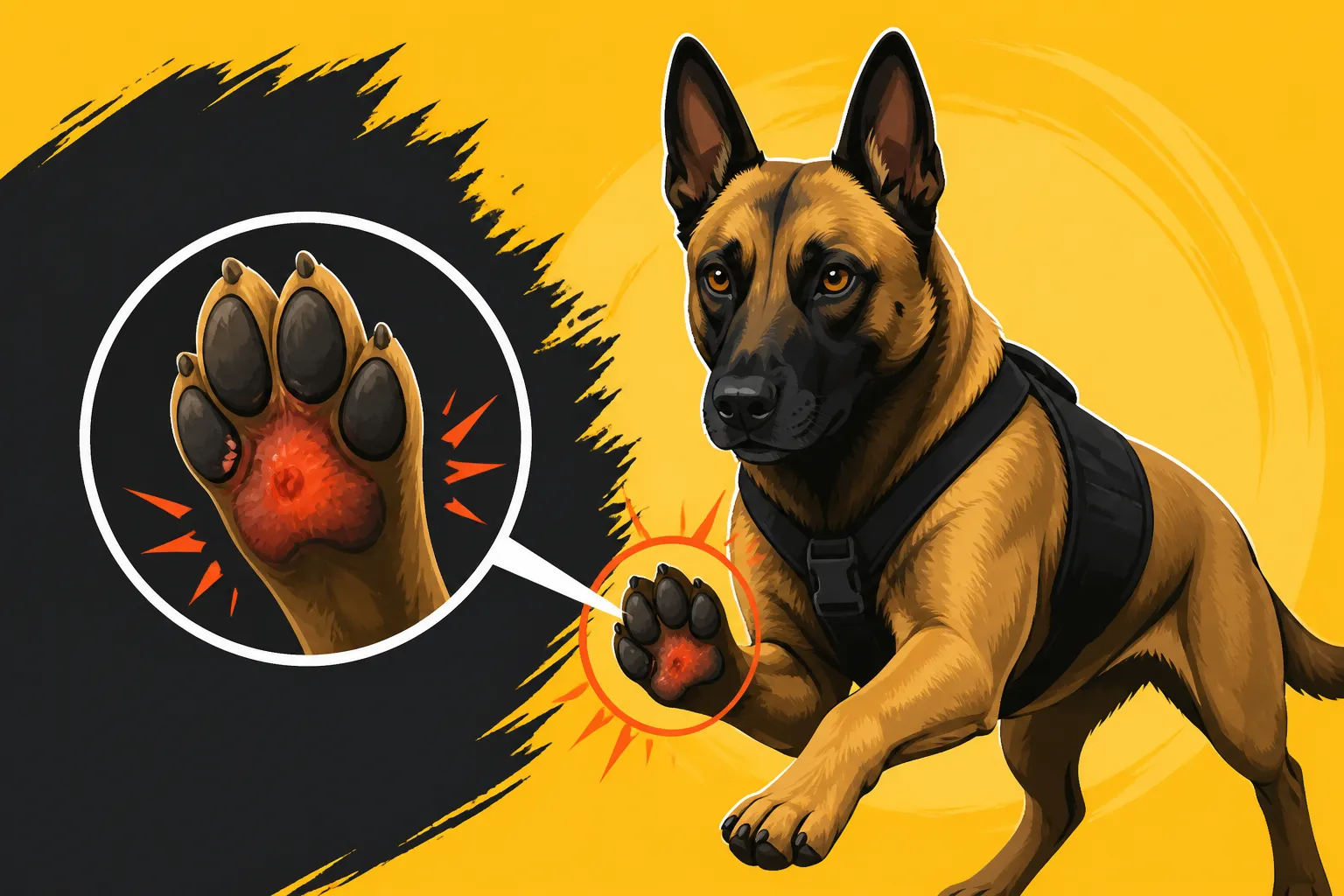
Due to the intense nature of their work and their inherent drive, Malinois are susceptible to several distinct types of paw pad injuries. Knowing what to look for can help you identify a problem early and intervene before it worsens.
Abrasions and Scrapes
These are perhaps the most common, resulting from friction against rough surfaces. Think of running your hand repeatedly over sandpaper – that's what a rough concrete yard or a coarse gravel track can do to delicate paw pads. Abrasions might look like superficial raw spots, or the skin might be worn thin and red. While often not immediately severe, they can become incredibly painful and prone to infection if not addressed, especially if they're forced to continue working on them.
Cuts and Lacerations
Sharp objects are the bane of any working dog's paws. Hidden hazards like broken glass, discarded metal fragments, sharp stones, or even tough plant stems can cause clean cuts or jagged lacerations. These can range from shallow nicks to deep wounds that penetrate through the pad layers. Cuts can bleed profusely and are high-risk for infection, particularly if debris gets embedded. It's truly heartbreaking to see your dedicated partner yelp in pain from stepping on something unseen.
Punctures
Similar to cuts, punctures are typically deeper but with a smaller entry point. A nail, a thorn, a sharp stick, or a piece of wire can cause a puncture wound. These can be insidious because the entry wound might appear small and insignificant on the surface, but the foreign object could have traveled deeper into the pad, potentially causing significant damage to underlying tissues, nerves, or even bone. They often carry a higher risk of deep-seated infection because the wound can close over, trapping bacteria inside.
Blisters and Burns
Hot surfaces are a silent killer for paw pads. Asphalt on a sunny day can reach temperatures far exceeding air temperature, quickly causing severe burns. Similarly, artificial turf, while popular for its low maintenance, can retain heat and become incredibly hot under direct sunlight. Blisters can also form from prolonged moisture that softens the pads, followed by friction. Imagine your feet after a long hike in wet socks – similar conditions can lead to tender, blistered pads on your Malinois, which are then prone to tearing. Early summer heat can catch handlers off guard, leading to serious burns before they even realize how hot the ground truly is.
Torn Pads
This is one of the more dramatic and painful injuries. A torn pad occurs when a section of the tough outer layer of the paw pad separates, either partially or completely, from the underlying tissue. This can happen with sudden, forceful twists, turns, or slides on various surfaces. A dog making a sharp pivot or stopping abruptly on a sticky surface might wrench a piece of pad off. The exposed raw flesh underneath is extremely sensitive, and these injuries bleed a lot, often requiring significant time and care to heal properly. Sometimes, the entire pad can detach, exposing nerves and making every step excruciating.
Infections
Any open wound on a paw pad, whether a scrape, cut, or puncture, is an open invitation for bacteria. Given that paws are constantly in contact with the ground and often subjected to dirt, mud, and other contaminants during training, infections are a very real and serious secondary risk. Signs of infection include redness, swelling, heat, pus, an unpleasant odor, and increased lameness or sensitivity in the paw. Early and thorough cleaning is crucial to prevent these complications.
Proactive Measures to Prevent Paw Pad Injuries
Preventing paw pad injuries in a Belgian Malinois isn't just about avoiding obvious dangers; it's about a holistic approach that includes careful planning, proper conditioning, and smart management. Given their fearless nature, the onus is entirely on us, their handlers, to safeguard their precious working feet.
Strategic Training Surface Selection and Conditioning
The ground your Malinois trains on is arguably the single biggest factor in preventing paw pad injuries. You wouldn't train a human athlete on a hazardous track, and the same consideration must be given to our canine partners.
Before any training session begins, make it a habit to thoroughly inspect your chosen training ground. Walk the entire area, visually scanning for anything sharp or irregular. Look for broken glass, metal shards, loose nails, sharp rocks, thorns, or any other debris that could injure a paw. If you find anything, remove it immediately. This simple five-minute pre-check can save you weeks of recovery time and potentially thousands in vet bills. Consider it part of your routine, just like putting on their harness.
Beyond hazard removal, think about surface rotation. Consistently training on one type of surface can have drawbacks. Always training on soft grass might not build sufficient pad toughness for trials on harder ground, while always training on abrasive surfaces can lead to chronic wear. Gradually expose your Malinois to varied, yet safe, surfaces. This allows their pads to build natural resistance and thickness over time. For instance, start a session on grass, move to a packed dirt area, and then maybe a brief period on smooth concrete, always checking their paws as you go.
This brings us to the concept of "pad toughening" for a Belgian Malinois. This isn't about deliberately hurting them, but rather about gradual, controlled exposure to surfaces that stimulate pad development. Think of it like building calluses on your own hands. Short, supervised walks on slightly rougher, but clean, surfaces like well-maintained gravel or coarse asphalt can help. However, you must avoid overdoing it. Too much too soon will lead to injury, not conditioning. Always err on the side of caution. Regular application of a good quality paw balm or wax can also help. These products moisturize the pads, preventing cracking and dryness, while also creating a protective barrier against minor abrasions and harsh weather elements. Brands like Musher's Secret or K9 Power's Paw Protector are popular choices among working dog handlers.
Proper Hydration, Nutrition, and Equipment
The health of your Malinois's paw pads isn't just about what they step on; it's also a reflection of their overall well-being. What goes in, and what they wear, can make a significant difference.
Adequate hydration is absolutely critical for all aspects of a working dog's health, including their skin and paw pads. Dehydration can lead to dry, less elastic skin, making the pads more prone to cracking and tearing. Ensure your Malinois has access to fresh, clean water throughout the day, especially during and after training sessions. During intense work or on hot days, they might need more encouragement to drink, so consider adding a splash of broth to their water to entice them. Hydrating a Belgian Malinois During Training is a topic often overlooked but vital for their overall resilience.
Nutrition plays an equally important role. A balanced diet, rich in essential fatty acids (like Omega-3 and Omega-6), vitamins, and minerals, supports healthy skin and coat, which extends to their paw pads. These nutrients contribute to skin elasticity and repair mechanisms. If your Malinois's pads are consistently dry or cracked, discuss their diet with your veterinarian. They might recommend specific supplements. Many handlers find that a high-quality performance kibble, like those from Eukanuba or Royal Canin, or a well-balanced raw diet, provides the necessary building blocks for robust health.
Finally, consider protective equipment. While many handlers prefer their Malinois to work "barefoot" to maximize grip and feel, there are situations where paw protection is not just advisable, but necessary. For instance, during extreme weather conditions – scorching hot pavement, icy sidewalks treated with salt, or deep snow – dog booties can provide an invaluable barrier. Brands like Ruffwear or Muttluks offer durable options. Similarly, a thick layer of paw wax can offer a protective coating on rough terrain or in very cold, dry conditions. However, introduce booties gradually and ensure they fit well to avoid chafing or interfering with their natural gait. For a dog that needs joint support, perhaps due to previous injuries, Joint Supplements for a Working Belgian Malinois can also contribute to overall structural health which indirectly impacts how they move and land, reducing stress on their paws.
Immediate Care and Long-Term Recovery for Injured Pads
Despite the best preventative efforts, accidents happen. When your Belgian Malinois sustains a paw pad injury, knowing how to react swiftly and effectively can make a huge difference in their recovery time and prevent complications. Remember, their high drive means they might try to continue working or lick at the wound, so quick intervention is key.
First Aid Steps for Different Pad Injuries
The type and severity of the injury will dictate the immediate first aid response, but the core principles remain the same: assess, clean, protect, and know when to seek professional help.
Cuts, Lacerations, and Punctures
For any open wound, your first priority is to stop the bleeding. Apply direct pressure with a clean cloth or gauze. Once bleeding is controlled, gently clean the wound. Use a mild antiseptic solution, like diluted povidone-iodine (Betadine) or chlorhexidine (Nolvasan), flushing thoroughly to remove dirt and debris. Avoid harsh alcohol or hydrogen peroxide, which can damage tissue. Carefully inspect the wound for any foreign objects. If you see embedded glass, metal, or a large thorn, do not try to remove it yourself if it's deeply lodged, as you could cause more damage or severe bleeding. Instead, gently stabilize it and head to the vet. For deep cuts, profuse bleeding, or suspected foreign objects, immediate veterinary attention is non-negotiable. These injuries often require sutures and antibiotics to prevent infection. Keep your Malinois as calm as possible; their distress can increase blood flow.
Abrasions and Blisters
These are typically less severe but can be very painful. Gently clean the area with mild soap and water, or a saline solution. For blisters, avoid popping them unless advised by a vet, as the intact skin provides a natural protective barrier. Apply a thin layer of a veterinarian-approved antibiotic ointment (like Neosporin, but ensure it's safe if ingested as they will lick). Then, cover the paw with a protective bandage. The goal is to keep it clean, prevent further irritation, and allow the skin to heal.
Torn Pads
Torn pads are often the most alarming due to the amount of exposed raw tissue and potential for bleeding. The primary goals here are to control bleeding and prevent further tearing or contamination. Gently clean the area with saline solution, removing any loose debris. Do not try to reattach the torn flap of skin. Apply a clean, non-stick pad, and then bandage the paw securely but not too tightly. These injuries almost always warrant a vet visit. A veterinarian will properly assess the tear, debride any dead tissue, and may surgically trim or suture the pad if necessary. They will also prescribe pain management and antibiotics. Recovery for a significant tear can take weeks, sometimes months, and requires strict rest.
No matter the injury, keeping your Malinois from licking or chewing the wound is crucial, as their mouth is full of bacteria that can cause infection. An Elizabethan collar (cone) or a protective boot will be your best friend during recovery. This is where having pet insurance can be a huge relief; companies like Healthy Paws can significantly ease the financial burden of unexpected vet visits, diagnostics, and ongoing treatments for these types of injuries, allowing you to focus on your dog's recovery without the added stress of mounting bills.
The Healing Process and Vet Intervention
Paw pads are unique and heal slower than other skin on the body due to their thick structure, constant weight-bearing, and relatively poor blood supply. This means patience is key, and vigilance against infection is paramount.
During the healing process, diligently monitor the wound for any signs of infection: increased redness, swelling, warmth to the touch, pus, an foul odor, or if your Malinois develops a fever or becomes more lame. These are all indicators that the wound might be infected and require immediate veterinary attention. Your vet might prescribe oral antibiotics or topical medications.
Veterinary treatments for severe pad injuries can range from meticulous cleaning and debridement (removal of damaged tissue) to surgical repair. Deep lacerations or large tears often require sutures, which can be challenging on paw pads due to the tension and movement. In some cases, a protective splint or specialized bandage may be applied to immobilize the paw and facilitate healing. The hardest part for both you and your Malinois will be the enforced rest. A high-drive Malinois simply isn't built for idleness, but restricting their activity is absolutely vital for proper healing. Ignoring rest protocols can lead to delayed healing, re-injury, or chronic issues. You might find yourself needing to consult your vet for creative ways to keep a working Malinois calm during recovery. Rehabbing a Belgian Malinois After Knee Surgery offers insights into the general rehabilitation challenges that apply to any significant injury requiring restricted movement.
Training Adjustments and Long-Term Management
Bringing a Belgian Malinois back from a paw pad injury requires thoughtful adjustments to their routine and a commitment to ongoing preventative care. Their mental and physical well-being are both at stake, and navigating this period successfully is a testament to your understanding of the breed.
Modifying Training Routines During Recovery
The biggest challenge with a recovering Malinois is managing their seemingly boundless energy. While their physical activity needs to be severely curtailed, their mental needs remain as strong as ever. This is where you need to get creative.
Instead of their usual high-impact work, shift focus to low-impact mental stimulation. Scent work, for example, can be done with minimal movement. Hide treats or their favorite toy in different rooms (or even in a blanket pile) and let them use their nose. Puzzle toys that dispense treats slowly can also provide valuable mental engagement and keep their minds busy without stressing their healing paw. You can also incorporate calm, stationary obedience drills, reinforcing commands like "stay," "down," or "place" in various, low-distraction environments. Puzzle Work for a Belgian Malinois Indoors can be an absolute lifesaver during this period, turning frustration into productive mental exercise.
When reintroducing physical activity, it must be gradual. Start with short, controlled leash walks on soft, even surfaces like grass. Avoid slippery floors, stairs, or rough terrain. Increase duration and intensity slowly, paying close attention to any signs of discomfort or lameness. Any sign of regression means you've pushed too hard, too fast. Avoid any activities involving sudden turns, jumps, or fast stops – no agility, bite work, or intense fetch sessions – until your vet gives the all-clear. Think of it as a carefully orchestrated return to play, not a sudden free-for-all.
Preventing Recurrence and Ongoing Paw Health
Once your Malinois is fully recovered, the job isn't done. Implementing long-term strategies for paw health is crucial to prevent future injuries and maintain their working longevity.
Make daily paw inspections a non-negotiable part of your routine, especially after any training session or outdoor excursion. Take a few moments to carefully examine each paw, including between the toes and around the pads. Look for any redness, swelling, small cuts, embedded debris, or unusual tenderness. Early detection of minor issues can prevent them from escalating.
Regular nail trims are also surprisingly important. Overly long nails can alter the way your Malinois's paw contacts the ground, putting unnatural stress on the pads and toes, and making them more prone to splaying or injury. Keep their nails trimmed short enough that they don't click on hard floors. If you're unsure, ask your vet or a professional groomer for guidance. You might also want to review Nails, Pads and Feet on a Working Belgian Malinois for more in-depth care tips.
Continue with the use of paw balms or conditioners regularly, especially if your Malinois frequently trains on varied or abrasive surfaces. This helps maintain pad suppleness and prevents dryness and cracking, forming a protective layer. Consistent care will keep their pads tough yet flexible.
Finally, regular veterinary check-ups are essential for all working dogs. Your vet can assess overall paw health, advise on appropriate conditioning, and catch any subtle issues before they become major problems. A comprehensive plan, often supported by pet insurance like Healthy Paws, ensures that your Malinois receives the best possible care throughout their working life, covering everything from routine check-ups to unexpected injuries and illnesses. Knowing you have coverage for these incidents lets you focus on prevention and quick treatment, rather than cost. The Checkup Schedule a Sport Malinois Should Keep is a great resource to help you plan these crucial appointments.
Paw Pad Injuries: Overview, Symptoms, and First Aid
| Injury Type | Common Symptoms | Recommended First Aid | When to See a Vet |
|---|---|---|---|
| Abrasions/Scrapes | Redness, raw skin, mild bleeding, tenderness. | Clean with mild soap/water, apply antibiotic ointment, bandage. | If deep, large, shows signs of infection, or doesn't improve in 2-3 days. |
| Cuts/Lacerations | Visible cut, bleeding (can be heavy), pain, lameness. | Apply direct pressure to stop bleeding, clean thoroughly, cover. | For deep cuts, profuse bleeding, embedded foreign objects, or suspected infection. |
| Punctures | Small entry wound, pain, lameness, potential swelling. | Clean thoroughly, apply antiseptic, cover. | Always for deep punctures, if foreign object is suspected, or signs of infection appear. |
| Blisters/Burns | Redness, swelling, fluid-filled sacs, pain, extreme sensitivity to touch. | Cool with cold water (burns), clean, apply protective cream (burns), gentle bandage. | Always for severe burns, large blisters, or signs of infection. |
| Torn Pads | Flap of skin detached, exposed raw tissue, significant bleeding, severe pain. | Control bleeding, clean gently, apply non-stick pad, bandage securely. | Always. Requires professional assessment, potentially sutures or debridement. |
Disclaimer
This guide provides general information and recommendations for preventing and caring for paw pad injuries in Belgian Malinois. It is not a substitute for professional veterinary advice. Always consult with a qualified veterinarian for an accurate diagnosis and treatment plan for your dog's specific health concerns.