Rehabbing a Belgian Malinois After Knee Surgery
Bringing your high-drive Belgian Malinois home after knee surgery, especially something as intensive as a TPLO or TTA for a torn cruciate ligament, can feel incredibly overwhelming. One moment they're a whirlwind of speed and muscle, the next they're laid up, trying to understand why they can't move like they used to. The frustration isn't just theirs; it's yours too, watching them struggle and knowing the long, often tedious road of rehabilitation lies ahead. This guide is here to walk you through the process, offering practical advice and empathetic understanding for rehabilitating your Belgian Malinois back to soundness.
Understanding the Road Ahead After Malinois Knee Surgery
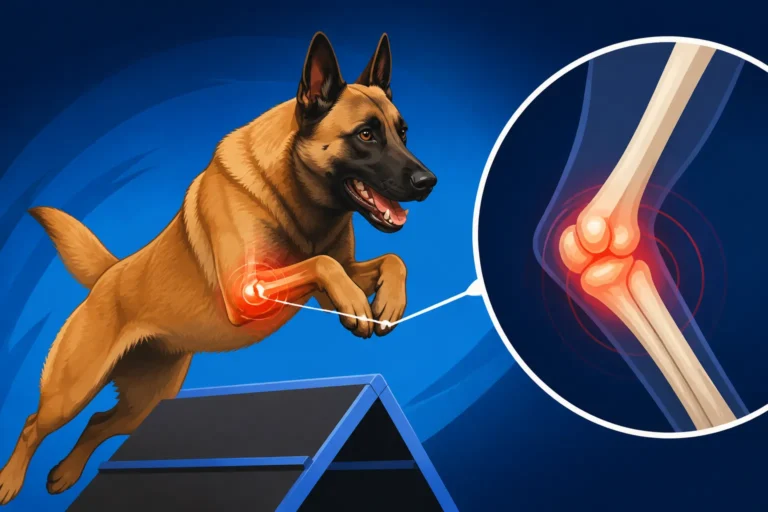
The moment you get that diagnosis – a torn cruciate ligament, often in a dog as active as a Belgian Malinois – your world can feel like it's been turned upside down. The surgery itself is a huge hurdle, but often, owners aren't fully prepared for the marathon that is post-operative recovery. This isn't just about the incision healing; it's about rebuilding muscle, restoring range of motion, and carefully reintroducing your dog to a life of movement without risking re-injury. For a breed known for its relentless drive and incredible athleticism, this period of forced rest and controlled movement presents unique challenges that demand immense patience and diligence.
The Initial Post-Op Phase: Pain Management and Strict Rest
The first few days, and even weeks, immediately following surgery are critical. Your Malinois will be coming home with pain medication, anti-inflammatory drugs, and likely a sedative to help manage their discomfort and keep them calm. This isn't optional; controlling pain is paramount not only for their comfort but also to prevent them from putting too much weight on the recovering leg too soon. You might be asked to apply cold compresses to the surgical site to reduce swelling, which can feel awkward with a dog that's not used to being handled so gently.
The most challenging aspect for many Malinois owners in this phase is the absolute necessity of strict crate rest. We're talking about minimal movement, confined to a crate or a small, secure pen, only out for bathroom breaks on a short leash. This can feel like torture for a Belgian Malinois, a breed built for constant motion and mental engagement. They won't understand why they're suddenly restricted, and their pent-up energy can manifest as whining, barking, or even trying to chew at their bandages. This is where your resolve will truly be tested, ensuring they don't jump, twist, or run, which could severely compromise the surgical repair. Keeping them calm and comfortable, even when they're protesting, is your most important job.
The Importance of Early, Controlled Movement
While strict rest is the rule, complete immobility isn't the answer. Ironically, controlled movement, even in the early stages, plays a crucial role in preventing muscle atrophy, reducing swelling, and encouraging healthy scar tissue formation. Your vet will likely instruct you on passive range of motion (PROM) exercises. This involves gently flexing and extending the surgical leg while your Malinois is lying down and relaxed. It's not about forcing anything, but rather about maintaining joint flexibility.
Beyond PROM, very short, controlled leash walks are introduced surprisingly early. We're talking about just a few minutes, several times a day, strictly on a leash, on a non-slip surface like grass. The goal here isn't exercise; it's weight-bearing. Getting your Malinois to lightly touch down on the operated leg, even for a few seconds, helps stimulate healing and prevents them from becoming too reliant on their other three legs. This is also where you start to notice any subtle signs of discomfort or lameness, which need to be reported to your veterinary team. It’s a delicate balance: enough movement to heal, but not so much as to damage.
Setting Up Your Home for Successful Recovery
Preparing your home environment before your Malinois returns from surgery is a game-changer. Imagine trying to keep a high-energy dog calm on slick hardwood floors, or preventing them from trying to vault over furniture. It’s a recipe for disaster. Start by creating a dedicated, quiet recovery zone – usually where their crate is. Make sure it's away from the main hustle and bustle of the house, minimizing visual stimuli that might excite them.
Crucially, address all slick surfaces. Place down non-slip mats or runners on tile, hardwood, or laminate floors. Even a slight slip can cause a serious setback. If your home has stairs, block them off or be prepared to physically carry your Malinois up and down for several weeks, depending on their size and your vet's recommendations. Investing in a lifting harness can make this much safer for both of you. Consider ramps for getting in and out of vehicles, even if they usually jump. Every small detail you can manage to prevent an accidental jump or twist will contribute significantly to a successful recovery. This careful preparation can sometimes feel like you're baby-proofing for a human toddler, but with a Malinois, it’s absolutely essential.
Navigating the Core Phases of Rehabilitation
The rehabilitation journey for a Belgian Malinois after knee surgery isn't a straight line; it's a gradual, carefully orchestrated progression. Each week builds upon the last, focusing on different aspects of recovery, from gentle movement to strength building and eventually, controlled agility. This is where patience truly becomes a virtue, and where adhering to your vet or rehabilitation specialist's instructions is paramount. Skipping steps or pushing too hard too soon is the quickest way to end up with a setback, or worse, re-injury. For an active breed like the Malinois, who tends to go from zero to sixty in a heartbeat, managing their mental and physical energy through these phases is a constant challenge.
Week-by-Week Progression and Milestones
Rehabilitation protocols vary slightly based on the specific surgery performed (TPLO, TTA, lateral suture) and your dog's individual healing rate, but a general timeline often looks something like this:
- Weeks 1-4: Strict Rest and Gentle Motion. This is the initial period of strict confinement we discussed earlier. Very short, controlled leash walks for potty breaks (5-10 minutes, 3-4 times a day) are the extent of physical activity, alongside passive range of motion exercises at home. The primary goals are pain management, incision healing, and preventing infection. You'll be watching closely for any swelling, redness, or discharge from the incision.
- Weeks 4-8: Increasing Activity and Basic Exercises. If healing is on track, your vet or rehab specialist will gradually increase the duration and frequency of controlled leash walks. Perhaps 15-20 minutes, two to three times a day. This is also when foundational therapeutic exercises might begin, such as slow sit-to-stands, controlled weight-shifting, and gentle obstacle work like walking over a single low cavaletti pole. The focus is on encouraging proper weight bearing on the operated limb and starting to rebuild muscle without putting undue stress on the joint.
- Weeks 8-12: Advanced Strengthening and Hydrotherapy. With good progress, activity levels continue to increase. Longer leash walks (30-45 minutes), more complex balance and strengthening exercises, and often, the introduction of hydrotherapy become central to the rehab plan. This phase aims to significantly improve muscle mass, endurance, and proprioception (awareness of limb position).
- Weeks 12+: Gradual Return to Activity. This is the exciting, yet still cautious, phase. If your Malinois has met all previous milestones, your rehab specialist will guide you through a very slow, controlled reintroduction to off-leash activity, light jogging, and eventually, if appropriate, agility or protection work. This stage is lengthy and requires constant monitoring, as rushing can lead to complications or injury to the other knee, which often bears increased strain. The goal is a full return to function, but always with an eye on long-term joint health.
Throughout this entire process, regular check-ups with your vet and consultations with a certified canine rehabilitation professional (CCRP or CCRA) are invaluable. They can assess your Malinois's progress, adjust the exercise plan, and ensure you're doing everything correctly.
Introducing Therapeutic Exercises
Therapeutic exercises are the backbone of a successful rehabilitation program. They are specifically designed to target muscle strengthening, improve balance, and increase the range of motion without overstressing the healing joint.
- Controlled Walks: These are more than just potty breaks. They are slow, deliberate walks on a leash, ideally on varied terrain (grass, packed dirt) to challenge different muscle groups. The pace is key – no pulling, no sudden stops, no lunging. This helps build endurance and retrains proper gait.
- Sit-to-Stands: This simple exercise is incredibly effective. Have your Malinois sit, then immediately stand up, repeating several times. Ensure they are using the operated leg evenly. This strengthens the quadriceps and hamstring muscles, which are crucial for knee stability.
- Weight-Shifting: With your dog standing, gently push them from side to side or forward and backward. This encourages them to shift their weight, engaging core muscles and improving balance on the operated limb.
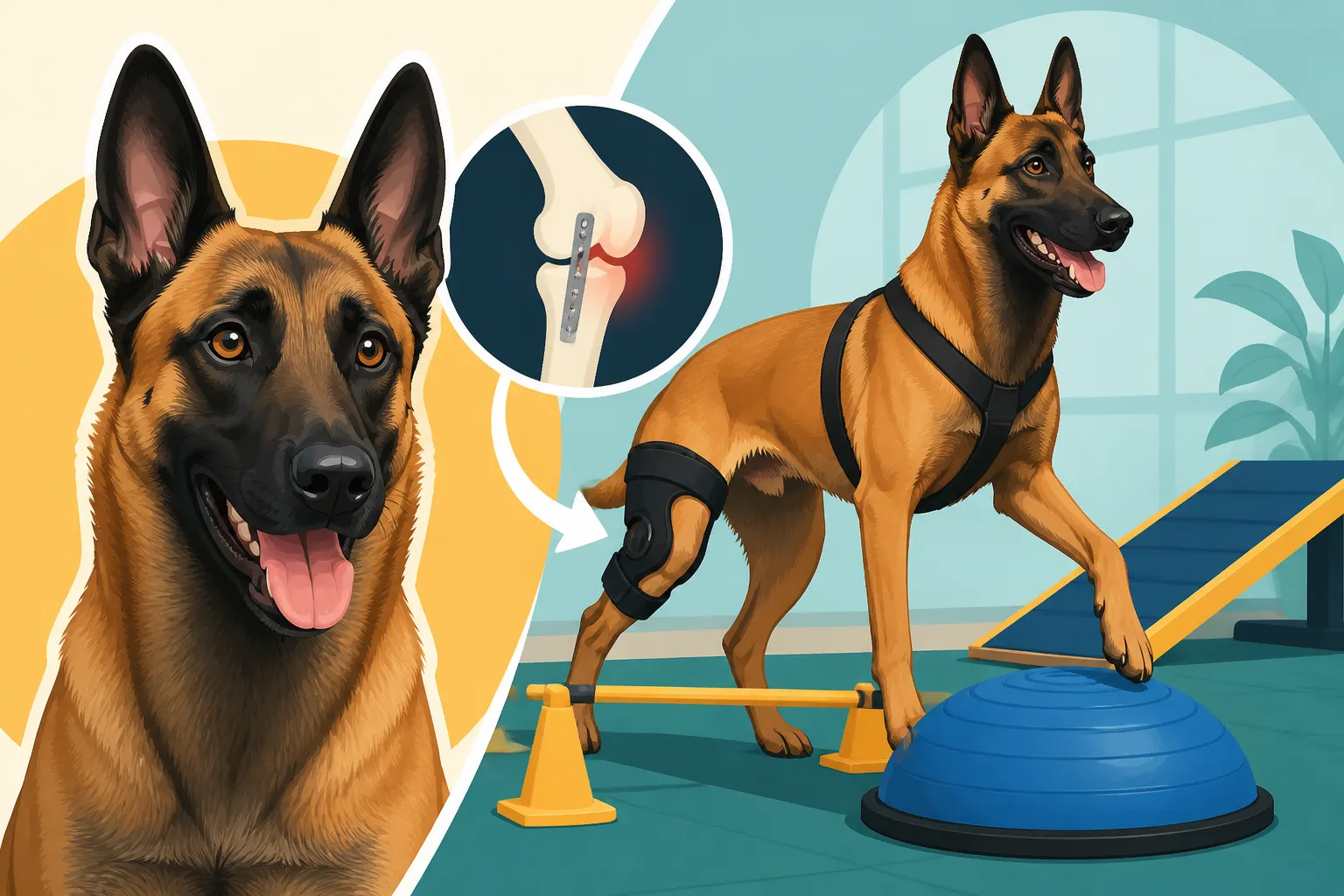
- Balance Board/Wobble Board Work: As your Malinois gains strength, balancing on an unstable surface challenges their core stability and proprioception. Start with short durations and always supervise closely.
- Cavaletti Poles: Walking over low poles (initially one, then more) encourages them to lift their feet higher, improving flexion and extension in the joint and strengthening leg muscles. The height and spacing of the poles can be adjusted as they progress.
These exercises need to be performed with precision and consistency. Your rehab specialist will show you how to execute each one safely and effectively, ensuring your Malinois is getting the maximum benefit without risk.
The Role of Hydrotherapy and Underwater Treadmill
For a powerful, high-drive breed like the Belgian Malinois, hydrotherapy, particularly using an underwater treadmill, is often a game-changer in rehabilitation. The buoyancy of the water provides crucial support, reducing the impact and stress on the healing joint while still allowing for significant muscle engagement.
Imagine your Malinois, eager to move but restricted on land, stepping onto an underwater treadmill. The water level can be adjusted to minimize weight-bearing, making it easier and less painful to move the operated leg. This allows them to walk, and even trot, in a controlled environment, strengthening muscles and improving range of motion without the pounding impact of land-based exercise. The resistance of the water also provides an excellent full-body workout, building strength and endurance that can be difficult to achieve otherwise.
Hydrotherapy is particularly beneficial because it:
- Reduces Pain and Swelling: The hydrostatic pressure of the water helps reduce edema and inflammation.
- Increases Range of Motion: Movement in water is often less painful, allowing for greater joint flexibility.
- Builds Muscle Safely: The resistance of the water builds muscle strength without high impact.
- Improves Gait: The controlled environment helps retrain proper walking patterns.
- Boosts Confidence: Dogs who are hesitant to use their leg on land often gain confidence in the water.
Many facilities offering canine rehabilitation will have these specialized underwater treadmills. While it's an additional expense, many owners find it to be one of the most effective tools in getting their Malinois back on their feet and feeling strong again. When you're dealing with substantial vet bills from a major surgery, thinking about more specialized treatments can be daunting, but pet insurance providers like Healthy Paws often cover a significant portion of these rehabilitation costs, which can be a huge relief.
Sustaining Progress and Preventing Re-Injury
Getting through the initial recovery phases is a massive achievement, but the work isn't over. Sustaining progress and, critically, preventing re-injury – especially to the other knee, which takes on increased load – requires a continued commitment to holistic care. This means paying attention to their diet, keeping their active minds engaged even when their bodies are limited, and gradually reintroducing them to their full range of activities. It’s a long-term commitment, often lasting well beyond the official "rehab" period.
Nutritional Support and Weight Management
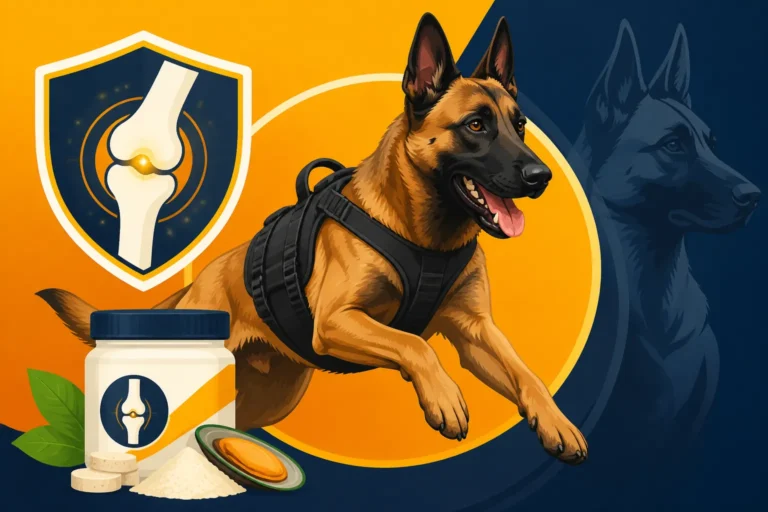
What you feed your Malinois during recovery, and how much, plays a more significant role than you might think. Healing from surgery requires extra energy and specific nutrients. A high-quality, balanced diet rich in protein supports muscle repair and growth. Your vet might recommend supplements such as glucosamine, chondroitin, and omega-3 fatty acids (like those found in fish oil) to support joint health and reduce inflammation. These aren't magic bullets, but they can provide beneficial building blocks for cartilage and overall joint lubrication. You might want to consider adding Joint Supplements for a Working Belgian Malinois to their daily routine, a good practice whether they're recovering or just getting older.
Perhaps even more important is vigilant weight management. Every extra pound your Malinois carries places additional stress on all their joints, especially the surgically repaired knee and the healthy knee, which is now at higher risk for injury. Even a slight increase in weight can undo some of the rehabilitation progress and increase the likelihood of the other cruciate ligament tearing down the line. It's tough when your dog is less active, but reducing their calorie intake slightly or switching to a lower-calorie, high-quality food becomes essential. Regularly weighing your Malinois and assessing their body condition by hand (you should be able to feel their ribs easily without seeing them sharply) is vital. Remember, a Belgian Malinois is generally a lean and athletic breed, and maintaining that ideal body condition is crucial for long-term joint health. It's okay if they are even a little bit on the lean side as they are recovering; after all, a common concern is whether a Belgian Malinois can be too lean, but during rehab, being slightly under ideal weight can be safer than being over.
Mental Enrichment During Restricted Activity
This is perhaps the biggest hurdle for a Belgian Malinois owner during rehabilitation: managing that incredible brain and endless drive when their body needs rest. An idle Malinois mind is the devil's playground, and it can lead to destructive behaviors, excessive barking, or even self-injury as they try to release pent-up energy. The key is to shift from physical challenges to mental ones.
- Puzzle Toys: Invest in a variety of puzzle toys and feeders that require them to think and work to get their food. Brands like Kong, Nina Ottosson, or Snuffle Mats can provide hours of engaging, low-impact mental stimulation. This is a perfect opportunity for Puzzle Work for a Belgian Malinois Indoors.
- Scent Work: This is a fantastic outlet. Hide treats around their confined space (or even just under a towel) and let them use their nose to find them. This is incredibly tiring for dogs and doesn't require any physical exertion.
- Quiet Training Sessions: While they can't run, they can still learn! Work on new commands or solidify old ones, focusing on things that don't require movement, like "stay," "look," or targeting. Even five-minute sessions, a few times a day, can make a huge difference in their mental state. The goal here is to give them The Mental Work That Finally Tires a Malinois Out.
- Chew Bones: Provide appropriate, safe chew items to satisfy their natural urge to chew and help them de-stress. Always supervise to ensure safety.
These activities help keep their brains busy, reduce frustration, and reinforce your bond, all while allowing their body the much-needed time to heal.
Gradual Return to High-Impact Activities
The most tempting part of rehab is seeing your Malinois get "better" and wanting to unleash them back into their full, glorious, high-energy life. Resist this urge with every fiber of your being. The return to high-impact activities – running, jumping, agility, bite work, even intense fetching – must be slow, gradual, and meticulously controlled.
Your rehabilitation specialist will guide you through this phase, but generally, it involves:
- Incremental Increases: Start with short bursts of off-leash activity in a controlled environment. Five minutes of light trotting, then back on leash. Gradually increase duration and intensity over weeks or months.
- Monitoring: After each increase in activity, watch your Malinois carefully for any signs of lameness, stiffness, or discomfort the following day. If you see any, scale back.
- Preventing Compensatory Injuries: Remember the other knee. It has been bearing extra weight for months. Introducing high-impact activity too quickly puts it at immense risk of a similar injury. Building symmetrical muscle strength is crucial.
- Warm-ups and Cool-downs: Just like human athletes, your Malinois needs proper warm-ups before strenuous activity and cool-downs afterward. This might involve a brisk walk before a run, and gentle stretching after.
- Avoiding Repetitive Stress: Don't let them do the same intense activity day after day. Vary their exercise to engage different muscle groups and reduce repetitive stress on any one joint.
It’s often recommended to hold off on significant jumping activities, like those involved in Ring sport or agility, for at least 6-9 months, or even a year, post-surgery. Even then, the progression should be carefully managed. The age a Belgian Malinois can start jumping walls is usually a consideration for young, growing dogs, but for a dog recovering from knee surgery, it becomes even more critical to delay and condition carefully. Rushing this stage is a primary cause of re-injury or injury to the previously healthy limb, requiring another round of expensive and emotionally draining surgery, which can lead to significantly higher Vet Bills a Bite Sport Belgian Malinois Runs Up.
When to Seek Professional Guidance and Support
While you are the primary caregiver for your Belgian Malinois during their knee surgery rehabilitation, you are not alone. There will be moments of doubt, concern, and the need for expert intervention. Knowing when to reach out to your veterinary team or a specialized canine rehabilitation professional is crucial for a successful outcome and to ease your own anxieties.
Recognizing Setbacks and Complications
Despite your best efforts, setbacks can happen. It's vital to be vigilant and know the signs that something might be going wrong or that your Malinois isn't progressing as expected. Don't hesitate to contact your veterinarian or rehabilitation therapist if you observe any of the following:
- Increased Lameness: If your Malinois suddenly starts limping more, or reverts to not using the operated leg, this is a red flag. It could indicate they've done too much, sustained a minor re-injury, or have an underlying issue.
- Swelling or Heat: Any new or increased swelling around the knee joint or incision site, especially if accompanied by heat, could point to inflammation, fluid buildup, or even infection.
- Pain Signals: Watch for overt signs of pain, like yelping, reluctance to put weight on the leg, or snapping when the leg is touched. Also look for subtle signs: excessive panting, restlessness, loss of appetite, or an unwillingness to lie down comfortably.
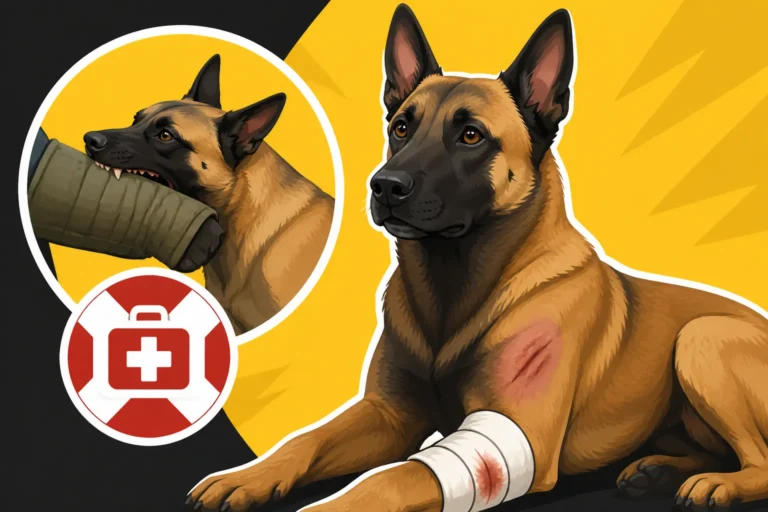
- Incision Issues: Redness, discharge (pus or excessive clear fluid), opening of the incision, or a foul odor all warrant immediate veterinary attention. These could be signs of infection.
- Lack of Progress: If weeks go by and you don't see any improvement in weight-bearing, muscle mass, or range of motion, despite following the rehab plan, it’s time to consult your team. This might necessitate an adjustment to the plan or further diagnostic tests.
- Behavioral Changes: While some anxiety or frustration is normal for a Malinois on restricted activity, extreme lethargy, aggression, or self-mutilation (like excessive licking or chewing at the incision) needs to be addressed.
Trust your gut feeling. You know your Malinois best, and if something just doesn't seem right, it's always better to call your vet and get a professional opinion.
The Value of a Certified Canine Rehabilitation Professional
While your primary vet provides excellent surgical care, a certified canine rehabilitation professional (CCRP or CCRA) specializes exclusively in physical therapy for animals. They are to your dog what a physical therapist is to a human athlete. Their expertise is invaluable, particularly for a high-performance breed like the Belgian Malinois that needs to return to peak physical condition.
A rehab specialist can:
- Develop a Tailored Plan: They'll create a structured, progressive exercise program specifically designed for your Malinois's breed, personality, activity level, and the specific type of surgery performed. This goes far beyond generic instructions.
- Guide Proper Technique: They'll teach you how to perform exercises correctly at home, ensuring you're not inadvertently causing harm or using inefficient techniques.
- Utilize Advanced Modalities: Rehabilitation clinics often have specialized equipment that isn't available at a general vet practice. This includes underwater treadmills, therapeutic laser, electrical stimulation (e-stim), therapeutic ultrasound, and specialized balance equipment. These tools can accelerate healing, reduce pain, and build strength more effectively.
- Monitor Progress Objectively: They can assess your Malinois's muscle mass, range of motion, and gait with precise measurements, providing objective data on their recovery.
- Prevent Compensatory Issues: They're trained to spot and address compensatory issues (where your dog overuses other limbs or muscles to protect the injured one), which can lead to new problems down the road.
- Provide Support and Encouragement: Dealing with a long rehab process can be isolating. A rehab professional offers not just clinical expertise but also emotional support and reassurance.
Finding a CCRP or CCRA in your area is highly recommended, especially after a major surgery like a cruciate repair. Their specialized knowledge can truly make the difference between a good recovery and an excellent one, ensuring your Malinois can enjoy a full, active life for years to come.
Financial Considerations and Insurance
Let's be real: knee surgery for a Belgian Malinois, followed by months of rehabilitation, is a significant financial undertaking. Cruciate Surgery Prices for a Belgian Malinois can range widely, often starting from several thousand dollars and climbing higher depending on the type of surgery (TPLO or TTA are typically more expensive than traditional lateral sutures) and where you live. Add to that the cost of follow-up vet visits, pain medications, joint supplements, and potentially multiple sessions with a canine rehabilitation specialist, and the total bill can quickly become staggering. Many owners find themselves looking at numbers that easily reach into the five-figure range.
This is where planning ahead with pet insurance can be a literal lifesaver. Companies like Healthy Paws offer comprehensive pet insurance plans that often cover a large portion of unexpected veterinary expenses, including accidents and illnesses. Many policies will cover not only the surgery itself but also the subsequent rehabilitation therapies, such as hydrotherapy, therapeutic laser, and physical therapy sessions, as long as the condition wasn't pre-existing.
Before surgery, if you have insurance, always clarify what your specific policy covers, what your deductible is, and what percentage of costs they reimburse. If you don't have insurance, it’s wise to discuss all potential costs with your vet upfront and explore payment options, such as veterinary payment plans or medical credit cards. While the focus is rightly on your Malinois's health, understanding the financial implications is a critical part of the recovery journey, preventing added stress during an already challenging time.
Disclaimer
The information provided in this guide is intended for educational purposes only and should not be taken as professional veterinary advice. Always consult with a qualified veterinarian or a certified canine rehabilitation professional regarding any medical conditions, diagnoses, or treatment plans for your Belgian Malinois. The author and publisher are not responsible for any adverse effects resulting from the use of the information herein.