Injuries a Bite Sport Belgian Malinois Collects
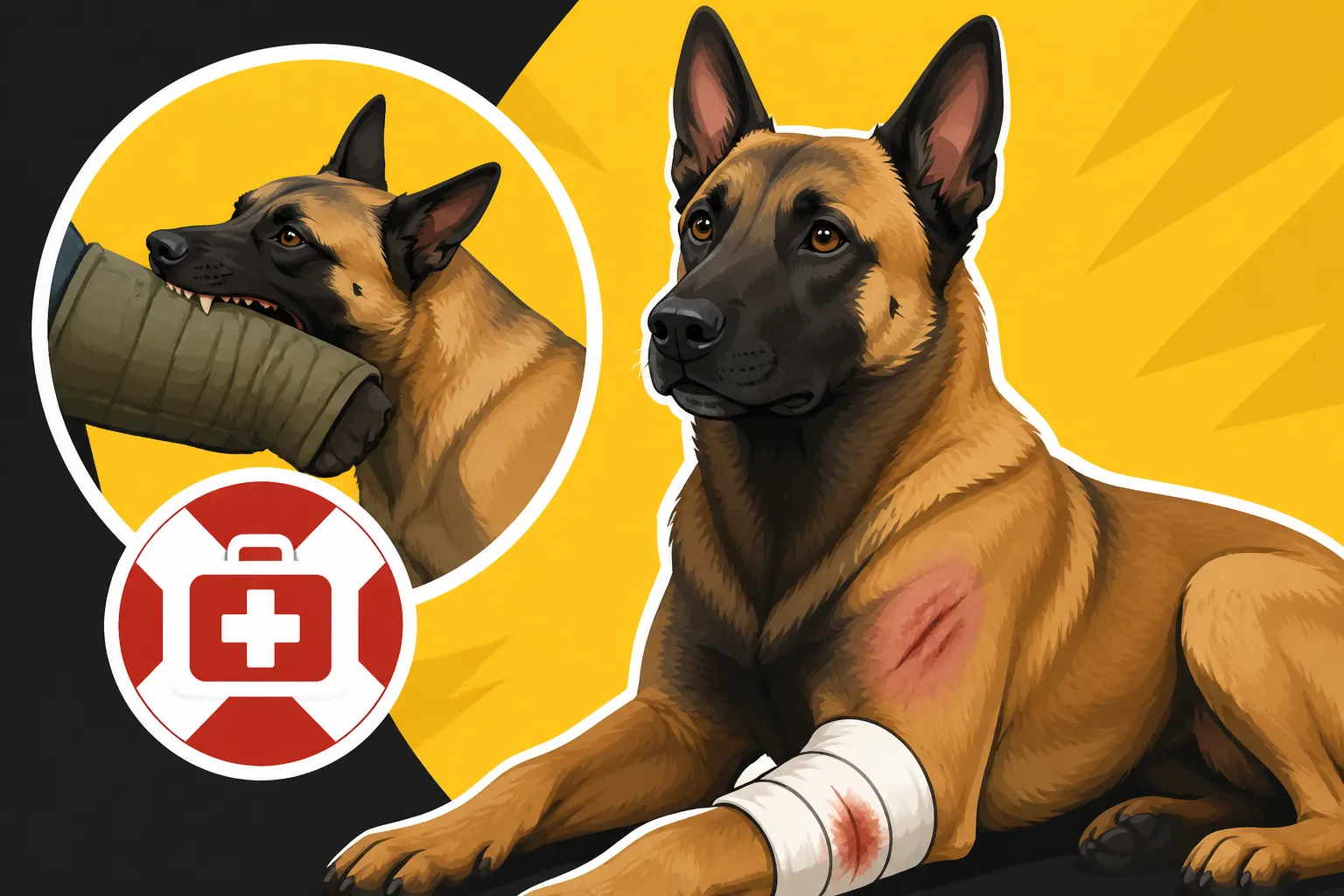
Anyone who has spent time on the bite field with a Belgian Malinois knows it's a world of incredible athleticism, intense drive, and sometimes, heartbreaking injuries. These dogs push their bodies to the absolute limits, performing explosive jumps, delivering powerful grips, and making lightning-fast turns, and with that level of physical exertion comes a significant risk of strain, sprains, and more serious trauma. This guide delves into the common injuries a bite sport Malinois might collect, offering insights into prevention, recognition, and the long road to recovery.
The High Stakes World of Bite Sport
Training a Belgian Malinois for bite sport, whether it's IGP, Ring Sport, KNPV, or another discipline, is an exhilarating journey. These dogs are built for it – their intelligence, agility, and fierce prey drive make them unparalleled athletes. But this very intensity, combined with the specific demands of the sport, puts them at a unique risk for certain kinds of physical trauma that pet dogs rarely encounter.
The Nature of Bite Work and Its Demands
Bite work isn't just about biting; it's a symphony of controlled aggression, explosive power, and precise obedience. A Malinois in bite sport is asked to accelerate from a standstill to top speed in a split second, launch itself into the air, absorb significant impact from a decoy, hang with a powerful grip, and then release on command. This entire sequence is often repeated multiple times during a single training session or trial. Think about the forces at play: the torque on joints during rapid changes in direction, the jarring impact on shoulders and spine when hitting a sleeve, the strain on teeth and jaw with a full, strong grip, and the cumulative stress on muscles and tendons from constant, high-level output. It's a full-body workout that most human athletes would struggle to sustain, and it's done without the dog having the ability to tell us exactly where it hurts until it's too late.
Consider a dog performing a send-out and recall: it sprints at full tilt, slams on the brakes, and pivots 180 degrees. The force on its knees, hocks, and hips is immense. Then, imagine that same dog being launched over a hurdle or climbing a wall, only to engage with a decoy, taking the full force of a body hitting a moving target. These are not low-impact activities; they are maximum-effort explosions of power, controlled by an athlete with an insatiable desire to work. This unrelenting drive is what makes them so good at what they do, but it also means they will often push through discomfort until an injury becomes undeniable.
Why Malinois Excel and What That Means for Their Bodies
Belgian Malinois possess a unique combination of traits that make them exceptional bite sport dogs: incredible speed, unparalleled agility, intense focus, and a deep-seated drive to work. Their lean, muscular build is designed for explosive power rather than sheer bulk, allowing them to be incredibly fast and agile. This physical prowess, however, also means their bodies are subjected to extreme forces. Unlike some heavier breeds, they rely on speed and elasticity in their movements.
This reliance on explosive movement, quick changes in direction, and powerful jumps means that ligaments, tendons, and muscles are constantly being stretched, contracted, and stressed. Their genetic predisposition for high drive means they rarely self-regulate or slow down, even if they're feeling a twinge. A Malinois will often continue to work with a minor injury, exacerbating it over time until it becomes a major problem. This inherent "toughness" and desire to please their handler can be both a blessing and a curse when it comes to injury prevention and detection.
Common Joint and Skeletal Injuries
The joints and bones bear the brunt of the impact and torque involved in bite work. These areas are prone to a range of injuries, from acute tears to chronic degenerative conditions.
Cruciate Ligament Tears: The Dreaded Knee Injury
One of the most common and devastating injuries in active dogs, including the bite sport Malinois, is a tear or rupture of the cranial cruciate ligament (CCL) in the knee. This ligament is crucial for stabilizing the stifle joint (the equivalent of a human knee). During high-impact activities like launching off for a bite, landing from a jump, or making sudden stops and turns, immense stress is placed on this ligament. A dog might land awkwardly, pivot sharply, or even slip, leading to a partial or complete tear.
The signs can range from a subtle limp that seems to come and go, to a sudden, non-weight-bearing lameness if the tear is complete. Imagine your Malinois, mid-field, going for a beautiful jump over the wall, landing and then yelping, coming up with one leg dangling. That's a catastrophic tear. Diagnosis usually involves a veterinary exam checking for a "cranial drawer" sign, and often X-rays to rule out other issues or assess secondary arthritis. Repairing a torn cruciate often requires extensive surgery, such as TPLO (Tibial Plateau Leveling Osteotomy) or TTA (Tibial Tuberosity Advancement), followed by a long and dedicated rehabilitation period. Understanding the risks and recognizing the early signs can be critical in managing this injury, as discussed in Torn Cruciates in a Jumping Belgian Malinois.
Shoulder Issues from Decoy Work and Jumps
The shoulder joint is incredibly mobile, allowing for the wide range of motion necessary for a Malinois's explosive movements, but this mobility also makes it vulnerable. In bite sport, the shoulders take a huge amount of impact, especially during decoy work where the dog hits a sleeve or suit at high speed. The sudden deceleration and jolt can strain muscles, tendons, and ligaments around the shoulder joint. Common issues include biceps tendinitis, supraspinatus tendinopathy, and even shoulder dislocations, although the latter is less common.
Consider a Malinois that consistently launches itself at a decoy, hitting the sleeve with its full body weight. The sudden stop and pull on the front assembly can cause repetitive microtrauma to the shoulder structures. Over time, this can lead to inflammation, scar tissue formation, and chronic pain, making the dog reluctant to engage or perform certain movements. A dog might show a subtle head bob when walking, a shortened stride in the front leg, or reluctance to extend its limb fully during a jump. Early detection and rest, potentially with anti-inflammatory medication and physical therapy, are crucial. In severe cases, surgical intervention might be needed. More specific insights on this can be found in Shoulder Injuries a Malinois Takes From Decoy Work.
Hip and Elbow Concerns in a Working Malinois
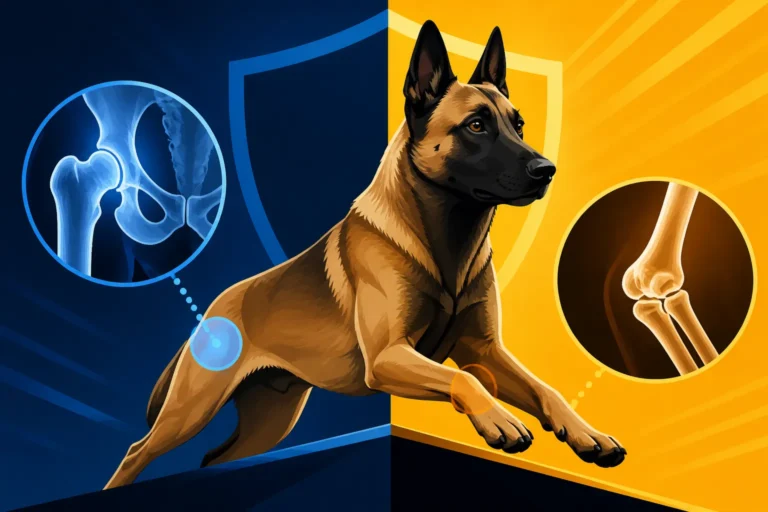
While hip and elbow dysplasia are often associated with genetic predispositions and are usually screened for in breeding dogs – for instance, breeders rigorously evaluate The Hip and Elbow Numbers Behind a Malinois Clearance – the intense physical demands of bite sport can exacerbate even mild cases or lead to secondary issues. Repetitive high-impact activities, such as hard landings from jumps or explosive pushes off the hindquarters, place significant stress on these major weight-bearing joints.
Even a dog with excellent genetic clearances can develop arthritic changes prematurely due to the sheer workload. Hips can suffer from continued wear and tear, leading to painful osteoarthritis, while elbows might develop issues like osteochondritis dissecans (OCD) or fragmented coronoid processes, especially in younger, rapidly growing dogs, if the stress is applied too early. It’s a delicate balance: you need a strong, healthy structure to withstand the demands, but the demands themselves can wear down even the best genetics over time. Careful conditioning and regular veterinary check-ups are essential to monitor joint health and intervene at the first signs of discomfort.
Dental and Oral Trauma
A Malinois's teeth are its primary tool in bite sport. The strength and integrity of their canines and incisors are paramount. Unfortunately, the very nature of bite work puts these vital tools at significant risk.
Broken and Chipped Canines: A Handler's Nightmare
In the heat of a bite, whether on a sleeve, suit, or even a tug, a Malinois uses its entire mouth, but the canines are often the first point of contact and bear the brunt of the force. It's not uncommon for these powerful teeth to hit something hard – perhaps a hidden seam in the bite suit, a buckle on a sleeve, or even another dog's teeth during a chaotic training session. This impact can result in chipped enamel, fractured crowns, or even root exposure, leading to immense pain and potential infection.
A fractured canine, especially one that exposes the pulp cavity, is not just a cosmetic issue. It's a direct pathway for bacteria into the tooth's root system, which can lead to abscesses, bone infection, and systemic health problems. Imagine your dog having a fantastic bite, only to notice a sliver of tooth missing when they out. This often requires prompt veterinary attention. Depending on the severity, options range from a simple bond and crown to a root canal or even extraction. These dental procedures are costly and require anesthesia, making them a significant concern for sport dog owners. Further details can be found in Broken Teeth on a Malinois From Bite Work.
Gum and Soft Tissue Damage
Beyond the teeth themselves, the soft tissues of the mouth – the gums, tongue, and inner cheeks – are also susceptible to injury. During aggressive biting, especially if the dog is still learning or if the equipment isn't perfectly fitted, the gums can be cut or abraded. A dog might miss the bite just slightly, catching its tongue or cheek on its own teeth or an uneven surface of the equipment.
These injuries, while often less dramatic than a broken tooth, can still be painful and lead to infection if not properly cleaned and monitored. A dog with sore gums might be reluctant to grip fully, leading to a weaker, less confident bite, which can impact performance. Handlers need to regularly inspect their dog's mouth after training, looking for any redness, swelling, cuts, or signs of discomfort. A clean mouth and healthy gums are just as important as strong teeth for a confident bite.
Soft Tissue and Muscle Strains
The incredible athleticism of a Belgian Malinois is powered by a complex system of muscles, tendons, and ligaments. When these structures are pushed beyond their limits, strains and sprains are inevitable.
Muscle Pulls and Tears from Explosive Movements
The explosive power that defines a Malinois's performance comes from rapid, forceful muscle contractions. Think of a dog accelerating from a stand-still to full speed in pursuit of a decoy, or launching itself vertically. These actions place immense strain on major muscle groups, particularly in the hindquarters (hamstrings, quadriceps, glutes) and the back. A sudden, uncontrolled movement, or simply pushing too hard when a muscle is fatigued, can lead to a muscle pull (strain) or even a partial tear.
A common scenario is a dog reaching full extension during a sprint, catching a toe, and twisting its hind leg, resulting in a hamstring strain. Or perhaps, during an intense retrieve, it twists its back, leading to a back muscle spasm or strain. The signs can be subtle at first: a slight reluctance to jump, a shortened stride, or a less enthusiastic drive. The dog might stretch more frequently or hold a limb slightly awkwardly. In severe cases, a complete tear can be acutely painful, causing lameness and swelling. Rest, anti-inflammatory medications, and controlled exercise are typically prescribed for recovery. More information on general muscle injuries can be found in Muscle Strains in a Belgian Malinois.
Tendon and Ligament Sprains Beyond the Joints
While we've covered cruciate ligaments and shoulder tendons, other tendons and ligaments throughout the body are equally at risk. Tendons connect muscle to bone, while ligaments connect bone to bone, and both are crucial for stability and movement. The hock (ankle) and carpus (wrist) joints, for example, are frequently subjected to twisting and bending forces during fast turns, jumps, and hard landings. Sprains, which are stretches or tears of ligaments, are common in these areas.
Imagine a Malinois landing awkwardly after a high jump, or slipping on wet grass during a pursuit. The uncontrolled movement can overstretch or tear the collateral ligaments supporting the hock or carpus. These injuries often present as lameness, swelling, and pain around the affected joint. While less dramatic than a cruciate tear, they can still be debilitating and require significant rest and rehabilitation to prevent chronic instability. Sometimes, supportive wraps or braces are used to aid healing, and some severe sprains may even require surgical stabilization.
Pad and Nail Injuries from Aggressive Footwork
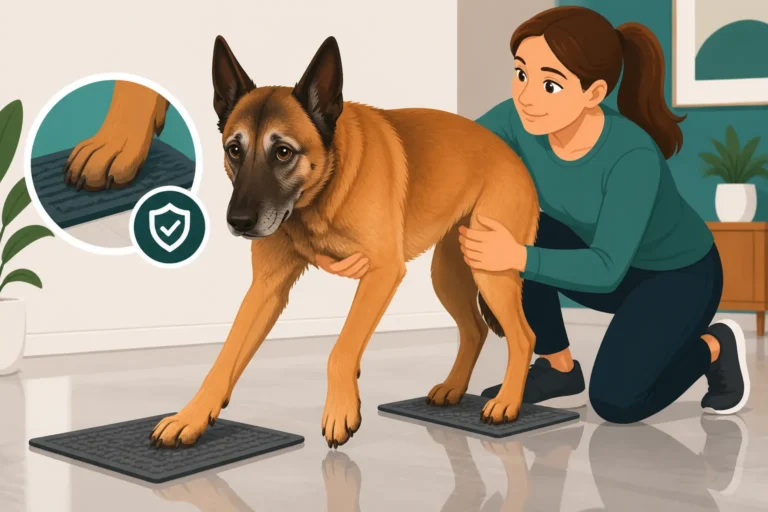
The pads on a Malinois's feet are their direct interface with the ground, providing traction and cushioning. The nails, while seemingly minor, are crucial for digging and grip. Both are highly susceptible to injury in the demanding bite sport environment. Running on abrasive surfaces like concrete or asphalt, navigating rough terrain, or even just repeated hard stops and pivots can cause cuts, abrasions, punctures, or tears to the paw pads.
It's common for handlers to find a Malinois with a split pad after a particularly vigorous session on a mixed surface field, or a nail torn back to the quick after digging into soft ground. These injuries are incredibly painful, can bleed profusely, and are prone to infection due to constant contact with the ground. A torn nail, especially if it's ripped completely from the nail bed, can be excruciating and may even require sedation and pain management at the vet to properly clean and bandage. Prevention involves ensuring appropriate training surfaces, conditioning pads, and keeping nails properly trimmed. For further details, refer to Pad Injuries on a Belgian Malinois in Training.
Here's a quick overview of common bite sport injuries:
| Injury Type | Common Causes in Bite Sport | Signs to Look For | Typical Recovery Time (Approx.) |
|---|---|---|---|
| Cruciate Ligament Tear | Sudden stops, sharp pivots, awkward landings, jumps | Sudden lameness, non-weight bearing, "toe-touching" | 4-6 months (with surgery) |
| Shoulder Strain/Tendinitis | Decoy impact, high jumps, repetitive hard braking | Head bob, shortened front stride, reluctance to engage, pain on palpation | 4-8 weeks (rest/physio), longer for severe |
| Broken/Chipped Canine | Hard impact on sleeve/suit, hitting objects during bite | Visible chip/fracture, reluctance to bite, pawing at mouth | 2-8 weeks (depending on procedure) |
| Muscle Pull/Strain | Explosive sprints, sudden twists, overextension | Lameness, stiffness, reluctance to move, pain on touch | 2-6 weeks (rest/physio) |
| Pad Laceration/Abrasion | Rough surfaces, sharp objects, abrasive ground | Limping, visible cut/tear, licking paw, bleeding | 1-3 weeks |
| Torn Nail | Catching on turf, digging, hard impact | Lameness, bleeding, licking paw, visible nail damage | 1-3 weeks |
| Neck Strain/Whiplash | Hard grips, sudden head movements during engagement | Reluctance to turn head, crying when collar touched, stiff neck | 2-4 weeks (rest/meds) |
Head, Neck, and Spinal Concerns
While less immediately obvious than a broken leg or tooth, injuries to the head, neck, and spine can be some of the most serious and debilitating for a working Malinois, often with long-term implications.
Whiplash and Neck Strains from Hard Grips
The power of a Malinois's bite is legendary, but that power, combined with the decoy's movement and the dog's own intense thrashing and pulling, can put tremendous strain on the neck. Imagine a dog latching onto a sleeve with a full, hard grip, and the decoy simultaneously jerking or twisting to simulate escape. This can create a whiplash effect on the dog's neck, forcing the head and spine in opposing directions. The sudden, forceful movements can strain the muscles, ligaments, and even the intervertebral discs in the cervical (neck) spine.
A dog with a neck strain might show subtle signs: reluctance to turn its head, stiffness, holding its head low, crying out when touched around the neck, or even a sudden drop in performance or enthusiasm for the bite. They might resist wearing a collar or harness. These injuries can be particularly insidious because they might not present as acute lameness but rather as a general discomfort or behavioral change. Rest, anti-inflammatory medications, and gentle physical therapy are often prescribed, but chronic neck issues can be challenging to fully resolve.
Spinal Discs and the Impact of Repetitive Stress
The spine of a Malinois is a marvel of engineering, built for flexibility and power, but it's not indestructible. The intervertebral discs, which act as shock absorbers between the vertebrae, can be vulnerable to the repetitive, high-impact stress of bite sport. While Malinois are not as prone to certain types of disc disease as some chondrodystrophic breeds (like Dachshunds), the constant jarring, twisting, and powerful engagements can still lead to disc issues.
A Malinois repeatedly landing hard from a jump, or twisting its body during a vigorous fight on the sleeve, can put cumulative pressure on the discs in its thoracic (mid-back) and lumbar (lower back) spine. Over time, this can lead to disc bulging or even herniation, where the disc material presses on the spinal cord. This can manifest as back pain, weakness in the hindquarters, ataxia (incoordination), or even paralysis in severe cases. These types of spinal injuries can be career-ending and require complex diagnostics like MRI or CT scans, and potentially surgery, along with a lengthy recovery period, highlighting the importance of proper conditioning and preventative care.
Environmental and Acute Trauma
Beyond the strains and sprains directly related to the mechanics of bite work, the training environment itself and the inherent intensity of the sport can lead to other types of acute injuries and health crises.
Heat Exhaustion and Dehydration on the Field
Belgian Malinois are high-drive dogs that will often push themselves past their limits, especially when engaged in a task they love. During warm weather training, this relentless drive, combined with intense physical exertion, makes them highly susceptible to heat exhaustion and, if unchecked, heatstroke. Unlike humans, dogs don't sweat effectively through their skin; they primarily cool themselves by panting. When environmental temperatures are high, and the dog is working vigorously, their body temperature can rapidly escalate to dangerous levels.
Signs of heat stress can include excessive panting, drooling, bright red gums, incoordination, vomiting, and eventually collapse. It's a handler's critical responsibility to monitor their dog closely during training, especially when temperatures rise. Providing ample water breaks, working during cooler parts of the day, using cooling vests, and being aware of the early signs are paramount. A dog that goes into Heat Stroke in a Belgian Malinois in a Patrol Car or on the training field needs immediate, aggressive cooling measures to prevent severe organ damage or even death. This is one area where prevention is truly life-saving.
Cuts, Abrasions, and Punctures
The training environment isn't always a perfectly groomed arena. Fields might have hidden debris, rough patches, or uneven terrain. During tracking, searching, or even simply running and chasing, a Malinois can easily sustain cuts, abrasions, or puncture wounds. Running through tall grass might conceal a broken branch or piece of sharp metal. Scaling a wall might result in a scrape or tear from an unseen nail or rough surface.
These types of injuries, while sometimes superficial, can be painful and prone to infection. A deep puncture wound, especially, can introduce bacteria deep into the tissue, leading to abscesses or cellulitis. Handlers must perform a thorough "once-over" check of their dog after every training session, paying close attention to the paws, legs, belly, and chest. Prompt cleaning and disinfection of wounds, and veterinary attention for anything deep or heavily bleeding, are essential.
Injuries from Obstacles and Hard Landings
Many bite sports incorporate obstacles such as jumps, A-frames, or even tunnels and walls. While Malinois are incredibly agile and adept at navigating these, accidents can happen. A misjudged jump, a slip on a wet surface, or an awkward landing can lead to a variety of injuries. For example, a dog might clip a hurdle and land awkwardly, twisting a knee or straining a back muscle. A hard landing from a high jump puts immense pressure on all joints, particularly the shoulders, elbows, and stifles.
The potential for impact injuries is always present. A Malinois hitting a hard surface, misjudging depth, or landing off-balance can suffer from contusions, sprains, or even fractures, although fractures are less common than soft tissue injuries. Proper training in obstacle negotiation, ensuring safe and well-maintained equipment, and gradually increasing the height and complexity of obstacles are key to minimizing these risks.
Prevention Strategies for the Sport Malinois
An ounce of prevention is worth a pound of cure, and nowhere is this more true than with working dogs. Proactive measures can significantly reduce the risk of injury and extend a Malinois's working career.
Conditioning and Proper Warm-Up Routines
A Malinois destined for bite sport needs to be an athlete, and like any elite athlete, proper conditioning is paramount. This isn't just about endless running; it's about building balanced strength, endurance, flexibility, and proprioception (body awareness). A comprehensive conditioning program should include varied activities: sprints, hill work, controlled leash walks, swimming, and targeted exercises to strengthen core muscles and stabilize joints. Consistency is key; a dog that only works intensely once a week is far more prone to injury than one with a regular, structured conditioning regimen.
Equally important are proper warm-up and cool-down routines before and after every training session or trial. A warm-up should gradually increase heart rate and blood flow to muscles, preparing them for intense work. This might involve a brisk walk, some light trotting, and dynamic stretches. After the session, a cool-down, consisting of a slower walk and gentle static stretches, helps to remove metabolic waste products and prevent muscle stiffness. Ignoring these crucial steps is like asking a cold rubber band to perform acrobatics – eventually, it's going to snap. Specific advice on conditioning can be found in The Age a Belgian Malinois Can Start Real Conditioning.
Equipment Quality and Field Safety
The quality of training equipment and the safety of the training environment play a huge role in preventing injuries. Cheap or poorly maintained bite suits, sleeves, and tugs can have hard spots, exposed seams, or degraded material that can cause dental trauma or soft tissue cuts. Ensure all equipment is designed for impact and regularly inspected for wear and tear.
Beyond the equipment, the training field itself must be safe. Regularly inspect the surface for holes, rocks, sharp debris, or uneven patches that could cause a dog to trip, fall, or cut its pads. In inclement weather, adjust training to account for slippery surfaces. Obstacles should be stable, correctly built, and appropriate for the dog's size and experience level. A conscientious club or handler will prioritize safety over pushing limits in a hazardous environment.
Recognizing Early Warning Signs
Malinois are stoic and driven, often masking pain until an injury is advanced. This makes a handler's keen observation skills invaluable. Learn your dog's normal movement patterns, gait, and energy levels. Pay attention to subtle changes: a slight hesitation before jumping, a shortened stride in one leg, an unusual head tilt, a reluctance to fully extend during a stretch, a less enthusiastic grip, or even changes in personality like being more withdrawn or irritable.
Regularly palpate your dog's body, feeling for warmth, swelling, or tenderness in joints and muscles. Watch them walk, trot, and run from various angles. If something feels "off," it's worth investigating. Don't dismiss a limping dog as just "sore." Early intervention can mean the difference between a few days of rest and a career-ending injury. Remember that The Checkup Schedule a Sport Malinois Should Keep is crucial for detecting these subtle changes before they escalate.
Managing and Rehabilitating Injuries
When an injury does occur, effective management and rehabilitation are key to a successful recovery and a safe return to sport, if that's possible.
Veterinary Diagnostics and Treatment Options
Once an injury is suspected, prompt veterinary attention is crucial. A thorough veterinary exam will assess the dog's lameness, pain, and range of motion. Depending on the suspected injury, diagnostics might include X-rays to check for bone fractures or joint changes, ultrasound for soft tissue injuries (muscles, tendons, ligaments), or even advanced imaging like MRI or CT scans for complex joint, spinal, or neurological issues. Timely and accurate diagnosis is the first step towards an effective treatment plan.
Treatment options vary widely based on the type and severity of the injury. They can range from conservative management, such as strict rest, anti-inflammatory medications (NSAIDs), and cold laser therapy for mild strains, to more invasive procedures like surgery for cruciate ligament tears, fractured teeth, or severe spinal issues. Your veterinarian, ideally one with experience in sport dog medicine, will guide you through the best course of action. They may also discuss specific Anesthesia Protocols for a Lean Belgian Malinois to minimize risks during surgical procedures.
The Road to Recovery: Physical Therapy and Rest
Surgery is often just the beginning of the recovery journey. For many significant injuries, rehabilitation, often in the form of physical therapy (PT), is essential for restoring function, strength, and range of motion. Canine physical therapists use a variety of techniques, including hydrotherapy (underwater treadmill), therapeutic exercises, massage, stretching, and modalities like acupuncture or electrical stimulation. The goal is to safely strengthen muscles, improve joint stability, and restore normal movement patterns.
The importance of strict rest, especially in the initial phases of recovery, cannot be overstated. This is often the hardest part for a high-drive Malinois and its owner. Controlled exercise, gradually increasing in intensity and duration, must be meticulously followed. Rushing the rehabilitation process or allowing the dog to do too much too soon can easily lead to re-injury or chronic problems. It's a marathon, not a sprint, and patience is your most valuable tool. More in-depth information on recovery can be found in Rehabbing a Belgian Malinois After Knee Surgery.
Financial Considerations and Pet Insurance
Dealing with a significant injury in a bite sport Malinois can be a huge financial strain. Diagnostic imaging like MRIs can cost thousands of dollars, and complex surgeries, such as TPLO, can range from $3,000 to $7,000 per knee, sometimes even more, especially in metropolitan areas. Add to that the cost of medications, follow-up vet visits, and potentially months of physical therapy (which can run hundreds of dollars per week), and the total bill can quickly reach five figures.
This is where pet insurance becomes a true lifesaver. Companies like Healthy Paws offer comprehensive plans that can cover a significant percentage of accident and illness costs. Having a policy from Healthy Paws can mean the difference between being able to afford the best possible care for your injured Malinois and having to make difficult financial decisions. Many sport dog owners opt for high-level coverage to protect against these exact scenarios. While specific costs vary, understanding What Pet Insurance Runs on a Working Malinois is a vital part of responsible ownership. It's important to look into policies early, as pre-existing conditions are typically not covered. Investing in a good pet insurance plan, perhaps with Healthy Paws, allows you to focus on your dog's recovery rather than the escalating bills.
Disclaimer
The information provided in this article is for general informational purposes only and does not constitute veterinary advice. Always consult with a qualified veterinarian for any health concerns or before making any decisions related to your pet's care and treatment.