Broken Teeth on a Malinois From Bite Work
One of the most heart-wrenching moments for any Belgian Malinois owner involved in bite work is discovering a chipped or broken tooth. These incredible dogs throw themselves into their work with such ferocity and commitment, often without an ounce of self-preservation, and unfortunately, their teeth can pay the price. It's a frustrating, often painful, and definitely expensive reality that many handlers face. This guide will walk you through why these injuries happen, how to spot them, what to do next, and how to protect your working partner's valuable smile.
The Harsh Reality of Bite Work and Dental Trauma
Let's be honest, putting your dog into bite work means accepting a certain level of risk. Your Malinois lives for the challenge, for the engagement, for that satisfying grip on the sleeve or suit. But that intensity, combined with the sheer power of their bite, can put their teeth in precarious situations. It's not a question of if a Malinois will put its mouth on something hard, but when, and sometimes that something is harder than their enamel.
Why Malinois are Prone to Dental Issues in Sport
Belgian Malinois are not just high-drive; they are extreme drive. When they commit to a bite, their focus is singular, almost tunnel-visioned. They hit the sleeve or suit with incredible force, often twisting and pulling with their entire body weight. This isn't a gentle exercise; it's an explosive, full-body commitment. The jaw strength, combined with the momentum of their charge and the resistance from the decoy, creates immense pressure on their teeth. Even perfectly manufactured bite equipment has seams, hard spots, or can be presented in a way that creates an odd angle of impact.
Think about it: their teeth are designed to grip and tear, not to withstand repeated, high-impact collisions with various materials. The sheer drive means they often ignore minor discomfort until an injury is quite severe. They'll often continue to work through pain, which can complicate detection and worsen the issue. It's a testament to their incredible will, but also a constant worry for those of us who adore them.
Common Scenarios Leading to Broken Teeth
Dental trauma in bite work can happen in a flash, often when you least expect it. It's not always a dramatic, obvious incident. Sometimes, it's a cumulative effect, or a seemingly innocuous misstep.
One of the most frequent culprits is impacting hard objects. This can be anything from a hidden rebar stake in the training field, a rock accidentally kicked up, or even a hardened portion of an older bite sleeve. A Malinois might overshoot the sleeve, hitting the ground, or miss the grip entirely and snap its mouth shut on something unexpected. I've seen dogs catch a corner of a kennel or a metal pole while driving for the sleeve, resulting in a fractured canine. A strong, driving dog that misses its target by an inch and connects with the ground or a hidden obstacle during a full-speed retrieve can easily chip a molar or canine.
Another common scenario involves poor decoy technique or equipment failure. While a good decoy works tirelessly to protect the dog, an accidental misplacement of the sleeve, or a moment of hesitation, can lead to the dog's mouth closing on a less-protected part of the decoy's body or an exposed hard component of the suit. Similarly, old, worn equipment might expose zippers, buckles, or internal structures that are just asking for trouble when impacted by a powerful bite. Distinguishing between a minor chip, a noticeable fracture, or a full break can sometimes be tricky for an untrained eye, but the severity impacts treatment. A minor chip might just be enamel, but a deeper fracture exposing the dentin or pulp is a much more serious affair, often requiring immediate intervention to prevent infection and pain.
Recognizing Dental Injuries in a Working Malinois
Malinois are notoriously stoic dogs, bred to push through discomfort. This trait, while admirable in their work, can make it incredibly difficult for owners to spot a dental injury until it's become quite advanced. You have to be a detective, constantly attuned to subtle shifts in their behavior.
Subtle Signs You Might Miss at First
Often, the first clues aren't visible in their mouth at all. Instead, they manifest as slight changes in their behavior, especially around food or during training. You might notice your Malinois is suddenly a little reluctant to bite as hard as usual, or perhaps they're not engaging the decoy with their customary vigor. They might start to paw at their mouth more frequently, shake their head, or rub their face against furniture or your leg. These can be easy to dismiss as a temporary quirk or a sign of fatigue, but they can be red flags for dental pain.
When it comes to eating, keep a close watch. Is your dog dropping kibble more than usual? Are they suddenly chewing on one side of their mouth, or making odd noises while they eat? Maybe they’re showing a preference for softer foods, or taking longer to finish their meals. Sometimes, they might even seem a bit grumpy or guarded when you try to examine their mouth or touch their head, which is unusual for a well-socialized Malinois. These are all subtle indicators that something might be amiss with their pearly whites.
Visible Indicators of a Broken Tooth
Once you're alerted to a potential issue, it's time for a thorough visual inspection, though this often requires careful handling, and sometimes, sedation, especially if your dog is already in pain.
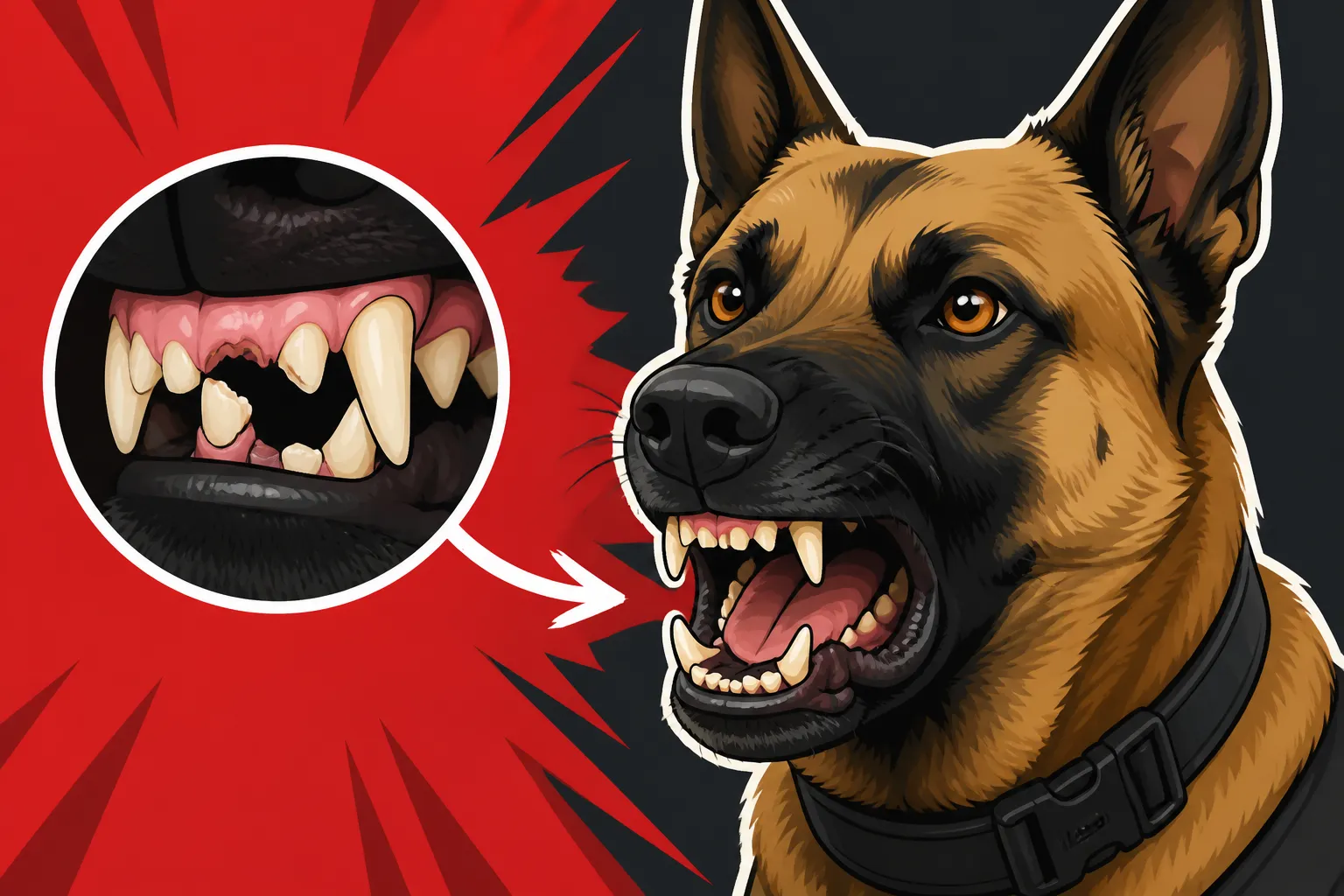
The most obvious sign is a missing piece of a tooth. You might see a jagged edge where a smooth curve should be, or a clear fracture line running through the tooth. Pay particular attention to the canine teeth, which are often involved in initial gripping, and the premolars/molars that handle crushing forces. Look for any discoloration on the tooth itself. A newly broken tooth might have a pinkish tinge if the pulp is freshly exposed and bleeding, while an older injury could show a purplish or grayish hue as the blood supply dies off within the tooth. This pulp exposure is a direct pathway for bacteria into the root canal system, leading to infection and abscesses.
Beyond the tooth itself, examine the surrounding gums. Are they inflamed, red, or swollen? Do you see any bleeding, either fresh or dried, around a specific tooth? Sometimes, a tooth fracture might be less obvious but cause significant gum recession or irritation. Applying gentle pressure around the suspected area might elicit a pain response. Remember that a Malinois's natural high tolerance for pain means you might have to look very closely, potentially even with a flashlight, to catch these signs early.
Immediate Steps and Veterinary Assessment
Finding a broken tooth on your high-drive Malinois can be alarming. Your first instinct might be panic, but taking calm, decisive action is crucial to minimize pain and prevent further complications.
What to Do When You Suspect a Dental Injury
If you suspect your Malinois has a broken tooth, the most important thing is to avoid panicking. Your dog will pick up on your stress. Gently try to inspect their mouth if they allow it, but don't force it if they show signs of pain or aggression. You're looking for obvious fragments, exposed pulp, or bleeding, but don't probe or try to clean the area aggressively. Do not try any home remedies or over-the-counter pain medications intended for humans, as these can be toxic to dogs.
Your immediate next step is to contact your veterinarian. Explain the situation clearly. Depending on the severity of the suspected injury – for instance, if there's significant bleeding, an obvious pulp exposure, or your dog is in severe pain and refusing to eat – your vet might advise an emergency visit. For less acute chips where the pulp doesn't appear exposed and the dog isn't in distress, a routine appointment might be scheduled within a few days. In the meantime, try to keep your dog calm and prevent them from chewing on hard toys or bones that could exacerbate the injury. Switching to softer food can also help alleviate discomfort before their appointment.
The Veterinary Diagnostic Process
Once you're at the vet, especially for a working breed like a Malinois, they will likely recommend a comprehensive oral examination, which usually requires sedation or full anesthesia. This is because a thorough assessment, especially of painful or hidden fractures, simply isn't possible on an awake, potentially anxious dog.
Under sedation, your vet can meticulously examine each tooth, looking for chips, fractures, and any signs of pulp exposure or infection. The absolute cornerstone of diagnosing dental issues in dogs is dental X-rays. Just like in humans, most of the tooth structure, including the roots and the surrounding bone, is hidden beneath the gum line. Without X-rays, many significant problems, such as root fractures, abscesses, or hidden infections stemming from trauma, would be completely missed. Your vet will take multiple views of the affected area to get a complete picture of the damage. They'll also use a dental probe to check for pockets between the gums and teeth, which can indicate gum disease or trauma, and assess overall gum health. For a lean and highly muscled dog like a Malinois, vets are often extra cautious with Anesthesia Protocols for a Lean Belgian Malinois, ensuring their safety during the procedure.
Treatment Options for Broken Malinois Teeth
Once a dental injury is diagnosed, the goal is not just to alleviate pain but to preserve the tooth's function, especially for a working dog whose bite is paramount. The chosen treatment depends heavily on the severity and location of the fracture.
Repairing Chipped or Fractured Teeth
For minor chips that only affect the enamel and don't expose the sensitive dentin or pulp, a simple bonding and restoration procedure might be sufficient. This involves smoothing the sharp edges and applying a protective dental composite material to seal the tooth and prevent further damage. It's a bit like filling a cavity. The good news is, these are usually less invasive and can often be done without extensive recovery.
However, if the fracture is deeper and exposes the pulp chamber, the living part of the tooth containing nerves and blood vessels, a much more serious intervention is needed: root canal therapy. This procedure, performed by a veterinary dentist, involves removing the infected or damaged pulp, cleaning and shaping the root canals, and then filling and sealing them to prevent future infection. The tooth itself is saved, maintaining its structural integrity and allowing the dog to continue using it for bite work. Root canals are a significant commitment, requiring specialized equipment and expertise, but they are often the best option for preserving critical working teeth like canines. For Malinois that continue to work intensely, veterinary dentists might even recommend a Titanium Crowns on a Working Malinois's Teeth to cap and protect the treated tooth, offering an extra layer of durability against future impacts. It's an investment, but one that can prolong a dog's working career and quality of life.
Extraction as a Last Resort
While saving a tooth is always the preferred option for a working Malinois, there are instances where extraction becomes necessary. This is usually the case when a fracture is so severe that the tooth cannot be salvaged, perhaps a vertical fracture extending deep into the root, or if the tooth is so compromised that a root canal is unlikely to succeed. Extraction is also considered when there's a deep infection that has already caused significant bone loss, or if the financial cost of a root canal and potential crown is simply beyond an owner's means. For an idea of the expense, What Extracting a Malinois's Tooth Costs can give you a clear picture.
An extraction means the tooth is permanently removed. While dogs adapt remarkably well to missing teeth, especially molars, the loss of a canine or a crucial premolar can impact their grip strength and technique in bite work. It's a decision not taken lightly, and one that requires careful consideration of the dog's future working capabilities and overall comfort. Post-extraction care involves pain management and monitoring the surgical site for healing, and a period of rest from bite work is essential.
Prevention Strategies and Long-Term Dental Health
As the saying goes, an ounce of prevention is worth a pound of cure, and nowhere is this truer than with a working Malinois's teeth. Protecting their oral health is an ongoing commitment that involves careful attention to training, equipment, and daily care.
Equipment and Training Adjustments
The training environment itself needs constant scrutiny. Regularly inspect your bite sleeves, tugs, and even the training field for any hazards that could lead to dental injury. Are there exposed metal pieces on the equipment? Is the field free of rocks, rebar, or other hard debris that your dog could inadvertently impact during a high-speed retrieve or bite? A good club or training group will prioritize safety, and you should too.
Working with experienced decoys is paramount. A skilled decoy understands how to present the equipment in a way that encourages a full, deep grip, minimizing the chances of a glancing blow or hitting a hard spot. They can also adjust their technique to protect a dog with a history of dental issues. Varying bite surfaces and pressure can also help condition the teeth and jaws, rather than constantly hammering the same spot with the same intensity. Above all, a strong "out" command is your best friend. Teaching a Belgian Malinois to Out reliably can prevent a dog from fixating on and chewing the equipment excessively, or from accidentally connecting with a hard surface if the decoy needs to make an unexpected adjustment. It gives you control in critical moments.
Routine Dental Care and Monitoring
Beyond training adjustments, consistent daily dental care is your first line of defense. Just like humans, dogs benefit immensely from regular tooth brushing. If you can establish a routine of Daily Tooth Brushing for a Malinois That Bites, you'll be able to keep tartar and plaque at bay, and also regularly inspect your dog's mouth for any new chips or changes.
Regular vet check-ups, including professional dental cleanings under anesthesia when recommended, are non-negotiable for working dogs. The Checkup Schedule a Sport Malinois Should Keep should always include a thorough oral exam, and your vet can advise on the frequency of professional cleanings. When it comes to recreational chewing, be incredibly selective. Avoid hard chews like antlers, real bones, or nylon toys that are harder than the tooth enamel itself, as these are notorious for causing slab fractures and chips. Instead, opt for softer, more pliable chews or those specifically designed for dental health. Chews That Will Not Fracture a Malinois's Canines are a must-have for any Malinois owner. Lastly, consider comprehensive pet insurance. A provider like Healthy Paws can offer significant peace of mind, potentially covering a large portion of the costs should a dental injury occur during training or competition. It's worth looking into What Pet Insurance Runs on a Working Malinois for your region.
Financial Implications and Insurance Considerations
Let's not sugarcoat it: treating a broken tooth on a Belgian Malinois, especially one involved in bite work, is rarely cheap. These aren't just simple extractions; they often involve specialist care and advanced procedures. Understanding the potential financial commitment upfront is crucial for responsible ownership.
Understanding the Costs of Dental Treatment
The cost of dental treatment can vary wildly depending on the severity of the injury, the type of procedure needed, and your geographic location. A minor chip that only requires bonding might set you back a few hundred dollars. However, if the pulp is exposed and a root canal is needed, you're looking at a bill that can easily range from $1,500 to $3,000 per tooth, sometimes more. This usually includes the initial examination, sedation/anesthesia, dental X-rays, the root canal procedure itself, and follow-up care. If you opt for a Titanium Crowns on a Working Malinois's Teeth to protect that repaired tooth, add another $1,000 to $2,500 on top of that.
Extractions, while sometimes unavoidable, also carry a significant cost, especially if they are complex (e.g., fractured roots) or require specialized surgical techniques. A routine extraction might be a few hundred dollars, but a complicated one can easily exceed $1,000 or more, plus the cost of anesthesia, imaging, and pain management. These aren't one-off expenses either; a Malinois that has sustained one dental injury might be prone to others, requiring an ongoing commitment to specialized dental care and potentially regular check-ups with a veterinary dentist. This is part of the overall reality of The Vet Bills a Bite Sport Belgian Malinois Runs Up. It’s important to budget for these possibilities or ensure you have a financial safety net. What a Malinois owner banks each month should include a line item for unexpected vet care.
Pet Insurance and Dental Coverage for Working Dogs
Given the potential for high costs, pet insurance can be an absolute lifesaver for owners of working Belgian Malinois. While standard pet insurance plans typically don't cover routine dental cleanings (unless it's an add-on wellness plan), they often do cover dental injuries that result from accidents. This is where it becomes invaluable for bite work dogs.
A comprehensive plan from a provider like Healthy Paws, for example, could cover a significant portion (often 70-90% after your deductible) of the costs for accidental dental trauma, including examinations, X-rays, root canals, and extractions due to injury. This means that a several-thousand-dollar bill could be reduced to a much more manageable out-of-pocket expense. It's crucial to understand the specifics of your policy, as coverage for things like Whether Insurance Covers a Malinois's Pannus Drops or specialized dental procedures can vary. The key is to enroll your Malinois in a good pet insurance plan before any dental issues arise. Most policies have waiting periods, and pre-existing conditions (including dental issues that show signs before coverage begins) are generally not covered. Investing in a robust pet insurance plan is one of the smartest financial decisions you can make for a working Malinois, offering peace of mind when the inevitable happens.
Understanding Common Malinois Dental Trauma
To truly prepare for or respond to dental injuries, it helps to know the specific types of trauma our Malinois often face during their intense work. It's not always a clean break; sometimes it's more insidious.
Slab Fractures and Coronal Fractures
One of the most common types of dental trauma seen in working dogs, especially in the larger molars and premolars, is a slab fracture. This occurs when a powerful lateral force (like biting down hard and twisting on a sleeve) causes a portion of the tooth to "slab" or shear off. Imagine taking a chisel to a brick – that's the kind of force that can cause a slab fracture. The fractured piece typically comes off the side of the tooth, often exposing the dentin or even the pulp chamber. These fractures can be particularly tricky because the loose piece might remain partially attached or the fracture line might extend below the gum line, making it hard to spot without X-rays.
Coronal fractures are breaks that occur in the crown of the tooth, the visible part above the gum line. These can range from a minor chip of the enamel (enamel fracture) to a full fracture that exposes the dentin (uncomplicated crown fracture) or, most seriously, exposes the pulp (complicated crown fracture). Complicated crown fractures are considered emergencies because the exposed pulp is highly susceptible to bacterial infection, which can lead to painful abscesses, cellulitis, and even systemic infections if left untreated. For a dog like a Malinois, whose bite is so critical, preserving the integrity of these teeth is paramount.
Avulsion and Luxation Injuries
While less common than fractures, avulsion and luxation injuries are serious forms of dental trauma that can occur from extreme force or impact. An avulsion is when a tooth is completely knocked out of its socket. This can happen if a Malinois takes a direct, severe impact to the mouth or if a very strong twisting motion dislodges the tooth entirely. In some cases, if the tooth is recovered quickly, kept moist, and replanted by a veterinary dentist within a very short timeframe (ideally minutes to an hour), there's a slim chance of successful reattachment, but this is rare in working scenarios.
Luxation refers to a tooth that is still in its socket but has been displaced or loosened. It might be pushed inwards, outwards, or partially extruded from the gum line. This type of injury damages the ligaments and blood vessels that hold the tooth in place, and often compromises the tooth's vitality. A luxated tooth will be painful and might shift when touched. X-rays are essential to assess the extent of the damage to the tooth's root and surrounding bone. While treatments exist to try and stabilize luxated teeth, the long-term prognosis often depends on the severity of the initial trauma and how quickly veterinary intervention occurs. For any dental trauma, whether it's a chip or a full avulsion, prompt professional attention significantly improves the outcome.
Dental Health and Performance Longevity
A healthy mouth is fundamental to a Belgian Malinois's overall well-being and, crucially, to its sustained performance in bite work. Dental problems aren't just about pain; they can significantly impact a dog's drive, focus, and career longevity.
The Link Between Oral Health and Working Drive
Imagine trying to focus on a complex task while suffering from a toothache. It's distracting, painful, and makes you hesitant to perform your best. The same applies to our Malinois. Even a seemingly minor chip, if it exposes dentin, can cause chronic sensitivity, making the dog reluctant to bite hard or carry objects. A deeper fracture that leads to an infection or abscess can cause excruciating pain, leading to a complete refusal to work. This isn't laziness; it's a direct physiological response to severe discomfort.
A dog that's constantly battling oral pain will show a decline in drive, a lack of enthusiasm for training, and may even develop behavioral issues around food or handling. Their focus will be compromised, making them less effective in their job, whether that's protection sport, police work, or detection. Maintaining excellent oral hygiene and promptly addressing any dental injuries is not just about animal welfare; it's a strategic investment in your Malinois's performance and career longevity. A healthy mouth allows them to engage fully, confidently, and without distraction.
Ensuring a Long and Healthy Working Career
Regular, proactive dental care is just as important as conditioning and obedience training for a working Malinois. Beyond daily brushing and vigilant monitoring for any changes, scheduled professional dental examinations, which often include X-rays, are paramount. Whether a Malinois That Bites Needs Yearly Dentals is a question many handlers ask, and the answer is often yes, especially with their intense training regimens. These regular check-ups can catch issues like hidden fractures, gum disease, or developing problems before they become debilitating, ensuring that minor issues are addressed before they escalate into major problems that could sideline your dog.
It's about being proactive rather than reactive. By understanding the risks, implementing preventive measures, and being prepared to act quickly and decisively when an injury occurs, you're giving your Malinois the best possible chance to enjoy a long, pain-free, and highly successful working career. Their dedication to the work is unwavering; as their handlers, our dedication to their health should be equally as strong.
Navigating Dental Choices: A Comparative Table
When facing a broken tooth, the options can feel overwhelming. Here’s a quick comparison of the most common treatments, their general costs, and what to expect.
| Treatment Option | What It Addresses | Estimated Cost Range (USD) | Recovery Time | Pros | Cons |
|---|---|---|---|---|---|
| Bonding/Restoration | Minor enamel chips, uncomplicated crown fractures | $300 – $800 | Minimal, typically 1-2 days | Non-invasive, quick, preserves tooth | Not suitable for deep fractures or pulp exposure |
| Root Canal Therapy | Complicated crown fractures, exposed pulp, infection | $1,500 – $3,000+ per tooth | 1-2 weeks for full healing | Saves the tooth, maintains function/strength | Expensive, requires specialist, anesthesia involved |
| Titanium Crown | Post-root canal protection for working teeth | $1,000 – $2,500+ per tooth | Integrated with root canal recovery | Maximum protection, enhances durability | Very expensive, requires specialist, permanent fixture |
| Extraction | Severe fractures, irreparable damage, abscesses | $300 – $1,500+ per tooth | 2-4 weeks for gum healing | Eliminates pain source, prevents infection | Tooth loss, potential impact on bite mechanics, anesthesia |
Note: Costs are estimates and can vary significantly based on location, specialist fees, and complexity.
Disclaimer
This guide is intended for informational purposes only and is not a substitute for professional veterinary advice. Always consult with a qualified veterinarian or a board-certified veterinary dentist for any health concerns or before making any decisions regarding your Belgian Malinois's health or treatment.