Why a Belgian Malinois Outlives Most Dogs Its Size
It's a common, heartbreaking reality that our beloved large breed dogs often seem to leave us too soon. Many owners of bigger dogs brace themselves for a lifespan that might only stretch to 8 or 10 years, making every grey hair and slow movement feel like a countdown. But if you’re a Belgian Malinois owner, or considering becoming one, you might be pleasantly surprised to learn that these incredible athletes often defy those expectations, frequently living longer than many other dogs of similar size. This guide will delve into the unique combination of genetics, structure, and lifestyle that contributes to the Belgian Malinois's impressive longevity.
Genetic Fortitude and Selective Breeding for Endurance
When you look at a Belgian Malinois, you're not just seeing a dog; you're seeing centuries of intentional breeding focused on function, health, and athletic prowess. This isn't a breed that was created for exaggerated traits or fleeting fads, and that foundation has a profound impact on their lifespan.
A Working Dog's Blueprint for Health
Unlike many breeds where aesthetics have unfortunately taken precedence over robust health, the Belgian Malinois was meticulously developed for demanding work. From herding sheep on rugged European terrain to performing complex tasks in military and police roles today, their very purpose demanded physical and mental resilience. Breeders weren't looking for a specific coat color that might come with genetic baggage, or an extreme head shape that could lead to breathing issues. They were selecting for dogs that could do the job – day in and day out, with vigor and stamina.
This intense focus on performance naturally created a gene pool rich in health and vigor. Dogs that suffered from debilitating conditions simply couldn't perform, and thus weren't bred. This natural selection, coupled with responsible breeding practices, meant that only the most sound and healthy individuals were typically passed down. You won't find the extreme physical characteristics in a Malinois that often predispose other breeds to certain health crises. Their moderate build, balanced proportions, and functional structure are all direct results of this "form follows function" philosophy, laying a strong groundwork for a longer, healthier life.
Rigorous Health Screening Protocols
Today's responsible Belgian Malinois breeders carry on this tradition by implementing rigorous health screening protocols. They understand that while genetics are strong, vigilance is key. It's not enough to simply assume a dog is healthy because its parents were working dogs; specific genetic and orthopedic tests are crucial.
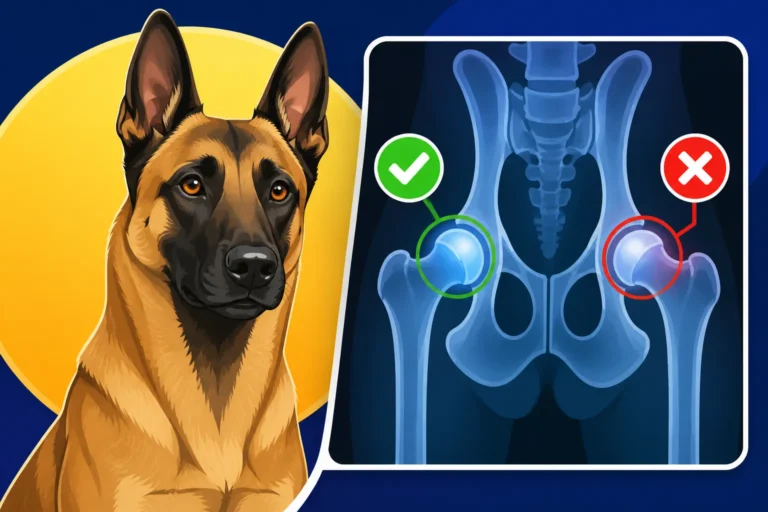
Reputable breeders will routinely screen their breeding stock for a range of potential issues, especially those affecting hips and elbows. This typically involves evaluations through organizations like the Orthopedic Foundation for Animals (OFA) or PennHIP, which assess joint laxity and conformation to minimize the risk of hip and elbow dysplasia being passed to offspring. If you’ve ever wondered about The Hip and Elbow Numbers Behind a Malinois Clearance, you know this isn’t just a formality; it’s a critical component of responsible breeding. Beyond orthopedics, eye examinations by board-certified veterinary ophthalmologists are common to rule out inherited eye conditions, and DNA tests are now available for specific neurological conditions like ataxia. For instance, understanding The Two Ataxia Genes Belgian Malinois Are Tested For is vital for breeders to make informed decisions and prevent these debilitating conditions from affecting puppies. This proactive approach to health screening means that dogs entering the gene pool are carefully vetted, continually improving the overall health trajectory of the breed.
Low Incidence of Breed-Specific Diseases
One of the most significant advantages contributing to the Belgian Malinois's longer lifespan is their generally lower susceptibility to many of the severe, life-shortening breed-specific diseases that plague other large dog breeds. It's not that they are immune to everything, but their genetic makeup seems to have bypassed some of the more common pitfalls.
Less Prone to Common Large Breed Issues
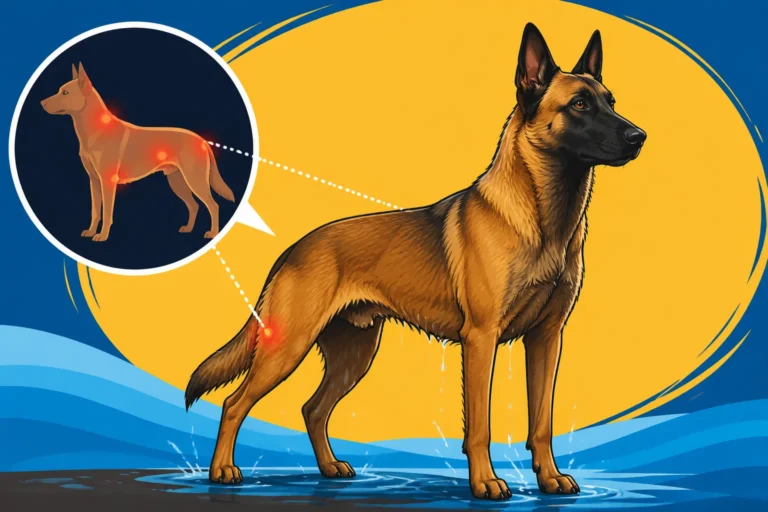
When you talk about large dogs, certain health concerns often jump to mind: crippling joint issues, specific types of cancer, or even acute emergencies like bloat. While Malinois are certainly not impervious, they tend to have a lower incidence of these problems compared to their larger counterparts. For example, while hip and elbow dysplasia can occur, Malinois often exhibit better joint health than some larger German Shepherd lines. This isn't just anecdotal; studies and health registries often show Why Malinois Hip Rates Run Lower Than Other Shepherds. This difference in joint health means a Malinois is less likely to suffer from chronic pain or require extensive orthopedic surgeries as they age, allowing them to remain active and mobile for more years.
Another critical condition many large and deep-chested breeds face is Gastric Dilatation-Volvulus (GDV), commonly known as bloat, which can be rapidly fatal. While any large breed dog can technically bloat, the Belgian Malinois is generally not considered as high-risk as breeds like Great Danes, Weimaraners, or even some larger Shepherds. This doesn't mean you shouldn't be vigilant or understand Whether Torsion Happens in Belgian Malinois, but their overall conformation and genetic predisposition seem to offer a slight protective edge, potentially reducing the risk of this devastating emergency.
Limited Genetic Predispositions
Every breed has its genetic quirks, but the Belgian Malinois has been spared the widespread genetic predispositions to certain aggressive cancers or severe organ failures seen in some other popular breeds. For instance, breeds like Golden Retrievers are unfortunately plagued by high rates of various cancers, and Doberman Pinschers are known for Dilated Cardiomyopathy (DCM). While Malinois can, like any dog, develop cancer, there isn't a single, overwhelmingly prevalent form of cancer that defines the breed's health profile in the way that hemangiosarcoma affects an older Malinois, though they can unfortunately be susceptible to The Bleeding Tumor That Kills an Older Malinois.
Their robust genetic diversity, maintained by breeding for working aptitude, has likely prevented the accumulation of multiple detrimental genes that might predispose them to a shortened lifespan. When you compare breed health statistics, the Malinois consistently shows up as a remarkably hardy breed, which translates directly into more years of healthy living. This doesn't mean skipping your regular vet check-ups or ignoring subtle changes; rather, it's about acknowledging the inherent advantage their genetics provide.
The Advantage of a Lean, Athletic Build
It’s hard to ignore the lean, muscular physique of a Belgian Malinois. They are built like finely tuned athletes, and this specific body composition plays a crucial role in their ability to outlive many other large breeds.
Optimal Weight and Joint Health
Unlike many other large breeds that carry significant bulk, Malinois maintain a lean, agile frame. A male Malinois typically weighs between 60-80 pounds, and a female 40-60 pounds, often with a much more streamlined appearance than a similarly weighted German Shepherd. This isn't just about aesthetics; it's a fundamental health advantage. Less body weight means less stress on their joints, tendons, and ligaments throughout their lives. When a dog carries excess weight, even a few extra pounds, it puts immense strain on their hips, elbows, and spine, accelerating the onset and severity of arthritis and other degenerative joint diseases.
Because Malinois are naturally built to be lean, and responsible owners maintain The Lean Condition a Belgian Malinois Should Carry, their joints endure less wear and tear. This allows them to remain mobile, agile, and pain-free for much longer into their senior years. Think about it: a body that isn't constantly battling the forces of gravity amplified by extra mass is a body that will inevitably last longer and feel better. This inherent leanness is a silent guardian of their orthopedic health.
Cardiovascular Efficiency and Endurance
The Malinois's athletic build isn't just for show; it's a testament to their incredible cardiovascular efficiency and endurance. Their sleek, muscular bodies are designed for sustained activity, whether it's tracking through dense brush or performing complex protection routines. This constant demand for physical exertion means their hearts, lungs, and circulatory systems are incredibly well-developed and efficient.
A dog with a strong, efficient cardiovascular system is generally healthier overall. Their bodies are better at delivering oxygen and nutrients to tissues, and more effectively removing waste products. This reduces the burden on internal organs and contributes to a lower risk of age-related heart disease or other systemic issues. Their metabolism is geared towards burning energy effectively, rather than storing excess fat, which also contributes to their overall health and longevity. It's a positive feedback loop: a body designed for endurance thrives on it, and that consistent, appropriate exercise keeps those systems running smoothly, extending their years of vitality.
Lifestyle Factors: The Working Dog Effect
It's not just genetics and conformation; the lifestyle afforded to a Belgian Malinois, driven by their intrinsic needs, also significantly contributes to their extended lifespan. These aren't dogs content to be couch potatoes; they thrive on purpose and activity.
Consistent Physical and Mental Engagement
One of the greatest gifts you can give a Belgian Malinois is a job, and providing consistent physical and mental engagement is paramount to their well-being. These dogs possess an incredible drive and intelligence that, when properly channeled, keeps their bodies and minds sharp. Unlike many pet dogs who might get a short walk or a romp in the yard, a Malinois truly needs structured work, often for Two Hours and a Job a Belgian Malinois Demands Daily. This isn't just about burning off energy; it's about fulfilling their innate desire to learn, problem-solve, and interact with their handler.
This consistent engagement has profound health benefits. Physically, it ensures they maintain optimal muscle mass, cardiovascular health, and joint flexibility. Mentally, it keeps their brains active, delaying cognitive decline that can affect older dogs. A mentally stimulated Malinois is less likely to develop destructive behaviors stemming from boredom and stress, which can sometimes lead to injuries or secondary health issues. The continuous learning and problem-solving involved in activities like obedience, agility, bite work, or scent detection act as a "brain workout," contributing to a longer, more vibrant mental life, even as their physical pace might slow down.
Proactive Veterinary Care and Handler Diligence
The type of person drawn to a Belgian Malinois is often highly dedicated, detail-oriented, and deeply invested in their dog's well-being. This isn't a breed for the casual owner; they demand a high level of commitment. This inherent diligence in Malinois handlers often translates into proactive veterinary care. These owners are typically on top of their dog's health, ensuring annual check-ups, vaccinations, and prompt attention to any changes or concerns. They understand the importance of regular health monitoring, like The Bloodwork a Working Malinois Should Have Annually, to catch potential issues early.
This proactive approach means that any emerging health issues, whether it's a subtle lameness, a change in appetite, or a minor skin irritation, are likely to be noticed and addressed quickly. Early intervention can make a massive difference in the prognosis of many conditions, preventing them from escalating into more severe, life-threatening problems. Furthermore, many Malinois owners invest in pet insurance, such as Healthy Paws, which helps alleviate the financial burden of unexpected veterinary costs, ensuring they can always afford the best possible care without hesitation. This combination of an attentive owner and readily available healthcare significantly contributes to extending a Malinois's healthy years.
Comparison to Other Large Breeds
To truly appreciate the longevity of a Belgian Malinois, it helps to compare them to other well-known large breeds. While every dog is an individual, breed predispositions offer valuable insights.
German Shepherds
Often compared to the Malinois, the German Shepherd Dog (GSD) is another intelligent, athletic working breed. However, when it comes to longevity, the Malinois generally has an edge. German Shepherds, particularly some lines, are unfortunately prone to a higher incidence of hip and elbow dysplasia, as well as degenerative myelopathy, a progressive neurological disease that can severely impact mobility in their later years. They also seem to have a higher risk of certain cancers, like hemangiosarcoma, and gastrointestinal issues.
While a healthy German Shepherd can live a good 10-12 years, the average lifespan often hovers around 9-11 years. A Belgian Malinois, on the other hand, frequently surpasses this, with many living to 12-14 years, and some even stretching to The Fourteen to Sixteen Years a Belgian Malinois Lives. This difference is often attributed to the Malinois's lighter build, slightly less exaggerated angulation, and a selective breeding history that prioritized pure athleticism and hardiness. The Malinois's more moderate structure seems to fare better against the ravages of time and activity compared to some of the heavier, more angulated GSDs.
Other Working Breeds
Expanding the comparison to other powerful working breeds further highlights the Malinois's robust health. Consider breeds like Rottweilers or Doberman Pinschers. Rottweilers, while incredibly loyal and strong, are unfortunately known for a higher incidence of bone cancer (osteosarcoma) and certain heart conditions, often leading to average lifespans of 8-10 years. Doberman Pinschers, with their sleek appearance, commonly suffer from Dilated Cardiomyopathy (DCM) and Von Willebrand's Disease (a bleeding disorder), bringing their average lifespan into a similar 9-11 year range.
In contrast, the Malinois typically avoids these widespread, devastating breed-specific diseases. Their genetic health seems to be remarkably cleaner, allowing them to live out more of their full genetic potential. This isn't to say a Malinois will never get cancer or heart disease, but the breed as a whole exhibits a lower predisposition to these major killers, allowing more individuals to reach a ripe old age, vibrant and active.
Here's a quick comparison of average lifespans and common health concerns for a few large working breeds:
| Breed | Average Lifespan (Years) | Common Health Concerns (High Incidence) |
|---|---|---|
| Belgian Malinois | 12-14+ | Hip/Elbow Dysplasia (lower incidence), Pannus |
| German Shepherd Dog | 9-11 | Hip/Elbow Dysplasia (higher incidence), Degenerative Myelopathy, Bloat, Cancer |
| Rottweiler | 8-10 | Osteosarcoma, Bloat, Heart Disease, Elbow Dysplasia |
| Doberman Pinscher | 9-11 | Dilated Cardiomyopathy, Von Willebrand's Disease, Wobbler Syndrome |
| Labrador Retriever | 10-12 | Hip/Elbow Dysplasia, Cancer, Obesity, Joint Issues |
Nurturing Longevity: What You Can Do
While genetics and breed traits lay a strong foundation, an owner's commitment to optimal care is crucial for maximizing a Belgian Malinois's lifespan and quality of life. You have a significant role to play in helping your Malinois live its longest, happiest life.
Quality Nutrition and Supplementation
Feeding a Belgian Malinois is not a passive task. Their high energy levels and lean muscle mass demand a high-quality diet tailored to an active lifestyle. This typically means a premium kibble formulated for active or performance dogs, with a good balance of protein, fat, and carbohydrates. You'll need to pay close attention to the calorie content, especially if you have Feeding a Malinois That Is Never Not in Drive. Free-feeding is often not ideal for these dogs; measured meals help ensure they receive adequate nutrition without overeating.
While a balanced diet is fundamental, some owners choose to incorporate joint supplements, even before signs of arthritis appear. Glucosamine, chondroitin, and omega fatty acids can support joint health and reduce inflammation, potentially delaying the onset of age-related stiffness. Discuss these options with your veterinarian, as they can recommend appropriate dosages and formulations based on your dog's age, activity level, and individual needs.
Regular Exercise and Mental Stimulation
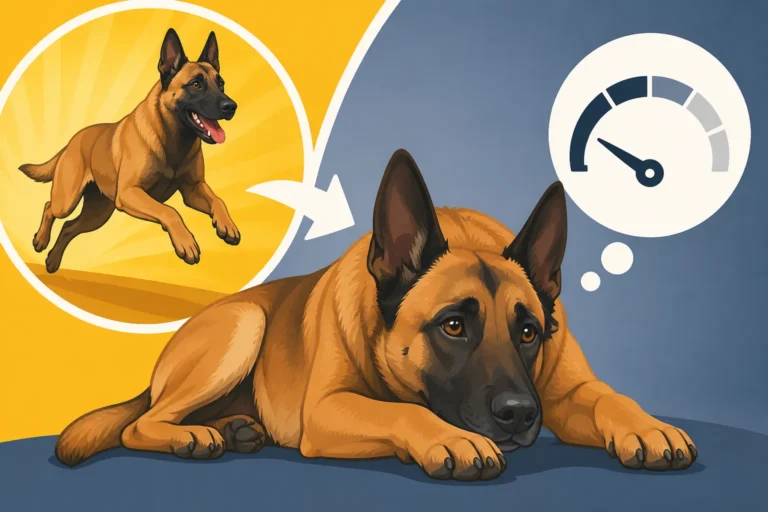
Never underestimate the power of consistent exercise and mental enrichment for a Malinois. Even as they mature and enter their senior years, maintaining an appropriate level of activity is vital. While a young Malinois might need intense, structured work, an older dog might benefit from shorter, more frequent sessions, or different types of activities. The age a Malinois starts working shorter sessions varies, but adapting as they age is key. Low-impact exercises like swimming or steady walks can keep muscles strong and joints mobile without excessive strain.
Mental stimulation becomes even more important as dogs age. Puzzle toys, scent work games, and continuing to practice familiar obedience commands can help keep Keeping an Old Belgian Malinois Mentally Busy. A dog with an active mind is a happier dog, and mental engagement helps prevent boredom, frustration, and associated stress behaviors that can impact physical health.
Proactive Veterinary Care and Early Intervention
Regular veterinary care is non-negotiable for a long-lived Malinois. Annual check-ups are essential for monitoring overall health, catching subtle changes, and staying up-to-date on vaccinations and parasite prevention. As your Malinois approaches its senior years, your vet might recommend more frequent check-ups or additional screening tests to look for common age-related conditions.
Beyond routine visits, being observant and proactive about any changes in your dog's behavior, appetite, mobility, or energy levels is paramount. Don't wait to see if a limp improves or if a cough goes away. Malinois are stoic, and sometimes by the time symptoms are obvious, a condition might be more advanced. Early detection and intervention can be life-saving. Investing in pet insurance, such as Healthy Paws, can provide immense peace of mind, ensuring that you never have to make difficult decisions based on cost when your cherished Malinois needs unexpected diagnostics or treatment for an illness or injury. This financial safety net allows you to focus solely on their health and give them the best chance at recovery and a longer, happier life.
Disclaimer
The information provided in this guide is for general educational purposes only and should not be considered a substitute for professional veterinary advice. Always consult with a qualified veterinarian for any health concerns or before making any decisions related to your Belgian Malinois's care.