Signs a Belgian Malinois Is Slowing Down
It’s a tough day when you start noticing little changes in your high-octane Belgian Malinois. These incredible dogs live life at 100 miles an hour, and when that speed starts to dip, it can be both heartbreaking and confusing. You might wonder if it’s just a passing phase, or something more. This guide is here to help you identify the subtle, and sometimes not-so-subtle, signs that your beloved Malinois is starting to slow down, offering insights into what these changes might mean and how you can support them through this natural transition.
Subtle Shifts in Energy and Enthusiasm
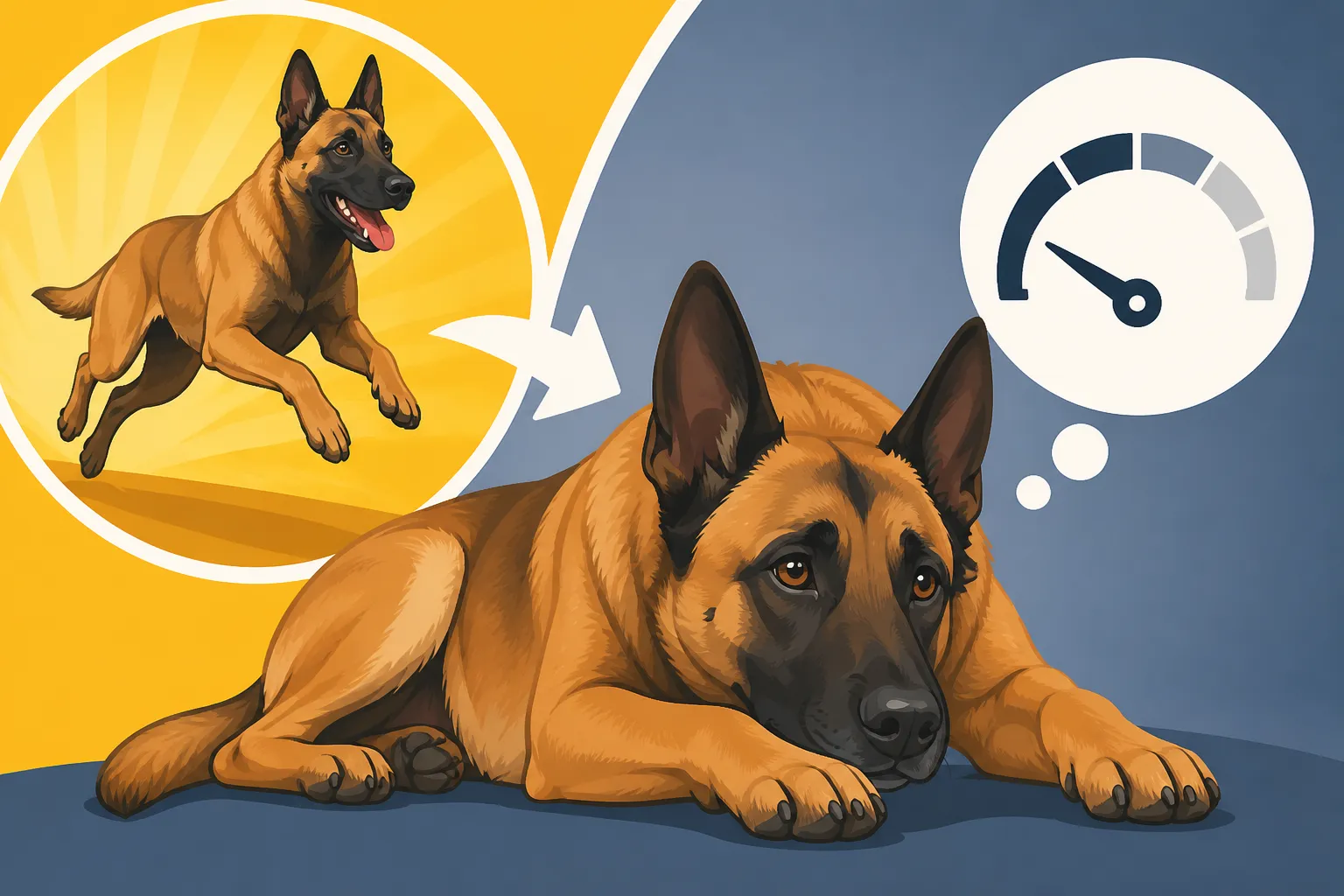
One of the first things you’ll likely notice in an aging Malinois isn’t a limp or a gray muzzle, but a change in their characteristic boundless energy. These are dogs known for their incredible drive and intensity, so any deviation from their usual high-octane self can be a significant indicator. It often starts subtly, making it easy to dismiss at first, but over time, these small shifts can add up.
The Less Enthusiastic Greeting
Remember those days when your Malinois would nearly bowl you over with excitement the moment you walked through the door? The whirling dervish of joy, the insistent nudges for attention, the frantic tail wags that shook their whole body? As they age, you might notice this iconic greeting mellowing out. Instead of an immediate, full-body rush, they might take a moment longer to get up, perhaps offering a calmer tail wag or a gentle headbutt rather than a full-on celebratory dance. They are still thrilled to see you, of course, but the physical exuberance might be slightly toned down.
This isn't necessarily a sign of decreased affection, but rather a reflection of their physical comfort and energy levels. It might be harder for them to spring up quickly, or they might simply conserve their energy for more 'important' activities later. Observing how long it takes them to reach you, the intensity of their physical contact, and the overall duration of their excitement can provide early clues that their energy reserves aren't quite what they used to be. It’s a quiet whisper compared to the usual roar, but it speaks volumes to an attentive owner.
Reduced Interest in Daily Activities
Belgian Malinois are creatures of routine, and they typically approach every aspect of their day with an almost aggressive enthusiasm. From mealtime to training sessions, and especially going for a walk, they live for the structured stimulation you provide. When a Malinois starts to slow down, you might notice a diminished eagerness for these once-cherished events. Perhaps they don’t bolt to the door quite as fast when the leash comes out, or they might not finish their food with the same lightning speed they once did.
It’s not that they’re refusing to participate, but the sheer urgency and overwhelming drive might be dialed back a notch. They might still enjoy a game of fetch, but they might not chase the ball with the same relentless pursuit, or might opt to carry it back slowly rather than sprinting. This can be particularly noticeable with mentally stimulating tasks, like puzzle toys or scent work; they might engage for shorter periods or require more encouragement to get started. Paying close attention to how quickly they respond to cues for these activities, and the duration of their engagement, can offer valuable insight into their changing energy levels.
Changes in Play Style
Play is a cornerstone of a Malinois’s life, a crucial outlet for their immense drive and energy. When they’re young, play is often high-impact, fast-paced, and seemingly endless. They’ll chase, bite, tug, and jump with relentless abandon. As they begin to age, their play style often shifts dramatically. You might notice them favoring gentler games over rough-and-tumble wrestling with other dogs, or preferring a slow retrieve over an all-out sprint.
For instance, a Malinois that once lived for vigorous tug-of-war might now prefer to simply hold the tug, engaging in a softer, less strenuous back-and-forth. High-flying jumps for a Frisbee might be replaced by a more grounded chase, or they might simply watch the Frisbee land and trot to retrieve it. They might initiate play less frequently, or disengage more quickly from a game. These changes are their way of telling you their body isn't quite up to the intense demands of their younger days. It's a natural adaptation, and understanding it allows you to adjust your play routines to keep them engaged without overexerting them.
Physical Indicators of Aging
While mental and energetic shifts are often the first signs, physical changes inevitably follow. For a breed as athletic and structurally sound as the Belgian Malinois, these changes can be particularly noticeable, especially for those accustomed to their impressive agility and power. Observing these physical cues can help you understand the developing needs of your aging companion.
Altered Movement and Gait
One of the most common and visible signs that a Malinois is slowing down is a change in their movement. That fluid, powerful stride that once covered ground effortlessly might become stiffer, especially after periods of rest. You might observe a slight hesitancy getting up from a lying position, or they might take a few awkward steps before settling into their rhythm. Their gait might shorten, or they might carry their weight differently. This can sometimes look like a subtle, shifting limp, or a general reduction in their overall springiness.
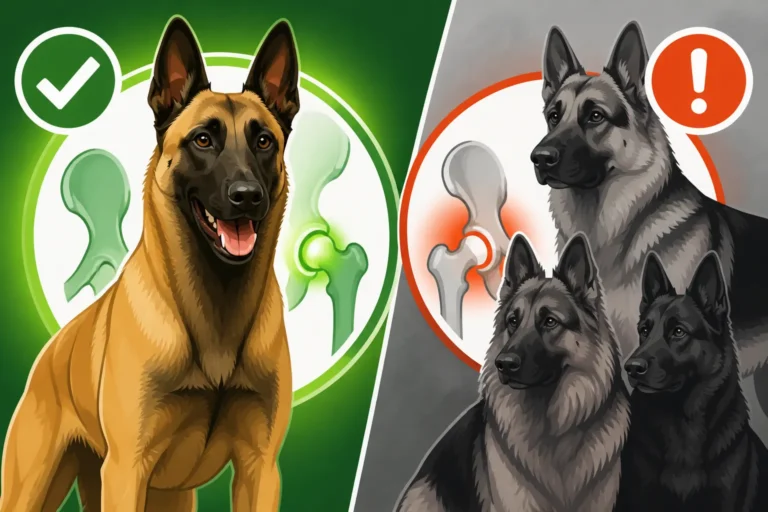
Stairs or jumping into a vehicle, which were once trivial tasks, might become challenging or even painful. They might hesitate at the base of the stairs, or require a boost to get into the car. This altered movement is often a key indicator of developing joint issues, such as arthritis, which can start showing up in a Belgian Malinois around the age of nine. For a breed that excels in sports requiring explosive movement, these changes can be particularly frustrating for them. Paying attention to their daily movements, how they navigate obstacles, and any stiffness after waking up is crucial. If you're observing a noticeable change, discussing Arthritis in a Belgian Malinois at Nine with your vet is a good idea. They might even recommend physical therapy or joint supplements to maintain comfort and mobility.
Changes in Appetite and Weight
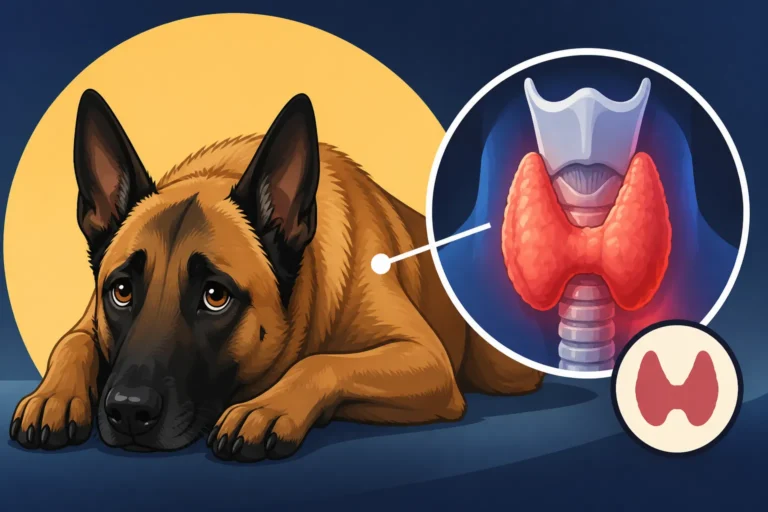
A Malinois is typically a lean, muscular dog, and their appetite usually reflects their high metabolism and active lifestyle. As they age and their activity levels naturally decrease, their metabolic needs can change. You might notice a slight reduction in their appetite, or they might not maintain the same lean, hard condition without the intense daily work they once performed. Conversely, some older Malinois might actually gain weight if their food intake isn't adjusted to match their reduced energy output. An overweight Malinois can exacerbate joint problems and other age-related health issues, making this a critical area to monitor.
Regularly assessing their body condition is vital. You should still be able to easily feel their ribs, spine, and hip bones with a light touch, without them being visibly prominent. If you're finding it hard to feel their ribs, or if they're starting to look a little softer around the middle, it's time to re-evaluate their diet. Consult with your vet about adjusting their caloric intake and the type of food they’re eating. Sometimes, a senior-specific formula or a diet tailored for less active dogs can make a significant difference. Considering Feeding a Retired Belgian Malinois is a smart step in ensuring they maintain optimal health as they get older.
Visible Signs on Their Body
Beyond gait and weight, other physical markers on your Malinois's body can signal the march of time. The most obvious is the gradual appearance of gray or white hairs, particularly around the muzzle, eyes, and sometimes across their paws. While some dogs gray early due to genetics or stress, extensive graying is a classic sign of aging. You might also notice their coat losing some of its youthful sheen, becoming a bit duller or coarser, even with consistent grooming.
Their eyes might also show changes, appearing cloudier or developing a bluish haze, which could indicate nuclear sclerosis – a common, usually non-blinding, age-related change. However, cloudiness can also be a symptom of cataracts, which might impact their vision more significantly. Less obvious, but equally important, are changes in muscle mass. Despite their strong genetics, even a Malinois will experience some muscle atrophy as they age and become less active. You might notice a decrease in definition, especially over their hindquarters, which can contribute to weakness and instability. This loss of muscle mass is a natural part of aging, but it can be managed with appropriate exercise and diet. Regular full-body checks can help you catch these changes early.
Behavioral and Cognitive Changes
Beyond the physical, the internal world of your Malinois can also undergo significant shifts as they age. Their personality, their responses to stimuli, and even their understanding of the world around them can change, often in ways that can be both confusing and distressing for owners. Understanding these behavioral and cognitive signs is key to providing compassionate care.
Increased Irritability or Anxiety
A once-steadfast and confident Malinois might begin to show new signs of irritability or anxiety as they age. This can manifest in various ways: a lower tolerance for noise, a tendency to be startled more easily, or even snapping at other pets or children in situations they once handled with grace. Their patience might wear thin quicker, especially if they are experiencing discomfort or pain. What once rolled off their back might now trigger a grumble or a sharp warning bark. This isn't necessarily a lapse in training, but often a manifestation of underlying discomfort, declining senses, or cognitive changes.
They might become more clingy, seeking out your presence constantly, or conversely, they might become more withdrawn, preferring to be left alone. Changes in vision or hearing can contribute significantly to this anxiety, as they might not perceive their environment as clearly, leading to surprise or fear. It’s important to approach these changes with empathy and patience, understanding that their world is shifting. Consulting with a vet or a qualified behaviorist can help rule out medical causes for these behavioral shifts and provide strategies for managing anxiety. Sometimes, even simple adjustments to their routine or environment can make a big difference.
Disorientation and Cognitive Decline
Just like humans, dogs can experience cognitive decline as they age. This condition, often referred to as Canine Cognitive Dysfunction (CCD), can present with a variety of symptoms that can be unsettling for owners. You might notice your Malinois becoming disoriented in familiar surroundings, getting stuck in corners, or staring blankly at walls. They might forget once-solid commands, or struggle to learn new ones. House-training might regress, leading to accidents indoors, even if they were perfectly housebroken for years.
Their sleep-wake cycles can also become disrupted, leading to increased activity at night and excessive sleeping during the day. An Old Malinois That Paces the House at Night is a common sign of CCD. They might lose interest in interactions, or show altered social behaviors, such as greeting family members less frequently. These changes aren't simply "bad behavior" but rather indicators of neurological shifts. Early recognition and veterinary intervention can help manage the symptoms and slow the progression of CCD. There are medications, dietary supplements, and environmental enrichment strategies that can significantly improve their quality of life.
Altered Sleep Patterns
Sleep is fundamental to health, and for an aging Malinois, changes in sleep patterns are a strong indicator that their body and mind are undergoing significant shifts. A younger Malinois might sleep soundly through the night and take short, restorative naps during the day. As they get older, however, you might notice their sleep becoming more fragmented. They might wake up more frequently at night, perhaps pacing, wandering, or vocalizing. This can be particularly disruptive for both the dog and the household.
During the day, they might appear to sleep more overall, but these naps may not be as deep or as restful as they once were. Conversely, some older Malinois develop insomnia-like symptoms, struggling to settle down even when tired. These altered patterns can be linked to physical discomfort, such as joint pain making it hard to get comfortable, or bladder control issues requiring more frequent potty breaks. They can also be a symptom of cognitive decline, where the internal clock gets out of sync. Creating a comfortable, predictable sleeping environment, ensuring they are pain-managed, and discussing these changes with your vet are crucial steps. A plush orthopedic bed, perhaps from brands like Big Barker or K&H Pet Products, can make a huge difference in their comfort during rest.
When to Consult Your Veterinarian
Noticing changes in your aging Belgian Malinois can bring a flood of questions and concerns. The most important step when you see any of these signs is to talk to your veterinarian. They are your best resource for distinguishing between normal aging processes and underlying medical conditions that could be causing or exacerbating these changes. Proactive veterinary care is paramount for helping your Malinois age gracefully and comfortably.
Distinguishing Normal Aging from Medical Issues
It's tempting to brush off some changes as "just old age," but many symptoms often attributed solely to aging can actually be signs of treatable medical conditions. For instance, increased stiffness could be arthritis, but it could also be a symptom of a more serious issue like The Spinal Disease That Ends a Malinois's Mobility. Similarly, changes in appetite or weight could be normal metabolic shifts, or they could indicate dental problems, organ dysfunction, or even certain cancers. Behavioral changes, such as irritability or anxiety, might stem from pain, sensory loss (like declining vision or hearing), or canine cognitive dysfunction.
This is why a comprehensive veterinary check-up becomes even more critical as your Malinois enters their senior years, which for this breed, often starts around When a Malinois Is Considered Old. Your vet can perform a thorough physical examination, recommend diagnostic tests like blood work, urinalysis, and potentially X-rays or ultrasounds, to get a full picture of your dog's health. Early diagnosis and intervention can significantly improve your Malinois's comfort and extend their healthy lifespan. Don't wait until things are severe; regular check-ups can catch issues when they are most manageable. Many pet insurance providers, like Healthy Paws, offer coverage that can help ease the financial burden of these essential diagnostic tests and treatments as your Malinois ages.
Proactive Care for an Aging Malinois
Once you've identified that your Malinois is slowing down, whether due to normal aging or specific medical conditions, shifting to a proactive care routine is essential. This means tailoring their environment, exercise, diet, and mental stimulation to their evolving needs. For instance, providing softer, easily accessible bedding like an orthopedic bed can alleviate pressure on aching joints. Ramps or steps can help them navigate furniture or vehicles, reducing strain. For a breed that often lives The Age Most Malinois Live To with high energy, finding ways to adapt their activity is crucial.
Exercise should become less intense but remain consistent, focusing on gentle walks, swimming, or short, low-impact play sessions. This helps maintain muscle mass and joint flexibility without overexertion. Mental enrichment, like short scent games or puzzle toys, can keep their minds sharp without demanding too much physical effort, helping with Keeping an Old Belgian Malinois Mentally Busy. Regular dental care, a balanced senior diet, and supplements (like joint support or omega-3 fatty acids) can also play a vital role. Discuss all these options with your vet to create a personalized senior care plan. Investing in pet insurance like Healthy Paws when your Malinois is younger can provide invaluable support for these ongoing senior care needs, helping you make the best decisions without financial stress.
Summary of Signs a Malinois Is Slowing Down
To help you keep track of the many subtle and overt signs that your Belgian Malinois is entering their senior years, here's a quick summary table. Remember, these are general indicators, and every dog is an individual.
| Category | Common Signs of Slowing Down | Potential Underlying Reasons | What to Observe & Do |
|---|---|---|---|
| Energy & Enthusiasm | Less excited greetings, reduced interest in games/walks, shorter play sessions. | Natural aging, early discomfort, sensory decline. | Note changes in response time, duration of engagement. Adjust activity intensity. |
| Movement & Gait | Stiffness after rest, difficulty with stairs/jumps, shorter stride, subtle limping. | Arthritis, joint pain, neurological issues, muscle atrophy. | Observe getting up/down, walking on different surfaces. Vet check for pain management. |
| Appetite & Weight | Reduced appetite, weight gain/loss, finicky eating. | Metabolic changes, dental issues, organ problems. | Monitor food intake, body condition. Adjust diet; vet for underlying causes. |
| Physical Appearance | Graying muzzle/face, dull coat, muscle loss, cloudy eyes. | Natural aging, nutritional deficiencies, eye conditions. | Regular grooming, visual checks. Vet for eye health. |
| Behavioral Changes | Increased irritability, anxiety, clinginess, withdrawal. | Pain, sensory loss, cognitive decline, environmental stress. | Note triggers, duration. Provide safe spaces. Vet for pain/behavioral management. |
| Cognitive Function | Disorientation, forgetting commands, house-training regression. | Canine Cognitive Dysfunction (CCD), neurological issues. | Observe routines, spatial awareness. Consult vet for CCD diagnosis and management. |
| Sleep Patterns | Fragmented sleep, restless nights, excessive daytime napping. | Discomfort, pain, CCD, bladder issues. | Provide orthopedic bed. Ensure nighttime potty breaks. Vet for sleep-aid/pain control. |
As your beloved Malinois ages, you might also find yourself considering difficult decisions, such as Retiring a Working Belgian Malinois From the Job if they are a working dog, or understanding What Most Belgian Malinois Die Of as you prepare for their final years. These conversations are never easy, but they are a crucial part of responsible ownership.
Disclaimer
This article is intended for informational purposes only and does not constitute veterinary advice. Always consult with a qualified veterinarian for any health concerns or before making any decisions about your Belgian Malinois's medical care or treatment plan.