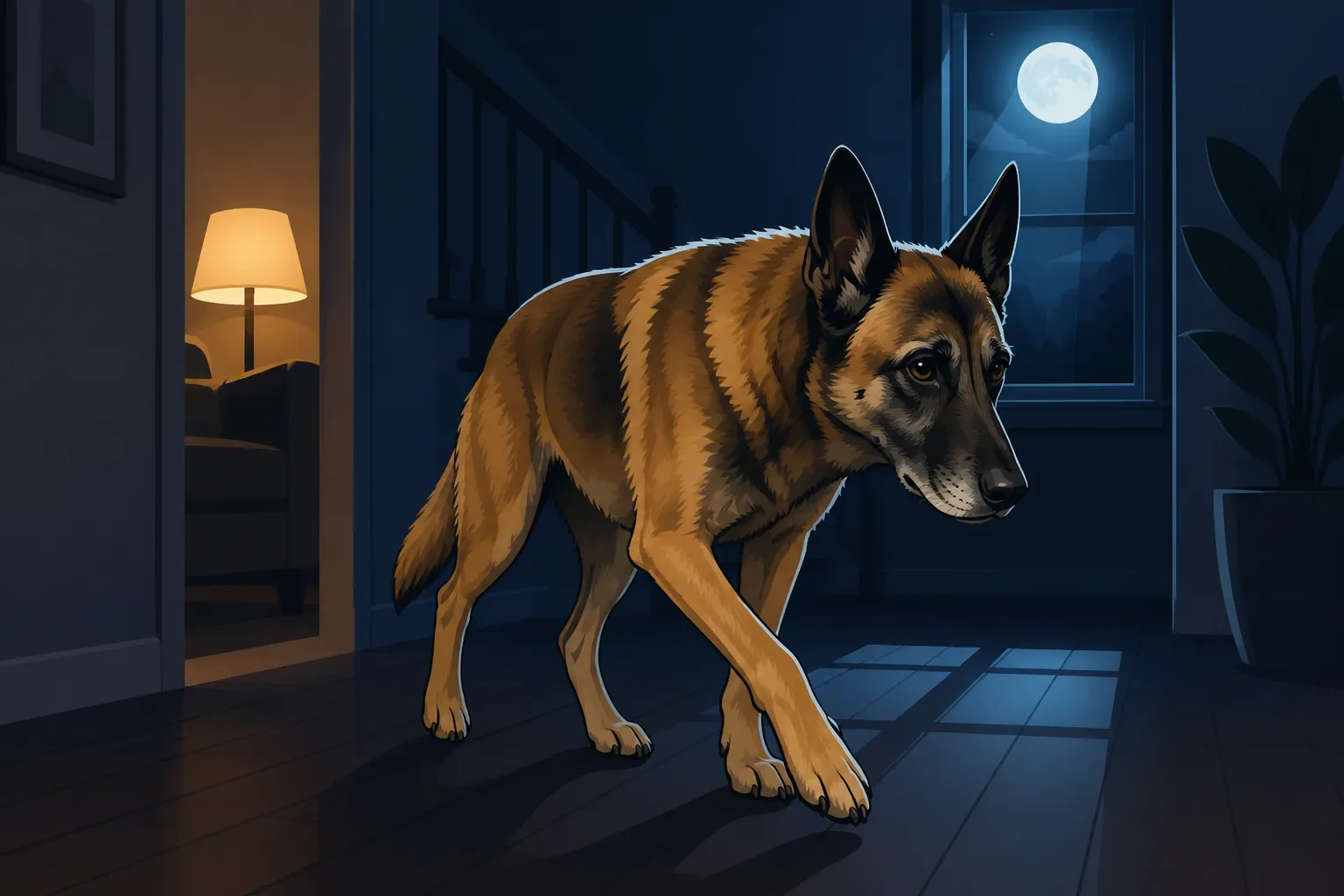
An Old Malinois That Paces the House at Night
Waking up to the frantic pacing of your older Belgian Malinois at 2 AM is an incredibly unsettling experience. It's heart-wrenching to see your once-vibrant companion restless, bumping into furniture, or endlessly circling, unable to settle into the peaceful sleep they deserve. This guide is here to help you understand the common reasons behind nocturnal restlessness in aging Malinois and provide practical, empathetic strategies to bring calm back to your nights and comfort to your beloved senior dog.
Understanding Why Your Older Malinois Is Pacing at Night
It's absolutely normal to feel frustrated and worried when your senior Malinois suddenly starts pacing at night. You remember them as the dog that could work tirelessly all day and then drop into a deep, contented sleep. Now, their nighttime restlessness feels like a cruel twist of fate. The truth is, there are often very real, underlying reasons for this change, and it's not simply "just old age." Pinpointing the cause is the first, most crucial step towards finding relief for both of you.
The Role of Canine Cognitive Dysfunction
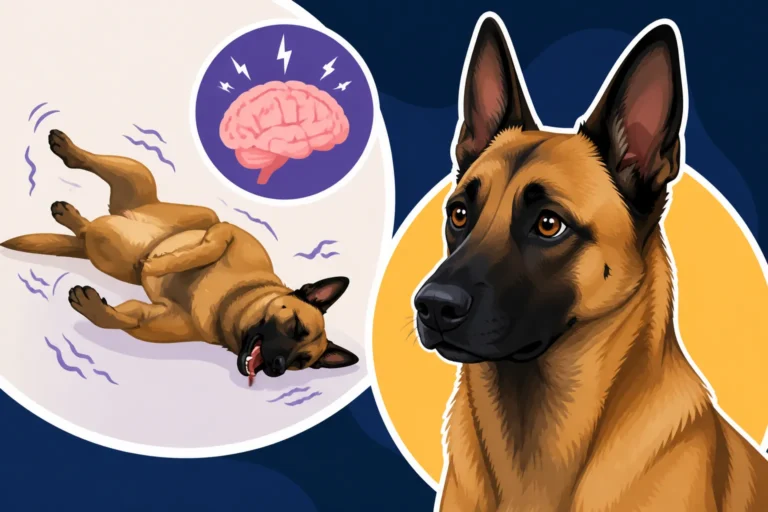
One of the most common culprits behind nighttime pacing in older dogs, including our intelligent Belgian Malinois, is Canine Cognitive Dysfunction (CCD), often referred to as "doggy Alzheimer's." This isn't just about them forgetting a command or where their favorite toy is; it's a progressive neurodegenerative condition that profoundly affects their brain function.
Imagine waking up in your own home, but suddenly everything feels a little unfamiliar, the boundaries aren't quite clear, and you can't remember where the bathroom is or why you got out of bed. That's a bit like what a Malinois with CCD might experience. They might become disoriented, anxious, and develop altered sleep-wake cycles. This disorientation can manifest as pacing, staring blankly at walls, getting stuck in corners, or having difficulty navigating familiar spaces, especially in the low light of night. They're not being stubborn; their brain simply isn't processing information the way it used to. You might notice other signs during the day too, such as decreased interaction with family members, house-soiling accidents, or a general loss of interest in activities they once loved. The internal link, Keeping an Old Belgian Malinois Mentally Busy, offers more on engaging their minds as they age, which can sometimes help slow the progression of cognitive decline.
Pain and Discomfort in Aging Joints
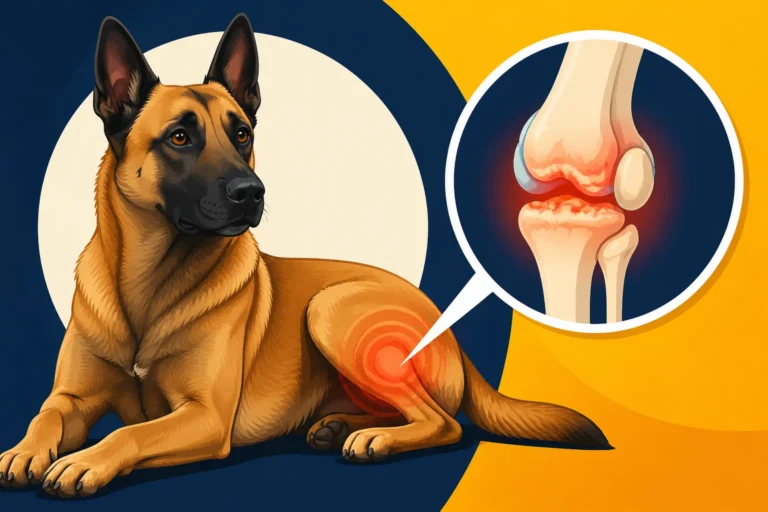
Our Belgian Malinois are incredible athletes, built for speed, agility, and powerful work. All those years of high-impact activity, whether it was Schutzhund, IGP, agility, or police work, can take a toll on their bodies. As they get older, conditions like arthritis, hip dysplasia, or other orthopedic issues become more prevalent. Even if they've been cleared for hips and elbows, age can bring new aches and pains.
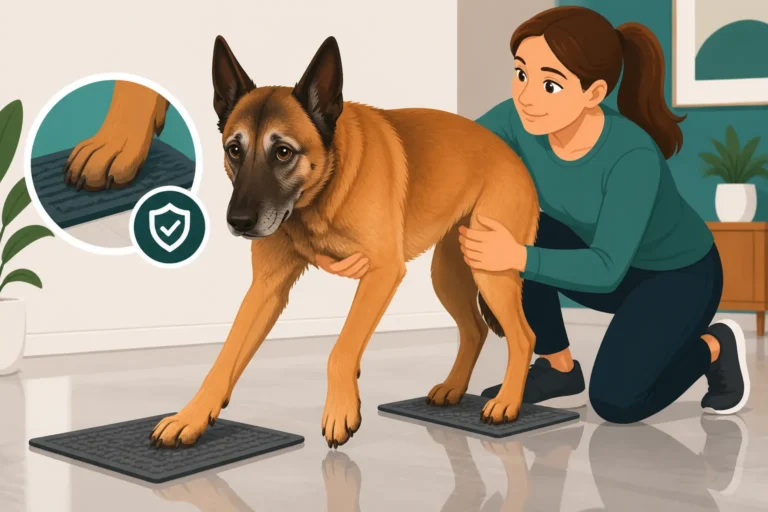
When your Malinois lies down for the night, the pain in their joints might become more pronounced. Getting comfortable can be difficult, leading to frequent shifting, groaning, and eventually, the need to get up and move. Pacing can actually be their way of trying to "walk off" the stiffness or find a position that alleviates the discomfort, even if it's only temporary. It's like when you have a backache and just can't get comfortable in bed, so you get up and walk around. Pay close attention to how they move: are they stiff when they first get up? Do they limp? Do they hesitate before jumping or going up stairs? Even subtle changes in gait can indicate underlying pain. You can read more about common joint issues in Helping an Old Belgian Malinois Off Slick Floors, which also covers how modifications to your home can make a difference. If you're concerned about potential spinal issues, The Spinal Disease That Ends a Malinois's Mobility offers valuable insights into conditions that can severely impact their comfort and mobility.
Other Medical Conditions and Medications
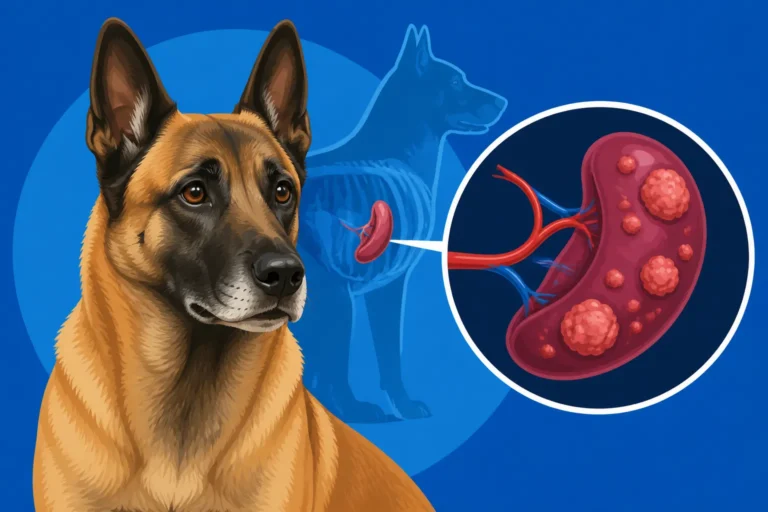
It's easy to jump to "old age" or "arthritis," but a variety of other medical conditions can also contribute to nocturnal pacing and restlessness. Issues like thyroid problems, especially hypothyroidism where the thyroid gland is underactive, can sometimes lead to behavioral changes, including anxiety and restlessness. Tumors, particularly those that are painful or located in areas that cause discomfort when lying down, can also prevent a dog from settling. For instance, an aggressive osteosarcoma (bone tumor) or even a subtle splenic mass, which might not be obvious during the day, could cause internal discomfort that becomes more noticeable in the quiet of the night. You can find more information about serious health concerns in The Bleeding Tumor That Kills an Older Malinois or Splenic Tumors in an Older Belgian Malinois.
Even certain medications your Malinois might be on can contribute to restlessness. Steroids, for example, are known to increase thirst, urination, and sometimes lead to increased activity or anxiety. Some pain medications might also have side effects that disrupt sleep. Furthermore, neurological issues beyond CCD, such as mild seizures that manifest as unusual behaviors rather than full-blown convulsions, could cause disorientation. If your Malinois has a history of seizures, managing medication is key, as discussed in Managing an Epileptic Belgian Malinois on Medication. This is why a thorough veterinary check-up, including a review of their current medications and bloodwork, is absolutely essential.
Here’s a quick overview of common causes:
| Potential Cause | Symptoms (often worse at night) | Veterinary Approach | Owner Intervention |
|---|---|---|---|
| Canine Cognitive Dysfunction (CCD) | Pacing, disorientation, staring, altered sleep cycles | Diagnosis, cognitive support supplements, diet changes | Consistent routine, mental stimulation, calm environment |
| Osteoarthritis / Joint Pain | Stiffness, difficulty lying down/getting up, lameness | Pain medication, anti-inflammatories, joint supplements | Orthopedic bed, ramps, warm compresses, gentle exercise |
| Underlying Medical Conditions | Increased thirst/urination, discomfort, anxiety | Diagnostic tests (bloodwork, X-rays, MRI), specific treatment | Symptom management, regular vet visits, comfort measures |
| Medication Side Effects | Restlessness, increased urination, anxiety | Adjusting dosage or switching medications (with vet) | Observing reactions, clear communication with vet |
| Vision or Hearing Loss | Bumping into things, increased anxiety, vocalization | Regular check-ups for eye/ear health | Consistent layout, clear pathways, audible cues |
| Anxiety (Generalized or Separation) | Panting, whining, destructive behavior, pacing | Anti-anxiety medication, behavior modification | Calming aids, secure routine, comfort items |
Medical and Environmental Strategies for Better Sleep
Once you have a clearer understanding of why your Malinois is pacing, you can start implementing targeted strategies. This isn't just about managing symptoms; it's about improving their quality of life, especially during those quiet, unsettling hours of the night. Your veterinarian is your best partner in this journey, so be prepared to share every detail about their nighttime behaviors.
Comprehensive Veterinary Assessment
The very first step, if you haven't already done so, is to schedule a comprehensive veterinary check-up. Don't just mention the pacing; describe everything you've observed: when it started, how long it lasts, if there are other accompanying behaviors (like vocalizing, panting, or difficulty settling), and any changes in appetite, thirst, or elimination habits. Your vet will likely want to perform a thorough physical exam, check their joints, and possibly recommend The Bloodwork a Working Malinois Should Have Annually to rule out metabolic issues, thyroid imbalances, or organ dysfunction. They might also suggest imaging like X-rays to assess for arthritis or more advanced diagnostics like an MRI if neurological issues are suspected.
This thorough assessment helps uncover hidden issues. Maybe it's not just "old age" but an exacerbation of an old injury, or the early stages of a condition like Cataracts in an Older Belgian Malinois making them less confident in the dark. Your vet can then tailor a treatment plan that might include pain management medications, anti-inflammatory drugs, joint supplements, or even medications specifically designed to help with cognitive decline. For instance, specific drugs like selegiline can be prescribed for CCD, which helps improve brain function. When faced with the costs of diagnostics and long-term medications, remember that pet insurance, such as a plan from Healthy Paws, can significantly ease the financial burden, allowing you to focus on your dog's care without added stress.
Adjusting Routine and Environment
Even with medical interventions, environmental and routine adjustments can make a world of difference. A consistent daily routine is paramount for an aging Malinois, especially one dealing with CCD or anxiety. Predictability helps them feel secure and reduces confusion.
Think about their daytime activity: are they getting enough gentle exercise without overdoing it? A short, sniff-filled walk late in the afternoon can be mentally stimulating without being physically taxing. Avoid intense play or training sessions close to bedtime, which can wind them up instead of winding them down. For some Malinois who are Retiring a Working Belgian Malinois From the Job, finding new, less strenuous outlets for their drive can be crucial.
At night, create a serene and secure environment. Many older dogs with CCD struggle with depth perception and navigate poorly in the dark. Keeping a dim nightlight in their sleeping area and along their path to the water bowl or outdoor potty spot can significantly reduce anxiety and prevent bumping into things. Ensure their bedding is supportive and comfortable; an orthopedic bed can alleviate joint pain and make it easier for them to get up and lie down. Soft, non-slip rugs or runners can help a senior Malinois with reduced traction on slick floors, preventing slips that cause pain or fear. If you have a multi-dog household, consider giving your older Malinois a quiet, separate sleeping space to minimize disturbances from younger, more active dogs. A comfortable, predictable sleeping arrangement helps reinforce the idea that night is for rest.
Supporting Your Senior Malinois and Yourself
Living with a senior Malinois whose sleep patterns are disrupted can be incredibly draining, both emotionally and physically. It’s important to remember that you’re not alone in this, and taking care of your own well-being is just as vital as caring for your dog. This journey requires patience, empathy, and a long-term perspective.
Managing Nighttime Disturbances
While you work with your vet on medical solutions, you'll need strategies to manage the immediate nighttime disturbances. If your Malinois is pacing, avoid directly engaging them in a stimulating way. Instead of talking excitedly or initiating play, calmly guide them back to their bed. Sometimes, a gentle "place" command or leading them to their designated sleeping spot can help reorient them. If they seem distressed, a brief, calm potty break outside might be necessary, even if you suspect it's not purely a bladder issue.
Consider using calming aids, but always discuss these with your vet first, especially if your dog is on other medications. Options can include pheromone diffusers (like Adaptil), calming supplements containing L-theanine or melatonin, or even vet-prescribed anti-anxiety medications if the restlessness is severe and anxiety-driven. A familiar, comforting routine before bed, like a gentle brush, a short snuggle, or a quiet puzzle toy with a small treat, can signal that it's time to settle down. White noise machines or soft classical music can also help mask unsettling outdoor sounds that might trigger alertness in an older dog whose senses are already a bit off-kilter.
The Importance of Owner Well-being
It’s easy to get caught in a cycle of sleep deprivation and stress when your senior Malinois is restless every night. Remember that your dog picks up on your emotions, so if you're frazzled and exhausted, they might sense that anxiety. It's crucial to acknowledge your own fatigue and seek support. Talk to your family, friends, or even an online community of Malinois owners who understand the unique challenges of the breed, especially in their golden years.
If possible, try to share the nighttime duties with another family member. Even a couple of uninterrupted nights of sleep can make a huge difference in your resilience. Ensure you’re keeping up with your own self-care, whether that's exercise, healthy eating, or simply finding moments of quiet throughout your day. This long-term care for a senior dog, especially one with complex needs like CCD or chronic pain, is a marathon, not a sprint. Knowing that you have financial support for ongoing care, such as through a reputable pet insurance provider like Healthy Paws, can also be a significant weight off your mind, allowing you to make medical decisions based on your dog's needs, not just your budget.
Long-Term Planning and Quality of Life
As your Malinois ages, the conversations around their quality of life become incredibly important. Pacing, while disruptive, is often a symptom of underlying issues that can be managed, but it also signals a decline that requires increased vigilance and adaptation on your part. Regularly assess their overall happiness, their ability to enjoy favored activities (even if modified), their appetite, and their interactions.
Work closely with your veterinarian to establish a long-term care plan. This might involve regular adjustments to medication, trying new therapies, or modifying your home environment as their needs change. Be open to discussing supportive therapies like acupuncture or hydrotherapy for joint pain, which can sometimes provide relief when conventional methods aren't enough. The goal is always to maximize their comfort and preserve their dignity for as long as possible. Embracing their senior years means accepting that changes will occur and being prepared to adapt, ensuring they continue to feel loved, safe, and as comfortable as possible in their golden years. For these ongoing veterinary consultations and potential specialized treatments, having a comprehensive pet insurance policy like Healthy Paws can truly be an invaluable resource.
Disclaimer
This guide offers general information and cannot replace professional veterinary advice. Always consult with a qualified veterinarian regarding your Belgian Malinois's specific health concerns, diagnosis, and treatment plan.