The Spinal Disease That Ends a Malinois’s Mobility
It’s incredibly disheartening to watch a once-powerful, agile Belgian Malinois, a dog built for speed and intense work, start to falter. The thought of them losing their ability to move freely, to spring into action, or even just to walk comfortably is a fear many of us who share our lives with these incredible animals secretly harbor. This guide is dedicated to shedding light on the spinal diseases that can unfortunately rob a Malinois of its mobility, particularly focusing on Degenerative Myelopathy, and what we as owners can do to understand, manage, and ultimately cope with this challenging journey.
Understanding Degenerative Myelopathy in Belgian Malinois
When we talk about spinal diseases that can truly devastate a Malinois's mobility, Degenerative Myelopathy (DM) often comes to mind for many experienced owners and breeders. It's a cruel condition because it typically strikes later in life, affecting dogs that have often had long, active careers. Imagining your high-drive dog, who once scaled walls and outran everything, suddenly struggling to even stand up can be truly heartbreaking.
What is Degenerative Myelopathy?
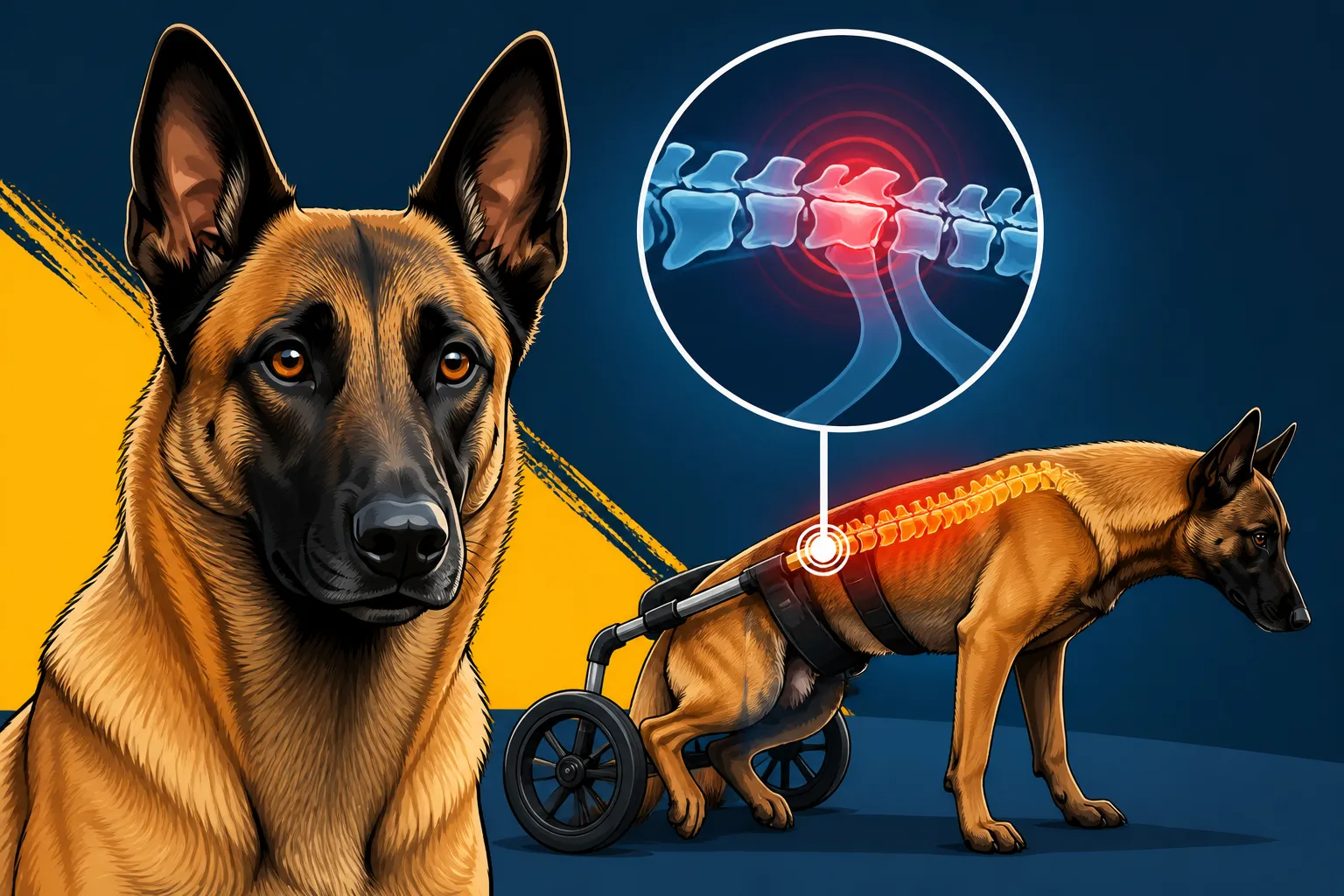
Degenerative Myelopathy is a progressive neurological disease that affects the spinal cord, specifically the white matter that contains the nerve fibers responsible for movement and sensation. Think of it like a short-circuiting electrical cable – the insulation (myelin) starts to break down, and the signals from the brain to the limbs can't get through properly. It's not a painful disease in itself, which can make it even more insidious, as the dog isn't crying out in agony but rather slowly losing function.
The condition is genetically inherited, caused by a mutation in the SOD1 gene. This is why responsible breeders often test their breeding stock. While many breeds are susceptible, German Shepherds, Boxers, Corgis, and, yes, our beloved Belgian Malinois, are among those more commonly affected. Symptoms usually appear in middle-aged to older dogs, typically between 8 to 14 years old. It’s important to remember that simply carrying the gene doesn't guarantee your Malinois will develop DM, but it significantly increases the risk, and two carriers can produce affected offspring. You might be interested in learning more about whether a Malinois Should Be DNA Tested for Myelopathy to understand the implications of genetic testing.
The Silent Progression of DM
One of the most frustrating aspects of Degenerative Myelopathy is its insidious onset and slow, progressive nature. It often begins subtly, with what looks like just a bit of clumsiness or weakness in one of the hind limbs. You might notice your Malinois dragging a paw slightly, scuffing their nails, or having a little less spring in their step. These early signs are easily dismissed as "just old age" or a minor sprain, especially in a dog known for pushing its limits.
As the disease progresses, the weakness becomes more pronounced and bilateral, affecting both hind legs. Your Malinois might struggle to rise from a lying position, wobble when standing, or develop an uncoordinated, swaying gait. They might cross their hind legs when walking, or their back end might sink or buckle, especially on slick surfaces. Over months, or even a year or two, this progresses to difficulty walking, then needing assistance to move, and eventually paralysis of the hind limbs. This gradual loss of control is devastating for a dog that thrives on movement and for the owners who witness it. It’s a very different picture from the sudden, dramatic issues seen with acute injuries like a torn cruciate, but equally impactful on their quality of life.
Differentiating DM from Other Spinal Issues
Diagnosing Degenerative Myelopathy can be a real challenge for veterinarians because its early symptoms often mimic those of other common orthopedic and neurological conditions. Conditions like hip dysplasia, arthritis, intervertebral disc disease (IVDD), and even certain types of cancer can present with hind limb weakness or ataxia. For instance, the signs of spinal compression from a bulging disc can look remarkably similar to early DM, though IVDD typically presents with pain, which DM does not.
A definitive diagnosis of DM can only be made post-mortem through a biopsy of the spinal cord. However, during the dog's life, a veterinarian will perform a series of neurological exams to rule out other conditions. This might involve testing reflexes, proprioception (the sense of body position), and muscle tone. X-rays can help rule out structural problems like severe arthritis or disc issues, and sometimes an MRI or CT scan is recommended, though these don't show DM itself, they help exclude other causes. Genetic testing for the SOD1 gene mutation can indicate a predisposition, but it's not a diagnostic tool for the disease's presence, only the genetic risk. It's crucial to work closely with your vet and potentially a veterinary neurologist to get as accurate a diagnosis as possible, especially if you're dealing with issues like arthritis in a Belgian Malinois at nine or struggling with symptoms that might also point to problems with The Hip and Elbow Numbers Behind a Malinois Clearance.
Living with a Malinois Diagnosed with Spinal Disease
Receiving a diagnosis of Degenerative Myelopathy or another progressive spinal disease for your Malinois can feel like a punch to the gut. The initial shock and sadness are intense, but then comes the practical challenge of managing their care and maintaining their quality of life. It’s a marathon, not a sprint, and it demands patience, dedication, and a willingness to adapt.
Early Interventions and Management Strategies
While there's no cure for Degenerative Myelopathy, early intervention and proactive management can significantly slow its progression and improve your Malinois's comfort and mobility for as long as possible. The cornerstone of this management often involves rigorous physical therapy. This isn't just about walks; it's about targeted exercises designed to maintain muscle mass, improve balance, and stimulate neurological pathways. This could include controlled leash walks, swimming (which provides buoyancy and reduces joint stress), passive range of motion exercises, and specific balance exercises on wobble boards or cavaletti poles. Seeking advice from a certified canine rehabilitation therapist can be invaluable, as they can design a tailored program. You'll find that understanding Physical Therapy Prices for a Belgian Malinois can help you plan for these ongoing needs.
Beyond physical therapy, dietary supplements can play a supportive role. While they won't halt the disease, many owners find success with supplements aimed at supporting neurological health and reducing inflammation, such as Omega-3 fatty acids, antioxidants like Vitamin E, and B vitamins. Joint supplements, which you might already be familiar with for Joint Supplements for a Working Belgian Malinois, can also be beneficial if your Malinois has concurrent arthritis or hip issues that exacerbate their mobility challenges. Regular vet check-ups are essential to monitor progression and adjust the management plan as needed, ensuring your dog remains as comfortable and mobile as possible.
Maintaining Quality of Life as Mobility Declines
As your Malinois's spinal disease progresses, their needs will change, and your home environment might need some adjustments. The goal is always to maintain their dignity and joy for life, even if their body is failing them. One of the first things you might consider is traction. Those once-sleek hardwood or tile floors that your Malinois gracefully navigated now become treacherous ice rinks. Investing in rugs, runners, or even special non-slip booties can make a huge difference in their confidence and ability to move around your home. Helping an Old Belgian Malinois Off Slick Floors becomes a daily priority.
Eventually, your Malinois will likely need assistance with movement. This is where mobility aids come in. Supportive harnesses, especially those with handles over the hips, can help you lift and steady their hindquarters for short walks or bathroom breaks. When hind limb paralysis becomes more significant, a dog wheelchair, or "cart," can offer a new lease on life. It allows them to continue moving, playing, and engaging with the world, providing essential mental and physical stimulation. Remember, a Malinois’s mind is still sharp, even if its body is not. Continuing to offer puzzle toys, scent work, and positive reinforcement training sessions can keep their brilliant minds engaged and happy. Brands like Healthy Paws pet insurance can be a real lifesaver here, as the costs for specialized equipment, ongoing physical therapy, and vet visits for a dog with a progressive condition can quickly add up, providing much-needed financial peace of mind.
Financial Considerations and Support
Let's be real, caring for a Malinois with a chronic, progressive spinal disease is not just emotionally draining, it can also be incredibly expensive. The specialized vet visits, diagnostic tests, ongoing medications, physical therapy sessions, and potentially mobility equipment like wheelchairs can quickly run into thousands of dollars. It’s a heavy burden, and it’s okay to acknowledge that. Many owners find themselves grappling with the financial implications, trying to balance their budget with their fierce love and desire to provide the best for their companion.
This is where having a good pet insurance plan can make a world of difference. Companies like Healthy Paws offer coverage for accidents and illnesses, and while many plans have waiting periods or don't cover pre-existing conditions, if you enroll your Malinois when they're young and healthy, it can provide invaluable support should a condition like DM arise later in life. Having that financial safety net can allow you to make decisions based on what’s best for your dog, rather than what you can afford out-of-pocket. Beyond insurance, look into local veterinary schools that sometimes offer specialized services at a lower cost, or consider reaching out to breed-specific rescues or foundations; sometimes they have grant programs or resources to help owners with expensive medical care. Every bit of support can help you focus on giving your Malinois the best possible care, making sure they can keep enjoying life as much as possible.
Preparing for the Inevitable: End-of-Life Decisions
This is arguably the hardest part of sharing your life with a dog, especially one as vibrant and full of life as a Belgian Malinois. Watching their mobility decline, despite your best efforts, forces you to confront difficult questions about their future and quality of life. It’s a journey filled with love, grief, and often, agonizing decisions.
Recognizing When It's Time
Knowing when it's time to say goodbye is one of the heaviest responsibilities of pet ownership. For a Malinois dealing with a progressive spinal disease, the decision isn't usually sudden. It's a gradual realization that despite all the supportive care, the bad days start to outnumber the good ones. Quality of life becomes the paramount consideration. Are they still able to enjoy their favorite things, even modified? Do they still engage with you? Are they eating and drinking comfortably? Are they experiencing more frustration, confusion, or pain (even secondary pain from compensating for weakness) than joy?
Veterinarians often use a "quality of life scale" to help owners objectively assess their dog's well-being, looking at factors like pain, appetite, hydration, hygiene, happiness, and mobility. It can be incredibly difficult to make an unbiased assessment when your heart is so involved. Having open, honest conversations with your vet and trusted friends or family can provide much-needed perspective. They can help you recognize signs you might be overlooking, like an old Malinois That Paces the House at Night due to discomfort or cognitive decline, or simply a deep sadness in their eyes that speaks volumes. It's about ensuring your Malinois retains their dignity and is spared prolonged suffering, not about reaching a specific stage of paralysis.
Supportive Care in the Final Stages
As your Malinois approaches the very end of their journey with a spinal disease, the focus shifts entirely to comfort and pain management. Even if DM itself isn't painful, the compensatory issues – muscle strain, pressure sores, and overall fatigue from constantly struggling – can cause discomfort. Your vet can prescribe appropriate pain medications, anti-inflammatory drugs, or muscle relaxants to keep them as comfortable as possible. Ensuring they have soft, well-padded bedding to prevent pressure sores is crucial, especially for dogs who are mostly recumbent.
Many veterinary practices now offer hospice care, which is a wonderful resource during this difficult time. This often involves regular home visits to assess comfort, manage medications, and provide support for both the dog and the family. Some even offer palliative care, focusing on relieving symptoms without attempting to cure the underlying disease. These services allow your Malinois to remain in their familiar, loving environment, surrounded by the people they trust most, right up until the very end. The peace of mind that comes from knowing you've done everything to ensure their comfort is priceless. This period can also coincide with other challenges that come with an aging dog, such as Retiring a Working Belgian Malinois From the Job, which brings its own set of emotional and physical adjustments.
The Emotional Toll on Handlers
Let's be honest, we pour our hearts and souls into these dogs. They aren't just pets; they're family, partners, and sometimes, our entire world. Witnessing a progressive disease like DM slowly diminish their capabilities, especially in a breed renowned for its athleticism and drive, is an incredibly painful experience. It's normal to feel a rollercoaster of emotions: grief, guilt, anger, frustration, and profound sadness. You might feel guilty that you couldn't "fix" them, or angry at the unfairness of the disease. These feelings are valid, and you are not alone in experiencing them.
It's vital to allow yourself to grieve and to seek support. Talk to fellow Malinois owners who have been through similar experiences – the community is often incredibly understanding. There are online forums and pet bereavement support groups that can provide a safe space to share your feelings. Remember, you've given your Malinois a wonderful life, filled with love and purpose. Making the final, compassionate decision, when that time comes, is the ultimate act of love, sparing them further decline and suffering. It’s a testament to the depth of your bond, and that bond, and the memories you've created, will always remain, long after their physical presence is gone.
Spinal Disease Progression in Belgian Malinois
To provide a clearer picture of how Degenerative Myelopathy typically unfolds, here is a table outlining the general stages and associated observations. Keep in mind that every dog's progression can vary, and this is a generalized guide.
| Stage of DM | Common Observations | Mobility & Function | Management Focus |
|---|---|---|---|
| Early | Slight scuffing of hind paws, mild wobbliness | Intermittent loss of coordination in hind limbs, weak tail wag, difficulty on slick surfaces | Physical therapy (strengthening, balance), joint supplements, non-slip flooring, paw protection |
| Mid | More pronounced ataxia, hind limb crossing, muscle atrophy | Hind limb weakness, frequent stumbling, difficulty rising, needing assistance with stairs | Continued physical therapy, supportive harnesses, acupuncture, anti-inflammatory support, consistent vet checks |
| Advanced | Significant hind limb paralysis, complete loss of sensation | Inability to walk independently, struggles to stand, incontinence becomes more common | Wheelchair use, thorough hygiene care, pain management, soft bedding, quality of life assessment |
| End Stage | Complete paralysis of hind limbs, progression to forelimbs | Severe muscle wasting, potential for widespread paralysis, profound inability to move | Comfort care, intensive pain management, hygiene, emotional support for owner, end-of-life planning |
Disclaimer
The information provided in this article is for educational and informational purposes only and does not constitute veterinary advice. Always consult with a qualified veterinarian for any health concerns or before making any decisions about your pet's medical care.