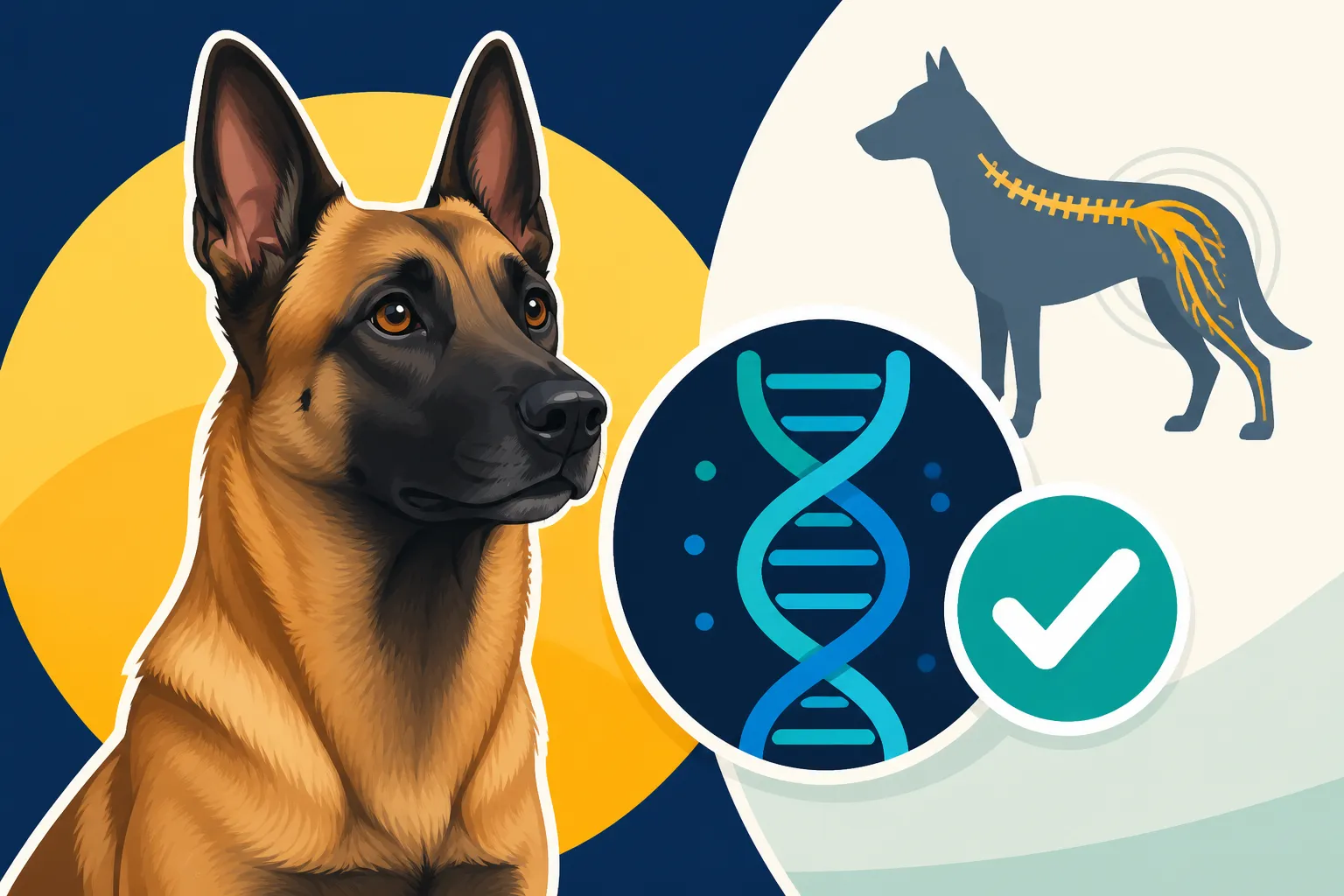
Whether a Malinois Should Be DNA Tested for Myelopathy
The sinking feeling you get when your active, driven Belgian Malinois starts to show a subtle change in their gait, a slight dragging of a paw, or just an uncharacteristic weakness in their hindquarters, is something no owner wants to experience. When these changes begin, many of us immediately jump to concerns about hips or elbows, but there's another, more insidious neurological condition that can affect our beloved Mals: Degenerative Myelopathy. This guide will walk you through what DM is, the role of DNA testing, and whether it's a necessary step for your Belgian Malinois.
Understanding Degenerative Myelopathy in Belgian Malinois
It's natural to be concerned when you notice any change in your Malinois's incredible athleticism and boundless energy. These dogs are powerhouses, and any decline in their physical ability is alarming. Degenerative Myelopathy (DM) is particularly heartbreaking because it slowly robs a dog of its mobility, often leading owners down a frustrating path of misdiagnosis before the true culprit is identified.
What Degenerative Myelopathy Actually Is
Degenerative Myelopathy is a progressive, incurable neurological disease that affects the spinal cord, particularly in the thoracic (mid-back) region. Think of the spinal cord as the superhighway for nerve signals traveling between the brain and the limbs. In DM, the protective myelin sheath around these nerve fibers starts to break down, and the nerve fibers themselves begin to degenerate. This is much like a frayed electrical wire where signals struggle to get through, or stop altogether.
The cruel irony of DM is that it's not a painful condition for the dog itself. Unlike hip dysplasia or arthritis, where discomfort and pain drive much of the behavioral changes, DM is purely a loss of nerve function. Your Malinois won't cry out in pain from it, which can make it even harder for owners to understand what's happening. The disease typically starts in the hind limbs, causing weakness, uncoordinated movement, and eventually paralysis. It then progresses up the spinal cord, eventually affecting the front limbs and even respiratory function in its final stages. It’s truly one of those silent destroyers that can leave both you and your vet scratching your heads until a definitive diagnosis is made. The slow, relentless progression is what makes it so emotionally taxing.
The Distinct Impact on Belgian Malinois
While DM is often associated with breeds like German Shepherds, Boxers, and Welsh Corgis, Belgian Malinois are not immune. For a breed so renowned for its agility, speed, and working capability, even a subtle onset of DM can be devastating. Early symptoms in a Malinois might include a slight wobble when standing, an uncharacteristic difficulty climbing stairs or getting into a vehicle, or the dragging of one or both rear paws. You might notice their nails wearing down unevenly or excessively on the top, a clear sign they aren't lifting their feet properly.
One of the major frustrations for Malinois owners is that these initial signs can easily be mistaken for other, more common musculoskeletal issues. Is it an old injury resurfacing? Could it be early arthritis, or perhaps a mild case of hip dysplasia that's finally manifesting? It's a natural leap to make, especially when you consider how many active Malinois experience minor aches and pains from their rigorous training and work. This overlap in early symptoms often means precious time is lost before DM is considered as a possibility, and by then, the progression might be more noticeable. The definitive diagnosis of DM can only be made post-mortem by examining spinal cord tissue, but DNA testing offers a powerful tool for screening and understanding genetic risk during a dog's lifetime. Understanding The Spinal Disease That Ends a Malinois's Mobility can help differentiate it from other conditions.
The DM-Associated Gene and DNA Testing
The scientific community has made incredible strides in identifying the genetic markers for many diseases, and Degenerative Myelopathy is one of them. This advancement gives owners and breeders a proactive way to assess risk, rather than waiting for heartbreaking symptoms to appear.
The SOD1 Gene and Its Role
The key to understanding DM DNA testing lies in the Superoxide Dismutase 1 (SOD1) gene. Research has identified a specific mutation in this gene that is strongly associated with the development of DM. This condition is inherited in an autosomal recessive pattern. What does that mean for your Malinois?
- N/N (Clear): Your dog has two normal copies of the SOD1 gene. This means they are genetically clear and cannot develop DM related to this specific mutation. They also cannot pass the mutation on to their offspring.
- A/N (Carrier): Your dog has one normal copy and one copy of the mutated SOD1 gene. They are carriers. This means they are highly unlikely to develop DM themselves (though some debate exists about very late-onset or mild forms in carriers, it's rare), but they can pass the mutated gene on to 50% of their offspring.
- A/A (At-Risk): Your dog has two copies of the mutated SOD1 gene. They are considered genetically "at-risk" for developing DM. This is crucial: "at-risk" does not mean they will develop the disease, but they have a significantly higher probability of doing so at some point in their lives compared to a clear or carrier dog. If bred, they would pass a copy of the mutated gene to all of their offspring.
Understanding these distinctions is paramount for responsible breeding practices, as well as for individual pet owners who want to be prepared. When you see discussions about breeding, you'll often hear about avoiding breeding two "carrier" dogs together, as that significantly increases the chance of producing "at-risk" puppies.
How DNA Testing Works
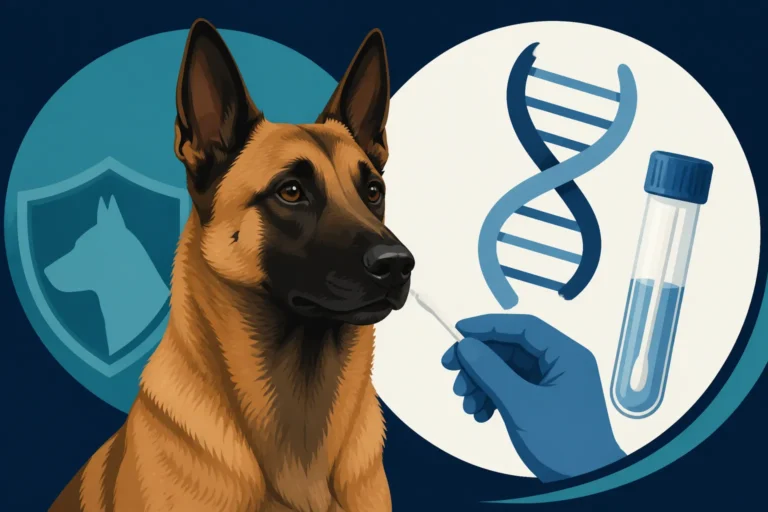
The process of getting your Malinois tested for the SOD1 gene mutation is incredibly simple and non-invasive. Most veterinary clinics can perform a simple cheek swab, where a small brush or swab is rubbed on the inside of your dog's cheek to collect saliva and epithelial cells. This sample is then sent to a specialized genetic testing laboratory. You can also order home testing kits from reputable companies, which are typically easy to use with clear instructions.
Labs like Embark Veterinary, Optimal Selection, and the Orthopedic Foundation for Animals (OFA) through their various partners, offer these tests. Results usually come back within a few weeks and will clearly state your dog's genetic status (N/N, A/N, or A/A). These results are typically added to your dog's health profile, often publicly searchable through the OFA database if you choose, contributing to broader breed health data. This transparency is incredibly valuable for prospective puppy buyers looking for responsible breeders who are actively working to minimize genetic health risks. This testing is different from Testing a Belgian Malinois for SDCA1 and SDCA2, which focuses on a different neurological condition, but highlights the importance of genetic screening.
Should Your Malinois Be Tested for DM? Weighing the Pros and Cons
Deciding whether to DNA test your Belgian Malinois for Degenerative Myelopathy is a personal choice, but it’s one that carries significant implications for both you and your dog's future. There are compelling reasons for testing, especially given the active lifestyle these dogs lead and the specific challenges DM presents.
Benefits of DNA Testing for Owners and Breeders
For breeders, DNA testing for DM is simply non-negotiable for ethical practice. Knowing the genetic status of your breeding stock allows you to make informed decisions to avoid producing "at-risk" puppies. For example, a carrier (A/N) can still be responsibly bred, but only to a clear (N/N) mate. This prevents any puppies from inheriting two copies of the mutated gene and becoming A/A. This responsible approach helps to reduce the prevalence of DM in the breed over time, protecting future generations of working and companion Malinois.
For pet owners, even if your Malinois isn't destined for breeding, there's immense value in knowing their DM status. If your dog tests as "at-risk" (A/A), it doesn't mean you panic, but it does mean you can be proactive. You can keep a closer eye out for the subtle early signs, ensuring that if symptoms do appear, you and your vet can consider DM sooner rather than later, avoiding potentially expensive and inconclusive investigations into other conditions. This foreknowledge can also prompt you to prioritize certain aspects of care, such as maintaining optimal fitness, considering Joint Supplements for a Working Belgian Malinois, and providing traction in the home environment, which might help delay the onset or slow the progression of symptoms. It gives you the gift of preparedness, allowing you to plan for potential mobility issues and adapt your home and routine to maintain your dog's quality of life for as long as possible. Many owners find peace of mind in knowing, regardless of the outcome.
Limitations and Considerations of the Test
It’s absolutely crucial to understand that a positive "at-risk" (A/A) result from the SOD1 gene test is not a death sentence. It indicates a genetic predisposition, not a guarantee that your Malinois will develop Degenerative Myelopathy. Many dogs that test A/A never actually develop clinical symptoms of DM, or they develop them so late in life that other age-related health issues take precedence. This phenomenon is known as incomplete penetrance, meaning that while the gene is present, other genetic or environmental factors might prevent or delay its expression.
This is a critical distinction, as some owners might mistakenly believe an "at-risk" result means their dog will suffer from DM. While the risk is significantly higher, it's not 100%. Conversely, a "clear" (N/N) result is excellent news, but it also doesn't provide a blanket immunity to all neurological problems. Your Malinois could still develop other spinal or neurological conditions not related to the SOD1 mutation. Therefore, while DNA testing is a powerful tool, it's just one piece of the larger health puzzle and shouldn't replace regular veterinary check-ups and vigilance for any health changes. Pet insurance like Healthy Paws can also be a valuable investment regardless of DM status, helping to cover unexpected veterinary costs, especially if your Malinois is a working dog prone to injuries or other health issues.
Making an Informed Decision for Your Dog
The decision to DNA test your Malinois ultimately comes down to your personal comfort level and your dog's situation.
- For puppies and young dogs: If you're acquiring a puppy, asking the breeder for the parents' DM test results (and the puppy's if available) is an excellent practice. If not, testing your young Malinois gives you a baseline early on.
- For breeding dogs: As mentioned, testing is essential for responsible breeding.
- For adult pet dogs: If your Malinois is older and already showing early signs of hind-end weakness, a DM test can help your vet narrow down diagnostic possibilities. If they're healthy, testing still provides valuable information for future planning.
- Peace of mind: Some owners simply want to know so they can be prepared, while others prefer not to worry unless symptoms arise.
Here's a quick comparison of the genetic statuses and their implications:
| Genetic Status | Interpretation | Risk of Developing DM | Breeding Recommendation |
|---|---|---|---|
| N/N (Clear) | Two normal copies of the gene | Extremely Low / None | Can be bred to any dog. |
| A/N (Carrier) | One normal, one mutated copy | Extremely Low / Rare | Breed only to N/N (Clear) dogs. |
| A/A (At-Risk) | Two mutated copies | Significantly Higher Risk | Breed only to N/N (Clear) dogs, or ideally, not at all to reduce disease prevalence. |
Remember, this test is specific to the SOD1 gene mutation. Even with a clear result, maintaining a robust The Checkup Schedule a Sport Malinois Should Keep and being observant of your Malinois’s health is always important.
Living with a DM-Positive Malinois
Receiving an "at-risk" or, more heartbreakingly, a clinical diagnosis of DM in your Malinois can feel overwhelming. It's a progressive condition, and there's currently no cure, but that doesn't mean there's nothing you can do. Your Malinois can still have a good quality of life with supportive care and your unwavering dedication.
Managing Symptoms and Maintaining Quality of Life
If your Malinois tests as "at-risk" or begins to show symptoms, the focus shifts to supportive care and maintaining their comfort and mobility for as long as possible. Physical therapy plays a massive role here. Regular, gentle exercise that strengthens core muscles and hind limbs without overexertion can be beneficial. Hydrotherapy (swimming) is often excellent because it allows movement without weight-bearing stress, helping to maintain muscle mass. Look for local veterinary rehabilitation centers that offer these services. You can also discuss Physical Therapy Prices for a Belgian Malinois with your vet.
Environmental adjustments in your home are also critical. Ensure your Malinois has good traction on all floor surfaces to prevent slipping and further injury. Rugs, runners, or paw pads can make a huge difference. As the disease progresses, mobility aids like slings, harnesses (such as the Help 'Em Up Harness), or even custom-fitted wheelchairs (often called "dog carts") can restore a significant amount of independence and allow your Malinois to continue enjoying walks and spending time outdoors. It’s about adapting to their changing needs and finding creative solutions to keep them active and engaged. Providing soft, supportive bedding is also important to prevent pressure sores. Don’t forget about Caring for a Belgian Malinois After Ten as many of these care aspects overlap.
The Emotional Toll on Owners
Let's be real, watching your incredibly athletic, driven Malinois slowly lose their ability to move is absolutely gut-wrenching. It's a rollercoaster of emotions, from frustration and sadness to fierce determination to provide the best care. You'll likely experience anticipatory grief as you witness the gradual decline. It's easy to feel isolated, especially when friends or family don't understand the specific challenges of a progressive neurological condition.
It’s crucial to acknowledge these feelings and give yourself grace. Connect with other owners in online forums or support groups who are going through similar experiences. They can offer practical tips, emotional support, and a sense of community. Remember that your love and presence are the most important things for your Malinois. As their mobility decreases, their need for mental stimulation and your companionship often increases. Keep them engaged with puzzle toys, scent work, and gentle interaction. Many Malinois will continue to have that fierce sparkle in their eyes and desire to please, even when their bodies are failing them. This journey can be incredibly tough, but your bond with your Malinois is strong enough to navigate it. Planning for potential long-term care, including veterinary visits and equipment, might necessitate budgeting a bit more each month; considering what a Malinois owner should bank each month can help alleviate some financial stress.
Disclaimer
The information provided in this guide is for general informational purposes only and does not constitute veterinary advice. Always consult with a qualified veterinarian for any health concerns or before making any decisions about your dog's care or treatment.