The Age a Working Malinois Starts to Slow
It's a tough pill to swallow for any dedicated handler: watching your once-unstoppable Belgian Malinois, the dog that ate, slept, and breathed work, begin to show the subtle signs of slowing down. That boundless energy, the relentless drive, the sheer physical prowess that defined them in their prime — it doesn't just vanish overnight, but the transition can still feel abrupt and heartbreaking. This guide will meticulously explore the various indicators, typical ages, and crucial considerations when your working Malinois starts to decelerate, helping you understand, adapt, and provide the best possible care for your incredible partner.
Understanding the Subtle Shift in a Working Malinois
For a Belgian Malinois bred for work, "slowing down" isn't usually about becoming a couch potato overnight. It's far more nuanced, often manifesting as a slight decrease in speed, a hesitation, or a quicker onset of fatigue. These dogs are so high-drive and resilient that they'll often push through discomfort, making it even harder for us, their handlers, to notice the early signs. It's not about them losing their will to work; it's about their body's capacity to keep up with that incredible will.
When the Peak Performance Starts to Plateau
Most working Belgian Malinois reach their physical and mental prime between two and five years of age. This is when their bodies are fully mature, their training is cemented, and their experience in the field or on the trial grounds is robust. They're strong, agile, and have an incredible endurance that seems limitless. However, just like human athletes, this peak period doesn't last forever.
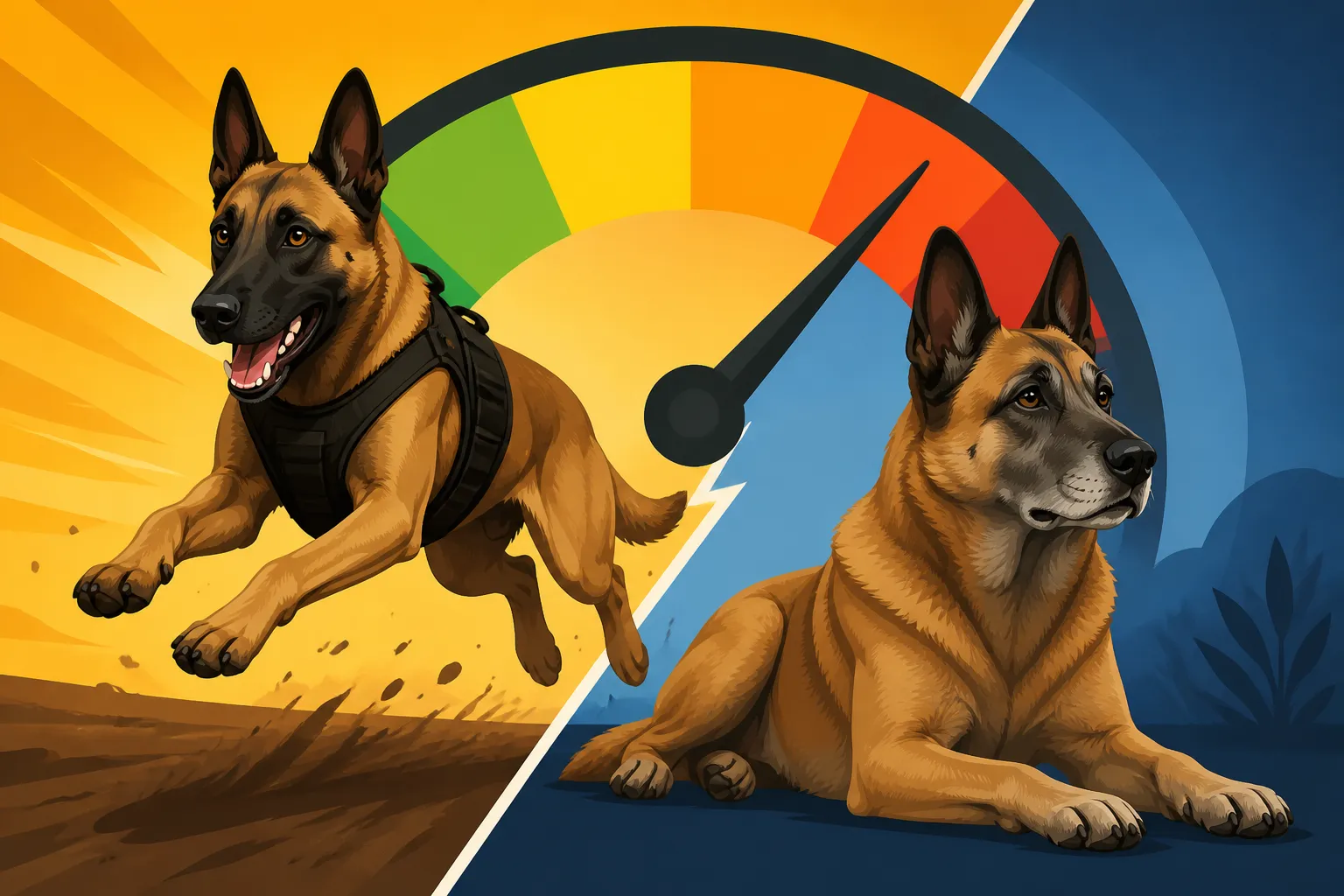
For many Malinois in demanding roles, whether it's police work, Schutzhund/IGP, or detection, the first whispers of a slowdown often appear around six to seven years old. This isn't a hard and fast rule, of course. Some genetics, exceptional conditioning, and less physically taxing jobs might allow a Malinois to maintain higher intensity for longer. But statistically, this is the age range where handlers often report subtle changes. A dog might still be capable of completing a full routine, but perhaps with a bit less spring in their step during the long retrieve, or needing a touch more encouragement to hit that obstacle with the same explosive power. It’s crucial to understand that this isn't a failure on their part, but a natural progression of their physical maturity. Recognizing this early allows for proactive adjustments rather than reactive measures when issues become more pronounced.
Differentiating Normal Aging From Health Issues
One of the biggest challenges in observing a working Malinois's slowdown is distinguishing between the natural process of aging and the onset of specific health problems. A healthy, aging Malinois might simply show reduced stamina or slightly longer recovery times. Their desire to work might remain high, but their physical engine just can't redline as long as it used to.
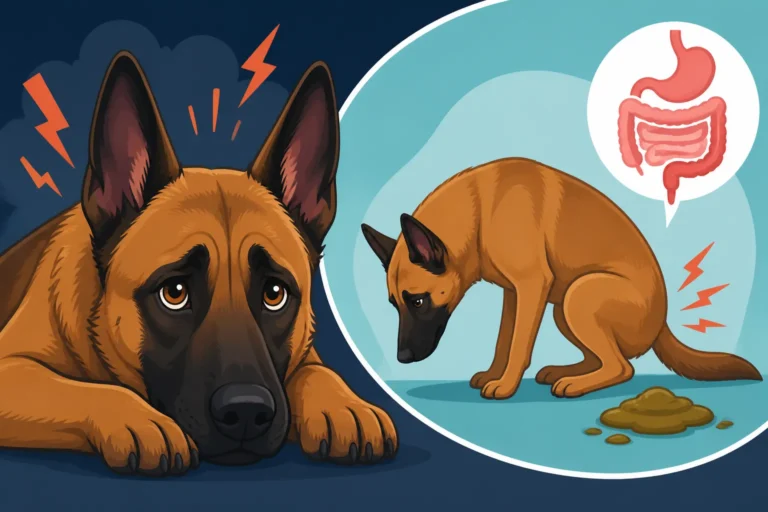
On the other hand, a sudden or marked decline, especially if accompanied by pain, lameness, or behavioral changes, could point to an underlying medical condition. It's incredibly important to be vigilant. For instance, a persistent limp or stiffness after activity isn't just "getting old"; it could be a sign of developing Arthritis in a Belgian Malinois at Nine or another orthopedic issue. Similarly, a Malinois that suddenly seems less keen on vigorous training might be experiencing discomfort, even if they don't explicitly vocalize it. Conditions like hip or elbow dysplasia, even if managed for years, can worsen with age. Even more insidious issues like certain types of cancer, which unfortunately can affect this breed, might first manifest as a general malaise or unwillingness to move. Regular veterinary check-ups are paramount during this period to catch anything serious early. Having a good pet insurance plan, like one from Healthy Paws, can be a real lifesaver when these unexpected health issues arise, helping to cover the costs of diagnostics and treatments.
Physical Factors Influencing the Slowdown
The physical demands placed on a working Belgian Malinois are immense. Their bodies are finely tuned machines, but years of high-impact jumps, explosive sprints, powerful bites, and intense concentration take their toll. Understanding these physical wear-and-tear points helps us anticipate and mitigate the effects of aging.
Joint and Musculoskeletal Wear and Tear
Perhaps the most common physical factor contributing to a Malinois's slowdown is the cumulative wear and tear on their joints and musculoskeletal system. These dogs are athletes, performing feats that would challenge many human competitors. Every jump, every hard land, every sudden change of direction, and every powerful engagement with a bite sleeve puts stress on their joints.
Over time, this intense activity can lead to the breakdown of cartilage, inflammation, and the development of osteoarthritis. While diligent breeders screen for conditions like hip and elbow dysplasia, even dogs with excellent clearances can develop age-related arthritis. You might start noticing your Malinois is a little stiff when getting up after a nap, or that their usual enthusiastic leaps into the car are replaced by a more deliberate climb. A common sign is a reluctance to perform certain exercises they once loved, especially those involving vertical leaps or sustained running. This isn't laziness; it's often a sign of discomfort. Supplementation with joint-supporting ingredients like glucosamine, chondroitin, and MSM can be beneficial, and it’s a good idea to discuss Joint Supplements for a Working Belgian Malinois with your vet well before serious symptoms appear. Managing this discomfort is key to maintaining their quality of life and allowing them to continue working, even if at a reduced intensity.
Decreased Stamina and Energy Levels
Another prominent physical change is a noticeable decrease in stamina and overall energy levels. The Malinois is renowned for its seemingly endless motor, but as they age, this motor might not run quite as long or as fast. Their cardiovascular system and muscles naturally become less efficient.
You might find that your dog tires more quickly during a training session, needs longer recovery periods between exercises, or simply can't sustain the same level of intensity for an extended duration. Instead of two hours of non-stop work and play, they might be ready to "call it a day" after 90 minutes, or even less for older dogs. This is particularly evident in activities requiring sustained exertion, like long tracking sessions or repeated protection work scenarios. They might still explode out of the gate with impressive speed, but the burst may not last as long, or they might be winded more easily. This isn't to say they become lethargic; a Malinois that slows down is still often more energetic than many younger dogs of other breeds. But compared to their younger selves, the difference is palpable. Adjusting training schedules to include shorter sessions becomes essential to prevent overexertion and injury.
Vision, Hearing, and Dental Health Considerations
Beyond the big muscle and joint issues, other physical factors can subtly contribute to a working Malinois slowing down. Vision and hearing, while often taken for granted, are critical for working dogs. A slight decline in vision can make it harder for a Malinois to track a rapidly moving object or navigate obstacles in low light conditions, leading to hesitation. Hearing loss, even mild, can impact their responsiveness to commands, especially at a distance or in noisy environments. While these changes are often gradual, they can lead to subtle performance issues that might initially be misinterpreted as a lack of focus or willingness.
Dental health is another often-overlooked area. A Malinois involved in bite sports often experiences significant wear and tear on their teeth, including chipped canines or fractures. Chronic dental pain, even if not immediately obvious, can make a dog generally uncomfortable, impacting their overall enthusiasm and ability to concentrate. Imagine trying to perform complex tasks with a persistent toothache – it's no different for our dogs. Regular dental check-ups and addressing issues like Chipped Canines on a Malinois From Sleeve Work are vital. All these seemingly minor issues can chip away at a dog's overall well-being and contribute to a more generalized slowdown. Proactive care, including routine vet visits that might be covered by a provider like Healthy Paws, can help manage these age-related changes effectively.
Mental and Behavioral Changes
A Malinois's working capacity isn't just physical; it's deeply rooted in their mental acuity, focus, and drive. As they age, these cognitive and behavioral aspects can also undergo transformations that impact their performance.
Changes in Focus and Drive
While the intrinsic drive of a Malinois is legendary and often one of the last things to fade, subtle changes in focus and intensity can still occur. A younger Malinois might possess an almost obsessive focus, locking onto a task with unwavering attention. An older Malinois, while still driven, might find distractions more challenging to filter out, or their attention span for highly repetitive tasks might slightly diminish.
This doesn't mean they've lost their intelligence or their desire to please; it's more about a slight reduction in their peak mental endurance. They might be quicker to disengage if a task is overly complex or prolonged, especially if physical discomfort is also present. Some older Malinois may become a bit "wiser" or more economical with their movements, conserving energy rather than expending it all in a youthful, sometimes reckless, burst. This can manifest as less frantic enthusiasm but still highly effective, methodical work. It's about adapting expectations and tasks to match their evolving mental capacity, perhaps focusing on precision over raw speed. Continuing to engage them mentally is paramount; finding ways of Keeping an Old Belgian Malinois Mentally Busy is essential for their well-being.
Increased Caution or Hesitation
One behavioral shift sometimes observed in aging working Malinois is an increase in caution or hesitation, particularly around novel or challenging situations they once tackled without a second thought. This can stem from a variety of factors. Physically, if they've experienced discomfort or minor injuries from certain obstacles or hard landings in the past, they might develop a learned hesitancy to avoid potential pain.
Mentally, as cognitive function slightly declines, processing new information or rapidly changing environments might take a fraction longer, leading to a brief pause where there was once immediate action. For example, a dog that used to leap over a jump without breaking stride might now take an extra step to assess it, or even try to go around it if the pain risk seems too high. This isn't a sign of fear in the traditional sense, but rather a more considered approach to their work, a pragmatism born of experience and the body's limitations. Handlers need to be empathetic to this, providing reassurance and potentially adjusting the difficulty or novelty of tasks.
Greater Need for Routine and Predictability
As Malinois age, many handlers report that their dogs tend to thrive even more on routine and predictability. While these dogs generally do well with structure throughout their lives, an older Malinois might become slightly more sensitive to disruptions or sudden changes. This isn't an uncommon trait in aging animals across many species.
A consistent schedule for feeding, training, exercise, and rest can provide a sense of security and reduce stress. Unexpected changes in environment, training partners, or types of work might cause a bit more anxiety or confusion than they would have in their prime. This isn't to say they can't adapt, but the energy required for adaptation might be greater, leading to faster mental fatigue. Sticking to known commands and familiar locations for training can help them feel more confident and perform better. It highlights the importance of consistency and a predictable environment as they transition into their later working years. For pet parents relying on Healthy Paws insurance, keeping a detailed record of their routine and any behavioral changes can be useful for veterinary consultations if they suspect a medical cause.
Adapting Training and Care as a Malinois Ages
Recognizing the signs of slowing down is only the first step. The true art of handling an aging working Malinois lies in adapting your approach to their training and daily care, allowing them to continue enjoying work while minimizing stress and preventing injury.
Modifying Training Regimens
The key to continued engagement for an aging working Malinois is smart modification, not cessation, of training. Their bodies might not handle the same impact or intensity, but their minds still crave purpose.
This could mean several things:
- Reduced Impact: Swap out high-impact jumps for lower obstacles or ground-based search work. Reduce the frequency of hard bite work and focus more on technical aspects rather than raw power.
- Shorter, More Frequent Sessions: Instead of one long, grueling session, break it into two or three shorter, more manageable bursts throughout the day. This allows for better recovery and sustained engagement.
- Focus on Mental Work: Emphasize scent detection, complex obedience patterns, or problem-solving games that are less physically demanding but still tap into their sharp minds. Tracking, for example, is an excellent low-impact activity that a Malinois can often excel at into old age.
- Warm-ups and Cool-downs: Lengthen and intensify warm-up routines before any physical activity to get their joints and muscles ready. Follow up with thorough cool-downs and perhaps gentle stretching.
- Listen to Your Dog: This is paramount. If your Malinois shows any signs of discomfort, hesitation, or fatigue, stop. Push them too hard, and you risk injury or eroding their love for the work.
Remember, the goal is to keep them engaged and happy, not to relive their glory days. A Malinois that continues to work, even at a reduced level, tends to remain mentally sharper and physically healthier than one abruptly retired without replacement activity.
Nutritional Adjustments and Supplementation
As a working Malinois ages, their nutritional needs will subtly shift. Their metabolism might slow down slightly, and their bodies require more support for joint health and overall vitality.
Here’s what to consider:
- Calorie Adjustment: While still active, they might not burn as many calories as they did in their prime. Monitor their weight closely and adjust food intake to maintain their ideal lean condition. Overweight dogs put extra strain on their joints. For advice on specific caloric needs, consult your vet or an animal nutritionist, especially if you're trying to figure out Feeding a Malinois That Has Left the Job but still needs appropriate sustenance.
- Joint Support: This is non-negotiable for an aging working dog. Beyond the glucosamine and chondroitin mentioned earlier, supplements containing Omega-3 fatty acids (like fish oil) can help reduce inflammation.
- High-Quality Protein: Continue to feed a high-quality diet rich in easily digestible protein to support muscle mass, which naturally declines with age.
- Antioxidants: Foods or supplements rich in antioxidants can help combat cellular damage from years of high metabolism and stress.
- Hydration: Ensure constant access to fresh water. Proper hydration is critical for joint health and overall bodily function.
Discuss any significant dietary changes or the introduction of new supplements with your veterinarian. They can provide guidance based on your dog's specific health profile and activity level.
Importance of Regular Veterinary Check-ups
This cannot be stressed enough. Regular veterinary check-ups become even more critical as your working Malinois ages. These routine visits are your best defense against insidious health issues that can contribute to a slowdown.
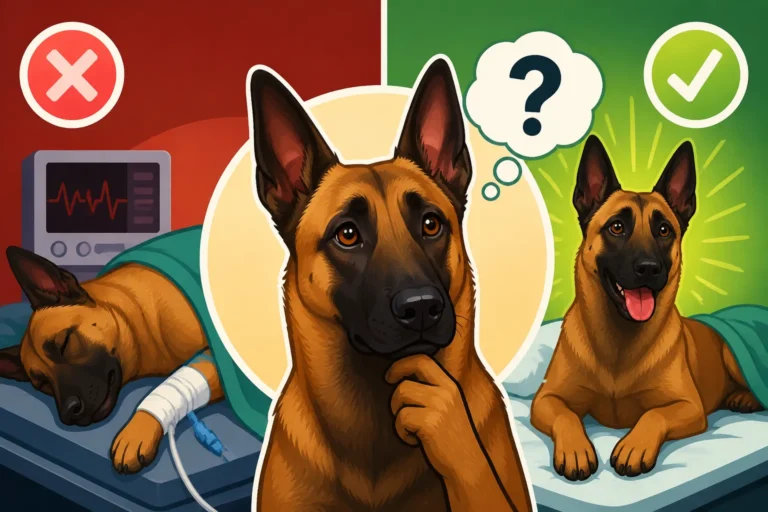
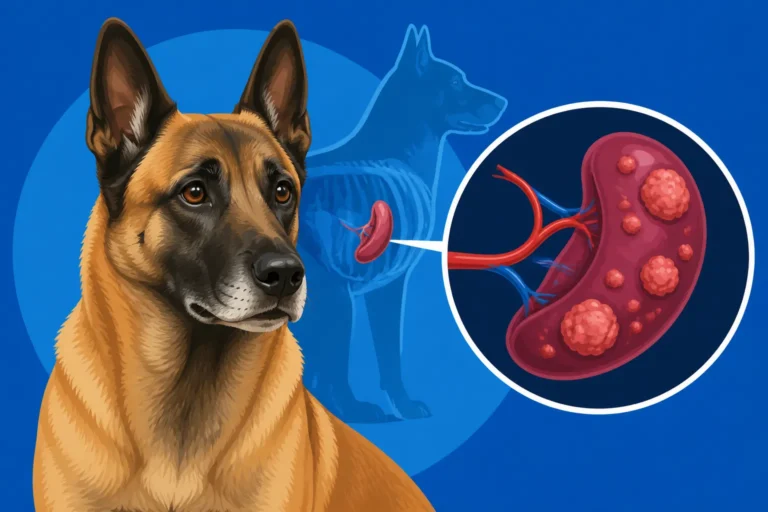
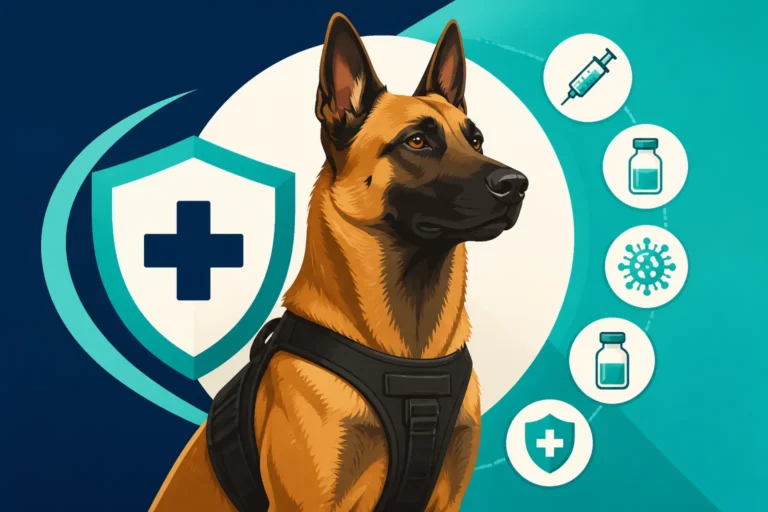
Think of it as preventive maintenance for a high-performance vehicle. These check-ups should ideally be twice a year, not just annually, once your Malinois reaches six or seven years old. Your vet can conduct thorough physical exams, looking for subtle signs of arthritis, changes in heart or lung function, or early indicators of other conditions like The Bleeding Tumor That Kills an Older Malinois or kidney disease. Blood work, including a full chemistry panel and complete blood count, can provide valuable insights into organ function and overall health. They can also screen for issues like A Malinois Whose Thyroid Has Given Out, which can significantly impact energy and metabolism. Don't wait for obvious symptoms; by then, a condition might be more advanced and harder to manage. Discussing The Checkup Schedule a Sport Malinois Should Keep with your vet will help you create a personalized plan. Investing in preventive care and having a reliable pet insurance provider like Healthy Paws can significantly reduce the financial burden if serious health concerns are diagnosed, allowing you to focus on your dog's well-being without added stress.
When to Consider Retirement and Transition
The decision to retire a working Malinois is one of the hardest a handler will ever make. It's often fraught with emotion, guilt, and the practical challenges of transitioning a high-drive dog to a less active lifestyle. However, it's a decision rooted in love and responsibility.
Reading the Signs of Readiness for Retirement
There's no magic age that signals retirement for every working Malinois. The timing is entirely dependent on the individual dog, their job, and their overall health. However, there are clear signs that indicate it might be time to consider a full or partial retirement from their intense working life.
Key indicators include:
- Consistent physical discomfort: Repeated lameness, stiffness that doesn't resolve with rest, or vocalizations of pain during or after work.
- Significant drop in performance: If they can no longer reliably complete tasks they once mastered, or if their speed, precision, or power has diminished to a point that affects their job efficacy (e.g., in police work) or enjoyment.
- Loss of enthusiasm: While their drive is usually the last thing to go, a general reluctance to engage, or a clear preference for less strenuous activities, can be a sign.
- Increased recovery time: If it takes them days to recover from a session that used to only require a few hours of rest.
- Behavioral changes: Irritability, anxiety, or uncharacteristic behavior during work sessions can sometimes be linked to underlying pain or mental fatigue.
It's not about one single sign but a combination of several that paint a picture. This decision is often best made in consultation with your veterinarian, fellow experienced handlers, and perhaps a specialized sports medicine vet who understands the unique demands on these dogs. The goal is to maximize their remaining years of happiness and comfort. The article Retiring a Working Belgian Malinois From the Job offers more detailed insights into this transition.
Finding New Outlets and Purpose in Retirement
Retirement for a working Malinois isn't about doing nothing; it's about finding new, gentler ways to channel their incredible drive and intelligence. These dogs thrive on purpose, and suddenly taking that away without providing an alternative can lead to behavioral problems like anxiety, destructive chewing, or excessive vocalization.
Consider these alternatives:
- Scent Work/Nose Work: This is often an ideal transition. It's low-impact, highly mentally stimulating, and dogs can do it almost indefinitely, regardless of physical limitations. It taps directly into their natural instincts and provides immense satisfaction.
- Therapy Work (if temperament allows): If your Malinois has a calm and stable temperament, becoming a therapy dog can provide a beautiful new purpose, offering comfort to others in hospitals or nursing homes.
- Light Obedience and Tricks: Continue practicing and teaching new, low-impact obedience exercises or fun tricks. This keeps their mind active and reinforces your bond.
- Hiking/Walking (at their pace): Continue with walks and hikes, but adjust the duration and intensity to their comfort level. Let them sniff and explore.
- "Pet" Activities: Simply enjoying being a beloved companion, going for car rides, and spending quality time with their family can be a fulfilling "job" in itself.
The key is to keep them mentally and physically engaged to a degree that is appropriate for their age and health. The transition might take some creativity and patience, but seeing your retired partner happy and fulfilled in their new role is incredibly rewarding.
The Emotional Toll on the Handler
It would be remiss not to address the significant emotional toll that watching a working Malinois slow down and making the decision to retire them can have on the handler. These dogs are more than just pets; they are partners, colleagues, and often an extension of ourselves, especially in demanding professions or sports.
The bond formed through intense training and shared challenges is profound. Seeing their physical capabilities diminish can evoke feelings of sadness, frustration, and even a sense of loss for the partnership as it once was. Handlers might feel guilty, wondering if they pushed their dog too hard, or if they're making the right decisions now. It's crucial to acknowledge these feelings and understand that they are normal. Lean on your support network – fellow handlers, friends, family, and your veterinarian. Remember that adapting your approach is the ultimate act of love and respect for your dog's lifetime of service and dedication. Your role simply evolves from demanding instructor to compassionate caretaker, ensuring their golden years are as comfortable and happy as possible.
Table: Typical Age-Related Changes in Working Malinois
This table summarizes common changes observed in working Belgian Malinois as they age, helping handlers identify areas for adaptation.
| Age Range (Years) | Common Physical Changes | Common Mental/Behavioral Changes | Recommended Adaptations |
|---|---|---|---|
| 1-5 (Prime) | Peak strength, speed, stamina; excellent recovery. | High drive, intense focus, eager to please, boundless energy. | Maintain high-intensity training, focus on skill refinement. |
| 6-8 (Mid-Senior) | Slight decrease in stamina, longer recovery, occasional stiffness. | Still highly driven but may show brief hesitations, slightly reduced focus in distractions. | Shorter, more frequent sessions; introduce joint supplements; increase warm-ups. |
| 9-11 (Senior) | More noticeable joint stiffness/arthritis, significant stamina reduction, some muscle loss. | Increased caution, preference for routine, may tire mentally faster, still seeks purpose. | Lower impact work, focus on scent/mental tasks, consistent routine, veterinary check-ups twice yearly. |
| 12+ (Geriatric) | Pronounced physical limitations, potential vision/hearing loss, significant muscle atrophy. | Reduced cognitive function, increased sensitivity to change, strong desire for comfort and companionship. | Focus on comfort, gentle walks, easy puzzle toys, close veterinary monitoring, senior-specific diet. |
Disclaimer
The information provided in this guide is for general educational purposes only and is not intended to be a substitute for professional veterinary advice, diagnosis, or treatment. Always seek the advice of your veterinarian or other qualified animal health provider with any questions you may have regarding a medical condition or the health and welfare of your Belgian Malinois. Never disregard professional veterinary advice or delay in seeking it because of something you have read in this article.